
How to Store and Preserve Your French Pastry Creations

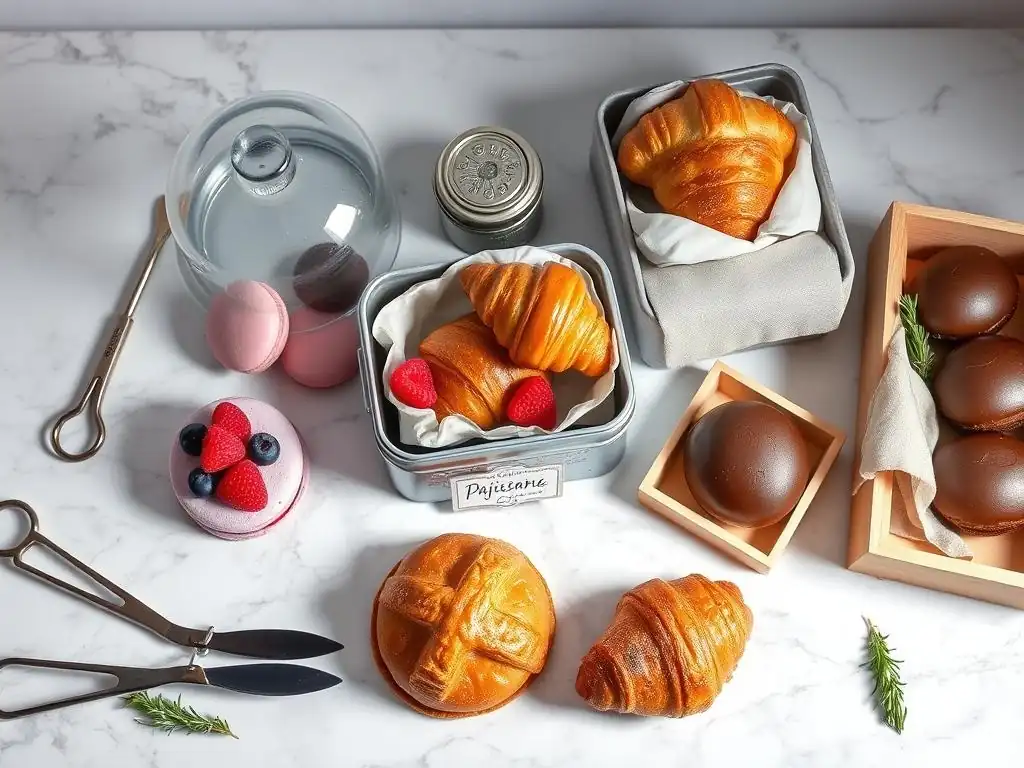
Welcome to BakeWithEase, your haven for all things baking!
Ever wonder how to keep those delicate French pastry creations tasting as exquisite as the moment they emerged from the oven? Unlock the secrets to preserving your hard work with our essential French pastry storage tips, ensuring every bite is a delightful experience. Discover the best methods, avoid common pitfalls, and elevate your baking game. Ready to learn more and prevent your masterpieces from going stale? Let's dive in!
- How to Store and Preserve Your French Pastry Creations: Bake With Ease Guide
- Introduction: Mastering French Pastry Storage for Freshness
- Understanding the Unique Storage Needs of French Pastries
- French Pastry Storage Tips: By Type of Pastry
- Essential French Pastry Storage Techniques
- Troubleshooting Common French Pastry Storage Issues
- The Best Containers and Equipment for French Pastry Preservation
- Conclusion: Enjoying Fresh, Delicious French Pastries Every Time
- Frequently Asked Questions
- Final Reflection: The Enduring Delight of Perfectly Preserved Pâtisseries
- Unlock the Secrets to Perfectly Preserved Pâtisseries!
How to Store and Preserve Your French Pastry Creations: Bake With Ease Guide
Introduction: Mastering French Pastry Storage for Freshness
French pastries are renowned for their delicate textures, rich flavors, and intricate designs. From the crisp layers of a croissant to the airy shell of a macaron, each creation is a masterpiece of culinary art. However, enjoying these treats at their peak requires more than just baking skill; it demands a deep understanding of proper storage techniques. Without the right approach, that perfect puff pastry can turn soggy, or that vibrant ganache can lose its luster.
Mastering French pastry storage tips is crucial to preserving the quality and extending the enjoyment of your homemade delights. This guide will walk you through the nuances of keeping your French pastries tasting as fresh as the moment they left the oven (or your kitchen! ).
Effective French pastry storage is not just about preventing spoilage; it's about maintaining the integrity of the pastry's structure and flavor profile. The precise balance of butter, sugar, and flour, combined with specific baking techniques, creates textures that are highly susceptible to environmental factors. Humidity can ruin a crisp shell, while exposure to air can dry out a delicate sponge.
Learning how to store different types of French pastries correctly ensures that every bite delivers the intended experience – whether it's the satisfying crunch of a bite into a mille-feuille or the melt-in-your-mouth sensation of a perfectly aged macaron. Let's dive into the essential French pastry storage tips to keep your creations exquisite.
Understanding the Unique Storage Needs of French Pastries
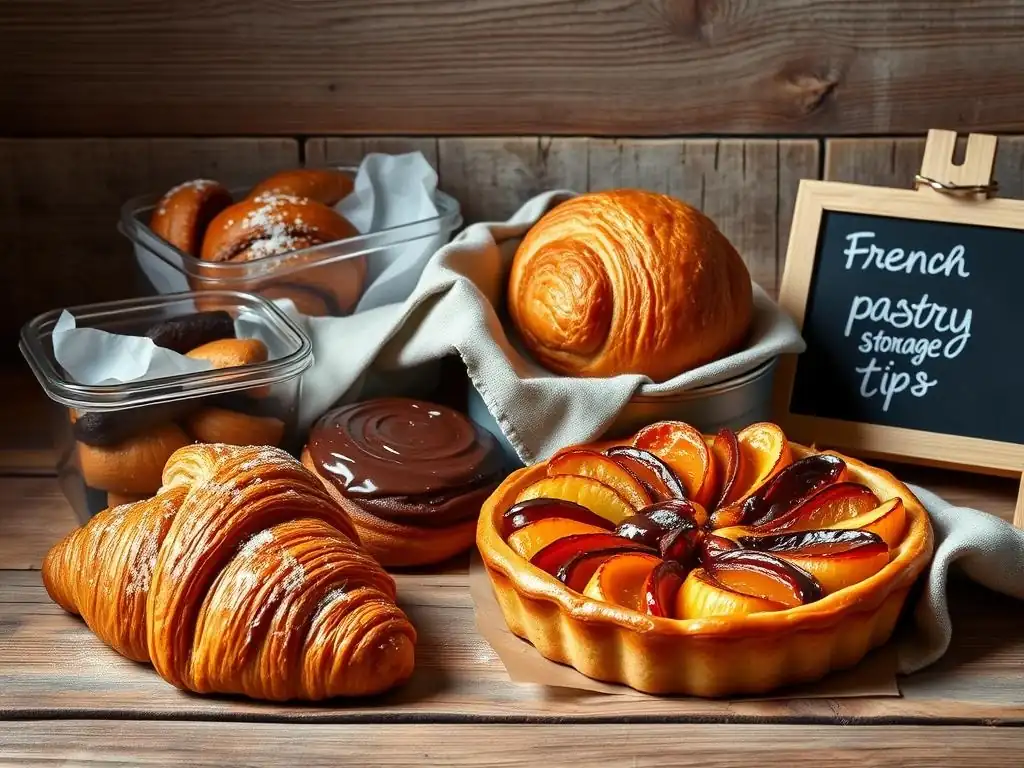
Why French Pastries Require Special Storage Techniques
French pastries are often composed of multiple layers, delicate fillings, and sensitive crusts, making them inherently fragile when it comes to preservation. Consider a classic croissant: its flaky layers are created through a rigorous process of lamination, incorporating significant amounts of butter. This structure is highly susceptible to absorbing moisture from the air, quickly turning crisp layers into a dense, chewy texture.
Similarly, pastries with high butter or sugar content can become sticky or lose their shape if not stored at the correct temperature. Unlike simpler baked goods, the complexity of French pastries means that a one-size-fits-all storage solution simply won't work. Each type demands a tailored approach to maintain its specific characteristics.
Moreover, many French pastries feature fillings like diplomat cream, ganache, or fruit compotes, which introduce additional storage challenges. These fillings can be prone to bacterial growth if not kept at appropriate temperatures, typically requiring refrigeration. The interaction between the filling and the pastry shell also needs careful consideration; a moist filling can quickly make a crisp shell soggy if not properly barrier-protected or consumed promptly. Understanding these delicate interactions is key to implementing effective French pastry storage tips and ensuring both the quality and safety of your delicious creations.
Common Enemies of French Pastry Freshness: Moisture, Air, and Light
The primary culprits behind the degradation of French pastry quality are moisture, air, and light. Excessive moisture, whether from the environment or from a filling, is the arch-nemesis of crisp pastries like croissants, palmiers, and tart shells. It causes them to lose their desired crunch and become unpleasantly soft or soggy. For instance, a croissant left exposed on a humid day can lose its flakiness within hours. Conversely, too little moisture (often due to exposure to dry air) can cause pastries like madeleines or sponge cakes to become stale and dry, losing their tender crumb.
Air exposure is another significant threat, leading to oxidation and staling. When pastries are left open to the air, they dry out, and fats can become rancid over time, altering the flavor. Light, especially direct sunlight or strong artificial light, can also negatively impact pastries. It can cause colors to fade, particularly in delicate meringues or fruit-based glazes, and can also contribute to temperature fluctuations that affect texture and stability. Protecting your French pastries from these environmental factors is fundamental to effective French pastry storage, ensuring they remain delightful for as long as possible.
French Pastry Storage Tips: By Type of Pastry
Storing Delicate Macarons: Maintaining Texture and Flavor
Macarons are perhaps one of the most finicky French pastries when it comes to storage. Their ideal texture involves a delicate balance: a crisp shell exterior, a slightly chewy interior, and a smooth, flavorful filling. Exposure to too much humidity will make the shells sticky and soft, while too little will make them brittle and prone to cracking.
The filling, often ganache, buttercream, or jam, also requires specific conditions to maintain its consistency and prevent spoilage. Achieving the perfect "macaronage" texture is only half the battle; proper storage is essential to preserve it. Many bakers recommend aging macarons for 24-48 hours in the refrigerator after assembly to allow the flavors to meld and the shell to soften slightly, achieving that signature chewiness.
To keep macarons at their best for longer, implementing precise French pastry storage tips is crucial. They should always be stored in an airtight container to protect them from moisture fluctuations and external odors. Layering them with parchment paper can prevent them from sticking to each other. For short-term storage (up to a few days), refrigeration is ideal. For longer storage (up to several weeks), freezing is an excellent option, provided they are properly packaged. The key is to minimize exposure to air and control temperature and humidity meticulously.
Optimal Macaron Storage Conditions: Temperature and Humidity
The ideal storage temperature for assembled macarons is typically between 4°C and 7°C (39°F and 45°F) in the refrigerator. This temperature range keeps the filling stable and helps maintain the desired texture of the shells after aging. Storing them too cold, near the freezing point, can sometimes make the shells excessively hard or brittle, while storing them too warm can cause fillings like buttercream to become too soft or even melt.
Humidity is another critical factor; the storage environment should be relatively low in humidity. An airtight container acts as a barrier against the humid external air, which is paramount in preventing the shells from becoming sticky or gummy.
For long-term storage via freezing, macarons should be frozen at -18°C (0°F) or lower. Before freezing, ensure they are completely cooled (if homemade) and placed in a single layer on a tray to freeze initially for about an hour. Once firm, transfer them to an airtight container, layering with parchment paper. This flash-freezing step prevents them from sticking together before final packaging. When ready to thaw, transfer the airtight container to the refrigerator for several hours or overnight to allow them to come to temperature slowly, minimizing condensation which can ruin the shells' texture.
Best Practices for Macaron Packaging and Containers
Choosing the right container is fundamental to successful macaron storage. An airtight container is non-negotiable. Plastic or glass containers with tight-fitting lids are excellent choices. Avoid cardboard boxes or containers that aren't sealed, as they offer no protection against humidity and air exposure. When placing macarons in the container, arrange them in a single layer if possible. If stacking is necessary, place a sheet of parchment paper or wax paper between layers to prevent sticking and damage to the delicate shells.
For freezing, consider using a rigid airtight container rather than a bag, as it offers better protection against being crushed. Vacuum-sealing can also be an option for very long-term storage, removing air to prevent oxidation and freezer burn, though this is less common for home bakers. Regardless of the container type, ensure it is clean and dry before use. Proper packaging is a vital step in executing effective French pastry storage tips for these delicate cookies.
Preserving the Crispness of Croissants and Viennoiseries
Croissants, pain au chocolat, pain aux raisins, and other Viennoiseries are defined by their incredibly flaky, buttery layers. This texture is achieved through lamination, creating hundreds of thin layers of dough separated by butter. The primary challenge in storing these pastries is preventing them from losing their crispness and becoming soft or dense. Exposure to air causes them to dry out and become stale, while exposure to moisture (either from the environment or internal fillings) makes them soggy. The high butter content also means they can absorb odors easily if not stored properly.
Maintaining the 'shatter' of a perfectly baked croissant requires specific French pastry storage tips focused on minimizing moisture absorption and air exposure. Unlike macarons, which benefit from refrigeration aging, croissants are generally best stored at room temperature if they are to be consumed within a day or two of baking. Refrigeration can actually accelerate staling by promoting starch retrogradation and can dull their flavor. Freezing is the preferred method for longer-term storage, either baked or unbaked, as it halts the staling process effectively.
How to Keep Croissants Fresh: Preventing Soggy Texture
The absolute best way to enjoy a croissant is within a few hours of it being baked. However, for storage, the goal is to preserve that initial crispness for as long as possible. For short-term storage (less than 24 hours), store cooled croissants in a paper bag. A paper bag allows some air circulation, preventing the buildup of moisture that causes sogginess, while still offering some protection. Avoid plastic bags or airtight containers at room temperature, as these trap moisture released by the pastry, leading to a rubbery or soggy texture very quickly.
If storing for slightly longer at room temperature (up to 1-2 days), a loosely covered container might be used, but understand that some loss of crispness is inevitable. To revive a croissant that has lost some of its crispness, you can briefly reheat it in a toaster oven or conventional oven at around 180°C (350°F) for a few minutes. This helps to re-crisp the exterior layers. This reheating technique is a useful French pastry storage tip for recovering texture.
Storing Croissants: Short-Term vs. Long-Term Options
For short-term storage (1-2 days), as mentioned, a paper bag at room temperature is generally preferred for baked croissants to maintain some semblance of crispness. Keep them away from direct sunlight or heat sources. If the climate is very humid, even this method might result in some softening.
For long-term storage, freezing is the most effective strategy for baked croissants. Allow them to cool completely, then wrap each croissant individually in plastic wrap, followed by a layer of aluminum foil or place them in a freezer-safe bag or airtight container. This double layer of protection helps prevent freezer burn and absorption of freezer odors.
Baked croissants can be frozen for up to 1-2 months. Unbaked, proofed croissants can also be frozen; place them on a baking sheet to freeze individually, then transfer to a freezer bag or container. They can be baked directly from frozen, often requiring a slightly longer baking time.
Maintaining the Quality of Cream-Filled Pastries: Eclairs and Profiteroles
Eclairs, profiteroles, and other pastries filled with diplomat cream, pastry cream (crème pâtissière), or whipped cream present a unique storage challenge due to their perishable fillings. These fillings are dairy-based and require refrigeration to prevent bacterial growth and spoilage. The pastry shell itself (choux pastry) is relatively stable but can become soggy quickly once filled, especially if the filling is moist. The goal is to store these pastries in a way that keeps the filling safe and the shell as fresh as possible, minimizing the time the filling is in contact with the shell before consumption.
One of the most important French pastry storage tips for cream-filled items is to fill the shells as close to serving time as possible. Storing unfilled shells separately from the filling and assembling just before eating is the ideal scenario for maintaining the shell's integrity. However, if the pastries are already assembled, immediate and proper refrigeration is non-negotiable for food safety and quality.
Storing Eclairs and Profiteroles: Preventing Cream Spoilage
Cream-filled pastries must be stored in the refrigerator at a temperature of 4°C (39°F) or below. Dairy-based fillings are a prime environment for bacterial growth if left at room temperature for too long. According to food safety guidelines, perishable foods should not be left at temperatures between 4°C and 60°C (39°F and 140°F) for more than two hours. For cream-filled pastries, it's best to minimize their time outside of refrigeration as much as possible.
Store the assembled pastries in a single layer in an airtight container to protect them from absorbing odors from the refrigerator and to prevent them from drying out. If stacking is necessary, use parchment paper between layers. While refrigeration is essential for the filling, it will inevitably soften the choux pastry shell over time. Cream-filled pastries are generally best consumed within 1-2 days of being filled and refrigerated. Beyond this, the shell will likely become quite soft.
The Best Way to Store Cream-Filled Pastries: Refrigeration Tips
Assembled eclairs and profiteroles should be placed in an airtight container and immediately transferred to the refrigerator. Place the container in a spot where the temperature is consistently cold, avoiding the door which can fluctuate in temperature. Storing them away from strong-smelling foods is also advisable due to the choux pastry's tendency to absorb odors.
If you have unfilled choux shells, they can be stored at room temperature in an airtight container for a day or two, or frozen for longer. The filling (like pastry cream) can be made in advance and stored separately in the refrigerator in an airtight container with plastic wrap pressed directly onto the surface to prevent a skin from forming.
It's crucial that the filling is thoroughly chilled before being piped into the shells. This method of storing components separately and assembling just before serving is the best way to ensure both safety and optimal texture, embodying smart French pastry storage tips.
Preserving the Texture of Tarts and Tartlets
Tarts and tartlets, whether filled with fruit, cream, or chocolate ganache, face the common challenge of maintaining a crisp crust while keeping the filling stable. The enemy here is often moisture migration from the filling into the crust, resulting in a soggy bottom. The type of filling dictates the best storage method, but preventing a soggy crust is a universal concern. Techniques like blind baking the crust or applying a barrier layer (like a thin layer of melted chocolate or egg wash) before adding the filling can help, but proper storage is still essential.
Different types of tarts require slightly different French pastry storage tips. Fruit tarts, especially those with fresh fruit, are particularly susceptible to moisture release. Cream or custard-filled tarts require refrigeration for food safety. Chocolate ganache tarts are more stable at room temperature but can suffer from temperature fluctuations that cause chocolate bloom.
Storing Fruit Tarts: Maintaining Freshness and Preventing Soggy Crust
Fruit tarts, particularly those with fresh fruit or uncooked fruit fillings, should generally be stored in the refrigerator. The cold temperature slows down the ripening of the fruit and helps keep any gel or glaze stable. To minimize the impact of moisture on the crust, store the tart in a loosely covered container or tent it lightly with foil or plastic wrap. An airtight container can trap too much moisture, making the crust soggy faster. If the tart has a lattice top or crumble topping, covering it too tightly can also damage the design.
For baked fruit tarts, they can sometimes be left at cool room temperature for up to 24 hours, especially if the fruit is cooked and the filling is relatively dry (like an apple tart with a thick filling). However, if the tart contains fresh berries or a very moist filling, refrigeration is safer and extends freshness. A key French pastry storage tip for fruit tarts is to serve them relatively soon after assembly or baking to enjoy the crust at its best.
Storing Chocolate Tarts: Preventing Bloom and Maintaining Shine
Chocolate tarts, especially those filled with ganache, are often quite stable and can be stored at cool room temperature (around 18-20°C or 65-68°F) for several days, provided the environment is not too warm or humid. The primary concern with chocolate ganache is preventing 'bloom,' which is the appearance of grayish streaks or spots on the surface caused by fat or sugar crystals rising due to temperature fluctuations. While bloom doesn't affect the taste or safety, it ruins the aesthetic appeal.
To prevent bloom and maintain the ganache's shine, store chocolate tarts in a cool, stable environment. An airtight container helps protect against humidity and odors. Avoid placing them in the refrigerator unless the filling contains perishable ingredients like fresh cream that aren't fully emulsified into a stable ganache. If refrigeration is necessary, ensure the tart is well-wrapped to prevent moisture condensation on the surface when it's removed. Allowing it to come to room temperature slowly before serving can also help minimize condensation. These are important French pastry storage tips for keeping your chocolate creations looking their best.
Essential French Pastry Storage Techniques
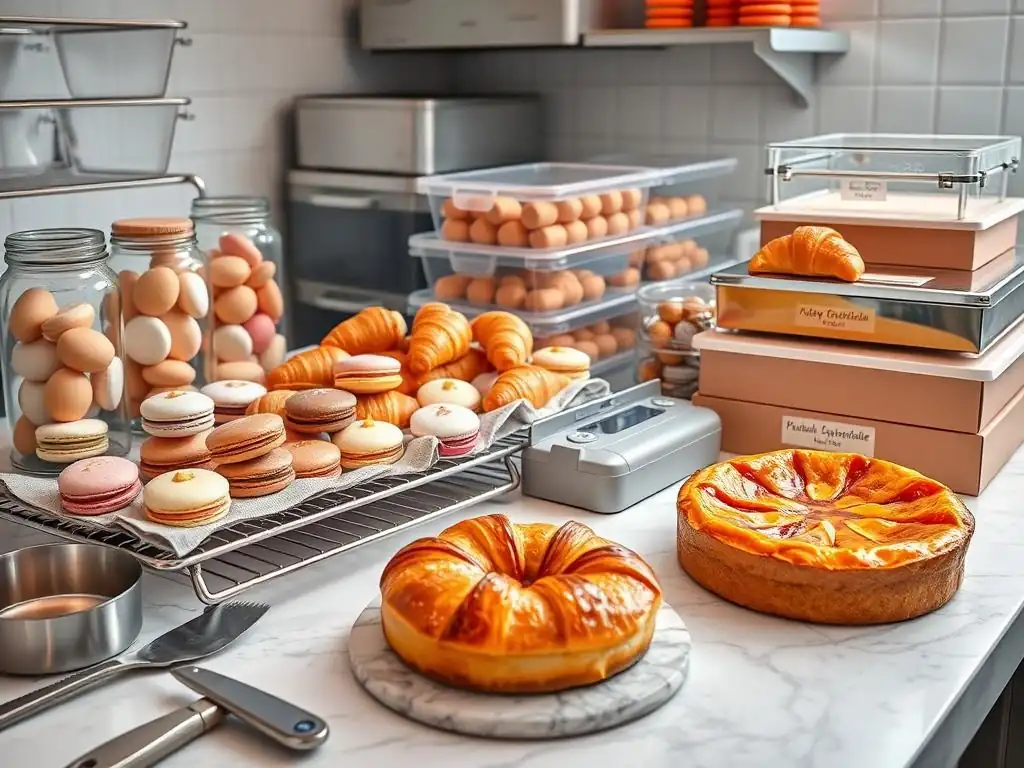
The Importance of Airtight Containers for Pastry Storage
Using airtight containers is one of the most fundamental French pastry storage tips, applicable to many types of pastries. Airtight containers create a barrier between the delicate pastry and the external environment, protecting it from the detrimental effects of air, moisture, and odors. For pastries prone to drying out, like cakes or madeleines, an airtight seal keeps the moisture in, maintaining a tender texture. For pastries susceptible to absorbing moisture from the air, like macarons or cookies, an airtight container prevents external humidity from ruining their crispness.
Beyond moisture control, airtight containers also prevent the absorption of odors from the refrigerator or pantry, which can quickly taint the delicate flavors of French pastries. They also offer a physical barrier, protecting fragile items like decorated cakes or delicate tart shells from being damaged. Investing in good quality airtight containers of various sizes is a wise decision for any home baker serious about preserving their French pastry creations.
Refrigeration Best Practices: Maintaining Moisture Levels
Refrigeration is essential for French pastries containing perishable fillings or ingredients, such as those with fresh cream, pastry cream, or certain fruit preparations. However, the cold, dry environment of a refrigerator can also be detrimental to some pastries, potentially drying them out or altering their texture (e.g., staling of bread-based items like croissants). Therefore, when refrigerating French pastries, proper technique is crucial to mitigate these risks.
Always use an airtight container when refrigerating pastries, unless the goal is specifically to allow some air circulation to prevent sogginess (as with some fruit tarts). For items like cakes or larger tarts that may not fit neatly into standard containers, wrapping them carefully in multiple layers of plastic wrap followed by foil can create a reasonably airtight seal.
Ensure the pastry is completely cool before refrigerating, as placing warm items in the fridge can create condensation, which is the enemy of crispness. These French pastry storage tips for refrigeration balance the need for safety with the preservation of quality.
Freezing French Pastries: Extending Shelf Life Effectively
Freezing is an excellent method for extending the shelf life of many French pastries, allowing you to enjoy your baked goods weeks or even months after they were made. It effectively halts the staling process and preserves the quality much better than refrigeration for many types. Pastries that freeze particularly well include croissants (baked or unbaked), choux pastry shells, cookie dough (for madeleines or sablés), and some types of cakes and tarts (without delicate fresh fruit or meringue toppings).
Effective freezing requires careful packaging to prevent freezer burn, which occurs when the surface of the food dries out due to exposure to cold air. Freezer burn degrades texture and flavor. Proper freezing techniques are a valuable set of French pastry storage tips for managing your baked goods over time.
How to Freeze French Pastries Properly: A Step-by-Step Guide
- Cool Completely: Ensure the pastry is fully cooled to room temperature before freezing. Freezing warm items lowers the freezer temperature and can cause condensation.
- Flash Freeze (Optional but Recommended): For individual items like croissants, macarons, or cream puffs, place them in a single layer on a baking sheet lined with parchment paper and freeze for 1-2 hours until firm. This prevents them from sticking together when you transfer them to a container.
- Wrap Individually: Wrap each individual pastry or portion tightly in plastic wrap. Press the wrap directly against the surface to minimize air contact.
- Add a Second Layer: Follow the plastic wrap with a layer of aluminum foil or place the wrapped pastries into a freezer-safe bag or rigid airtight container. This double layer provides extra protection against freezer burn and odors.
- Label and Date: Clearly label the container or bag with the type of pastry and the date it was frozen. This helps you keep track of what you have and ensures you use them within their optimal frozen lifespan (typically 1-3 months for most pastries).
- Place in Freezer: Store the packaged pastries in the coldest part of your freezer, away from the door.
Thawing Frozen French Pastries: Restoring Texture and Flavor
Proper thawing is just as important as proper freezing for restoring the pastry's original texture and flavor. The best method for thawing most French pastries is slow thawing in the refrigerator. Transfer the wrapped pastry from the freezer to the refrigerator and let it thaw overnight or for several hours. This slow process minimizes condensation.
Once thawed in the refrigerator, pastries like croissants or choux shells can benefit from a brief reheat in a warm oven (around 160-180°C or 320-350°F) for a few minutes to restore crispness. Macarons should be thawed in their airtight container in the refrigerator and then brought to room temperature for about 15-20 minutes before serving for the best texture. Cream-filled pastries that were frozen unfilled and then filled after thawing should be handled as fresh cream-filled pastries and refrigerated.
Avoid thawing pastries at room temperature, especially those with perishable fillings, due to the risk of bacterial growth. These thawing strategies are vital French pastry storage tips for successful revival.
Troubleshooting Common French Pastry Storage Issues
Preventing Soggy Bottoms in Tarts and Pies
A soggy bottom is a common lament among bakers, particularly with tarts and pies. It happens when moisture from the filling seeps into the pre-baked or partially baked crust, turning it from crisp to soft and unappealing. This is a frequent challenge addressed by French pastry storage tips.
Techniques to prevent soggy bottoms start during the baking process:
- Blind Baking: Partially or fully baking the crust before adding the filling creates a barrier.
- Egg Wash or Chocolate Layer: Brushing the bottom of the pre-baked crust with a thin layer of egg wash and baking briefly, or brushing with a thin layer of melted chocolate (especially for fruit or cream fillings) creates a moisture barrier.
- Thickening the Filling: Ensure fruit fillings are sufficiently thickened with cornstarch, flour, or pectin to minimize free liquid.
- Cooling: Ensure the filling is cooled or even chilled before adding it to the baked crust, especially for fillings like pastry cream.
Even with these precautions, storage plays a role. Storing fruit tarts loosely covered in the refrigerator allows some moisture to escape rather than being trapped and absorbed by the crust. Consuming tarts within a day or two of assembly is often the best way to guarantee a crisp crust.
Avoiding Stale Bread and Pastries
Staling in bread and pastries is primarily caused by the retrogradation of starch molecules, which happens faster at cool temperatures just above freezing (like in a refrigerator). This is why bread and most pastries (except those with perishable fillings) are generally best stored at room temperature rather than in the fridge if intended for consumption within a day or two. Exposure to air also contributes to staling by drying out the product.
To avoid stale French pastries like croissants or brioche, store them at room temperature in a paper bag for short periods (less than 24 hours). For longer storage, freezing is the most effective method, as the very low temperature slows down the staling process significantly. Reheating stale pastries can sometimes temporarily improve their texture, but it doesn't reverse the staling process entirely. Proper packaging to minimize air exposure is a crucial French pastry storage tip for preventing staleness.
Maintaining the Integrity of Meringue-Based Desserts
Meringue-based desserts, such as lemon meringue pie, pavlova, or meringue cookies (like some macaron shells before filling), are highly sensitive to moisture. Humidity causes meringues to become sticky and weep (release liquid sugar). They can also absorb odors easily.
Meringue cookies or unfilled macaron shells should be stored in an airtight container at cool room temperature. Avoid refrigeration, as the high humidity inside a fridge will quickly ruin their crisp texture. For desserts like lemon meringue pie, where the meringue topping is on a moist filling, storage is more challenging.
These are best served the same day they are made. If refrigeration is necessary due to the filling, store it loosely covered in the refrigerator and accept that the meringue will likely soften and potentially weep. A key French pastry storage tip for meringues is to keep them dry and protected from humidity.
The Best Containers and Equipment for French Pastry Preservation
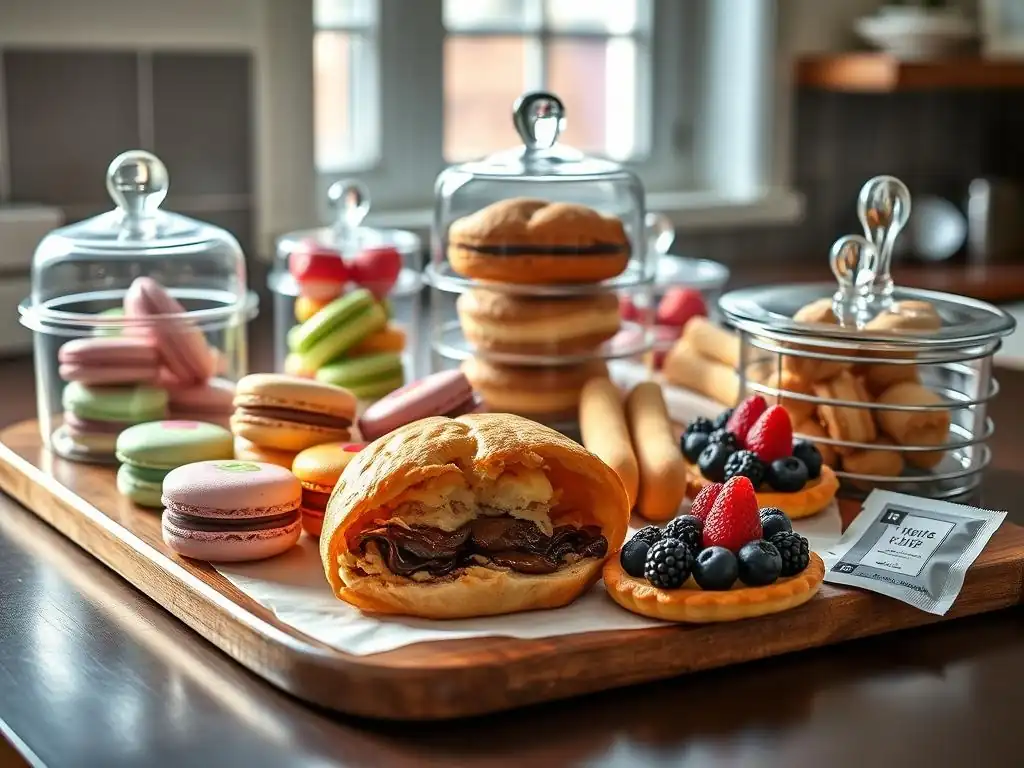
Recommended Airtight Containers for Various Pastries
Selecting the right container is a cornerstone of effective French pastry storage. For most pastries that need protection from air and humidity, rigid, airtight plastic or glass containers with secure lids are ideal.
- Glass Containers: Excellent for storing items that might absorb odors, as glass is non-porous. They are also transparent, making it easy to see the contents.
- Plastic Containers: Lightweight and durable, available in various shapes and sizes. Ensure they have a tight-fitting gasket or seal. Look for BPA-free options.
- Stackable Containers: Useful for optimizing space in the refrigerator or freezer.
- Shallow, Wide Containers: Good for storing flat items like cookies or tartlets in a single layer.
- Tall Containers: Suitable for cakes or pastries with height.
For items like bread or croissants for very short-term room temperature storage, paper bags are often preferred to allow some air circulation and prevent sogginess, though they are not airtight.
Using Parchment Paper and Wax Paper for Optimal Storage
Parchment paper and wax paper are indispensable tools in French pastry storage. They serve several important functions:
- Separation: Placing sheets of parchment or wax paper between layers of stacked pastries (like cookies, macarons, or tartlets) prevents them from sticking together and protects delicate surfaces or decorations.
- Lining Containers: Lining the bottom and sides of a storage container with parchment paper makes it easier to lift out delicate pastries without damage.
- Wrapping: Wax paper can be used for wrapping individual pastries before placing them in a container, providing an extra layer of protection, especially useful before freezing.
- Preventing Skin Formation: For fillings like pastry cream or ganache stored separately, pressing plastic wrap or parchment paper directly onto the surface prevents a skin from forming.
Vacuum Sealing for Long-Term French Pastry Preservation
Vacuum sealing is a powerful technique for extending the shelf life of certain French pastries significantly, particularly those you plan to freeze for longer periods. By removing most of the air from the packaging, vacuum sealing drastically reduces oxidation and prevents freezer burn, which are major causes of quality degradation during long-term storage.
Vacuum sealing works well for items like:
- Unbaked croissant dough (shaped)
- Baked croissant (though they can be delicate and might get slightly compressed)
- Cookie dough
- Unfilled choux pastry shells
- Cakes (plain or pound cake type)
- Financiers or madeleines
It may not be suitable for very delicate or cream-filled pastries as the vacuum pressure can crush them. When vacuum sealing, ensure the pastry is completely cool. For items that might be slightly compressed, like baked croissants, you can flash freeze them first until solid, then vacuum seal. Vacuum-sealed pastries can often be stored in the freezer for several months (e.g., 6-12 months) while maintaining much of their original quality. This is a sophisticated French pastry storage tip for serious home bakers.
Conclusion: Enjoying Fresh, Delicious French Pastries Every Time
Mastering the art of storing and preserving your French pastry creations is just as rewarding as mastering the baking itself. By understanding the unique needs of different pastry types and applying the right techniques – whether it's using airtight containers for macarons, paper bags for croissants, or immediate refrigeration for cream-filled delights – you can significantly extend their freshness and ensure that every bite is as delightful as intended. From preventing soggy bottoms in tarts to avoiding stale Viennoiseries, implementing these French pastry storage tips is key to enjoying your delicious results.
Proper storage not only preserves the texture and flavor but also ensures food safety, especially when dealing with perishable fillings. Experiment with the techniques outlined in this guide, choose the right containers and tools, and you'll be well on your way to keeping your homemade French pastries in peak condition. So go ahead, bake that extra batch of pain au chocolat or a full tarte Tatin, knowing you have the knowledge to store them perfectly and savor the taste of France with ease, anytime you desire.
Frequently Asked Questions
How long can I typically store French pastries?
Most French pastries are best enjoyed within 1-2 days of baking. Certain pastries with creamy fillings may only last up to 24 hours, while others, like croissants, can be enjoyed for a bit longer if stored properly.
What's the best way to store pastries with cream fillings, like éclairs?
Pastries with cream fillings should be stored in the refrigerator to prevent spoilage. Ensure they are in an airtight container to avoid them drying out or absorbing fridge odors.
Can I freeze French pastries?
Yes, some French pastries freeze well! Items like croissants and pain au chocolat can be frozen for up to a month. However, pastries with delicate fillings may not freeze well.
What's the ideal temperature for storing French pastries?
The ideal temperature depends on the pastry. Generally, pastries without cream are best stored at room temperature in an airtight container. Cream-filled pastries must be kept refrigerated at around 4°C (40°F).
How do I prevent my croissants from becoming stale?
Store croissants in an airtight container at room temperature. For longer storage, consider freezing them and reheating them briefly in the oven to restore their crispness.
Final Reflection: The Enduring Delight of Perfectly Preserved Pâtisseries
The art of French pastry making is not just about the creation, but the preservation. A flawlessly executed croissant, a delicate macaron, or a rich éclair loses its magic if not stored and handled correctly. This knowledge, once the domain of professional pâtissiers, is now readily accessible, ensuring that the joy of these exquisite treats can be extended far beyond the moment of creation.
The impact of proper storage on the enjoyment of French pastries cannot be overstated. It's about respecting the artistry and dedication poured into each piece, ensuring that the intended textures and flavors remain intact. As the renowned chef Julia Child once said, Find something you're passionate about and keep tremendously interested in it.
This applies not only to the creation of these pastries but also to their careful preservation, allowing us to savor their perfection for longer. The ability to extend the lifespan of these delicate creations allows for greater accessibility and appreciation of this culinary art form, fostering a deeper connection between baker and consumer.
Consider the implications of this knowledge. You, the reader, now possess the tools to elevate your pastry experience. Don't let your meticulously crafted creations go to waste. Implement these storage techniques, and transform the fleeting moment of indulgence into a prolonged celebration of taste and artistry. Share your newfound expertise, teach others, and contribute to a culture of appreciation for the delicate balance between creation and preservation. The future of French pastry enjoyment rests, in part, in your hands.
Unlock the Secrets to Perfectly Preserved Pâtisseries!
Thanks for joining us on this delicious journey into the art of French pastry preservation! You've now learned valuable techniques to keep your creations fresh and flavorful for longer. Ready to put your newfound knowledge into practice?
- Master the art of freezing: Properly freezing your pastries is the key to maintaining their quality. Try freezing individual portions for easy access and portion control.
- Share your baking triumphs: Show off your perfectly preserved masterpieces! Post pictures of your creations on social media and tag us – we’d love to see them!
- Experiment with different preservation methods: Explore the possibilities! Try various freezing and refrigeration techniques to find what works best for your favorite French pastries.
Ready to impress your friends and family with flawlessly preserved French pastries? What's your favorite pastry to bake and how do you keep it fresh?