
Easy Italian Tarts: Beyond the Crostata

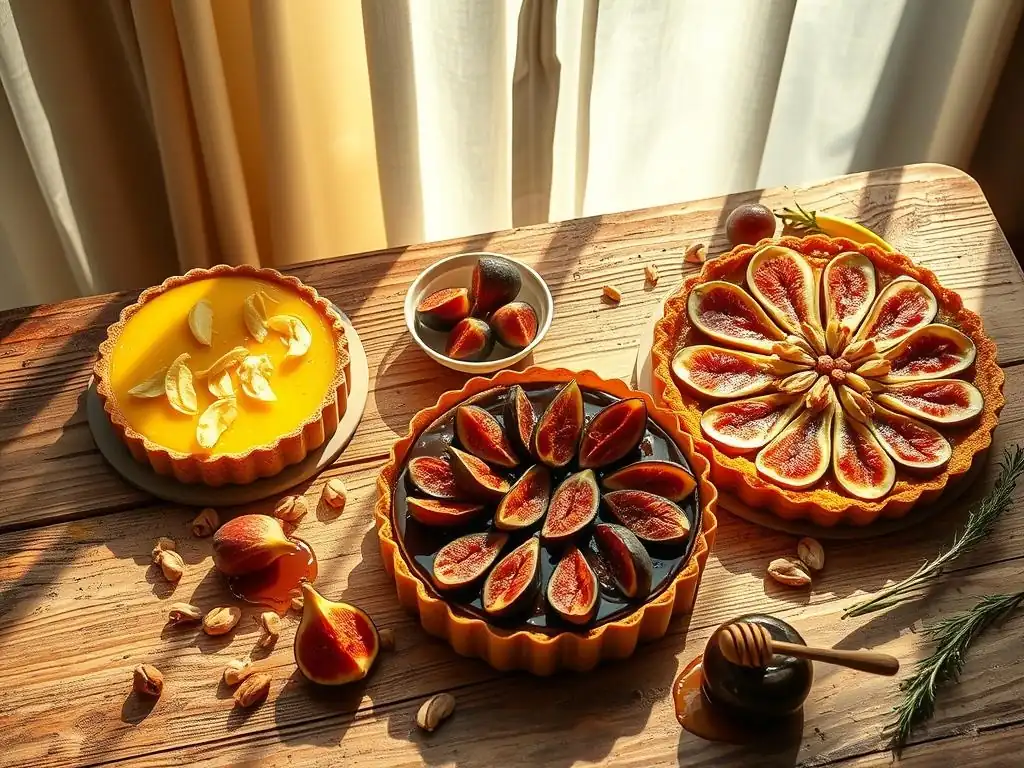
Welcome to BakeWithEase, where baking becomes a joy, not a chore! Ever dreamt of creating authentic Italian desserts without the fuss? This week, we're diving deep into the delicious world of Easy Italian Tart Recipes, going beyond the familiar Crostata to uncover hidden gems. Prepare to be amazed by how simple it is to bring a taste of Italy into your kitchen! Curious to discover the secrets? Let's get baking!
- Easy Italian Tarts: Beyond the Crostata - BakeWithEase
- Discovering Easy Italian Tart Recipes for Home Bakers
- Why Choose Italian Tarts? Simple Pleasures for the Home Baker
- Classic Italian Tart Crusts: Mastering the Basics
- Filling Ideas for Delicious and Easy Italian Tarts
- Easy Italian Tart Recipes: Step-by-Step Guides
- Tips and Tricks for Baking Easy Italian Tarts Successfully
- Serving and Storing Your Homemade Italian Tarts
- Expanding Your Italian Baking Skills with BakeWithEase
-
Frequently Asked Questions
- What makes Italian tarts different from other tarts?
- Where can I find easy Italian tart recipes suitable for beginners?
- What are some common fillings used in Easy Italian tart recipes?
- Can I use store-bought pastry dough for these Easy Italian tart recipes?
- How do I prevent my tart crust from becoming soggy when using a fruit filling?
- Final Reflection: The Enduring Allure of the Easy Italian Tart
- Unlock Your Inner Pastry Chef: Mastering Italian Tarts!
Easy Italian Tarts: Beyond the Crostata - BakeWithEase
Discovering Easy Italian Tart Recipes for Home Bakers
Exploring the World of Italian Baking Traditions at BakeWithEase.com
Italian baking is steeped in history, offering a delightful array of pastries, breads, and desserts that often feature simple, high-quality ingredients. While many home bakers might first think of crostata when considering Italian tarts – that rustic, lattice-topped jam tart – the world of torte (cakes/tarts) in Italy is much broader and includes numerous easy Italian tart recipes that are perfect for baking at home.
From light, creamy ricotta tarts to rich chocolate and fruit combinations, these desserts showcase the regional diversity and seasonal focus that define Italian cuisine. BakeWithEase.com is your friendly guide to exploring these traditions, making seemingly complex pastries accessible to bakers of all skill levels.
Stepping beyond the familiar crostata reveals a treasure trove of flavors and textures. Consider the Torta della Nonna, a classic Florentine tart filled with pastry cream and often topped with pine nuts, or the Torta Caprese, a flourless chocolate and almond cake from Capri that, while technically a cake, shares the dense, moist qualities often found in richer tarts.
Our focus here is on easy Italian tart recipes that utilize straightforward techniques and readily available ingredients, allowing you to bring the authentic taste of Italy into your kitchen without needing years of pastry experience. We aim to demystify these delicious treats, showing you how simple ingredients like flour, sugar, eggs, butter, and fresh fruit can transform into stunning and satisfying desserts.
Why Choose Italian Tarts? Simple Pleasures for the Home Baker
The Allure of Rustic Italian Baking: Easy and Flavorful
Rustic Italian baking captivates with its simplicity and emphasis on flavor over elaborate decoration. Easy Italian tart recipes embody this philosophy perfectly. They often rely on a few core ingredients handled with care to produce results that are both comforting and profoundly delicious.
Unlike some French pastries that demand precise, multi-step laminations or intricate piping, many Italian tarts feature straightforward doughs like pasta frolla (sweet shortcrust pastry) and fillings that celebrate natural flavors – think ripe berries, creamy ricotta, or simple fruit preserves. This focus on quality ingredients and unfussy techniques makes them incredibly rewarding for the home baker looking for satisfying results without excessive complexity.
Moreover, the forgiving nature of many Italian tart doughs makes them ideal for beginners. A pasta frolla, for instance, is relatively easy to mix and handle compared to flaky or puff pastries. Imperfections in shaping are often part of the charm of a rustic Italian tart. The goal is deliciousness and homemade warmth, not necessarily perfect uniformity. This ease of execution, combined with the delightful flavors achieved through simple fillings, ensures that even novice bakers can successfully create beautiful and tasty Italian tarts, building confidence and fostering a love for baking.
Beyond Crostata: Expanding Your Italian Tart Repertoire
While the crostata is a beloved classic, limiting yourself to it means missing out on a world of easy Italian tart recipes. Exploring variations allows you to discover new flavor combinations and techniques that are just as accessible. For example, a Torta di Ricotta utilizes a creamy, light filling that offers a completely different texture profile than a jam-filled crostata. Adding lemon zest or a hint of cinnamon transforms this simple filling into something truly special.
Another delightful departure is the use of nuts and chocolate. A Torta di Pere e Cioccolato pairs the subtle sweetness of pears with rich chocolate, encased in a simple crust. These variations demonstrate how versatile the basic Italian tart structure can be. By learning a few fundamental doughs and exploring different filling ideas, you can significantly expand your baking repertoire beyond the familiar, bringing the diverse flavors of Italy – from the creamy south to the fruit-laden north – into your kitchen with relative ease.
Classic Italian Tart Crusts: Mastering the Basics
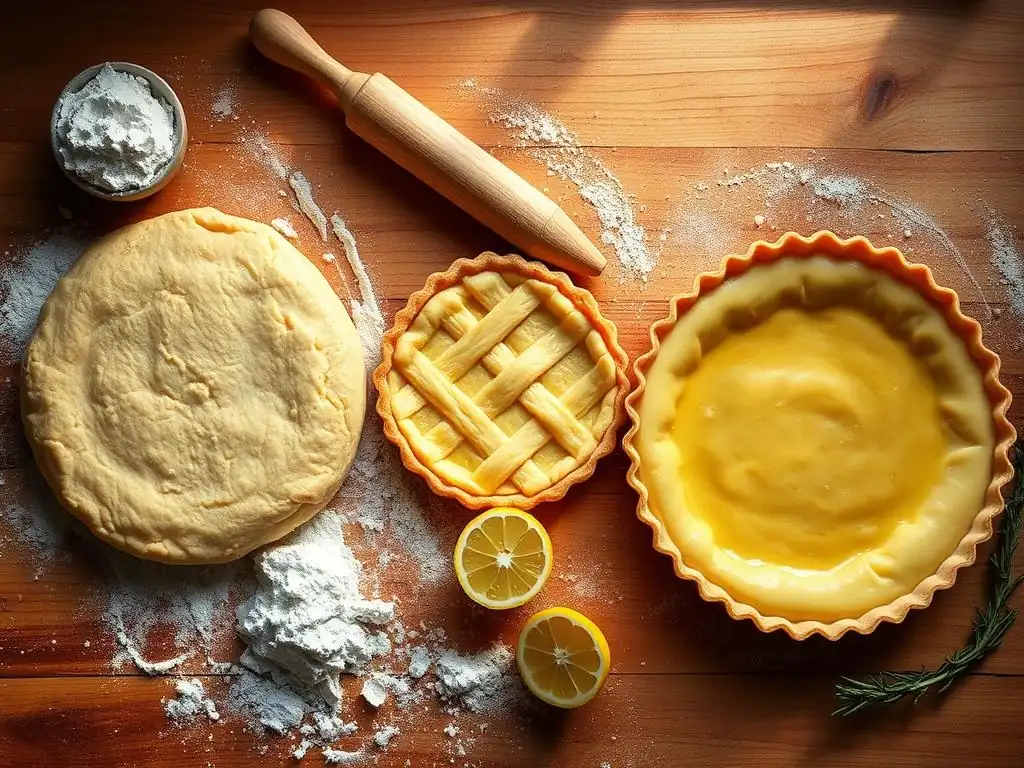
The Secret to a Perfect Pasta Frolla: A Simple Italian Tart Dough
The foundation of many easy Italian tart recipes is pasta frolla, a sweet shortcrust pastry that is both versatile and forgiving. Its secret lies in minimal handling and using cold butter. Typically, a good pasta frolla is made by combining flour, sugar, cold butter (cut into small pieces), egg yolks (or whole eggs), and often a flavoring like lemon zest or vanilla.
The key is to work the butter into the dry ingredients until the mixture resembles coarse crumbs – this creates tenderness. Then, the egg(s) are added to bring it together into a cohesive dough with minimal mixing. Overworking the dough develops gluten, which can result in a tough crust.
Once the dough comes together, it's crucial to chill it for at least 30 minutes, but preferably an hour or more. This resting period allows the gluten to relax and the fat to firm up, making the dough easier to roll and preventing excessive shrinkage during baking. A well-made pasta frolla bakes up golden, tender, and slightly crumbly, providing a perfect base for a wide variety of fillings. Mastering this simple dough is a fundamental step in creating delicious easy Italian tart recipes at home.
Alternative Crusts for Easy Italian Tarts: Gluten-Free Crust
While pasta frolla is traditional, exploring alternative crusts opens up possibilities, especially for those with dietary needs. Creating a gluten-free crust for easy Italian tart recipes is quite achievable using a blend of gluten-free flours. A common approach involves combining rice flour, almond flour, and a starch like potato starch or tapioca starch, along with a binder like xanthan gum. The ratio might be something like 1 cup rice flour, 1/2 cup almond flour, 1/4 cup starch, and 1/2 teaspoon xanthan gum, combined with cold butter, sugar, and egg, much like traditional pasta frolla.
These gluten-free doughs often benefit from slightly longer chilling times and careful handling as they can be more fragile than wheat-based doughs. Pressing the dough directly into the tart pan rather than rolling can sometimes be easier. The result is a delicious crust that accommodates dietary restrictions without sacrificing the pleasure of enjoying homemade easy Italian tart recipes. Using ingredients like ground nuts (almonds, hazelnuts) naturally adds flavor and structure, making them excellent components in gluten-free tart bases.
Filling Ideas for Delicious and Easy Italian Tarts
Fruit Tart Fillings: Celebrating Seasonal Flavors in Italian Style
Fruit fillings are a cornerstone of easy Italian tart recipes, reflecting Italy's agricultural bounty and regional seasonality. The concept is simple: showcase ripe, flavorful fruit within a tender crust. Crostata is the prime example, traditionally filled with simple fruit preserves like apricot, cherry, or fig. But you can also use fresh fruit. A rustic Torta di Mele (apple tart) might feature thinly sliced apples tossed with a little sugar, cinnamon, and perhaps a squeeze of lemon juice, baked directly in the crust.
Other popular fruits include berries (strawberries, blueberries), stone fruits (peaches, plums), and pears. Often, the fruit is simply arranged in the tart shell, sometimes with a sprinkle of sugar or crumbs for texture. The beauty of these easy Italian tart recipes is their adaptability; you can swap fruits based on what's fresh and available. For instance, in late summer, a tart filled with fresh figs and a drizzle of honey is a simple yet exquisite dessert. The focus remains on letting the natural sweetness and flavor of the fruit shine.
Creamy Tart Fillings: Ricotta and Pastry Cream Variations for Italian Tarts
Creamy fillings offer a different, often richer, dimension to easy Italian tart recipes. Ricotta cheese is a star ingredient in many Italian desserts, including tarts. A classic Torta di Ricotta filling is incredibly simple: fresh ricotta, sugar, eggs, and flavorings like lemon zest, orange zest, or vanilla. Sometimes, a touch of flour or cornstarch is added for stability. The mixture is simply whisked together and poured into a pre-baked or partially baked crust.
Pastry cream ( crema pasticcera) is another popular filling, used in tarts like the Torta della Nonna. Italian pastry cream is typically made with milk, sugar, egg yolks, and a thickener (usually flour or cornstarch), flavored with lemon zest or vanilla. It's cooked on the stovetop until thick and then cooled before being spread into a tart shell. Both ricotta and pastry cream fillings are relatively easy to prepare and provide a smooth, luxurious contrast to the crisp tart crust, making these some of the most satisfying easy Italian tart recipes.
Chocolate Tart Fillings: Indulgent Italian Chocolate Tart Recipes
For chocolate lovers, Italian baking offers wonderfully indulgent options, and easy Italian chocolate tart recipes are no exception. A straightforward approach involves a simple chocolate ganache or a rich chocolate custard. A Torta di Pere e Cioccolato often features a layer of chocolate ganache or a chocolate-flavored custard poured over sliced pears in a tart shell. The combination of sweet fruit and slightly bitter chocolate is a classic pairing in Italian desserts.
Another simple chocolate filling can be made by melting good quality chocolate with butter or cream and pouring it into a pre-baked shell. Adding ingredients like chopped nuts (hazelnuts are a favorite in Italy) or a splash of liqueur can elevate the flavor profile. These easy Italian tart recipes prove that you don't need complex techniques to create deeply satisfying chocolate desserts. The key is using high-quality chocolate and balancing its richness with other flavors.
Easy Italian Tart Recipes: Step-by-Step Guides
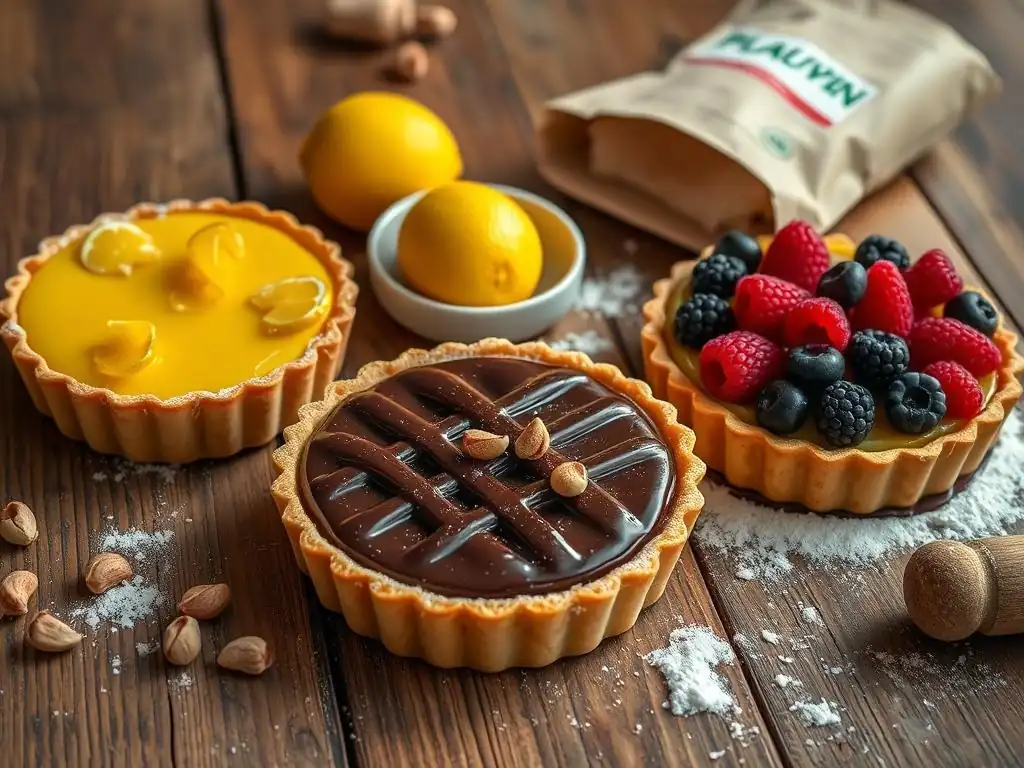
Recipe 1: Classic Ricotta Tart with Lemon (Torta di Ricotta) - A Simple Italian Dessert
This Torta di Ricotta is a prime example of an easy Italian tart recipe, perfect for beginners. It features a simple pasta frolla crust and a light, creamy ricotta filling infused with bright lemon flavor.
Ingredients for the Ricotta Tart
- For the Pasta Frolla:
- 2 cups (about 250g) all-purpose flour
- ½ cup (about 100g) granulated sugar
- ½ teaspoon baking powder
- Pinch of salt
- ½ cup (1 stick or 115g) cold unsalted butter, cut into small cubes
- 1 large egg
- Zest of 1 lemon
- For the Ricotta Filling:
- 2 cups (about 500g) fresh whole milk ricotta cheese, drained
- ½ cup (about 100g) granulated sugar
- 2 large eggs
- Zest of 1 large lemon
- 1 teaspoon vanilla extract
- Optional: 2 tablespoons flour or cornstarch (for a firmer filling)
Step-by-Step Instructions for Making the Ricotta Tart
- Make the Pasta Frolla: In a large bowl, whisk together flour, sugar, baking powder, and salt. Cut in the cold butter using your fingertips or a pastry blender until the mixture resembles coarse crumbs. Add the egg and lemon zest. Mix until the dough just comes together. Do not overwork. Flatten the dough into a disc, wrap in plastic wrap, and chill for at least 1 hour.
- Prepare the Filling: While the dough chills, prepare the filling. In a medium bowl, whisk together the drained ricotta cheese and sugar until smooth. Beat in the eggs one at a time. Stir in the lemon zest, vanilla extract, and optional flour/cornstarch until well combined.
- Assemble the Tart: Preheat your oven to 350°F (175°C). Lightly grease a 9-inch tart pan (preferably with a removable bottom). On a lightly floured surface, roll out about two-thirds of the chilled dough to fit the tart pan, pressing it gently into the bottom and up the sides. Trim any excess dough. Pour the ricotta filling into the prepared crust.
- Add Lattice (Optional): Gather the remaining dough scraps. Roll them out and cut into strips. Arrange the strips in a lattice pattern over the filling. Alternatively, you can simply bake as is without a lattice or use cookie cutters to make shapes to place on top.
- Bake: Place the tart on a baking sheet (to catch any potential drips). Bake for 40-50 minutes, or until the crust is golden brown and the filling is set (it should look firm around the edges but may still have a slight wobble in the center).
- Cool: Let the tart cool completely on a wire rack before slicing and serving. This allows the filling to fully set.
Recipe 2: Rustic Apple Tart (Torta di Mele) - An Easy Italian Apple Tart Recipe
This Torta di Mele is a wonderfully easy Italian apple tart recipe that celebrates the simple goodness of apples within a tender crust. It's less structured than a classic double-crust pie and delightfully rustic.
Ingredients for the Apple Tart
- For the Dough:
- 1 ¾ cups (about 220g) all-purpose flour
- ⅓ cup (about 65g) granulated sugar
- 1 teaspoon baking powder
- Pinch of salt
- ½ cup (1 stick or 115g) cold unsalted butter, cut into small cubes
- 1 large egg
- 2-3 tablespoons cold milk or water
- Optional: ½ teaspoon ground cinnamon
- For the Apple Filling:
- 4-5 medium apples (such as Honeycrisp, Fuji, or Gala), peeled, cored, and thinly sliced
- ¼ cup (about 50g) granulated sugar (adjust based on apple sweetness)
- 1 tablespoon all-purpose flour or cornstarch
- 1 teaspoon ground cinnamon
- ½ teaspoon ground nutmeg
- 1 tablespoon fresh lemon juice
- Optional: 2 tablespoons unsalted butter, cut into small dots
Step-by-Step Instructions for Making the Apple Tart
- Make the Dough: In a large bowl, whisk together flour, sugar, baking powder, salt, and optional cinnamon. Cut in the cold butter until the mixture resembles coarse crumbs. Add the egg and 2 tablespoons of cold milk/water. Mix until the dough just comes together, adding the third tablespoon of liquid only if needed. Do not overwork. Flatten into a disc, wrap, and chill for at least 30 minutes.
- Prepare the Apple Filling: In a large bowl, combine the thinly sliced apples, sugar, flour/cornstarch, cinnamon, nutmeg, and lemon juice. Toss gently to coat the apple slices evenly.
- Assemble the Tart: Preheat oven to 375°F (190°C). Lightly grease a 9 or 10-inch round tart pan or a baking sheet lined with parchment paper (for a freeform tart). Roll out the chilled dough into a rough circle, about 11-12 inches in diameter. If making a freeform tart, transfer the dough to the prepared baking sheet. If using a tart pan, gently press the dough into the pan.
- Fill the Tart: Arrange the apple slices in the center of the dough, leaving a border of about 1-2 inches around the edge if making a freeform tart. If using a tart pan, simply fill the shell with the apple mixture. Dot the top of the apples with optional butter pieces. Fold the edges of the dough border up and over the apples, pleating as needed (for a freeform tart).
- Bake: Bake for 35-45 minutes, or until the crust is golden brown and the apples are tender and bubbly.
- Cool: Let the tart cool on a wire rack for at least 15-20 minutes before slicing.
Recipe 3: Chocolate and Pear Tart (Torta di Pere e Cioccolato) - An Easy Italian Chocolate Pear Tart
Combining the classic Italian pairing of pears and chocolate, this Torta di Pere e Cioccolato offers a rich yet accessible dessert. It's an easy Italian chocolate pear tart that looks impressive but is simple to make.
Ingredients for the Chocolate Pear Tart
- For the Dough:
- Same Pasta Frolla recipe as for the Ricotta Tart (Recipe 1), or use a store-bought tart shell (about 9 inches).
- For the Filling:
- 3-4 ripe but firm pears (such as Bosc or Anjou), peeled, cored, and sliced
- 1 tablespoon fresh lemon juice
- 6 ounces (about 170g) good quality dark chocolate (at least 60% cocoa), chopped
- ½ cup (120ml) heavy cream
- 2 tablespoons unsalted butter
- ¼ cup (about 50g) granulated sugar
- 1 large egg
- Optional: Powdered sugar for dusting
Step-by-Step Instructions for Making the Chocolate Pear Tart
- Prepare the Crust: Prepare the pasta frolla dough as described in Recipe 1. Chill for at least 1 hour. Roll out the dough and press it into a lightly greased 9-inch tart pan. Trim excess dough. Chill the lined tart pan for another 20 minutes.
- Blind Bake the Crust: Preheat oven to 375°F (190°C). Line the chilled tart shell with parchment paper and fill with pie weights or dried beans. Bake for 15 minutes. Carefully remove the parchment and weights and bake for another 5-7 minutes, or until the crust is lightly golden. Remove from oven and let cool slightly.
- Prepare the Pears: Toss the pear slices with lemon juice to prevent browning. Arrange the pear slices in a single layer over the bottom of the partially baked tart shell.
- Make the Chocolate Filling: In a medium saucepan, heat the heavy cream and butter over medium heat until the butter is melted and the cream is just simmering. Remove from heat and add the chopped chocolate and sugar. Let stand for 5 minutes to allow the chocolate to melt, then whisk until smooth. Let the mixture cool slightly, about 5-10 minutes. Whisk in the egg until fully incorporated.
- Assemble and Bake: Pour the chocolate filling gently over the pears in the tart shell.
- Bake: Bake for 25-35 minutes, or until the filling is set around the edges but may still be slightly soft in the center. Be careful not to overbake, as this can make the chocolate filling dry.
- Cool: Let the tart cool completely on a wire rack. The filling will continue to set as it cools.
- Serve: Dust with powdered sugar just before serving, if desired.
Tips and Tricks for Baking Easy Italian Tarts Successfully
Achieving the Perfect Tart Crust Texture: Bake With Ease Tips
A perfectly baked tart crust is key to enjoying easy Italian tart recipes. For a tender, flaky pasta frolla, remember that cold ingredients and minimal handling are your best friends. Ensure your butter is very cold and cut into small pieces before incorporating it into the flour mixture. Work quickly to combine the dough, stopping as soon as it comes together. Overworking develops gluten, which results in a tough crust. Chilling the dough before rolling and again before baking is crucial; it relaxes the gluten and firms up the fat, leading to a more tender texture and less shrinkage.
Another tip is to consider blind baking, especially for wet fillings like the ricotta or chocolate custard. Blind baking the crust (baking it partially or fully before adding the filling) prevents the bottom from becoming soggy. For a partially baked crust, bake until it's set and lightly golden. For a fully baked crust (used for fillings that don't require further baking), bake until it's golden brown throughout. Using pie weights or dried beans helps the crust maintain its shape during blind baking.
Preventing Soggy Bottoms: Expert Advice for Italian Tart Baking
Preventing a soggy bottom is a common challenge in tart baking, but it's easily overcome with a few simple techniques when making easy Italian tart recipes. As mentioned, blind baking the crust is highly effective, creating a barrier between the wet filling and the dough. For fillings that require baking, a partial blind bake is often sufficient.
Another strategy is to brush the bottom of the partially baked crust with a thin layer of egg white or melted chocolate immediately after removing the weights from blind baking. Return it to the oven for a minute or two to set the egg white, or simply let the chocolate layer harden. This creates a seal that helps prevent moisture from the filling from seeping into the crust during the final bake. Ensuring your filling isn't excessively wet also helps; for fruit fillings, tossing the fruit with a little flour or cornstarch can absorb excess juices.
Decorating Your Italian Tarts: Simple and Elegant Ideas
Easy Italian tart recipes lend themselves beautifully to simple, elegant decoration that enhances their rustic charm. You don't need elaborate piping or intricate designs. For a crostata, the classic lattice top is both decorative and functional, allowing steam to escape. For other tarts with solid tops, a simple dusting of powdered sugar just before serving adds a touch of elegance.
Fresh fruit is another excellent decorating element. For a Torta di Ricotta or a cream-filled tart, arranging fresh berries, sliced figs, or segments of citrus on top after it has cooled adds color and freshness. A few sprigs of mint or a sprinkle of chopped nuts (like pine nuts on a Torta della Nonna) can also provide simple, beautiful finishes. The Italian approach often favors showcasing the quality of the ingredients, so simple, natural decorations are often the most effective.
Serving and Storing Your Homemade Italian Tarts
Enjoying Your Italian Tart: Serving Suggestions
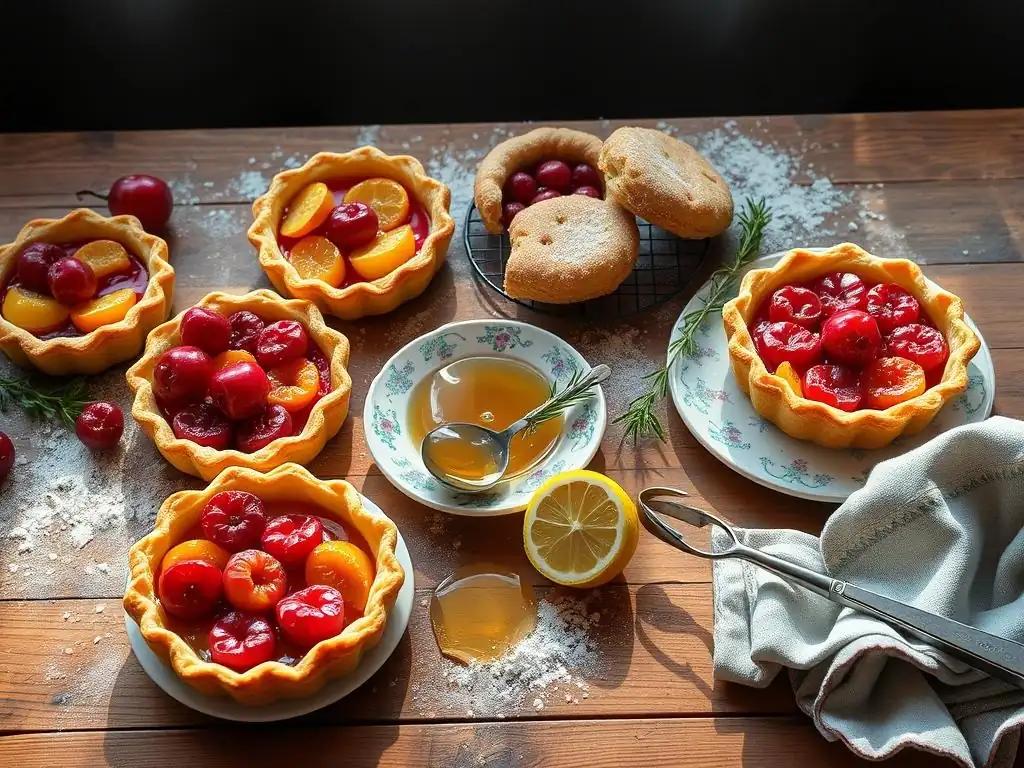
Easy Italian tart recipes are best enjoyed when served at the right temperature. Fruit tarts, especially rustic ones like the Torta di Mele, are often delicious served warm, perhaps with a scoop of vanilla gelato or a dollop of whipped cream ( panna montata). The warmth enhances the aroma and softens the fruit nicely.
Cream-filled tarts, like Torta di Ricotta or those with pastry cream, are typically served chilled or at room temperature. This allows the filling to fully set and provides a refreshing contrast to the crust. Serving a slice with a strong Italian coffee, like an espresso or cappuccino, is a classic pairing that complements the sweetness of the dessert. Don't be afraid to keep it simple; the quality of your homemade easy Italian tart recipes often speaks for itself.
Storing Italian Tarts: Keeping Them Fresh
Proper storage helps maintain the quality and freshness of your easy Italian tart recipes. Tarts with fruit or creamy fillings should generally be stored in the refrigerator due to their perishable ingredients. Wrap them tightly in plastic wrap or place them in an airtight container. Most tarts will keep well in the refrigerator for 3-4 days.
Tarts with drier fillings, like some nut-based tarts or simple jam crostatas, might be stored at cool room temperature for a day or two, but refrigeration is still recommended for longer storage, especially in warmer climates. If you need to store a tart for a longer period, freezing is an option. Wrap individual slices or the whole tart (if applicable) tightly in plastic wrap, then in foil. Thaw in the refrigerator before serving. Note that creamy fillings might change texture slightly after freezing and thawing, but they will still be delicious.
Expanding Your Italian Baking Skills with BakeWithEase
More Easy Italian Baking Recipes to Explore
Mastering easy Italian tart recipes is just the beginning of your journey into the delightful world of Italian baking with BakeWithEase.com. Once you're comfortable with pasta frolla and simple fillings, you can explore a variety of other accessible Italian treats. Consider trying your hand at biscotti, the twice-baked cookies perfect for dipping in coffee or wine. They are surprisingly easy to make and keep for a long time.
Another great option is ciambellone, a simple ring-shaped cake often flavored with lemon or yogurt, perfect for breakfast or a snack. And don't forget the vast world of Italian cookies, from almond-based amaretti to simple butter cookies. Many traditional Italian desserts are rooted in simplicity and quality ingredients, making them perfect for the home baker. Continue exploring our site for more easy Italian baking recipes and tips to expand your skills and fill your kitchen with wonderful aromas.
Frequently Asked Questions
What makes Italian tarts different from other tarts?
Italian tarts often prioritize simple, fresh ingredients and rustic presentation. They commonly feature a shortcrust pastry and a variety of fillings, avoiding overly elaborate decorations.
Where can I find easy Italian tart recipes suitable for beginners?
BakeWithEase.com offers a selection of beginner-friendly recipes, focusing on clear instructions and readily available ingredients. Look for recipes specifically marked as "easy" or "beginner."
What are some common fillings used in Easy Italian tart recipes?
Popular fillings include fresh fruit, ricotta cheese mixed with sugar and lemon zest, and various types of jams or preserves. Nutella is also a favorite modern addition.
Can I use store-bought pastry dough for these Easy Italian tart recipes?
Yes, using store-bought pastry dough is perfectly acceptable for a quicker and easier baking experience. Just ensure it's high-quality shortcrust pastry for the best results.
How do I prevent my tart crust from becoming soggy when using a fruit filling?
Blind baking the crust before adding the filling can help create a barrier against moisture. You can also brush the crust with melted chocolate or egg wash before adding the fruit.
Final Reflection: The Enduring Allure of the Easy Italian Tart
The simple elegance of the Italian tart transcends mere culinary convenience; it's a testament to the power of fresh, seasonal ingredients elevated by masterful simplicity. From the rustic charm of a crostata to the refined beauty of a torta, these pastries offer a gateway to Italian culinary tradition that's accessible to everyone, regardless of skill level. This accessibility, coupled with the endless possibilities for customization, ensures the enduring popularity of the easy Italian tart.
The impact of these recipes extends beyond the kitchen table; they represent a connection to a rich cultural heritage, a celebration of family gatherings, and a reminder of the simple joys found in sharing homemade food. Food is symbolic of love when words are inadequate.
- Alan D. Wolfelt. This sentiment perfectly captures the essence of the Italian tart – a tangible expression of care and connection, passed down through generations and shared with loved ones. The ease of preparation only amplifies this sentiment, allowing more time to focus on the joy of sharing.
Now, it's your turn. Consider the ingredients you love, the flavors that evoke memories, and the people you wish to share a delicious treat with. Don't be afraid to experiment, to adapt these recipes to your own tastes, and to embrace the imperfections that often make homemade food so endearing. The journey of creating an easy Italian tart is as rewarding as the delicious result itself. So, gather your ingredients, preheat your oven, and embark on your own culinary adventure. The taste of tradition awaits.
Unlock Your Inner Pastry Chef: Mastering Italian Tarts!
Thanks for joining us on this delicious journey into the world of Italian tarts! We hope you've discovered new techniques and inspiring flavour combinations. Ready to put your newfound knowledge into practice?
- Bake your own masterpiece! Try one of the recipes from the article – or get creative and experiment with your own flavour combinations. Let your imagination run wild!
- Share your creations! Tag us on social media – we'd love to see your beautiful tarts and hear about your baking experience.
- Explore our other Italian baking recipes for even more delicious inspiration. What other delightful treats could you create?
What unique twist will you add to your next Italian tart? Let us know in the comments below!