
Foolproof Chocolate Frosting: Choosing the Right Chocolate Base

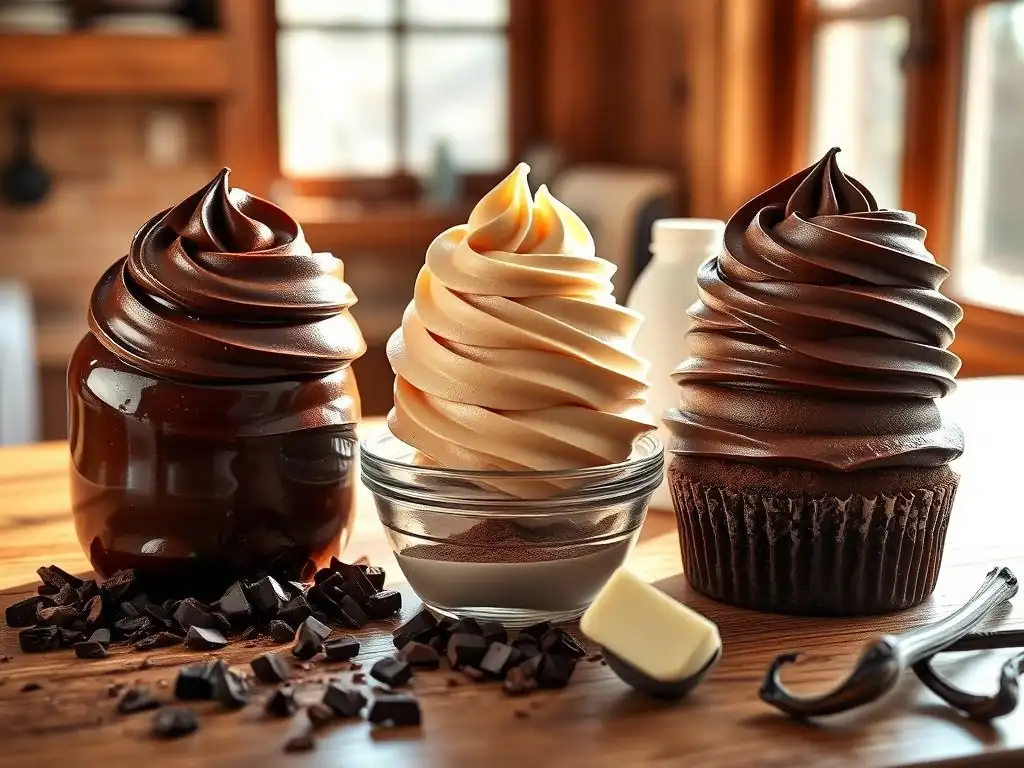
Welcome to BakeWithEase, your delicious destination for baking bliss! Ever wondered why some chocolate frostings are divine while others fall flat? In this article, we're diving deep into the sweet science behind the best chocolate frosting recipe for beginners, focusing on the crucial choice of your chocolate base. Unlock the secrets to achieving that perfect, decadent finish and prepare to elevate your baking game. Intrigued? Let's get started and discover the key to truly foolproof chocolate frosting!
- Introduction: Mastering Chocolate Frosting
- Understanding the Key Ingredients for Chocolate Frosting
- Exploring Different Types of Chocolate for Your Frosting
- Comparing Chocolate Bases: A Guide
- Step-by-Step Guide: Adapting Your Frosting Recipe for Different Chocolate Types
- Tips and Tricks for Achieving the Best Results
- Troubleshooting Common Chocolate Frosting Issues
- Recipes: Putting Your Chocolate Knowledge to the Test
- Conclusion: Crafting Your Signature Chocolate Frosting
-
Frequently Asked Questions
- What makes this chocolate frosting recipe "foolproof"?
- What are the different chocolate bases I can use for this frosting recipe?
- How does the type of chocolate affect the final taste and texture of the frosting?
- Can I adjust the sweetness of the frosting?
- What are some common frosting mistakes and how can I avoid them with this recipe?
- Final Reflection: The Sweet Science of Simple Perfection
- Unlock Your Inner Pastry Chef: Mastering Chocolate Frosting
Introduction: Mastering Chocolate Frosting
Welcome, fellow bakers, to the delicious world of chocolate frosting! Whether you're topping cupcakes, filling a layer cake, or simply looking for a sweet treat, a good chocolate frosting is a game-changer. For many beginners, achieving that perfect balance of flavor, texture, and richness can seem daunting. But don't worry, creating the best chocolate frosting recipe beginners can confidently tackle starts with one fundamental decision: choosing the right chocolate base. This choice significantly impacts the final result, from its sweetness and depth of flavor to its color and consistency.
This guide will walk you through everything you need to know about selecting the ideal chocolate for your frosting endeavors. We'll explore the different types of chocolate available, discuss how each affects your recipe, and provide practical tips for adapting your technique. By understanding the nuances of chocolate, you'll be well on your way to mastering a foolproof chocolate frosting that will impress everyone, including yourself! Let's dive in and discover how to make your chocolate frosting dreams a reality.
Understanding the Key Ingredients for Chocolate Frosting
The Importance of High-Quality Chocolate in Frosting
The foundation of any truly spectacular chocolate frosting is, unsurprisingly, the chocolate itself. Using high-quality chocolate isn't just a luxury; it's a necessity for achieving rich, complex flavor and a smooth, desirable texture. Inferior chocolate can lead to a waxy mouthfeel, a dull appearance, and a less intense or even unpleasant flavor profile.
Look for chocolate that lists cocoa butter as a primary ingredient, ideally without excessive added oils or artificial flavors. The cacao percentage is also a key indicator of quality and flavor intensity, typically ranging from around 35% for milk chocolate up to 90% or more for unsweetened varieties.
Investing in better chocolate means you'll need less of it to achieve a profound chocolatey taste, allowing other flavors in your baked goods to shine while the frosting provides a robust counterpoint. For example, a frosting made with a high-quality 70% cacao bittersweet chocolate will have a more nuanced flavor with notes of fruit or coffee compared to one made with a lower-grade chocolate, which might taste simply sweet and flat. This focus on quality is crucial for anyone seeking the best chocolate frosting recipe beginners can rely on for consistently delicious results.
Other Essential Ingredients: Butter, Sugar, and Liquids
Beyond the star ingredient, chocolate, other components play vital roles in creating a balanced and delicious frosting. Butter is often the base for many frosting types, providing richness, structure, and a creamy texture. The quality and temperature of your butter matter significantly; using softened, room-temperature butter allows it to cream properly with sugar, incorporating air and creating a light, fluffy frosting. Cold butter will result in lumps, while melted butter can make the frosting greasy.
Sugar, typically powdered sugar (also known as confectioners' sugar or icing sugar), sweetens the frosting and contributes to its smooth consistency. Powdered sugar contains a small amount of cornstarch, which helps prevent clumping and stabilizes the frosting. Liquids like milk, cream, or even brewed coffee are used to adjust the consistency, making the frosting spreadable or pipeable. The type and amount of liquid used can dramatically alter the final texture, from a thick, stiff buttercream to a pourable ganache-like glaze. Understanding how these ingredients interact is key to mastering any easy chocolate frosting recipe for beginners.
Exploring Different Types of Chocolate for Your Frosting
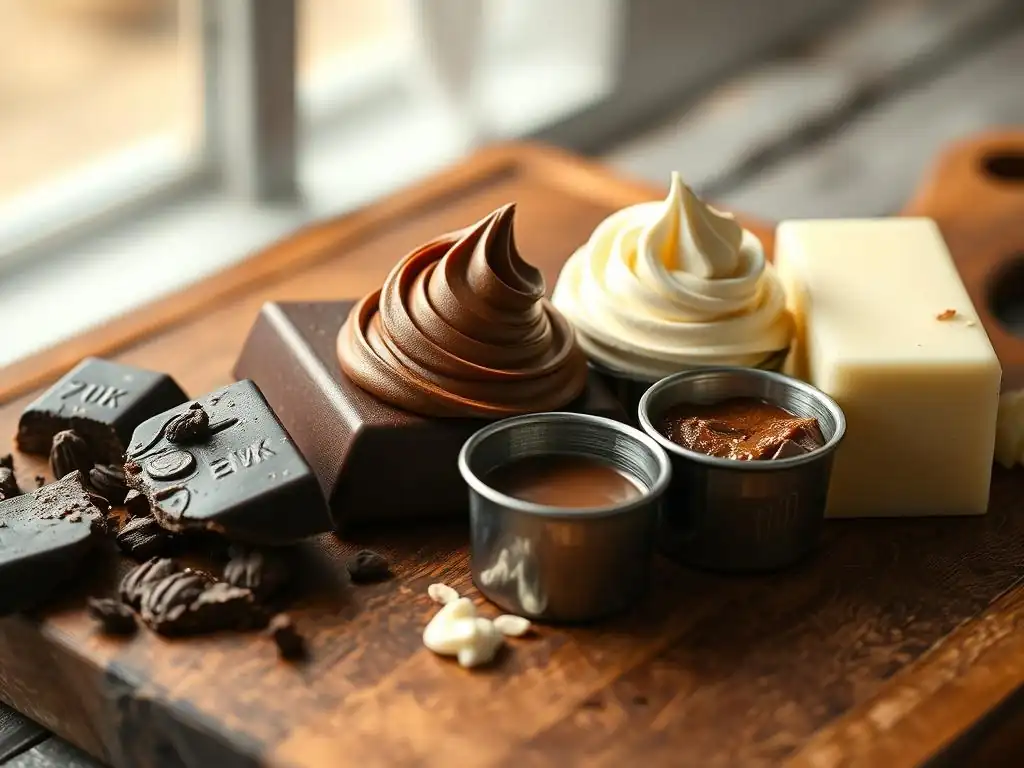
Unsweetened Chocolate: Intense Flavor and Richness
Unsweetened chocolate, also known as baking chocolate or bitter chocolate, contains a very high percentage of cacao solids, typically 90% or more, and no added sugar. This makes it incredibly intense and bitter, designed specifically for baking where other ingredients provide sweetness. When used in frosting, it delivers a deep, pure chocolate flavor without the sweetness found in other types.
Frostings made with unsweetened chocolate require a significant amount of added sugar to balance the bitterness. They often result in a very dark, rich, and sophisticated frosting, perfect for pairing with less sweet cakes or desserts. A classic example is a rich fudge frosting, where melted unsweetened chocolate is combined with butter, powdered sugar, and a liquid like milk or cream, creating a dense, glossy finish.
Semisweet Chocolate: A Versatile Choice
Semisweet chocolate is a popular and versatile choice for frosting. It contains less sugar than milk chocolate but more than unsweetened or bittersweet, typically ranging from 35% to 60% cacao solids. This balance makes it palatable on its own and flexible in recipes, offering a good chocolate flavor without being overly bitter or sweet.
Using semisweet chocolate in frosting provides a pleasant, familiar chocolate taste that pairs well with a wide variety of cakes and cupcakes. It's often used in ganaches (simply chocolate melted into hot cream) or buttercream frostings, offering a reliable option for beginners. A simple semisweet chocolate ganache, made with a 1:1 ratio of chocolate to heavy cream by weight, creates a pourable glaze when warm and a thick, spreadable frosting when cooled and whipped – a great starting point for an easy chocolate frosting recipe for beginners.
Bittersweet Chocolate: Balancing Sweetness and Depth
Bittersweet chocolate sits between semisweet and unsweetened chocolate in terms of sweetness and cacao content, typically containing 60% to 80% cacao solids. The exact definition can vary, but it generally offers a deeper, more complex chocolate flavor than semisweet, with less bitterness than unsweetened.
Bittersweet chocolate is excellent for frostings where you want a pronounced chocolate flavor that isn't overly sweet. It creates a rich, dark frosting perfect for pairing with red velvet cake or a classic chocolate layer cake. A bittersweet chocolate buttercream, made by creaming butter with powdered sugar and incorporating melted bittersweet chocolate, offers a luxurious texture and intense flavor profile, showcasing the depth of the chocolate.
Milk Chocolate: Creamy and Mild
Milk chocolate is the sweetest and creamiest type of solid chocolate, containing at least 10% cacao solids and a significant amount of milk solids and sugar (often 50% or more). Its flavor is mild and sweet, with pronounced dairy notes.
While less common for intense chocolate frostings, milk chocolate is ideal when you desire a sweeter, softer, and creamier result. It works well for children's cakes or when pairing with light, airy cakes where a strong dark chocolate flavor might be overwhelming. A milk chocolate frosting will be lighter in color and flavor compared to those made with darker chocolates. It's often used in fudgy-style frostings or whipped ganaches for a softer set.
White Chocolate: Unique Properties in Frosting
White chocolate is unique because it contains no cacao solids, only cocoa butter, sugar, milk solids, and vanilla. It has a sweet, creamy flavor and a distinct texture due to the high cocoa butter content.
Using white chocolate in frosting provides a sweet, vanilla-flavored base with a creamy texture. It can be used to make white chocolate ganache or white chocolate buttercream. While not a "chocolate" frosting in the traditional sense (as it lacks cacao solids), it's a popular variation. White chocolate ganache, typically made with a 2:1 or 3:1 ratio of white chocolate to heavy cream by weight (more chocolate needed due to cocoa butter content), sets up firmly and is great for filling or coating. It requires careful handling as cocoa butter can seize or become greasy if overheated.
Comparing Chocolate Bases: A Guide
Unsweetened vs. Semisweet: Flavor Profile and Intensity
The primary difference between unsweetened and semisweet chocolate in frosting lies in their inherent sweetness and flavor intensity. Unsweetened chocolate provides a pure, intense cacao flavor with significant bitterness, demanding a large amount of added sugar (often a sugar-to-chocolate ratio of 2:1 or more by weight in a buttercream) to create a palatable frosting. This results in a very dark, deeply flavored, and often dense frosting.
Semisweet chocolate, on the other hand, contains added sugar (typically 35-60% cacao) and offers a more balanced, less intense chocolate flavor with some inherent sweetness. When used in frosting, it requires less added sugar than unsweetened chocolate (perhaps a 1.5:1 sugar-to-chocolate ratio in a buttercream, or a simple 1:1 ratio in a ganache), resulting in a moderately sweet frosting with a classic chocolate taste. Choose unsweetened for a sophisticated, rich, less sweet frosting, and semisweet for a versatile, classic chocolate flavor that's easier to balance for beginners.
Bittersweet vs. Milk Chocolate: Sweetness and Texture Considerations
Bittersweet and milk chocolate represent opposite ends of the spectrum when it comes to sweetness and depth of flavor in traditional chocolate. Bittersweet chocolate (60-80% cacao) offers a complex, less sweet, and more pronounced chocolate taste. Frostings made with bittersweet chocolate are richer, darker, and have a more sophisticated flavor profile, requiring less added sugar than milk chocolate frostings. They also tend to set up slightly firmer due to the higher cacao solid content compared to milk chocolate.
Milk chocolate (typically < 35% cacao) is significantly sweeter and milder, with a creamy texture and strong dairy notes due to the added milk solids and high sugar content. Frostings made with milk chocolate are lighter in color and flavor, much sweeter, and often softer in consistency because they contain less cacao solid and more sugar and milk fat. They are ideal when a very sweet, mild, and creamy chocolate flavor is desired. For the best chocolate frosting recipe beginners aiming for a classic, rich taste, bittersweet is a better starting point than the much sweeter milk chocolate.
White Chocolate vs. Dark Chocolate: When to Choose Each
White chocolate and dark chocolate (referring collectively to semisweet, bittersweet, and unsweetened) are fundamentally different and used for distinct purposes in frosting. Dark chocolate provides the classic, rich, sometimes bitter, sometimes balanced flavor associated with traditional chocolate frosting, deriving its characteristics from cacao solids. It's the choice for deep brown, intensely flavored frostings.
White chocolate, lacking cacao solids and consisting mainly of cocoa butter, sugar, and milk solids, offers a sweet, creamy, vanilla-like flavor and a pale color. It's used when you want a non-traditional "chocolate" frosting that is sweet, rich from cocoa butter, and pairs well with flavors like berries, citrus, or vanilla. Choose dark chocolate for a traditional, deep chocolate experience and white chocolate for a sweet, creamy, and visually lighter frosting alternative.
Step-by-Step Guide: Adapting Your Frosting Recipe for Different Chocolate Types
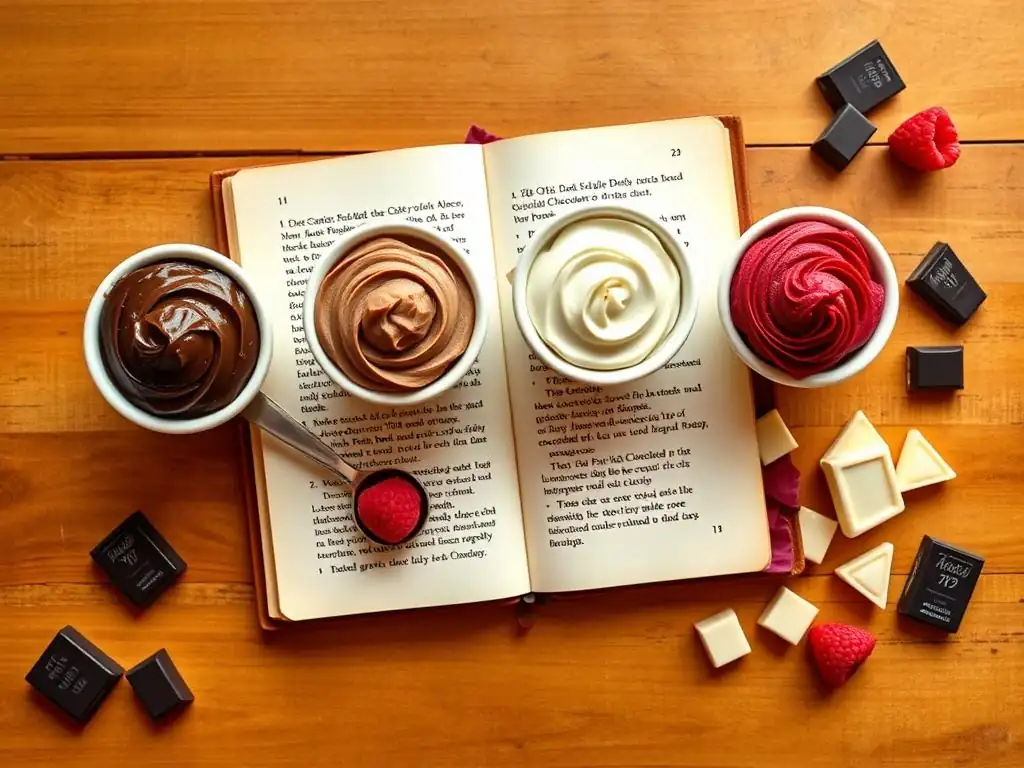
Adjusting Sugar Levels Based on Chocolate Sweetness
One of the most crucial adjustments when switching chocolate types in a frosting recipe is managing the sugar level. Since different chocolates contain varying amounts of sugar, the amount of added sugar (usually powdered sugar) needs to be adjusted accordingly.
When using unsweetened or bittersweet chocolate (higher cacao percentage, less sugar), you will typically need to increase the amount of powdered sugar in a buttercream recipe compared to a recipe designed for semisweet or milk chocolate. For example, if a recipe calls for 4 cups of powdered sugar with semisweet chocolate, you might need 5-6 cups when using unsweetened chocolate to balance the bitterness.
Conversely, when using milk or white chocolate (lower cacao percentage, more sugar), you will likely need less powdered sugar than a recipe designed for darker chocolate to prevent the frosting from becoming excessively sweet and potentially too stiff. Start with the recipe's recommended amount and add more powdered sugar gradually, tasting as you go, until the desired sweetness is achieved.
Managing the Fat Content for Perfect Consistency
The type of chocolate also affects the overall fat content of your frosting, primarily through the amount of cocoa butter it contains. Darker chocolates generally have a higher percentage of cacao solids, which includes cocoa butter, than milk chocolate. White chocolate is almost entirely cocoa butter and milk fat.
When using chocolates with a higher cocoa butter content (like dark or white chocolate in a ganache), they will solidify more firmly as they cool compared to milk chocolate. This means a ganache made with 70% bittersweet chocolate might use a 1:1 chocolate-to-cream ratio for a firm set, while a white chocolate ganache might require a 2:1 or even 3:1 ratio to achieve a similar firmness.
In buttercreams, the fat from the chocolate adds to the butter. If a recipe calls for a specific amount of melted semisweet chocolate, substituting with unsweetened chocolate (higher cocoa butter) might result in a slightly firmer frosting, while substituting with milk chocolate (lower cocoa butter relative to its weight) might result in a softer frosting unless the butter or powdered sugar is adjusted.
Pay attention to the consistency as you mix and be prepared to slightly adjust the amount of butter, powdered sugar, or liquid.
Incorporating Liquids to Achieve the Ideal Texture
Liquids like milk, cream, or coffee are essential for achieving the desired spreadable or pipeable texture in frosting. The amount and type of liquid needed can vary depending on the chocolate used and the desired consistency.
For instance, a frosting made with a higher percentage of powdered sugar (often needed when using unsweetened chocolate) will require more liquid to achieve a smooth, workable consistency than a frosting with less sugar. Similarly, the fat content of the liquid matters; using heavy cream versus milk will result in a richer, potentially firmer frosting. When adapting a recipe, add the liquid gradually, perhaps a tablespoon at a time, especially when working with darker or white chocolates which can affect how the frosting thickens upon cooling.
For the best chocolate frosting recipe beginners should aim for a consistency that is easy to spread without tearing the cake and holds its shape if piping is desired. If the frosting is too thick, add a tiny bit more liquid; if too thin, add more powdered sugar or, in some cases like ganache, chill it slightly.
Tips and Tricks for Achieving the Best Results
Sifting Cocoa Powder for a Smooth Frosting
Many chocolate frosting recipes, particularly those based on American buttercream, use cocoa powder in addition to or instead of melted chocolate. Sifting your cocoa powder before adding it to the mixture is a simple but critical step for achieving a smooth, lump-free frosting.
Cocoa powder, especially natural cocoa powder, can often contain small clumps. If these clumps are not broken up before mixing, they can result in a grainy or spotty frosting texture that is difficult to smooth out later.
Use a fine-mesh sieve and gently tap or whisk the cocoa powder through it directly into your mixing bowl or onto a piece of parchment paper before measuring. This ensures that the powder is light and airy, ready to be easily incorporated into the butter and sugar mixture, contributing to that silky, smooth finish desired in the best chocolate frosting recipe beginners can make.
Using Room Temperature Butter for Easy Creaming
The temperature of your butter is paramount in buttercream-based frostings. Butter that is too cold will not cream properly with the sugar, resulting in a lumpy, dense frosting. Butter that is too warm or melted can make the frosting greasy and unable to hold its shape.
Ideal room temperature butter should be soft enough that you can easily press your finger into it and leave an indentation, but it should not be shiny or melting. This typically means letting it sit out of the refrigerator for 30 minutes to an hour, depending on your kitchen temperature. Creaming softened butter with powdered sugar (and sometimes melted chocolate) incorporates air, which is essential for a light and fluffy texture.
Use a mixer on medium-high speed to beat the butter until pale and fluffy before adding other ingredients. This initial creaming step is a hallmark of a successful buttercream and key to a beginner-friendly chocolate frosting.
Avoiding Common Frosting Mistakes: Overmixing
While creaming butter and sugar requires beating, it's important to avoid overmixing once all ingredients, especially melted chocolate or liquids, have been added. Overmixing can incorporate too much air, potentially causing issues with stability, or in some cases, it can break down the emulsion in certain frosting types, leading to a greasy or separated appearance.
Once the melted chocolate and liquids are incorporated, mix just until everything is combined and the frosting is smooth and uniform. If using a stand mixer, scrape down the sides of the bowl frequently to ensure even mixing. If you notice the frosting starting to look greasy or curdled, it might be overmixed or the ingredients might not have been at the correct temperatures.
Often, a brief chill in the refrigerator followed by a quick whisk can help bring it back together. Knowing when to stop mixing is a subtle skill that comes with practice, but aiming for 'just combined' after the main ingredients are in is a good rule of thumb for beginners.
Troubleshooting Common Chocolate Frosting Issues
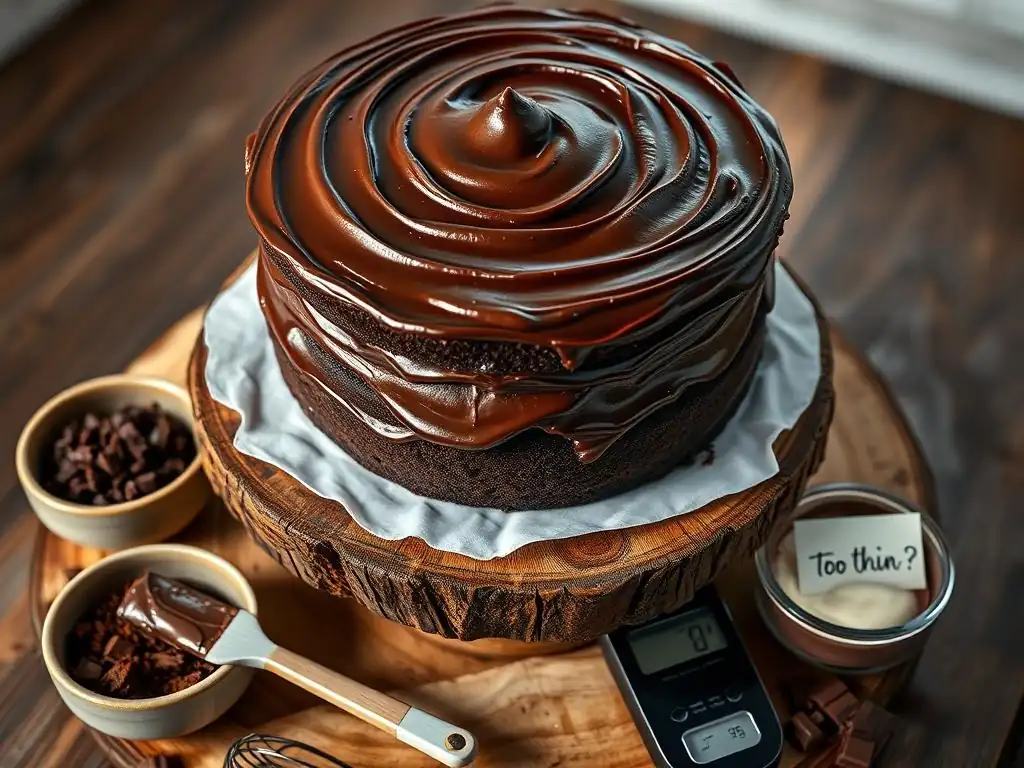
Fixing a Too-Thin Chocolate Frosting
A common issue, especially for beginners, is ending up with a chocolate frosting that is too thin and runny to spread or pipe effectively. This usually happens if too much liquid was added or if the ratio of liquid to solids (butter, sugar, chocolate) is off.
- Solution 1: Add More Powdered Sugar.: If it's a buttercream-style frosting, gradually whisk in more powdered sugar, a tablespoon or two at a time, until the desired consistency is reached. This adds bulk and absorbs excess liquid.
- Solution 2: Chill the Frosting.: If it's a ganache or a buttercream that relies heavily on the chocolate or butter solidifying, chilling the frosting in the refrigerator for 15-30 minutes can help it firm up. Stir or whip it again after chilling. Be careful not to over-chill ganache, or it will become too hard.
- Solution 3: Add More Fat (Butter or Chocolate).: In some cases, adding a bit more softened butter (for buttercream) or melted, cooled chocolate can help thicken the frosting by increasing the fat content. This is particularly useful if the flavor balance is already good and you don't want to add more sweetness from powdered sugar.
Correcting a Too-Thick Chocolate Frosting
On the flip side, a frosting can sometimes turn out too thick, making it difficult to spread smoothly or pipe without breaking. This is often due to too much powdered sugar, too little liquid, or being too cold.
- Solution 1: Add More Liquid.: Gradually add a small amount of liquid (milk, cream, or even water or coffee, depending on the recipe), perhaps a teaspoon at a time, while mixing on low speed. Add just enough until the frosting reaches a spreadable consistency.
- Solution 2: Warm Slightly (for Ganache).: If it's a ganache that has become too firm, gently warm it over a double boiler or in the microwave on low power for very short intervals (5-10 seconds), stirring between each, until it softens.
- Solution 3: Add More Butter (for Buttercream).: For a buttercream, adding a tiny bit more softened butter and beating it in can sometimes help loosen the texture and make it creamier. Ensure the butter is truly soft.
Preventing a Grainy Chocolate Frosting
A grainy texture in chocolate frosting can be caused by several factors, including undissolved sugar crystals, unsifted cocoa powder, or improperly melted chocolate.
- Solution 1: Ensure Powdered Sugar is Sifted.: As mentioned earlier, always sift powdered sugar and cocoa powder to remove clumps.
- Solution 2: Properly Melt Chocolate.: When using melted chocolate, ensure it is fully melted and smooth before incorporating it. Overheating chocolate can cause it to seize or become grainy. Melt it gently over a double boiler or in the microwave on low power, stirring frequently. Ensure it is slightly cooled before adding to buttercream to prevent melting the butter.
- Solution 3: Mix Thoroughly (Initial Stage).: Ensure the butter and powdered sugar are creamed thoroughly at the beginning of a buttercream recipe. This helps dissolve sugar crystals. If the frosting is already made and grainy from sugar, sometimes mixing it for a longer period on low speed can help dissolve the crystals, but be careful not to overmix. Gently warming a small portion and whisking it back in can also help.
Recipes: Putting Your Chocolate Knowledge to the Test
Recipe 1: Classic Semisweet Chocolate Frosting
This outline for a classic semisweet chocolate frosting demonstrates how this versatile chocolate works beautifully in a simple buttercream. It's a fantastic option for the best chocolate frosting recipe beginners can easily follow.
- Chocolate Base: Semisweet chocolate (around 40-55% cacao)
- Other Key Ingredients: Softened unsalted butter, sifted powdered sugar, a splash of milk or cream, vanilla extract.
- Flavor Profile: Moderately sweet, classic chocolate taste, smooth and creamy.
- Typical Method Notes: Melt the semisweet chocolate gently and let it cool slightly. Cream the softened butter until fluffy. Gradually beat in the sifted powdered sugar alternately with the liquid and vanilla. Finally, beat in the cooled melted chocolate until just combined and smooth.
- Use Cases: Perfect for topping vanilla or chocolate cupcakes, classic layer cakes, or as a filling.
Classic Semisweet Chocolate Frosting Outline:
- 4 oz Semisweet Chocolate, melted & cooled
- 1 cup (2 sticks) Unsalted Butter, softened
- 3-4 cups Powdered Sugar, sifted
- 2-4 tbsp Milk or Cream
- 1 tsp Vanilla Extract
Recipe 2: Rich Bittersweet Chocolate Frosting
For those who prefer a deeper, less sweet chocolate flavor, this bittersweet frosting outline shows how to use higher cacao chocolate effectively. It offers a more sophisticated take on a beginner-friendly chocolate frosting.
- Chocolate Base: Bittersweet chocolate (around 60-75% cacao)
- Other Key Ingredients: Softened unsalted butter, sifted powdered sugar (more than for semisweet), a splash of liquid (milk, cream, or coffee), vanilla extract.
- Flavor Profile: Rich, intense chocolate flavor, less sweet than semisweet or milk chocolate.
- Typical Method Notes: Gently melt the bittersweet chocolate and let it cool to lukewarm. Cream the softened butter until very pale and fluffy. Beat in the sifted powdered sugar gradually. Add the liquid, vanilla, and then the cooled melted chocolate. Beat until smooth, scraping down the bowl. The higher cacao content requires careful melting to avoid seizing.
- Use Cases: Excellent with red velvet cake, dark chocolate cake, or pastries where a strong chocolate flavor is desired.
Rich Bittersweet Chocolate Frosting Outline:
- 6 oz Bittersweet Chocolate, melted & cooled
- 1 cup (2 sticks) Unsalted Butter, softened
- 4-5 cups Powdered Sugar, sifted
- 3-5 tbsp Milk, Cream, or Coffee
- 1 tsp Vanilla Extract
Recipe 3: Creamy Milk Chocolate Frosting for Cupcakes
This outline focuses on using milk chocolate to create a sweeter, milder, and creamier frosting, perfect for lighter cakes or a sweeter palate. It's a gentle entry point for beginners exploring different chocolate types.
- Chocolate Base: Milk chocolate (around 30-35% cacao)
- Other Key Ingredients: Softened unsalted butter, sifted powdered sugar (less than for darker chocolate), a splash of milk or cream, vanilla extract.
- Flavor Profile: Sweet, creamy, mild chocolate flavor with noticeable dairy notes.
- Typical Method Notes: Melt the milk chocolate gently and let it cool slightly. Cream the softened butter until fluffy. Gradually beat in the sifted powdered sugar. Add the liquid, vanilla, and the cooled melted milk chocolate. Beat until smooth. Due to milk chocolate's higher sugar and lower cocoa butter content, this frosting will be softer.
- Use Cases: Ideal for vanilla, yellow, or even light chocolate cupcakes, or as a sweet cake filling.
Creamy Milk Chocolate Frosting Outline:
- 5 oz Milk Chocolate, melted & cooled
- 1 cup (2 sticks) Unsalted Butter, softened
- 3-3.5 cups Powdered Sugar, sifted
- 2-3 tbsp Milk or Cream
- 1 tsp Vanilla Extract
Conclusion: Crafting Your Signature Chocolate Frosting
Finding Your Perfect Chocolate Base and Flavor Profile
Choosing the right chocolate base is the first and most impactful step towards creating a truly foolproof chocolate frosting. As we've explored, each type of chocolate—unsweetened, semisweet, bittersweet, milk, and white—brings its own unique characteristics in terms of flavor intensity, sweetness, and texture. Understanding these differences allows you to intentionally select the chocolate that will best complement your baked goods and satisfy your personal taste preferences.
Don't be afraid to experiment! While a classic semisweet recipe is a great starting point for the best chocolate frosting recipe beginners might try, exploring bittersweet offers depth, milk chocolate offers sweetness and creaminess, and unsweetened provides intense richness. Consider the dessert you're pairing it with – a dense chocolate cake might stand up well to a rich bittersweet frosting, while a light vanilla cupcake might be best with a milder semisweet or milk chocolate version.
Ultimately, the best chocolate frosting recipe for you is the one you love most. Start with a reliable base recipe, choose your chocolate type, and use the tips on adjusting sugar, fat, and liquid to achieve your desired consistency and flavor. Practice makes perfect, and every batch is a delicious opportunity to learn more about the wonderful world of chocolate in baking. Happy frosting!
Task List for Your Next Chocolate Frosting Attempt:
- [ ] Choose your desired chocolate base (Unsweetened, Semisweet, Bittersweet, Milk, or White).
- [ ] Select a recipe outline that uses or can be adapted for your chosen chocolate type.
- [ ] Ensure all ingredients, especially butter, are at room temperature.
- [ ] Sift powdered sugar and cocoa powder (if using).
- [ ] Melt chocolate gently and allow it to cool slightly.
- [ ] Mix ingredients carefully, adjusting liquid or sugar as needed for desired consistency.
- [ ] Avoid overmixing once the frosting is smooth.
- [ ] Taste and adjust flavor if necessary.
- [ ] Frost your baked goods and enjoy!
Frequently Asked Questions
What makes this chocolate frosting recipe "foolproof"?
This recipe is considered foolproof because it emphasizes simple techniques and easy-to-find ingredients, making it highly accessible for beginners. It prioritizes a balanced ratio of components to prevent common frosting mishaps.
What are the different chocolate bases I can use for this frosting recipe?
You can use various chocolate bases, including unsweetened cocoa powder, melted semi-sweet chocolate, or even dark chocolate. The choice affects the frosting's richness and sweetness.
How does the type of chocolate affect the final taste and texture of the frosting?
The type of chocolate drastically impacts the final result. Using cocoa powder creates a lighter, less intense flavor, while melted dark chocolate yields a richer, more decadent frosting. Texture also varies based on the fat content of the chocolate.
Can I adjust the sweetness of the frosting?
Yes, you can easily adjust the sweetness. Reduce the amount of powdered sugar if you prefer a less sweet frosting or add a touch more if you have a sweet tooth. Consider the sweetness of your chocolate base as well.
What are some common frosting mistakes and how can I avoid them with this recipe?
Common mistakes include grainy frosting or frosting that's too thin. This recipe avoids these by emphasizing proper mixing techniques and providing guidance on achieving the right consistency through careful ingredient measurement.
Final Reflection: The Sweet Science of Simple Perfection
The pursuit of the perfect chocolate frosting is more than just a culinary quest; it's a testament to the power of accessible excellence. Finding the right chocolate base is the cornerstone of a truly delicious and easy-to-make frosting, a fact that resonates deeply with beginner bakers everywhere. This article aimed to demystify the process, proving that achieving professional-quality results doesn't require years of experience or a complex recipe.
The impact of a simple, yet flawlessly executed, chocolate frosting extends far beyond the plate. It's a symbol of achievable dreams, a reminder that even the most seemingly intricate tasks can be broken down into manageable steps. It's about the joy of creation, the satisfaction of mastering a fundamental skill, and the pure delight of sharing something delicious with loved ones. The best things in life are simple,
a sentiment that rings especially true when considering the profound satisfaction of a perfectly frosted cake.
Now, I invite you to take what you've learned and embark on your own chocolate frosting journey. Don't be afraid to experiment, to tweak the recipes to your taste, and to embrace the occasional mishap as a learning opportunity. The most important ingredient isn't necessarily the cocoa powder or the butter; it's your passion, your willingness to learn, and your desire to create something truly special. Go forth, and frost with confidence!
Unlock Your Inner Pastry Chef: Mastering Chocolate Frosting
Thanks for exploring the world of chocolate frosting with us! You've now learned how to choose the perfect chocolate base for a truly unforgettable dessert. Ready to put your new knowledge into practice?
- Whip up your dream frosting: Grab those chocolate bars and follow your favorite recipe (or try a new one!). Don't be afraid to experiment with different types of chocolate!
- Share your creation: Show us your masterpiece! Tag us on social media with #BakeWithEaseChocolate and share your frosting triumphs (or even your funny frosting fails! ).
- Dive deeper into chocolate: Explore more of our chocolate-focused recipes and techniques on BakeWithEase.com – we've got plenty more delicious secrets to share.
What unique flavor combination will you create with your newfound chocolate frosting expertise?