
Mastering Chinese Fried Dough (Youtiao) for Sweet Dipping

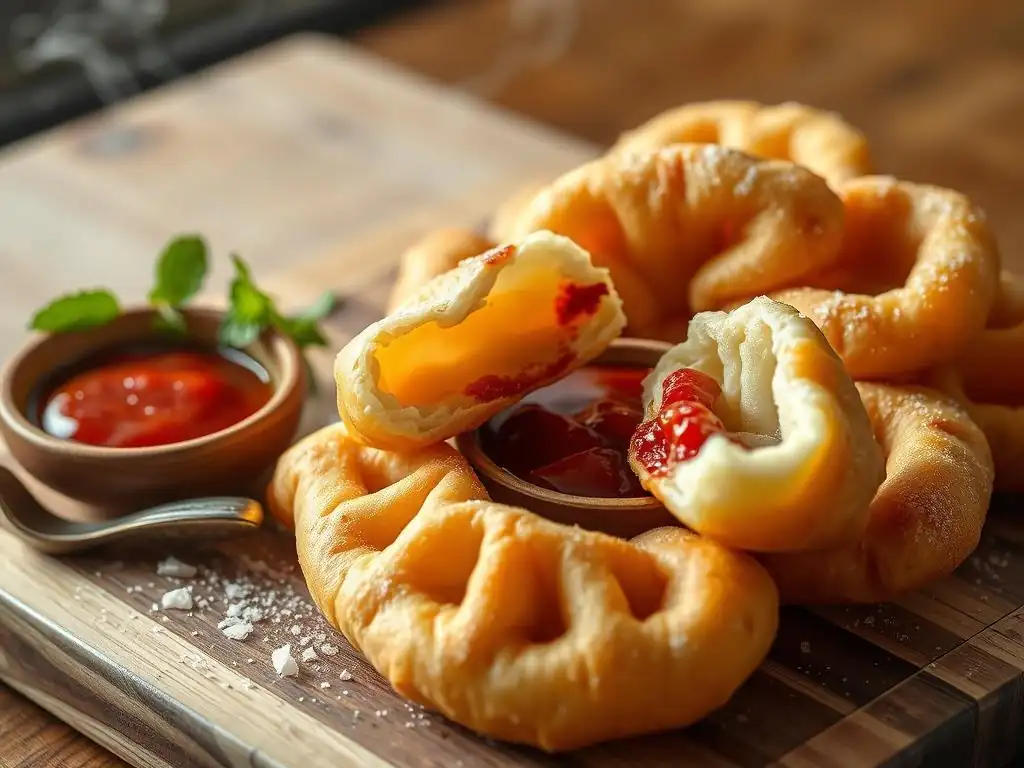
Welcome to BakeWithEase, your guide to effortless baking adventures! Ever dreamt of creating light, airy youtiao that rival your favorite dim sum spot? Dive into our article and unlock the secrets to an easy Chinese fried dough recipe that will transform your breakfasts and snacks. But what's the key to that perfect golden-brown crisp? Read on to discover the simple steps and expert tips that will have you mastering this delicious treat in no time!
- Mastering Chinese Fried Dough (Youtiao) for Sweet Dipping: An Easy Recipe
- Introduction to Youtiao: The Perfect Sweet Treat Companion
- BakeWithEase's Foolproof Youtiao Recipe: Step-by-Step Guide
- Serving Suggestions: Pairing Youtiao with Sweet Dips
- Troubleshooting Your Youtiao: Common Issues and Solutions
- Storing and Reheating Youtiao: Maintaining Freshness
- Conclusion: Enjoying Your Homemade Chinese Fried Dough
-
Frequently Asked Questions
- What makes this youtiao recipe "easy" compared to other Chinese fried dough recipes?
- What type of flour is best for achieving the perfect youtiao texture?
- Can I make the dough ahead of time and refrigerate it?
- What is the best oil to use for frying youtiao, and what temperature should it be?
- What are some popular dipping sauces or pairings for youtiao?
- Final Reflection: The Enduring Magic of Youtiao
- Unlock the Crispy Secrets of Perfect Youtiao!
Mastering Chinese Fried Dough (Youtiao) for Sweet Dipping: An Easy Recipe
Introduction to Youtiao: The Perfect Sweet Treat Companion
What is Youtiao? Exploring the History of Chinese Fried Dough
Youtiao, often referred to as Chinese fried dough sticks, is a beloved breakfast staple and snack across China and other East Asian countries. These long, golden-brown dough strips are deep-fried until puffy and crispy on the outside, yet wonderfully airy and soft on the inside. Their history dates back centuries, with a popular legend linking their creation to the Song Dynasty (960-1279 AD) as a protest against the treacherous official Qin Hui and his wife, who were blamed for the death of General Yue Fei.
The dough sticks were shaped like two human figures (representing the couple) and fried, symbolizing the public's desire to "fry" the traitors. While the legend adds a colorful historical dimension, the practical evolution of Youtiao likely stemmed from the need for a quick, filling, and portable food item, especially in bustling markets and homes.
Today, Youtiao remains incredibly popular, commonly enjoyed for breakfast dipped in hot soy milk, congee (rice porridge), or even wrapped in a rice noodle roll (Cheung Fun). While traditionally savory pairings are common, Youtiao's neutral, slightly salty flavor and porous texture make it an excellent vehicle for sweet dips, absorbing sauces beautifully.
A typical serving might cost just a few dollars at a street vendor, making it an accessible and satisfying treat. Its widespread appeal is a testament to its simple ingredients and delightful texture, making it a perfect target for an easy Chinese fried dough recipe you can make at home.
Why This Easy Chinese Fried Dough Recipe is Perfect for Beginners
Many traditional Youtiao recipes can seem intimidating, involving specific leavening agents like ammonium bicarbonate or complex dough manipulation techniques. This easy Chinese fried dough recipe, however, simplifies the process significantly, making it highly accessible for novice bakers. By relying primarily on active dry yeast for leavening, we eliminate the need for less common ingredients and tricky chemical reactions. The dough handling is also streamlined, focusing on achieving a soft, manageable consistency rather than demanding the extensive, high-gluten development required for some other bread types.
Furthermore, the proofing time for this easy Chinese fried dough recipe is relatively flexible, allowing for a forgiving window that suits busy schedules. Unlike delicate pastries that require precise timing, Youtiao dough is quite resilient. We'll guide you through visual cues, like the dough roughly doubling in size, which are easy for beginners to recognize.
The frying process, while requiring attention to oil temperature, is broken down into simple, actionable steps. Our goal is to demystify Youtiao, proving that achieving that perfect crispy-on-the-outside, fluffy-on-the-inside texture is well within reach, even if you've never fried dough before. This truly is an easy Chinese fried dough recipe designed for success.
BakeWithEase's Foolproof Youtiao Recipe: Step-by-Step Guide
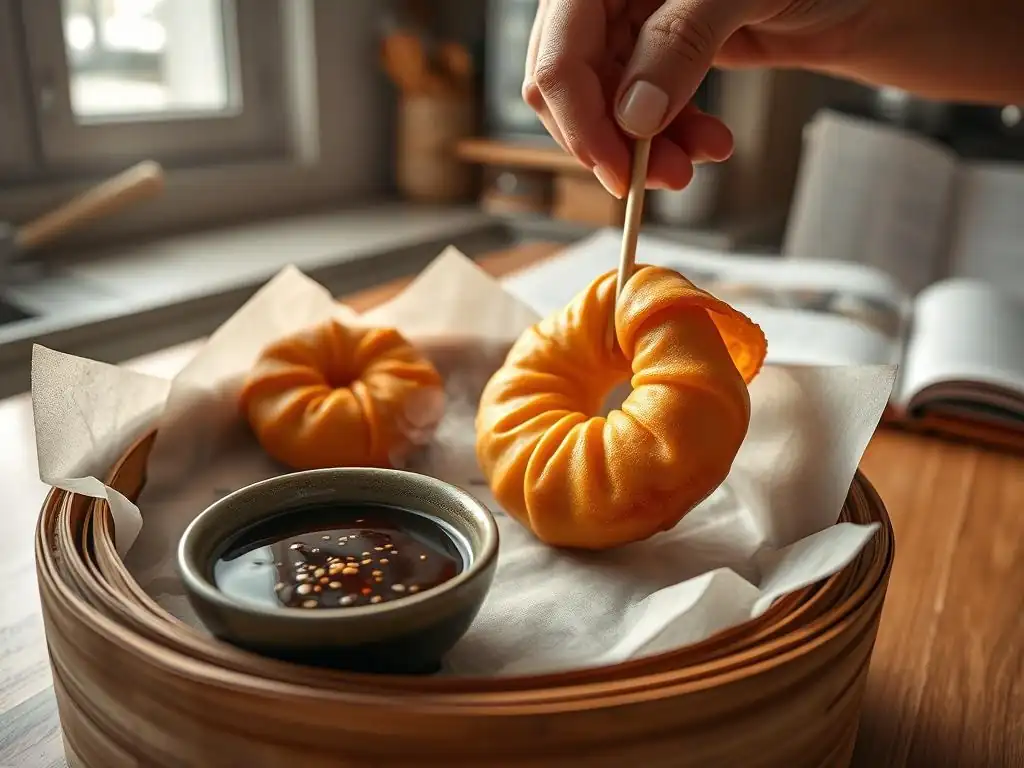
Ingredients for Authentic Chinese Fried Dough
To create your own delicious Youtiao at home, you'll need a few basic ingredients. For this easy Chinese fried dough recipe, we'll use:
- Approximately 500 grams (about 4 cups) All-Purpose Flour
- 10 grams (about 2.5 teaspoons) Active Dry Yeast
- 5 grams (about 1 teaspoon) Baking Powder
- 5 grams (about 1 teaspoon) Salt
- 5 grams (about 1 teaspoon) Sugar
- Approximately 300-330 ml (about 1.25 - 1.4 cups) Warm Water (105-115°F or 40-46°C)
- 15 ml (about 1 tablespoon) Vegetable Oil (for the dough)
- Additional Vegetable Oil for Frying (approx. 1-2 liters, depending on pot size)
Understanding Key Ingredients for Youtiao Success
Each ingredient plays a crucial role in developing the signature texture of Youtiao. The all-purpose flour provides the structure, while the combination of active dry yeast and baking powder is key to achieving that incredible puffiness.
Yeast provides the initial lift during proofing, creating air pockets, while baking powder reacts with moisture and heat during frying to give a final burst of expansion, contributing significantly to the hollow, airy interior. Using warm water within the specified temperature range is critical for activating the yeast; water that is too cold won't activate it, and water that is too hot can kill it.
Salt enhances the flavor and helps control yeast activity, preventing the dough from rising too quickly. A small amount of sugar provides food for the yeast, aiding in fermentation. The tablespoon of vegetable oil added to the dough helps make it more pliable and contributes to a slightly tender crumb.
For frying, choosing a neutral oil with a high smoke point, such as vegetable oil, canola oil, or peanut oil, is essential to prevent the oil from breaking down and imparting off-flavors at the high temperatures required for frying Youtiao. Having enough oil (at least 1-2 inches deep) is important so the Youtiao can float and cook evenly without touching the bottom of the pot.
Preparing the Dough: A Detailed Walkthrough
Crafting the perfect dough is the foundation of this easy Chinese fried dough recipe. We'll walk through the steps carefully to ensure success.
Activating the Yeast: The Foundation of Fluffy Youtiao
Begin by activating your active dry yeast. In a medium bowl, combine the warm water (remember, 105-115°F or 40-46°C is ideal) with the sugar and sprinkle the yeast over the top. Give it a gentle stir. Let this mixture sit for about 5-10 minutes.
You should see the yeast become foamy or bubbly on the surface; this indicates that the yeast is alive and active. If you don't see any activity after 10-15 minutes, your water might have been too hot or too cold, or your yeast may be old, and you'll need to start this step over with fresh yeast and correctly tempered water. This initial activation is a simple yet vital step for ensuring your easy Chinese fried dough recipe results in beautifully risen dough.
While the yeast is activating, whisk together the flour, baking powder, and salt in a large mixing bowl. Once the yeast mixture is foamy, pour it into the dry ingredients. Add the tablespoon of vegetable oil. Using a spatula, wooden spoon, or your hands, mix everything together until a shaggy dough forms. At this stage, it will likely be quite sticky. Ensure all the dry flour is incorporated. This initial mixing step brings all the components together before we move on to developing the dough's structure.
Kneading Techniques for Perfect Dough Elasticity
Unlike some bread doughs that require extensive kneading, this easy Chinese fried dough recipe benefits from a simpler approach to develop just enough gluten for structure without making the dough tough. Once the shaggy dough has formed, turn it out onto a lightly floured surface. Knead the dough for about 5-8 minutes. The dough will start sticky, but as you knead, it will become smoother and more elastic. You can use the traditional push-and-fold method or a stand mixer with a dough hook on low speed for about 5 minutes.
The goal is to achieve a dough that is smooth and no longer excessively sticky, but still quite soft and pliable. It doesn't need to pass the windowpane test perfectly (where you can stretch a small piece thin enough to see light through it), as too much gluten development can actually hinder the characteristic airy texture of Youtiao. A slightly softer dough is preferred for easy shaping and a tender result.
If the dough is too sticky to handle, add just a tiny amount of flour (a tablespoon at a time), but resist the urge to add too much, as this will result in dense Youtiao. After kneading, the dough should feel smooth and bounce back slowly when poked.
Proofing and Resting: Achieving the Ideal Dough Texture
Proofing is where the magic of yeast truly happens, transforming your kneaded dough into a light, airy mass ready for frying. This stage is crucial for the success of your easy Chinese fried dough recipe.
The Importance of Proofing Time for Light and Airy Youtiao
After kneading, shape the dough into a rough ball and place it in a lightly oiled bowl. Turn the dough to coat it in oil, then cover the bowl tightly with plastic wrap or a damp kitchen towel. Place the bowl in a warm, draft-free place to rise. The ideal temperature for proofing is typically between 75-85°F (24-29°C). At room temperature (around 70°F or 21°C), this dough will likely take 1.5 to 2 hours to double in size. In a warmer spot, it might take as little as 60-75 minutes.
Alternatively, for a slower, more controlled rise that can develop more flavor, you can refrigerate the dough for 8-12 hours (or even up to 24 hours). Cold proofing slows the yeast activity significantly. Regardless of the method, the key indicator that the dough is ready is that it has roughly doubled in volume.
It should look visibly puffy and feel light when gently poked. Proper proofing ensures that the Youtiao will puff up dramatically when they hit the hot oil, resulting in that desirable airy interior. Under-proofed dough won't expand enough, while over-proofed dough might collapse or become too fragile to handle.
Frying Youtiao to Golden Perfection: Tips and Tricks
Frying is the final step in bringing your easy Chinese fried dough recipe to life. Getting the technique right ensures crispy, golden Youtiao.
Oil Temperature: The Key to Crispy and Fluffy Youtiao
The temperature of your frying oil is perhaps the single most critical factor for successful Youtiao. The ideal range is typically between 350°F and 375°F (175°C and 190°C). If the oil is too cool (below 350°F), the Youtiao will absorb too much oil, resulting in a greasy, heavy texture instead of a light one. They also won't puff up properly. If the oil is too hot (above 375°F), the outside will brown too quickly, potentially burning, while the inside remains raw or dense.
Using a thermometer is highly recommended to monitor the oil temperature accurately. A clip-on candy or deep-fry thermometer works perfectly. Heat the oil gradually over medium heat until it reaches the desired temperature range. Maintain the temperature as consistently as possible throughout the frying process, adjusting the heat as needed. Frying in batches will help prevent the oil temperature from dropping too much when you add the dough, which is essential for this easy Chinese fried dough recipe.
Shaping and Stretching the Dough for Even Frying
Once the dough is proofed, gently turn it out onto a lightly floured surface. Do not punch down the dough vigorously; try to preserve as much of the air pockets as possible. Gently pat or roll the dough into a rectangle about 1/2 inch thick. Using a knife or pizza cutter, cut the dough into strips approximately 1 inch wide. You'll then take two strips and stack them on top of each other.
Using a chopstick or the back of a knife, press down firmly along the center of the stacked strips. This indentation helps the two strips stick together and allows them to puff up into a single, elongated Youtiao during frying. Just before frying, gently stretch each stacked and pressed strip to about 8-10 inches long. Be careful not to stretch too thin, or they might break. This stretching step is what gives Youtiao its characteristic length and helps ensure even cooking.
Achieving the Perfect Golden-Brown Color: Frying Time and Technique
Carefully slide the stretched dough strips into the hot oil (350-375°F or 175-190°C), one or two at a time, depending on the size of your pot. Do not overcrowd the pot, as this will lower the oil temperature and result in greasy Youtiao. As soon as the dough hits the oil, it should start to puff up immediately. Use chopsticks or tongs to gently rotate the Youtiao in the oil, ensuring they cook evenly on all sides.
They will cook very quickly, usually taking only 1-3 minutes per side, or 2-6 minutes total per piece, until they are a beautiful golden-brown color and have puffed up significantly. The exact time will depend on your oil temperature and the thickness of your Youtiao. Once golden and cooked through, carefully remove the Youtiao from the oil using tongs and place them on a wire rack set over paper towels to drain off excess oil. This step is important for maintaining their crispiness. Repeat with the remaining dough, ensuring the oil returns to the correct temperature between batches.
Serving Suggestions: Pairing Youtiao with Sweet Dips
While traditionally served with savory accompaniments, the neutral, slightly salty flavor of Youtiao makes it a fantastic base for sweet dipping. This easy Chinese fried dough recipe is perfect for exploring various sweet pairings.
Classic Sweet Dipping Sauces for Youtiao
Some sweet pairings have become popular alongside traditional methods, offering a delightful contrast to the fried dough.
Sweetened Condensed Milk: A Traditional Favorite
Perhaps the most popular sweet dip for Youtiao, particularly in some regions and certainly a favorite among children, is sweetened condensed milk. Its thick, creamy texture and intense sweetness cling perfectly to the porous surface of the warm Youtiao. A simple bowl of condensed milk, sometimes slightly warmed for easier dipping, is all you need.
To serve, simply pour sweetened condensed milk into a small bowl. Break or cut the warm Youtiao into smaller, dippable pieces. Dip generously and enjoy the sweet, slightly salty, crispy, and soft combination. This pairing is incredibly simple, requiring no preparation beyond opening a can, making it an ideal partner for an easy Chinese fried dough recipe.
Soy Milk with Sugar: A Simple and Delicious Pairing
Another classic way to enjoy Youtiao, particularly for breakfast, is dipping it into hot soy milk that has been sweetened with sugar. While savory soy milk variations exist, a sweetened version provides a comforting and less intense sweetness than condensed milk. The warmth of the soy milk softens the Youtiao slightly, creating a pleasant texture contrast.
Heat plain or vanilla soy milk until it's hot but not boiling. Stir in sugar to taste – start with a teaspoon or two per cup and adjust as desired. Serve the hot, sweetened soy milk in a mug or bowl alongside your fresh Youtiao. Dip pieces of Youtiao into the warm milk, letting them soak up some of the liquid before eating. This provides a lighter, yet equally satisfying, sweet experience.
Creative Sweet Dip Ideas for Your Homemade Youtiao
Beyond the classics, the versatility of Youtiao allows for creative and delicious sweet pairings. Don't be afraid to experiment!
Chocolate Sauce: An Indulgent Twist
For a decadent treat, pair your homemade Youtiao with warm chocolate sauce. The richness of the chocolate complements the light, airy texture of the fried dough beautifully. You can use a simple store-bought chocolate syrup, warm up a jar of hot fudge, or make a quick ganache by melting chocolate chips with a bit of cream.
A dark chocolate sauce can provide a sophisticated contrast, while milk chocolate or white chocolate sauces offer sweeter options. Serve the sauce warm in a small bowl for easy dipping. This pairing turns the humble Youtiao into a truly indulgent dessert or snack, proving this easy Chinese fried dough recipe is versatile enough for any craving.
Fruit Compotes: Adding a Fresh and Fruity Flavor
For a lighter, brighter option, consider dipping Youtiao into fruit compotes or sauces. A warm berry compote (like blueberry or raspberry), a spiced apple compote, or even a simple apricot jam warmed slightly can be wonderful. The tartness of the fruit cuts through the richness of the fried dough.
Making a simple compote involves simmering fresh or frozen fruit with a little sugar and water until it thickens. For example, simmer 1 cup of berries with 2 tablespoons of sugar and 1 tablespoon of water for 5-10 minutes. This adds a burst of fresh flavor and can make your Youtiao feel a bit healthier and summery.
Honey-Cinnamon Dip: A Warm and Aromatic Delight
A simple mix of warm honey and a pinch of cinnamon creates an aromatic and comforting dip perfect for Youtiao. The honey provides natural sweetness, while the cinnamon adds warmth and spice. This dip is quick to prepare and highlights the simple goodness of the fried dough.
Gently warm some honey (about 1/4 cup) in a small saucepan or microwave-safe bowl until it's more liquid. Stir in about 1/4 teaspoon of ground cinnamon. You can also add a tiny pinch of nutmeg or cardamom if desired. Serve the warm honey-cinnamon dip alongside your fresh, crispy Youtiao. The warm, sweet, spiced notes are incredibly satisfying, especially on a cool day.
Troubleshooting Your Youtiao: Common Issues and Solutions
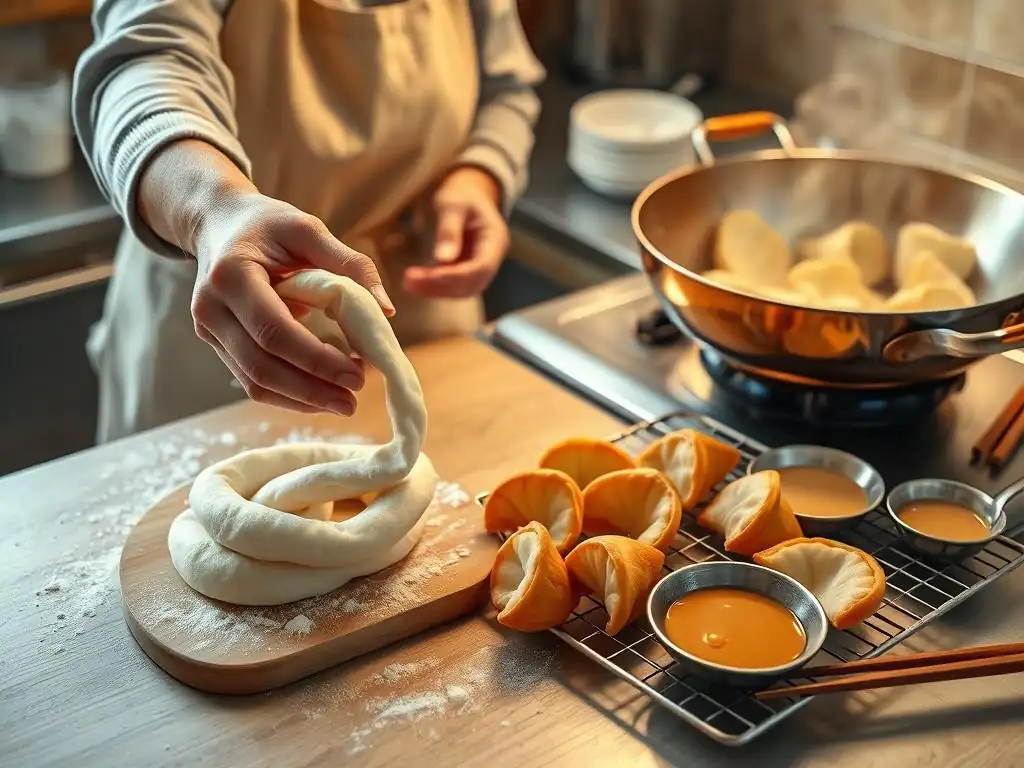
Even with an easy Chinese fried dough recipe, sometimes things don't go exactly as planned. Here are some common issues and how to fix them.
Dough Not Rising: Identifying and Fixing the Problem
If your dough isn't rising or is rising very slowly, the most likely culprit is inactive yeast. This can happen if the water used to activate the yeast was too hot (killing the yeast) or too cold (inhibiting activation). Ensure your water temperature is within the optimal range of 105-115°F (40-46°C). You can test this with a kitchen thermometer.
Another reason for poor rising could be expired yeast. Always check the expiration date on your yeast package. If your yeast doesn't foam up within 5-10 minutes when mixed with warm water and sugar, it's likely dead and you'll need to start over with fresh yeast. Also, ensure your proofing environment is warm and draft-free; cold temperatures significantly slow down yeast activity. Placing the covered bowl in a slightly warm oven (turned off, but preheated briefly to maybe 100°F/38°C and then turned off) can help.
Youtiao Too Oily: Techniques for Reducing Oil Absorption
Oily Youtiao is usually a sign that the frying oil temperature was too low. When the oil isn't hot enough (below 350°F or 175°C), the dough takes longer to cook and absorbs excess oil before it has a chance to crisp up and form a barrier. Ensure your oil is consistently within the 350-375°F (175-190°C) range using a thermometer.
Another factor can be overcrowding the pot. Adding too many pieces at once drastically lowers the oil temperature. Fry in small batches to help maintain a consistent high temperature. Also, make sure you are draining the Youtiao properly after frying by placing them on a wire rack set over paper towels, rather than directly on paper towels, which can cause them to steam and become soggy on the bottom.
Achieving the Right Texture: Adjusting Dough Consistency
The texture of your Youtiao (too dense, not puffy enough, or too tough) can often be traced back to the dough consistency or proofing. If your Youtiao are dense and don't puff up well, it might be due to under-proofing (the dough didn't double in size before frying) or insufficient leavening (inactive yeast or old baking powder). Ensure your yeast is active and the dough has fully doubled during the proofing stage.
If the Youtiao are tough, it could be a sign of over-kneading, which develops too much gluten, or adding too much flour, resulting in a stiff dough. This easy Chinese fried dough recipe aims for a softer dough consistency. If your dough feels very stiff after mixing, you may need to add a tiny bit more water (a teaspoon at a time) during kneading.
Conversely, if the dough is too difficult to handle because it's excessively sticky, add just a touch more flour while kneading, but use a light hand. Getting the initial dough consistency right is key to achieving the desired light and airy texture in your fried dough.
Storing and Reheating Youtiao: Maintaining Freshness
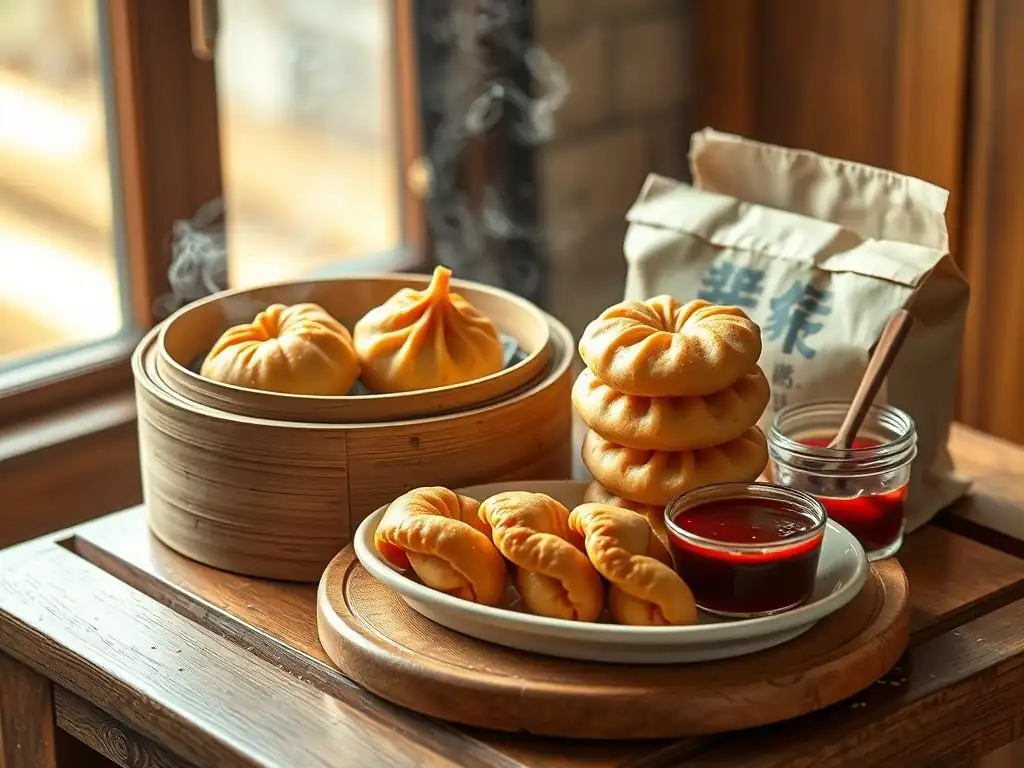
Youtiao is definitely best enjoyed fresh, hot out of the fryer. However, if you have leftovers from your easy Chinese fried dough recipe batch, here's how to handle them.
Best Practices for Storing Leftover Youtiao
Once completely cooled to room temperature, leftover Youtiao can be stored. The key is to protect them from air exposure, which can make them stale. Place the cooled Youtiao in an airtight container or a resealable plastic bag. Squeeze out as much air as possible before sealing.
Store the container at room temperature if you plan to eat them within 1-2 days. For longer storage, you can refrigerate them for up to 3-4 days. Freezing is also an option; wrap individual Youtiao tightly in plastic wrap, then place them in a freezer-safe bag or container for up to 1-2 months. Be aware that the texture may change slightly after freezing and reheating.
Reheating Methods for Crispy and Delicious Youtiao
Reheating Youtiao in a way that restores their crispy exterior is crucial. Microwaving is generally not recommended as it will make them soft and chewy rather than crispy.
The best methods involve dry heat. An oven or toaster oven works well: preheat to 350°F (175°C) and reheat for 5-10 minutes, or until heated through and the exterior is crisp again. An air fryer is also excellent; reheat at 350°F (175°C) for 3-6 minutes, checking for crispness. If you have a large batch, spreading them on a baking sheet in a single layer is best for even reheating. The goal is to heat them through and re-crisp the surface without drying out the interior.
Conclusion: Enjoying Your Homemade Chinese Fried Dough
Embrace the Art of Youtiao Making with BakeWithEase
You've now walked through the steps of making delicious Youtiao using our easy Chinese fried dough recipe. From understanding the ingredients to mastering the frying technique and exploring delightful sweet dips, you've gained the knowledge to recreate this popular treat at home. Don't be discouraged if your first batch isn't absolutely perfect; like any baking or frying skill, practice makes perfect. The process itself is rewarding, and the result – warm, crispy, airy fried dough – is well worth the effort.
This easy Chinese fried dough recipe is designed to be forgiving, making it an excellent starting point for exploring traditional Asian fried doughs. By breaking down each stage, we hope to have made the process approachable and enjoyable. Now you can enjoy fresh, homemade Youtiao whenever the craving strikes, paired with your favorite sweet dips or traditional savory accompaniments.
Presenting your homemade Youtiao can add to the enjoyment. Once fried and drained, arrange the golden sticks on a platter. If serving with multiple dips, pour each dip into small, individual bowls and arrange them around the Youtiao. For a classic look, you can serve them whole, or cut them into smaller, more manageable pieces for dipping.
Consider garnishing the dip bowls with a sprinkle of cinnamon, a fresh berry, or a drizzle of honey, depending on the dip. Serving them warm is key to experiencing their ideal texture. Sharing your fresh Youtiao with friends and family is a wonderful way to enjoy the fruits of your labor from this easy Chinese fried dough recipe, offering them a taste of a delicious cultural staple with a sweet twist.
Frequently Asked Questions
What makes this youtiao recipe "easy" compared to other Chinese fried dough recipes?
This recipe focuses on simplified ingredients and techniques, making it more accessible for home bakers. It also provides clear, step-by-step instructions for consistent results.
What type of flour is best for achieving the perfect youtiao texture?
Bread flour or all-purpose flour are recommended, but bread flour will give you a chewier texture. The protein content is important for gluten development.
Can I make the dough ahead of time and refrigerate it?
Yes, you can! Refrigerating the dough can actually enhance the flavor and texture. Aim for a refrigeration time of at least 8 hours, but no more than 24 hours for best results.
What is the best oil to use for frying youtiao, and what temperature should it be?
Vegetable oil or canola oil are good choices due to their neutral flavor and high smoke point. The oil should be around 350-375°F (175-190°C) for proper cooking.
What are some popular dipping sauces or pairings for youtiao?
Youtiao is often enjoyed with soy milk, either sweet or savory. Other popular options include congee (rice porridge), sweet bean sauce, or even just plain.
Final Reflection: The Enduring Magic of Youtiao
The simple act of frying dough, transforming humble ingredients into golden, airy delights, remains a powerful testament to the enduring appeal of traditional cooking. Mastering the art of making youtiao, as we've explored, isn't just about following a recipe; it's about connecting with a culinary heritage and experiencing the joy of creating something delicious from scratch. This seemingly simple recipe holds a surprising depth, offering a gateway to understanding Chinese culinary culture and the satisfaction of homemade goodness.
The influence of youtiao extends far beyond the breakfast table; it's woven into the fabric of daily life in many parts of China and beyond. It's a symbol of comfort, community, and shared experiences. The satisfying crunch, the subtle sweetness, the versatility of its dipping companions – all contribute to its enduring popularity. As Lao Tzu wisely said, Knowing others is intelligence; knowing yourself is enlightenment. Mastering others is strength; mastering yourself is true power.
Making youtiao, with its delicate balance of technique and intuition, mirrors this philosophy; mastering the dough is a journey of self-discovery in the kitchen.
Now, I invite you to take this journey yourself. Don't be intimidated by the seemingly complex process; embrace the challenge, experiment with different dipping sauces, and share your creations with loved ones. The reward is not just a delicious treat, but a deeper connection to a rich culinary tradition and the satisfaction of creating something beautiful and delicious with your own hands. The next time you crave a comforting treat, remember the magic of youtiao – and the power of mastering a simple recipe to enrich your life.
Unlock the Crispy Secrets of Perfect Youtiao!
Thanks for joining us on this delicious journey into the world of Youtiao! We hope you’ve gained a deeper appreciation for this crispy fried dough and its endless dipping possibilities. Now it’s time to put your newfound knowledge to the test!
- Dive into the kitchen and try our recipe! This is your chance to experience the satisfying crunch and fluffy interior firsthand. Remember to adjust the oil temperature for optimal results.
- Share your Youtiao creations! Snap a picture of your golden-brown masterpieces and share them on social media using #BakeWithEaseYoutiao – we’d love to see them!
- Experiment with different dipping sauces. Beyond the classic soy milk, what unique flavor combinations will you discover? Let your creativity run wild!
Ready to unlock the crispy, golden secrets of perfect Youtiao? What unique dipping sauce will you create to complement your first batch?