
Creating Fun PullApart Shapes with Enriched Dough

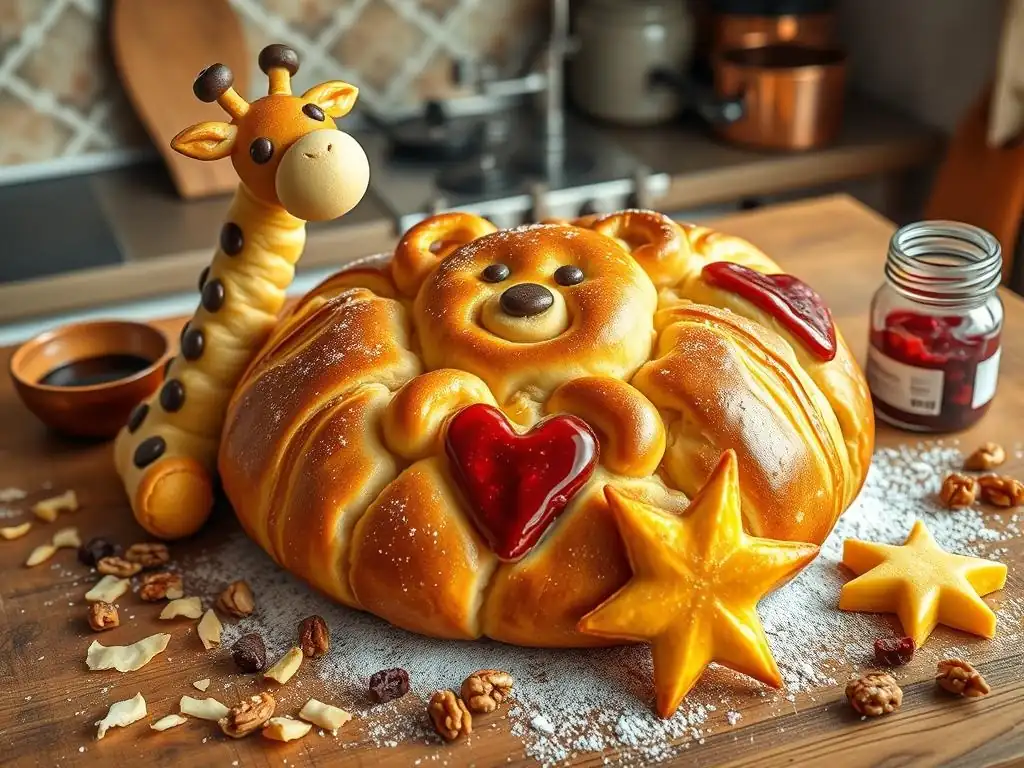
Welcome to BakeWithEase, your partner in creating delicious baked goods! Ever dreamed of crafting show-stopping treats that are surprisingly simple to make? Our latest guide dives into the world of easy enriched dough pull apart creations. Discover how to transform a basic dough into fun, shareable shapes that are perfect for any occasion. Intrigued? Let's get baking and explore the endless possibilities!
- Mastering Brioche Dough for Creative Pull-Apart Breads
- Brioche Basics: Baking Stunning Pull-Apart Breads
- Understanding Brioche Dough for Baking Fun Shapes
- Classic Brioche Dough Recipe for Pull-Apart Creations
- Shaping Your Dough: Creative Pull-Apart Ideas
- Baking Your Pull-Apart Masterpiece
- Adding Flavor and Visual Appeal to Your Pull-Apart
- Troubleshooting Common Brioche Dough Problems
- Serving and Storing Your Pull-Apart Bread
- Beyond the Basics: Advanced Brioche Dough Techniques
- Enjoying Your Homemade Pull-Apart Bread
-
Frequently Asked Questions
- What is enriched dough and why is it used for pull-aparts?
- Can I use a stand mixer to make enriched dough for pull-aparts?
- What kind of shapes can I make with enriched dough pull-aparts?
- What is the best way to prevent my pull-apart from drying out?
- What are some easy variations I can try with enriched dough pull-aparts?
- Final Reflection: The Joy of Baking and Sharing Enriched Dough
- Unleash Your Inner Baker: Craft Amazing Pull-Apart Shapes!
Mastering Brioche Dough for Creative Pull-Apart Breads
Brioche Basics: Baking Stunning Pull-Apart Breads
Creating a beautiful and delicious pull-apart bread is a rewarding baking project. It's a fantastic way to impress guests or simply enjoy a fun twist on traditional bread. The secret often lies in the dough itself, and enriched doughs, like brioche, are perfect for this purpose. Their rich, soft texture allows them to be shaped easily and results in an incredibly tender crumb that's delightful to pull apart piece by piece. Learning to work with an easy enriched dough pull apart recipe opens up a world of creative possibilities in your kitchen.
Enriched dough provides the ideal foundation for pull-apart breads because the added fat and eggs contribute to a soft, pliable texture even after baking. Unlike lean doughs, which can become dry or tough when shaped into many small pieces, enriched dough remains moist and tender. This characteristic makes it forgiving for shaping and ensures a delightful eating experience. Whether you're aiming for a sweet treat or a savory appetizer, mastering an easy enriched dough pull apart technique is a valuable skill for any intermediate baker.
Understanding Brioche Dough for Baking Fun Shapes
What is Brioche Dough and Why Use It?
Brioche is a classic French bread known for its incredibly rich and tender crumb. It's classified as an enriched dough because it contains significant amounts of butter, eggs, and often milk or cream, in addition to the standard flour, yeast, and salt found in lean breads. This high fat and egg content is what gives brioche its distinctive golden color, soft texture, and luxurious flavor. Unlike many breads that rely solely on gluten development for structure, brioche's richness inhibits some gluten formation, resulting in that characteristic melt-in-your-mouth quality.
Using brioche dough is particularly advantageous when creating easy enriched dough pull apart shapes. The dough's inherent richness means the individual pieces stay soft and don't dry out during baking, even though they have more exposed surface area than a solid loaf. Its pliability makes it easy to roll, shape, and arrange into various forms without tearing. Furthermore, the beautiful golden crust it develops adds significant visual appeal to any pull-apart creation, making it perfect for special occasions.
The Key Ingredients for a Rich Brioche Dough
The core ingredients that define brioche dough are high-quality butter and eggs. Typically, a classic brioche recipe might call for a butter-to-flour ratio of 1:2 or even 1:1 by weight, though many easy enriched dough pull apart recipes use slightly less butter for easier handling. Eggs are also used generously, contributing richness, color, and acting as a liquid source. Milk or cream adds further moisture and tenderness. Sugar is often included, not just for sweetness but also to feed the yeast and help with browning.
Getting these ingredients right is crucial for achieving the desired texture in your easy enriched dough pull apart. Using cold, high-fat butter (like European-style butter, often around 82% fat content) is recommended for incorporation into the dough. The eggs should be fresh and at room temperature for better emulsification. The quality of flour also matters; a bread flour with a protein content around 12-13% provides enough structure to support the rich ingredients without making the dough tough.
Achieving the Perfect Texture: Tips for Working with Brioche Dough
Working with brioche dough can be a bit different from working with lean doughs due to its high fat content. The key is proper kneading and temperature control. Brioche requires thorough kneading, often in a stand mixer, to develop sufficient gluten structure before the butter is added. Adding softened, but still cool, butter gradually allows it to be fully incorporated without breaking down the gluten network. This process can take 15-20 minutes in a mixer.
Temperature is critical when making an easy enriched dough pull apart. The dough can become very sticky if it gets too warm because of the high butter content. Chilling the dough extensively after kneading and after shaping is highly recommended. A first proof might happen at room temperature or in the refrigerator, but a significant chill (several hours or overnight) before shaping makes the dough much easier to handle and prevents the butter from melting out during proofing and baking. Don't be afraid to return the dough to the fridge if it becomes difficult to work with during shaping.
Classic Brioche Dough Recipe for Pull-Apart Creations
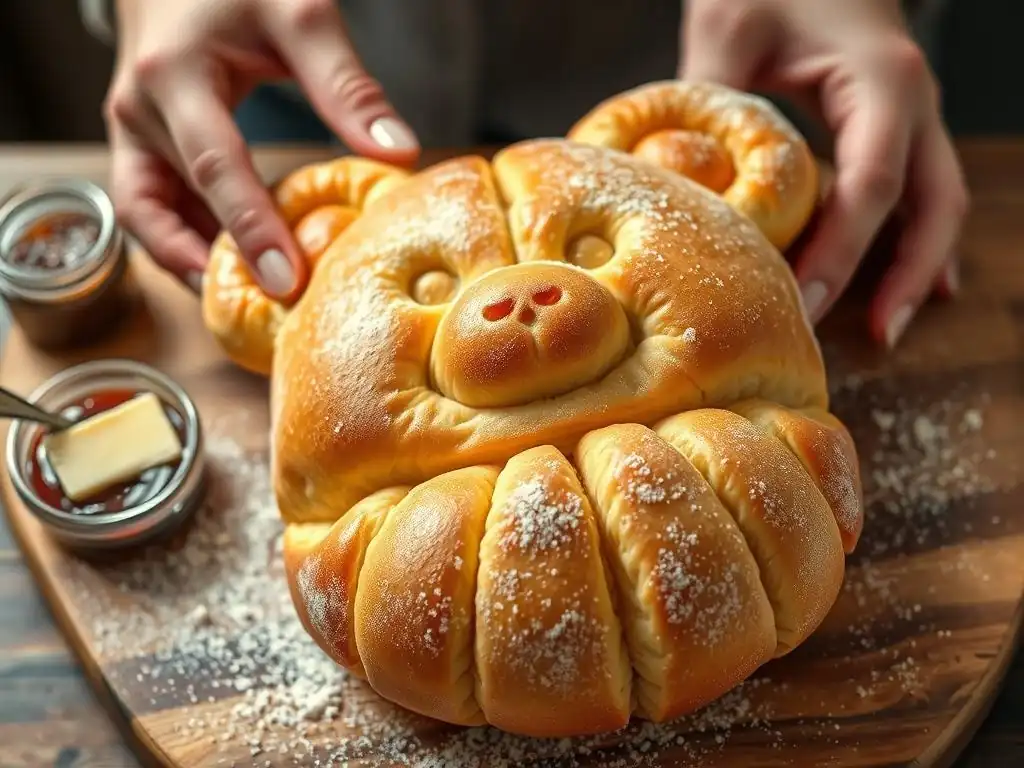
Ingredients for Your Pull-Apart Dough
Here are the typical ingredients you'll need for an easy enriched dough pull apart recipe, suitable for various shapes. Note that exact quantities can vary slightly between recipes, but these ratios provide a great starting point.
- All-purpose flour or bread flour: Approximately 500 grams
- Granulated sugar: 50-75 grams
- Active dry yeast or instant yeast: 7-10 grams (about 2.25 teaspoons)
- Fine sea salt: 8-10 grams (about 1.5 teaspoons)
- Large eggs: 3-4 (around 180-200 grams total)
- Whole milk: 100-120 ml, lukewarm
- Unsalted butter: 150-250 grams, softened but still cool, cut into cubes
Using quality ingredients makes a noticeable difference in the final easy enriched dough pull apart. Ensure your yeast is fresh and active, and use good quality butter with a high fat content for the best flavor and texture. The milk should be just warm enough to activate the yeast (around 105-115°F or 40-46°C if using active dry yeast).
Step-by-Step Instructions for Making the Dough
Making the dough for your easy enriched dough pull apart involves several stages, typically best done with a stand mixer fitted with a dough hook.
- In the mixer bowl, whisk together the flour, sugar, yeast, and salt.
- In a separate bowl, whisk the eggs and lukewarm milk.
- Pour the wet ingredients into the dry ingredients in the mixer bowl. Mix on low speed until a shaggy dough forms.
- Increase speed to medium-low and knead for about 5-7 minutes until the dough starts to come together and pull away from the sides of the bowl, developing some initial gluten.
- With the mixer running on low speed, add the softened butter cubes one or two at a time, waiting until each addition is mostly incorporated before adding the next. This process can take 10-15 minutes.
- Once all butter is added, increase the speed to medium and continue kneading for another 10-15 minutes, or until the dough is smooth, elastic, and pulls away cleanly from the sides of the bowl. It should pass the windowpane test (you can stretch a small piece thin enough to see light through it without tearing).
- Transfer the dough to a lightly greased bowl, cover, and let it proof at room temperature for 1-2 hours, or until it has roughly doubled in size. Alternatively, for better flavor development and easier handling, place it directly in the refrigerator for at least 4 hours or preferably overnight (up to 24 hours).
Proving and Shaping Your Brioche Dough
The proofing process for an easy enriched dough pull apart is crucial. The first proof (bulk fermentation) allows the dough to develop flavor and structure. While a room temperature proof works, a cold proof in the refrigerator is highly recommended for brioche. The cold environment slows yeast activity, allowing enzymes to break down starches into sugars, which enhances flavor. It also chills the butter within the dough, making it much firmer and less sticky, which is ideal for shaping.
After the cold proof, the dough will be firm and easy to handle. Gently punch it down to deflate it and turn it out onto a lightly floured surface. This is where the fun begins – shaping your easy enriched dough pull apart! Divide the dough into equal portions, typically small balls (around 25-40 grams each, depending on the desired shape and size of the final bread).
Roll each portion into a smooth ball. Arrange these balls or shaped pieces tightly together in your prepared baking pan according to your chosen design (see ideas below). Cover the shaped dough loosely and let it undergo a second proof (final proof) at room temperature for 1-2 hours, or until the pieces look puffy and have expanded to fill the pan.
Shaping Your Dough: Creative Pull-Apart Ideas
The beauty of using an easy enriched dough pull apart recipe is the versatility in shaping. You can create many different forms, from simple clusters to intricate designs. The key is to arrange the individual dough pieces close enough so they expand and stick together during baking but can still be easily pulled apart.
Classic Round Pull-Apart Bread
The simplest and perhaps most popular shape is the classic round pull-apart bread. This involves rolling the dough into small balls and arranging them in a single layer in a round cake pan or oven-safe skillet.
- Divide the dough into equal pieces, approximately 30-40 grams each.
- Roll each piece into a smooth, tight ball.
- Arrange the balls in concentric circles in a greased and floured or parchment-lined round pan (a 9 or 10-inch pan works well), starting from the outside edge and working your way in. Place them relatively close together but not touching initially.
This method is incredibly easy and guarantees that classic pull-apart experience. It's a fantastic way to start experimenting with your easy enriched dough pull apart.
Star-Shaped Pull-Apart Bread: A Festive Option
A star shape is a festive and impressive variation, perfect for holidays or special gatherings. This often involves arranging dough pieces around a central point or using a specific cutting and twisting technique.
One common method is to arrange balls in a star pattern within a round pan or directly on a baking sheet. Another involves rolling the dough into a large circle, spreading a filling, cutting it into segments (like pizza slices), and then twisting and arranging those segments. For a simpler ball-based star:
- Roll dough into uniform balls (about 30g each).
- Place one ball in the center of a baking sheet lined with parchment paper.
- Arrange balls around the center one, pushing them slightly into a star configuration with points radiating outwards. You might need 5-6 "points" with a few balls per point and connecting balls in between.
This shape requires a bit more careful arrangement but is still quite achievable with an easy enriched dough pull apart.
Braided Pull-Apart Loaf: An Elegant Twist
While traditional braiding makes a solid loaf, you can create a pull-apart effect within a braided structure. This often involves filling the dough before braiding or arranging individual braided strands.
- Divide the dough into 2 or 3 equal portions.
- Roll each portion into a long rope.
- If adding a filling (like cinnamon sugar or pesto), flatten each rope into a rectangle, spread the filling, and roll it up into a cylinder.
- Gently braid the ropes (filled or plain).
- Place the braid in a loaf pan or on a baking sheet. The 'pull-apart' comes from the layers within the braid or by slightly scoring the braid before baking to indicate where to separate.
This method showcases the beautiful texture of the easy enriched dough pull apart while adding an element of elegance.
Flower-Shaped Pull-Apart Bread
A flower shape is visually stunning and surprisingly simple using the easy enriched dough pull apart technique. This usually involves creating a central 'bud' and surrounding it with 'petals' made from dough pieces.
- Roll dough into balls (around 30-40g) or cut dough into squares (about 2-3 inches).
- Place one ball or square in the center of a baking sheet or round pan.
- Arrange the remaining balls or squares around the center piece, slightly overlapping them like petals. You can arrange them in one or two layers of petals.
This shape is very intuitive and highlights the softness of the baked easy enriched dough pull apart as the petals are easily separated.
Christmas Tree Pull-Apart Bread: Adding Seasonal Flair
This shape is perfect for the holiday season and is essentially a vertical arrangement of dough pieces forming a tree silhouette.
- Roll dough into balls of varying sizes, or cut into squares.
- Start at the bottom of your baking sheet (lined with parchment) by arranging a row of 3-4 balls side-by-side for the base of the tree.
- In the row above, center 2-3 balls slightly indented from the row below.
- Continue reducing the number of balls in each subsequent row (e.g., 2 balls, then 1 ball) to form a triangle shape.
- Add a small rectangle or square piece at the bottom for the tree trunk.
- Leave small gaps between pieces so they expand and connect during the final proof.
This festive shape is a delightful way to use your easy enriched dough pull apart recipe for a special occasion.
Baking Your Pull-Apart Masterpiece
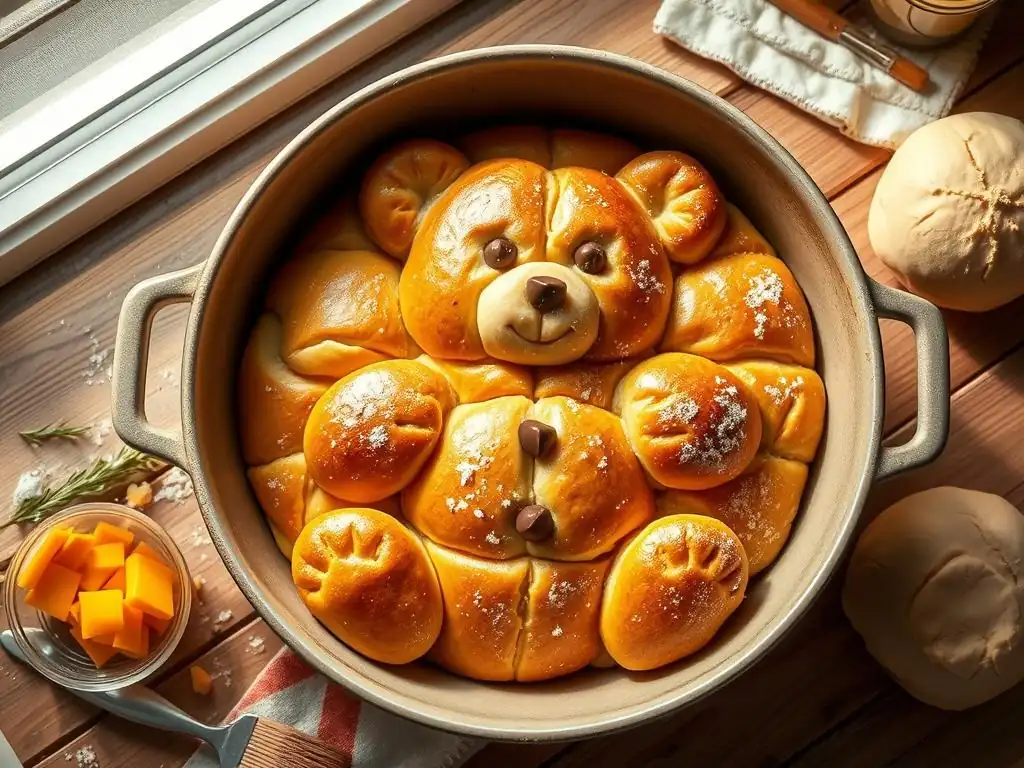
Baking is the final step where your beautifully shaped easy enriched dough pull apart transforms into a golden, tender bread. Proper temperature and timing are key to ensuring it cooks through without drying out or burning.
Oven Temperature and Baking Time
Brioche, especially in a pull-apart form with many individual pieces, requires careful baking. A common temperature range is 350°F to 375°F (175°C to 190°C). The exact temperature depends on the size and density of your pull-apart shape and your oven's calibration. A lower temperature like 350°F is often preferred for larger or richer loaves to ensure the center cooks before the outside burns, while 375°F might work for smaller shapes.
Baking time will vary significantly based on the size and shape. A standard round pull-apart bread in a 9 or 10-inch pan might take anywhere from 25 to 40 minutes. Smaller shapes or those baked directly on a sheet pan might bake faster, perhaps 20-30 minutes. It's crucial to monitor the bread closely, especially in the last 10-15 minutes of baking.
Achieving a Golden-Brown Crust
A beautiful golden-brown crust is characteristic of well-baked brioche. This color comes from the Maillard reaction and caramelization of sugars in the dough, enhanced by the egg wash typically applied before baking. To ensure even browning, make sure your oven temperature is accurate. If the top starts browning too quickly before the inside is cooked, you can loosely tent the bread with aluminum foil for the remainder of the baking time.
Rotating the pan halfway through the baking time can also help promote uniform browning, especially if your oven has hot spots. A perfectly baked easy enriched dough pull apart should have a rich, golden hue across the entire surface, not just on the edges.
How to Tell When Your Pull-Apart Bread is Done
Determining doneness is critical. Visually, the bread should be deeply golden brown, and the individual pieces should look puffed and set. You can also check the internal temperature of the bread; a thermometer inserted into the center of the loaf (avoiding a gap between pieces if possible) should register between 190°F and 200°F (88°C to 93°C).
Another reliable method is to gently pull apart one of the center pieces. The interior crumb should look cooked through, not wet or doughy. If it seems undercooked, return the bread to the oven for a few more minutes, tenting with foil if the crust is already sufficiently browned. Don't rush this step; an underbaked easy enriched dough pull apart will be dense and gummy.
Adding Flavor and Visual Appeal to Your Pull-Apart
While plain brioche is delicious on its own, adding glazes, fillings, or toppings can elevate your easy enriched dough pull apart to a new level of flavor and visual appeal.
Sweet Glazes and Toppings for Brioche Bread
Sweet pull-apart breads are incredibly popular for breakfast, brunch, or dessert. A simple glaze can add shine and sweetness after baking. A classic choice is a simple powdered sugar glaze made by whisking powdered sugar with a little milk or lemon juice. For extra richness, a cream cheese glaze is delightful.
- Simple Glaze: Mix 1 cup (about 120g) powdered sugar with 1-2 tablespoons milk or lemon juice until smooth. Drizzle over warm bread.
- Cream Cheese Glaze: Beat 4 oz (about 113g) softened cream cheese with 1/4 cup (about 50g) softened butter. Gradually beat in 1 cup (about 120g) powdered sugar and 1-2 tablespoons milk until smooth and pourable.
Other sweet toppings can be added before or after baking. Cinnamon sugar is a favorite, often layered between dough pieces before shaping. Chopped nuts, chocolate chips, or streusel topping can also be sprinkled over the shaped dough before the final proof or baking.
Savory Fillings and Herbs for an Extra Kick
An easy enriched dough pull apart doesn't have to be sweet! It makes a fantastic base for savory additions, perfect as an appetizer or side dish. Fillings like pesto, garlic butter, cheese, or chopped herbs can be spread or layered between dough pieces before shaping.
- Garlic Herb Butter: Melt 1/2 cup (about 113g) butter and stir in 2-3 cloves minced garlic and a few tablespoons of chopped fresh herbs like parsley, chives, or rosemary. Brush or drizzle between dough pieces before shaping.
- Pesto & Cheese: Spread a thin layer of pesto on flattened dough pieces before rolling them up, or layer pesto and grated cheese (like mozzarella or parmesan) between dough balls when arranging them in the pan.
Adding herbs directly into the dough or brushing with olive oil and sprinkling with flaky sea salt before baking also enhances a savory easy enriched dough pull apart.
Adding Color with Egg Wash Techniques
An egg wash is essential for achieving that signature golden brioche crust and helping any sprinkled toppings adhere. A basic egg wash is simply one or two eggs whisked with a tablespoon or two of milk or water.
- For a shiny, golden crust: Use a whole egg whisked with milk or water. Apply evenly with a pastry brush just before baking.
- For a slightly less shiny but rich color: Use only the egg yolk whisked with milk or cream. This provides deep color.
- For a very pale crust: Use only the egg white whisked with water. This is less common for brioche but can be used if you want minimal browning.
Applying the egg wash carefully, ensuring it doesn't pool between the dough pieces, helps create a uniform, beautiful finish on your easy enriched dough pull apart.
Troubleshooting Common Brioche Dough Problems
Even with an easy enriched dough pull apart recipe, sometimes challenges arise. Understanding common issues can help you fix them or prevent them in the future.
Dough Not Rising Properly
If your brioche dough isn't rising as expected, the most likely culprits are yeast issues or temperature problems.
- Inactive Yeast: Ensure your yeast isn't expired. If using active dry yeast, make sure your liquid (milk) was at the correct temperature range (105-115°F or 40-46°C) to activate it. Instant yeast is less sensitive but can still be inactive if old. Test yeast by proofing it in warm water with a pinch of sugar if unsure.
- Too Cold/Too Hot Environment: Yeast is sensitive to temperature. The proofing area shouldn't be too cold (below 70°F or 21°C) or excessively hot (above 85°F or 30°C, which can kill the yeast). Find a warm, draft-free spot.
- Salt or Sugar Contact: Salt can inhibit yeast activity if it comes into direct contact for too long before mixing. Sugar in very high amounts can also slow yeast down initially (though the amounts in most brioche recipes are fine).
If the dough is rising very slowly, try moving it to a warmer spot. If there's no activity at all after a couple of hours, the yeast is likely dead, and you may need to start over.
Dough Too Sticky or Dry
Brioche dough, especially an easy enriched dough pull apart version, can be sticky due to the high butter content. However, excessive stickiness or dryness indicates an issue with hydration or mixing.
- Too Sticky: This can happen if too much liquid was added, or if the butter wasn't properly incorporated, or if the dough is too warm. If mixing, add a tablespoon of flour at a time until it's more manageable. If it's sticky after proofing, chilling it thoroughly is the best solution before shaping. Avoid adding excessive flour during kneading or shaping, as this can make the final bread dry.
- Too Dry: This means not enough liquid was used, or too much flour was added. The dough might look shaggy and not come together. If still mixing, add a teaspoon of milk or water at a time. If it's dry after the first proof, it can be harder to fix, but you can try kneading in a little extra liquid by hand.
Accurately measuring ingredients, especially flour (ideally by weight), is key to avoiding these issues when making an easy enriched dough pull apart.
Uneven Baking
Uneven baking results in some parts of the pull-apart being perfectly cooked while others are underdone or burnt.
- Oven Hot Spots: Most ovens have hot spots. Rotating your baking pan halfway through the baking time (e.g., turning it 180 degrees) helps ensure even heat exposure.
- Incorrect Temperature: An oven thermometer is a baker's best friend. Ovens can be off by 25°F (15°C) or more. Verify your oven's actual temperature. If the top is browning too fast, lower the temperature slightly and tent with foil.
- Pan Material/Color: Dark pans absorb more heat and can lead to faster browning on the bottom and sides. Lighter pans reflect heat. Adjust temperature or timing accordingly.
Ensuring the individual dough pieces are roughly uniform in size when shaping your easy enriched dough pull apart also helps them bake more evenly.
Serving and Storing Your Pull-Apart Bread
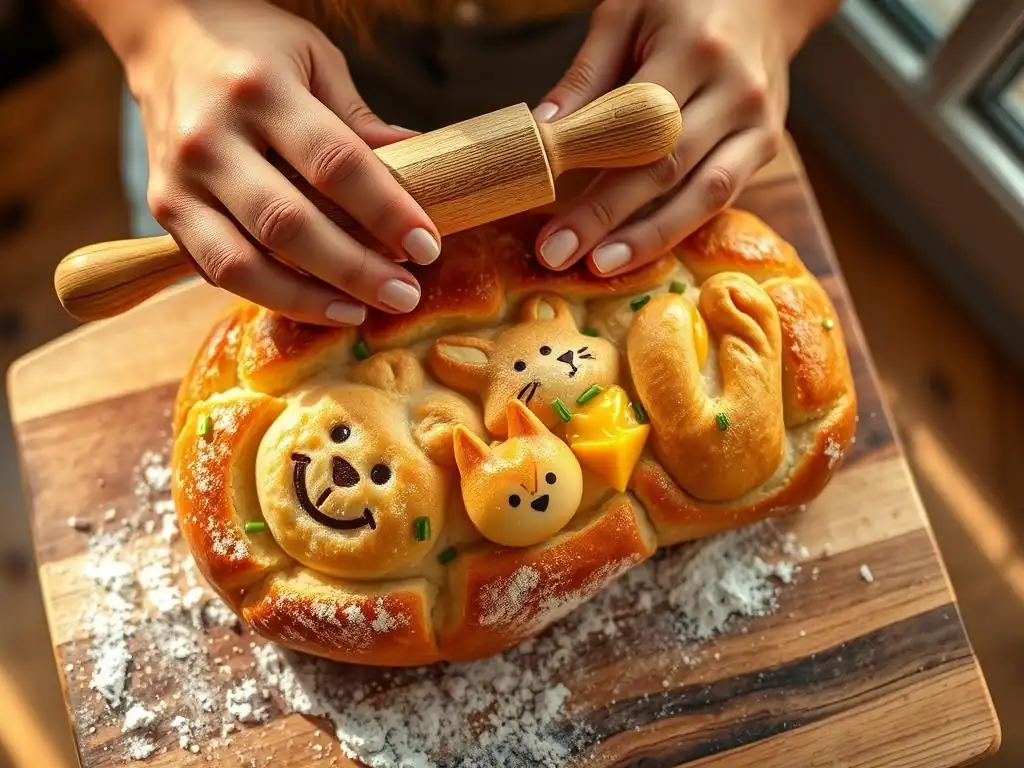
Once your beautiful easy enriched dough pull apart is out of the oven, the next step is enjoying it! Proper cooling, serving, and storage methods will ensure the best experience.
Best Ways to Serve Your Creation
Pull-apart bread is best served warm, ideally within a few hours of baking. The aroma and soft texture are at their peak. Allow the bread to cool in the pan for 10-15 minutes before transferring it to a wire rack to cool further. For sweet versions, drizzle glazes while still warm so they melt slightly and adhere.
Place the whole pull-apart bread on a serving platter or cutting board in the center of the table. The fun is in letting everyone pull off their own piece! Provide small plates and maybe some extra butter or spreads if desired. It's a communal and interactive way to enjoy baked goods.
Storing Leftover Pull-Apart Bread
If you have leftovers, store them properly to maintain freshness. Brioche, with its enriched nature, tends to stay soft longer than lean breads.
- Once completely cooled, store the bread in an airtight container or a resealable plastic bag at room temperature.
- It will typically stay fresh for 1-2 days at room temperature.
- For longer storage, you can freeze the bread.
Avoid storing it in the refrigerator, as this can actually cause bread to stale faster due to a process called starch retrogradation, which occurs rapidly at refrigerator temperatures.
Reheating for Optimal Freshness
Reheating your easy enriched dough pull apart can bring back some of that fresh-baked softness.
- Oven: The best method is to reheat in a preheated oven at a low temperature, around 300-325°F (150-160°C). Place the bread on a baking sheet and heat for 5-10 minutes, or until warmed through. This is especially good for bringing back a slightly crispy crust.
- Microwave: For a quick reheat of individual pieces, the microwave works, but be careful not to overheat, which can make them tough. Heat for 10-20 seconds per piece. The texture won't be quite the same as oven reheating, but it's fast.
If reheating from frozen, thaw the bread first at room temperature before using one of the reheating methods above.
Beyond the Basics: Advanced Brioche Dough Techniques
Once you're comfortable with making an easy enriched dough pull apart, you might want to explore some more advanced techniques to further enhance flavor and texture.
Working with Poolish for Enhanced Flavor
A poolish is a type of preferment (or starter) made with equal parts flour and water by weight, plus a small amount of yeast. It's typically left to ferment at room temperature for several hours (often 12-16 hours) until bubbly and active. Incorporating a poolish into your easy enriched dough pull apart recipe adds complexity to the flavor profile, resulting in a slightly tangy, more nuanced taste.
To use a poolish, you'd prepare it the day before you plan to make the dough. Then, you would subtract the flour and water used in the poolish from the main dough recipe and add the ripe poolish to the mixer along with the other wet ingredients. This requires adjusting the main dough hydration and kneading time slightly but yields a bread with deeper flavor notes.
Experimenting with Different Flavored Oils
While butter is the classic fat in brioche, you can experiment with flavored oils in specific contexts, though this moves away from a traditional brioche to a more generally enriched dough. For instance, using olive oil in a savory easy enriched dough pull apart intended for garlic or herb flavors can complement those additions well.
Infused oils, like garlic-infused olive oil or chili oil, can also be used, either incorporated partially into the dough (replacing a small amount of butter) or brushed onto the dough pieces before shaping. This allows you to build specific flavor profiles directly into the bread's structure, creating a more cohesive taste experience.
Creating Unique Flavor Combinations
The world of pull-apart bread is wide open for creativity. Beyond classic cinnamon or garlic, you can experiment with unique flavor combinations in your easy enriched dough pull apart.
- Sweet: Try fillings like apple cinnamon, cherry and almond paste, lemon curd and blueberry, or even a savory-sweet like fig and prosciutto.
- Savory: Explore combinations like spinach and feta, mushroom and thyme, sundried tomato and mozzarella, or roasted red pepper and goat cheese.
Consider the texture of your filling – it shouldn't be too wet, which could make the dough soggy, or too dry, which might burn. Chopped ingredients, pastes, or firm cheeses often work best layered between the dough pieces.
Enjoying Your Homemade Pull-Apart Bread
After all the effort of mixing, proofing, shaping, and baking, the final and most rewarding step is enjoying your delicious homemade easy enriched dough pull apart.
Pull-apart bread is inherently designed for sharing. Its structure encourages people to gather around and literally break bread together. Bringing a warm, fragrant pull-apart to a gathering is always a hit and sparks conversation. It's a wonderful way to share the fruits of your labor and the joy of baking.
Whether it's a casual family dinner, a potluck with friends, or a special celebration, your easy enriched dough pull apart will likely be the star of the show, disappearing quickly piece by piece.
Perfect for Brunch, Parties, and Special Occasions
The versatility of an easy enriched dough pull apart makes it suitable for countless occasions. A sweet version is a perfect addition to a weekend brunch spread or a dessert table at a party. Imagine a warm cinnamon sugar pull-apart alongside coffee and fruit.
A savory pull-apart bread, like one filled with garlic and herbs, is an ideal appetizer for a dinner party or a welcome addition to a cheese board. The festive shapes like stars or Christmas trees are tailor-made for holiday gatherings, adding both flavor and visual festivity.
Chocolate Hazelnut Pull-Apart Bread Recipe
To end on a sweet note, here's a popular flavor combination for your easy enriched dough pull apart: Chocolate Hazelnut.
- Use the classic brioche dough recipe provided earlier.
- After the cold proof, divide the dough into approximately 30-40 gram balls.
- Roll each ball flat into a small circle or oval.
- Spread about a teaspoon of chocolate hazelnut spread (like Nutella) onto each dough piece.
- Gather the edges of the dough piece and pinch them together to seal the filling inside, reforming a ball or a slightly flattened shape.
- Arrange the filled balls seam-side down in a prepared round pan or baking sheet, following a classic round or flower shape pattern.
- Proceed with the second proof, egg wash, and baking as described.
This chocolate hazelnut version demonstrates how easily you can adapt the basic easy enriched dough pull apart technique to create a wide variety of delicious and fun breads. Enjoy experimenting!
Frequently Asked Questions
What is enriched dough and why is it used for pull-aparts?
Enriched dough is a dough that contains added fats, sugar, and often eggs. These ingredients contribute to a softer, richer, and more flavorful final product, ideal for pull-aparts.
Can I use a stand mixer to make enriched dough for pull-aparts?
Yes, a stand mixer is highly recommended for making enriched dough. It simplifies the process of thoroughly incorporating the fats and sugar into the dough.
What kind of shapes can I make with enriched dough pull-aparts?
The possibilities are endless! You can create classic shapes like wreaths and flowers, or get creative with animal shapes, letters, or even themed designs for special occasions.
What is the best way to prevent my pull-apart from drying out?
To prevent dryness, be sure to cover your dough during rising and use an egg wash before baking. Also, avoid overbaking – check for doneness by internal temperature.
What are some easy variations I can try with enriched dough pull-aparts?
Consider adding flavorings like cinnamon, chocolate chips, or citrus zest to the dough. You can also incorporate savory fillings such as cheese, herbs, or garlic butter for a delicious twist.
Final Reflection: The Joy of Baking and Sharing Enriched Dough
The simple act of creating enriched dough pull-apart shapes is more than just a baking project; it's a celebration of connection and creativity. These delightful treats, easily made with our step-by-step guide, offer a tangible way to bring joy to yourself and others, proving that sometimes the most rewarding experiences are the simplest.
The enduring appeal of homemade baked goods lies in their ability to evoke feelings of warmth, comfort, and shared experience. They transcend mere sustenance, becoming symbols of love and care. The process itself, from kneading the dough to watching it rise and finally, witnessing the delighted faces of those who share in the finished product, is deeply satisfying. Baking is at once child's play and adult joy. And love, of course.
– This sentiment perfectly encapsulates the magic of creating these enriched dough pull-aparts.
Now, I invite you to take what you've learned and embark on your own enriched dough adventure. Don't be afraid to experiment with different shapes, fillings, and glazes. Most importantly, share your creations with those you love. Let the aroma of freshly baked bread fill your home and the smiles of your loved ones be your reward. The journey of baking is as rewarding as the destination, so embrace the process and enjoy the delicious results!
Unleash Your Inner Baker: Craft Amazing Pull-Apart Shapes!
Thanks for joining us on this delicious journey into the world of enriched dough and fun pull-apart shapes! We hope you've gained some inspiring ideas and new techniques. Now it's time to get baking!
- Dive into your first pull-apart creation: Choose your favorite shape from the article and get baking! This is the perfect time to experiment with different fillings and glazes.
- Share your masterpiece: Post a picture of your creation on social media using #BakeWithEasePullAparts – we'd love to see your baking brilliance!
- Challenge yourself: Try adapting these techniques to create entirely new pull-apart designs! What unique shapes will you dream up?
Ready to turn your kitchen into a pull-apart paradise? What innovative filling will you use for your next baking adventure?