
Sweet Roll Baking Pans: Does the Pan Matter?

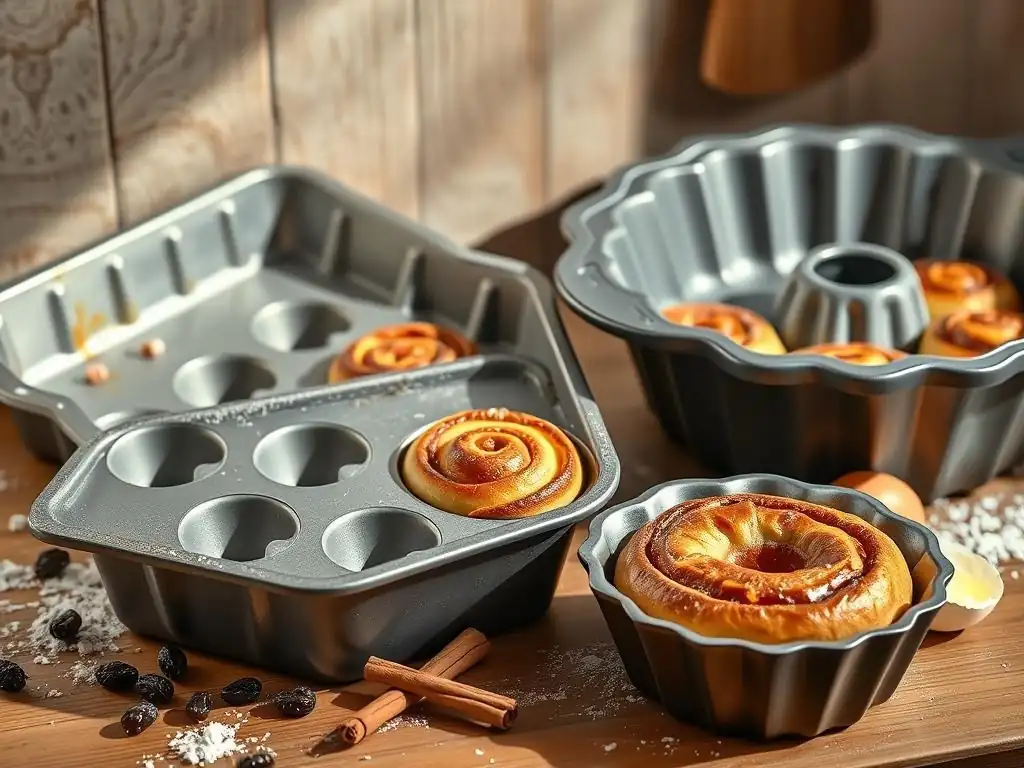
Welcome to BakeWithEase, where baking becomes a joy! Ever wondered if the secret to those perfectly golden, evenly baked sweet rolls lies beyond the recipe? Dive in as we explore the world of sweet roll baking pans, uncovering how the right pan can truly transform your creations. Does the pan really matter? Let's find out together and elevate your intermediate baking skills!
- Sweet Roll Baking Pans: Does the Pan Matter? - BakeWithEase
- Introduction: Choosing the Right Pan for Perfect Sweet Rolls
-
Understanding the Impact of Baking Pan Material on Sweet Rolls
- Metal Baking Pans: A Baker's Staple for Sweet Rolls
- Aluminum Pans: Even Heating for Golden Brown Sweet Rolls
- Stainless Steel Pans: Durability and Easy Cleaning for Baking Sweet Rolls
- Non-Stick Baking Pans: Convenience vs. Browning of Sweet Rolls
- Glass Baking Pans: Visual Baking and Moisture Retention in Sweet Rolls
- Sweet Roll Pan Shape and Size: Optimizing for Texture and Appearance
- Factors to Consider When Choosing a Sweet Roll Baking Pan
-
Recommended Sweet Roll Baking Pans: Our Top Picks
- Best Overall Sweet Roll Baking Pan: USA Pan Bakeware Aluminized Steel 9-Inch Round Cake Pan
- Best Budget-Friendly Sweet Roll Baking Pan: Wilton Perfect Results Premium Non-Stick 9-Inch Round Cake Pan
- Best Non-Stick Sweet Roll Baking Pan: Nordic Ware ProForm Cake Pan
- Best Cast Iron Sweet Roll Baking Pan: Lodge Cast Iron Round Cake Pan
- Baking Sweet Rolls: Tips for Optimal Results with Your Chosen Pan
- Sweet Roll Baking Pan Alternatives: When You Don't Have the "Right" Pan
- Conclusion: Investing in the Best Sweet Roll Baking Pan for Baking Success.
- Frequently Asked Questions
- Final Reflection: The Sweet Roll Revolution: It's More Than Just a Pan
- Unleash Your Inner Baker: Perfect Sweet Rolls, Every Time!
Sweet Roll Baking Pans: Does the Pan Matter? - BakeWithEase
Introduction: Choosing the Right Pan for Perfect Sweet Rolls
Welcome, fellow baking enthusiasts! Have you ever spent hours crafting the perfect sweet roll dough, letting it rise beautifully, filling and rolling it with care, only to have the finished product turn out... less than perfect? Perhaps the bottoms were too dark, the tops unevenly browned, or they stuck stubbornly to the pan. While ingredients and technique are crucial, the humble baking pan plays a surprisingly significant role in achieving those golden, soft, and gooey sweet rolls you dream of.
Choosing the right pan isn't just about having a container; it's about selecting a tool that interacts with your dough and oven heat in a way that promotes optimal rising, even baking, and that desirable texture and color. The material, shape, and size of your pan can all influence how heat is transferred, how much moisture is retained, and ultimately, the success of your sweet roll endeavors. Let's delve into the world of sweet roll baking pans to discover which one might be the best sweet roll baking pan for your kitchen.
Understanding the Impact of Baking Pan Material on Sweet Rolls
The material of your baking pan is one of the most critical factors affecting how your sweet rolls bake. Different materials conduct and retain heat in distinct ways, leading to variations in crust development, internal texture, and overall baking time. Understanding these differences can help you predict how your sweet rolls will perform in a particular pan and adjust your baking strategy accordingly.
From classic metal pans to modern non-stick surfaces and even traditional glass, each material brings its own set of advantages and considerations to the sweet roll baking process. Let's explore how these materials influence the outcome and help you decide which is the best sweet roll baking pan material for your baking style.
Metal Baking Pans: A Baker's Staple for Sweet Rolls
Metal pans are arguably the most common choice for baking sweet rolls, and for good reason. They are excellent heat conductors, meaning they heat up quickly and distribute heat efficiently throughout the pan. This rapid and even heat transfer is essential for ensuring that your sweet rolls bake through consistently, developing a nice crust on the bottom and sides while the interior cooks properly.
However, not all metal pans are created equal. The specific type of metal (aluminum, steel, etc. ), its thickness, and any coatings can significantly alter its performance. Thinner metal pans might heat up faster but can also create hot spots, potentially leading to uneven browning. Thicker, heavier gauge metal pans offer more uniform heat distribution and durability, making them a popular choice among experienced bakers seeking the best sweet roll baking pan for consistent results.
Aluminum Pans: Even Heating for Golden Brown Sweet Rolls
Aluminum is a favorite among bakers for its superior heat conductivity. It heats up very quickly and distributes heat exceptionally evenly across the pan surface. This property is ideal for baking sweet rolls because it helps ensure that all the rolls, regardless of their position in the pan, bake at roughly the same rate. This leads to a uniform rise and a consistent golden-brown color on the exposed surfaces and bottoms.
While bare aluminum pans are highly conductive, they can sometimes react with acidic ingredients, potentially causing discoloration of the pan or affecting the flavor of delicate baked goods. Many modern aluminum baking pans are anodized, which creates a harder, non-reactive surface. This process maintains the excellent heat distribution properties of aluminum while eliminating the risk of reaction, making anodized aluminum a strong contender for the title of best sweet roll baking pan for even heating.
Stainless Steel Pans: Durability and Easy Cleaning for Baking Sweet Rolls
Stainless steel pans are renowned for their durability and resistance to rust and corrosion, making them a long-lasting addition to any kitchen. Unlike aluminum, stainless steel is not as efficient a heat conductor. It heats up more slowly and can sometimes distribute heat less evenly compared to aluminum or aluminized steel. This means you might need to slightly adjust baking times or temperatures when using a purely stainless steel pan for sweet rolls.
Despite being less conductive than aluminum, stainless steel's strength and ease of cleaning are significant advantages. Many stainless steel pans feature a polished surface that food is less likely to stick to, and they can typically withstand higher temperatures and more rigorous cleaning methods than some other pan materials. For bakers prioritizing longevity and low maintenance in their best sweet roll baking pan, stainless steel is a solid option, perhaps requiring a little more attention to oven hot spots.
Non-Stick Baking Pans: Convenience vs. Browning of Sweet Rolls
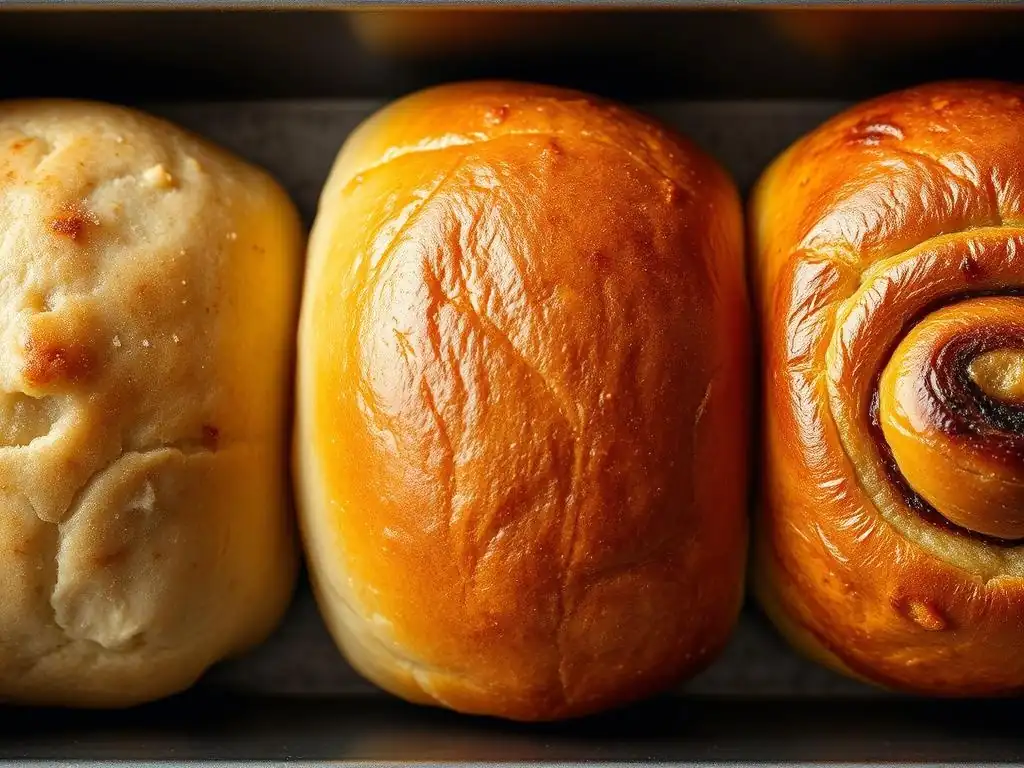
Non-stick pans are incredibly popular due to the ease with which baked goods release and the simplified cleanup. The non-stick coating, typically a type of PTFE or ceramic, prevents sweet rolls from sticking to the bottom and sides, ensuring they come out of the pan cleanly and retain their shape. This is a huge benefit, especially when dealing with sticky fillings or glazes.
However, non-stick coatings can sometimes affect the browning process. They often create a barrier that slightly reduces the direct heat transfer to the pan surface, potentially resulting in less intense browning on the bottom crust compared to bare metal pans. While convenient, some non-stick pans (particularly darker colored ones) might also lead to faster surface browning before the interior is fully cooked. For many home bakers, the convenience outweighs this slight difference, making a good quality non-stick pan a strong candidate for the best sweet roll baking pan for easy release.
Glass Baking Pans: Visual Baking and Moisture Retention in Sweet Rolls
Glass baking pans are distinctive because they allow you to see the progress of your baking, observing the browning of the sweet roll bottoms through the sides. Glass is a poor heat conductor compared to metal, but it retains heat very well once it gets hot. This means a glass pan takes longer to heat up initially, but it holds onto that heat for a longer period, even after being removed from the oven.
The slow heat-up and excellent heat retention of glass can lead to a slightly different baking outcome for sweet rolls. The bottoms and sides might brown more intensely over a longer period, potentially resulting in a darker crust. Additionally, glass pans tend to trap moisture more effectively than metal pans, which can contribute to a softer, perhaps slightly denser, interior texture.
When using a glass pan, it's often recommended to reduce the oven temperature by about 25°F (around 15°C) and potentially increase the baking time slightly to compensate for its heat properties and avoid over-browning the bottom. For those who love a moist sweet roll and enjoy watching the baking process, glass can be considered among the best sweet roll baking pan options, with a few adjustments.
Sweet Roll Pan Shape and Size: Optimizing for Texture and Appearance
Beyond the material, the shape and size of your baking pan significantly influence the final appearance, texture, and even the individual portioning of your sweet rolls. The pan's dimensions determine how closely the rolls are packed together, which affects how they rise, how soft their sides are, and the overall structure of the baked batch.
Choosing the right pan shape and size is key to achieving your desired outcome, whether you prefer rolls that meld together into a pull-apart delight or perfectly formed individual portions. Let's explore the common pan shapes used for sweet rolls and how they impact the finished product, helping you select the best sweet roll baking pan for your preferred style.
Round Baking Pans: Classic Sweet Roll Presentation
The round baking pan is perhaps the most classic choice for baking sweet rolls, especially cinnamon rolls. When rolls are arranged in a single layer in a round pan, they expand and press against each other as they rise and bake. This gentle pressure encourages them to rise upwards rather than spreading too much outwards, resulting in tall, soft-sided rolls that are easy to pull apart after baking.
A standard 9-inch round cake pan is a popular size for a typical batch of 8-12 sweet rolls. The circular shape also creates a beautiful, cohesive presentation, making it easy to frost or glaze the entire batch at once. For many, the traditional look and pull-apart texture achieved in a round pan make it the best sweet roll baking pan for classic cinnamon rolls.
Square Baking Pans: Efficient Baking and Uniform Sweet Rolls
Square baking pans offer a practical alternative to round pans and are equally effective for baking sweet rolls. Similar to round pans, arranging rolls closely in a square pan encourages them to bake into each other, creating soft, tender sides. Square pans are often perceived as more efficient for cutting and serving, as the rows and columns can be quite uniform.
Common sizes like 8x8 inches or 9x9 inches are suitable for various batch sizes. Baking in a square pan tends to yield rolls with slightly more defined corners compared to a round pan, but the pull-apart quality remains excellent. If you're looking for a pan that provides good structure and is easy to arrange rolls into neat rows, a square pan could be the best sweet roll baking pan for your needs.
Rectangular Baking Pans: Ideal for Large Batches of Sweet Rolls
Rectangular baking pans, such as 9x13 inches, are the go-to choice when you need to bake a larger batch of sweet rolls. Their generous surface area can accommodate significantly more rolls than standard round or square pans, making them perfect for feeding a crowd or meal prepping. Arranging rolls in a rectangular pan allows for different configurations, from tight rows for soft pull-apart rolls to slightly more spaced arrangements for rolls with firmer, more defined sides.
Using a larger pan means the heat needs to penetrate across a wider area, but with proper oven calibration and pan material, even baking is easily achievable. A 9x13 inch pan is particularly versatile, capable of holding anywhere from 12 to 20+ rolls depending on their size and desired spacing. For high-volume baking, a sturdy rectangular pan is arguably the best sweet roll baking pan available.
Individual Sweet Roll Pans: Perfect Portions and Even Baking
For those who prefer perfectly formed, individual sweet rolls with defined sides all around, individual muffin pans or specialized sweet roll pans with separate cavities are an excellent option. Baking rolls in individual compartments prevents them from fusing together, resulting in rolls that brown on all sides exposed to the pan walls.
This method ensures each roll receives direct heat from the pan on its bottom and sides, promoting uniform baking and a consistent texture throughout each piece. While it requires portioning the dough precisely for each cavity, the result is beautifully shaped, stand-alone sweet rolls. If presentation and uniform individual browning are your top priorities, an individual cavity pan might be the best sweet roll baking pan for you.
Factors to Consider When Choosing a Sweet Roll Baking Pan
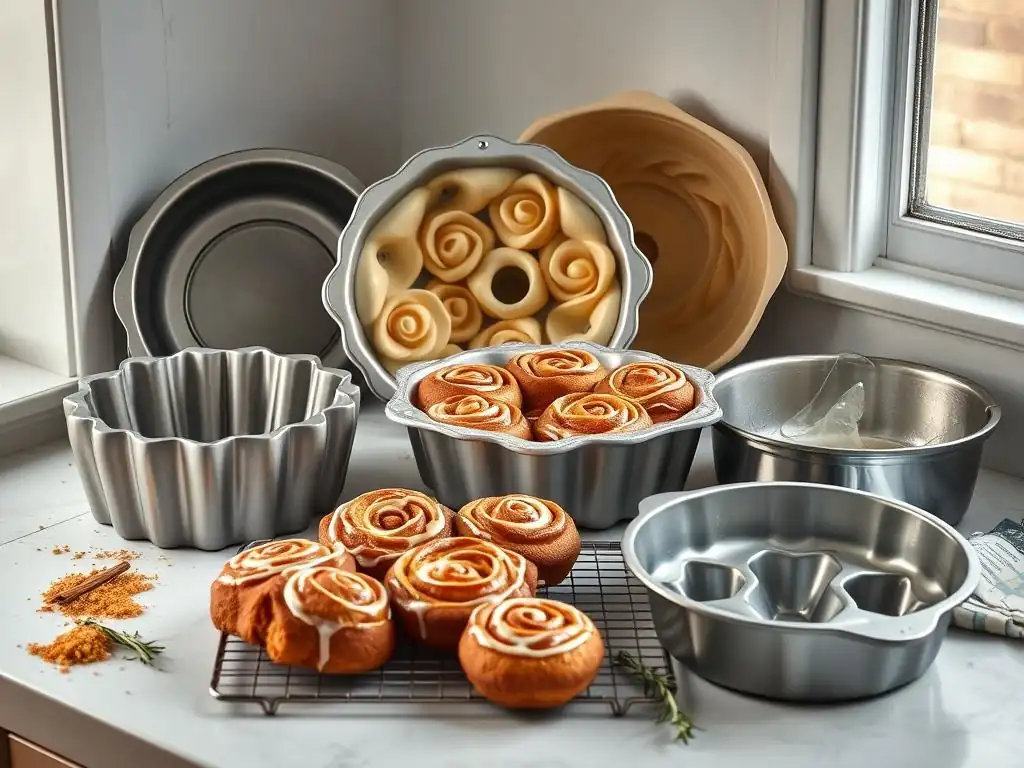
Selecting the best sweet roll baking pan involves balancing several key factors based on your baking habits, desired results, and practical considerations. It's not just about picking the prettiest pan; it's about finding the one that will consistently help you achieve delicious sweet rolls with minimal fuss.
Let's break down the essential elements you should evaluate when deciding which pan is right for your sweet roll adventures. Considering these points will guide you toward a pan that meets your specific needs and contributes to baking success.
Heat Conductivity: Achieving Consistent Sweet Roll Baking
The pan's ability to conduct heat directly impacts how evenly and quickly your sweet rolls bake. High heat conductivity, typical of materials like aluminum and aluminized steel, ensures that heat is distributed rapidly and uniformly across the pan surface. This minimizes hot spots and helps all your rolls bake at a similar rate, preventing some from being overdone while others are still undercooked.
Poor heat conductivity, seen in materials like glass or some ceramic pans, means the pan takes longer to heat up and can sometimes lead to less uniform browning. While adjustments can be made (like lowering oven temperature), a pan with good heat conductivity is generally preferred for consistent sweet roll baking results, ensuring that golden bottom crust without burning. Aim for a pan that promises even heat distribution for the best sweet roll baking pan performance.
Pan Depth: Preventing Overflow and Ensuring Proper Rise
The depth of your sweet roll pan is crucial for accommodating the dough's rise during baking. Sweet rolls typically double or even triple in size as they bake. A pan that is too shallow won't provide enough sidewall support, potentially leading to the rolls spilling over the edges or baking into an uneven, flattened shape.
Most standard round, square, or rectangular cake pans designed for baking are sufficiently deep for sweet rolls, typically ranging from 1.5 to 2 inches in depth. This depth allows the rolls to rise upwards, supporting each other and developing that classic soft-sided texture. Ensure the pan you choose has adequate depth to contain your sweet rolls as they expand into their final glorious form – a key feature for the best sweet roll baking pan.
Pan Size: Matching the Recipe and Desired Sweet Roll Quantity
The size of your baking pan should align with the quantity of sweet rolls your recipe yields and how you want them to bake. As discussed, pan size dictates how tightly the rolls are packed. A 9-inch round pan is great for a standard dozen rolls that will bake into a cohesive pull-apart batch. A 9x13-inch rectangular pan is better suited for larger batches of 15-20 rolls.
Using a pan that is too large for the number of rolls will result in them baking separately with firmer sides, while a pan that is too small will cause them to be overly crowded, potentially leading to uneven baking or overflow. Always consider the intended yield of your recipe and choose a pan size that allows the rolls to be placed snugly but with enough room to expand and touch, which is essential for achieving that tender, pull-apart texture in the best sweet roll baking pan.
Ease of Cleaning: Maintaining Your Sweet Roll Pan
Let's be honest, sticky sweet roll glaze can be a challenge to clean! The ease of cleaning is a practical factor that shouldn't be overlooked when choosing your best sweet roll baking pan. Pans with non-stick coatings or smooth, non-reactive surfaces (like anodized aluminum or polished stainless steel) are generally easier to clean than bare aluminum or cast iron (which requires specific seasoning care).
Consider how you typically clean your bakeware. If you prefer the dishwasher, ensure the pan is dishwasher-safe (many non-stick and anodized aluminum pans are not). If you handwash, look for materials and coatings that release sticky residues easily. While not directly impacting the baking result, a pan that's easy to clean makes the entire baking process more enjoyable.
Recommended Sweet Roll Baking Pans: Our Top Picks
Based on their performance, durability, and features, several types of pans stand out as excellent choices for baking sweet rolls. While the best sweet roll baking pan ultimately depends on your personal preferences and baking style, these recommendations represent solid options that consistently deliver great results.
Here are a few pans that are highly regarded in the baking community and are well-suited for your sweet roll adventures:
Best Overall Sweet Roll Baking Pan: USA Pan Bakeware Aluminized Steel 9-Inch Round Cake Pan
USA Pan is renowned for its high-quality bakeware, and their aluminized steel pans are a top choice for sweet rolls. Aluminized steel combines the excellent heat conductivity of aluminum with the strength and durability of steel. This 9-inch round pan provides even heat distribution for consistent baking and browning.
Its corrugated surface design not only adds strength but also promotes air circulation, further aiding in even baking and easy release, even before considering its non-stick silicone coating. This pan offers a fantastic balance of performance, durability, and reliability, making it a strong contender for the best sweet roll baking pan overall.
For bakers seeking a reliable pan without a high price tag, the Wilton Perfect Results line is a great option. Their 9-inch round non-stick cake pan offers good value. It's made from durable steel and features a non-stick coating that helps ensure your sweet rolls release cleanly.
While it might not offer the same heavy-gauge construction or specialized features as premium pans, it performs admirably for everyday sweet roll baking. The non-stick surface simplifies cleanup, which is a significant advantage. This pan proves you don't need to spend a fortune to get a perfectly baked batch of sweet rolls, making it a best sweet roll baking pan choice for value.
Best Non-Stick Sweet Roll Baking Pan: Nordic Ware ProForm Cake Pan
Nordic Ware's ProForm line is known for its excellent non-stick properties and sturdy construction. Their cake pans, including round and square options, are ideal for sweet rolls where clean release is paramount. The heavy-gauge aluminum construction ensures good heat distribution, while the reinforced encapsulation rim prevents warping.
The non-stick coating on Nordic Ware ProForm pans is particularly effective, ensuring even the stickiest sweet rolls slide out effortlessly. This combination of solid performance and superior non-stick function makes a Nordic Ware ProForm pan a contender for the best sweet roll baking pan if easy release and durability are your main concerns.
Best Cast Iron Sweet Roll Baking Pan: Lodge Cast Iron Round Cake Pan
For a rustic look, exceptional heat retention, and a pan that will last generations, a seasoned cast iron pan is a unique option for sweet rolls. Lodge is a widely respected name in cast iron cookware. While less common for sweet rolls than metal cake pans, a well-seasoned cast iron round cake pan can produce rolls with a wonderfully crispy bottom crust and moist interior due to its heat retention.
Cast iron requires specific care (seasoning, avoiding soap), and it heats up slowly, but once hot, it maintains temperature consistently. If you appreciate the properties of cast iron and are willing to care for it, it can certainly be a best sweet roll baking pan for a distinct baking style, offering unique browning and texture.
Baking Sweet Rolls: Tips for Optimal Results with Your Chosen Pan
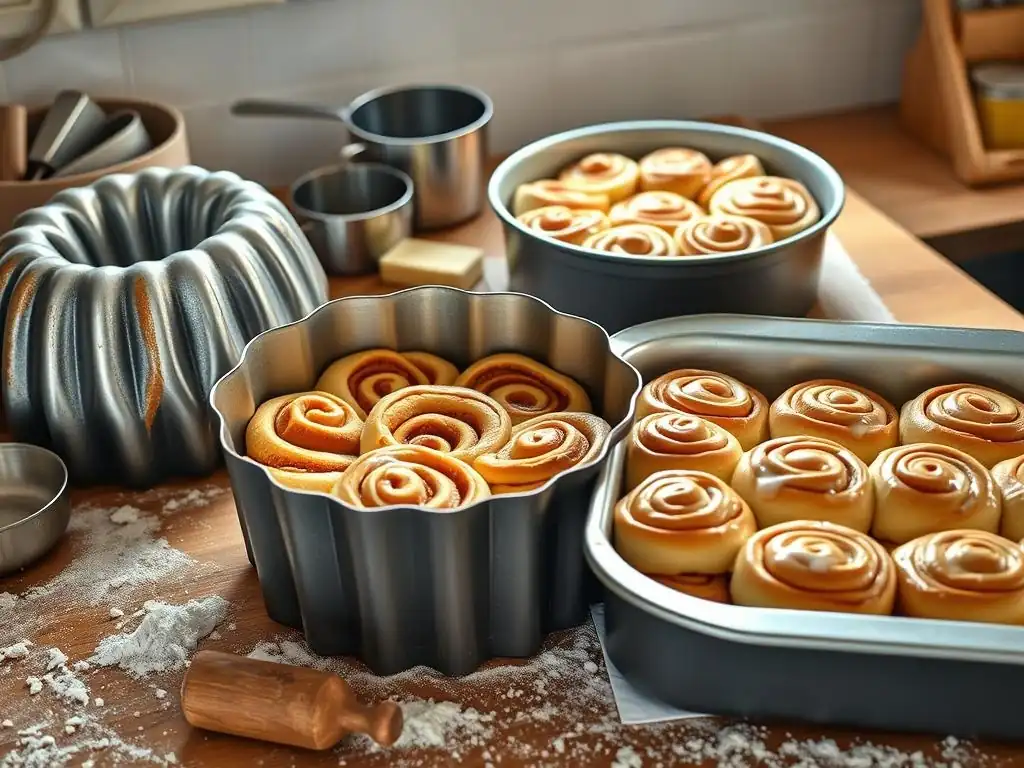
Simply owning the best sweet roll baking pan isn't the whole story; how you use it also matters. Applying a few key techniques can maximize your pan's potential and help you achieve consistently fantastic sweet rolls, no matter the material or shape.
Follow these tips to get the most out of your baking pan and ensure your sweet rolls turn out perfectly baked, golden, and delicious every time.
Preparing Your Sweet Roll Baking Pan: Greasing and Flour Dusting
Proper pan preparation is essential, especially when not using a non-stick pan. Even with non-stick, a little preparation can guarantee easy release.
- Greasing: Apply a generous layer of shortening, butter, or baking spray to the bottom and sides of the pan. Ensure complete coverage, especially in corners or around any textures in the pan.
- Task: Ensure bottom is fully coated.
- Task: Check that sides are coated up to the top edge.
- Flour Dusting (Optional but Recommended): After greasing, add a tablespoon or two of flour to the pan. Tilt and tap the pan to distribute the flour evenly, coating the greased surfaces. Discard any excess flour. This creates a barrier that helps prevent sticking and promotes a nice, light crust on the bottom.
Using baking spray with flour already added is a convenient shortcut for greasing and dusting in one step.
Baking Time and Temperature Adjustments for Different Pans
As we've discussed, different pan materials conduct heat differently, which can affect baking time and the optimal oven temperature.
- Glass Pans: Because glass retains heat strongly, reduce your oven temperature by 25°F (approx. 15°C) from the recipe's recommendation. You may need to add a few minutes to the baking time.
- Dark Non-Stick Pans: These can absorb more heat and cause faster surface browning. Keep a close eye on your rolls and consider reducing the temperature slightly or tenting the pan with foil if the tops are browning too quickly.
- Shiny Metal Pans: These reflect heat more than darker pans, potentially leading to slightly longer baking times or less intense bottom browning.
Always use the visual cues (golden brown tops, rolls baked through) and internal temperature (around 190-200°F or 88-93°C) to determine doneness, rather than relying solely on the recipe's time.
Cooling Sweet Rolls: Preventing Soggy Bottoms
Proper cooling is just as important as proper baking for sweet rolls. Leaving them in the hot pan for too long can trap steam, leading to soggy bottoms.
Ideally, let the sweet rolls cool in the pan for about 5-10 minutes after removing them from the oven. This allows them to set slightly. Then, if possible, carefully invert the pan or use a spatula to transfer the rolls (or the entire baked slab, if they are pull-apart) to a wire cooling rack to cool completely before glazing.
Cooling on a wire rack allows air circulation around the entire sweet roll, preventing moisture buildup and ensuring a firm, delicious bottom crust.
Sweet Roll Baking Pan Alternatives: When You Don't Have the "Right" Pan
Don't despair if you don't own a dedicated sweet roll pan or the specific size recommended by a recipe. Many common kitchen items can be repurposed to bake sweet rolls successfully with a few simple adjustments. Creativity and adaptability are key in baking!
Here are some alternative solutions you can use when you need a pan for your sweet rolls but don't have the standard options readily available.
Using Cake Pans for Sweet Rolls: Adjusting Baking Times
Most standard cake pans (round, square, or rectangular) are perfectly suitable for baking sweet rolls. As discussed earlier, a 9-inch round or square pan works well for a dozen rolls, and a 9x13-inch rectangular pan is great for larger batches.
The primary consideration when using a general cake pan is its material and color, which might require slight adjustments to baking time and temperature as outlined in the previous section. Ensure the pan has adequate depth (at least 1.5 inches). Prepare the pan well with grease and flour to prevent sticking, especially if it's not non-stick. Treat it like a standard best sweet roll baking pan based on its material properties.
Baking Sweet Rolls in a Dutch Oven: Rustic Charm
For a unique, rustic sweet roll, consider baking them in a preheated Dutch oven. This method is similar to baking bread in a Dutch oven, creating a steamy environment initially that contributes to a soft interior, followed by direct heat that produces a wonderfully crispy bottom crust.
Place the assembled sweet rolls in a parchment-lined Dutch oven (this makes removal much easier). Cover with the lid and bake for part of the time, then remove the lid to allow the tops to brown. This method often requires experimenting with temperatures and times, but it can yield results with a distinct texture profile, offering an alternative approach when seeking the best sweet roll baking pan effect in a different vessel.
Improvised Baking Pan Solutions for Sweet Rolls
In a pinch, you can get creative with other oven-safe containers.
- Oven-Safe Skillets: A cast iron or oven-safe stainless steel skillet can function like a round pan. Ensure it's well-seasoned or greased.
- Foil Pans: Disposable aluminum foil pans can be used, though they conduct heat very quickly and can be flimsy. Place them on a sturdy baking sheet for support and monitor closely for over-browning.
- Making a 'Pan' with Foil: For individual rolls or small batches, you can shape heavy-duty aluminum foil into makeshift cups or a small rectangular pan on a baking sheet. This provides minimal structure but works if no other options are available.
While these alternatives might not replicate the results of a dedicated best sweet roll baking pan perfectly, they can certainly get the job done and satisfy your sweet roll craving!
Conclusion: Investing in the Best Sweet Roll Baking Pan for Baking Success.
Choosing the right baking pan for your sweet rolls is more than just a minor detail; it's a decision that significantly impacts the final texture, appearance, and overall success of your bake. From the material's heat conductivity to the pan's shape and size, each element plays a role in how your dough transforms in the oven.
Whether you opt for a classic aluminized steel round pan for perfect pull-apart rolls, a convenient non-stick pan for easy cleanup, or even experiment with cast iron for a rustic touch, understanding how your pan behaves is key. Investing in a high-quality pan that suits your needs and baking style is an investment in consistently delicious sweet rolls. So, consider the factors, choose wisely, and happy baking – may your sweet rolls always be golden, soft, and perfectly baked in your best sweet roll baking pan!
Frequently Asked Questions
What type of baking pan is recommended for sweet rolls?
A heavy-gauge metal pan, such as aluminum or aluminized steel, is best. This helps ensure even heat distribution and prevents burning. Glass pans can also work, but may require a slightly lower oven temperature.
Does the color of the baking pan affect the outcome of my sweet rolls?
Yes, it can. Dark-colored pans absorb more heat, potentially leading to darker, crispier bottoms. Lighter-colored pans are generally preferred for even baking and softer crusts.
What size baking pan is ideal for sweet rolls?
The ideal size depends on the recipe, but a 9x13 inch pan is a common and versatile choice for many sweet roll recipes. A round cake pan can also be used for a different presentation.
Is it necessary to grease and flour the sweet roll baking pan?
Yes, it's highly recommended. Greasing and flouring (or using baking spray) ensures the sweet rolls release easily from the pan after baking, preventing them from sticking and tearing.
Can I use a silicone baking pan for sweet rolls?
While silicone pans can be used, they may not provide the same level of browning as metal pans. They often yield softer crusts, and may require longer baking times. The stability of the pan should also be considered when handling a hot pan full of sweet rolls.
Final Reflection: The Sweet Roll Revolution: It's More Than Just a Pan
The perfect sweet roll isn't just about the recipe; it's about the vessel that brings it to life. Choosing the right baking pan significantly impacts the final product, influencing everything from even baking to golden-brown perfection. This isn't just about aesthetics; it's about unlocking the full potential of your sweet roll recipe.
The quest for the ideal sweet roll baking pan reveals a deeper truth about our relationship with food and tradition. Baking, particularly the creation of comforting treats like sweet rolls, is often a deeply personal experience, connecting us to memories and loved ones. The pan itself becomes a tool, a participant in this ritual. The best things in life are the simple things,
a sentiment perfectly encapsulated in the humble sweet roll and the pan that helps us create it. This seemingly small detail – the choice of pan – speaks volumes about our dedication to crafting something delicious and meaningful.
So, as you embark on your next sweet roll adventure, remember the journey we've taken together. Consider not just the recipe, but the vessel that will cradle your creation. Don't just bake sweet rolls; craft an experience. Choose your pan wisely, and let the aroma of freshly baked goodness fill your home, creating memories as sweet as the rolls themselves.
Unleash Your Inner Baker: Perfect Sweet Rolls, Every Time!
Thanks for taking the time to explore the world of sweet roll baking pans with us! We hope you now have a clearer understanding of how the right pan can elevate your baking game. Ready to put your newfound knowledge into practice?
- Bake a batch of your favorite sweet rolls using your ideal pan. This is your chance to experience the difference firsthand!
- Share your baking triumphs (or even your baking mishaps!) with our community in the comments below. Let's learn from each other!
- Consider experimenting with different pan shapes and sizes to see which yields the best results for your recipe.
So, what type of sweet roll pan will you be reaching for next?