
LowCarb Baking Pantry Essentials Every Keto Baker Needs

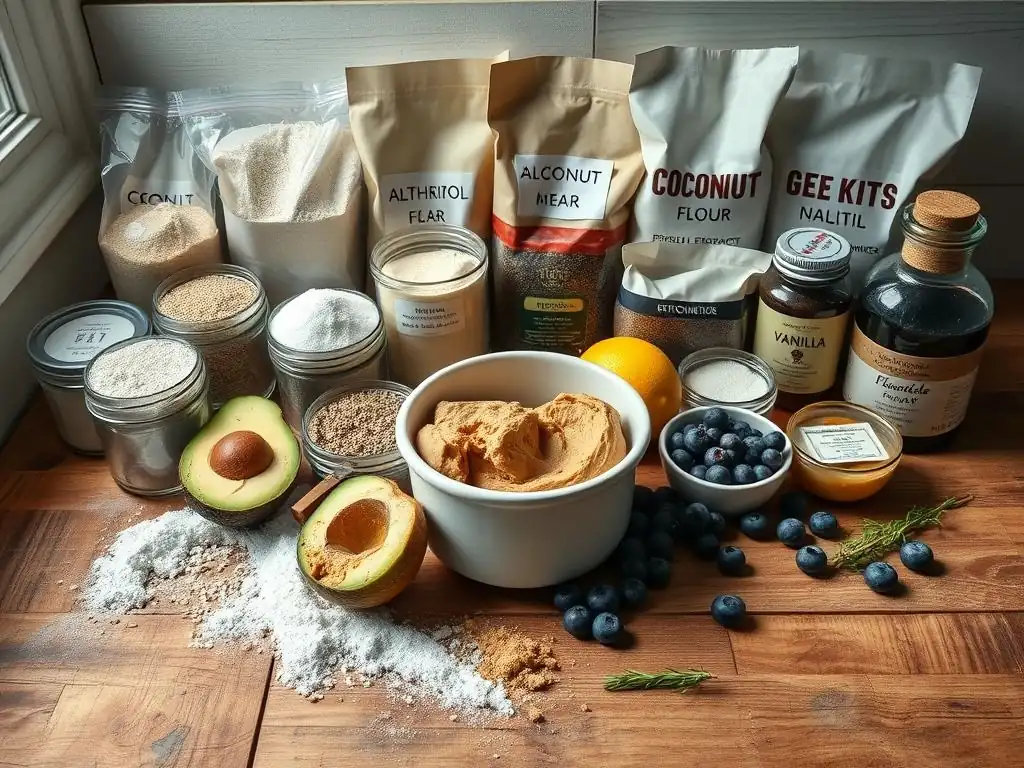
Welcome to BakeWithEase, your trusted companion on your baking journey! Are you ready to unlock the secrets to delicious, guilt-free treats? This week, we're diving deep into the world of Keto baking pantry staples. Discover the essential ingredients that will transform your low-carb baking and open up a world of possibilities. Curious about what makes these ingredients so special and how they can revolutionize your baking? Keep reading to find out!
- Introduction to Keto Baking: Building Your Essential Pantry at BakeWithEase
- Understanding the Keto Diet for Baking: A Quick Overview
- Keto Baking Pantry Staples: The Must-Have Ingredients
- Stocking Your Keto Baking Pantry: Tips and Tricks
- Keto Baking Recipes Using Your Pantry Essentials
- Conclusion: Mastering Keto Baking with the Right Pantry
-
Frequently Asked Questions
- What are the most essential ingredients to stock in a keto baking pantry?
- Can I use regular flour in keto baking, and if not, why?
- What is the best way to store keto baking ingredients to maintain freshness?
- Are there any keto-friendly substitutes for traditional baking ingredients like sugar?
- What role do fats play in keto baking, and what are some good options?
- Final Reflection: Baking Keto: A Sweet Revolution in Your Kitchen
- Unlock Your Keto Baking Potential!
Introduction to Keto Baking: Building Your Essential Pantry at BakeWithEase
Embarking on the journey of keto baking opens up a world of delicious possibilities, allowing you to enjoy baked goods while adhering to a low-carbohydrate lifestyle. At BakeWithEase, we believe that mastering keto baking starts with stocking the right ingredients. Unlike traditional baking, which relies heavily on wheat flour and sugar, keto baking requires a different set of keto baking pantry staples that provide structure, texture, and sweetness without the high carb count. Building a well-stocked low-carb baking pantry is the first crucial step to successfully creating everything from fluffy muffins to satisfying cookies and even bread.
This guide will walk you through the essential keto baking pantry staples you'll need to get started. We'll explore alternative flours, sweeteners, fats, and binding agents that form the foundation of delicious low-carb treats. Having these core ingredients on hand will make following keto baking recipes much easier and more enjoyable, turning your kitchen into a hub for creating compliant and tasty baked goods. Get ready to transform your pantry and unlock the secrets to successful keto baking!
Understanding the Keto Diet for Baking: A Quick Overview
The ketogenic diet, or keto, is a low-carb, high-fat eating plan that aims to shift the body's metabolism into a state called ketosis. In ketosis, the body primarily burns fat for energy instead of carbohydrates. This dietary approach has gained popularity for its potential benefits, including weight management and improved energy levels for some individuals. When it comes to baking, adopting a keto diet means saying goodbye to traditional high-carb ingredients like wheat flour, granulated sugar, and many common thickeners, necessitating a complete overhaul of your baking ingredient selection.
Understanding the fundamental principles of keto is key to successful keto baking. The goal is to keep net carbohydrates (total carbs minus fiber and sugar alcohols) very low, typically under 20-50 grams per day, while consuming moderate protein and high amounts of fat. This directly impacts ingredient choices in the kitchen. Traditional baked goods are notoriously high in carbs, making them incompatible with a keto lifestyle. Therefore, finding appropriate substitutes that mimic the function of wheat flour and sugar becomes the central challenge and focus of building your keto baking pantry staples.
What is the Keto Diet and How Does it Affect Baking?
The keto diet focuses on drastically reducing carbohydrate intake and replacing it with fat. This reduction in carbs puts your body into a metabolic state called ketosis, where it starts burning fat for energy. For baking, this means eliminating ingredients high in simple or complex carbohydrates, such as all-purpose flour, sugar, honey, maple syrup, and even many fruits. These ingredients provide structure, sweetness, moisture, and browning in traditional recipes.
The effect on baking is profound. You cannot simply swap one ingredient for another and expect the same results. Low-carb flours behave differently than wheat flour – they often lack gluten, which provides elasticity and structure, and they absorb liquids differently. Sugar alternatives vary in sweetness, texture, and how they caramelize or dissolve. Fats become even more crucial for moisture and richness. Therefore, mastering keto baking requires understanding the unique properties of alternative ingredients and how they interact, making a well-curated set of keto baking pantry staples absolutely essential.
Key Differences Between Traditional Baking and Keto Baking
The differences between traditional and keto baking extend beyond just substituting ingredients; they involve fundamental changes in technique and expected outcomes. Traditional baking relies on gluten development for structure in breads and cakes, and sugar for moisture, tenderness, browning, and leavening activation. Keto baking, lacking gluten and using alternative sweeteners, must find new ways to achieve these results.
For instance, instead of gluten, keto baking often uses combinations of low-carb flours, binding agents like xanthan gum, and ample eggs to provide structure. Sugar's role is replaced by non-caloric or low-carb sweeteners which may not caramelize or provide the same level of moisture, requiring adjustments in liquid and fat content. Baked goods may be denser, brown differently, and have a distinct texture compared to their traditional counterparts. Recognizing and adapting to these differences is crucial when building your keto baking pantry staples and attempting keto recipes.
Keto Baking Pantry Staples: The Must-Have Ingredients
Building a successful keto baking pantry means stocking up on ingredients that provide the necessary structure, flavor, and sweetness without the high carbohydrate count of traditional baking. These keto baking pantry staples are the foundation for creating a wide variety of low-carb treats. Having them readily available will simplify your baking process and expand your recipe repertoire.
Think of these essentials as your toolkit for low-carb creativity. From the base flours that replace wheat to the sweeteners that mimic sugar's taste, each category plays a vital role. We'll delve into the specific ingredients that are non-negotiable for anyone serious about delicious and compliant keto baked goods. Getting these basics right is key to unlocking the full potential of keto baking.
Keto-Friendly Flours: The Foundation of Low-Carb Baking
Replacing wheat flour is perhaps the biggest change when switching to keto baking. Traditional wheat flour is high in carbohydrates and gluten, which provides structure and elasticity. Keto-friendly flours are low in net carbs (usually high in fiber) and are gluten-free, meaning they behave very differently in recipes. You'll often need to use a combination of these flours or incorporate binding agents to achieve desirable textures.
Stocking a variety of these low-carb flours is essential for expanding your keto baking horizons. Each flour has unique properties regarding absorption, texture, and flavor, making some better suited for certain applications than others. Understanding these differences is key to selecting the right flour for your specific keto baking project and building your collection of keto baking pantry staples.
- Almond Flour: Versatile and Nutritious
- Coconut Flour: High Fiber and Absorbent
- Flaxseed Meal: Adding Texture and Omega-3s
- Sunflower Seed Flour: Nutty and Gluten-Free
Almond flour is arguably the most popular keto baking flour due to its neutral flavor and relatively easy substitution in many recipes. It's made from ground blanched almonds and is a good source of fat, protein, and fiber, with typically around 6 grams of total carbs and 3 grams of fiber per quarter cup (about 3 net carbs). It works well in cookies, cakes, muffins, and even some bread-like recipes, offering a slightly moist and tender crumb.
Coconut flour is another staple, known for its high fiber content and significant absorbency. A little goes a long way compared to almond flour or wheat flour. It has a distinct coconut flavor that works well in many sweet applications and often requires more liquid and eggs in recipes. A quarter cup of coconut flour might contain around 16 grams of total carbs but up to 10 grams of fiber (about 6 net carbs), making it very low in net carbs but requiring careful measurement due to its absorbency.
Flaxseed meal, ground flaxseeds, is often used in keto baking not as a primary flour but as an additive for fiber, binding, and nutritional boost (rich in omega-3s). When mixed with water, it forms a gel ("flax egg") which can help bind ingredients, especially in egg-free recipes. It has a slightly nutty flavor and adds density. About 2 tablespoons contain around 4 grams of total carbs and 3.7 grams of fiber (about 0.3 net carbs).
Sunflower seed flour, made from ground sunflower seeds, is a good nut-free alternative to almond flour, although it can sometimes turn green when exposed to baking soda/powder due to a chemical reaction. It has a nutty flavor and a similar texture to almond flour. A quarter cup contains roughly 6 grams of total carbs and 2 grams of fiber (about 4 net carbs). Having a few of these flours allows for flexibility in your keto baking pantry staples.
Sweeteners: Replacing Sugar in Keto Baking
Sugar provides sweetness, but also contributes to texture, moisture, and browning in traditional baking, while being very high in carbohydrates. Replacing sugar in keto baking requires using low-carb or zero-calorie sweeteners. These alternatives vary in sweetness intensity, aftertaste, and how they behave when heated or cooled. Many keto recipes use a blend of sweeteners to achieve a more balanced flavor profile and better texture.
Understanding the properties of different keto sweeteners is crucial for successful results. Some are sugar alcohols, which can have a cooling effect or cause digestive upset in large quantities for some people. Others are natural extracts that are many times sweeter than sugar and need to be used sparingly. Building your keto baking pantry staples should include a variety of these options to suit different recipes and personal preferences.
- Erythritol: A Popular Sugar Alcohol
- Stevia: A Natural, Zero-Calorie Option
- Monk Fruit Sweetener: Another Natural Alternative
- Allulose: A Newer Keto-Friendly Sweetener
- Blending Sweeteners: Achieving Optimal Taste and Texture
Erythritol is a sugar alcohol that is about 70% as sweet as sugar and has virtually no calories or impact on blood sugar. It's a popular base for many granulated and powdered keto sweetener blends. It can sometimes cause a cooling sensation in the mouth and doesn't caramelize like sugar, but it's generally well-tolerated and works well in many baked goods.
Stevia is a natural sweetener extracted from the leaves of the Stevia rebaudiana plant. It is significantly sweeter than sugar (hundreds of times) and is used in very small amounts. Available in liquid drops or powders, it has zero calories and carbs but can sometimes have a slight aftertaste, which varies between brands and individuals.
Monk fruit sweetener is another natural, zero-calorie option derived from the monk fruit. Like stevia, it is much sweeter than sugar and is often blended with erythritol or allulose in granulated or powdered forms to make it measure closer to sugar. It generally has less of an aftertaste than stevia for many people.
Allulose is a "rare sugar" that exists in small amounts in foods like wheat, raisins, and figs. It has about 70% the sweetness of sugar but only a fraction of the calories (around 0.4 calories per gram vs. 4 for sugar) and does not appear to raise blood glucose levels. It behaves more like sugar in baking, providing better moisture and browning than erythritol, though it can be more expensive.
Often, the best results in keto baking are achieved by blending different sweeteners. For example, combining erythritol with stevia or monk fruit can provide the bulk and texture of erythritol while using the high intensity of stevia/monk fruit to boost sweetness without adding too much bulk or cooling effect. Allulose can be blended with others to improve texture and browning. Experimenting with blends is a key part of perfecting your keto baking pantry staples.
Fats & Oils: Essential for Flavor and Texture in Keto Baking
Fats are a cornerstone of the keto diet and are equally important in keto baking. They provide moisture, richness, tenderness, and flavor, compensating for the lack of traditional sugar and gluten. Choosing the right fat can significantly impact the outcome of your baked goods, from the crispness of a cookie to the moistness of a cake.
High-quality fats are vital keto baking pantry staples. They contribute calories and satiety, aligning with the high-fat nature of the keto diet, while also playing functional roles in texture and structure. Different fats have varying melting points, smoke points, and flavors, making some more suitable for specific types of baking than others.
- Coconut Oil: For Richness and Flavor
- Avocado Oil: A Neutral-Tasting Option
- Olive Oil: For Savory Keto Baking
- Butter & Ghee: Adding Flavor and Moisture
Coconut oil, especially refined coconut oil (which has less coconut flavor), is a popular choice due to its high saturated fat content, which provides structure at room temperature, similar to butter. Unrefined coconut oil imparts a distinct tropical flavor. It's versatile and works well in many sweet keto baked goods, contributing moisture and richness.
Avocado oil is a monounsaturated fat with a very mild, almost neutral flavor and a high smoke point, making it suitable for baking at higher temperatures. Its neutral taste makes it ideal for recipes where you don't want the fat to impart a specific flavor, allowing other ingredients to shine. It contributes moisture and tenderness.
Olive oil, particularly extra virgin olive oil, has a stronger flavor profile that is often better suited for savory keto baking, such as low-carb bread or crackers. While it can be used in some sweet recipes where its flavor complements other ingredients (like citrus), its distinct taste makes it less universally applicable than coconut or avocado oil in sweet keto treats.
Butter and ghee (clarified butter) are classic baking fats that are perfectly keto-friendly. Butter provides rich flavor and contributes to flakiness in pastries and tenderness in cakes and cookies. Ghee, with the milk solids removed, has a higher smoke point than butter and a slightly nuttier flavor. Both are excellent sources of fat and essential for achieving that traditional baked good quality in your keto baking pantry staples.
Binding Agents: Replacing Gluten's Role
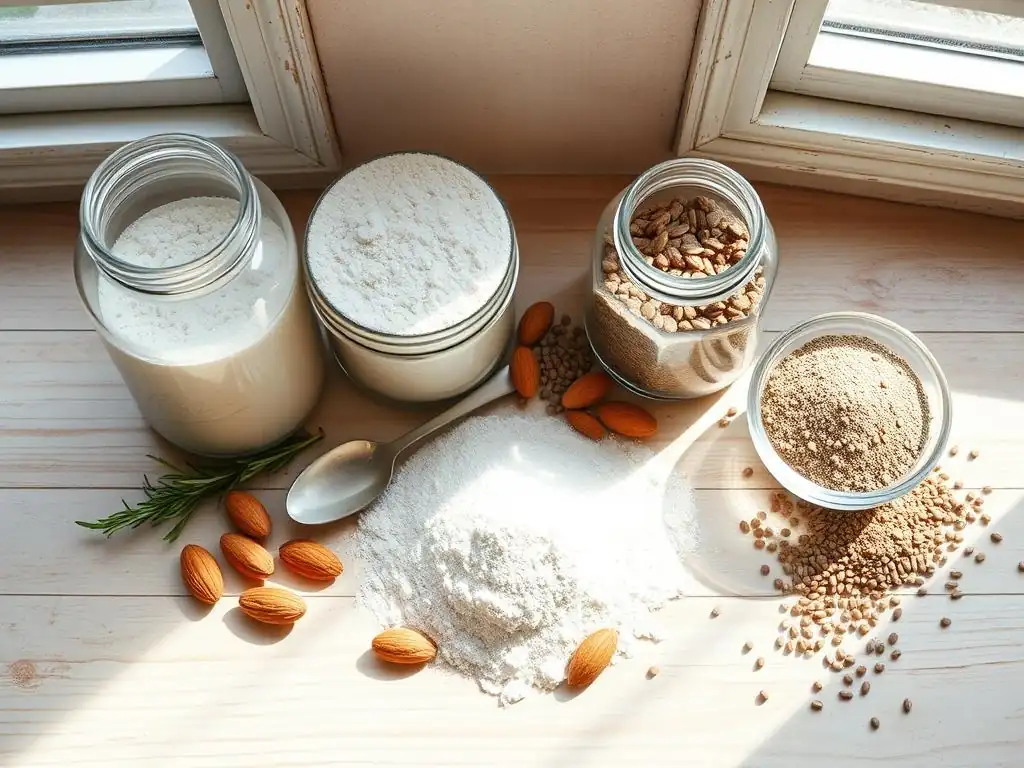
One of the biggest challenges in keto baking is the absence of gluten, the protein network in wheat flour that provides structure and elasticity, allowing dough to be kneaded and baked goods to hold their shape. Without gluten, low-carb flours can result in crumbly or dense textures. Binding agents are used to mimic some of gluten's functions, helping ingredients stick together and providing structure.
Incorporating effective binding agents is crucial for achieving desirable textures in your keto baked goods. These ingredients work by absorbing moisture and creating a gel-like consistency or providing a sticky matrix that holds the low-carb flours and other ingredients together. They are indispensable keto baking pantry staples for preventing your creations from falling apart.
- Xanthan Gum: For Structure and Elasticity
- Psyllium Husk: Adding Fiber and Binding Power
- Gelatin: For Jellies and Thickening
Xanthan gum is a popular food additive produced by the fermentation of sugar by a bacterium. Used in small amounts (often just a teaspoon or two per cup of low-carb flour), it acts as a powerful thickener and stabilizer, providing elasticity and structure similar to gluten. It helps prevent crumbling and gives dough a more workable consistency.
Psyllium husk, derived from the seeds of the Plantago ovata plant, is a soluble fiber that absorbs a significant amount of liquid and forms a gel. It's often used in keto bread recipes to give a more bread-like texture and crumb. It adds substantial fiber to baked goods and is a key binding agent in many low-carb bread and roll recipes. Use it carefully as too much can result in a gummy texture.
Gelatin, derived from animal collagen, is primarily used as a gelling agent in desserts like keto puddings, mousses, and sugar-free jellies. While not typically used to bind flour-based baked goods in the same way as xanthan gum or psyllium, it's a valuable binding agent for non-flour keto desserts and can provide structure in chilled applications. It's a useful addition to your keto baking pantry staples for dessert variety.
Dairy & Dairy Alternatives for Keto Baking
Dairy ingredients like butter, cream, and cheese are excellent sources of fat and flavor in keto baking. They add richness, moisture, and can contribute to structure. However, for those who are dairy-sensitive or prefer dairy-free options, there are several suitable keto-friendly alternatives made from nuts or coconut that can often be substituted.
Including dairy or dairy-free alternatives adds versatility to your keto baking pantry staples. They can be used as a liquid base, a source of fat, or even a primary ingredient in things like cheesecakes or creamy fillings. Choosing between dairy and non-dairy options depends on dietary needs and desired flavor profiles.
- Heavy Cream: For Richness and Moisture
- Cream Cheese: A Versatile Ingredient
- Almond Milk & Coconut Milk: Dairy-Free Alternatives
Heavy cream (or heavy whipping cream) is a high-fat dairy product that adds incredible richness and moisture to keto baked goods, sauces, and fillings. It can be whipped for toppings or incorporated into batters and doughs. It's very low in carbohydrates, making it a perfect keto addition.
Cream cheese is a staple in many keto dessert recipes, most famously keto cheesecakes. Its tangy flavor, smooth texture, and high-fat content make it incredibly versatile for fillings, frostings, and even adding tenderness to some baked goods like muffins or bread. Look for full-fat versions with minimal added sugars.
Unsweetened almond milk and unsweetened coconut milk (the kind in cartons, not canned) are popular low-carb, dairy-free liquid bases for keto baking. They provide necessary moisture without adding significant carbohydrates. Ensure they are unsweetened, as sweetened versions will contain sugar and are not keto-friendly. These are excellent milk alternatives for your keto baking pantry staples.
Other Important Keto Baking Ingredients
Beyond the core flours, sweeteners, fats, and binders, several other ingredients are essential for flavor, leavening, and overall success in keto baking. These items might seem minor, but they play crucial roles in how your baked goods rise, taste, and hold together.
Having these miscellaneous but vital ingredients on hand ensures you're prepared for a wide range of keto baking recipes. They round out your collection of keto baking pantry staples, allowing you to add depth of flavor and achieve the desired texture and lift in your creations.
- Eggs: A Key Ingredient in Most Baked Goods
- Vanilla Extract: Enhancing Flavor
- Baking Powder & Baking Soda: Leavening Agents
- Apple Cider Vinegar: Activating Baking Soda
- Nuts and Seeds: Adding Texture and Flavor
Eggs are fundamental in most keto baking recipes. They provide structure, act as a binding agent, add moisture and richness, and contribute to leavening when whipped. The protein in eggs helps create a stable structure in the absence of gluten. Most recipes call for large eggs.
Vanilla extract is a classic flavor enhancer used in almost all sweet baked goods. A good quality pure vanilla extract can significantly improve the taste of your keto treats, masking potential off-flavors from alternative ingredients and adding a comforting aroma.
Baking powder and baking soda are chemical leavening agents crucial for helping keto baked goods rise. Baking powder is a complete leavener containing both an acid and a base. Baking soda is just a base and requires an acidic ingredient (like apple cider vinegar, cream of tartar, or lemon juice) in the recipe to activate and produce carbon dioxide gas. Using the correct leavener and amount is key to avoiding dense results.
Apple cider vinegar (ACV) is often used in keto baking as an acidic component to react with baking soda, especially when recipes lack other acidic ingredients like yogurt or buttermilk (which are generally not keto). Just a small amount helps activate the leavening, contributing to a lighter texture.
Nuts and seeds (like pecans, walnuts, macadamia nuts, chia seeds, and hemp seeds) are excellent for adding texture, crunch, and flavor to keto baked goods. They are also high in fat and fiber, fitting perfectly into the keto macro profile. Chopped nuts or seeds can be folded into batters or used as toppings, adding delightful complexity to your keto baking pantry staples.
Stocking Your Keto Baking Pantry: Tips and Tricks
Building your collection of keto baking pantry staples can seem daunting at first, especially with so many new ingredients to consider. However, with a strategic approach, you can gradually stock your pantry without feeling overwhelmed. Start with the most common ingredients used in the types of recipes you want to make and expand from there.
Consider where you'll source your ingredients, how to store them properly to maintain freshness, and ways to manage costs, as some specialty keto ingredients can be more expensive than traditional ones. A well-organized and stocked keto pantry makes spontaneous baking possible and ensures you always have what you need for your low-carb creations.
Where to Buy Keto Baking Ingredients
Keto baking ingredients are becoming increasingly available, but sourcing them might require looking beyond your standard grocery store aisle. Large supermarkets often have dedicated "Natural," "Gluten-Free," or "Dietary Needs" sections where you can find common items like almond flour, coconut flour, and some sugar substitutes.
Specialty health food stores are excellent resources for a wider variety of keto keto baking pantry staples, including less common flours, a broader range of sweeteners, and binding agents like xanthan gum and psyllium husk. Online retailers offer the largest selection and can often be cost-effective, especially when buying in bulk. Websites specializing in low-carb or keto products are also great places to find specific or hard-to-find items.
Storing Your Keto Baking Staples for Freshness
Proper storage is essential to keep your keto baking pantry staples fresh and prevent them from going rancid, which is particularly important for high-fat ingredients like nut flours and seeds. Many keto flours, especially almond flour and flaxseed meal, benefit from refrigeration or freezing to extend their shelf life due to their oil content.
Store flours, nuts, and seeds in airtight containers in a cool, dark place, such as a pantry. For longer storage or in warmer climates, the refrigerator or freezer is best. Sweeteners, binding agents, and extracts are generally more shelf-stable and can be kept in airtight containers in the pantry, away from moisture and direct light. Always check the packaging for specific storage recommendations.
Budget-Friendly Keto Baking Pantry Options
Building a keto baking pantry doesn't have to break the bank, although some specialty ingredients are pricier upfront. Prioritize the most frequently used keto baking pantry staples based on the recipes you plan to make. Almond flour and erythritol blends are good starting points for many recipes.
Buying larger quantities of non-perishable items like sweeteners or coconut flour online can often reduce the per-unit cost. Look for sales and compare prices across different stores and online retailers. Consider making some ingredients yourself, like grinding flaxseeds into meal as needed. While some ingredients are investments, focusing on versatile staples first can help manage costs while you build your collection.
Keto Baking Recipes Using Your Pantry Essentials
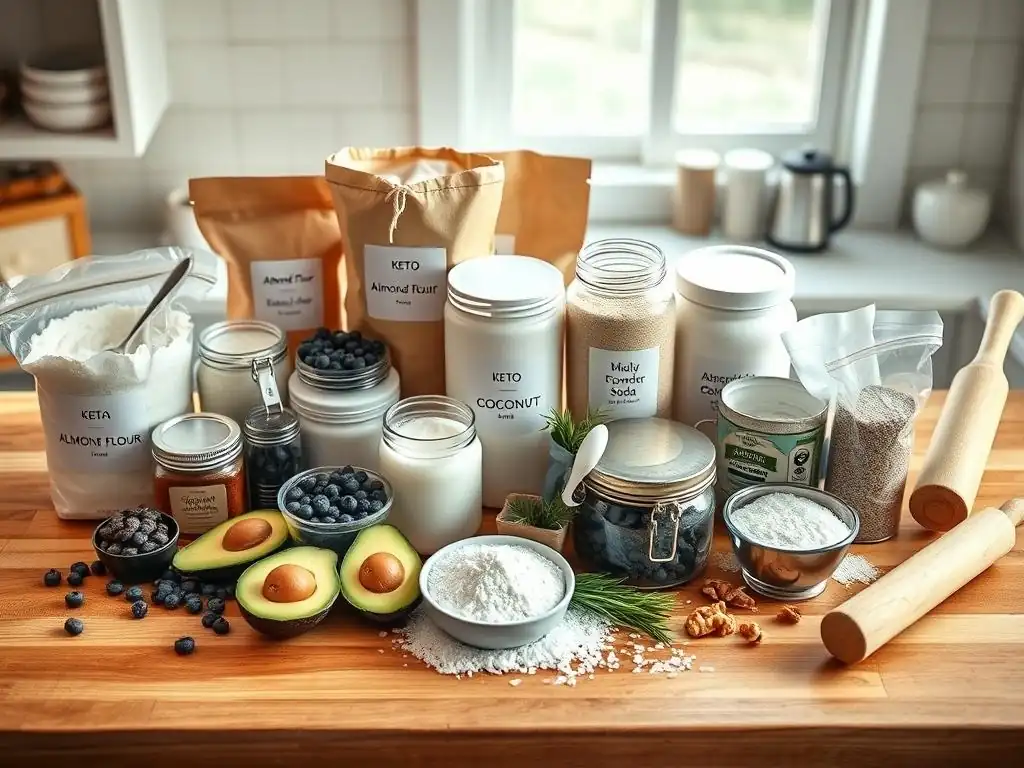
Once your keto baking pantry staples are in place, you're ready to start creating delicious low-carb treats! The versatility of these ingredients allows for a wide range of recipes that satisfy cravings without derailing your keto goals. Here are a few simple examples showcasing how core pantry items come together.
These foundational recipes demonstrate the utility of common keto baking pantry staples like almond flour, coconut flour, and keto-friendly sweeteners. Mastering these basic recipes will give you confidence to explore more complex keto baking projects.
Almond Flour Pancakes: A Quick and Easy Breakfast
Almond flour pancakes are a staple low-carb breakfast that's quick to whip up using core keto baking pantry staples. A typical recipe might involve almond flour, eggs, a keto-friendly sweetener (like erythritol or a blend), a liquid (like unsweetened almond milk), baking powder for lift, and a pinch of salt and vanilla extract for flavor.
Simply whisk the wet ingredients, combine with the dry ingredients, and cook on a griddle like traditional pancakes. They might be slightly more delicate than wheat-based pancakes but offer a satisfying texture and flavor, perfect topped with butter and sugar-free syrup or berries.
Coconut Flour Muffins: A Versatile Base Recipe
Coconut flour muffins are incredibly versatile and showcase the unique properties of coconut flour from your keto baking pantry staples. A basic recipe usually includes coconut flour, eggs (often more than an almond flour recipe due to coconut flour's absorbency), liquid (like coconut milk or almond milk), sweetener, baking powder, and fat (like melted coconut oil or butter).
The high fiber in coconut flour makes these muffins very filling. You can easily customize them by adding berries (in moderation), nuts, seeds, or sugar-free chocolate chips. They tend to be denser than muffins made with other flours but have a lovely tender crumb when done correctly.
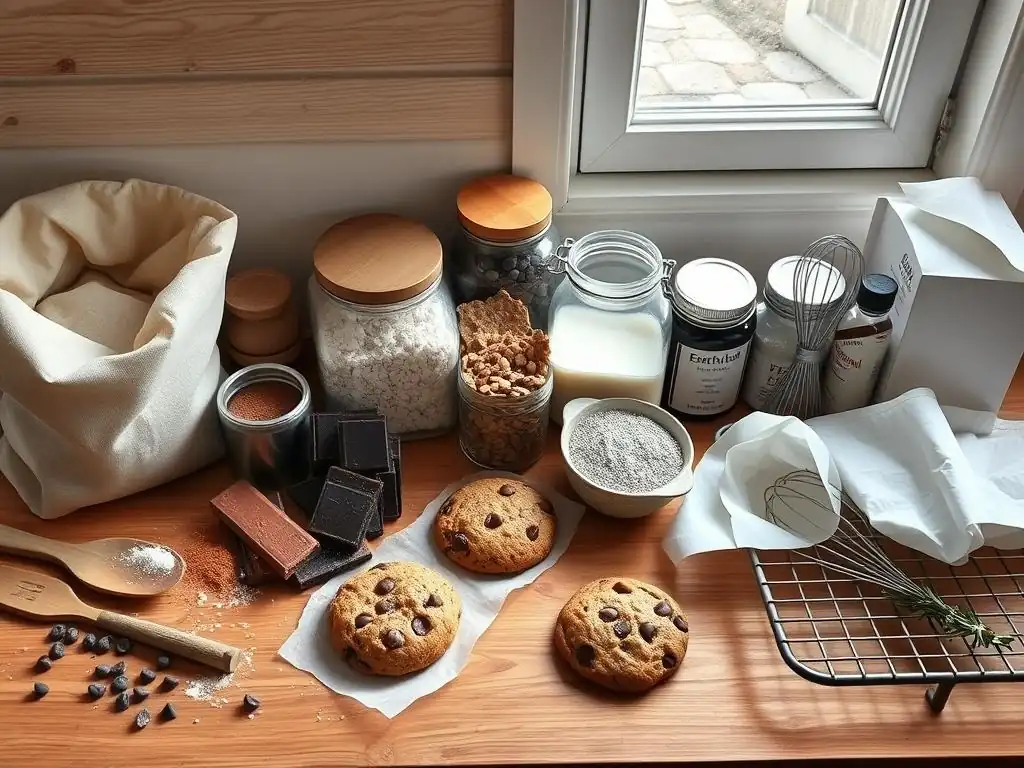
Classic chocolate chip cookies are achievable with your keto baking pantry staples. An almond flour base is common, combined with butter (or coconut oil), keto sweetener (often a blend for best results), eggs, vanilla extract, baking powder or soda, and of course, sugar-free chocolate chips.
Achieving the perfect cookie texture might take some experimentation with different sweetener blends and baking times. Some recipes incorporate a small amount of xanthan gum for chewiness. These cookies prove that you don't have to give up your favorite treats on a keto diet, offering a delicious low-carb alternative.
Conclusion: Mastering Keto Baking with the Right Pantry
Successfully navigating the world of keto baking is highly dependent on having the right ingredients at your fingertips. Building a well-stocked collection of keto baking pantry staples is the most significant step you can take to ensure your low-carb baking endeavors are both enjoyable and successful. These specialized flours, sweeteners, fats, and binders empower you to recreate many of your favorite baked goods in a keto-compliant format.
Remember that keto baking is a journey of experimentation and learning. Ingredients behave differently than their traditional counterparts, and achieving the perfect texture or sweetness may require practice and adjustment. However, with a solid foundation of keto baking pantry staples and a willingness to explore, you can create delicious treats that fit perfectly into your low-carb lifestyle.
Embrace the Art of Low-Carb Baking at BakeWithEase
At BakeWithEase, we are committed to helping you master the art of baking, no matter your dietary needs. Our resources, recipes, and guides are designed to make baking accessible and enjoyable for everyone, including those following a keto diet. By understanding the role of each essential ingredient and stocking your keto baking pantry staples, you are well on your way to creating fantastic low-carb baked goods.
We encourage you to explore our keto baking section for recipes and further tips. Experiment with different ingredients, find your favorite combinations, and don't be afraid to get creative in the kitchen. With the right pantry essentials and a little practice, you can confidently bake delicious, low-carb treats that you and your loved ones will enjoy. Happy keto baking!
Frequently Asked Questions
What are the most essential ingredients to stock in a keto baking pantry?
The most crucial are almond flour, coconut flour, and a keto-friendly sweetener like erythritol or stevia. These form the base for many low-carb baked goods.
Can I use regular flour in keto baking, and if not, why?
No, regular flour is high in carbohydrates and will kick you out of ketosis. Keto baking relies on low-carb alternatives like nut flours.
What is the best way to store keto baking ingredients to maintain freshness?
Store nut flours and seeds in an airtight container in the refrigerator or freezer. This prevents them from going rancid due to their high oil content.
Are there any keto-friendly substitutes for traditional baking ingredients like sugar?
Yes, there are many! Erythritol, stevia, monk fruit, and xylitol are all popular sugar alternatives used in keto baking.
What role do fats play in keto baking, and what are some good options?
Fats are essential for moisture, texture, and flavor in keto baking. Good options include coconut oil, butter, avocado oil, and even cream cheese.
Final Reflection: Baking Keto: A Sweet Revolution in Your Kitchen
The ketogenic diet's popularity continues to rise, and with it, the demand for delicious, satisfying keto-friendly baked goods. This means that having the right pantry staples is no longer a niche interest, but a crucial element for anyone embracing this lifestyle change. Building a well-stocked keto baking pantry isn't just about convenience; it's about empowerment – empowering yourself to create treats that align with your dietary goals without sacrificing taste or enjoyment.
The shift towards low-carb baking reflects a broader cultural movement towards mindful eating and personalized nutrition. It's not simply about restriction, but about finding creative ways to enjoy the foods we love while prioritizing our health. This resonates deeply with me, as I've witnessed firsthand the joy and satisfaction that comes from mastering keto baking. The best way to find yourself is to lose yourself in the service of others.
While not directly about baking, this quote speaks to the transformative power of embracing a new skill and sharing it with others, a sentiment I feel strongly about in the context of the keto baking community.
Now, it's your turn. Take a look at your own pantry. What ingredients are missing from your keto baking arsenal? What new recipes are you eager to try? Don't be afraid to experiment, to adapt, and to share your creations with others. The journey of keto baking is a delicious adventure, filled with the sweet rewards of creativity, health, and the joy of sharing delicious treats with loved ones. Embrace the challenge, and let your kitchen become a haven of keto-friendly delights.
Unlock Your Keto Baking Potential!
Thanks for diving into the world of low-carb baking with us! We hope you're feeling inspired and ready to create delicious, guilt-free treats. Now it's time to put that knowledge to work.
Here's what you can do next:
- Craft your perfect keto baking pantry: Start with our suggested list (found in the article) and add your own favorite keto-friendly ingredients. This is your first step toward baking success!
- Share your baking journey: Tell us about your favorite low-carb baking discoveries and share your creations on social media using #BakeWithEaseKeto. We’d love to see what you bake!
- Explore more keto recipes: Dive deeper into the BakeWithEase archives for more inspiration and discover new low-carb baking adventures!
What's your favorite low-carb baking ingredient, and what are you excited to bake first?