
Choosing the Right Baking Sheet for Beginner Cookies

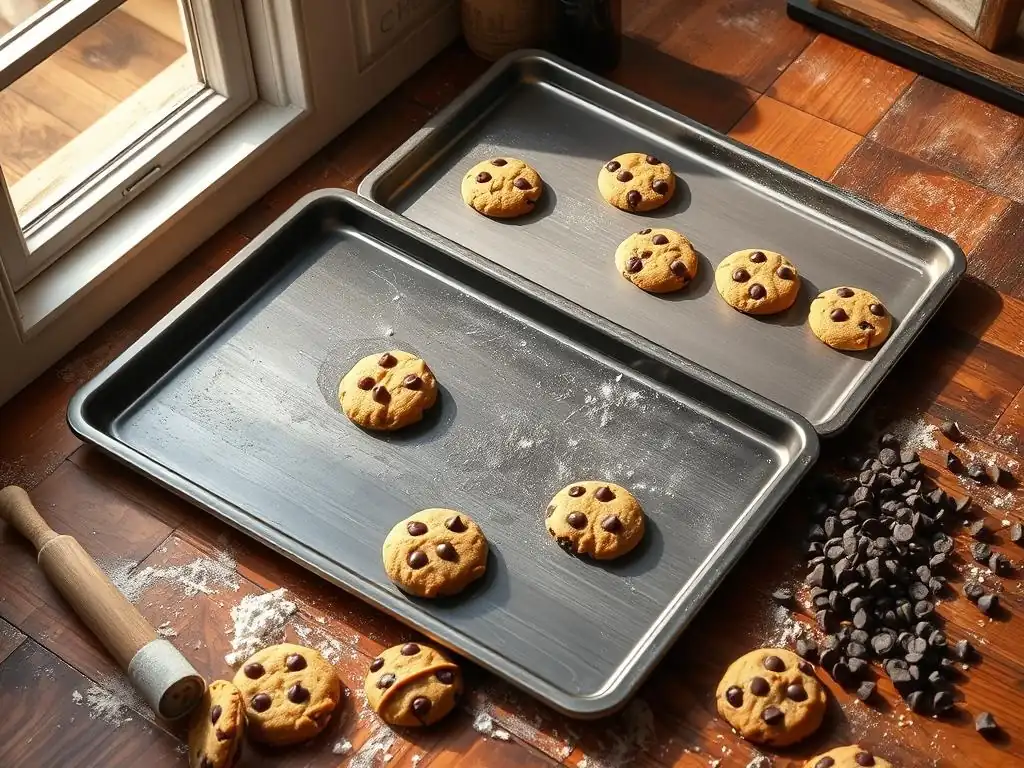
Welcome to BakeWithEase, your trusted guide to the delightful world of baking! Ever wondered if your baking sheets are holding you back from achieving cookie perfection? This week, we're diving into the essential topic of the best baking sheets for beginners. Uncover the secrets to even baking, preventing burnt bottoms, and achieving that perfect golden-brown hue. Read on to discover the key features to look for and say goodbye to cookie disasters!
- Choosing the Right Baking Sheet for Beginner Cookies - BakeWithEase
- Introduction: Baking Perfect Cookies with Ease
- Understanding Baking Sheet Materials for Cookies
- Baking Sheet Features to Consider for Beginner Bakers
- Top Baking Sheet Recommendations for Beginner Cookie Bakers
- Baking Sheet Care and Maintenance for Longevity
- Troubleshooting Common Cookie Baking Problems Related to Baking Sheets
- Tips for Using Baking Sheets Effectively for Beginner Cookie Recipes
- Conclusion: Achieving Cookie Baking Success with the Perfect Baking Sheet
-
Frequently Asked Questions
- What types of baking sheets are generally recommended for beginners baking cookies?
- What size baking sheet is most versatile for a beginner baker?
- How important is the material of the baking sheet when starting out?
- How do I properly clean and maintain my baking sheets to make them last longer?
- What should I look for in a baking sheet to ensure my cookies bake evenly?
- Final Reflection: The Sweet Science of the Perfect Cookie
- Unlock Your Baking Potential: Master the Cookie Sheet!
Welcome, aspiring bakers, to BakeWithEase! We're thrilled to guide you on your journey to creating delicious, homemade cookies. Whether you're dreaming of classic chocolate chip, simple sugar cookies, or delightful peanut butter treats, the right tools make all the difference, especially when you're just starting out. Our goal is to simplify the baking process, making it accessible and fun, and that starts with understanding the fundamentals.
Embarking on your first cookie-baking adventure should be exciting, not intimidating. We'll break down everything you need to know about selecting the essential gear that sets you up for success. Think of your baking sheet as the stage for your cookies; choosing the perfect one ensures your stars (the cookies!) perform flawlessly, baking evenly and releasing without a hitch. Let's dive into making your beginner cookie recipes turn out perfectly every time.
For beginners, mastering consistent results is key to building confidence. The baking sheet you choose plays a critical role in how your cookies spread, brown, and cook through. Using a sheet that's too thin can lead to burnt bottoms, while one that's too dark might over-brown the edges before the center is done. Conversely, a sheet that's too light or insulated can prevent proper browning altogether.
Getting the best baking sheets for beginners means finding a balance of material, color, and thickness that promotes even heat distribution. This uniformity is crucial for preventing common beginner mishaps like uneven baking or cookies sticking firmly to the surface. A reliable baking sheet ensures that the time and effort you put into mixing your dough results in beautifully baked cookies ready to be enjoyed.
Aluminum Baking Sheets: A Beginner's Best Friend?
Aluminum baking sheets are arguably the most popular choice for both home bakers and professionals, and for good reason. They are excellent conductors of heat, meaning they heat up quickly and cool down relatively fast. Most commonly, you'll find "natural" aluminum sheets, which are light in color. This light surface reflects heat, helping to prevent the bottom of your cookies from burning before the tops are done.
These sheets are typically made from anodized aluminum, which provides a durable, non-reactive surface. A standard half-sheet pan (approximately 18x13 inches) made of aluminum can handle about 12-24 cookies depending on size, making it versatile for most beginner batches. Their affordability and widespread availability also make them a practical starting point when looking for the best baking sheets for beginners.
Stainless steel baking sheets offer durability and resistance to rust and warping, making them a long-lasting investment. Unlike aluminum, stainless steel is not a reactive metal, so it won't react with acidic ingredients in your dough. This material is also known for its robustness; a good quality stainless steel sheet can withstand high oven temperatures without twisting or bending.
However, stainless steel is generally a poorer heat conductor compared to aluminum. This can sometimes lead to less even heat distribution, potentially causing hot spots. While they are durable, achieving consistent, even browning on cookies might require more attention and possibly rotating the pan during baking. They also tend to be more expensive than aluminum options, which is a factor for beginner bakers on a budget.
Non-stick baking sheets feature a coating that promises easy release of baked goods, often without the need for parchment paper or grease. This convenience is very appealing to beginners, as it significantly reduces the risk of cookies sticking and breaking when transferred from the sheet. Cleanup is also typically much easier with a non-stick surface.
While convenient, non-stick coatings can sometimes impact browning. Some non-stick surfaces, particularly darker ones, can absorb more heat, leading to faster browning or even burning of cookie bottoms. The durability of the non-stick coating is also a consideration; it can wear off over time or be damaged by metal utensils or high heat, potentially affecting performance and requiring replacement sooner than bare metal sheets.
Silicone baking mats, often placed on top of a standard baking sheet, provide an excellent non-stick surface and promote remarkably even heat distribution. Made from food-grade silicone reinforced with fiberglass mesh, these mats create a consistent layer that insulates the bottom of the cookies slightly while allowing the heat to penetrate evenly from the sides and top.
Using a silicone mat, like a popular brand's standard half-sheet size mat (approx. 16.5x11.5 inches), significantly reduces the chance of burnt bottoms and ensures cookies release cleanly. They are reusable, durable, and easy to clean. While not a baking sheet itself, pairing a good quality silicone mat with an aluminum sheet is often cited as one of the best baking sheets for beginners setups for achieving consistently perfect cookies.
Baking Sheet Features to Consider for Beginner Bakers
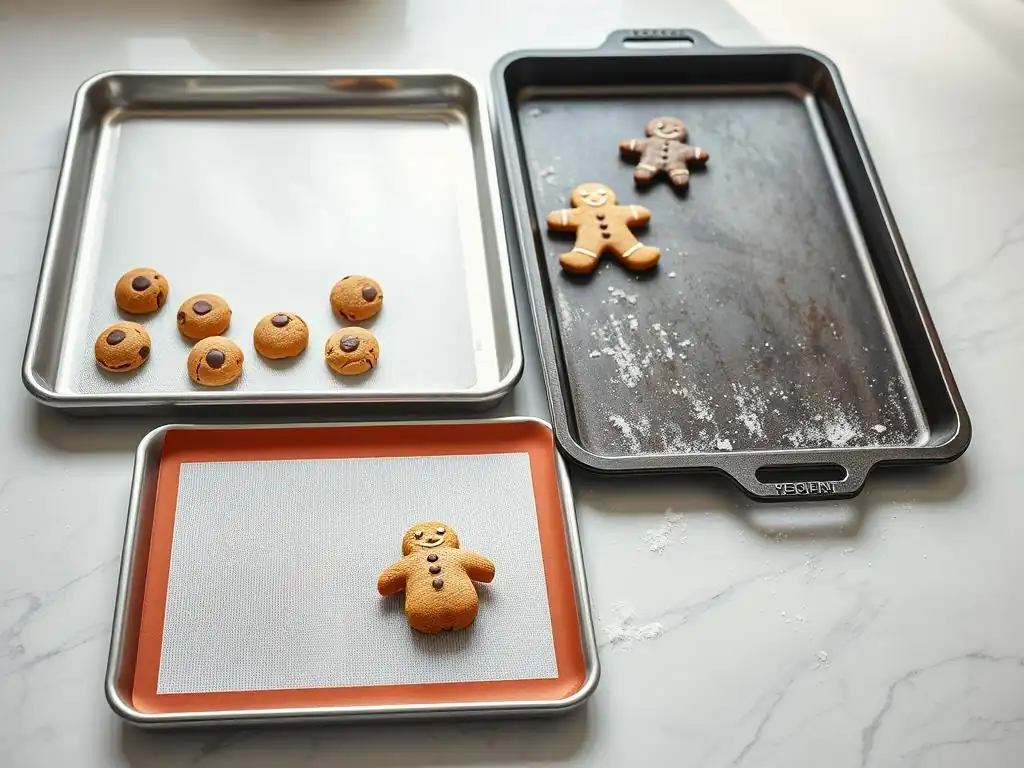
Baking sheets come in various sizes, but the most common and versatile for home ovens are the half-sheet (approx. 18x13 inches) and quarter-sheet (approx. 13x9 inches). A half-sheet pan is standard for most cookie recipes, allowing you to bake a reasonable batch (typically 12-24 cookies depending on size) at once without overcrowding, which is crucial for even baking. Overcrowding prevents air circulation and can lead to unevenly baked or fused cookies.
Before purchasing, measure your oven to ensure the sheet fits comfortably, leaving an inch or two of space around the edges for air circulation. Quarter-sheet pans are useful for smaller batches or when baking different types of cookies simultaneously. For beginners, starting with one or two good quality half-sheet pans is usually sufficient and provides the most flexibility for standard cookie recipes.
Baking sheets can be rimmed (having raised edges on all four sides) or rimless (flat with no edges, sometimes called a cookie sheet). For baking cookies, rimmed baking sheets are generally preferred, especially for beginners. The raised edges help contain any potential spreading of the cookie dough, preventing it from dripping off the sides and creating a mess in your oven.
While rimless sheets allow for easy sliding of cookies directly onto a cooling rack, they offer no containment. For most standard drop cookie recipes, where dough might spread during baking, the security of a rimmed sheet is beneficial. A standard half-sheet pan typically has a rim height of about 1 inch, which is adequate for most cookie applications.
The thickness of a baking sheet, often measured by its gauge (lower gauge numbers indicate thicker metal), significantly impacts its performance. Thicker sheets (typically 16-18 gauge for aluminum) are less prone to warping at high temperatures and distribute heat more evenly across the surface. This even heat distribution is vital for ensuring that all cookies on the sheet bake at roughly the same rate, leading to consistent results.
Thin sheets (higher gauge numbers, like 20-22 gauge) are more likely to warp, especially at typical cookie baking temperatures (often 350°F to 400°F), causing hot spots and uneven baking. Warping can also be noisy and startling in the oven! For beginners aiming for reliability and even browning, investing in a medium to heavy-gauge baking sheet is recommended. Look for descriptions like "heavy-duty" or check specifications for the gauge if available.
Our Top Picks for Aluminum Baking Sheets
For beginners seeking reliable performance at a great value, natural aluminum half-sheet pans are hard to beat. Brands like Nordic Ware and Vollrath are consistently rated highly for their durability and even heating properties. A popular choice is the Nordic Ware Natural Aluminum Commercial Baker's Half Sheet, often available for around $20-$30. These pans are typically 18 gauge, providing a good balance of thickness and heat conductivity.
Another solid option is the Vollrath Wear-Ever Half Size Sheet Pan, which is often 16 gauge for even greater durability and warp resistance. These professional-grade pans might cost slightly more, perhaps $30-$40, but offer exceptional longevity. When choosing aluminum, look for seamless construction for easier cleaning and rolled edges for added strength. These are strong contenders for the best baking sheets for beginners.
If durability is your primary concern and you prefer stainless steel, look for heavy-duty options. Brands like Cuisinart or OXO offer well-regarded stainless steel baking sheets. The Cuisinart AMB-18BKS Chef's Classic Nonstick Bakeware 17-Inch Baking Sheet (despite "nonstick" in the name, some models are simply stainless steel) is a robust option.
Another good pick could be the OXO Good Grips Non-Stick Pro Half Sheet (again, check the specific model for material, as some are stainless steel with a coating). While stainless steel might not be the absolute best baking sheets for beginners solely for perfect cookie browning compared to aluminum, their resistance to warping and longevity make them a worthwhile consideration, especially if you bake other items besides cookies frequently. Expect to pay $25-$50 for a quality stainless steel sheet.
For ultimate convenience and easy cleanup, a good quality non-stick baking sheet is a strong candidate for the best baking sheets for beginners. Look for sheets with durable, PFOA-free non-stick coatings. The USA Pan Bakeware Half Sheet is often recommended; it features a unique fluted surface that promotes air circulation and has a reliable non-stick coating, typically priced around $30-$40.
Another popular choice is the Calphalon Nonstick Bakeware 12x17-Inch Baking Sheet, known for its heavy-gauge steel core for even heating and a durable non-stick surface. These sheets usually range from $25-$35. While the non-stick surface is a huge plus for easy cookie release, remember to use silicone or wooden utensils to protect the coating and avoid high temperatures above the manufacturer's recommendations (often around 450°F).
Silicone Baking Mat Recommendations for Beginner Bakers
Pairing an aluminum sheet with a high-quality silicone baking mat is a fantastic strategy for beginner cookie success. Silpat is the original and widely regarded as the gold standard. Their Half Sheet size mat (approx. 11-5/8" x 16-1/2") fits perfectly inside a standard half-sheet pan and provides exceptional non-stick performance and even baking. A Silpat mat typically costs around $20-$25.
More affordable alternatives like AmazonBasics or Kirkland Signature (Costco) silicone mats also perform well for beginners. These mats are generally made from similar food-grade silicone and fiberglass and offer comparable non-stick and even-heating benefits at a lower price point, often under $15 for a set of two. Using a silicone mat is one of the simplest ways beginners can ensure their cookies don't stick and bake uniformly.
Baking Sheet Care and Maintenance for Longevity
Cleaning Your Baking Sheets: Tips and Tricks
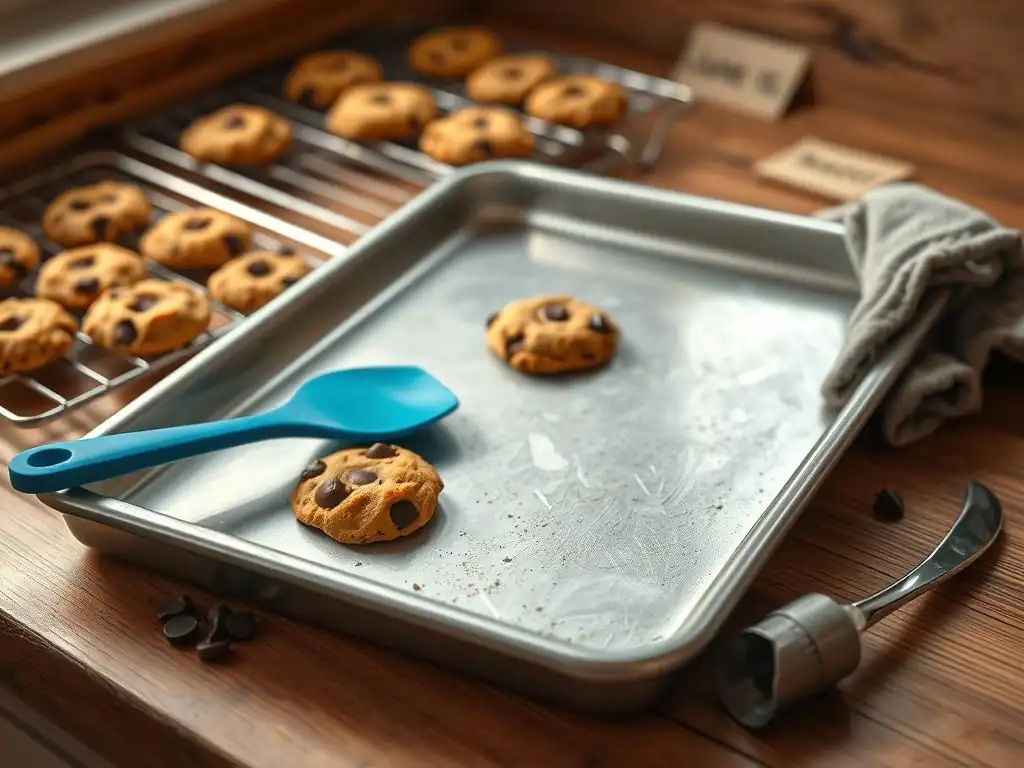
Proper cleaning extends the life of your baking sheets and ensures they perform optimally batch after batch. For aluminum sheets, hand washing with warm, soapy water and a non-abrasive sponge is best. Avoid harsh detergents, steel wool, or putting them in the dishwasher, as this can cause discoloration, pitting, and damage to the surface. For stubborn baked-on bits, soaking the pan for a bit can help.
Stainless steel sheets are generally more forgiving and can often go in the dishwasher, though hand washing is still recommended for best results and longevity. For non-stick sheets, always hand wash with a soft sponge to protect the coating. Avoid metal utensils or abrasive cleaners. For silicone mats, a simple wash with soap and water usually suffices; they can sometimes have a slightly greasy feel even when clean, which is normal.
Storing Your Baking Sheets Properly
Storing baking sheets correctly prevents scratches, warping, and keeps them easily accessible. Avoid stacking them directly on top of each other without protection, as this can scratch surfaces, especially non-stick coatings. Vertical storage racks or dividers are an excellent solution, keeping sheets separated and preventing damage.
If you must stack, place a layer of parchment paper, a thin cloth, or a silicone mat between each sheet to protect the surfaces. Storing them in a dry place is also important to prevent any potential rust (though less common with aluminum or stainless steel) or degradation of non-stick coatings. Proper storage ensures your best baking sheets for beginners stay in great condition.
Recognizing When It's Time to Replace Your Baking Sheet
Even with the best care, baking sheets don't last forever. Signs it's time for a replacement include significant warping that doesn't flatten out during baking, deep scratches or pitting on the surface (especially on aluminum), or a non-stick coating that is peeling, flaking, or no longer effective. A sheet with permanent, dark stains or residue that cannot be cleaned might also be past its prime, as this residue can affect heat distribution and cause burning.
For silicone mats, replacement is needed if the fiberglass mesh is visible or damaged, if the mat has cuts or tears, or if it develops a persistent, unpleasant odor even after cleaning. Using damaged bakeware can impact the quality of your cookies and potentially pose a safety risk. While quality sheets last years, being aware of these signs ensures you're always baking on a reliable surface.
Unevenly baked cookies, where some are done while others are still pale, are a common issue often related to the baking sheet or oven. A primary cause is a thin or warped baking sheet that distributes heat poorly, creating hot spots. Another factor is overcrowding the sheet, which restricts air circulation. Using a dark-colored sheet with a recipe designed for light sheets can also contribute.
To solve this, ensure you're using a good quality, heavy-gauge, light-colored baking sheet. Do not overcrowd the pan; leave adequate space (typically 1-2 inches) between cookies. If your oven has uneven heating, rotating the baking sheet halfway through the baking time can help. Using a silicone baking mat on top of your sheet also promotes more even heat transfer to the cookie bottoms.
Cookies sticking to the baking sheet is frustrating and can ruin their appearance. This usually happens when the pan isn't properly prepared or the wrong type of sheet is used. A sheet that is worn, scratched, or has a damaged non-stick coating is also prone to sticking. Overbaking can also cause sugars to caramelize and adhere firmly to the pan.
To prevent sticking, always bake on a clean surface. Use parchment paper or a silicone baking mat – these are the most effective methods for guaranteed non-stick results, especially for beginners. If not using a liner, grease the pan lightly with butter or a baking spray, but be aware that too much grease can cause excessive spreading. Ensure the cookies are fully cooled on the pan for a few minutes (as per recipe instructions) before attempting to move them to a cooling rack.
Burnt bottoms are a classic sign that the heat underneath the cookie is too intense or the baking time is too long. This is frequently caused by using a dark-colored baking sheet, which absorbs more radiant heat, or a very thin sheet that transfers heat too quickly and unevenly. Placing the baking sheet on the very bottom rack of the oven can also lead to burnt bottoms due to proximity to the heating element.
To avoid burnt bottoms, use light-colored, heavy-gauge aluminum baking sheets. These reflect heat better. Baking on parchment paper or a silicone mat provides a layer of insulation, significantly reducing the risk of burnt bottoms. Ensure your oven temperature is accurate (an oven thermometer is helpful!). Position your baking sheet on the middle rack of the oven for the most even heat distribution from both top and bottom. If using a dark sheet, consider lowering the oven temperature by 25°F.
Preheating Your Baking Sheet: Does It Really Make a Difference?
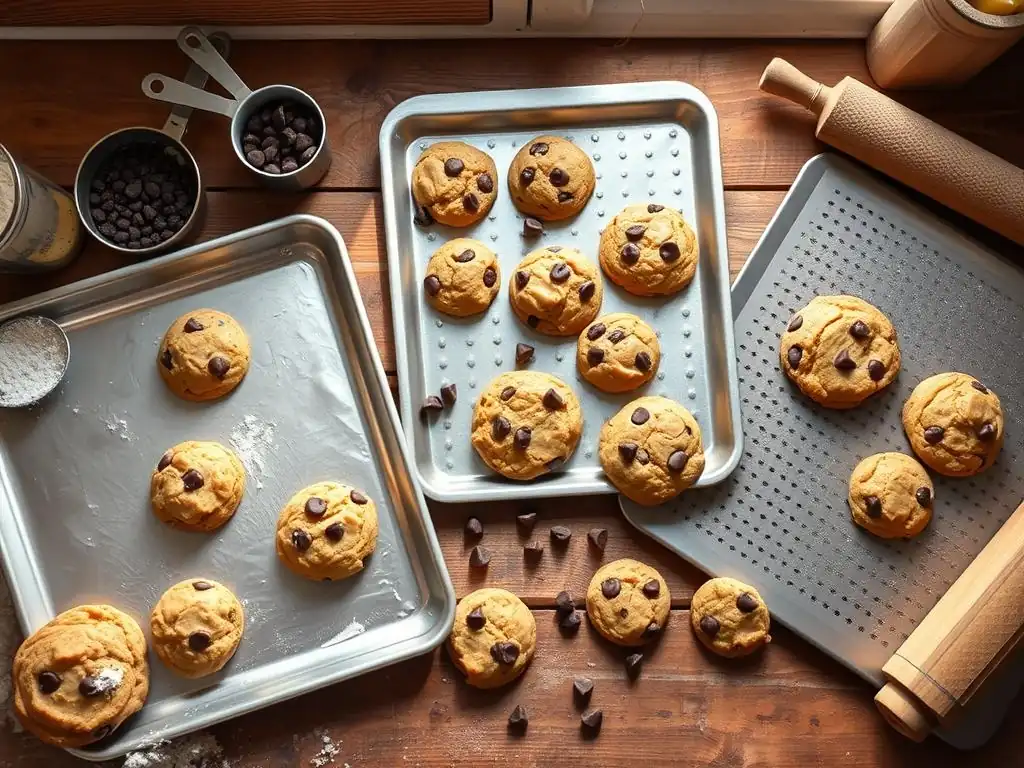
For most cookie recipes, preheating the baking sheet is generally not recommended. Placing cold cookie dough onto a hot sheet can cause the edges to melt and set too quickly, leading to excessive spreading and thinner cookies. The exception might be specific recipes that call for a hot surface, but for standard drop cookies, a room-temperature or cool baking sheet is preferred.
It's important, however, that the baking sheet is at a consistent temperature for each batch. If you are baking multiple batches, allow the sheet to cool completely between uses. Placing warm dough on a warm sheet from the previous batch can also lead to unpredictable spreading and baking results. Having two or more sheets allows you to load the next batch while the first one bakes and cools.
Lining Your Baking Sheet: Parchment Paper vs. Silicone Mats
Lining your baking sheet is one of the best baking sheets for beginners techniques for ensuring non-stick results and promoting even baking. The two most popular options are parchment paper and silicone baking mats. Parchment paper is single-use and can be trimmed to fit any pan size. It provides a non-stick surface and helps prevent bottoms from burning slightly.
Silicone baking mats are reusable and offer superior non-stick properties and excellent heat distribution, often leading to more evenly baked cookies with perfectly set bottoms. While a higher initial investment, they save money over time compared to buying rolls of parchment paper. For consistent results and ease of use batch after batch, a silicone mat is often the preferred choice once you have a good aluminum sheet.
Rotating Your Baking Sheet for Even Baking
Even if you have the best baking sheets for beginners and a perfectly calibrated oven, slight variations in heat distribution can occur. Rotating your baking sheet halfway through the baking time (e.g., if a recipe calls for 10-12 minutes, rotate at 5 or 6 minutes) helps ensure that all cookies on the sheet receive similar exposure to the oven's heat.
This simple step involves carefully turning the pan 180 degrees. It helps compensate for hotter or cooler spots in your oven, leading to more uniform browning and doneness across the entire batch. This technique is particularly useful if you notice that cookies on one side of the pan are consistently browning faster than those on the other.
Recap: Choosing the Best Baking Sheets for Beginners on BakeWithEase
Selecting the right baking sheet is a foundational step towards mastering beginner cookie recipes. We've explored how materials like aluminum, stainless steel, and non-stick surfaces impact baking, with light-colored aluminum often being the top recommendation for its even heating and affordability. Considering features like size, rims, and thickness (gauge) helps ensure the sheet fits your needs and promotes consistent results.
Remember that using parchment paper or a silicone baking mat is a game-changer for beginners, providing essential non-stick properties and contributing to even baking. Proper care, including gentle cleaning and smart storage, will keep your best baking sheets for beginners performing well for years. By understanding these basics, you're well on your way to baking delicious, beautiful cookies every time.
Ready to bake? Now that you're equipped with knowledge about baking sheets, explore our collection of beginner-friendly cookie recipes on BakeWithEase. We have step-by-step guides for classics like easy sugar cookies, simple peanut butter cookies, and no-chill chocolate chip cookies, all designed with beginners in mind.
- Check out our guide on understanding different types of cookie dough.
- Learn about common cookie mistakes and how to fix them.
- Discover tips for cooling and storing your freshly baked cookies.
Keep practicing, keep experimenting, and most importantly, keep having fun in the kitchen! With the right tools and our easy-to-follow guides, cookie baking bliss is well within your reach.
Frequently Asked Questions
For beginners, light-colored aluminum baking sheets are often recommended because they heat evenly and help prevent cookies from burning. Avoid dark-colored sheets initially, as they can lead to over-browning.
What size baking sheet is most versatile for a beginner baker?
A standard half-sheet pan, measuring approximately 18x13 inches, is the most versatile size. It's large enough to bake a decent batch of cookies but not too large to handle easily in most ovens.
How important is the material of the baking sheet when starting out?
The material is very important. Aluminum is generally preferred due to its even heating properties and affordability. Avoid thin, flimsy sheets that can warp at high temperatures.
How do I properly clean and maintain my baking sheets to make them last longer?
Clean baking sheets with warm, soapy water after each use. Avoid abrasive scrubbers that can damage the surface. You can also use parchment paper to prevent sticking and minimize cleaning.
Look for a sheet with a flat, even surface and a gauge that feels sturdy. Avoid sheets with noticeable dents or warping, as these can cause uneven heat distribution and inconsistent baking.
Choosing the right baking sheet isn't just about getting perfectly golden-brown cookies; it's about unlocking the potential for baking joy. The seemingly simple act of selecting a baking sheet profoundly impacts the final product, from crisp edges to evenly baked centers. This article highlighted the key differences between materials and sizes, ultimately empowering beginner bakers to make informed decisions and avoid common pitfalls.
The journey from lumpy dough to perfectly formed cookies is a testament to the power of preparation and understanding the tools of the trade. Baking, for many, is more than just a culinary pursuit; it's a form of self-expression, a way to connect with loved ones, and a source of immense satisfaction. As we've explored the nuances of baking sheet selection, it's clear that even the smallest details can significantly impact the final result. The best things in life are homemade,
a sentiment that resonates deeply with the joy of baking. This simple act, enhanced by the right tools, can bring immense pleasure and a sense of accomplishment.
Now, consider your own baking journey. What tools have you relied on? What challenges have you faced? I encourage you to take this knowledge and apply it to your next baking adventure. Don't be afraid to experiment with different baking sheets, to learn from your mistakes, and to savor the sweet rewards of your efforts. The perfect cookie awaits – all you need is the right sheet and a dash of confidence.
Thanks for taking the time to learn about choosing the right baking sheet – we hope you now feel more confident in creating delicious, evenly baked cookies! Ready to put your new knowledge into practice?
- Bake your dream cookies: Grab your newly chosen baking sheet and try out your favorite cookie recipe (or one of the many delicious recipes we have on BakeWithEase.com - ahem!). Remember the tips we shared, and pay attention to the results!
- Share your baking triumph: Post a picture of your perfectly baked cookies on social media and tag us @BakeWithEase! Let's inspire other beginner bakers.
- Dive deeper into baking science: Explore our other articles on BakeWithEase.com for more tips and tricks to elevate your baking game. Find out how to achieve that perfect golden brown, every single time.
What's the first cookie recipe you'll be perfecting with your new baking sheet knowledge? Let us know in the comments below!