
How to Bake a Perfect Southern Skillet Cornbread (No Sugar Added!)

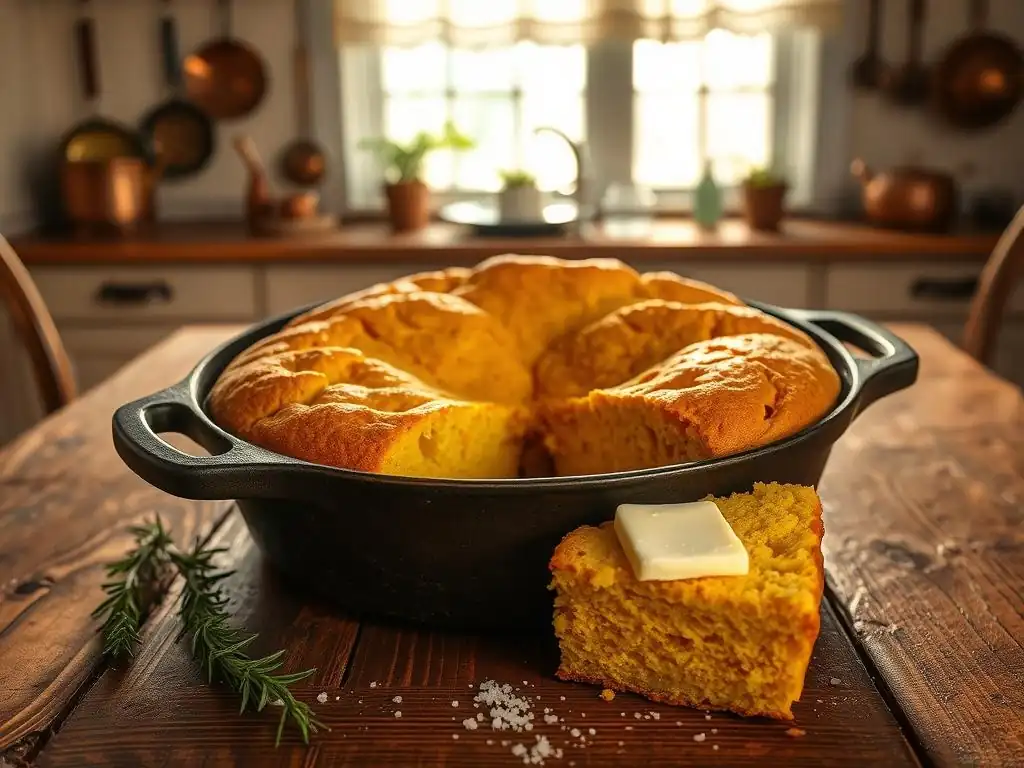
Welcome to BakeWithEase, your kitchen companion for all things baking! Ever dreamed of achieving that golden-brown, perfectly crumbly cornbread, bursting with authentic Southern flavor? Southern skillet cornbread is a classic for a reason, but what if we told you it could be incredibly delicious without any added sugar? Intrigued? Let's unlock the secrets to this regional treasure and get baking!
- BakeWithEase Presents: The Ultimate Guide to Southern Skillet Cornbread
- What is Authentic Southern Skillet Cornbread? (And Why No Sugar?)
- Mastering the Art of Sugar-Free Southern Skillet Cornbread
- Step-by-Step: Baking Sugar-Free Southern Skillet Cornbread
- Tips and Tricks for Perfect Southern Cornbread Every Time
- Variations and Add-Ins for Your Sugar-Free Southern Cornbread
- Storing and Reheating Your Homemade Southern Cornbread
- Enjoy Your Delicious Sugar-Free Southern Skillet Cornbread!
-
Frequently Asked Questions
- How does this Southern Skillet Cornbread recipe differ from traditional recipes?
- What type of skillet is best for baking this no sugar cornbread?
- Can I substitute any ingredients in this Southern Skillet Cornbread no sugar recipe?
- What are some serving suggestions for this sugar-free cornbread?
- How can I ensure my Southern Skillet Cornbread no sugar is not dry?
- Final Reflection: The Enduring Legacy of Simple Southern Baking
- Unleash Your Inner Baker: Perfect Cornbread Awaits!
BakeWithEase Presents: The Ultimate Guide to Southern Skillet Cornbread
Welcome to BakeWithEase! Today, we're diving into the heart of American regional baking with a true classic: Southern Skillet Cornbread, baked the traditional way – absolutely no sugar added. This isn't the sweet, cake-like cornbread you might find in some parts of the country; this is the savory, crumbly, crispy-crusted version that has graced Southern tables for generations. Mastering a perfect Southern skillet cornbread no sugar added is a rewarding experience, yielding a versatile bread perfect for pairing with hearty stews, greens, or simply a generous slather of butter.
Our goal is to guide you through the process, ensuring your first (or next) attempt at authentic Southern skillet cornbread no sugar is a resounding success. We'll cover the history, the essential ingredients, the crucial equipment, and a step-by-step baking process designed for perfection. Get ready to bake a piece of Southern culinary history right in your own kitchen!
What is Authentic Southern Skillet Cornbread? (And Why No Sugar?)
Authentic Southern skillet cornbread is distinct from its Northern counterpart primarily by its lack of sugar and its texture. It's typically made with stone-ground cornmeal, buttermilk, eggs, leavening, and fat, and crucially, baked in a preheated cast iron skillet. This method results in a beautifully golden, crisp exterior crust and a moist, slightly crumbly interior.
The flavor is distinctly corn-forward and savory, a perfect foil for rich, slow-cooked dishes. The debate over sugar in cornbread is a passionate one, but for traditionalists, adding sugar is simply not part of the recipe – hence the emphasis on Southern skillet cornbread no sugar.
The texture is paramount. The coarse grind of stone-ground cornmeal provides a satisfying structure and depth of flavor that finer, degerminated cornmeal often lacks. When combined with the tang of buttermilk and the high heat of a cast iron skillet, the result is a bread that is rustic, comforting, and deeply flavorful without needing any sweetness to balance it. It's a staple of Southern cuisine for good reason, offering a simple yet profound taste experience.
The History of Southern Cornbread: A Regional Baking Tradition
Cornbread, in various forms, has been a staple in North America for centuries, long before European settlers arrived. Native American tribes utilized corn (maize) extensively, grinding it into meal for various preparations, including simple baked breads cooked on hot stones or in ashes. This tradition was adopted and adapted by early colonists, particularly in the South where corn thrived and wheat was less readily available or more expensive. Cornbread became a fundamental part of the Southern diet due to its accessibility and ease of preparation.
Over time, regional variations developed. In the South, the preference leaned towards a hearty, savory bread made with readily available ingredients like cornmeal, pork fat (like bacon grease or lard), and later, buttermilk. This style of cornbread was often baked in a hot skillet, yielding a desirable crust.
This tradition solidified the identity of Southern cornbread as a simple, non-sweet bread, distinct from the sweeter versions that became popular elsewhere, often using finer cornmeal and added sweeteners like sugar or molasses. The practice of baking Southern skillet cornbread no sugar is deeply rooted in this historical context of utilizing local ingredients for sustenance and flavor.
Why Sugar is a No-Go in Traditional Southern Cornbread Recipes
For many Southerners, the addition of sugar to cornbread fundamentally changes its character, transforming it from a savory side dish meant to complement other foods into something closer to a cake or dessert. Traditional Southern cooking often relies on balancing rich, savory main courses with equally robust, but not sweet, accompaniments. Southern skillet cornbread no sugar fits perfectly into this paradigm, offering a sturdy, slightly crumbly texture and a pure corn flavor that stands up to and complements dishes like collard greens, chili, or barbecue.
Adding sugar alters the texture as well, often resulting in a softer, more tender crumb and a less crispy crust because sugar melts and interferes with the development of a hard, crackly exterior. The desired texture of authentic Southern skillet cornbread is a contrast between the deeply browned, almost fried crust from the hot skillet and the moist, slightly coarse interior. This specific texture and the pure savory flavor are what define traditional Southern cornbread, and adding sugar undermines these key characteristics.
Mastering the Art of Sugar-Free Southern Skillet Cornbread
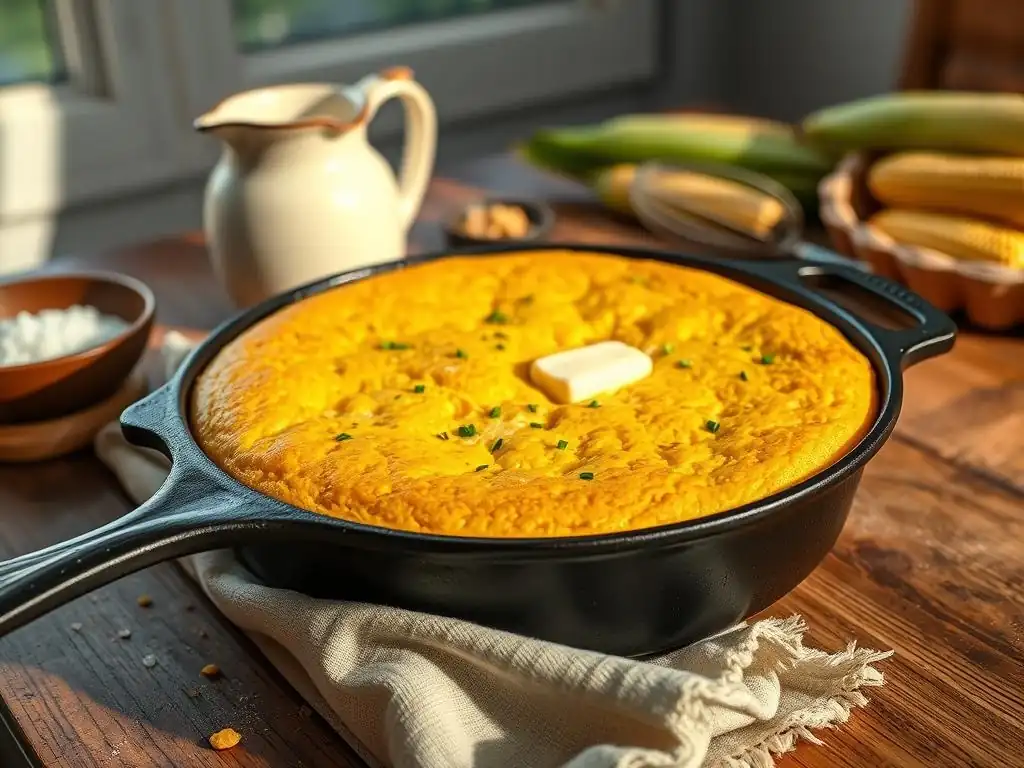
Achieving the perfect sugar-free Southern skillet cornbread requires attention to detail, particularly regarding ingredients and equipment. While the recipe itself is simple, the quality and type of ingredients, combined with the right tools and techniques, make all the difference in developing that signature crispy crust and moist interior. This section will guide you through selecting the best components for your Southern skillet cornbread no sugar adventure.
It's about embracing the simplicity and letting the core ingredients shine. Forget fancy additions (for now!) and focus on the fundamentals. The beauty of a perfect Southern skillet cornbread no sugar lies in its humble origins and the magic that happens when simple ingredients are combined and baked just right in a hot pan.
Key Ingredients for the Best Southern Cornbread
Choosing the right ingredients is non-negotiable when striving for authentic Southern skillet cornbread no sugar. Each component plays a vital role in the final texture and flavor. From the type of cornmeal to the choice of fat, these details contribute significantly to the outcome.
Here are the essential ingredients to gather:
- Stone-ground cornmeal (yellow or white)
- All-purpose flour (optional, for binding)
- Baking soda and/or baking powder (leavening)
- Salt
- Buttermilk
- Eggs
- Rendered fat (bacon grease, lard, or vegetable oil)
Stone-Ground Cornmeal: The Heart of Southern Cornbread
Stone-ground cornmeal is perhaps the most crucial ingredient for authentic Southern skillet cornbread no sugar. Unlike degerminated, roller-milled cornmeal, stone-ground retains the germ and hull of the corn kernel. This results in a coarser texture, a richer, more complex corn flavor, and often, visible flecks of the corn kernel. The coarser texture provides structure and that characteristic crumbly-yet-moist interior that is prized in traditional Southern cornbread.
Using stone-ground cornmeal imparts a depth of flavor that cannot be replicated with finer, more processed versions. It gives the cornbread a rustic quality and ensures the corn flavor is prominent, which is essential when no sugar is added to boost sweetness. Look for brands that specifically label their product as stone-ground cornmeal for the most authentic result.
Buttermilk: Adding Tang and Moisture
Buttermilk is another cornerstone of traditional Southern cornbread recipes. Its acidity reacts with baking soda to provide lift, contributing to the cornbread's rise. More importantly, buttermilk adds a subtle tanginess that complements the savory corn flavor beautifully. It also contributes significant moisture, helping to prevent the cornbread from becoming dry and crumbly, a common pitfall.
The acidity of buttermilk also helps tenderize the crumb slightly, balancing the coarser texture of the stone-ground cornmeal. If you don't have access to real buttermilk, you can approximate it by adding a tablespoon of white vinegar or lemon juice to a cup of regular milk and letting it sit for 5-10 minutes until it curdles slightly, but true cultured buttermilk yields the best flavor and texture for Southern skillet cornbread no sugar.
Rendered Fat: The Secret to a Crispy Crust
Using rendered fat, such as bacon grease or lard, is a classic Southern technique for achieving an incredibly crispy, flavorful crust on your cornbread. A generous amount of fat is heated in the cast iron skillet before the batter is added. As the batter hits the hot fat and the hot skillet, it immediately begins to cook, creating a fried-like exterior that is unmatched by using melted butter or oil mixed directly into the batter.
Bacon grease is a popular choice for its savory flavor, which enhances the overall taste of the Southern skillet cornbread no sugar. Lard also works wonderfully, providing a neutral flavor and excellent crisping properties. Vegetable oil can be used if preferred, but rendered animal fats are traditionally favored for their flavor contribution and superior crust development. Approximately 2-3 tablespoons of fat are typically used to coat the bottom and sides of a 9 or 10-inch cast iron skillet.
Essential Equipment for Baking Southern Skillet Cornbread
Having the right tools makes baking Southern skillet cornbread no sugar much easier and helps ensure success. While you don't need a kitchen full of gadgets, a few key pieces of equipment are essential for achieving that signature crispy crust and even bake.
Here are the must-have items:
- Cast iron skillet (9 or 10-inch)
- Mixing bowls (medium and large)
- Whisk
- Measuring cups and spoons
The Cast Iron Skillet: Your Best Friend for Cornbread
The cast iron skillet is non-negotiable for truly authentic Southern skillet cornbread. Its ability to retain and evenly distribute heat is unparalleled, making it ideal for creating that perfect, deeply browned, crispy crust. The skillet is preheated in a hot oven with fat before the batter is added, ensuring the bottom and sides of the cornbread start cooking and crisping the moment they touch the pan.
A well-seasoned 9 or 10-inch cast iron skillet is the standard size for most recipes, yielding a cornbread about 1.5 to 2 inches thick. The thermal mass of the cast iron ensures consistent cooking throughout the baking process. While other pans can bake cornbread, none can replicate the unique crust achieved by baking in a hot cast iron skillet, making it essential for traditional Southern skillet cornbread no sugar.
Measuring Cups and Spoons: Precision is Key
While traditional Southern cooks might have measured by feel, for consistent results, using standard measuring cups and spoons is important. Baking is a science, and even though this recipe is simple, accurate measurements of ingredients like cornmeal, flour (if using), leavening agents, and salt are crucial for the proper texture and rise.
Using dry measuring cups for the cornmeal and flour, liquid measuring cups for the buttermilk, and measuring spoons for salt, baking soda, and baking powder will help ensure your batter has the correct ratio of wet to dry ingredients and the right amount of leavening. Precision in measurement contributes significantly to preventing issues like dry or overly crumbly cornbread, helping you achieve the desired outcome for your Southern skillet cornbread no sugar.
Step-by-Step: Baking Sugar-Free Southern Skillet Cornbread
Now that you have your ingredients and equipment ready, let's walk through the simple steps to bake a perfect Southern skillet cornbread no sugar. This process is straightforward but requires attention to timing and temperature, particularly when handling the hot cast iron skillet. Follow these steps closely for the best results.
Remember, the key is the hot skillet and hot fat. This is what creates the signature crispy crust that defines authentic Southern cornbread. Don't skip the preheating step!
Step 1: Preparing the Cast Iron Skillet
Begin by placing your 9 or 10-inch cast iron skillet in the oven. Preheat the oven to a high temperature, typically between 400°F and 450°F (200°C to 230°C). Allowing the skillet to heat up in the oven for at least 15-20 minutes while the oven preheats is crucial. This ensures the skillet is uniformly hot and ready to create that instant crust when the batter is added.
While the skillet and oven are heating, measure your rendered fat (bacon grease, lard, or oil), approximately 2-3 tablespoons. Once the oven is fully preheated and the skillet has been heating for the recommended time, carefully remove the hot skillet from the oven using oven mitts. Add the measured fat to the hot skillet and swirl it around to coat the bottom and about an inch up the sides.
The fat should melt quickly and might even shimmer slightly. Carefully return the skillet with the melted fat to the hot oven while you prepare the batter. This keeps the fat hot and ready.
Step 2: Mixing the Cornbread Batter
While the skillet heats, prepare your batter. In a large mixing bowl, whisk together your dry ingredients: 1.5 cups stone-ground cornmeal, 0.5 cups all-purpose flour (if using, omit for a more traditional, crumblier texture), 1 teaspoon baking soda, 1 teaspoon salt, and 0.5 teaspoon baking powder (if using baking soda only, omit baking powder). Whisk these together to ensure the leavening and salt are evenly distributed.
In a separate medium bowl, whisk together your wet ingredients: 1.5 cups buttermilk and 2 large eggs. Whisk until well combined. Pour the wet ingredients into the bowl with the dry ingredients. Stir with a spoon or spatula just until the ingredients are combined and no dry streaks remain. Do not overmix; a few small lumps are fine. Overmixing can develop the gluten in the flour (if used), resulting in tougher cornbread. The batter should be relatively thick but pourable.
Step 3: Heating the Skillet and Adding the Fat
(Note: This step is essentially covered in Step 1, but the structure requires a separate step. We will reiterate and refine the process here).
As the oven reaches its target temperature (400°F-450°F) and the cast iron skillet has been inside for at least 15-20 minutes, it will be extremely hot. This preheating step is absolutely vital for achieving the crispy crust desired in traditional Southern skillet cornbread no sugar. Ensure you are using heavy-duty oven mitts when handling the hot skillet.
Carefully remove the screaming hot skillet from the oven. Add 2-3 tablespoons of your chosen rendered fat (bacon grease, lard, or oil) to the skillet. The fat should sizzle and immediately coat the bottom and lower sides of the pan. Swirl the fat around to ensure even coverage. This hot fat acts almost like a shallow fry for the cornbread batter as it's poured in, guaranteeing a golden, crunchy exterior. Quickly move to the next step before the skillet cools down significantly.
Step 4: Pouring the Batter and Baking to Golden Perfection
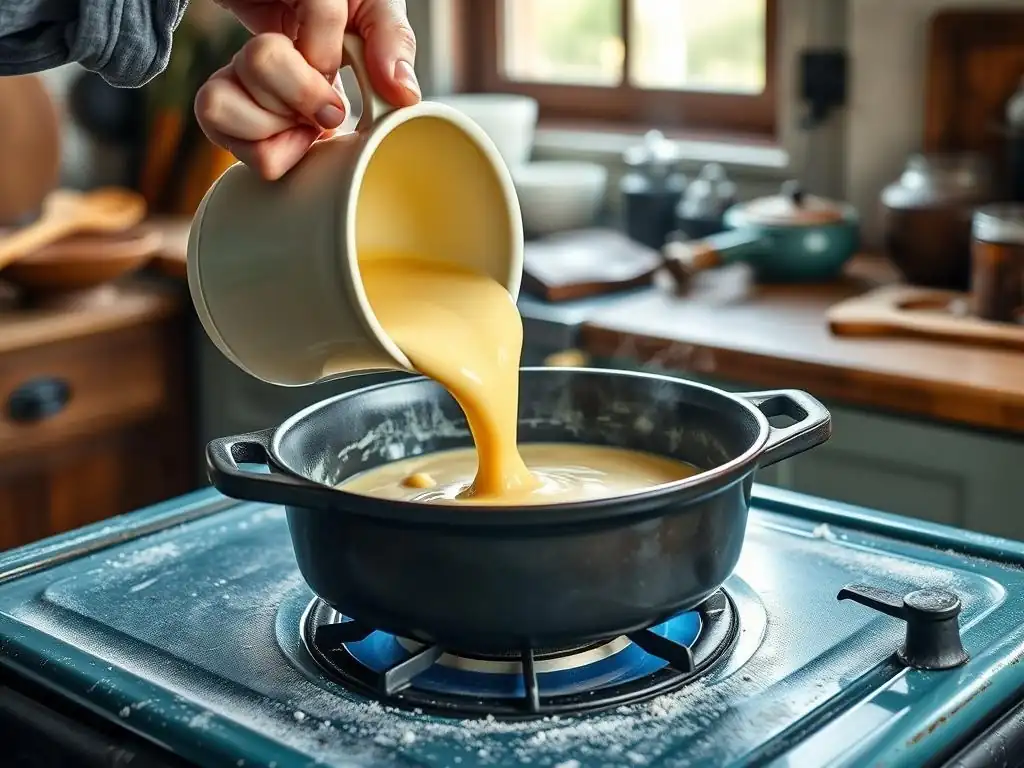
With the hot, greased skillet ready, carefully pour the prepared cornbread batter directly into the center of the skillet. The batter should spread out relatively evenly, and you might hear a satisfying sizzle as it hits the hot fat. If necessary, gently tilt the skillet or spread the batter slightly with a spatula to ensure it's even, but avoid overworking it.
Immediately return the skillet to the hot oven. Bake for approximately 20-25 minutes, or until the top is golden brown and a wooden skewer or toothpick inserted into the center comes out clean. The edges should appear deeply browned and crispy. Baking time can vary slightly depending on your oven and the exact temperature, so keep an eye on it after the 20-minute mark. The high heat ensures a rapid rise and quick crust formation.
Step 5: Cooling and Serving Your Southern Skillet Cornbread
Once your Southern skillet cornbread no sugar is baked to a beautiful golden brown with crispy edges, carefully remove the skillet from the oven using oven mitts. Let the cornbread rest in the skillet for just a few minutes (about 5-10 minutes). This allows it to set slightly before attempting to remove it.
After the short resting period, you can either slice the cornbread directly in the skillet or carefully invert it onto a wire rack or plate to cool slightly further before slicing. Serving it warm is highly recommended! Enjoy your delicious, savory Southern skillet cornbread no sugar with a generous pat of butter, or as an accompaniment to your favorite Southern dishes.
Tips and Tricks for Perfect Southern Cornbread Every Time
Baking Southern skillet cornbread no sugar is relatively simple, but a few key techniques and troubleshooting tips can elevate your results from good to truly exceptional. Paying attention to details like oven temperature, ingredient ratios, and mixing technique will help you achieve that coveted crispy crust and moist interior consistently.
Don't be discouraged if your first attempt isn't absolutely perfect. Like any baking skill, practice makes perfect! These tips are here to help you refine your technique.
Achieving the Perfect Crust: Temperature and Timing
The secret to the signature crispy crust of Southern skillet cornbread no sugar lies in the high heat and the hot fat in the cast iron skillet. Preheating your oven to a high temperature, ideally between 400°F and 450°F (200°C to 230°C), is crucial. Simultaneously, heating the cast iron skillet in the oven for at least 15-20 minutes ensures the pan itself is screaming hot.
Adding the rendered fat to the hot skillet just before pouring in the batter creates a layer of hot oil that essentially fries the bottom and sides of the cornbread upon contact. Baking at this high temperature for the recommended 20-25 minutes allows the exterior to brown and crisp quickly while the interior cooks through. If your crust isn't as crispy as you'd like, ensure your oven is calibrated correctly and that you are giving the skillet ample time to heat up properly.
Troubleshooting Common Cornbread Problems
Even with the best instructions, sometimes things go awry. Here are solutions to common issues encountered when baking Southern skillet cornbread no sugar:
Dry Cornbread: Hydration Solutions
If your cornbread turns out dry, it could be due to several factors: too much dry ingredient (especially if using flour), not enough liquid (buttermilk and eggs), or overbaking. Ensure you are accurately measuring your ingredients using the correct type of measuring cups (dry vs. liquid).
- Check your measurements: Double-check the ratios of cornmeal/flour to buttermilk/eggs. A typical ratio might be around 1.5 cups cornmeal to 1.5 cups buttermilk, plus eggs.
- Don't overbake: Start checking for doneness around the 20-minute mark. A toothpick should come out clean, but the top shouldn't look bone dry. The residual heat in the skillet will continue cooking it slightly as it rests.
- Consider less flour: If you used flour and your cornbread is dry, try reducing the amount of flour or omitting it entirely for a more traditional, albeit slightly more crumbly, result which can paradoxically feel moister if not overbaked.
Crumbly Cornbread: Binding Agents
While Southern skillet cornbread is naturally more crumbly than sweeter, cake-like versions, excessive crumbling can be frustrating. This is often related to the type of cornmeal used and the ratio of wet to dry ingredients.
- Stone-ground vs. Fine: Stone-ground cornmeal will always produce a more crumbly texture than fine or medium-grind degerminated cornmeal. Embrace the crumbly nature as part of its authenticity!
- Add some flour: If you prefer a less crumbly texture while still making Southern skillet cornbread no sugar, the addition of 0.25 to 0.5 cups of all-purpose flour helps provide some gluten structure, binding the cornbread together more effectively.
- Correct wet-to-dry ratio: Ensure you have enough buttermilk and eggs. These wet ingredients help bind the dry ingredients together. Using the recommended 1.5 cups buttermilk and 2 eggs for approximately 1.5-2 cups total dry ingredients usually provides good binding.
Uneven Baking: Skillet Placement and Oven Temperature
Uneven baking can lead to parts of the cornbread being overcooked and dry while others are undercooked. This is usually related to the oven's hot spots or the skillet's placement.
- Know your oven: If your oven has known hot spots, try rotating the skillet halfway through the baking time (around 10-12 minutes in).
- Center rack: Always bake the cornbread on the center rack of the oven for the most even heat distribution.
- Calibrate oven temperature: Ovens can be off by as much as 25-50°F (15-30°C). Using an oven thermometer can help you verify your oven's true temperature and adjust accordingly. Baking Southern skillet cornbread no sugar at the correct high temperature is key for even cooking and crust development.
Variations and Add-Ins for Your Sugar-Free Southern Cornbread
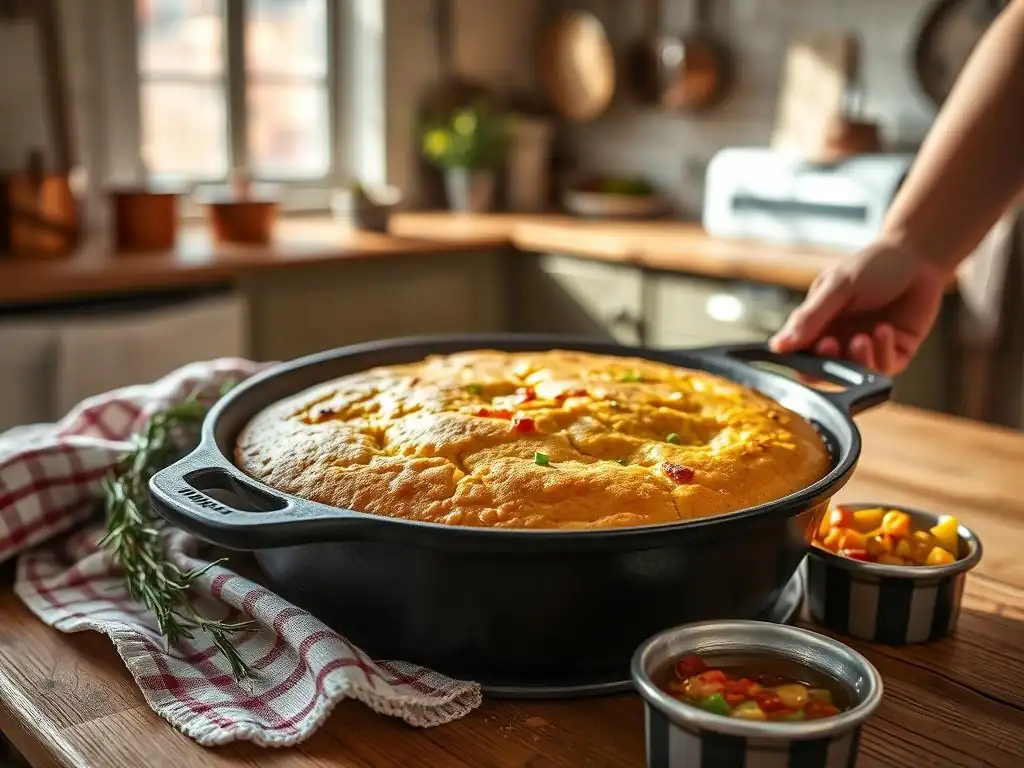
While traditional Southern skillet cornbread no sugar is perfect on its own, you can certainly introduce savory add-ins to enhance the flavor without adding sweetness. These variations keep the spirit of the savory, non-sweet cornbread while adding exciting new dimensions.
Experimenting with savory ingredients allows you to customize your Southern skillet cornbread no sugar to pair with specific meals or simply to enjoy new flavor combinations.
Adding Flavor Without Sugar: Savory Cornbread Ideas
Incorporating savory ingredients is a fantastic way to add flavor and interest to your Southern skillet cornbread no sugar. These additions are typically mixed into the batter just before pouring it into the hot skillet.
Here are a couple of popular savory variations:
Jalapeño and Cheese Cornbread
Adding finely diced jalapeños and shredded cheese is a very popular variation that complements the savory nature of Southern skillet cornbread no sugar beautifully. The heat from the jalapeños and the richness of the cheese create a delightful combination.
- Ingredients: Add about 1/4 to 1/2 cup finely diced fresh or pickled jalapeños (adjust to your heat preference) and 1/2 to 1 cup shredded sharp cheddar or Monterey Jack cheese to the batter in Step 2 after the wet and dry ingredients are just combined.
- Method: Gently fold the jalapeños and cheese into the batter until evenly distributed. Proceed with pouring the batter into the hot skillet and baking as directed. The cheese will melt and create pockets of gooey goodness within the savory cornbread.
Bacon and Scallion Cornbread
Few things enhance savory baking quite like bacon. Incorporating crumbled cooked bacon and fresh scallions adds a smoky, salty, and fresh element to your Southern skillet cornbread no sugar.
- Ingredients: Cook 4-6 strips of bacon until crispy. Reserve the rendered bacon grease for Step 1 & 3. Crumble the cooked bacon once cooled. Finely chop 2-3 scallions (green onions). Add the crumbled bacon and chopped scallions to the batter in Step 2.
- Method: Gently fold the bacon and scallions into the batter. Pour into the hot, bacon-greased skillet and bake. The bacon adds a depth of flavor, and the scallions provide a subtle oniony bite that works wonderfully with the corn flavor.
Serving Suggestions and Pairings for Authentic Southern Cornbread
Southern skillet cornbread no sugar is incredibly versatile and serves as an excellent accompaniment to a wide range of dishes. Its savory profile makes it perfect for pairing with hearty, often moist, meals that benefit from a bread that can soak up juices and provide textural contrast.
Classic pairings include:
- Chili or other hearty stews
- Collard greens, turnip greens, or other braised greens (often served with the pot liquor)
- Beans (like pinto beans or butter beans)
- Pulled pork or barbecue
- Fried chicken
- A simple pat of butter (optional, for those not strictly avoiding all added fats/sweeteners)
Serving it warm is always best. The crispy crust is at its peak texture right out of the oven.
Storing and Reheating Your Homemade Southern Cornbread
If you happen to have any leftovers of your delicious Southern skillet cornbread no sugar (a rare occurrence! ), proper storage will help maintain its quality, and reheating it correctly will revive its texture.
While it's best enjoyed fresh, it can be stored for a few days.
Keeping Your Cornbread Fresh
Once completely cooled, store leftover Southern skillet cornbread no sugar at room temperature for 1-2 days, wrapped tightly in plastic wrap or aluminum foil, or placed in an airtight container. This helps prevent it from drying out.
For longer storage, you can refrigerate it for up to a week. However, refrigeration can sometimes affect the texture, making it a bit firmer. For even longer storage, cornbread can be frozen. Wrap individual slices or the entire cooled loaf tightly in plastic wrap, then in aluminum foil, and place in a freezer-safe bag. It can be frozen for up to 2-3 months. Thaw in the refrigerator or at room temperature before reheating.
Reheating Methods for Optimal Texture
To best preserve the crispy crust when reheating your Southern skillet cornbread no sugar, avoid the microwave if possible, as it tends to make the crust soft and the interior rubbery.
- Oven: The best method is to reheat slices or the entire loaf in a preheated oven at around 350°F (175°C) for 10-15 minutes, or until heated through. This helps crisp up the exterior again.
- Skillet: For individual slices, reheating them in a lightly greased skillet over medium heat on the stovetop is also effective at restoring some crispiness to the bottom and sides.
- Toaster Oven: A toaster oven works well for reheating individual slices, offering similar results to a full-sized oven.
Reheating helps bring back some of that wonderful texture lost during storage, allowing you to enjoy your Southern skillet cornbread no sugar leftovers almost as much as the first slice!
Enjoy Your Delicious Sugar-Free Southern Skillet Cornbread!
Frequently Asked Questions
How does this Southern Skillet Cornbread recipe differ from traditional recipes?
This recipe distinguishes itself by explicitly omitting sugar, unlike many traditional Southern cornbread recipes that include it. This results in a more savory and less sweet final product.
What type of skillet is best for baking this no sugar cornbread?
A well-seasoned cast iron skillet is highly recommended. It ensures even heat distribution and a crispy crust, which are essential characteristics of Southern skillet cornbread.
Can I substitute any ingredients in this Southern Skillet Cornbread no sugar recipe?
While substitutions are possible, they may alter the flavor and texture. For example, different types of flour can affect the crumb, and using milk instead of buttermilk will change the tangy flavor profile.
What are some serving suggestions for this sugar-free cornbread?
This cornbread is delicious on its own, but pairs well with chili, stews, or barbecued meats. It can also be served with butter, honey (if you desire sweetness), or enjoyed as a side dish at any meal.
How can I ensure my Southern Skillet Cornbread no sugar is not dry?
Avoid overbaking and ensure the oven temperature is accurate. Also, using buttermilk adds moisture and richness, helping to prevent dryness in the final product.
Final Reflection: The Enduring Legacy of Simple Southern Baking
The humble skillet cornbread, stripped of its sugary sweetness, reveals a profound truth about Southern cuisine: its strength lies not in excess, but in the honest flavors of its ingredients. This recipe, designed to deliver a perfect, no-sugar-added skillet cornbread, is more than just a collection of instructions; it's a testament to the enduring power of simplicity and tradition. The current interest in healthier baking options makes this recipe particularly relevant, proving that delicious and wholesome can coexist beautifully.
The journey of perfecting this recipe has been a personal exploration of Southern culinary heritage. It's a tradition passed down through generations, a testament to resourcefulness and a deep appreciation for the bounty of the land. The best things in life are simple,
a phrase often heard in Southern kitchens, rings truer than ever when considering this cornbread. Its uncomplicated nature allows the cornmeal's nutty flavor and the subtle tang of buttermilk to shine, creating a taste that's both comforting and deeply satisfying. This recipe isn't just about baking; it's about connecting with a rich cultural history.
Now, I invite you to step into your own kitchen and experience the magic of this recipe. Don't just follow the instructions; feel the warmth of the skillet, smell the intoxicating aroma of baking cornbread, and savor the taste of a tradition reborn. Let this simple recipe be a reminder that sometimes, the most profound flavors are found in the most unassuming of dishes. Embrace the simplicity, share the experience, and discover the enduring joy of Southern baking, reimagined for a modern palate.
Unleash Your Inner Baker: Perfect Cornbread Awaits!
Thanks for taking the time to explore the art of sugar-free Southern skillet cornbread! We hope you've gained some delicious inspiration and newfound confidence in the kitchen. Now it's time to put your skills to the test!
- Bake your own masterpiece: Grab those ingredients and make a batch of this incredible cornbread today! Note down any tweaks you make for future baking adventures.
- Share your success: Post a photo of your creation on social media and tag us – we’d love to see your perfectly golden crust! Use #BakeWithEaseCornbread.
- Challenge a friend: Dare a friend to bake this recipe alongside you for a fun baking competition!
Ready to experience the joy of homemade, healthy cornbread? What unique twist will you add to your very first batch?