
Experiencing Germany Through Its Bakeries: A Sensory Guide

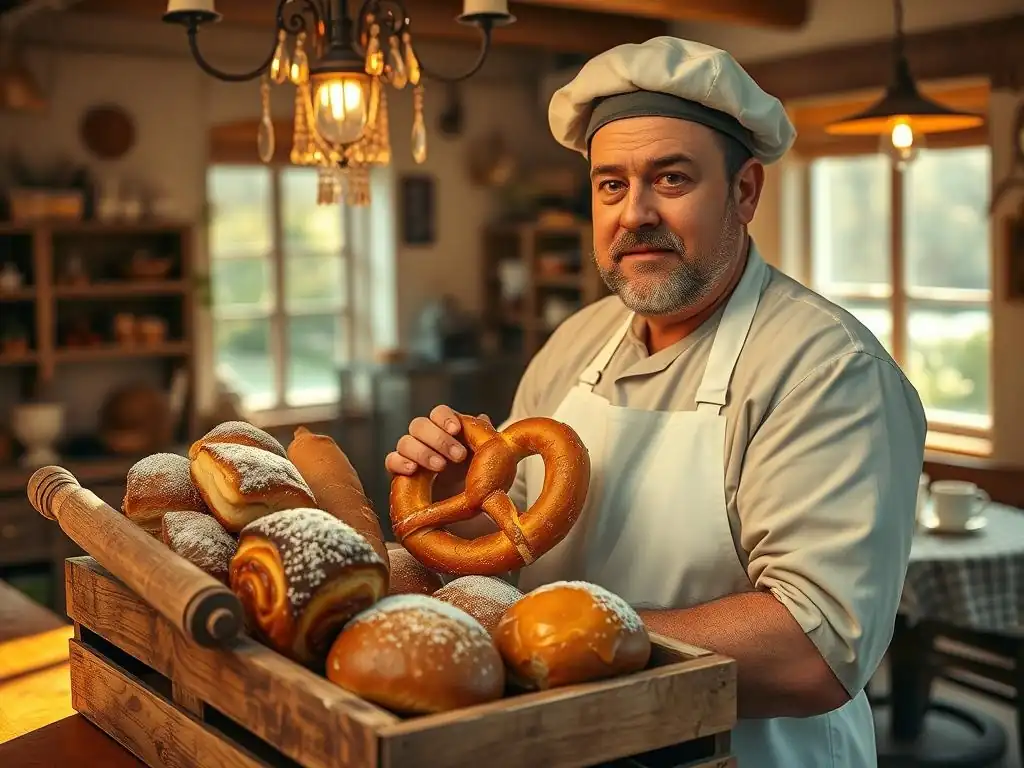
Welcome to BakeWithEase!
Ever dreamt of wandering through a charming German Bäckerei, the aroma of freshly baked bread filling the air? Dive into a world of delightful flavors and time-honored traditions with our guide to German bakery recipes for beginners. Discover the secrets behind iconic treats, learn about the unique ingredients that define German baking, and embark on a sensory journey that will inspire you to create authentic masterpieces in your own kitchen. Ready to explore the delicious world of German baking? Let's get started!
- Unlocking the Flavors of Germany: A Beginner's Guide to German Bakery Recipes
- Essential Tools & Ingredients for German Bakery Recipes at Home
- Beginner-Friendly German Bakery Recipes: A Step-by-Step Guide
- Exploring Regional German Bakery Specialties: A Taste of Germany
- Beyond the Recipe: Elevating Your German Baking Experience
- Tips and Tricks for Perfecting Your German Bakery Creations
-
Frequently Asked Questions
- What types of German bakery recipes are most suitable for beginners?
- Are the ingredients in German bakery recipes readily available outside of Germany?
- What are some common techniques used in German bakery recipes that beginners should learn?
- How can I adapt German bakery recipes to be healthier or accommodate dietary restrictions?
- What are the essential tools and equipment needed to start baking German bakery recipes at home?
- Final Reflection: The Sweet Taste of German Heritage and Baking
- Unleash Your Inner Bäcker: Start Your German Baking Journey!
Unlocking the Flavors of Germany: A Beginner's Guide to German Bakery Recipes
Discovering Authentic German Baking Traditions & Recipes
Germany boasts a baking heritage unlike any other, deeply rooted in centuries of tradition and regional diversity. It's a country where the local Bäckerei (bakery) is an essential part of daily life, a place where people gather not just for sustenance, but for connection and comfort. Exploring German bakery recipes for beginners is an invitation to dive into this rich culture, starting with foundational techniques and ingredients that define the unique character of German baked goods.
From hearty rye breads to delicate pastries, the variety is astounding; it's often cited that Germany has over 300 distinct types of bread and more than 1,200 different types of pastries and cakes. This incredible range means there's a German bakery recipe out there for every taste and skill level, making it an ideal starting point for anyone interested in expanding their baking repertoire.
The authenticity of German baking lies in its commitment to quality, often using natural leavens like sourdough (Sauerteig) and focusing on flours like rye and spelt alongside wheat. This dedication to traditional methods and wholesome ingredients results in baked goods known for their depth of flavor, satisfying textures, and often, impressive longevity.
Learning authentic German bakery recipes for beginners allows you to replicate some of these beloved classics in your own kitchen, experiencing the same sensory pleasures – the earthy aroma of baking rye, the satisfying crackle of a perfectly formed crust, the comforting sweetness of a fruit-filled cake. It's a journey that connects you directly to German history and culinary identity, one delicious loaf or pastry at a time.
Why German Bread Culture Matters: A Baker's Journey
German bread culture is not merely about sustenance; it's a cornerstone of the national identity and a testament to artisanal craftsmanship. The sheer diversity speaks volumes – from the dense, dark Pumpernickel of the North to the lighter, crusty Semmeln of Bavaria. This variety isn't accidental; it reflects regional agricultural practices, historical influences, and a deep respect for the baker's art.
For a beginner exploring German bakery recipes, understanding this context adds a layer of appreciation to the process. You're not just following steps; you're participating in a living tradition that values quality ingredients, patient fermentation, and precise techniques honed over generations. Mastering even simple German bakery recipes for beginners, like a basic Brotchen, connects you to this legacy of skilled baking.
Furthermore, the importance of the Bäckerei in German society highlights bread's role beyond the dinner table. Bakeries often serve as neighborhood hubs, places where people grab a quick breakfast roll ( Brötchen), enjoy a coffee and cake in the afternoon ( Kaffee und Kuchen), or pick up their daily loaf. This communal aspect underscores the cultural significance of baked goods.
Engaging with German bakery recipes for beginners at home is a way to bring a piece of this vibrant culture into your own life, sharing these unique flavors and textures with family and friends. It’s a journey that starts with flour, water, and yeast but quickly expands into an exploration of history, community, and the simple joy of creating something delicious from scratch.
Essential Tools & Ingredients for German Bakery Recipes at Home
The Baker's Starter Kit: Must-Have Equipment for German Baking
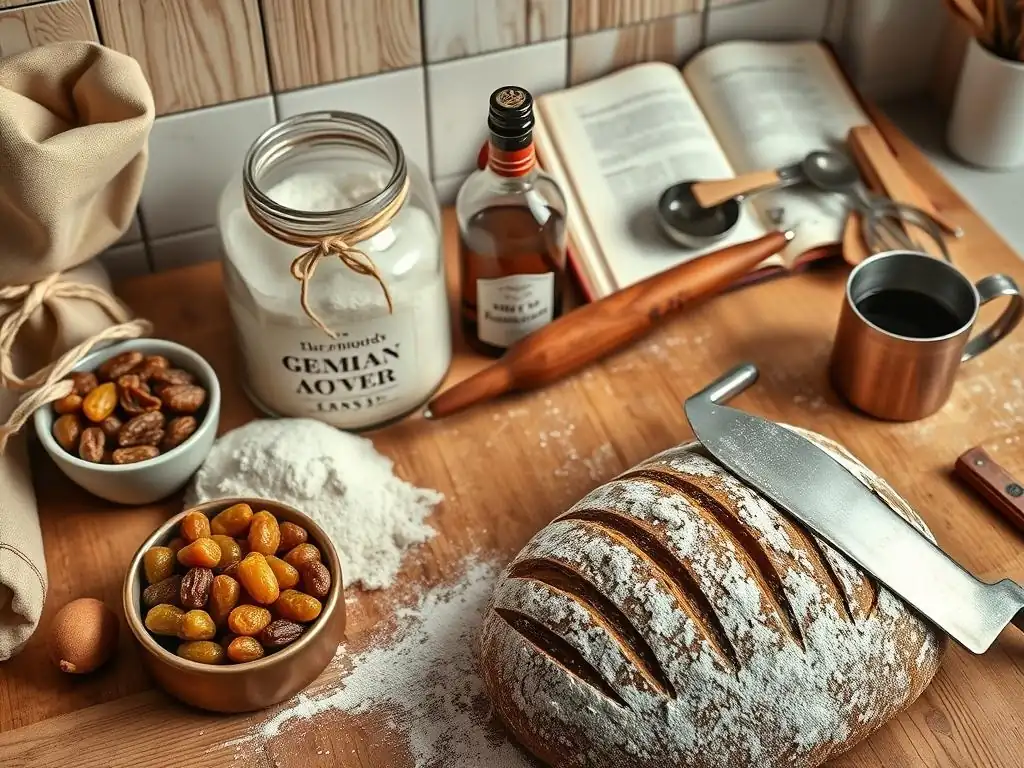
Getting started with German bakery recipes for beginners doesn't require a professional kitchen, but having a few key tools can make a significant difference in your results. Precision is often valued in German baking, particularly when dealing with dough hydration and fermentation times. A reliable digital kitchen scale is paramount for accuracy, as measuring ingredients by weight rather than volume ensures consistency, which is crucial for achieving the desired texture and rise in traditional German breads and rolls.
Many German recipes are formulated using metric weights, so a scale that can switch between grams and ounces is highly beneficial. Investing in a scale that measures accurately to at least the gram will set you up for success from the start.
Beyond precise measurement, the right environment for dough development is key. A sturdy set of high-quality mixing bowls, ideally in various sizes, is essential for everything from mixing doughs to proofing. Look for bowls that are stable and easy to clean.
While a stand mixer can be helpful for kneading, many traditional German doughs, especially those with higher rye content, benefit from or even require hand-kneading, so comfortable and appropriately sized bowls are a must. Finally, to replicate the characteristic thick, crispy crust found on many German breads, a baking stone or a Dutch oven is invaluable.
These tools help maintain a consistent, high temperature and can assist in creating steam, which is critical for crust development. Baking stones are typically preheated in the oven to temperatures around 220-240°C (425-465°F), providing a burst of heat to the bottom of the loaf, while Dutch ovens trap the bread's own steam, creating an ideal environment for the initial bake.
- Recommended Kitchen Scale: Achieving Precision in German Recipes
- High-Quality Mixing Bowl Set: Perfect for Kneading German Doughs
- Baking Stone or Dutch Oven: Replicating Authentic German Bread Crusts
Sourcing Authentic German Baking Ingredients: A Buyer's Guide
The soul of authentic German bakery recipes lies in using the correct ingredients, and sourcing these can sometimes be a unique step for beginners. While many recipes use standard all-purpose or bread flour, many iconic German breads rely heavily on rye flour. German rye flour comes in different grades (Type 815, 997, 1150, 1370, 1740), indicating the mineral content (ash content).
For beginners tackling German bakery recipes, starting with a medium rye flour like Type 1150 or a dark rye flour (which is often labeled as 'dark rye' or 'Pumpernickel' flour in non-German markets) is a good approach for achieving the characteristic flavor and density of breads like Mischbrot (mixed wheat and rye bread) or Roggenbrot (pure rye bread). Check international grocery stores or online specialty retailers if your local supermarket doesn't carry these options.
Another ingredient that frequently appears in authentic German bakery recipes, especially for breads and rolls, is malt extract. Diastatic malt extract, a powdered or liquid sweetener derived from sprouted barley, contains enzymes that help break down starches into sugars, feeding the yeast and contributing to better rise, crust color, and a subtle malty flavor. Non-diastatic malt extract, which has had the enzymes deactivated by heat, primarily serves as a sweetener and coloring agent.
For beginners, a small amount of diastatic malt powder is often recommended to improve dough performance, particularly in recipes requiring a strong rise. Caraway seeds ( Kümmel) are also quintessential for many traditional German breads like Roggenbrot and Mischbrot, providing a distinct, slightly peppery, anise-like flavor. Ensure your spices are fresh for the best aroma.
- German Rye Flour: The Foundation of Dark German Breads
- Malt Extract: Adding Depth of Flavor to German Baking
- Caraway Seeds: Essential for Traditional German Breads
Beginner-Friendly German Bakery Recipes: A Step-by-Step Guide
Recipe 1: Mastering the Classic German Brotchen (Bread Rolls)
Brotchen are the quintessential German breakfast roll, known for their crisp crust and light, airy interior. Mastering this basic German bakery recipe for beginners is a fantastic starting point. The process typically involves mixing flour (often a mix of wheat and a little rye), yeast, water, and salt to form a simple dough.
After kneading until smooth and elastic, the dough is allowed to rise, usually for about 60-90 minutes at room temperature or longer in the refrigerator for a more developed flavor. Once risen, the dough is divided and shaped into small rolls, often weighing around 50-60 grams each. A second, shorter proofing period follows before baking.
Baking Brotchen requires a hot oven, typically preheated to 220-230°C (425-450°F), often with steam introduced at the beginning to help create that signature crisp crust. The rolls are baked for about 15-20 minutes until golden brown and hollow-sounding when tapped on the bottom. Troubleshooting common issues for beginners often involves ensuring the dough is properly kneaded – under-kneaded dough can result in a dense crumb, while over-kneading can make it tough.
Pay attention to hydration; too little water makes the dough stiff and hard to work with, while too much can make it slack. If your rolls aren't getting a good crust, ensure your oven is hot enough and try adding steam by placing a tray of hot water at the bottom of the oven or using a Dutch oven.
- Ingredient Breakdown: Flour, Yeast, Water, Salt
- Step-by-Step Baking Instructions: From Kneading to Baking
- Troubleshooting Tips: Achieving the Perfect Brotchen Texture
Recipe 2: Baking Authentic German Pretzels (Brezeln) at Home
Baking authentic German Pretzels, or Brezeln, is a slightly more adventurous German bakery recipe for beginners, primarily due to the traditional lye bath. This step is what gives pretzels their unique dark, shiny crust and characteristic flavor. The dough itself is relatively simple – flour, water, yeast, malt, and salt. After mixing and kneading, the dough is portioned, rolled into long ropes, and shaped into the iconic pretzel knot. The shaped pretzels are typically chilled briefly to firm them up before the lye bath.
The lye bath is crucial but requires caution. A food-grade sodium hydroxide solution (typically 1-3%) is used. Safety is paramount: wear gloves, eye protection, and work in a well-ventilated area. Always add lye to cold water, never the other way around. Dip each pretzel briefly (30-60 seconds) before placing it on a baking sheet.
For beginners hesitant about using lye, a safer alternative is a baking soda bath. Dissolve baking soda in water and simmer the pretzels in this solution for a minute or two per side before baking. While this won't produce the exact same depth of color or flavor as lye, it provides a good approximation. Bake at a high temperature, around 200-220°C (390-425°F), until deeply browned, typically 12-18 minutes. Serve warm, often sprinkled with coarse salt, and traditionally paired with sweet or spicy German mustard.
- The Lye Bath: Safety Precautions and Alternative Methods
- Shaping Techniques: Creating the Iconic Pretzel Shape
- Serving Suggestions: Pairing Pretzels with German Mustard
Recipe 3: Indulging in German Apple Cake (Apfelkuchen)
Moving from bread to pastry, German Apple Cake ( Apfelkuchen) is a comforting and accessible German bakery recipe for beginners. There are many variations, from yeast-leavened bases to simple shortcrusts or sponge cakes topped with apples. A common and easy version involves a simple dough or batter base, a generous layer of sliced apples, and often a streusel (crumble) topping.
Choosing the right apples is key to a delicious Apfelkuchen; firm, slightly tart varieties like Elstar, Jonagold, or even Granny Smith work well as they hold their shape and provide a nice contrast to the sweetness of the cake and topping. Slice them relatively thinly for even cooking.
The crumble topping ( Streusel) is typically a simple mix of flour, sugar, and cold butter rubbed together until crumbly. For beginners, ensuring the butter is cold and cut into small pieces before mixing makes achieving the right texture easier. Some recipes add a pinch of cinnamon or vanilla to the streusel for extra flavor.
The cake is usually baked in a springform pan (24-26 cm is common) at a moderate temperature, around 170-180°C (340-350°F), for 45-60 minutes, or until the cake base is cooked through and the topping is golden brown. A skewer inserted into the cake part should come out clean. Apfelkuchen is delightful served warm, and the classic pairing is with a dollop of vanilla ice cream or freshly whipped cream, offering a delightful contrast in temperature and texture.
- Choosing the Right Apples: Apples for Optimal Flavor
- Creating a Crumble Topping: Achieving the Perfect Texture
- Serving Suggestions: Warm with Vanilla Ice Cream or Whipped Cream
Exploring Regional German Bakery Specialties: A Taste of Germany
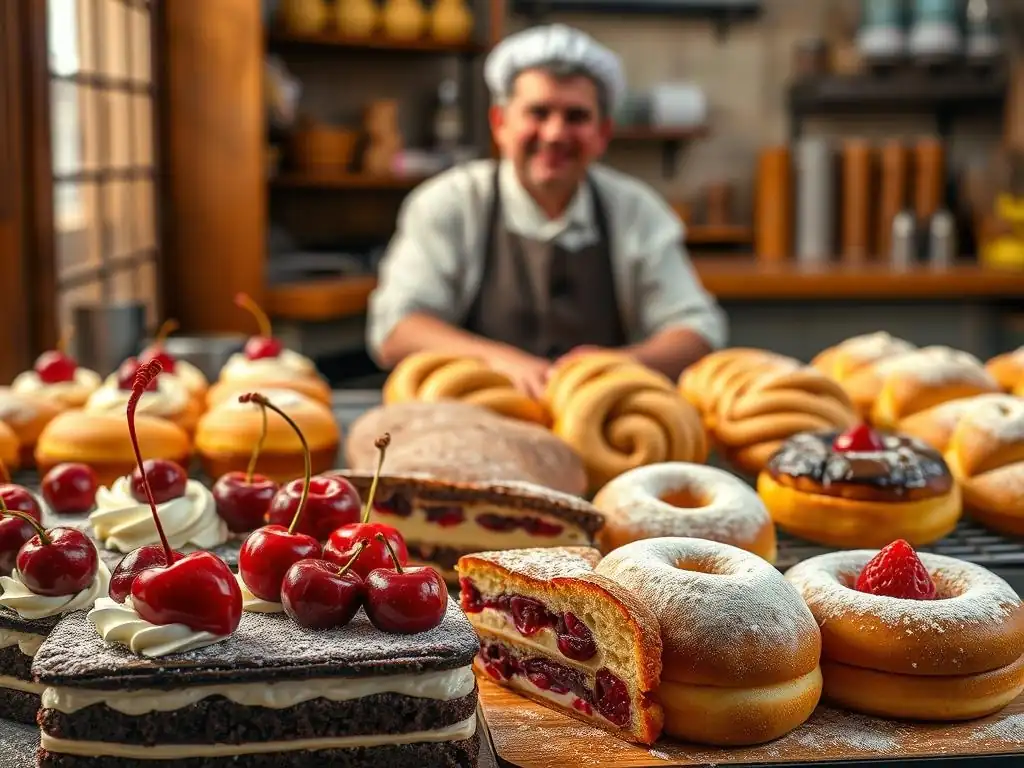
Bavarian Baking Delights: From Schmalzkuchen to Dampfnudeln
Bavaria, in southern Germany, offers a wealth of unique bakery delights that reflect its distinct cultural identity. While famous for its pretzels (often larger and softer than those found elsewhere), Bavarian bakeries also feature lesser-known but equally delicious treats. Schmalzkuchen, small diamond-shaped pieces of yeast dough fried in lard (Schmalz) and dusted with powdered sugar, are a popular fairground and Christmas market staple, offering a delightful crispy exterior and soft interior.
Another specialty is Dampfnudeln, sweet or savory steamed yeast buns, often served with vanilla sauce or fruit compote when sweet, or with potato soup or lentils when savory. These pillow-soft buns are cooked in a covered pot with liquid (milk or salted water and butter) until the liquid evaporates, creating a crispy bottom crust and a fluffy top.
Beyond these specific items, Bavarian bakeries excel in various traditional cakes and pastries. Prinzregententorte, a layered chocolate sponge cake with chocolate buttercream, is a classic from Munich, named after Prince Regent Luitpold. It typically has seven layers, representing the seven administrative districts of Bavaria.
Bienenstich (Bee Sting Cake), a yeast-raised cake filled with vanilla cream and topped with caramelized almonds, is popular throughout Germany but has strong roots in southern regions. Exploring Bavarian German bakery recipes for beginners often involves encountering richer doughs and fillings compared to the simpler breads of the north, offering a different but equally rewarding baking experience.
Black Forest Baking: The Richness of Kirsch and Chocolate
The Black Forest region ( Schwarzwald) in southwestern Germany is synonymous with one of Germany's most internationally recognized cakes: Schwarzwälder Kirschtorte (Black Forest Cherry Cake). This iconic cake is a decadent combination of chocolate sponge cake layers, whipped cream, sour cherries, and a generous amount of Kirschwasser (cherry brandy). The use of Kirschwasser is a defining characteristic, infusing the cake with a distinct fruity and alcoholic note.
Authentic recipes specify a minimum alcohol content, and the brandy is brushed onto the cake layers and sometimes mixed with the cherries. The cherries themselves are typically preserved or fresh sour cherries, providing a tart contrast to the sweet cream and rich chocolate.
While the Black Forest Cherry Cake is the star, bakeries in the region offer other delights that often utilize local ingredients like cherries and kirsch. You might find cherry streusel cakes ( Kirschstreuselkuchen) or small tarts featuring local fruits. The emphasis on fresh, high-quality ingredients, particularly dairy from the region's farms and fruit from local orchards, is a hallmark of Black Forest baking.
Attempting a Black Forest Cherry Cake is a challenging but rewarding German bakery recipe, suitable for beginners looking to tackle a project that culminates in a truly impressive dessert. It requires careful layering and decoration, but the result is a taste of the Black Forest's rich culinary landscape.
Northern German Baking: Rye Breads and Coastal Flavors
Northern Germany, with its flat landscapes and proximity to the coast, has a distinct baking tradition characterized by hearty, often dark rye breads and pastries influenced by maritime trade and local produce. Pumpernickel, a very dark, dense, and slightly sweet rye bread, is perhaps the most famous example from this region, specifically Westphalia.
Traditionally steamed for many hours (sometimes up to 24 hours) at low temperatures, Pumpernickel develops its dark color and unique flavor without relying on molasses or other colorings (though some modern versions might add them). It is typically made with coarse rye meal and a sourdough starter, resulting in a bread with incredible keeping qualities.
Another popular northern German treat is Franzbrötchen, a small, flat pastry from Hamburg made from a butter-rich dough similar to croissant dough, filled with cinnamon and sugar. It's rolled, cut, and baked until caramelized and slightly flattened, resembling a crushed croissant. These pastries are a staple in Hamburg bakeries and are often enjoyed with coffee.
Northern German bakeries also feature various Vollkornbrot (whole grain breads) and breads incorporating ingredients like sunflower seeds ( Sonnenblumenkernbrot) or pumpkin seeds ( Kürbiskernbrot), reflecting a preference for wholesome, nutritious loaves. Exploring northern German bakery recipes for beginners provides an excellent opportunity to work with rye flour and sourdough, foundational skills for many traditional German breads.
Beyond the Recipe: Elevating Your German Baking Experience

Online German Baking Classes: Learn from the Experts
While cookbooks and online guides offer a wealth of information for German bakery recipes for beginners, learning directly from experienced instructors can significantly elevate your skills. Online German baking classes provide a structured environment to master techniques, understand the science behind traditional methods like sourdough fermentation, and receive feedback. Many classes cover specific areas, from mastering the intricacies of rye bread baking, which can be different from wheat, to perfecting delicate pastries. These courses often break down complex processes into manageable steps, making challenging German bakery recipes accessible to those just starting out.
Look for courses that focus on authentic techniques and ingredients. Some online platforms offer classes taught by German master bakers or culinary instructors with extensive experience in German baking. A recommended online baking course for beginners might cover the fundamentals of working with different flours, developing sourdough starters, and shaping various types of rolls and loaves like Brotchen or simple Mischbrot.
A more advanced German pastry masterclass could delve into laminated doughs for things like Plundergebäck (Danish-like pastries) or the detailed construction of elaborate cakes like Frankfurter Kranz. The visual guidance and expert tips provided in these classes can accelerate your learning and help you troubleshoot common issues more effectively than relying solely on written instructions.
- Recommended Online Baking Course: Mastering German Bread Techniques
- German Pastry Masterclass: Unlocking the Secrets of German Cakes and Pastries
German Baking Cookbooks: Building Your Home Library
For any beginner passionate about exploring German bakery recipes, building a collection of reliable cookbooks is an invaluable step. Cookbooks offer curated recipes, often with detailed explanations of techniques and cultural context. A good German baking cookbook for beginners should feature clear instructions, perhaps photographs for visual guidance, and focus on foundational recipes like simple breads, rolls, and classic cakes.
Look for books that explain the properties of different German flours and the role of ingredients like malt or sourdough. Many excellent English-language cookbooks are available that translate traditional German recipes for a home kitchen environment, sometimes offering ingredient substitutions or variations accessible outside of Germany.
As you gain confidence with beginner German bakery recipes, you might want to expand your library with more advanced cookbooks. These often delve into regional specialties, complex sourdough formulations, or intricate pastry work.
An advanced German baking cookbook might include recipes for less common regional breads, detailed instructions for maintaining and using different types of sourdough starters (like a rye starter), or recipes for delicate cakes and tarts that require more precise technique. Cookbooks not only provide recipes but often share the history and stories behind the baked goods, enriching your understanding of German baking culture and inspiring you to try new and exciting challenges in your baking journey.
- Recommended German Baking Cookbook for Beginners: A Comprehensive Guide
- Advanced German Baking Cookbook: Exploring Complex Recipes and Techniques
Tips and Tricks for Perfecting Your German Bakery Creations
Optimizing Oven Temperature and Baking Time for German Breads
Achieving the perfect crust and crumb in German breads, especially dense rye loaves or crusty rolls like Brotchen, heavily relies on precise oven temperature and baking time. Many German bread recipes call for high initial temperatures, often in the range of 220-240°C (425-465°F), to encourage oven spring and quickly set the crust. After the initial phase (typically 10-15 minutes), the temperature is often reduced to allow the interior of the bread to cook through without the crust burning.
For a loaf of Mischbrot weighing around 1 kg, total baking time might range from 45 to 60 minutes or even longer for very dense rye breads. Rolls bake much faster, usually within 15-25 minutes depending on size.
It's crucial to calibrate your oven's temperature as home ovens can vary significantly. An inexpensive oven thermometer can help you verify the actual temperature inside your oven matches the setting. Pay close attention to visual cues – the color of the crust and the sound the bread makes when tapped on the bottom (it should sound hollow).
For beginners following German bakery recipes, starting with the recommended time and temperature and making small adjustments based on your oven's performance is key. Don't be afraid to increase the baking time by 5-10 minutes if the bread doesn't seem fully cooked inside or the crust isn't dark enough.
Achieving the Perfect Crust: Steam and Oven Techniques
A hallmark of many traditional German breads and rolls is their robust, crackly crust. This is primarily achieved through the use of steam in the initial phase of baking. Steam keeps the surface of the dough moist longer in the hot oven, allowing the dough to expand fully (oven spring) before the crust hardens. Once the crust sets, the steam dissipates, and the dry heat creates the crisp texture.
For beginners tackling German bakery recipes, creating steam at home can be done in several ways. One common method is to place a cast iron pan or oven-safe container on the bottom rack of your oven while it preheats, then carefully pour a cup of boiling water into it immediately after placing the dough in the oven. Close the oven door quickly to trap the steam.
Another effective technique, especially for smaller loaves or rolls, is baking in a preheated Dutch oven. Placing the dough inside the hot Dutch oven with the lid on traps the moisture released by the dough itself, creating a steamy environment. After 20-30 minutes (depending on the recipe), the lid is removed to allow the crust to brown and crisp up.
The high heat retained by the Dutch oven also contributes to a good crust. Ensuring your oven is fully preheated to the specified temperature before introducing the steam or the Dutch oven is vital for successful crust development when making German bakery recipes.
Storing German Baked Goods: Maintaining Freshness and Flavor
Proper storage is essential for keeping your homemade German bakery creations fresh and delicious. German breads, especially those made with a high percentage of rye or sourdough, tend to have excellent keeping qualities compared to simple wheat breads. A large, rustic loaf of rye or mixed rye-wheat bread can often stay fresh for 4-7 days if stored correctly.
The best way to store most German breads is at room temperature, wrapped in a clean linen towel or a paper bag. Plastic bags should generally be avoided for crusty breads, as they trap moisture and can make the crust soft and chewy. Store the bread cut-side down on a cutting board after slicing to help prevent drying.
Pastries and cakes, on the other hand, often have different storage requirements. Yeast-raised pastries or cakes without perishable fillings can often be stored at room temperature in an airtight container for 2-3 days. Cakes with fresh fruit, cream fillings, or custard, like Schwarzwälder Kirschtorte or Bienenstich, must be refrigerated. Cover them loosely or store in a cake keeper to prevent them from drying out or absorbing refrigerator odors.
If you bake a large batch of rolls or bread, freezing is an excellent option for long-term storage. Allow baked goods to cool completely, then wrap them tightly in plastic wrap and then in foil or a freezer bag. Thaw at room temperature or reheat gently in the oven to restore some of their original texture. Mastering storage techniques helps you enjoy your delicious German bakery recipes for beginners long after they come out of the oven.
Frequently Asked Questions
What types of German bakery recipes are most suitable for beginners?
Beginners should start with simple recipes like Apfelkuchen (apple cake), Butterplätzchen (butter cookies), or Bienenstich (bee sting cake). These recipes generally use easy-to-find ingredients and straightforward techniques.
Are the ingredients in German bakery recipes readily available outside of Germany?
Yes, most ingredients are easily accessible worldwide. You might need to source specific types of flour or marzipan, but substitutions are often possible for beginner-friendly recipes.
What are some common techniques used in German bakery recipes that beginners should learn?
Key techniques include understanding the importance of accurate measurements, mastering the creaming method for cakes, and properly proofing yeast for breads. These skills are fundamental to successful baking.
How can I adapt German bakery recipes to be healthier or accommodate dietary restrictions?
You can substitute whole wheat flour for some of the all-purpose flour, reduce the amount of sugar, or use alternative sweeteners. Many recipes can be adapted for gluten-free or vegan diets with appropriate ingredient swaps.
What are the essential tools and equipment needed to start baking German bakery recipes at home?
A mixing bowl, measuring cups and spoons, a whisk, a spatula, baking sheets, and a reliable oven are essential. For more specialized recipes, you might need a springform pan or a piping bag.
Final Reflection: The Sweet Taste of German Heritage and Baking
The aroma of freshly baked bread, the satisfying crunch of a pretzel, the delicate sweetness of a stollen – these sensory experiences are not merely culinary delights; they are portals to German culture and history. The recipes shared in this guide offer a tangible connection to a rich tradition, a tradition that continues to thrive and evolve in bakeries across Germany and the world. Learning to bake these recipes is more than just following instructions; it's about engaging with a heritage that spans centuries.
Baking, in its simplicity, mirrors the enduring appeal of German baking traditions. It's a process that connects us to the past, allowing us to appreciate the skill and dedication of generations of bakers. Bread is the staff of life,
a simple phrase, yet it encapsulates the profound significance of baking in many cultures, including Germany's. From the humble pretzel to the elaborate stollen, each recipe tells a story, a story woven into the fabric of German society and passed down through families. This connection to history and tradition is what makes the experience so enriching.
Now, I invite you to roll up your sleeves, gather your ingredients, and embark on your own baking journey. Don't be afraid to experiment, to adapt, to make these recipes your own.
The true reward lies not just in the delicious results, but in the process itself – the kneading, the rising, the baking – a mindful engagement that allows you to connect with a rich cultural heritage and discover the joy of creating something beautiful and delicious with your own hands. Let the scent of freshly baked bread fill your home, and let the taste transport you to the heart of Germany.
Unleash Your Inner Bäcker: Start Your German Baking Journey!
Thanks for taking the time to explore the wonderful world of German baking with us! We hope you've gained a new appreciation for the artistry and tradition behind these delicious treats. Ready to put your newfound knowledge to the test?
- Bake your own pretzels: This is your chance to experience the magic firsthand! Our website has a variety of recipes to get you started, from classic soft pretzels to unique variations.
- Share your baking creations: Tag us on social media and show us your German baking masterpieces! We'd love to see what you create.
- Explore regional variations: Discover the unique baking styles of different German regions. What local flavors are you most excited to try?
So, what German delicacy will you be tackling first?