
Understanding German Bread Names and What They Mean

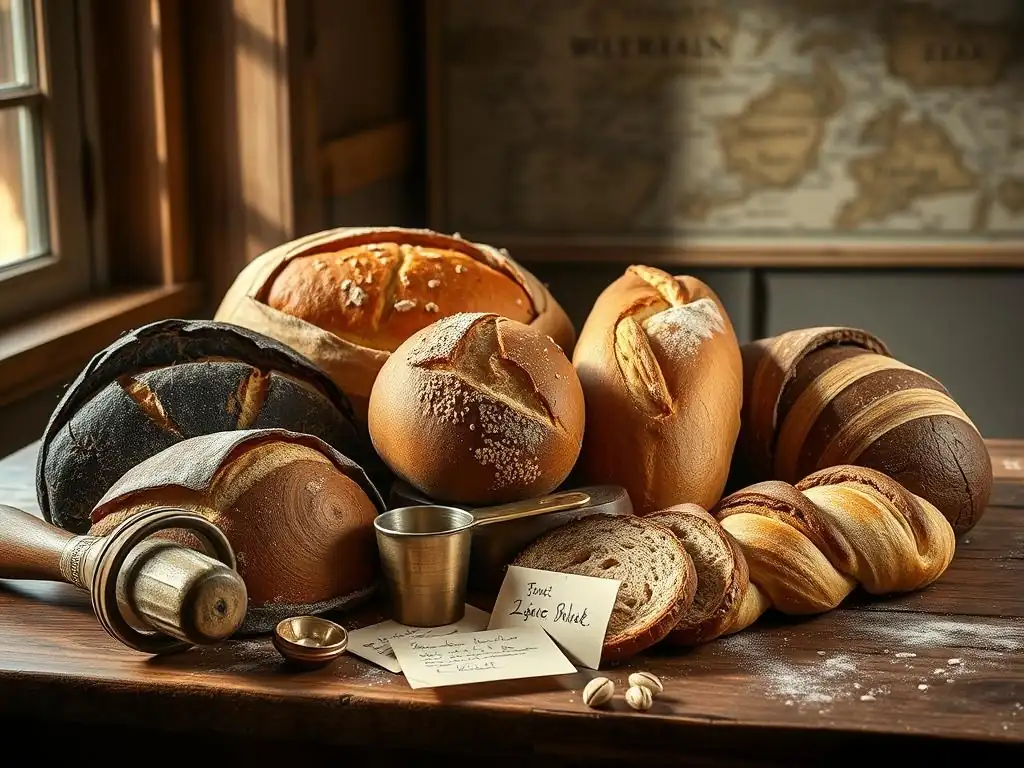
Welcome to BakeWithEase, your passport to the delicious world of baking! Ever wondered what secrets are hidden within the names of those tempting loaves at the German bakery? Delve into the fascinating world of German bread types meanings and unlock a deeper appreciation for this culinary art. Discover the stories behind the names and learn how they reflect the unique character of each bread, sparking a new dimension to your baking adventures. Curious to know what makes a "Sonnenblumenbrot" different from a "Roggenmischbrot"? Let's find out!
- Understanding German Bread Names and What They Mean: A Baker's Guide
- Decoding German Bread Names: A Journey Through Baking Traditions
- The Building Blocks: Common German Bread Ingredients and Their Names
-
Exploring Popular German Bread Types and Their Meanings
- Brötchen: The Ubiquitous German Bread Roll - A Mini-Guide
- Roggenbrot: Understanding Rye Bread and its Variations
- Mischbrot: The Blend of Rye and Wheat - A Balanced Bread
- Vollkornbrot: Whole Grain Bread - A Healthy Choice
- Brezel: The Iconic Pretzel - History and Meaning
- Zopf: Braided Bread - Often Enjoyed on Sundays
- Beyond the Basics: Less Common, But Equally Delicious, German Breads
- Bakeries in Germany: How to Use Your Knowledge of Bread Names
- Mastering German Bread Baking at Home: Resources and Tips
- Conclusion: Embrace the Richness of German Bread Culture
-
Frequently Asked Questions
- What is the significance of understanding German bread names?
- Are German bread names literal descriptions of the bread?
- Where can I find a glossary of common German bread ingredients?
- What is the difference between Roggenbrot and Mischbrot?
- How can I use German bread names to find healthy bread options?
- Final Reflection: Unlocking the Secrets Within a Loaf
- Unlock the Secrets of German Bread!
Understanding German Bread Names and What They Mean: A Baker's Guide
Decoding German Bread Names: A Journey Through Baking Traditions
Why Understanding German Bread Names Matters for Bakers
Understanding the meanings behind German bread names is incredibly valuable, whether you're an aspiring home baker trying a new recipe or planning a trip to Germany to explore its famous Bäckereien (bakeries). German bread names are often descriptive, giving you immediate clues about the ingredients, the shape, or the preparation method.
This knowledge helps you predict the texture and flavor profile before you even take a bite, making your baking attempts more informed and your bakery visits far more exciting. For instance, knowing that Vollkornbrot signifies whole grain bread immediately tells you it will be dense, hearty, and packed with fiber, unlike a light, airy Weißbrot (white bread).
Beyond just ingredients, the names can hint at regional traditions or specific historical contexts. Many traditional German bread types meanings are tied to local dialects or ancient baking practices. By learning these names, you're not just memorizing vocabulary; you're gaining insight into centuries of German baking heritage. This deeper understanding enhances your appreciation for the craft and allows you to connect more authentically with the rich culture surrounding German bread, making it easier to identify specific German bread types meanings and choose the perfect loaf for your needs, whether for a simple sandwich or a festive meal.
Navigating the vast world of German bread can feel overwhelming at first, with countless shapes, sizes, and names. This guide aims to demystify the process by breaking down common naming conventions and highlighting key German bread types meanings. We'll explore the building blocks – common ingredients and how their names appear in bread titles – and then dive into some of the most popular varieties you'll encounter. Our goal is to equip you with the knowledge to confidently approach German recipes and bakeries, understanding what each name signifies about the bread's composition and character.
We'll cover everything from the ubiquitous Brötchen (rolls) and their regional aliases to dense rye loaves like Roggenbrot and the iconic Brezel (pretzel). By the end of this guide, you'll have a solid foundation for interpreting German bread types meanings, enabling you to bake more authentic German bread at home and fully appreciate the diversity and quality found in German bakeries. Understanding these names is the first step to mastering these delicious breads, so let's begin our journey into the heart of German baking.
The Building Blocks: Common German Bread Ingredients and Their Names
Flour Types: From Weizenmehl (Wheat Flour) to Roggenmehl (Rye Flour)
The type of flour used is perhaps the most fundamental element determining a bread's character, and its name often appears directly in the bread's title. Weizenmehl (wheat flour) is common, especially in rolls and lighter loaves, while Roggenmehl (rye flour) is central to many traditional dark and dense German breads. A bread named Roggenbrot is primarily made from rye, while Weizenbrot is primarily wheat.
When a name combines both, like Roggenmischbrot, it tells you it's a mix, with the first part of the name indicating the dominant flour (in this case, rye is more prevalent than wheat). Understanding these base terms is crucial for deciphering German bread types meanings.
German flour names also include classifications based on the extraction rate and mineral content, indicated by numbers. This system, known as the Typenzahl (type number), provides specific information about the flour's composition. For example, Weizenmehl Typ 405 is a finely milled, low-ash wheat flour similar to cake flour, perfect for delicate pastries and lighter breads.
In contrast, Weizenmehl Typ 1050 is a much darker wheat flour with higher mineral content, often used in mixed-grain breads. Similarly, Roggenmehl Typ 1150 is a common rye flour used in traditional rye and mixed-rye breads, while Roggenmehl Typ 1370 is even darker and higher in minerals. These numbers provide precise data about the flour's properties, directly impacting the final bread's texture, color, and nutritional value.
Understanding Flour Numbers (e.g., Type 405, Type 1150)
The German flour numbering system, or Typenzahl, is based on the amount of ash remaining after burning 100 grams of dry flour, measured in milligrams. A lower number indicates a finer, whiter flour with less of the outer grain layers (bran and germ), while a higher number means more of the whole grain was included, resulting in a darker flour with higher mineral content.
For instance, Weizenmehl Typ 405 has approximately 405 milligrams of ash per 100 grams, making it ideal for light baking like cakes or fine rolls where a delicate crumb is desired. This type is bleached and has most nutrients removed compared to higher types.
Moving up the scale, Weizenmehl Typ 812 or Typ 1050 contain more bran and germ, contributing more flavor, color, and nutrients to the bread. Roggenmehl starts with higher numbers, like Typ 997 or Typ 1150, because rye grains naturally have minerals distributed differently than wheat. Roggenmehl Typ 1150, for example, is a standard for many German rye breads and Mischbrote.
The highest number, Vollkornmehl (whole grain flour), technically doesn't have a Typenzahl because it contains the entire grain, though sometimes it's loosely associated with very high numbers like 1700 or 1800 in some regional contexts. Understanding these numbers is key to interpreting German bread types meanings related to composition and choosing the right flour for your baking project.
Seeds and Grains: Sonnenblumenkerne, Kürbiskerne, Sesamsamen and More
Many German breads incorporate seeds and grains, and their names often become part of the bread's title, offering another layer of meaning. Sonnenblumenkerne (sunflower seeds) are very popular, lending a nutty flavor and moist texture to breads like Sonnenblumenbrot. Kürbiskerne (pumpkin seeds) are also frequently used, often seen sprinkled on top or mixed into the dough of Kürbiskernbrot. Other common additions include Sesamsamen (sesame seeds), Leinsamen (linseed/flaxseed), Mohn (poppy seeds), and various whole grains like Hafer (oats) or Dinkel (spelt).
When you see a bread name like Mehrkornbrot (multi-grain bread), it indicates a mix of different grains and often seeds, though the specific combination can vary. Names like Dinkelbrot specify that spelt is the primary grain used. The inclusion of these components significantly impacts the bread's flavor, texture, and nutritional profile. Knowing these seed and grain names helps you decipher the ingredients and anticipate the taste and feel of the bread, providing crucial insight into German bread types meanings.
Sourdough ( Sauerteig) vs. Yeast ( Hefe) in German Bread
The leavening agent used is a fundamental aspect of German bread baking, and while not always explicitly in the name, it heavily influences the bread's character. Many traditional German rye and mixed-grain breads rely on Sauerteig (sourdough). Sourdough fermentation imparts a characteristic tangy flavor, improves the bread's keeping qualities, and helps rye flour develop structure, which is naturally low in gluten. Breads made purely with rye often require sourdough.
Hefe (yeast), specifically baker's yeast, is also widely used, particularly in wheat-based breads, rolls ( Brötchen), and sweeter doughs. Yeast provides a faster rise and results in a milder flavor compared to sourdough. Some breads, especially Mischbrote, use a combination of both sourdough and yeast to achieve a balance of flavor, rise, and texture.
While a bread's name might not explicitly state "sourdough" unless it's a specific type like Sauerteigbrot (which simply means sourdough bread), the type of flour used often implies the leavening method. Rye-heavy breads are almost always sourdough-based, while wheat-heavy ones are often yeast-leavened or use a mix, which is part of understanding German bread types meanings.
Exploring Popular German Bread Types and Their Meanings
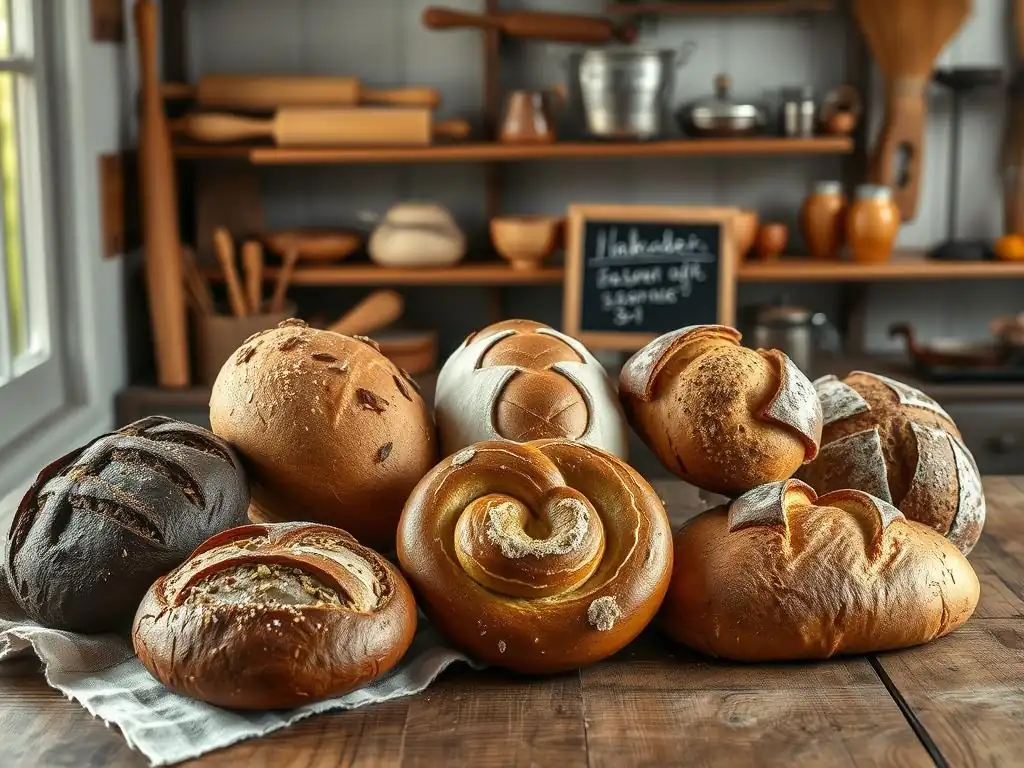
Brötchen: The Ubiquitous German Bread Roll - A Mini-Guide
Brötchen (plural; singular Brötchen is the same form) are small bread rolls, a staple of the German breakfast table and ubiquitous in bakeries across the country. The name itself is a diminutive of Brot (bread), literally meaning "little bread." Brötchen come in countless forms, varying in shape, size, crust texture, and sometimes ingredients (like seeds). A standard Brötchen is typically made from wheat flour, has a crisp crust and a relatively light, airy interior. They are baked fresh daily, often multiple times, ensuring a warm supply for morning customers.
The popularity of Brötchen means they are found everywhere, but their names can change significantly depending on the region. While Brötchen is understood nationwide, ordering one in Bavaria or Berlin might require using a different term. These regional variations are a fascinating part of German bread culture and understanding them adds another layer to deciphering German bread types meanings. They are typically enjoyed split open and buttered, often with jam, cheese, or cold cuts, forming the basis of the traditional German Frühstück (breakfast) or Abendbrot (evening meal).
Regional Variations of Brötchen Names: Semmel, Schrippe, Rundstück
The standard term Brötchen is widely used in central and western Germany. However, in Southern Germany, particularly Bavaria, the common term is Semmel. This name originates from the Latin word simila, meaning fine wheat flour, reflecting the roll's composition. So, if you ask for a Brötchen in Munich, they might look confused, but asking for a Semmel will get you the desired roll. Both refer to the same basic concept of a small, crusty bread roll, but the names are distinct regional identifiers.
Moving north and east, other names emerge. In Berlin and parts of Eastern Germany, the roll is often called a Schrippe. This name is thought to derive from the verb schripfen, meaning to make a cut, referring to the characteristic slash on top of the roll.
In Hamburg and parts of Northern Germany, the term Rundstück (round piece) is common, describing the typical shape of the roll in that region. These variations like Semmel, Schrippe, and Rundstück are important examples of how German bread types meanings can be tied to geography and dialect, even for something as simple as a bread roll.
Roggenbrot: Understanding Rye Bread and its Variations
Roggenbrot literally translates to "rye bread," indicating that the flour used is primarily rye. German Roggenbrot is known for its dense texture, intense flavor, and long shelf life compared to wheat bread. Due to rye flour's low gluten content, these breads are typically made using sourdough ( Sauerteig) to provide structure and leavening. The proportion of rye can vary, but for a bread to be called Roggenbrot, it must contain at least 90% rye flour. This high percentage results in a dark, compact crumb and a characteristic tangy taste.
Variations of Roggenbrot exist depending on the type of rye flour used (whole grain or lighter rye), the baking time, and additions like seeds or spices. These breads are often very hearty and filling, making them a popular choice for open-faced sandwiches ( Butterbrot) or accompanying savory dishes. Understanding that Roggenbrot means a high-rye content loaf is key to predicting its texture and flavor profile, which is a crucial aspect of understanding German bread types meanings.
Pumpernickel: A Deep Dive into Slow-Baked Rye Bread
Pumpernickel is arguably one of the most famous types of German bread, and it's a specific variation of Roggenbrot. Originating from the Westphalia region, Pumpernickel is a very dark, dense, and slightly sweet rye bread traditionally made from coarse rye meal (schrot) and sometimes whole rye grains. What distinguishes Pumpernickel most is its unique preparation method: it's not baked in the conventional sense but steamed or slow-baked at very low temperatures (sometimes as low as 100-120°C or 210-250°F) for an extended period, often 16 to 24 hours.
This long, slow process caramelizes the starches in the rye, giving Pumpernickel its characteristic dark color, moist texture, and slightly sweet, earthy flavor. Traditional Pumpernickel contains no yeast and relies solely on sourdough and the long baking time. It's typically sold pre-sliced and has an exceptionally long shelf life, often lasting for months. The name's origin is debated, but the bread's meaning is clear: a traditional, very dark, dense, and slow-baked rye bread from Westphalia.
Mischbrot: The Blend of Rye and Wheat - A Balanced Bread
Mischbrot is a cornerstone of German bread culture, translating literally to "mixed bread." This category encompasses a wide range of loaves made from a blend of rye and wheat flour. The ratio of rye to wheat can vary significantly, and this ratio is often indicated in the name or implied by the bread's appearance. Mischbrot offers a balance between the heartiness and tang of rye and the lighter texture and higher rise potential of wheat. This makes it a versatile bread, suitable for many uses, from sandwiches to accompaniments for meals.
The exact characteristics of a Mischbrot depend heavily on the Mischungsverhältnis (mixing ratio) of rye to wheat. A bread with a higher percentage of rye will be denser and tangier, while one with more wheat will be lighter and softer. This flexibility allows for an incredible variety within the Mischbrot category, catering to different tastes and preferences. Understanding that Mischbrot means a rye-wheat blend is fundamental to grasping German bread types meanings.
Understanding the Mischungsverhältnis (Mixing Ratio)
The Mischungsverhältnis, or mixing ratio, is key to defining a Mischbrot. It specifies the proportion of rye flour to wheat flour in the dough. For example, a common ratio is 50:50 rye to wheat. This results in a balanced bread that is hearty but not overly dense, with a moderate tang from the rye and a good crumb structure from the wheat. A bread labeled Roggenmischbrot typically has more rye than wheat, perhaps a 60:40 or 70:30 ratio in favor of rye, leading to a denser, tangier loaf.
Conversely, a Weizenmischbrot has more wheat than rye, maybe a 60:40 or 70:30 ratio in favor of wheat. This type will be lighter in color and texture with a less pronounced rye flavor. Some bakeries might specify the ratio directly (e.g., "50% Roggen, 50% Weizen"), while others rely on the name ( Roggenmischbrot vs. Weizenmischbrot) and the bread's appearance to communicate the ratio. Understanding this concept of the Mischungsverhältnis is vital for interpreting the nuances of German bread types meanings within the broad category of Mischbrot.
Vollkornbrot: Whole Grain Bread - A Healthy Choice
Vollkornbrot means "whole grain bread," indicating that it is made from flour containing the entire grain kernel – the bran, germ, and endosperm. According to German food law, Vollkornbrot must be made from at least 90% whole grain flour. This results in a bread that is typically very dense, dark, rich in fiber, vitamins, and minerals. The texture can be quite coarse, and the flavor is deep and earthy.
Vollkornbrot is often made with whole rye or whole wheat flour, or a combination of both. It may also include whole grains, seeds, or nuts. Due to the high proportion of whole grains, Vollkornbrot is known for being very filling and having a long shelf life. It's considered a particularly healthy type of bread and is a staple for those seeking nutritious options. The name clearly communicates its whole grain composition, making it easy to identify among other German bread types meanings.
Brezel: The Iconic Pretzel - History and Meaning
The Brezel (pretzel) is one of Germany's most internationally recognized baked goods, particularly associated with Bavaria and the Swabia region. While often enjoyed as a snack, especially with beer, the traditional German Brezel is a type of lye roll, not a soft American-style pretzel. It's made from wheat dough, shaped into its distinctive knotted form, boiled briefly in a hot lye solution ( Natronlauge) before baking, and typically topped with coarse salt.
The lye bath is crucial; it gives the Brezel its unique dark, shiny, and chewy crust and contributes to the distinct flavor. The inside remains soft and slightly chewy. The name Brezel is thought to derive from the Latin word brachium, meaning "arm," referring to the shape resembling folded arms. While the exact historical origins are debated, the Brezel has been a symbol of bakers and a popular food item for centuries. Understanding the preparation method is key to understanding this specific German bread type's meaning.
Zopf: Braided Bread - Often Enjoyed on Sundays
Zopf literally translates to "braid" or "pigtail," accurately describing the shape of this bread. It's a braided loaf, typically made from a rich, often slightly sweet, wheat dough similar to challah or brioche. The dough is usually enriched with butter, milk, and sometimes eggs and sugar, giving it a soft, tender crumb and a golden crust, often brushed with egg wash before baking.
While Zopf can be enjoyed any day, it holds a special place in German (and particularly Swiss and Austrian) baking traditions as a bread often baked and served on Sundays or holidays. Its beautiful braided appearance makes it a centerpiece for a festive breakfast or brunch. The name Zopf directly describes its visual characteristic, making it one of the easier German bread types meanings to decipher.
Beyond the Basics: Less Common, But Equally Delicious, German Breads
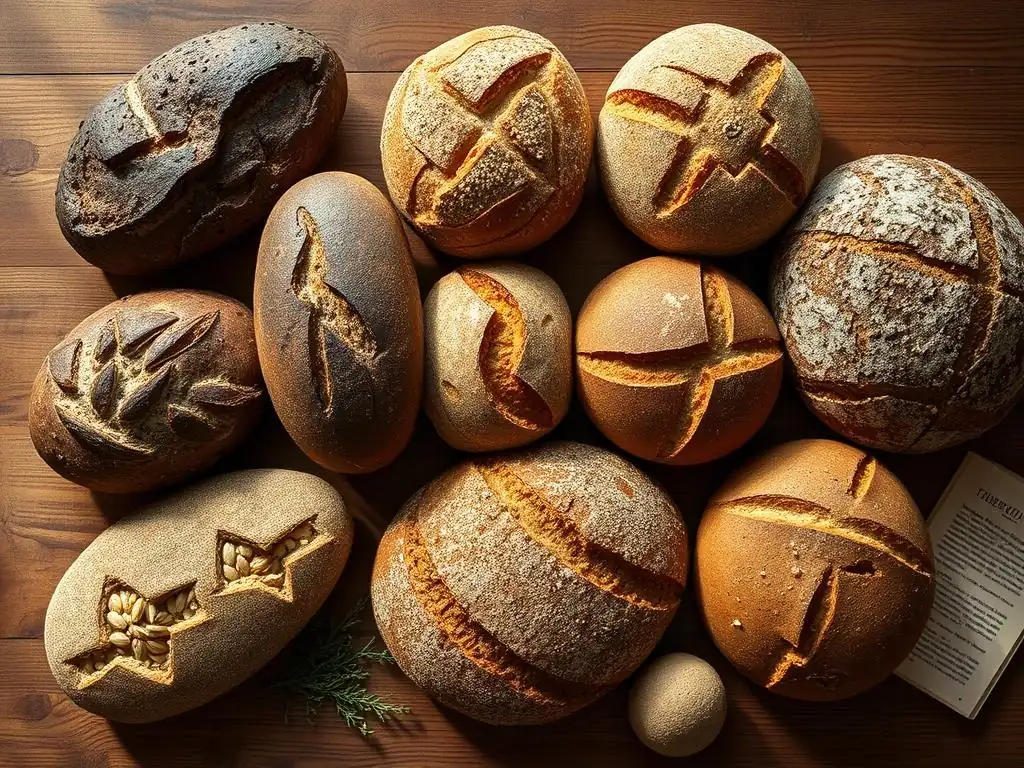
Seelen: Swabian Soul Bread - A Regional Specialty
Seelen are a regional specialty from Swabia in southwestern Germany. The name Seele (singular), meaning "soul," is said to have originated from a tradition of baking these breads on All Souls' Day. Seelen are long, baguette-like rolls with a very high hydration dough made from wheat flour, often Type 550 or 1050. The dough is typically left relatively wet and is minimally handled, resulting in a very open, airy crumb and a thin, crispy crust.
Before baking, Seelen are usually sprinkled generously with caraway seeds and coarse salt. They are baked at high temperatures to achieve their characteristic crust. Their unique texture – extremely crispy outside, very soft and airy inside – sets them apart. Understanding this specific regional name, Seele, helps identify this unique German bread type's meaning and origin.
Kastenbrot: Loaf Bread - Perfect for Sandwiches
Kastenbrot simply means "box bread" or "tin bread," referring to its shape. This is bread baked in a rectangular loaf pan ( Kastenform), resulting in a uniform, square or rectangular slice. While the name describes the shape, the type of dough used for Kastenbrot can vary widely. It can be a wheat bread, a rye bread, or a Mischbrot.
Baking bread in a tin helps control its shape and can result in a slightly softer crust compared to freeform loaves. Kastenbrot is particularly popular for slicing and using for sandwiches or toast because of its convenient and consistent shape. The name is purely descriptive of the baking method and resulting form, offering a clear meaning for this German bread type.
Sonnenblumenbrot: Sunflower Seed Bread - A Nutty Delight
Sonnenblumenbrot translates directly to "sunflower seed bread." As the name clearly indicates, this bread has sunflower seeds incorporated into the dough and often sprinkled generously on top. The base dough is typically a Mischbrot or a wheat bread, providing a lighter texture than pure rye.
The sunflower seeds add a pleasant nutty flavor, a slightly chewy texture, and visual appeal. They also contribute healthy fats and nutrients. Sonnenblumenbrot is a popular choice for its taste and perceived health benefits. The name is straightforward, clearly stating the primary addition to the bread, making it easy to understand this German bread type's meaning.
Bakeries in Germany: How to Use Your Knowledge of Bread Names
Understanding German bread types meanings is incredibly useful when visiting a German bakery. The sheer variety on display can be daunting, but knowing the basic terminology allows you to make informed choices. You'll be able to distinguish between a hearty Roggenbrot and a lighter Weizenmischbrot, or identify regional specialties like Seelen. This knowledge transforms the experience from pointing and hoping to confidently selecting the perfect bread for your needs, whether you're looking for a dense loaf for hearty spreads or a light roll for breakfast.
Furthermore, knowing the names helps you communicate effectively with the bakery staff. While many larger bakeries and those in tourist areas might have staff who speak some English, being able to ask for a specific type of bread by its German name is always appreciated and ensures you get exactly what you want. It shows respect for the local culture and makes the interaction smoother and more pleasant. This practical application of understanding German bread types meanings enhances your baking tourism experience.
Ordering Bread in a German Bakery: Essential Phrases
When ordering in a German bakery, a few simple phrases combined with your knowledge of bread names will be very helpful. To ask for a single item, you can say: " Ich hätte gerne ein/eine [bread name], bitte." (I would like one [bread name], please.) For example, " Ich hätte gerne ein Brötchen, bitte." or " Ich hätte gerne eine Scheibe Roggenbrot, bitte." (I would like a slice of rye bread, please.) Note that some bakeries sell loaves by weight or as a whole loaf, while others offer slices.
If you want multiple items, you can say: " Ich hätte gerne [number] [bread name, plural], bitte." For example, " Ich hätte gerne drei Semmeln, bitte." (I would like three rolls, please.) Or, to ask what something is, you can point and ask: " Was ist das für ein Brot?" (What kind of bread is that?). Knowing the basic German bread types meanings allows you to listen to the answer and understand the description provided by the staff.
Identifying Regional Bread Specialties During Your Baking Tourism
Traveling through different regions of Germany offers a fantastic opportunity to discover unique regional bread specialties. Our guide has already touched on Seelen from Swabia and Pumpernickel from Westphalia, but many more exist. For instance, Bavaria is famous not only for Semmeln and Brezeln but also for darker, often heavier rye breads. The North might feature breads with more seeds or specific shapes like the Rundstück.
As you travel, look for bakery signs or displays that highlight local names. Don't be afraid to ask staff about regional favorites. Often, the names themselves will hint at the origin or specific local tradition. For example, a bread name containing the name of a city or region is likely a local specialty. Actively seeking out and trying these regional variations is a highlight of German baking tourism and deepens your understanding of the diverse German bread types meanings across the country.
Mastering German Bread Baking at Home: Resources and Tips
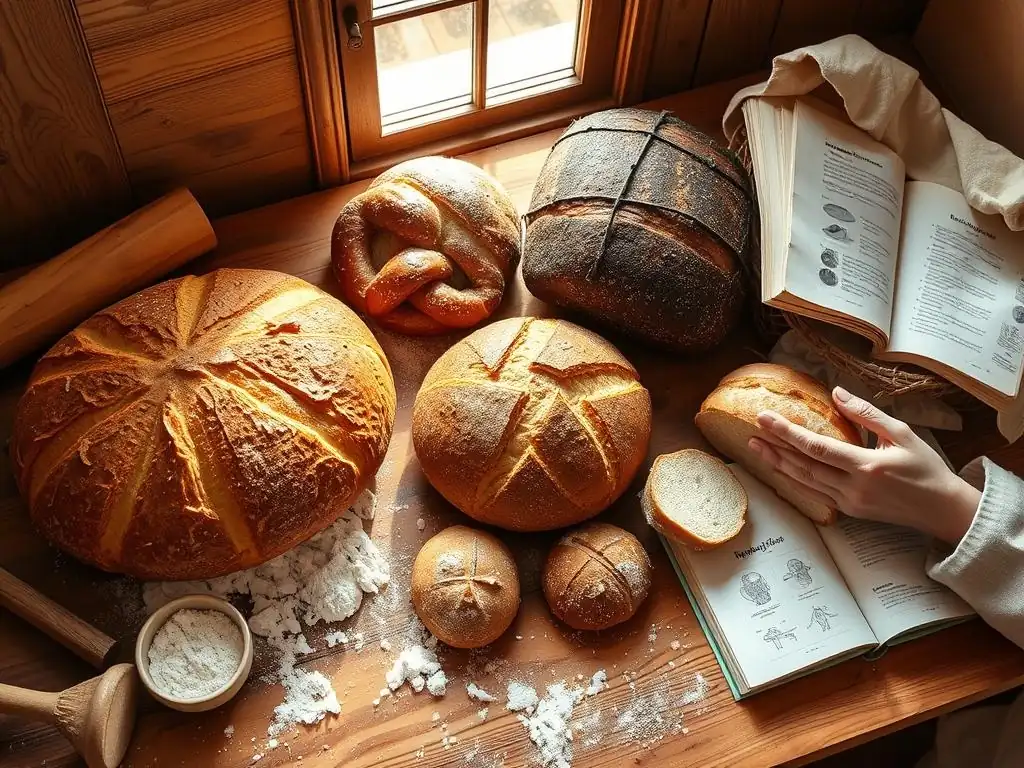
Bringing the taste of German bread into your own kitchen is a rewarding experience. With a basic understanding of the key ingredients and types, you're well on your way. One of the biggest challenges can be sourcing the correct flours, particularly the specific German Typenzahlen. If you can't find them locally, look for online suppliers specializing in European flours. Alternatively, you can approximate by blending flours; for example, a blend of white and whole wheat flour can stand in for some higher-number wheat flours.
Working with rye flour, especially in high percentages, requires understanding its unique properties. Rye dough is stickier and doesn't develop gluten in the same way as wheat dough. This is why sourdough is so crucial for rye breads; the acidity helps develop structure. Don't expect a light, airy dough like a baguette when working with rye-heavy recipes. Embrace the density and the process, and you'll be rewarded with authentic, flavorful German loaves.
BakeWithEase's Recipes for Authentic German Bread
At BakeWithEase, we offer a selection of recipes designed to help you recreate authentic German bread types meanings in your own kitchen. Our recipes provide detailed, step-by-step instructions, often including guidance on using sourdough starters and working with different flour types. We aim to simplify potentially complex processes, making traditional German baking accessible to home bakers of all skill levels.
Whether you want to try your hand at a classic Mischbrot, bake a batch of crispy Brötchen, or even tackle the challenge of a traditional Roggenbrot, our recipes are crafted to guide you. We focus on clear explanations and practical tips, ensuring you understand not just how to make the bread, but also why certain techniques or ingredients are used, deepening your understanding of German bread types meanings through practice.
Essential Tools for German Bread Baking
While you don't need a professional bakery setup, a few tools can significantly enhance your German bread baking success. A good quality kitchen scale is essential for accurate measurement, especially when working with specific flour hydration levels common in German recipes. A sturdy Dutch oven or a baking stone can help achieve the desired crust development, particularly for freeform loaves.
For sourdough baking, a proofing basket ( Gärkörbchen), often made of rattan, is very useful for giving the dough structure during its final rise. A sharp lame or razor blade is needed for scoring (making cuts on the surface) breads like Brötchen or Mischbrot before baking, which helps control oven spring and adds to the visual appeal. Having these essential tools will make tackling German bread types meanings in your baking more efficient and enjoyable.
Conclusion: Embrace the Richness of German Bread Culture
Understanding German bread names and what they mean is the first step in appreciating the depth and diversity of Germany's rich baking culture. From the simple yet essential Brötchen to the complex, slow-baked Pumpernickel, each name tells a story about the ingredients, method, or origin of the bread. This knowledge empowers you as a baker, allowing you to choose recipes more intelligently, troubleshoot issues, and connect more deeply with the traditions behind the loaves.
Whether you're planning a trip to Germany to experience the bakeries firsthand or simply want to expand your baking repertoire at home, learning about German bread types meanings opens up a world of delicious possibilities. We encourage you to explore, experiment, and enjoy the process. The journey of mastering German bread is a rewarding one, filled with incredible flavors and textures waiting to be discovered.
Further Exploration of German Baking Traditions
The world of German baking extends far beyond bread, encompassing a wide array of cakes, pastries, and regional specialties. To further your exploration, delve into the history of German bakeries, investigate the role of guilds in preserving baking traditions, or research specific regional baking techniques. Understanding the broader context of German culinary history enriches your appreciation for the German bread types meanings you've learned. Consider exploring traditional German pastries like Streuselkuchen (crumb cake) or festive bakes like Christstollen. The more you learn about the culture, the more fascinating the bread becomes.
Frequently Asked Questions
What is the significance of understanding German bread names?
Understanding German bread names unlocks the ingredients and baking process behind each bread. This knowledge allows you to choose breads that suit your dietary needs and preferences.
Are German bread names literal descriptions of the bread?
Sometimes, yes! Many German bread names are descriptive, indicating key ingredients like Roggen (rye) or Sonnenblumenkerne (sunflower seeds). However, some names are more traditional or regional, requiring deeper understanding.
Where can I find a glossary of common German bread ingredients?
BakeWithEase.com provides a comprehensive glossary of German baking ingredients. Search our website for "German bread ingredients" or navigate to our "Baking Basics" section.
What is the difference between Roggenbrot and Mischbrot?
Roggenbrot is predominantly made with rye flour, resulting in a denser texture. Mischbrot is a mixed bread, typically combining rye and wheat flours in varying proportions.
How can I use German bread names to find healthy bread options?
Looking for names containing Vollkorn (whole grain) indicates a higher fiber content. Also, checking for added seeds like Leinsamen (linseed) or Kürbiskerne (pumpkin seeds) suggests nutritional benefits.
Final Reflection: Unlocking the Secrets Within a Loaf
Understanding the names of German breads unlocks a deeper appreciation not only for the baking tradition itself, but also for the rich cultural history embedded within each crusty, crumbly bite. The seemingly simple act of choosing a bread becomes a journey through centuries of tradition, agricultural practices, and regional variations. This intricate relationship between name and meaning is far more than just a linguistic curiosity; it's a key to understanding German culture itself.
The impact of this naming convention extends beyond the bakery shelves. It speaks to a deeper connection with the land and its produce, a connection often lost in the homogenization of modern food production. The very names evoke images of rustic villages, bustling markets, and the comforting aroma of freshly baked bread filling the air. This connection to place and tradition is something deeply valuable, and something we should strive to preserve. Bread is the staff of life,
a simple phrase, yet it encapsulates the profound significance of bread in human history and culture.
Consider the next time you're faced with a selection of German breads. Don't just choose based on appearance; take a moment to decipher the name. Let the words guide you to a deeper understanding of the ingredients, the baking process, and the history woven into each loaf. By appreciating the nuances of these names, we not only expand our culinary knowledge but also connect with a vibrant cultural heritage that continues to shape our world today. Embrace the journey, and savor the story in every slice.
Unlock the Secrets of German Bread!
Thanks for joining us on this delicious journey through the world of German bread! You've now gained a deeper appreciation for the artistry and tradition behind these amazing loaves. Ready to put your newfound knowledge to the test?
- Bake your own German bread masterpiece! Find a recipe online – there are countless variations to explore, from hearty rye to delicate pretzels. This is your chance to truly experience the flavors discussed.
- Share your bread-baking adventures! Post a picture of your creation on social media and tag us – we'd love to see what you've baked!
- Explore the local German bakery near you (or search for one online) and try a bread you've learned about today. See if your taste matches your newly acquired knowledge!
What exciting German bread will you bake – or try – first?