
Easy Lemon Bars with a Shortbread Crust

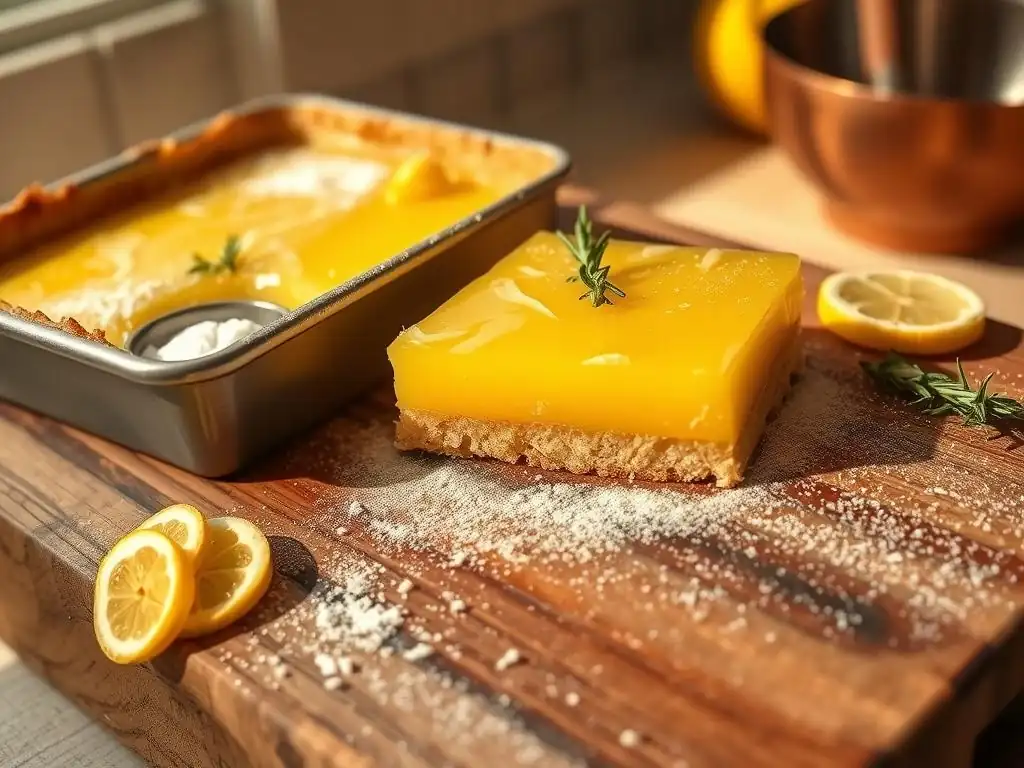
Welcome to BakeWithEase, your trusted guide to baking bliss! Ever dreamt of creating sunshine in your kitchen? Dive in and discover how to bake delectable Easy Lemon Bars with a Shortbread Crust. But that's just the beginning – get ready to unlock a world of effortless baking techniques, from perfect pastries to irresistible desserts, and transform yourself into a baking master! Are you ready to experience the easiest and most rewarding lemon bar recipe ever?
- Classic Lemon Bars with Shortbread Crust
- Introduction to Lemon Bars
- Key to Perfect Lemon Bars (Shortbread Crust Details)
- Ingredients
- Step-by-Step Instructions
- Cooling and Cutting
- Variations and Add-ins
- Tips for Success
- Troubleshooting
- Serving Suggestions
- Recipe Card
- Frequently Asked Questions
- Final Reflection: The Enduring Allure of Simple Perfection
- Unlock Your Inner Baker: Make These Lemon Bars Today!
Classic Lemon Bars with Shortbread Crust
Introduction to Lemon Bars
Why You'll Love This Recipe
You're about to discover a delightful recipe for easy lemon bars with a shortbread crust that simplifies baking without sacrificing flavor. This classic dessert is beloved for its vibrant, tangy filling and sturdy, buttery base, making it a perfect treat for any occasion. Whether you're a novice baker or looking for a reliable crowd-pleaser, this straightforward approach ensures success every time. The simplicity of the ingredients and steps means you can whip up a batch relatively quickly, offering a burst of sunshine in every bite.
One of the main reasons bakers flock to this recipe is its forgiving nature and impressive result. Unlike some finicky pastries, making easy lemon bars with a shortbread crust doesn't require complex techniques or specialized equipment. The shortbread crust comes together with just a few pantry staples, and the lemon filling is primarily a whisk-and-pour affair. This makes it an ideal project for a weekend afternoon or even a weeknight craving, proving that stunning desserts can indeed be easy to achieve.
A Refreshing and Tangy Dessert
Lemon bars offer a uniquely refreshing experience, striking a beautiful balance between bright acidity and sweetness. The zesty lemon filling provides a palate-cleansing tang that contrasts wonderfully with the rich, crumbly texture of the shortbread crust. This combination makes them particularly appealing after a meal or as a light, invigorating snack. They are a fantastic alternative to heavier, cream-based desserts, especially during warmer months, though their charm is undeniable year-round.
Beyond their taste, the visual appeal of classic lemon bars with a shortbread crust is undeniable. Their sunny yellow hue is cheerful and inviting, often finished with a dusting of powdered sugar that adds a touch of elegance. They are remarkably versatile, fitting seamlessly into casual picnics, formal brunches, or holiday dessert tables. The universal appeal of this tart-sweet combination ensures they disappear quickly whenever served, solidifying their status as a timeless favorite.
Key to Perfect Lemon Bars (Shortbread Crust Details)
Achieving the Ideal Tart-Sweet Ratio
The hallmark of a great lemon bar is the exquisite balance between tartness and sweetness. Too much sugar can make the filling cloying, while too little leaves it overwhelmingly sour. The key lies in using the right amount of fresh lemon juice coupled with sufficient sugar to temper its acidity without masking the bright citrus flavor. A common starting point often involves a ratio where the weight of sugar is roughly equal to or slightly more than the volume of lemon juice used, adjusted based on personal preference and the lemons' tartness.
Furthermore, the richness of the shortbread crust plays a crucial role in this balance. The buttery, slightly sweet foundation provides a comforting counterpoint to the sharp tang of the filling. When tasting the filling mixture before baking (a small drop! ), it should taste quite tart, as the sweetness of the crust will help balance the final product. Don't be afraid to slightly adjust sugar levels in the filling based on your lemons and taste buds after the initial mix.
Shortbread Crust: The Foundation of Excellence
A proper shortbread crust is absolutely essential for easy lemon bars with a shortbread crust. Its role is twofold: providing a sturdy base that holds the filling and contributing a buttery, crumbly texture that complements the smooth lemon layer. Traditional shortbread relies on a simple ratio of ingredients – typically around 3 parts flour, 2 parts butter, and 1 part sugar by weight. This high proportion of butter is what gives shortbread its characteristic richness and melt-in-your-mouth quality.
Unlike flaky pie crusts, shortbread dough is typically mixed until just combined and then pressed into the pan rather than rolled. This minimal handling prevents gluten development, resulting in a tender, crumbly texture after baking. Pre-baking the shortbread crust before adding the filling is a critical step to ensure it is fully cooked and sturdy enough to support the lemon layer without becoming soggy. This pre-bake, often around 15-20 minutes at 350°F (175°C), creates that perfect, slightly golden, firm base that defines classic lemon bars.
Ingredients
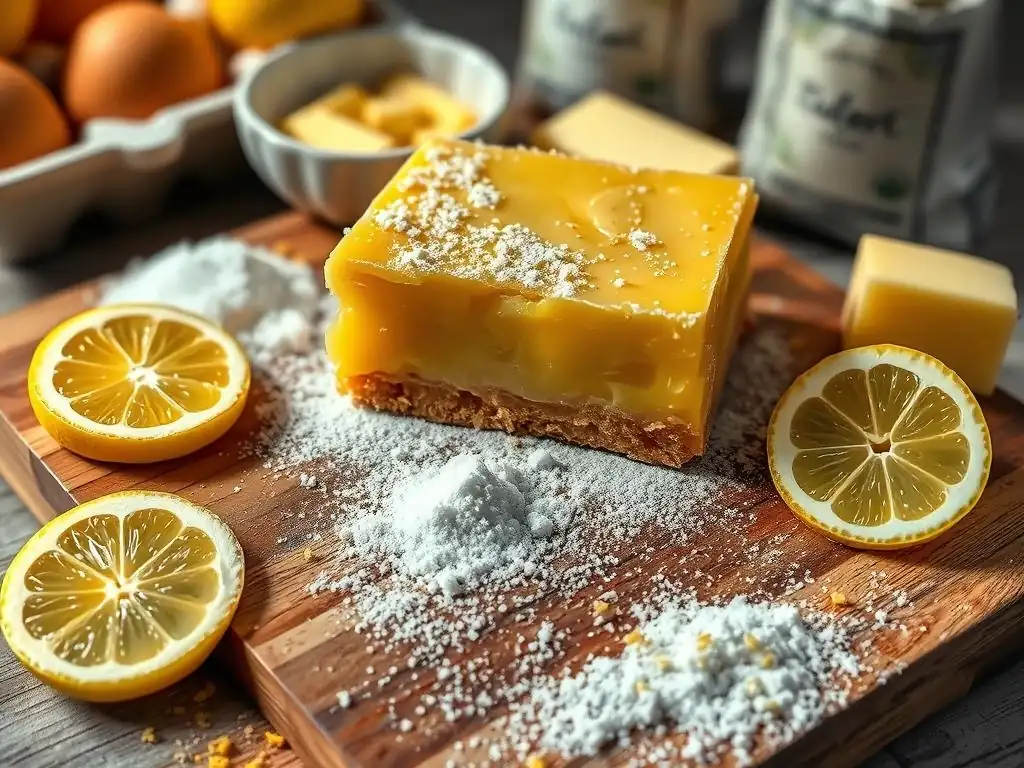
Shortbread Crust Ingredients
- All-purpose flour
- Granulated sugar
- Salt
- Unsalted butter, cold and cut into cubes
Lemon Filling Ingredients
- Granulated sugar
- All-purpose flour
- Eggs
- Fresh lemon juice
- Lemon zest (optional, for extra flavor)
- Baking powder
- Salt
- Powdered sugar (for dusting)
Step-by-Step Instructions
Preparing the Shortbread Crust
Mixing the Shortbread Dough
Begin by combining the dry ingredients for the shortbread crust: flour, sugar, and salt. You can do this in a medium bowl or a food processor. If using a bowl, cut in the cold, cubed butter using a pastry blender, fork, or your fingertips until the mixture resembles coarse crumbs with some pea-sized pieces of butter remaining. If using a food processor, pulse the dry ingredients a few times, then add the cold butter cubes and pulse until the mixture forms coarse crumbs. Be careful not to overmix; you want the butter to remain in small pieces.
Pressing the Dough into the Pan
Turn the crumbly shortbread mixture into an 8x8 or 9x13 inch baking pan (depending on how thick you like your bars). It's often helpful to line the pan with parchment paper first, leaving an overhang on the sides, which makes lifting the finished bars out much easier. Use your fingers or the bottom of a flat glass or measuring cup to press the mixture evenly and firmly across the bottom of the pan. Ensure the crust is packed tightly right up to the edges for a uniform base.
Pre-Baking the Shortbread Crust
Once the dough is pressed firmly into the pan, it's time to pre-bake it. This step is vital for preventing a soggy bottom. Bake the crust in a preheated oven, typically at 350°F (175°C), for about 15 to 20 minutes, or until the edges are lightly golden brown. The center may still look pale, but the edges should show color. Remove the pan from the oven and set it aside while you prepare the lemon filling. Keep the oven heated, as the filling will be added directly to the hot crust.
Making the Lemon Filling
Combining the Lemon Filling Ingredients
In a medium bowl, whisk together the granulated sugar and flour for the filling. This helps prevent the flour from clumping when added to the wet ingredients. In a separate bowl, whisk the eggs until well combined. Gradually whisk the sugar-flour mixture into the eggs until smooth. Then, whisk in the fresh lemon juice, lemon zest (if using), baking powder, and salt until the mixture is thoroughly combined and smooth. The baking powder helps give the filling a slightly lighter texture.
Pouring the Filling over the Crust
With the shortbread crust still warm from pre-baking, carefully pour the prepared lemon filling evenly over the hot crust in the pan. The warmth of the crust can help start the setting process slightly around the edges, which is a good thing. Use a spatula if needed to ensure the filling is spread into an even layer, reaching all the way to the edges of the pan. Be gentle to avoid disturbing the pre-baked crust layer underneath.
Baking the Lemon Bars
Baking Time and Temperature
Place the pan with the poured filling back into the preheated oven, maintaining the temperature around 350°F (175°C). The baking time for easy lemon bars with a shortbread crust typically ranges from 20 to 30 minutes, depending on your oven and the size of your pan. An 8x8 inch pan might take slightly longer than a 9x13 inch pan because the filling layer is thicker. Start checking around the 20-minute mark.
Checking for Doneness
To tell if your lemon bars are done, look for the center of the filling to be mostly set. The edges should appear firm and slightly puffed, while the center should have only a slight jiggle. Avoid over-baking, as this can lead to a tough or rubbery texture. A toothpick inserted into the center should come out with moist crumbs attached, not completely clean like a cake, but not with raw liquid filling. Small cracks around the edges are also common and indicate the filling is setting.
Cooling and Cutting
Cooling for Optimal Texture
Allowing your easy lemon bars with a shortbread crust to cool properly is perhaps the most crucial step for achieving the perfect texture and clean slices. Immediately after removing them from the oven, place the pan on a wire rack to cool completely at room temperature. This initial cooling period allows the residual heat to finish setting the filling gently and prevents condensation from making the crust soggy. It typically takes at least 1 to 2 hours for the bars to reach room temperature.
Once cooled to room temperature, refrigerate the lemon bars for at least 2 to 3 hours, or ideally longer, even overnight. Chilling the bars solidifies the butter in the shortbread crust and fully sets the lemon filling, making it firm enough to cut cleanly without squishing or crumbling. Rushing this step is the most common reason for messy cuts and bars that don't hold their shape. Patience here truly pays off!
Achieving Clean Cuts
Cutting chilled lemon bars with a shortbread crust can be tricky, but a few simple techniques ensure beautiful, clean slices. First, ensure the bars are thoroughly chilled, as recommended above. Using the parchment paper overhang (if you used it) to lift the cooled slab out of the pan onto a cutting board makes cutting much easier than trying to slice directly in the pan.
Use a sharp knife, preferably a long, straight-edged one. For the cleanest cuts, wipe the knife blade clean with a damp cloth or paper towel and dip it in hot water between each slice. This helps the knife glide smoothly through the filling and crust without dragging. Cut straight down firmly rather than sawing back and forth. Cut into your desired size squares or rectangles, wiping and heating the knife as needed for each cut.
Variations and Add-ins
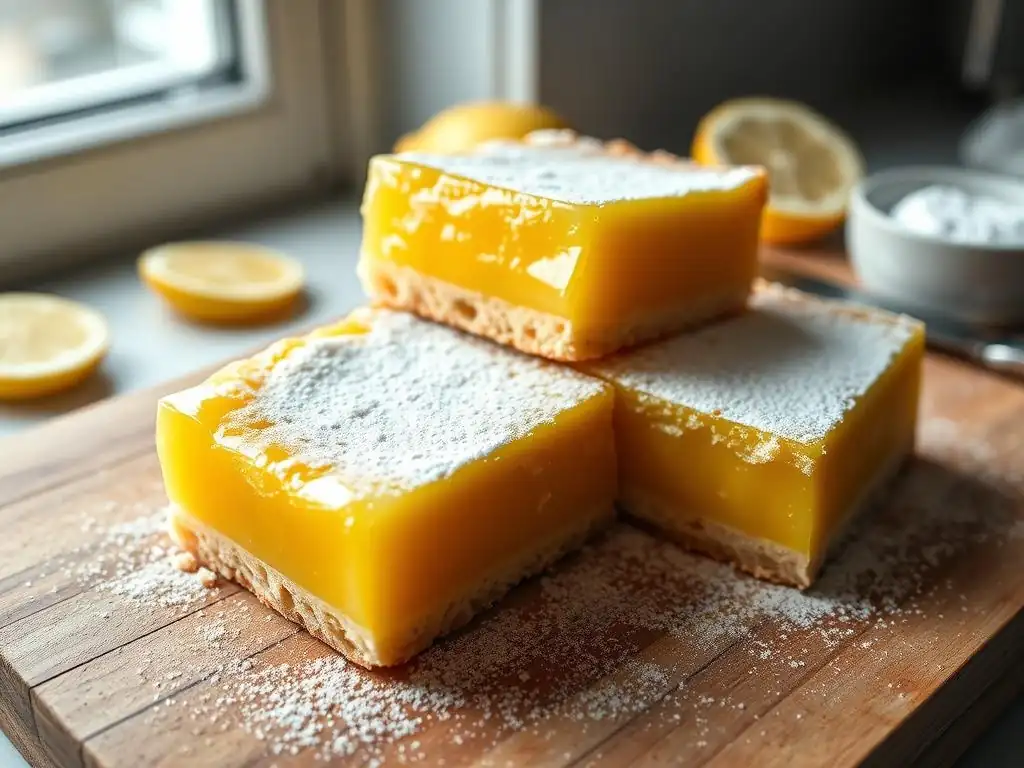
Adding Berries
Incorporating fresh berries into your easy lemon bars with a shortbread crust can add a delightful visual appeal and bursts of flavor. Raspberries and blueberries are particularly good choices as their tartness or sweetness complements the lemon. You can gently fold a handful of berries into the lemon filling just before pouring it over the crust. Be mindful that some berries, especially raspberries, might bleed color slightly into the yellow filling during baking.
Alternatively, you can sprinkle berries over the top of the lemon filling after it's poured into the pan but before baking. This keeps the berries more intact and visible on the surface. Using about a half cup to a full cup of berries for a 9x13 inch pan provides nice pops of flavor without overwhelming the lemon. Ensure berries are dry before adding them to the mix to prevent excess moisture.
Exploring Citrus Variations
While classic lemon bars with a shortbread crust are fantastic, don't hesitate to experiment with other citrus fruits for exciting variations. Lime bars, using fresh lime juice and zest, offer a slightly different, often sharper, tang. Orange bars, made with fresh orange juice and zest, tend to be sweeter and less tart, providing a milder, sunnier flavor profile.
You can also create combination bars, such as lemon-lime bars or even grapefruit bars for a more sophisticated, slightly bitter note. When substituting citrus, remember that acidity levels vary. You might need to adjust the amount of sugar slightly depending on the fruit used. A good rule of thumb is to taste the filling mixture and adjust sweetness before baking, keeping in mind it will seem quite tart raw.
Swirls and Toppings
Adding swirls or toppings can elevate the visual and flavor profile of your easy lemon bars with a shortbread crust. A classic topping is a simple dusting of powdered sugar once the bars are fully cooled and cut. For a more dramatic look, you can create a meringue topping. This involves whipping egg whites and sugar into stiff peaks and piping or spreading it over the baked and cooled lemon layer, then briefly baking or broiling until golden.
Other simple additions include a drizzle of white chocolate over the cooled bars, sprinkling toasted coconut flakes, or grating fresh lemon zest over the top just before serving. For a flavor swirl, you could gently swirl a bit of berry puree, raspberry jam, or even a bit of melted chocolate into the lemon filling before baking. These simple steps transform the classic treat into something uniquely yours.
Tips for Success
Using Fresh Lemon Juice
The quality of your lemon juice significantly impacts the flavor of your easy lemon bars with a shortbread crust. Using fresh lemon juice is non-negotiable for the best results. Bottled lemon juice often contains preservatives and lacks the bright, complex flavor of freshly squeezed juice. The acidity and vibrant aroma are key components of the bar's appeal.
To get the most juice from your lemons, roll them firmly on a counter before cutting. Warming them slightly in a microwave for 10-15 seconds can also help. A typical medium-sized lemon yields about 2 to 3 tablespoons of juice. Ensure you have enough lemons on hand for the recipe quantity specified, as running out mid-process is frustrating.
Achieving the Perfect Texture
Achieving the ideal texture involves both the crust and the filling. For the shortbread crust, don't overwork the dough; minimal mixing keeps it tender and crumbly. Pre-baking is essential to prevent sogginess. For the filling, the correct balance of eggs, sugar, flour, and lemon juice is crucial for a set yet slightly soft custard-like texture.
Pay close attention to the baking time for the filling. Over-baking will result in a tough or rubbery consistency, while under-baking will leave it too runny to set properly. The slight jiggle in the center when gently shaken is the perfect indicator that it's done. Proper cooling and chilling are also paramount for the filling to set completely and achieve that desirable smooth texture.
Storing for Freshness
To keep your easy lemon bars with a shortbread crust fresh, store them in an airtight container. They should always be stored in the refrigerator due to the egg-based filling. Properly stored in the fridge, they will maintain their quality and flavor for about 3 to 5 days.
If you need to store them longer, lemon bars freeze remarkably well. Cut the bars, then arrange them in a single layer in an airtight container or wrap individual bars tightly in plastic wrap before placing them in a freezer-safe container or bag. They can be frozen for up to 2-3 months. Thaw frozen bars in the refrigerator before serving.
Troubleshooting
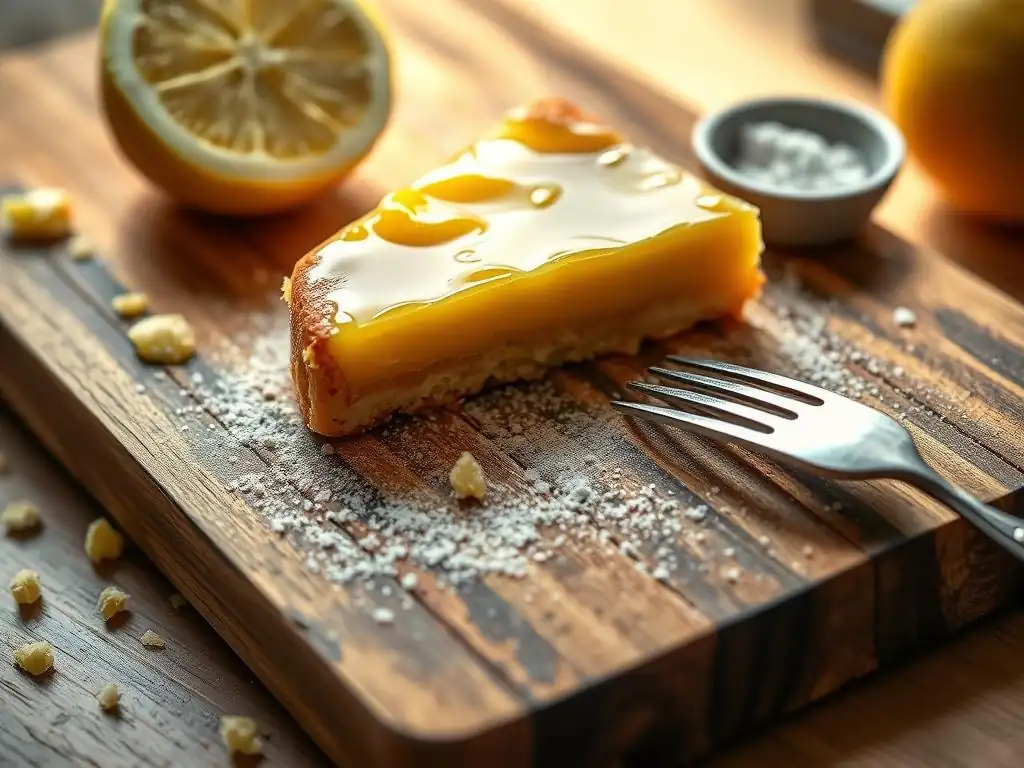
Soggy Crust Solutions
A soggy shortbread crust is a common issue with lemon bars but is usually preventable. The primary culprit is often not pre-baking the crust long enough before adding the filling. Ensure your shortbread crust is baked until the edges are golden and the center looks set, typically 15-20 minutes at 350°F (175°C), depending on the pan size.
Another factor can be inadequate cooling. Allowing the bars to cool completely at room temperature before refrigerating helps prevent condensation from forming between the filling and the crust, which can lead to sogginess. Also, ensure your lemon filling isn't excessively wet; stick to the recipe's liquid measurements.
Overly Tart Filling Fixes
If your lemon filling turns out too tart, there are a couple of things you can do. The easiest fix after baking is to serve the bars with something sweet to balance the acidity. A generous dusting of powdered sugar is classic, but a dollop of whipped cream or a scoop of vanilla ice cream works wonders to mellow the tartness.
For future batches, you can slightly increase the sugar in the filling recipe. Start by adding just a tablespoon or two more and taste the raw filling mixture (remembering it will still be quite tart but you can gauge the relative sweetness). The tartness of lemons can vary greatly, so adjusting sugar slightly based on your specific lemons is perfectly acceptable.
Preventing Cracking
Cracking on the surface of the lemon filling is usually a cosmetic issue and doesn't affect the taste, but it can be avoided. Cracks often occur when the filling is slightly over-baked or cools too quickly. Baking the bars only until the center is just set (with a slight jiggle) rather than completely firm can help.
Allowing the bars to cool gradually is also important. Once removed from the oven, let them cool completely on a wire rack at room temperature before transferring them to the refrigerator. Avoiding drastic temperature changes helps the filling contract and cool more evenly, reducing the likelihood of cracks forming on the surface.
Serving Suggestions
Perfect for Any Occasion
Easy lemon bars with a shortbread crust are incredibly versatile and suitable for countless occasions. Their bright, cheerful appearance and refreshing taste make them ideal for spring and summer gatherings like picnics, BBQs, and garden parties. They are a staple at bake sales, potlucks, and church socials because they transport well and are universally loved.
Beyond casual events, these classic lemon bars also fit beautifully into more formal settings. They are a popular choice for bridal showers, baby showers, brunches, and even holiday dessert platters, offering a lighter option alongside richer treats. Their ease of preparation makes them a go-to dessert when you need something impressive but don't have hours to spend in the kitchen.
Pairing Suggestions
The tangy flavor of lemon bars pairs wonderfully with several beverages and accompaniments. For drinks, a cup of hot tea, especially black or green tea, complements the sweetness and tartness. Iced tea or lemonade makes for a refreshing pairing in warmer weather. Coffee is also a classic match, particularly a lighter roast.
Consider serving lemon bars alongside fresh berries, such as raspberries or blueberries, which echo the fruit notes and add freshness. A small dollop of lightly sweetened whipped cream or crème fraîche on the side can add a touch of richness that mellows the tartness beautifully. For a delightful contrast, pair them with something crunchy like almond biscotti.
Garnish Ideas
While a simple dusting of powdered sugar is the most traditional garnish for easy lemon bars with a shortbread crust, there are many ways to add a decorative touch. Sifting powdered sugar over the cooled bars using a stencil (like a simple geometric pattern or a heart) creates an elegant look.
For extra lemon flavor and visual appeal, sprinkle finely grated fresh lemon zest over the top just before serving. Candied lemon slices or twists placed on individual bars add a sophisticated touch. A small sprig of mint or a single fresh berry (like a raspberry or blueberry) on top of each bar can also enhance their presentation.
Recipe Card
Frequently Asked Questions
What makes these lemon bars easy to make?
The recipe focuses on simple steps and easy-to-find ingredients, ensuring even beginner bakers can achieve delicious results. We also provide step-by-step instructions to guide you.
What's special about the shortbread crust in this recipe?
The shortbread crust is designed to be easy to prepare and bake, providing a buttery and slightly crumbly base that perfectly complements the tart lemon filling. It's a simple, no-fuss crust.
Can I use a different type of crust for these lemon bars?
While the shortbread crust is highly recommended for its ease and flavor, you could experiment. However, consider how it will alter the overall taste and texture, as the shortbread crust's buttery flavor is a key component.
How do I prevent the lemon filling from becoming rubbery?
Avoid overbaking the lemon bars. Bake until the filling is just set, with a slight jiggle in the center. Overbaking leads to a rubbery texture, so monitor closely.
What's the best way to store leftover lemon bars?
Store leftover lemon bars in an airtight container in the refrigerator. This will help them stay fresh and prevent the crust from becoming soggy. They can be stored for up to 3-4 days.
Final Reflection: The Enduring Allure of Simple Perfection
The seemingly simple act of baking a lemon bar, especially one with a melt-in-your-mouth shortbread crust, transcends mere culinary creation; it's a testament to the power of uncomplicated pleasures. In a world obsessed with complex recipes and elaborate techniques, the enduring popularity of this classic dessert speaks volumes about our yearning for comfort and ease. The ease of preparation, coupled with the bright, refreshing taste, makes it a recipe that resonates with both novice and experienced bakers alike.
The impact of this seemingly simple recipe extends beyond the kitchen; it's a symbol of shared experiences, from family gatherings to casual get-togethers. The act of baking and sharing these lemon bars fosters connection and creates lasting memories. The best things in life are simple,
a sentiment perfectly encapsulated by this recipe's ability to bring joy with minimal fuss. The bright yellow of the lemon curd, the buttery crumb of the crust – these are sensory details that evoke feelings of warmth, happiness, and nostalgia.
Now, I invite you to consider the power of simplicity in your own life. Don't be afraid to embrace the beauty of uncomplicated recipes, simple pleasures, and meaningful connections. Perhaps this recipe will inspire you to try your hand at baking, to share a treat with loved ones, or simply to savor the joy of a perfectly crafted lemon bar. Let the simplicity of this recipe be a reminder that sometimes, the most rewarding experiences are the ones that require the least effort.
Unlock Your Inner Baker: Make These Lemon Bars Today!
Thanks for taking the time to explore this easy lemon bar recipe! We hope you enjoyed the simple steps and delicious results. Now it's time to put your newfound skills to the test.
- Bake a batch of these delightful lemon bars today! Use the recipe as a starting point and feel free to experiment with different zests or glazes.
- Share your creations on social media! Use #BakeWithEaseLemonBars and tag us – we’d love to see your beautiful results.
- Why not try adapting this recipe to create other flavors? What unique twist would you add to these classic lemon bars?
Ready to unleash your inner pastry chef?