
Serve Focaccia Like a Pro: Best Pairing Ideas

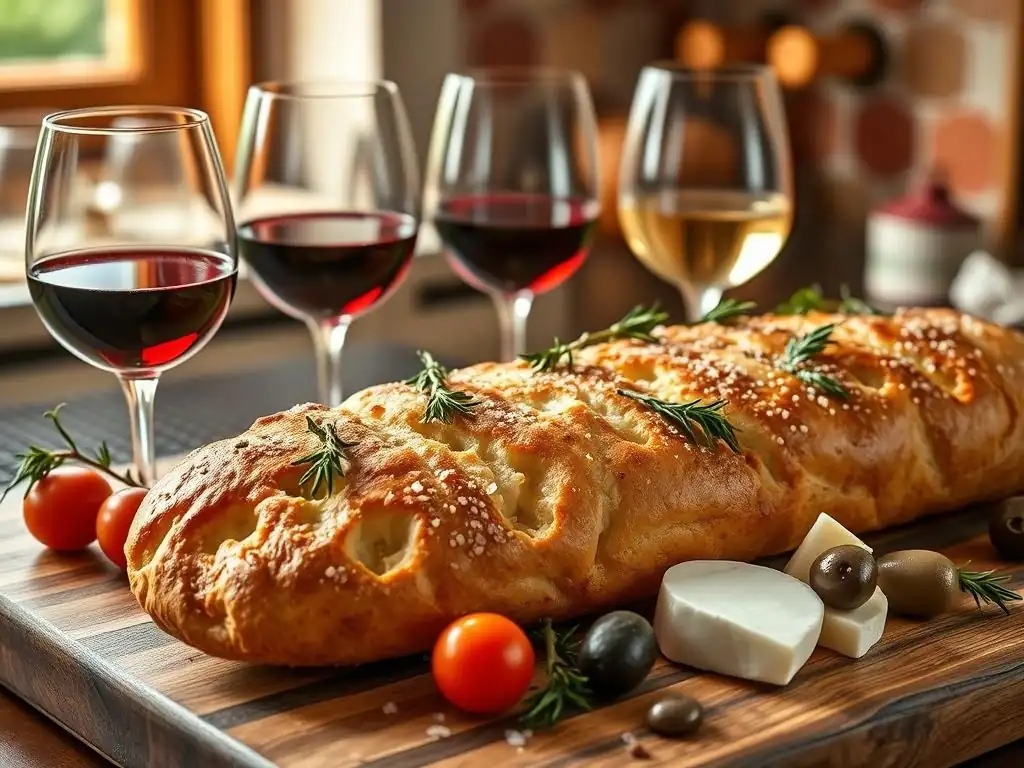
Welcome to BakeWithEase, your guide to unlocking baking brilliance!
Ever wondered how to elevate your freshly baked focaccia from simple bread to a sophisticated culinary experience? Discover the secrets to perfectly pairing your focaccia with wine, exploring flavor combinations that will tantalize your taste buds and impress your guests. Prepare to transform your next gathering with our expert insights and unlock a new dimension of flavor – let's get started!
- Serve Focaccia Like a Pro: Best Pairing Ideas for BakeWithEase
- Introduction to Focaccia and Wine Pairings
- Focaccia Pairings with Wine: A Comprehensive Guide
- Tips for Hosting a Focaccia and Wine Tasting
- Conclusion: Mastering the Art of Focaccia and Wine Pairing
- Frequently Asked Questions
- Final Reflection: The Unexpected Symphony of Focaccia and Wine
- Unleash Your Inner Focaccia Maestro!
Serve Focaccia Like a Pro: Best Pairing Ideas for BakeWithEase
Introduction to Focaccia and Wine Pairings
Why Focaccia is a Versatile Baking Delight
Focaccia, a beloved Italian flatbread, stands out in the world of baking for its incredible versatility and delightful simplicity. Originating from Liguria, this dough, often enriched with olive oil, can be a blank canvas for countless flavors, from simple sea salt and rosemary to more elaborate toppings like olives, tomatoes, or even sweet fruits. Its unique texture – a crisp bottom, a soft and airy interior, and a delightfully dimpled surface – makes it perfect for tearing and sharing, serving as an appetizer, a side dish, or even the base for a sandwich.
The beauty of focaccia lies not just in its ease of preparation, making it accessible for bakers of all levels on BakeWithEase.com, but also in its adaptability. A basic dough can be transformed dramatically with just a few ingredients, allowing home bakers to experiment endlessly. This versatility extends directly to how it can be served and enjoyed, particularly when considering complementary beverages. Understanding its chameleon-like ability to pair with different flavors is the first step in mastering the art of serving focaccia like a professional.
Understanding the Basics of Wine Pairing for Focaccia
Pairing wine with food, especially something as adaptable as focaccia, doesn't need to be intimidating. The fundamental principle is to find balance – ensuring the wine complements the flavors and textures of the focaccia without overwhelming them. For focaccia, which often features rich olive oil and sometimes savory toppings, wines with good acidity are often recommended, as they can cut through richness and cleanse the palate.
Considering the primary flavors in your focaccia is crucial for successful focaccia pairings with wine. A plain, olive-oil rich focaccia might benefit from a different wine than one loaded with pungent cheese or sweet toppings. Think about the intensity of the flavors: a lightly seasoned focaccia pairs well with lighter-bodied wines, while a focaccia with strong ingredients like garlic or blue cheese can stand up to more robust or sweeter wines. Exploring these interactions opens up a world of delicious possibilities for your focaccia and wine combinations.
Focaccia Pairings with Wine: A Comprehensive Guide
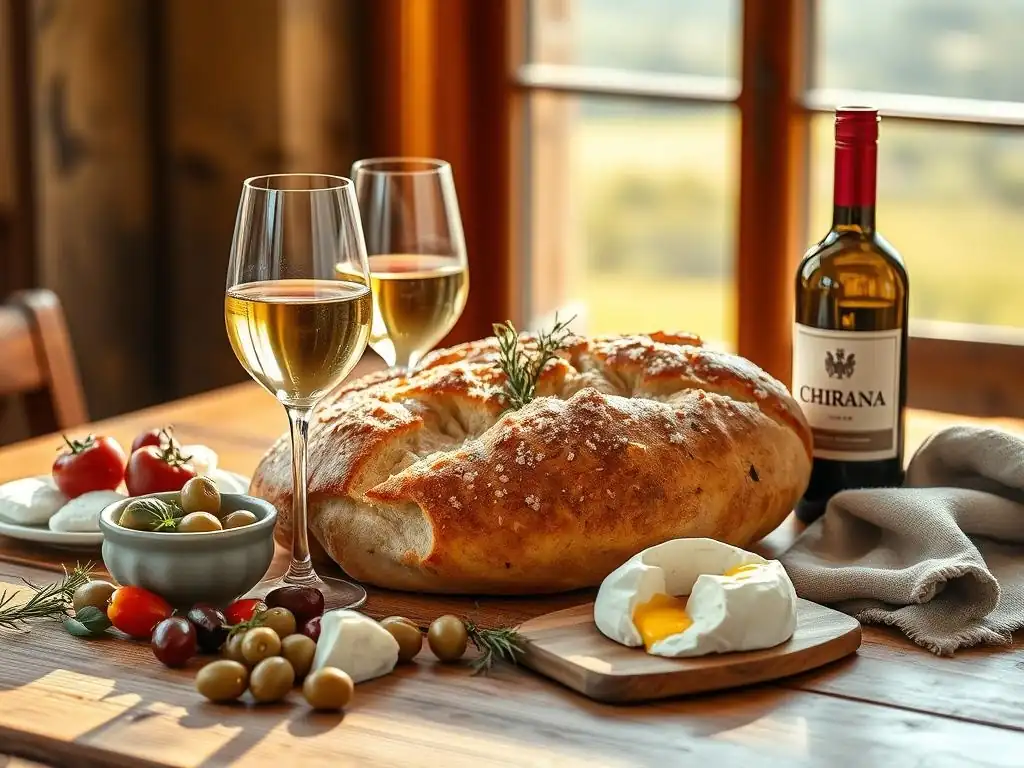
Classic Italian Wine Pairings for Focaccia
Italy, the birthplace of focaccia, naturally offers some of the most classic and harmonious wine pairings. These pairings often reflect regional traditions, matching local wines with local bread styles. The simplicity of traditional focaccia, often just flour, water, yeast, salt, and olive oil, allows the characteristics of the wine to shine through while the wine highlights the subtle nuances of the bread itself.
Exploring Italian wine pairing with focaccia involves looking at both white and red options, depending on the specific preparation. The goal is often to mirror the rustic, comforting nature of the bread with wines that are equally approachable and food-friendly. These traditional combinations are time-tested favorites for a reason, providing a reliable starting point for anyone looking to elevate their focaccia serving experience.
Pairing Focaccia with Dry White Wines: Vermentino, Pinot Grigio
Dry white wines are excellent companions for simple or herb-infused focaccia. Their crisp acidity and often mineral notes provide a refreshing contrast to the richness of the olive oil. Vermentino, particularly from Sardinia or Liguria, is a fantastic choice. It offers bright citrus and sometimes saline notes that echo the sea salt often sprinkled on focaccia, making it a natural fit. A Ligurian Vermentino, known for its clean, slightly bitter finish, pairs beautifully with the simple, high-quality ingredients in a traditional focaccia.
Pinot Grigio, especially those from Alto Adige or Friuli-Venezia Giulia, also works wonderfully. These versions are typically dry, with green apple and pear notes and a zesty acidity. They are less aromatic than some other whites, which allows the subtle flavors of the focaccia to remain prominent. A crisp Pinot Grigio is particularly good with focaccia that has just a sprinkle of sea salt and a generous drizzle of good olive oil, offering a clean, palate-cleansing experience.
Matching Focaccia with Light-Bodied Red Wines: Chianti Classico, Barbera
While white wines are common, light-bodied red wines can also create delightful focaccia pairings with wine, especially when the focaccia has slightly more robust flavors like tomato or onion. Chianti Classico, made primarily from Sangiovese grapes in Tuscany, is a prime example. Its moderate tannins, high acidity, and cherry or plum notes complement savory elements without overpowering the bread. A Chianti Classico pairs exceptionally well with focaccia topped with sun-dried tomatoes or herbs like oregano.
Barbera, from the Piedmont region, is another excellent choice. Barbera wines are known for their bright acidity and lower tannins compared to Sangiovese, featuring dark fruit flavors like cherry and blackberry. This makes them incredibly food-friendly and versatile. A young, vibrant Barbera d'Asti or Barbera d'Alba can be surprisingly good with focaccia, particularly those with a touch of garlic or onion, as the acidity balances the richness and the fruit notes add complexity.
Sparkling Wine and Focaccia: A Festive Combination
Sparkling wine might not be the first thing that comes to mind for focaccia pairings with wine, but it can be a surprisingly festive and effective combination. The effervescence and acidity of sparkling wines like Prosecco or Franciacorta cut through the richness of the olive oil, making each bite feel fresh. This pairing is particularly enjoyable with plain or lightly seasoned focaccia served as an aperitivo.
Prosecco, especially the Brut or Extra Dry varieties from the Veneto region, is widely available and offers lively bubbles with green apple and floral notes. Its light body makes it suitable for simple focaccia. For a more refined option, Franciacorta, a traditional method sparkling wine from Lombardy, provides greater complexity and finer bubbles, pairing beautifully with focaccia that might include delicate toppings or be served as part of a more elaborate spread. The celebratory feel of sparkling wine adds an extra layer of enjoyment to the simple pleasure of focaccia.
Cheese and Focaccia Wine Pairings: Elevating Your Baking Experience
Adding cheese to focaccia introduces new textures and flavors that significantly influence the optimal wine pairing. The richness, saltiness, and tang of various cheeses require careful consideration to ensure the wine enhances, rather than clashes with, the overall experience. Cheese and focaccia pairings with wine offer a wide spectrum of possibilities, moving beyond simple bread to a more complex culinary creation.
The type of cheese dictates the best wine match. Soft, creamy cheeses call for different wine characteristics than hard, aged ones, or pungent blue cheeses. Understanding the dominant flavor profile of the cheese used in or on your focaccia is key to unlocking the best wine combination, elevating your homemade focaccia from a simple bake to a sophisticated tasting experience.
Soft Cheese Pairings: Burrata with Sauvignon Blanc, Ricotta with Prosecco
Soft cheeses like burrata or ricotta, often added to focaccia post-baking or used as a topping, are creamy and relatively mild in flavor. Burrata, with its rich, liquid interior, benefits from a crisp, acidic white wine that can cut through its creaminess. Sauvignon Blanc, particularly from regions like Friuli-Venezia Giulia (where it's known as Sauvignon), with its bright acidity, citrus, and sometimes herbaceous notes, is a fantastic match. The wine's freshness balances the richness of the cheese and the olive oil in the focaccia.
Ricotta, being lighter and often slightly sweet or milky, pairs well with lighter, aromatic wines. Prosecco, mentioned earlier for plain focaccia, works beautifully here too. Its gentle bubbles and fruity notes complement the delicate nature of the ricotta without overpowering it. A still white like a light Arneis from Piedmont or a dry Moscato Giallo could also be considered, offering floral and fruity nuances that harmonize with the ricotta's subtle flavor.
Hard Cheese Pairings: Pecorino Romano with Sangiovese, Parmesan with Lambrusco
Hard cheeses, such as Pecorino Romano or Parmesan (Parmigiano Reggiano), bring intense, salty, and often nutty flavors to focaccia. These strong flavors require wines with enough structure and character to stand up to them. Pecorino Romano, with its sharp, salty bite, pairs wonderfully with wines made from Sangiovese. A young, fruit-forward Sangiovese from Emilia-Romagna or a Rosso di Montalcino offers sufficient acidity and red fruit character to balance the cheese's intensity.
Parmesan, known for its complex, nutty, and slightly crystalline texture when aged, finds an interesting partner in Lambrusco. While often associated with sweetness, dry (Secco) or off-dry (Amabile) Lambrusco from Emilia-Romagna offers lively bubbles, dark fruit flavors, and enough acidity to complement the richness and saltiness of Parmesan. The slight effervescence also helps cleanse the palate, making it an enjoyable pairing with focaccia topped or baked with this iconic cheese.
Blue Cheese Pairings: Gorgonzola with Passito di Pantelleria
Blue cheeses like Gorgonzola (Dolce or Piccante) are intensely flavored, salty, and often creamy or crumbly. Pairing wine with blue cheese requires a wine that can handle its pungency. A classic and often stunning pairing is with a sweet wine, particularly a Passito di Pantelleria. This amber-colored dessert wine from the island of Pantelleria, made from dried Zibibbo grapes, offers concentrated apricot, fig, and honey notes with balancing acidity.
The sweetness of the Passito provides a counterpoint to the saltiness of the Gorgonzola, creating a rich, complex, and satisfying combination. When Gorgonzola is used on focaccia, perhaps with a drizzle of honey or some walnuts, the Passito elevates these flavors further. Other options include Vin Santo (a Tuscan sweet wine) or a Recioto di Soave, which offer similar sweet and aromatic profiles that stand up to the bold flavor of the blue cheese.
Herb-Infused Focaccia Pairings: Enhancing Flavor with Wine
Herbs are perhaps the most common addition to focaccia, fundamentally changing its aroma and taste profile. From fragrant rosemary to pungent garlic or savory olives, these additions steer the wine pairing towards specific characteristics that complement the herbaceous or savory notes. Focaccia pairings with wine become more nuanced when considering the dominant herb or flavoring agent.
The key is to match the intensity and aromatic profile of the herb with a wine that has similar characteristics or provides a pleasant contrast. Herb-infused focaccia is a fantastic way to explore how subtle changes in ingredients can lead to significantly different, yet equally delightful, wine and focaccia combinations.
Rosemary Focaccia Wine Pairings: Vermentino
Rosemary is a quintessential focaccia topping, lending a piney, slightly peppery aroma and flavor. This strong herbaceous note pairs beautifully with wines that have similar aromatic qualities or refreshing acidity. As mentioned earlier, Vermentino is a prime candidate. Its bright acidity and often subtle hints of Mediterranean herbs or citrus complement the rosemary without being overwhelmed.
A Vermentino from Sardinia, known for its slightly more mineral and structured profile, stands up well to the robust flavor of fresh rosemary. The wine's clean finish ensures the palate isn't fatigued by the strong herb presence. Alternatively, a dry rosé from Provence or Italy (Rosato) can also work, offering red fruit notes balanced by crisp acidity that harmonizes with the herbal elements.
Olive Focaccia Wine Pairings: Pinot Grigio
Focaccia studded with olives, whether black or green, introduces a salty, briny, and sometimes slightly bitter element. This requires a wine that can handle these strong, savory flavors. Pinot Grigio, particularly those with good acidity and a clean, unoaked profile, is a reliable choice for olive focaccia pairings with wine.
The crispness of the Pinot Grigio cuts through the richness of the olive oil and the saltiness of the olives. Its relatively neutral fruit profile doesn't compete with the olive flavor but rather provides a refreshing counterpoint. A dry white from Liguria, such as Pigato (which is genetically identical to Vermentino but considered a distinct local variety), known for its savory and slightly almond notes, is another excellent regional pairing that complements the olives beautifully.
Garlic Focaccia Wine Pairings: Gavi
Garlic, whether roasted and sweet or raw and pungent, is a powerful flavor. Focaccia with garlic requires a wine bold enough to stand alongside it. Gavi, a dry white wine made from the Cortese grape in Piedmont, is known for its high acidity and crisp, sometimes mineral profile with notes of green apple and almond. This acidity is crucial for cutting through the intensity of garlic.
A crisp Gavi di Gavi can handle the pungency of garlic without being overpowered. Its clean finish helps refresh the palate after the strong garlic flavor. Other potential pairings could include a dry Vernaccia di San Gimignano from Tuscany, another high-acid white wine known for its savory notes and slight bitterness on the finish, which can also stand up to garlic effectively.
Savory Focaccia Toppings and Complementary Wine Selections
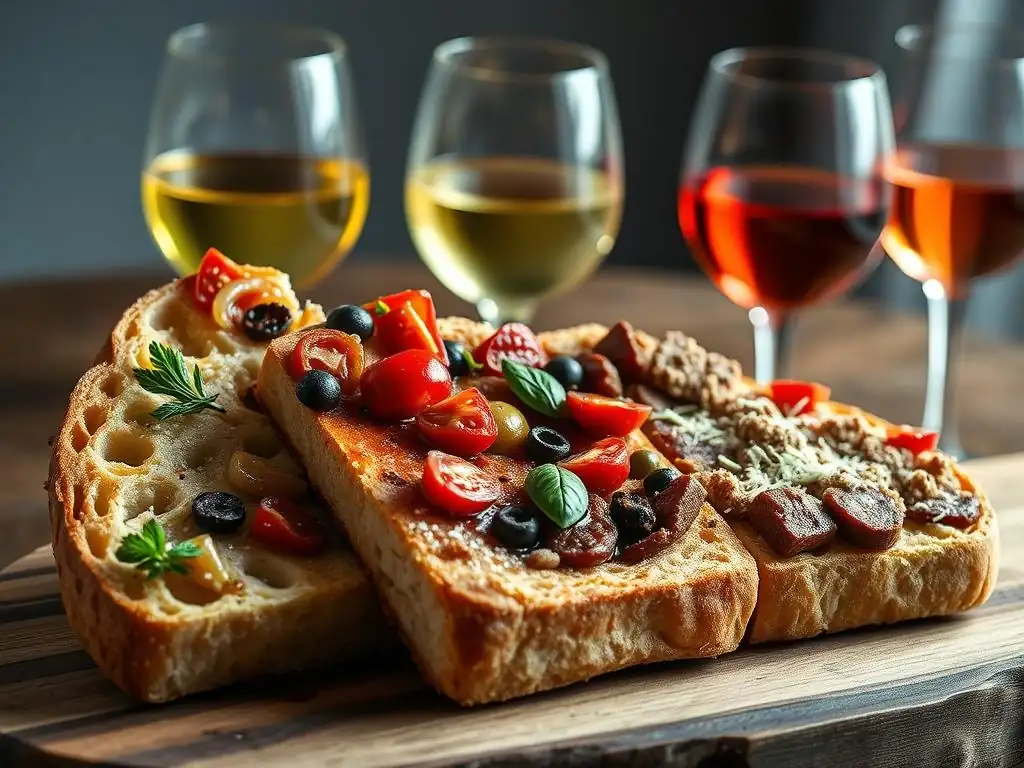
Beyond herbs and simple olives, focaccia can be topped with a variety of savory ingredients, transforming it into a more substantial dish. Tomatoes, onions, cured meats, or vegetables all add complexity and require thoughtful wine selections to create harmonious focaccia pairings with wine. These toppings often introduce sweetness, acidity, or richness that must be balanced by the chosen wine.
Considering the dominant savory flavor is key. A tomato-based topping needs a wine with acidity, while a topping with caramelized onions might benefit from a wine with a touch more fruit or body. Matching the weight and intensity of the topping with the weight and intensity of the wine is a good general principle to follow.
Focaccia with Tomatoes and Wine Suggestions: Rosato
Focaccia topped with fresh or roasted tomatoes brings acidity and sweetness to the bread. Wines with bright acidity are essential to complement the tomatoes. Rosato (Italian rosé) is often an ideal partner. Italian rosati, particularly from regions like Puglia (Salice Salentino Rosato) or Abruzzo (Cerasuolo d'Abruzzo), are typically dry, with good acidity and red fruit flavors like cherry and strawberry.
The acidity in the Rosato mirrors the acidity in the tomatoes, creating a balanced pairing. The fruit notes in the wine also complement the natural sweetness of the tomatoes. A light-bodied red like a young Valpolicella (made from Corvina, Rondinella, and Molinara grapes) with its bright cherry notes and low tannins could also work, especially if the focaccia includes other savory elements like olives or a sprinkle of cheese.
Focaccia with Olives and Wine Suggestions: Vermentino
As discussed in the herb section, olives add a salty, briny element that pairs well with crisp, acidic white wines. Vermentino remains an excellent choice here for focaccia with olives. Its inherent salinity and bright acidity provide a refreshing counterpoint to the olives' intensity.
The clean, often mineral profile of Vermentino from regions like Liguria or Sardinia handles the saltiness effectively, preventing the wine from tasting flat. If the focaccia includes both olives and rosemary, Vermentino is still a strong contender as it complements both key flavors. Other crisp whites like Greco di Tufo from Campania, known for its structure and mineral notes, could also be explored.
Focaccia with Onions and Wine Suggestions: Chianti
Focaccia with caramelized or roasted onions offers a sweet and savory depth. This richness and sweetness require a wine with enough character to stand up to it, often with good acidity to balance the sweetness. Chianti, particularly a Chianti Classico, is a classic Italian red that works well with onion focaccia.
The acidity of the Sangiovese grape cuts through the richness of the olive oil and the sweetness of the caramelized onions. The savory and slightly earthy notes of Chianti complement the rustic flavor of the bread and the onions. A Barbera, with its bright acidity and dark fruit, could also be a good match, especially if the onions are more savory than sweet. The key is a wine with sufficient acidity and a flavor profile that harmonizes with the cooked onion's complexity.
Sweet Focaccia and Dessert Wine Pairings
While most focaccia is savory, sweet variations exist, often topped with fruit, honey, or sugar. These versions move into the dessert realm and require different wine pairings, typically sweet or fortified wines. Pairing sweet focaccia with wine involves finding a wine that is equally sweet or sweeter than the focaccia itself, ensuring the wine doesn't taste dry or sour in comparison.
The specific topping on the sweet focaccia will guide the choice of dessert wine. Fruit toppings might pair differently than a simple sugar or honey glaze. Exploring these sweet focaccia and dessert wine pairings offers a delightful end to a meal or a treat in itself.
Pairing Sweet Focaccia with Moscato: Moscato d'Asti
Sweet focaccia, particularly lighter versions with fruit like grapes or figs, pairs beautifully with Moscato d'Asti. This lightly sparkling, low-alcohol sweet wine from Piedmont is known for its fragrant aroma of peaches, apricots, and orange blossoms, and its gentle sweetness balanced by a light fizziness and acidity.
Moscato d'Asti's sweetness complements the sweetness of the focaccia, while its low alcohol content and bubbles keep the palate refreshed. It's an especially good match for focaccia baked with fresh grapes or drizzled with honey. The wine's fruity and floral notes enhance the simple, sweet flavors of the bread. An Asti Spumante, a fully sparkling version of Moscato, could also work for a more festive option.
Sweet Focaccia and Vin Santo: A Traditional Italian Match
Vin Santo, a traditional Tuscan dessert wine ("holy wine") made from dried grapes (typically Trebbiano and Malvasia), is a rich, amber-colored wine with complex flavors of nuts, dried fruit, honey, and caramel. It is a classic pairing for Italian biscotti and works equally well with sweet focaccia, particularly those with nutty or dried fruit elements.
The oxidative notes and concentrated sweetness of Vin Santo provide a deep, layered pairing for a sweet focaccia. Its viscosity and intense flavor stand up to richer sweet toppings. A medium-bodied Vin Santo with balanced acidity is ideal, creating a luxurious end to a meal. This pairing offers a taste of traditional Italian hospitality.
Other Dessert Wine Options for Sweet Focaccia: Passito di Pantelleria
Beyond Moscato and Vin Santo, other Italian sweet wines can create wonderful sweet focaccia and dessert wine pairings. Passito di Pantelleria, mentioned earlier for blue cheese, also excels with sweet dishes. Its intense apricot, fig, and honey flavors make it a fantastic match for focaccia topped with dried fruits, nuts, or even a simple sugar glaze.
Recioto della Valpolicella, a sweet red wine from Veneto made from dried Corvina, Rondinella, and Molinara grapes, offers dark cherry and chocolate notes. This could be an interesting pairing for a sweet focaccia that perhaps incorporates cocoa or dark fruit. The key is to match the intensity and flavor profile of the sweet focaccia topping with a dessert wine that offers complementary or harmonizing notes.
Tips for Hosting a Focaccia and Wine Tasting
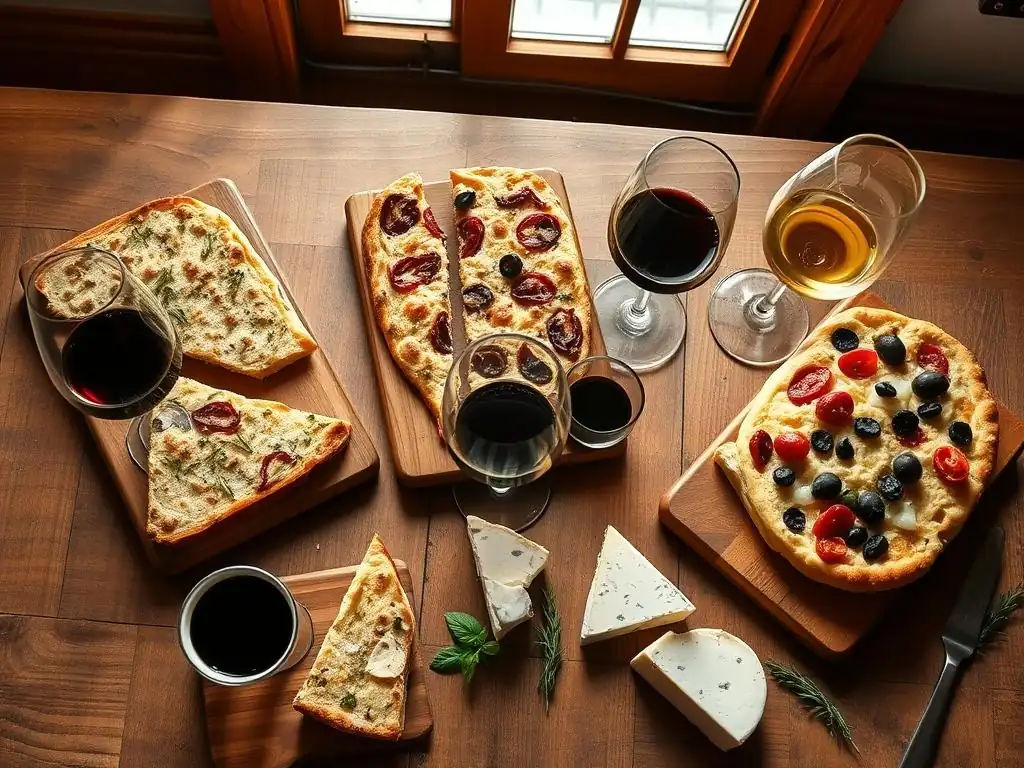
Hosting a tasting is a fantastic way to explore the many facets of focaccia pairings with wine. It allows guests to sample different variations of focaccia and see how they interact with various wines side-by-side. Planning is key to ensure a successful and enjoyable experience.
A well-organized tasting highlights the versatility of both focaccia and wine, demonstrating how simple ingredients can create complex and delightful sensory experiences. It's an educational yet fun way to share your passion for baking and wine with friends and family.
Selecting the Right Focaccia Flavors
For a tasting, offer a variety of focaccia types to showcase the range of possible focaccia pairings with wine. Start with a simple, classic focaccia with sea salt and olive oil. Then, include a few variations with distinct toppings:
- Rosemary and sea salt
- Olive (black or green)
- Tomato (cherry or sun-dried)
- Caramelized onion
- Perhaps one with cheese (like a sprinkle of Parmesan)
- If feeling adventurous, a small piece of sweet focaccia (with grapes or honey).
Ensure the pieces are small enough for tasting multiple types – about a 2-inch square is usually sufficient. Prepare them fresh to ensure the best texture and flavor. Label each focaccia type clearly so guests know what they are sampling.
Choosing Complementary Wine Varieties
Based on the focaccia flavors selected, choose a few complementary wines. Aim for variety in the wine selection as well, including at least one dry white, one light-bodied red, and potentially a sparkling wine or a sweet wine if including sweet focaccia. For instance:
- A crisp Vermentino or Pinot Grigio for plain/herb focaccia.
- A light Chianti or Barbera for tomato/onion focaccia.
- A Prosecco for a refreshing option.
- A Moscato d'Asti or Vin Santo for sweet focaccia.
Serve the wines at the appropriate temperatures (whites and sparkling chilled, reds slightly below room temperature). Offer tasting notes or brief descriptions for each wine, explaining why it pairs well with specific focaccia types. Provide water and plain crackers between tastings to cleanse the palate.
Setting the Stage for a Memorable Tasting Experience
Create a relaxed and inviting atmosphere for your focaccia and wine tasting. Set up a tasting area with enough space for guests to move around. Provide small plates and napkins. Arrange the focaccia pieces attractively, perhaps on wooden boards or platters. Have wine glasses ready, ideally one per wine per guest, or encourage rinsing between pours.
Consider providing small tasting sheets or cards where guests can jot down their thoughts on the different focaccia and wine combinations. Encourage discussion about which pairings they enjoyed most and why. This interactive element makes the tasting more engaging and educational. Remember the goal is enjoyment and exploration – keep the tone friendly and fun, just like baking on BakeWithEase.com.
Conclusion: Mastering the Art of Focaccia and Wine Pairing
Mastering focaccia pairings with wine is an enjoyable journey that enhances both your baking skills and your appreciation for wine. By understanding the key flavors and textures of different focaccia variations and applying basic wine pairing principles, you can unlock a world of delicious combinations. From simple salt and olive oil focaccia with a crisp Vermentino to a savory onion focaccia with a food-friendly Chianti, the possibilities are vast and rewarding.
Experimentation is key to finding your personal favorite focaccia and wine pairings. Don't be afraid to try unexpected combinations; sometimes the most surprising matches are the most delightful. Whether you're hosting a formal tasting or simply enjoying a slice of homemade focaccia with a glass of wine after a long day, understanding these pairings elevates the experience. So bake a batch of focaccia, open a bottle of wine, and enjoy the simple pleasure of these perfect partners.
Frequently Asked Questions
What types of wine are generally recommended for pairing with focaccia?
Generally, lighter-bodied wines, both red and white, complement focaccia well. Think of crisp whites like Pinot Grigio or Sauvignon Blanc, or lighter reds such as Beaujolais or Pinot Noir.
Does the focaccia topping influence the wine pairing choice?
Absolutely! The topping significantly impacts the pairing. For instance, a herb-infused focaccia pairs beautifully with an earthy white wine, while a tomato-based focaccia might call for a light-bodied red.
What if the focaccia has a salty topping like olives or sea salt?
Salty focaccia benefits from wines with good acidity to cut through the saltiness. A dry rosé or a sparkling wine can be excellent choices to balance the flavors.
Can I pair focaccia with dessert wines?
While less common, it's possible! If your focaccia is slightly sweet or includes ingredients like caramelized onions, a lightly sweet dessert wine like Moscato d'Asti could create a pleasant contrast.
Are there any red wines to avoid when pairing with focaccia?
Avoid heavy, tannic red wines like Cabernet Sauvignon or Bordeaux. These wines can overpower the delicate flavors of focaccia and create a bitter taste experience.
Final Reflection: The Unexpected Symphony of Focaccia and Wine
The seemingly simple act of pairing focaccia with wine unlocks a world of flavor combinations that transcend the ordinary. From the rustic charm of a rosemary focaccia to the vibrant notes of a sun-dried tomato version, the possibilities are as endless as the vineyards themselves. This exploration has revealed that the perfect pairing isn't just about matching flavors, but about creating a harmonious dialogue between the bread's textures and the wine's nuances.
The journey through various focaccia types and wine selections has underscored the importance of mindful eating and drinking. It's a reminder that even the simplest pleasures, like a slice of warm focaccia with a glass of well-chosen wine, can be elevated to an art form. The best things in life are simple,
a phrase often repeated, truly resonates when considering the profound satisfaction derived from such seemingly uncomplicated pairings. This exploration has not only expanded my own culinary horizons but also highlighted the rich cultural tapestry woven into the traditions of bread-making and wine-growing.
Now, it's your turn. Consider the focaccia you love most – perhaps a classic olive and herb version, or something more adventurous. Think about the wines you enjoy, and experiment! Don't be afraid to try unexpected combinations; the most delightful discoveries often arise from stepping outside of our comfort zones. Let the flavors guide you, and savor the symphony of tastes that unfolds with each bite and sip. Embrace the art of pairing, and elevate your everyday moments into something truly special.
Unleash Your Inner Focaccia Maestro!
Thanks for joining us on this delicious journey through the world of focaccia pairings! We hope you’ve discovered some inspiring new ways to elevate this simple yet stunning bread. Ready to take your focaccia game to the next level?
- Craft Your Perfect Focaccia Board: This is your chance to shine! Experiment with different toppings, cheeses, and cured meats, inspired by the pairings we discussed. Don't be afraid to get creative!
- Share Your Creations: Show us your focaccia masterpieces! Post a picture on social media using #BakeWithEaseFocaccia and tag us – we can’t wait to see what you create.
- Dive Deeper into Italian Flavors: Explore our other articles on Italian baking to uncover even more delicious recipes and techniques.
What unexpected flavor combination will you try on your next focaccia?