
Troubleshooting Overproofed Baguettes: Can You Save Them?

Welcome to BakeWithEase, your trusted companion in the world of baking! Ever wondered if that perfect baguette dough has gone too far? Dive in as we explore essential overproofed baguette troubleshooting tips, uncovering secrets to salvage your bake and understand the science behind bread baking. Let's turn potential baking disasters into delicious learning experiences!
- Understanding Overproofing in Baguette Baking
- Identifying an Overproofed Baguette Dough
- Can You Save Overproofed Baguette Dough? Rescue Strategies
- Preventing Overproofing in Baguette Baking: Proactive Measures
- Baking Overproofed Baguettes: What to Expect
- Conclusion: Mastering Baguette Baking, Even with Overproofing
-
Frequently Asked Questions
- What are the telltale signs that my baguette dough is overproofed?
- Can I still bake an overproofed baguette, or is it a lost cause?
- What steps can I take to try and salvage overproofed baguette dough?
- How can I prevent my baguette dough from overproofing in the future?
- Besides visual cues, are there other ways to determine if my baguette dough is ready for baking?
- Final Reflection: The Unexpected Resilience of the Overproofed Baguette
- Rediscover Your Baking Confidence: Save Those Overproofed Baguettes!
Understanding Overproofing in Baguette Baking
What Does Overproofed Dough Look Like in Baguettes?
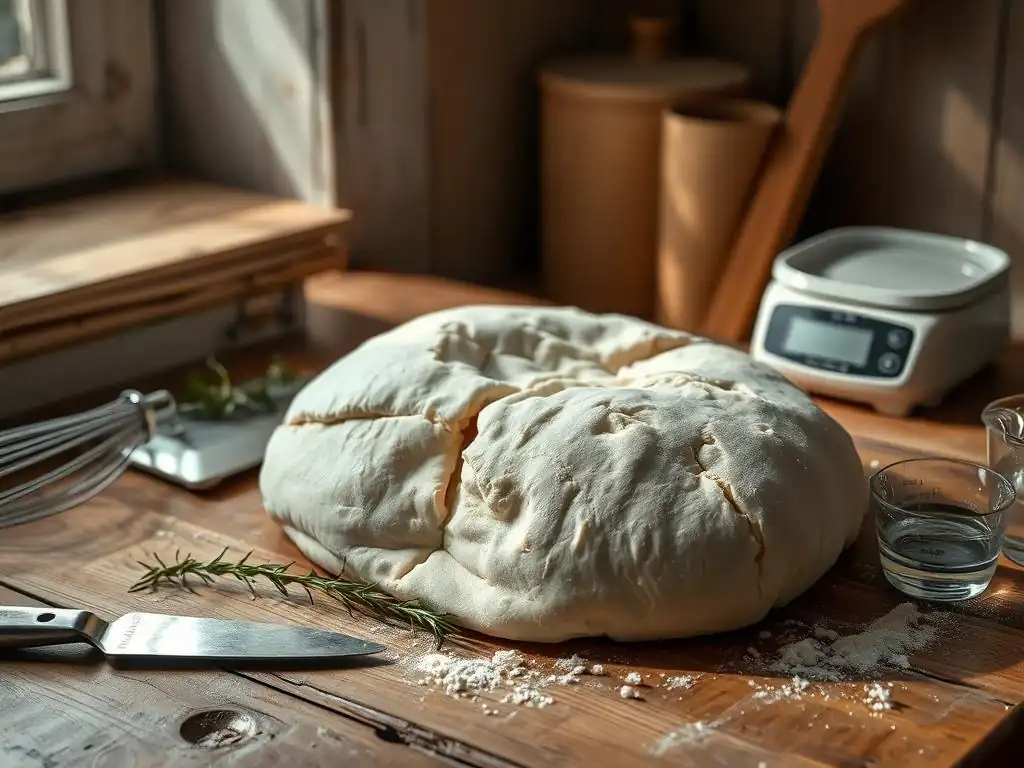
Overproofed baguette dough typically appears significantly larger than intended, often having doubled or even tripled in size. The surface might look puffy and overly expanded, sometimes showing small bubbles just beneath the surface. Instead of a smooth, slightly taut skin, the dough can look slack and lose its structural integrity. You might notice it spreading out more than rising upwards, especially if proofed in a basket or on a flat surface. The dough feels exceptionally light and airy, almost fragile, and can tear easily when handled.
Furthermore, the dough might show signs of deflation or collapse, particularly if it has been overproofed for a considerable time. This collapse happens when the gluten structure, stretched to its absolute limit by the expanding gas, finally gives way. If you gently poke the dough, the indentation may remain permanently or spring back very slowly, indicating a weakened structure unable to hold its shape or gas effectively. This state is a key indicator when considering overproofed baguette troubleshooting tips.
The Science Behind Overproofing: Yeast Activity and Gluten Structure
Overproofing is fundamentally a consequence of excessive yeast activity relative to the dough's gluten development and temperature. Yeast consumes sugars in the dough and produces carbon dioxide gas and alcohol. In a well-proofed dough, this gas is trapped by the elastic gluten network, causing the dough to rise. However, if proofing continues for too long, the yeast produces an excessive amount of gas, pushing the gluten structure beyond its elastic limit.
Simultaneously, enzymes present in the flour and produced by the yeast begin to break down the gluten proteins. This enzymatic degradation, combined with the physical stretching from gas production, weakens the gluten network. The dough loses its ability to hold gas effectively, leading to potential collapse. The acids produced by fermentation also build up, which can further impact gluten strength and contribute to a sour flavor profile, sometimes overly acidic or alcoholic. Understanding this interplay between yeast, gas, and gluten is crucial for successful overproofed baguette troubleshooting.
Identifying an Overproofed Baguette Dough
Visual Cues: Recognizing Overproofed Baguette Dough
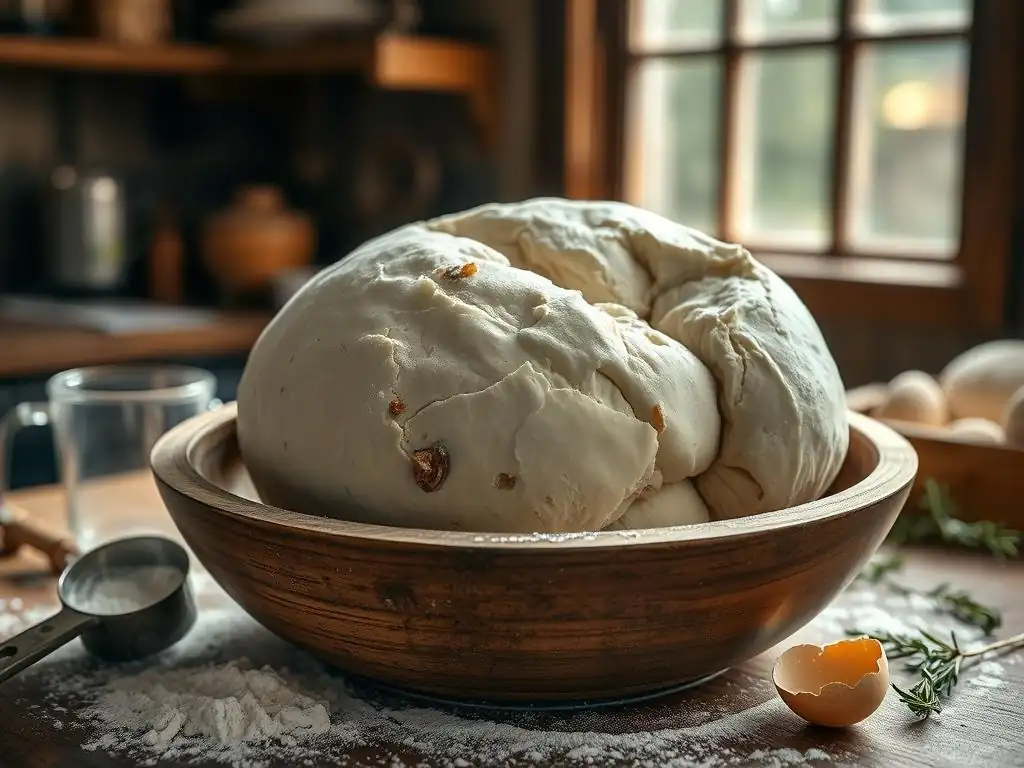
Visually identifying an overproofed baguette dough involves observing several key characteristics. Look for dough that has expanded well beyond the expected size for its proofing stage; it might appear ballooned or even slightly deflated in areas. The surface can look dull or slightly dry if it hasn't been covered properly, and large, irregular bubbles may be visible just under the skin. A dough that has overproofed significantly will often look slack and lack the characteristic dome or tension of a properly proofed dough.
Compare its current size and appearance to how it looked at the start of proofing and what you expect for a fully proofed but not overproofed dough. If it looks significantly larger than double its original size, or if it has started to spread outwards excessively rather than maintaining height, it's likely entering or is already in an overproofed state. This visual assessment is the first step in applying overproofed baguette troubleshooting tips.
The Touch Test: Assessing Dough Texture for Overproofing
The touch test, often called the "poke test," is a crucial method for assessing dough proofing. For a properly proofed dough, gently poking it with a floured finger should leave an indentation that slowly springs back, but not completely. If the dough springs back immediately and completely, it's underproofed. For overproofed dough, the indentation will either remain completely or spring back very slowly and only partially.
Furthermore, the texture of overproofed dough will feel excessively light, airy, and potentially fragile. It might feel "gassy" and tear easily when handled. The surface might feel delicate and prone to sticking. This lack of resistance and the permanent or slow indentation recoil are strong indicators that the gluten structure is weakened and the dough is overproofed, necessitating immediate overproofed baguette troubleshooting.
Smell Test: Recognizing the Aroma of Overproofed Dough
The aroma of dough changes significantly during fermentation. A properly proofed dough will have a pleasant, slightly sweet, and subtly yeasty or fermented smell. As dough overproofs, the fermentation continues, leading to a build-up of metabolic byproducts, particularly alcohol and acids.
An overproofed dough will often have a strong, pungent, and sometimes unpleasant alcoholic or overly sour smell. It might smell intensely of yeast or even have a slightly vinegary or acetone-like aroma if fermentation has gone too far and acetic acid production is high. This sharp, acrid smell is a clear warning sign that the dough is past its prime and requires overproofed baguette troubleshooting measures.
Can You Save Overproofed Baguette Dough? Rescue Strategies
Option 1: The Gentle Re-Knead for Slightly Overproofed Baguettes
If your baguette dough is only slightly overproofed – meaning it's expanded a bit too much, feels very airy, and the poke test shows a slow but still partial spring back – you might be able to save it with a gentle re-knead. This technique aims to redistribute the gas, realign the gluten strands, and give the yeast a fresh start (or at least allow for a shorter secondary proof). It's less effective for severely overproofed dough where the gluten is significantly degraded.
The goal here isn't to develop more gluten, but to bring some structure back and expel excessive gas. Think of it as hitting a 'reset' button, allowing you to reshape and then proof for a much shorter duration. This is one of the less drastic overproofed baguette troubleshooting tips for minor errors.
Re-Kneading Technique for Slightly Overproofed Baguettes
To re-knead slightly overproofed dough, gently turn it out onto a lightly floured surface. Avoid aggressive handling. Fold the dough over onto itself a few times, just enough to deflate it and bring it back into a cohesive mass. You can use a stand mixer with a dough hook on a low speed for 1-2 minutes, or knead by hand for about 2-3 minutes. The dough will initially feel very soft and bubbly. As you knead, it should start to feel slightly firmer and less gassy.
Be careful not to overwork it, as the gluten is already stressed. The aim is just to restore some tension and structure. Once it feels slightly more resilient and less like a balloon, gather it into a ball. It will likely feel softer than your initial dough. Cover it and let it rest for 10-15 minutes before attempting to shape your baguettes again.
Monitoring Dough Strength After Re-Kneading
After the short rest following the re-knead, the dough should feel slightly firmer and more manageable. However, it will not have the same strength and elasticity as a perfectly proofed dough. When you go to shape the baguettes, be extra gentle. The dough may tear more easily. The gluten network has been re-aligned but is still potentially weakened from the initial overproofing.
Monitor the dough carefully during the subsequent, very short, proofing period. Because the yeast population is still high and active (assuming it hasn't depleted all the sugar), the dough will rise much faster than it did initially. This second proof might only take 20-40 minutes, depending on room temperature. Watch for just a slight puffing up – maybe a 20-30% increase in volume – before baking. Overproofed baguette troubleshooting after re-kneading requires vigilance to avoid repeating the mistake.
Option 2: The Punch Down and Re-Shape for Moderately Overproofed Baguettes
For dough that is moderately overproofed – significantly expanded, very airy, and with a slow poke test return – a punch down and re-shape is a viable strategy. This is similar to re-kneading but emphasizes deflating the dough more thoroughly. The primary goal is to expel the excess gas and allow for a second, albeit shorter, proofing phase.
This method is effective when the gluten structure is still somewhat intact but has been severely stretched. By punching down, you release the trapped gas, giving the gluten a chance to relax slightly before being stretched again during reshaping and the final, short proof. It's a common approach in overproofed baguette troubleshooting when the dough is still salvageable but needs significant intervention.
Punch Down Technique for Baguette Dough
Turn the moderately overproofed dough out onto a lightly floured surface. Gently but firmly press down on the dough with your hands or the heel of your palm. Work your way across the dough, deflating it evenly. You'll hear the gas escaping. Fold the edges into the center and turn the dough over, creating a somewhat smooth surface on top.
The goal is to reduce the dough back to roughly its original pre-proofed size, expelling most of the trapped carbon dioxide. Avoid tearing the dough unnecessarily. Once punched down, let the dough rest, covered, for about 10-15 minutes. This rest period allows the gluten to relax slightly before you attempt to shape it into baguettes.
Re-Shaping Overproofed Dough into Baguettes
After the short rest, the punched-down dough should be more manageable, though still likely softer than ideal. Gently divide the dough into portions for your baguettes. Shape each piece carefully, trying not to degas it completely but ensuring enough tension is built to hold the baguette shape. The dough might be prone to tearing, so handle it with care.
Place the shaped baguettes on a floured couche or proofing surface. The subsequent proofing time will be significantly shorter than the initial proof, possibly only 30-60 minutes depending on conditions. Watch the dough closely; it will expand quickly. You are looking for perhaps a 50-75% increase in volume, not a doubling. This shortened proof is critical in overproofed baguette troubleshooting after a punch down.
Option 3: Turning Overproofed Dough into Focaccia or Pizza
Sometimes, baguette dough is too severely overproofed to be salvaged into baguettes. The gluten structure might be too degraded to hold the long, thin shape required for a baguette, especially during handling and baking. In such cases, the best overproofed baguette troubleshooting tip is often to pivot and use the dough for a different bread type that is more forgiving of a weaker structure, such as focaccia or pizza crust.
These flatter bread types don't rely as heavily on internal structure for shape and rise. They benefit from the flavors developed during the long fermentation, even if the dough's physical strength is compromised. This option minimizes waste and still yields a delicious product, just not the one you originally intended.
Adapting Overproofed Dough for Focaccia
Overproofed baguette dough is excellent for focaccia. The slack nature of the dough is actually a benefit for focaccia, which is typically a wet, loose dough spread into a pan. Gently transfer the overproofed dough into a well-oiled baking pan (olive oil is traditional for focaccia). Drizzle more olive oil over the top.
Gently dimple the surface with your fingers. You can add toppings like flaky sea salt, rosemary, cherry tomatoes, or olives at this stage. Let the dough rest in the pan for 20-30 minutes while your oven preheats. The flavors from the extended fermentation will shine in the baked focaccia. Bake according to a standard focaccia recipe, often at a high temperature like 400-425°F (200-220°C) for 20-30 minutes until golden brown.
Using Overproofed Dough for Pizza
Similar to focaccia, overproofed baguette dough can be successfully transformed into pizza crust. The dough's extensibility makes it easy to shape (or stretch) into a pizza base. Gently turn the dough out and divide it into portions suitable for pizza crusts.
Carefully shape each portion into a round or rustic shape. The dough might be fragile, so handle it with care. You can let the shaped crusts rest for a very short time (5-10 minutes) before adding toppings. Bake at a high temperature (450-500°F or 230-260°C) on a pizza stone or steel for a crispy crust. The complex flavors developed during the long proof will add depth to your pizza. This is a practical application of overproofed baguette troubleshooting tips when baguettes are out of the question.
Preventing Overproofing in Baguette Baking: Proactive Measures
Mastering Proofing Time: Finding the Sweet Spot for Baguette Dough
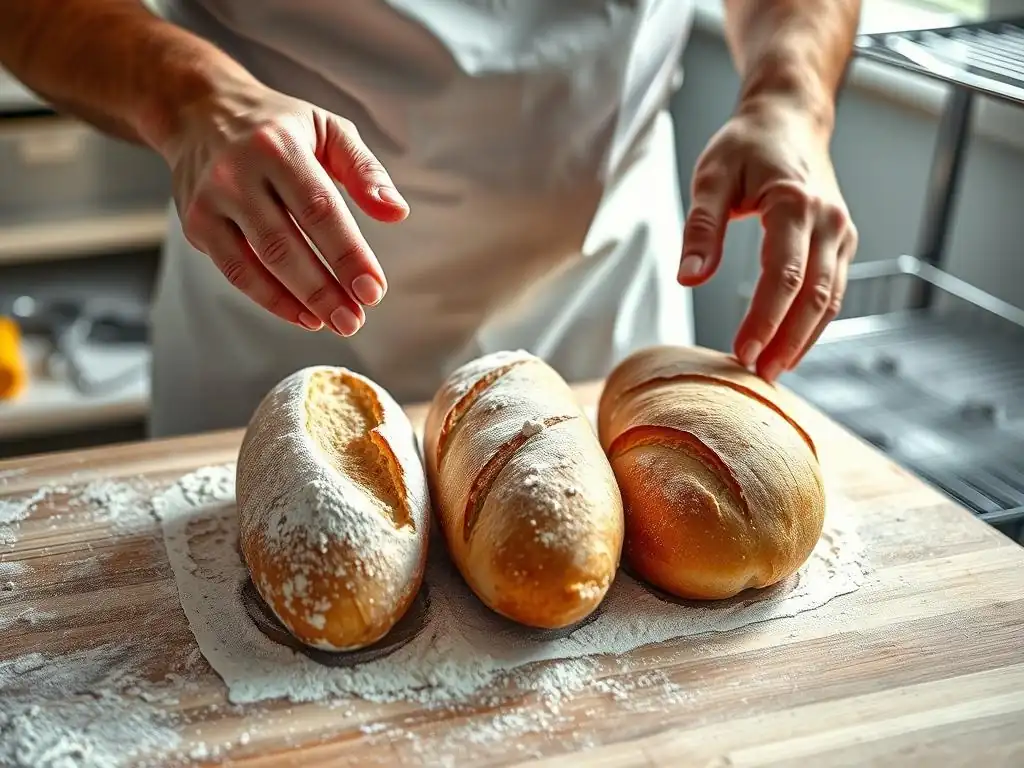
The most direct way to prevent overproofing is by accurately managing proofing time. Baguette dough typically proofs for 2-3 hours at average room temperature (around 70-75°F or 21-24°C) for the first rise, and a shorter time (45-90 minutes) for the final proof after shaping. However, these times are just guidelines. The actual time needed depends heavily on ambient temperature, yeast activity, dough temperature, and the flour used.
Instead of relying solely on the clock, learn to read the dough itself. Use the visual cues and the poke test described earlier. Aim for dough that has roughly doubled in size and springs back slowly but partially when poked. Keep a log of your baking conditions and proofing times to learn how your specific dough behaves in your kitchen environment. This experiential knowledge is key to preventing the need for overproofed baguette troubleshooting tips.
Controlling Dough Temperature: The Key to Consistent Proofing
Dough temperature has a profound impact on yeast activity and, therefore, proofing speed. Yeast is most active between 75-85°F (24-30°C). Even a few degrees difference in dough temperature can significantly alter proofing time. For instance, dough proofing at 80°F (27°C) will rise much faster than dough proofing at 70°F (21°C). A difference of just 5°F (3°C) can change proofing time by 20-30%.
Aim for a consistent dough temperature, often targeted around 75-78°F (24-26°C) after mixing, unless using a cold fermentation method. You can control dough temperature by adjusting the water temperature used in the mix. Use warmer water in a cold kitchen and cooler water in a warm kitchen. Monitoring the dough temperature with an instant-read thermometer can provide valuable insights and help you predict proofing time more accurately, reducing the chances of needing overproofed baguette troubleshooting tips.
Adjusting Yeast Levels: Balancing Flavor and Proofing Speed
The amount of yeast used directly affects how quickly the dough ferments and proofs. Using too much yeast, especially in a warm environment, is a common cause of overproofing. While more yeast speeds things up, it can also lead to less complex flavor development compared to a slower, cooler fermentation with less yeast.
For a standard baguette recipe using active dry or instant yeast, a typical percentage might range from 0.5% to 1% of the flour weight. Using a smaller percentage, say 0.2% to 0.5%, combined with a longer or cooler proofing time, will develop more nuanced flavors and provide a larger window before overproofing becomes a risk. Experimenting with yeast levels and observing the dough's behavior helps you find the right balance for your schedule and desired outcome, preventing the need for overproofed baguette troubleshooting tips.
Using the Fridge to Slow Down Proofing: Cold Fermentation for Baguettes
Cold fermentation is an excellent technique for preventing overproofing and developing superior flavor. By placing the dough in the refrigerator (typically 38-40°F or 3-4°C), yeast activity slows dramatically. Fermentation continues slowly over many hours, or even days, allowing complex flavors to develop through the action of enzymes and lactic acid bacteria (if present).
This method provides a much wider window for proofing, making it far less likely to overproof accidentally. After an initial short proof at room temperature (1-2 hours), transfer the dough to the fridge for 12-48 hours or even longer. You can then shape the baguettes and proof them at room temperature for a shorter time (1-2 hours) or even bake them directly from the fridge after shaping. This flexibility makes cold fermentation a powerful tool in preventing overproofing and mastering baguette production without constant overproofed baguette troubleshooting.
Baking Overproofed Baguettes: What to Expect
Adjusting Baking Time and Temperature for Overproofed Baguettes
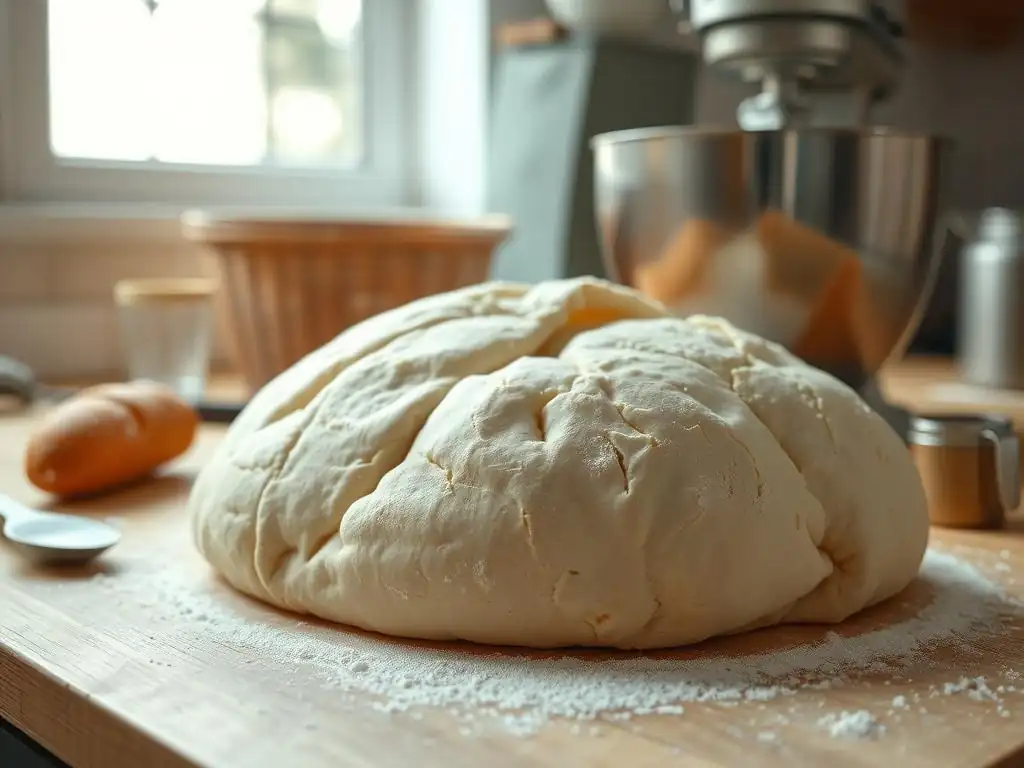
When baking overproofed baguettes, you may need to make slight adjustments to your usual baking process. Because the dough is already full of gas and the gluten structure is weakened, the oven spring (the final rise in the oven) will likely be minimal. The dough might also be more prone to collapsing or spreading during transfer to the oven.
Consider reducing the baking temperature slightly (perhaps by 10-20°F or 5-10°C) or shortening the baking time. This can help prevent the crust from browning too quickly while the interior struggles to set. Alternatively, some bakers advocate for a slightly higher initial temperature to try and set the weakened structure quickly. Given the variability, it's best to visually monitor the baguettes closely as they bake, looking for the desired crust color and internal temperature (around 200-210°F or 93-99°C). These are specific overproofed baguette troubleshooting tips for the baking phase.
Recognizing Signs of a Good Bake Despite Overproofing
Even if your baguettes were overproofed, you can still achieve a decent bake. Look for a golden to dark brown crust color, which indicates good flavor development and caramelization. The crust might be thinner and less structured than usual, perhaps lacking the robust crackle of a perfectly proofed loaf. The interior crumb will likely be less open and airy, possibly dense or irregular, with larger, uneven holes rather than a consistent open structure.
Despite these imperfections, a successful bake means the bread is fully cooked through. Tap the bottom crust; it should sound hollow. The internal temperature should be in the target range. While the texture may not be ideal, the flavor, thanks to the extended fermentation, can sometimes be quite good, offering a tangy or complex profile. These indicators help you assess the outcome when applying overproofed baguette troubleshooting tips.
Final Touches: Enhancing Flavor and Texture After Baking
After baking overproofed baguettes, there are limited ways to fix the internal texture issues, but you can enhance the eating experience. Allowing the baguettes to cool completely on a wire rack is crucial. Cutting into a warm loaf can compress the crumb further.
Consider using the baked baguettes in ways where the internal texture is less critical. They might be excellent for making croutons, breadcrumbs, or for dishes like panzanella (bread salad) where the bread is soaked. If the flavor is good, they can still be enjoyed sliced and toasted, perhaps served with cheese or used for open-faced sandwiches. While not the ideal baguette, these applications make the most of your efforts after attempting overproofed baguette troubleshooting.
Conclusion: Mastering Baguette Baking, Even with Overproofing
Baking baguettes is a rewarding challenge, and encountering overproofed dough is a common hurdle for bakers of all levels. Understanding the signs of overproofing – excessive size, slack texture, slow poke test response, and pungent aroma – is the first step in addressing the issue. While not always possible to achieve a perfect baguette from overproofed dough, various overproofed baguette troubleshooting tips can help salvage your efforts.
Whether you attempt a gentle re-knead for slightly overproofed dough, a punch down and reshape for moderately affected dough, or pivot entirely to focaccia or pizza for severely overproofed dough, there are options to minimize waste and still produce delicious bread. Prevention, however, remains the best strategy. By mastering proofing time through visual cues and the poke test, controlling dough temperature, adjusting yeast levels, and utilizing cold fermentation, you can significantly reduce the likelihood of overproofing and consistently bake better baguettes.
Key Takeaways: Overproofed Baguette Troubleshooting Tips for Home Bakers
Here's a quick recap of essential overproofed baguette troubleshooting tips:
- Identify Early: Look for excessive size, slackness, and a slow poke test response.
- Smell Test: A strong alcoholic or sour smell indicates overproofing.
- Slightly Overproofed: Try a gentle, short re-knead and a much shorter second proof.
- Moderately Overproofed: Punch down, reshape carefully, and proof briefly.
- Severely Overproofed: Transform into focaccia or pizza dough.
- Prevention is Key:
- Learn to read the dough, not just the clock.
- Control dough temperature for predictable proofing.
- Adjust yeast quantity based on proofing speed needs.
- Use cold fermentation for flavor and a larger proofing window.
- Adjust Baking: Be prepared for minimal oven spring; consider slight temperature/time adjustments.
- Embrace Imperfection: Overproofed dough can still yield tasty bread, even if the texture isn't ideal.
Mastering these overproofed baguette troubleshooting tips and focusing on preventative measures will improve your baguette baking success over time.
Frequently Asked Questions
What are the telltale signs that my baguette dough is overproofed?
Overproofed baguette dough will often appear collapsed and deflated. You might also notice large, uneven bubbles on the surface.
Can I still bake an overproofed baguette, or is it a lost cause?
While the results won't be perfect, you can still try to bake it. Baking an overproofed baguette often results in a flat and dense loaf instead of a light and airy one.
What steps can I take to try and salvage overproofed baguette dough?
You can gently reshape the dough, being careful not to degas it completely. Alternatively, try baking it in a loaf pan to provide structure.
How can I prevent my baguette dough from overproofing in the future?
Closely monitor the dough's rise and adjust proofing time based on temperature. Use a smaller amount of yeast or proof in a cooler environment to slow down fermentation.
Besides visual cues, are there other ways to determine if my baguette dough is ready for baking?
Use the poke test: Gently poke the dough. If the indentation slowly springs back, it's ready. If it stays indented, it's likely overproofed.
Final Reflection: The Unexpected Resilience of the Overproofed Baguette
The seemingly disastrous overproofed baguette, a culinary catastrophe for many, actually presents a surprising opportunity for learning and adaptation. It's a stark reminder that even in the face of baking mishaps, delicious results are often still within reach. The techniques explored in this article—from reshaping to adjusting baking times—demonstrate that even seemingly ruined dough can be salvaged with a little patience and ingenuity.
The journey of the overproofed baguette mirrors our own lives in many ways. We all face moments where things don't go as planned, where our initial efforts seem to fall flat. But just as we can learn to work with an overproofed dough, we too can adapt and find creative solutions to overcome unexpected challenges. The greatest glory in living lies not in never falling, but in rising every time we fall.
- Nelson Mandela. This quote resonates deeply with the spirit of baking, and indeed, with life itself. The ability to learn from our mistakes and persevere is essential to both culinary success and personal growth.
Consider the next time your baguette dough defies expectations. Don't immediately despair! Instead, remember the lessons learned here. Take a deep breath, assess the situation, and apply the techniques discussed to transform a potential failure into a satisfying success. Embrace the unexpected, for within the challenges lie opportunities for growth and the rewarding taste of resilience. You might even discover a new appreciation for the unexpected textures and flavors that an overproofed baguette can offer.
Rediscover Your Baking Confidence: Save Those Overproofed Baguettes!
Thanks for taking the time to learn about rescuing your overproofed baguettes! We hope you gained valuable insights into preventing and fixing this common baking mishap. Now, let's put that knowledge into action:
- Embrace the challenge: Try shaping and baking your overproofed dough immediately. Observe the results and note any differences in texture and rise. This hands-on experience will solidify your understanding.
- Experiment with a lower baking temperature: This can help prevent overly-browned crusts while still developing a decent crumb. Record your adjustments for future reference.
- Share your experience! Tell us about your results in the comments below—what worked, what didn't, and what you learned. Let's build a supportive baking community together!
Ready to tackle your next baguette challenge with newfound confidence? What unexpected baking solutions have you discovered?