
Explore Pain au Chocolat Variations Beyond the Classic


Welcome to BakeWithEase, your guide to baking bliss! Ever wondered if there's more to the delectable pain au chocolat than the classic version? Get ready to unlock a world of flavor with our article, " Explore Pain au Chocolat Variations Beyond the Classic." Discover exciting twists on this beloved pastry and elevate your baking skills. What if your pain au chocolat could be even more extraordinary? Let's find out!
-
Beyond the Basics: Pain au Chocolat Recipe Variations to Elevate Your Baking
- Fruit-Infused Pain au Chocolat: Adding a Burst of Flavor
- Nutty Pain au Chocolat: Exploring Different Nut Combinations
- Chocolate Pain au Chocolat: Deepening the Chocolate Experience
- Savory Pain au Chocolat: A Surprising and Delicious Alternative
- Global Inspirations: Pain au Chocolat Variations from Around the World
- Tips for Successful Pain au Chocolat Recipe Variations
- Pain au Chocolat Baking for Intermediate Bakers: Expanding Your Skillset
-
Frequently Asked Questions
- What exactly are Pain au Chocolat, and what makes them so special?
- This article focuses on variations. What's the most common or "classic" Pain au Chocolat recipe?
- I'm a beginner baker. Are any of these Pain au Chocolat recipe variations suitable for someone with limited experience?
- Where can I find the ingredients mentioned in the Pain au Chocolat recipe variations, especially the more unusual ones?
- How can I ensure my Pain au Chocolat have that perfect, flaky texture, regardless of the specific variation I choose?
- Final Reflection: The Enduring Allure of Pain au Chocolat, Reimagined
- Unleash Your Inner Pâtissier: Craft Your Perfect Pain au Chocolat
Beyond the Basics: Pain au Chocolat Recipe Variations to Elevate Your Baking
Once you've mastered the classic pain au chocolat, a world of exciting possibilities opens up. Exploring different pain au chocolat recipe variations allows you to personalize this beloved pastry, adding new dimensions of flavor and texture. Moving beyond the traditional chocolate batons is a fantastic way for intermediate bakers to stretch their skills and creativity, transforming a familiar favorite into something entirely new and equally delicious. These variations are perfect for impressing friends and family or simply enjoying a delightful twist on a classic.
Diving into pain au chocolat recipe variations involves experimenting with fillings beyond the standard chocolate, incorporating nuts, fruits, or even savory elements. It requires understanding how different ingredients interact with the delicate laminated dough and adjusting techniques accordingly. This section will guide you through various exciting pain au chocolat variations, providing inspiration and practical tips to help you successfully create these unique pastries in your own kitchen.
Fruit-Infused Pain au Chocolat: Adding a Burst of Flavor
Adding fruit fillings to pain au chocolat introduces a wonderful contrast to the richness of the pastry and chocolate. The natural sweetness and sometimes tartness of fruit can create a more complex and refreshing flavor profile. Preparing fruit fillings often involves cooking down fresh or frozen fruit with a little sugar and perhaps a thickener like cornstarch to achieve the right consistency that won't make the dough soggy during baking.
These fruit-infused pain au chocolat recipe variations are particularly delightful during certain seasons when fresh fruit is at its peak. Imagine biting into a warm, flaky pastry to find a pocket of vibrant, fruity filling alongside the melted chocolate. It’s a delightful surprise that elevates the simple pleasure of a pain au chocolat, making it a versatile treat for breakfast, brunch, or dessert.
Pain au Chocolat with Raspberry Filling: A Tangy Delight
Incorporating a vibrant raspberry filling into your pain au chocolat recipe variations offers a beautiful balance of sweet and tangy. A simple raspberry compote, made by simmering fresh or frozen raspberries with a touch of sugar until thickened, provides a bright counterpoint to the deep cocoa notes. It's crucial to let the compote cool completely before adding it to the dough to prevent heat from affecting the lamination.
When assembling, place a small amount of the cooled raspberry filling alongside the chocolate baton before rolling. The tanginess of the raspberries cuts through the richness of the chocolate and butter, resulting in a pastry that feels both indulgent and refreshing. This variation is visually appealing too, with the potential for a hint of pink or red peeking through the layers.
Apple and Cinnamon Pain au Chocolat: A Warm and Comforting Twist
For a taste of autumn, apple and cinnamon pain au chocolat recipe variations are a perfect choice. Diced apples, sautéed gently with butter, brown sugar, and a generous pinch of cinnamon until slightly softened, create a warm and comforting filling. Using firm apples like Honeycrisp or Granny Smith works well, as they hold their shape better during baking.
The key is to cook the apple filling just enough to soften but not turn mushy, ensuring it retains some texture. Pair this warm spiced apple mixture with the classic chocolate for a combination that evokes apple pie wrapped in a flaky croissant. It's a hearty and aromatic variation that's especially inviting on a cool morning.
Apricot Pain au Chocolat: A Sweet and Slightly Tart Variation
Apricot is another fantastic fruit to use in pain au chocolat recipe variations, offering a unique sweet and slightly tart flavor. Apricot jam or a homemade apricot compote provides a smooth, luscious filling that pairs wonderfully with chocolate. A good quality apricot jam can be used directly, or you can make a simple compote by simmering dried or fresh apricots with a little liquid and sugar.
The bright, slightly acidic notes of the apricot cut through the richness of the pastry and chocolate, creating a sophisticated flavor profile. The texture of a smooth apricot filling also contrasts nicely with the crisp, flaky layers of the pain au chocolat. This variation is particularly popular in some European bakeries, highlighting its classic appeal.
Nutty Pain au Chocolat: Exploring Different Nut Combinations
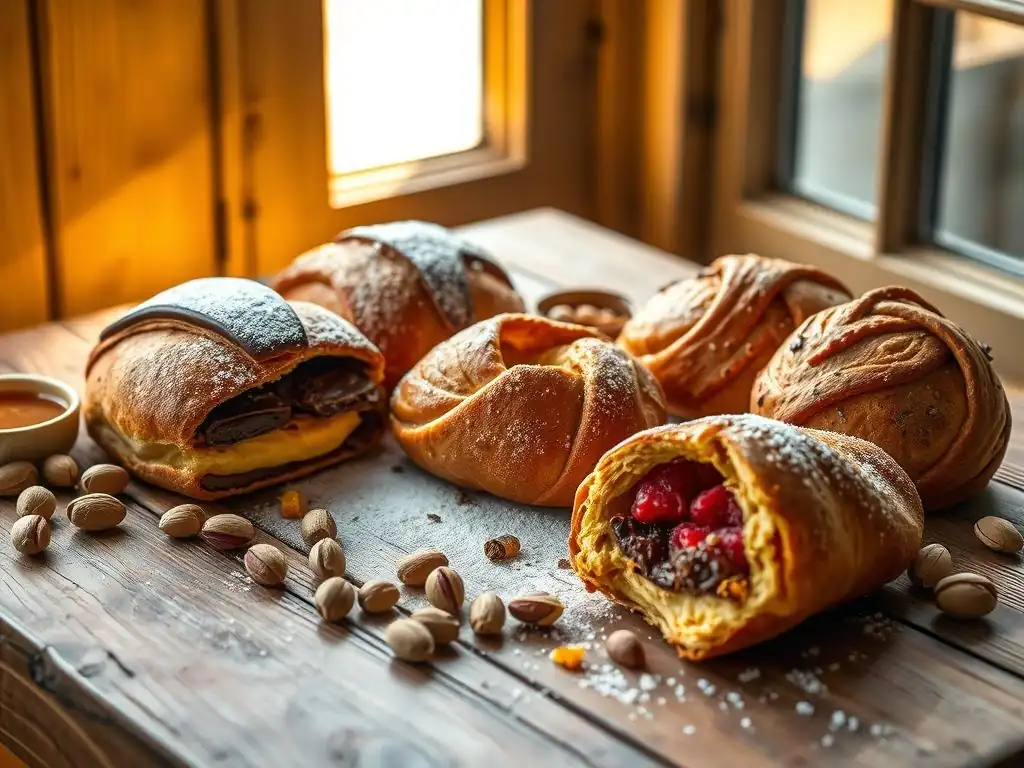
Adding nuts introduces a delightful crunch and earthy richness to pain au chocolat recipe variations. Nuts can be incorporated in various forms: as a paste, chopped and mixed into a filling, or sprinkled on top. They complement the buttery pastry and chocolate beautifully, adding complexity in both flavor and texture.
Nutty pain au chocolat variations often feel more substantial and offer a different kind of satisfaction compared to fruit fillings. The natural oils in nuts contribute to a rich mouthfeel, while the toasted flavor enhances the overall profile of the pastry. Exploring different nuts opens up a range of possibilities, from classic combinations to more unique pairings.
Hazelnut Pain au Chocolat: A Rich and Earthy Flavor Profile
Hazelnut is a natural partner for chocolate, making hazelnut pain au chocolat recipe variations incredibly popular. Using a high-quality hazelnut paste or spread, like gianduja or even Nutella (though a pure hazelnut paste is often preferred for a less sweet, more intense flavor), creates a rich, earthy filling. Toasted chopped hazelnuts can also be added for extra texture and aroma.
When using a paste, a small dollop placed alongside the chocolate baton is sufficient. The hazelnut flavor is robust and pairs exceptionally well with both dark and milk chocolate. This variation is reminiscent of popular chocolate-hazelnut confections but elevated by the delicate, flaky structure of the pain au chocolat.
Almond Pain au Chocolat: A Classic and Sophisticated Choice
Almond is a classic ingredient in French baking, and incorporating it into pain au chocolat recipe variations brings a touch of sophistication. Frangipane, a sweet almond cream, is a common filling. It's made from ground almonds, sugar, butter, and eggs, cooked briefly to thicken. A small amount of frangipane spread inside the dough along with or instead of the chocolate creates a moist, flavorful interior.
Alternatively, simply adding toasted slivered almonds to the dough layers before rolling, or sprinkling them on top before baking, provides a pleasant crunch and subtle almond flavor. The delicate, slightly sweet taste of almond complements the buttery pastry beautifully, offering a different textural experience from the standard chocolate-only version.
Pistachio Pain au Chocolat: A Vibrant and Unique Variation
Pistachio pain au chocolat recipe variations offer a unique flavor and a beautiful green hue, making them visually striking. High-quality pistachio paste is the key ingredient here. This paste, made from ground pistachios, can be quite rich and intensely flavored. A small amount spread thin or piped alongside the chocolate baton is usually enough.
Toasted chopped pistachios can also be added for texture. The slightly sweet, nutty flavor of pistachios works surprisingly well with dark chocolate, creating a sophisticated and memorable pastry. This variation is less common than hazelnut or almond but is a delightful discovery for those looking for something different and visually appealing.
Chocolate Pain au Chocolat: Deepening the Chocolate Experience
For serious chocoholics, pain au chocolat recipe variations that focus on intensifying or altering the chocolate element are a dream come true. This doesn't just mean using more chocolate; it involves exploring different types of chocolate, from intense dark to sweet white, or even incorporating different chocolate textures like chips or ganache alongside the traditional batons.
These variations allow you to fine-tune the level of sweetness and cocoa intensity in your pain au chocolat, catering to different preferences. It's about playing with the chocolate experience itself within the familiar, comforting structure of the laminated pastry.
Dark Chocolate Pain au Chocolat: For the Intense Chocolate Lover
Using dark chocolate batons (typically 60-70% cocoa solid) instead of the standard semi-sweet is a straightforward way to create dark chocolate pain au chocolat recipe variations. This intensifies the cocoa flavor, offering a less sweet, more complex taste that pairs wonderfully with the buttery pastry. For those who prefer a bolder chocolate presence, this is the go-to modification.
Ensure the dark chocolate is specifically designed for baking or melting, as it will distribute more evenly and provide a smoother texture when melted inside the pastry. The slight bitterness of the dark chocolate provides a sophisticated contrast to the rich, sweet dough.
White Chocolate Pain au Chocolat: A Sweet and Creamy Indulgence
White chocolate pain au chocolat recipe variations offer a completely different experience – a sweet, creamy indulgence with no cocoa solids, only cocoa butter, sugar, and milk solids. Using white chocolate batons or chunks provides a rich, milky sweetness that melts into a smooth, luscious filling.
Pairing white chocolate with the buttery pastry creates a rich, decadent treat. Some bakers like to add a complementary flavor, like a hint of vanilla bean paste or a few raspberries, to balance the sweetness. This variation is perfect for those who enjoy a sweeter, milder chocolate flavor profile.
Milk Chocolate Pain au Chocolat: A Balanced and Familiar Flavor
Using milk chocolate batons is another simple yet effective pain au chocolat recipe variation. Milk chocolate provides a classic, familiar sweetness and creaminess that many people love. It's less intense than dark chocolate but richer and sweeter than semi-sweet.
This variation results in a pastry that is comforting and universally appealing. It offers a balanced flavor where the sweetness of the milk chocolate blends seamlessly with the buttery, flaky layers. It's a subtle shift from the semi-sweet but creates a distinct and enjoyable difference for those who prefer milk chocolate.
Savory Pain au Chocolat: A Surprising and Delicious Alternative
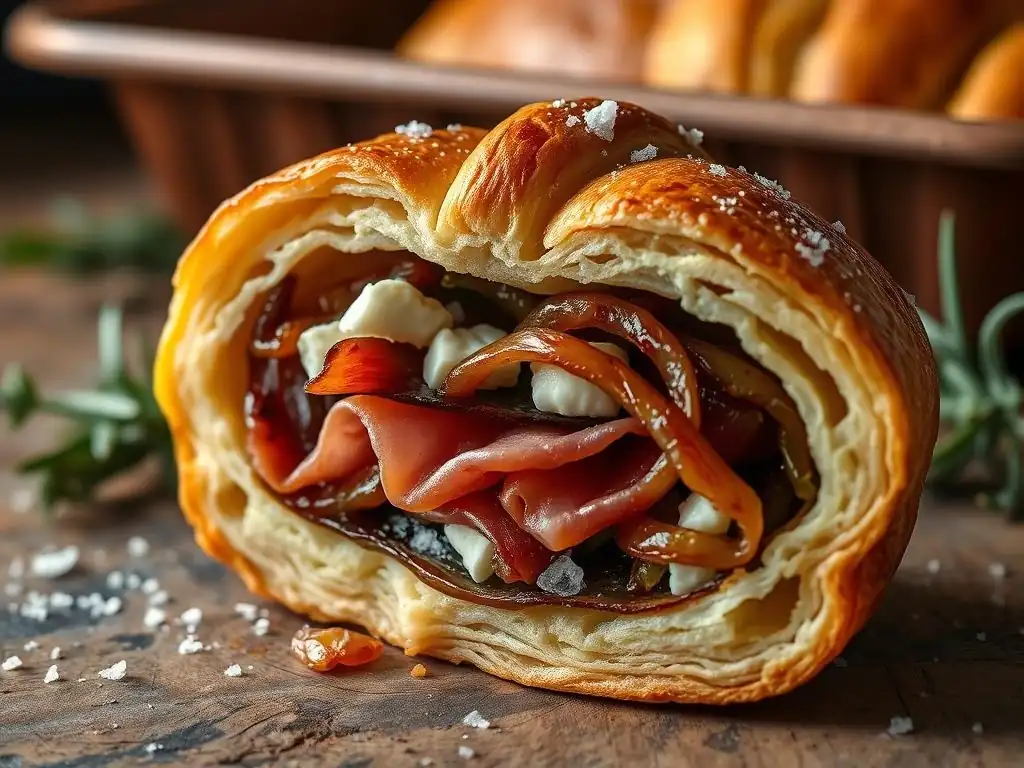
While traditionally sweet, pain au chocolat recipe variations can also venture into savory territory, creating a delightful alternative for breakfast or a light snack. This requires omitting or significantly reducing the sugar in the dough and substituting the chocolate filling with savory ingredients like cheese, ham, or vegetables.
Savory pain au chocolat variations open up a whole new realm of possibilities, transforming the familiar pastry shape into something akin to a gourmet savory croissant. They are perfect served warm, perhaps alongside a salad or soup, or simply enjoyed on their own.
Cheese and Ham Pain au Chocolat: A Hearty Breakfast Treat
A popular savory pain au chocolat recipe variation involves filling the pastry with cheese and ham. Cubes of good quality cheese, like Gruyère or cheddar, are often combined with diced ham. Sometimes a béchamel sauce or a touch of Dijon mustard is added for extra flavor and moisture.
The cheese melts during baking, creating a gooey, savory interior that pairs wonderfully with the flaky dough. This hearty variation is substantial enough for breakfast or brunch and is a fantastic way to repurpose leftover ham or cheese.
Spinach and Feta Pain au Chocolat: A Vegetarian Option
For a vegetarian savory pain au chocolat variation, spinach and feta cheese make an excellent filling. Sautéed spinach (ensure excess water is squeezed out) is mixed with crumbled feta cheese and perhaps a pinch of nutmeg or garlic powder.
This filling offers a Mediterranean-inspired flavor profile. The salty feta and slightly earthy spinach are a delightful combination within the rich, buttery pastry. It's a lighter but still satisfying savory option that works well for any time of day.
Global Inspirations: Pain au Chocolat Variations from Around the World
Pain au chocolat's popularity has led to adaptations in various cultures, resulting in unique pain au chocolat recipe variations inspired by local flavors. These global twists demonstrate the versatility of the laminated dough and the potential for fusion baking. Exploring these international influences can spark creativity in your own kitchen.
These variations often incorporate ingredients or flavor profiles common in a specific region, offering a fresh perspective on the classic French pastry. It's a wonderful way to combine traditional techniques with exciting new tastes.
Matcha Pain au Chocolat: A Japanese-Inspired Green Tea Twist
Matcha pain au chocolat recipe variations incorporate the distinctive flavor and vibrant green color of Japanese matcha green tea. Matcha powder can be added directly to the dough during mixing, giving the entire pastry a subtle green tea flavor and hue. Alternatively, a matcha-flavored white chocolate ganache or a simple matcha paste can be used as a filling alongside or instead of the traditional chocolate.
The slightly bitter, earthy notes of matcha provide a sophisticated contrast to the sweetness of the chocolate (if used) and the richness of the pastry. This variation is visually striking and offers a unique, aromatic experience that is gaining popularity worldwide.
Dulce de Leche Pain au Chocolat: A South American Caramel Delight
Bringing a taste of South America, dulce de leche pain au chocolat recipe variations feature the rich, caramelized flavor of dulce de leche. This thick, sweet caramel sauce, made by slowly heating sweetened milk, can be piped into the pastry alongside the chocolate batons or used as the primary filling.
The intense caramel flavor and creamy texture of the dulce de leche create a decadent and incredibly sweet pastry. It's a comforting and indulgent variation that appeals to those who love caramel and rich, sweet treats.
Sicilian Pistachio Pain au Chocolat: A Taste of Italy
Building on the pistachio theme, Sicilian pistachio pain au chocolat recipe variations highlight the prized pistachios from Sicily, known for their intense flavor and vibrant green color. Using a high-quality Sicilian pistachio paste or cream as a filling offers a more intense and authentic pistachio experience than standard varieties.
This variation often pairs the pistachio filling with white chocolate or keeps it purely pistachio for a focused flavor. It's a luxurious take on the classic, celebrating a specific regional ingredient and offering a taste of Italian pastry traditions within the French structure.
Tips for Successful Pain au Chocolat Recipe Variations
Creating successful pain au chocolat recipe variations requires attention to detail, especially when introducing new fillings and ingredients. The delicate nature of the laminated dough means that the consistency and moisture content of your fillings are crucial. Furthermore, selecting the right quality ingredients, particularly chocolate, will significantly impact the final flavor and texture of your pastry.
Understanding how different additions affect the dough's structure and the overall baking process is key. Here are some essential tips to help you achieve perfect results with your pain au chocolat variations.
Choosing the Right Chocolate for Your Pain au Chocolat
The quality and type of chocolate you use are paramount in pain au chocolat recipe variations. Opt for couverture chocolate or high-quality baking chocolate that contains a good percentage of cocoa butter (ideally 30% or more for milk/white, 50% or more for dark). This type of chocolate melts smoothly and evenly, creating a superior filling texture.
Chocolate batons (bâtons de chocolat) are traditionally used because their shape helps them melt consistently within the roll. However, for variations, you can use chunks or even large chips if batons of the desired chocolate type are unavailable. Just ensure they are distributed evenly. Avoid standard chocolate chips, which often contain stabilizers that prevent them from melting smoothly.
Working with Different Fillings: Consistency and Application
When introducing new fillings to pain au chocolat recipe variations, managing their consistency is vital. Fillings that are too wet will make the dough soggy and prevent proper lamination and rise. Fruit compotes or sauces should be cooked down until quite thick and cooled completely before use. Creams or pastes should be firm enough to hold their shape slightly but spreadable.
Apply fillings judiciously; too much can cause leakage during baking. For thick fillings like frangipane or dense pastes, spread a thin layer. For chunkier fillings like fruit or savory mixes, place a moderate amount alongside the chocolate baton (if using) or in the center before rolling. Ensure fillings are evenly distributed within each pastry for consistent results.
Achieving the Perfect Flaky Crust in Every Variation
Regardless of the filling, the hallmark of a great pain au chocolat is its flaky, buttery crust. Achieving this requires careful attention to the lamination process – the repeated folding and rolling of dough and butter. Keeping the dough and butter cold throughout the process is crucial for creating distinct layers that puff up in the oven.
Ensure your folds are precise and that you give the dough adequate resting time in the refrigerator between turns (typically 30-45 minutes). This allows the gluten to relax, making the dough easier to roll without tearing and preventing shrinkage. Proper proofing is also essential; the pastries need to rise in a warm, humid environment until visibly puffy but not so much that the layers separate before baking. Baking at the correct high temperature helps the layers separate and crisp up quickly, creating that iconic flaky texture.
Pain au Chocolat Baking for Intermediate Bakers: Expanding Your Skillset
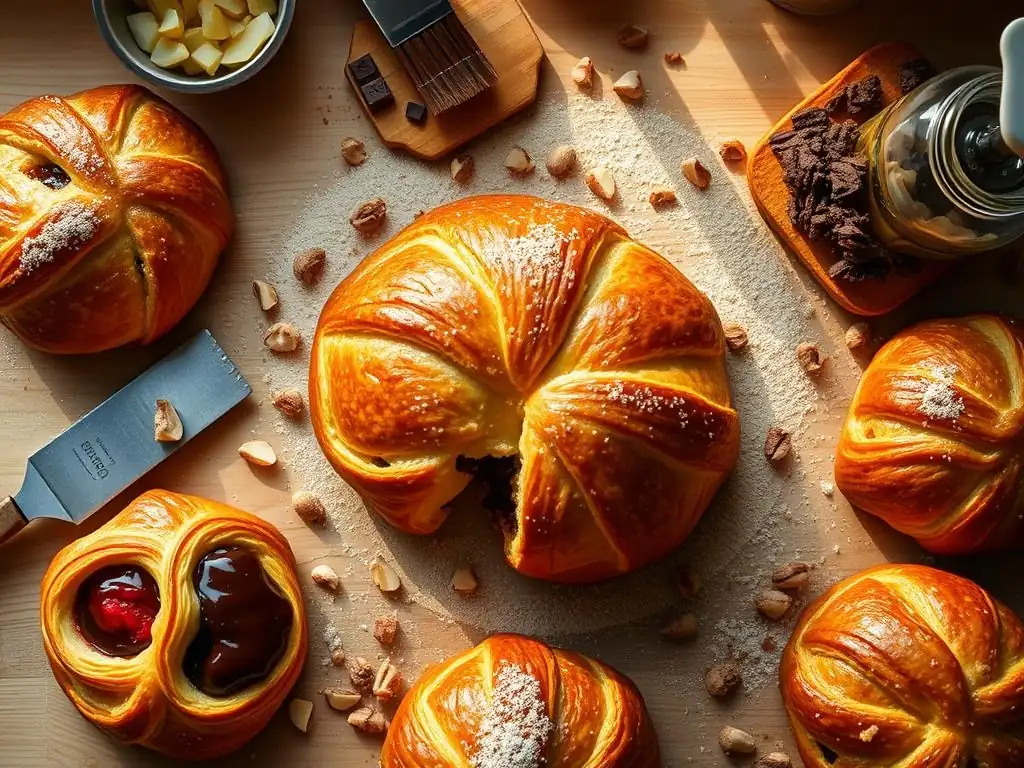
Exploring pain au chocolat recipe variations is an excellent way for intermediate bakers to build upon foundational skills. Each new filling or technique presents a unique challenge and learning opportunity. It’s about refining precision in lamination, understanding the nuances of different ingredients, and mastering the shaping of pastries with potentially bulkier or wetter fillings.
This level of baking encourages experimentation and a deeper understanding of dough behavior and ingredient interaction. Tackling more complex pain au chocolat variations helps solidify techniques learned with the classic recipe and prepares you for even more advanced pastry projects.
Advanced Techniques for Laminating Dough in Pain au Chocolat Variations
While the basic lamination process remains the same, working towards consistently perfect layers in pain au chocolat recipe variations pushes your technique. Intermediate bakers can focus on achieving razor-thin, even layers during rolling, which is key to a high rise and maximum flakiness. This requires uniform pressure and careful handling of the dough to avoid pressing the butter into the dough rather than keeping it in distinct sheets.
Experimenting with different butter types or temperatures during lamination can also refine your understanding. Some bakers prefer slightly softer butter for easier incorporation, while others swear by colder, firmer butter for sharper layers. Mastering the 'feel' of the dough at each stage of lamination is a significant step in becoming a more accomplished baker.
Mastering the Art of Shaping Pain au Chocolat with Unique Fills
Shaping pain au chocolat recipe variations with fillings beyond a simple baton requires adapting the technique. When adding fruit compote, frangipane, or savory mixes, the traditional rolling method needs slight adjustments to contain the filling and prevent leakage. Often, this involves leaving a small border of dough free from filling or slightly crimping the edges before rolling.
Practicing rolling consistently sized rectangles and applying even tension during the roll ensures uniform pastries. For fillings that might shift, like chopped nuts or cheese, ensuring they are distributed evenly across the dough rectangle before rolling is key. Mastering shaping with various fillings is a practical skill that improves the final appearance and structural integrity of your pain au chocolat.
Perfecting the Proofing Process for Optimal Rise and Texture
Proofing is a critical stage for all pain au chocolat recipe variations. Intermediate bakers should aim to perfect this process to achieve optimal rise and the desired airy, flaky texture. Proofing in a warm, humid environment (around 75-80°F or 24-27°C with 70-80% humidity) allows the yeast to produce carbon dioxide, causing the pastries to puff up and the layers to separate slightly.
Over-proofing can lead to the butter melting out during baking or the layers collapsing, while under-proofing results in dense, heavy pastries. Learning to recognize the visual cues of perfectly proofed pain au chocolat – they should look significantly increased in size, feel light, and jiggle slightly – is essential. The proofing time will vary depending on your kitchen temperature and humidity, so relying on visual cues rather than strict time is crucial for success with all pain au chocolat recipe variations.
Frequently Asked Questions
What exactly are Pain au Chocolat, and what makes them so special?
Pain au Chocolat are flaky pastries similar to croissants, but with chocolate batons inside. Their specialness comes from the combination of buttery layers and rich chocolate.
This article focuses on variations. What's the most common or "classic" Pain au Chocolat recipe?
The classic recipe involves layering laminated dough (like croissant dough) with dark chocolate batons before baking. It's known for its simplicity and deliciousness.
I'm a beginner baker. Are any of these Pain au Chocolat recipe variations suitable for someone with limited experience?
While laminated dough can be challenging, some variations might simplify the process, perhaps using pre-made puff pastry. Look for recipes specifically labeled as beginner-friendly.
Where can I find the ingredients mentioned in the Pain au Chocolat recipe variations, especially the more unusual ones?
Most ingredients, like chocolate and flour, are available at major grocery stores. Specialty ingredients might require a trip to a baking supply store or online retailer.
How can I ensure my Pain au Chocolat have that perfect, flaky texture, regardless of the specific variation I choose?
Achieving flakiness relies on keeping the butter cold and properly layering the dough. Precise measurements and careful technique are key to success.
Final Reflection: The Enduring Allure of Pain au Chocolat, Reimagined
The seemingly simple pain au chocolat holds a world of culinary possibilities beyond its classic form. Its enduring popularity speaks to a fundamental human desire for comforting, delicious treats, a desire that transcends cultural boundaries and continues to inspire innovation in kitchens worldwide. The variations explored in this article are not mere deviations; they are testaments to the versatility and timeless appeal of this beloved pastry.
The journey through these diverse recipes has highlighted not only the technical skills involved in baking, but also the creative spirit that drives culinary exploration. The subtle shifts in flavor profiles, textures, and presentations underscore the power of adaptation and the endless potential for personal expression within a seemingly established framework. The best things in life are simple, but not easy.
This quote perfectly encapsulates the challenge and reward of mastering and reimagining the pain au chocolat. It's a testament to the enduring power of tradition, yet the exciting possibilities of innovation.
Now, it's your turn. Consider the recipes explored within this article – which one resonated most with your own tastes and baking style? More importantly, what inspires you to experiment? Don't be afraid to venture beyond the classic; embrace the freedom to personalize this delightful pastry and create your own unique masterpiece. The world of pain au chocolat awaits your creative touch.
Unleash Your Inner Pâtissier: Craft Your Perfect Pain au Chocolat
Thanks for joining us on this delicious journey into the world of pain au chocolat! We hope you've discovered some inspiring new ways to elevate this classic pastry. Ready to put your newfound knowledge into action?
- Bake your dream pain au chocolat: Try one of the variations we explored – or even better, experiment and create your own unique recipe! Don't be afraid to get creative with fillings or glazes.
- Share your creations: Post a picture of your masterpiece on social media and tag us! We’d love to see your baking adventures. Use #BakeWithEasePainAuChocolat to join the community.
- Challenge a friend to a pain au chocolat bake-off: See who can create the most decadent and delightful version!
What unique twist will you add to your next pain au chocolat? Let us know in the comments!