
Master Italian Pastries at Home with Simple Techniques

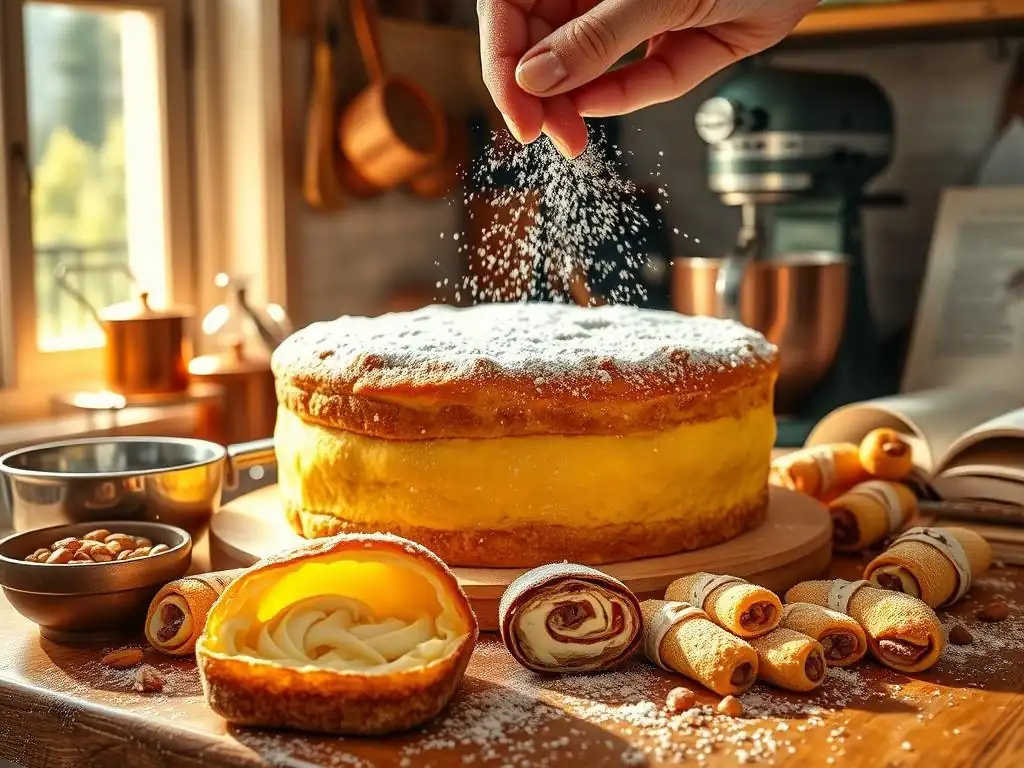
Welcome to BakeWithEase, your guide to unlocking a world of delicious homemade treats! Are you ready to transport your kitchen to Italy? Dive into our collection of easy Italian pastry recipes and discover the secrets to crafting authentic biscotti, delicate cannoli, and so much more. Intrigued by the simplicity and vibrant flavors? Let's begin your baking journey, one delightful pastry at a time!
- Authentic Italian Pastries: Recipes and Techniques
- Bake at Home: A Guide to Italian Pastry Recipes
- Exploring Regional Italian Baking Traditions
- Essential Tools and Ingredients for Italian Pastries
- Italian Pastry Recipes: Step-by-Step
- Mastering Italian Pastry Techniques
- Troubleshooting Common Italian Pastry Problems
- Exploring More Italian Pastry Variations
- Enjoy Your Homemade Italian Pastries!
-
Frequently Asked Questions
- What makes Italian pastries particularly appealing to home bakers?
- Where can I find reliable "Easy Italian pastry recipes" designed for beginners?
- What are some common ingredients used in "Easy Italian pastry recipes"?
- Are there any essential techniques I should master before attempting "Easy Italian pastry recipes"?
- How can I adapt traditional Italian pastry recipes to be even easier to make at home?
- Final Reflection: The Sweet Symphony of Simple Italian Pastries
- Unlock Your Inner Pastry Chef!
Authentic Italian Pastries: Recipes and Techniques
Bake at Home: A Guide to Italian Pastry Recipes
Welcome to the delightful world of Italian pastries! Known for their incredible variety, rich flavors, and often surprisingly simple techniques, mastering these sweet treats at home is entirely within your reach. Forget complicated processes; many classic Italian desserts rely on fundamental baking skills that anyone can learn. From crispy biscotti perfect for dipping to creamy filled cannoli, this guide will walk you through creating beautiful and delicious Italian pastries right in your kitchen. Get ready to impress your friends and family with authentic flavors straight from Italy.
Whether you're a complete novice or looking to expand your baking repertoire, diving into easy Italian pastry recipes is a rewarding journey. We'll explore essential ingredients, handy tools, and provide step-by-step instructions for some beloved classics. Our aim is to demystify Italian baking, showing you that crafting these delightful desserts can be a simple, enjoyable process. So, tie on your apron and let's get baking some truly memorable homemade Italian pastries!
Exploring Regional Italian Baking Traditions
Italy's culinary landscape is incredibly diverse, and its pastry traditions are no exception. Each region boasts its own unique specialties, often tied to local ingredients, historical events, or religious festivals. Exploring these regional variations offers a fascinating glimpse into the country's rich cultural tapestry and provides endless inspiration for your baking adventures. From the Alpine north to the sun-drenched south, the world of Italian sweets is vast and varied.
Consider Sicily, famous for its vibrant pastries like cannoli and cassata, which showcase local ingredients like ricotta, citrus fruits, and pistachios. Move north to Tuscany, and you find simpler, rustic delights like cantucci (almond biscotti) and panforte, a dense fruit and nut cake. Emilia-Romagna offers treats like Zuppa Inglese, a trifle-like dessert, while Naples is the undisputed king of Sfogliatella. Understanding these regional nuances helps appreciate the history and context behind many classic easy Italian pastry recipes.
Discover Authentic Italian Desserts
Authentic Italian desserts are far more than just tiramisu and gelato, although those are certainly wonderful! They encompass a vast array of baked goods, from delicate cookies and rich cakes to flaky pastries and rustic tarts. Many traditional recipes have been passed down through generations, using simple, high-quality ingredients to achieve maximum flavor. The focus is often on texture – crisp, creamy, chewy, or crumbly – and balancing sweetness with other notes like citrus, nuts, or coffee.
Take, for example, the humble ciambellone, a simple ring cake found in many Italian homes, perfect for breakfast or a snack. Or the festive panettone, a tall, enriched bread filled with candied fruit and raisins, a staple during Christmas across Italy. Even seemingly simple cookies like amaretti (almond cookies) or pizzelle (wafer cookies) have regional variations and specific techniques. Mastering these easy Italian pastry recipes allows you to bring a taste of true Italian tradition into your home.
Essential Tools and Ingredients for Italian Pastries
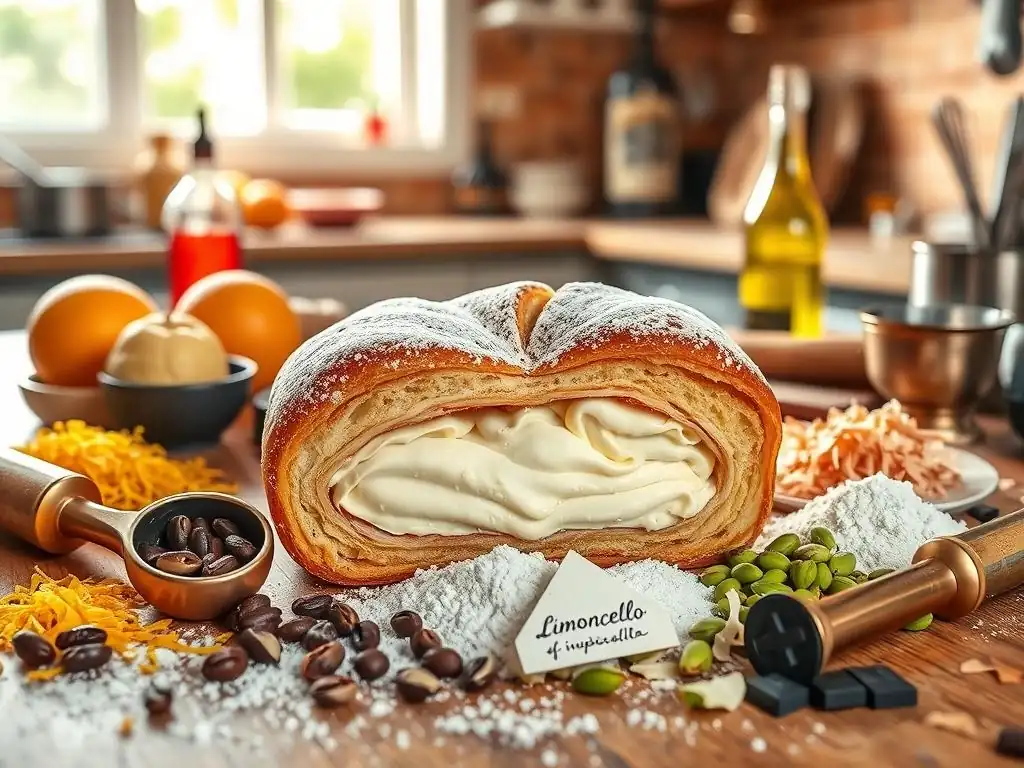
Just like any form of baking, having the right tools and ingredients is key to success when making easy Italian pastry recipes. While you don't need a professional kitchen setup, a few essential items will make the process much smoother and ensure better results. High-quality ingredients, particularly flour, eggs, butter, and dairy, are paramount as they form the foundation of many classic recipes.
Investing in a few specific tools can also elevate your Italian pastry game. A good quality rolling pin is essential for tarts and cookies, while a pastry bag and tips are helpful for filling or decorating. Having reliable measuring cups and spoons, a kitchen scale (for accuracy), and good baking sheets will make a significant difference in your baking consistency and enjoyment.
Stocking Your Pantry for Italian Baking
A well-stocked pantry is the starting point for creating delicious easy Italian pastry recipes. Essential dry goods include all-purpose flour (often Italian '00' flour is preferred for its fine texture, but standard AP works well), granulated and powdered sugar, baking powder, and potentially cornstarch or semolina depending on the recipe. Good quality nuts like almonds, hazelnuts, and pistachios are frequently used, often toasted for enhanced flavor.
Liquid ingredients typically involve eggs, milk, and sometimes cream or olive oil. Flavorings are crucial: vanilla extract (or better, vanilla beans), citrus zest (lemon and orange are common), cocoa powder, and sometimes liqueurs like Marsala, rum, or limoncello. Don't forget staples like salt and good quality butter. Having these items on hand means you can often whip up a batch of Italian pastries on short notice.
Must-Have Baking Tools
While not exhaustive, certain tools are particularly useful for easy Italian pastry recipes. A sturdy wooden or marble rolling pin is invaluable for rolling out dough evenly for crostatas or cookies. Pastry brushes are needed for egg washes or glazing. For recipes like cannoli, you'll need specific cannoli forms (metal tubes) for shaping the shells.
Other helpful tools include a whisk (both balloon and flat whisks), rubber spatulas, mixing bowls of various sizes, a sifter or fine-mesh sieve for dry ingredients, and parchment paper to prevent sticking and make cleanup easier. A stand mixer can be a great help for kneading dough or whipping creams, but many easy Italian pastry recipes can be made by hand with a little elbow grease.
Italian Pastry Recipes: Step-by-Step
Ready to get baking? We'll walk you through three classic easy Italian pastry recipes: Cantucci, Sicilian Cannoli, and Crostata. These recipes represent different techniques and flavors, offering a great starting point for exploring Italian baking. Follow these steps carefully, and you'll be enjoying homemade Italian pastries in no time.
Each recipe is broken down into key stages, from preparing the dough or filling to the final baking or assembly. We've aimed for clarity and simplicity, making these easy Italian pastry recipes accessible for bakers of all levels. Pay attention to temperatures and timings, as these are crucial for achieving the desired textures and flavors.
Recipe 1: Cantucci with Almonds
Cantucci, also known as biscotti di Prato, are classic Tuscan almond cookies known for their dry, crunchy texture, perfect for dipping in Vin Santo or coffee. They are baked twice, which gives them their characteristic crispness and long shelf life. This is one of the simplest easy Italian pastry recipes to start with.
Preparing the Cantucci Dough
To make the dough for traditional Cantucci, you'll typically combine about 250g of all-purpose flour, 150g of granulated sugar, a pinch of salt, and about 1 teaspoon of baking powder. Whisk these dry ingredients together in a bowl. In a separate bowl, lightly beat 2 large eggs and add about 1 teaspoon of vanilla extract and perhaps the zest of half a lemon for brightness. Incorporate the wet ingredients into the dry ingredients and mix until a shaggy dough forms.
At this point, add about 150g of whole, unblanched almonds. Gently knead the dough just until everything is combined and the almonds are distributed. Do not overwork the dough.
Once the dough comes together, turn it out onto a lightly floured surface. The dough will be slightly sticky. Divide the dough in half. Shape each half into a log about 2-3 cm high and 5-6 cm wide. Place these logs onto a baking sheet lined with parchment paper, leaving space between them as they will spread slightly. This preparation is quick and straightforward, making Cantucci a truly easy Italian pastry recipe.
Baking Cantucci: Achieving the Perfect Texture
The baking process for Cantucci involves two stages. First, preheat your oven to 180°C (350°F). Bake the shaped logs for about 20-25 minutes, or until they are firm to the touch and lightly golden brown. Remove the logs from the oven and let them cool on the baking sheet for about 10-15 minutes until they are cool enough to handle but still warm.
Using a sharp serrated knife, carefully slice the logs diagonally into slices about 1-1.5 cm thick. Lay the slices cut-side down back onto the baking sheet. Return the slices to the oven and bake for a second time at a slightly lower temperature, around 160°C (325°F), for another 10-15 minutes. This second bake is crucial for drying out the cookies and achieving that signature crunch. Flip them halfway through the second bake for even crisping. Let them cool completely on a wire rack; they will become harder as they cool.
Cantucci Variations: Pistachio, Lemon, and Chocolate Chip
While classic Cantucci feature almonds, this easy Italian pastry recipe is very adaptable. For a Pistachio variation, substitute the almonds with roughly chopped pistachios. Ensure they are unsalted. You could use an equal weight, around 150g.
To make Lemon Cantucci, add the zest of a whole lemon to the dough along with the vanilla extract. You can also substitute a small amount of the liquid (perhaps 1-2 tablespoons) with fresh lemon juice for a more intense citrus flavor. For Chocolate Chip Cantucci, stir in about 100-150g of good quality dark chocolate chips or chunks along with the almonds (or instead of some of the almonds). These simple substitutions make the Cantucci recipe even more versatile and fun to experiment with.
Recipe 2: Sicilian Cannoli with Ricotta Filling
Cannoli are perhaps one of the most iconic Italian pastries, originating from Sicily. They consist of crispy, fried pastry shells filled with a sweet, creamy ricotta cheese filling. While they might seem intimidating, breaking down the steps makes this a manageable and rewarding easy Italian pastry recipe to tackle at home.
Making Cannoli Shells
The dough for cannoli shells is relatively simple, typically involving flour, a little sugar, a pinch of salt, and a liquid, often Marsala wine or vinegar, which helps create bubbles for a crispy texture. A common ratio is 200g flour, 20g sugar, a pinch of salt, 1 egg yolk, and about 60-80ml of Marsala wine. Mix the ingredients until a firm dough forms, then knead for about 10 minutes until smooth and elastic. Wrap the dough and let it rest in the refrigerator for at least 30 minutes, or up to 2 hours.
Once rested, roll the dough out very thinly, ideally to about 1-2mm thickness. Use a round cutter (about 10-12 cm diameter) to cut out circles. Elongate the circles slightly into ovals if desired. Wrap each oval around a metal cannoli form, sealing the edge with a little egg white or water. Fry the wrapped forms in hot oil (around 180-190°C / 350-375°F) until golden brown and bubbly, usually 1-2 minutes per side. Carefully remove the shells from the forms while still hot (use tongs!). Let them cool completely on paper towels.
Preparing the Cannoli Filling: Sweet Ricotta
The classic cannoli filling is made from ricotta cheese. It's crucial to use high-quality, whole-milk ricotta that has been drained exceptionally well to remove excess moisture. You can drain it overnight in a sieve lined with cheesecloth in the refrigerator. For about 500g of drained ricotta, you'll typically mix in 100-150g of powdered sugar (to taste), 1 teaspoon of vanilla extract, and often finely chopped candied fruit (like orange peel or citron), chocolate chips, or chopped pistachios.
Whip the drained ricotta and powdered sugar together until smooth and creamy. Some recipes suggest pressing the ricotta through a fine-mesh sieve for an even smoother texture. Gently fold in any desired additions like chocolate chips (about 50-100g is common) or candied fruit (about 30-50g). Keep the filling refrigerated until ready to use.
Cannoli Assembly: Tips
Assemble the cannoli just before serving to ensure the shells remain crispy. If filled too early, the moisture from the ricotta will soften the shells. Use a pastry bag fitted with a wide tip (or simply snip off the corner of a sturdy plastic bag) to pipe the filling into each cannoli shell from both ends, filling it completely.
Once filled, you can decorate the ends. Classic finishes include dipping the ends in chopped pistachios, mini chocolate chips, or candied orange peel. A dusting of powdered sugar over the finished cannoli is also a common and elegant touch. Serve immediately to enjoy the contrast between the crisp shell and the creamy filling – a hallmark of this beloved easy Italian pastry recipe.
Recipe 3: Crostata with Jam
Crostata is a rustic Italian tart, often filled with jam or fresh fruit. Its beauty lies in its simplicity and the contrast between the buttery, crumbly pastry crust and the sweet filling. It's a comforting, easy Italian pastry recipe perfect for breakfast, dessert, or a snack.
Creating the Shortcrust Pastry
The pastry for Crostata is a type of pasta frolla, Italian sweet shortcrust pastry. A basic recipe uses about 300g all-purpose flour, 150g cold butter (cut into cubes), 100g granulated sugar, 1 large egg, and a pinch of salt. Some recipes add lemon zest or vanilla for flavor. Combine the flour, sugar, and salt in a bowl. Cut in the cold butter using your fingertips or a pastry blender until the mixture resembles coarse crumbs.
Add the egg and any flavorings (like lemon zest). Mix just until the dough comes together. Do not overwork. Gather the dough into a ball, flatten it into a disc, wrap it in plastic wrap, and chill in the refrigerator for at least 30 minutes. This chilling step is crucial for making the dough easier to roll and preventing shrinkage during baking.
Making the Jam Filling
The classic filling for a Crostata is jam. You can use almost any kind of jam you like – apricot, cherry, berry, fig, or plum are popular choices. For a standard 22-24 cm tart, you will need approximately 300-400g of good quality jam. If your jam is very thick, you might loosen it slightly with a tablespoon or two of water or a liqueur like limoncello.
Some recipes also add a layer of finely ground almonds or amaretti cookie crumbs on the bottom of the pastry shell before adding the jam. This helps absorb any excess moisture from the jam and prevents the bottom crust from becoming soggy. Spread the jam evenly over the prepared pastry base, leaving a border for the lattice top.
Baking the Crostata: Achieving a Golden Crust
Once the dough is chilled, take about two-thirds of it and roll it out on a lightly floured surface to fit your tart pan (usually 22-24 cm diameter). Gently press the dough into the bottom and up the sides of the pan, trimming any excess. Spread the jam filling over the base. Take the remaining one-third of the dough and roll it out.
Cut it into strips about 1-1.5 cm wide using a knife or pastry wheel. Arrange these strips over the jam in a lattice pattern. Press the ends of the strips onto the border of the bottom crust to seal.
Bake the crostata in a preheated oven at 180°C (350°F) for 30-40 minutes, or until the pastry is golden brown and the jam is bubbly. If the edges brown too quickly, you can cover them with foil strips. Let the crostata cool in the pan for at least 15-20 minutes before attempting to slice it. For the best texture, let it cool completely on a wire rack before serving.
Mastering Italian Pastry Techniques
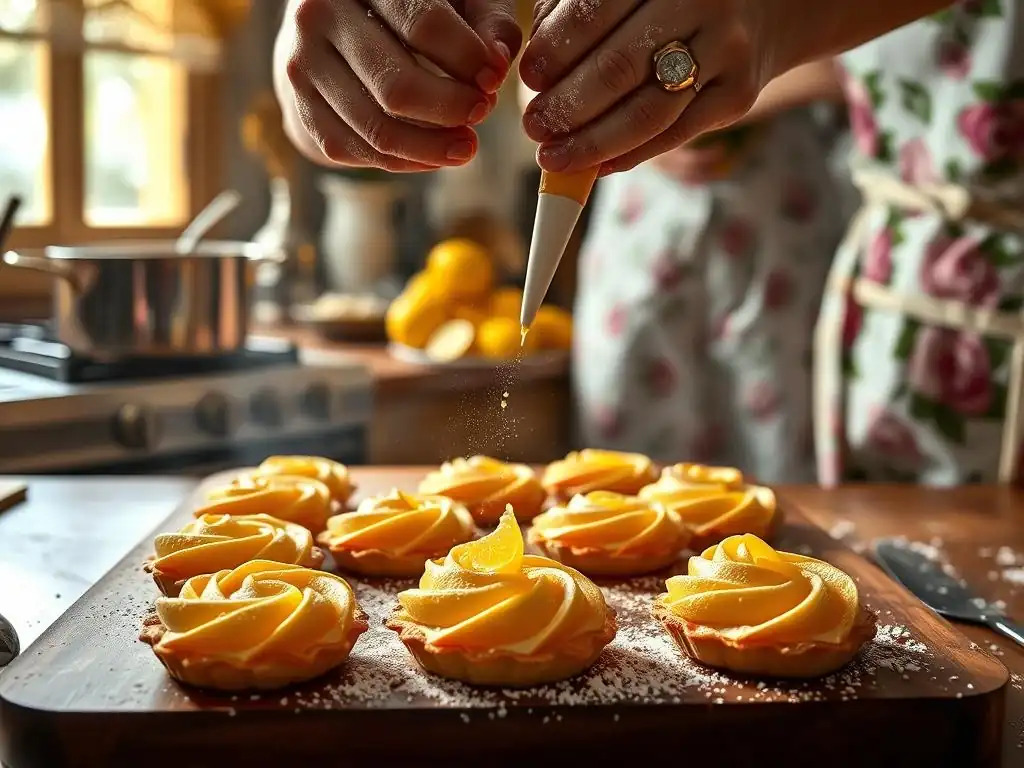
Beyond specific recipes, understanding fundamental techniques is key to consistently successful Italian baking. Many easy Italian pastry recipes rely on these core skills. Developing proficiency in areas like dough handling, rolling, and understanding different pastry types will give you confidence in tackling a wider range of Italian sweets.
These techniques aren't unique to Italian baking, but they are applied with specific considerations for the desired outcome – whether it's the flakiness of sfogliatella or the crispness of a cannoli shell. Practice is key, and don't be discouraged if your first attempt isn't perfect!
Rolling Techniques for Pastry Dough
Properly rolling out pastry dough is essential for tarts, cookies, and many other Italian pastries. Always start with chilled dough; this makes it less sticky and easier to handle. Lightly flour your work surface and rolling pin, but avoid using too much flour, which can make the dough tough.
Begin rolling from the center of the dough disc outwards, applying even pressure. Rotate the dough frequently (about a quarter turn) to prevent it from sticking and to help maintain a round or rectangular shape. If the dough becomes too soft or sticky, return it to the refrigerator for 10-15 minutes to firm up. Aim for an even thickness, typically between 3mm and 5mm, depending on the recipe requirements.
Working with Puff Pastry
While some easy Italian pastry recipes use simple shortcrust, others, like Sfogliatella or Millefoglie, rely on puff pastry ( pasta sfoglia). Working with puff pastry requires keeping the dough cold at all times to maintain the distinct layers of butter and dough. If making it from scratch, the process involves repeated rolling, folding, and chilling (lamination).
When rolling out store-bought puff pastry, ensure it is thawed according to package directions but still cold. Handle it gently to avoid compressing the layers. Use a sharp knife or pastry wheel to cut shapes, as dull edges can seal the layers. Bake puff pastry at a relatively high temperature (often 200-220°C / 400-425°F) to create steam that lifts the layers.
Understanding Dough Lamination
Dough lamination is the technique used to create flaky pastries like puff pastry or croissants (and Italian variations thereof). It involves enclosing a block of cold butter within dough and then repeatedly rolling and folding the dough. Each fold creates multiple layers of dough separated by thin layers of butter.
During baking, the water in the butter turns to steam, forcing the dough layers apart and creating that characteristic airy, flaky texture. This process requires patience and careful temperature control to prevent the butter from melting into the dough, which would result in a tough or greasy texture instead of distinct layers. While perhaps not part of easy Italian pastry recipes you start with, it's a fundamental technique for more advanced pastries.
Troubleshooting Common Italian Pastry Problems
Even experienced bakers encounter issues sometimes! When working with easy Italian pastry recipes, you might face common problems like soggy crusts, cracked fillings, or uneven baking. Understanding the likely causes can help you prevent or fix them.
Don't get discouraged if something doesn't turn out perfectly the first time. Baking is a science, and small adjustments can make a big difference. Here are a few common issues and how to address them.
Avoiding Soggy Pastry
Soggy bottoms or crusts in tarts and pies are often caused by moisture from the filling seeping into the dough before it has a chance to set. For Crostata, this can happen with very wet jams. To prevent this, you can blind bake the bottom crust partially before adding the filling. This involves baking the empty crust (lined with parchment and filled with pie weights or beans) for about 15-20 minutes until the edges are set.
Another strategy is to create a barrier between the crust and the filling. For fruit tarts or crostatas, a sprinkle of dry breadcrumbs, cookie crumbs (like amaretti), or finely ground nuts on the bottom crust before adding the jam or fruit can absorb excess moisture. Ensure your oven is properly preheated to the correct temperature, as a hot oven helps the crust set quickly.
Preventing Filling Cracks
Cracks in baked fillings, particularly in creamy tarts or cheesecakes (like Italian Ricotta Pie), are often caused by overbaking or cooling too quickly. Fillings made with eggs and dairy set as the proteins coagulate. If they cook too long or cool too rapidly, the center can shrink more than the edges, causing cracks.
To prevent cracks, try baking creamy fillings in a water bath. Place the tart pan inside a larger pan and fill the outer pan with hot water halfway up the sides of the tart pan. This insulates the filling and ensures it cooks gently and evenly. Also, allow the pastry to cool gradually. Turn off the oven and leave the tart inside with the door ajar for an hour before removing it to a wire rack to cool completely.
Fixing Burnt Pastries
Burnt edges or tops on pastries can happen if the oven temperature is too high, the baking time is too long, or if the pastry is too close to the heating element. To prevent this, always preheat your oven and consider using an oven thermometer to check its accuracy – many ovens run hot or cold.
If you notice the edges of a tart or the tops of cookies browning too quickly while the rest isn't done, you can shield the browning parts with strips of aluminum foil. For cookies on a baking sheet, you might need to adjust the oven rack position or rotate the baking sheet halfway through the baking time for more even heat distribution. If a pastry does get slightly burnt, sometimes you can carefully scrape off the burnt bits, especially on edges, though this isn't always possible. Prevention is the best approach.
Exploring More Italian Pastry Variations
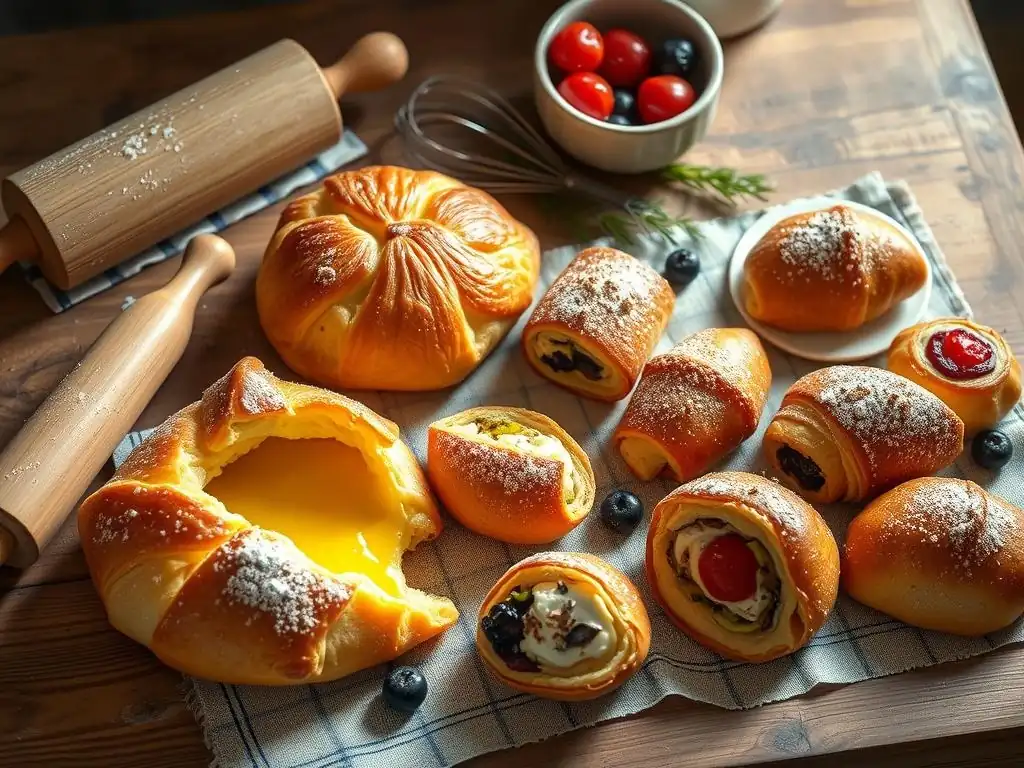
Once you've mastered a few easy Italian pastry recipes, you might be inspired to explore the vast world of Italian sweets further. The regional diversity means there's always something new to discover, from festive holiday treats to everyday delights.
Branching out allows you to learn new techniques and work with different ingredients. Many traditional recipes offer excellent starting points for creating your own unique variations, adapting flavors and textures to your preference.
Regional Italian Pastry Specialties
Italy is home to hundreds, perhaps thousands, of unique pastry specialties. Beyond the well-known cannoli and crostata, consider trying your hand at Zeppole di San Giuseppe, fried or baked pastries filled with pastry cream, traditionally made for St. Joseph's Day (March 19th).
Explore the flaky layers of Sfogliatella Riccia from Naples, shaped like a lobster tail and filled with ricotta and candied fruit. Or the simple, delicate Baci di Dama (Lady's Kisses), small hazelnut cookies sandwiched together with chocolate, originating from Piedmont. Each region offers a treasure trove of easy Italian pastry recipes (and some more challenging ones!) waiting to be discovered.
Adapting Recipes: Creating Your Own Pastry Variations
Once you feel comfortable with basic easy Italian pastry recipes, don't hesitate to put your own spin on them. For instance, you could adapt the Cantucci recipe by adding different nuts (like walnuts or pecans), dried fruits (cranberries or figs), or spices (cinnamon or cardamom).
For Crostata, experiment with different fillings – fresh fruit (apples, berries, peaches) instead of jam, a creamy ricotta filling, or even a chocolate ganache. You can also play with the pastry dough by adding cocoa powder for a chocolate crust or ground nuts for added flavor and texture. Adapting recipes allows you to personalize your homemade Italian pastries and express your creativity.
Enjoy Your Homemade Italian Pastries!
You've put in the effort, followed the steps, and now it's time for the most rewarding part: enjoying the fruits of your labor! Baking easy Italian pastry recipes at home brings a special satisfaction. The aroma filling your kitchen is just the beginning.
Sharing your homemade Italian pastries with friends and family is a wonderful way to connect and celebrate. Whether it's a simple plate of Cantucci with coffee or a beautiful Crostata for dessert, these treats are sure to be appreciated.
Serving Suggestions
How you serve your easy Italian pastry recipes can enhance the experience. Cantucci are traditionally served with Vin Santo, a sweet Tuscan dessert wine, perfect for dipping. They are also excellent with coffee or tea.
Cannoli are best enjoyed fresh, perhaps with a dusting of powdered sugar and a strong espresso. Crostata can be served slightly warm or at room temperature, often accompanied by a scoop of vanilla gelato or a dollop of whipped cream, especially if filled with fresh fruit. Simple Italian pastries like cookies are perfect on their own or as part of a larger dessert spread.
Frequently Asked Questions
What makes Italian pastries particularly appealing to home bakers?
Italian pastries often rely on simple, fresh ingredients and straightforward techniques, making them accessible even for beginner bakers. Many recipes also require minimal specialized equipment, adding to their appeal.
Where can I find reliable "Easy Italian pastry recipes" designed for beginners?
Websites like BakeWithEase.com are great resources for step-by-step guides and easy-to-follow recipes. Look for recipes that specifically mention being beginner-friendly or have detailed instructions.
What are some common ingredients used in "Easy Italian pastry recipes"?
Common ingredients include flour, sugar, butter (or olive oil), eggs, and often citrus zest or Italian liqueurs like Amaretto. Many recipes also feature nuts like almonds or pistachios.
Are there any essential techniques I should master before attempting "Easy Italian pastry recipes"?
Understanding basic dough handling, such as proper mixing and kneading techniques, is crucial. Also, learning how to control oven temperature for even baking is important.
How can I adapt traditional Italian pastry recipes to be even easier to make at home?
Consider using pre-made ingredients like puff pastry or pie crust as a shortcut. You can also simplify fillings by using store-bought jams or fruit preserves.
Final Reflection: The Sweet Symphony of Simple Italian Pastries
The accessibility of delicious Italian pastries is no longer confined to bustling cafes and expensive patisseries; with a little patience and the right techniques, the joy of crafting these treats can be found in your own kitchen. The recipes explored in this article demonstrate that creating authentic Italian flavors doesn't require years of culinary school or a professional-grade kitchen. The simplicity of the methods presented empowers home bakers to confidently tackle these seemingly complex desserts.
The enduring appeal of Italian pastries lies not only in their exquisite taste but also in their ability to evoke a sense of warmth, family, and tradition. These small delights often serve as the centerpiece of celebrations, marking milestones and creating cherished memories. Food is symbolic of love when words are inadequate.
- Alan D. Wolfelt. This quote perfectly encapsulates the emotional resonance these pastries hold, transcending mere sustenance to become expressions of care and connection. The act of making them, therefore, becomes a deeply personal and rewarding experience.
Now, I invite you to embrace the challenge. Don't be intimidated by the seemingly intricate designs or unfamiliar ingredients. Choose a recipe that sparks your interest, gather your ingredients, and embark on this culinary journey. The satisfaction of creating something beautiful and delicious with your own hands, sharing it with loved ones, and experiencing the rich heritage of Italian pastry-making will be a reward far sweeter than any store-bought treat. Let the aroma of freshly baked biscotti or the delicate sweetness of cannoli fill your home, and savor the moment.
Unlock Your Inner Pastry Chef!
Thanks for joining us on this delicious journey into the world of Italian pastries! We hope you've gained valuable insights and newfound confidence in your baking abilities. Now it's time to put your knowledge into practice.
- Try one of the recipes today! Start with your favorite from the article – even a small success will boost your confidence.
- Share your baking journey! Post a picture of your creation on social media and tag us – we'd love to see your results! Use #BakeWithEaseItalianPastries
- Challenge yourself to experiment! Try substituting ingredients or adapting a technique to create your own unique Italian pastry masterpiece.
What Italian pastry will you conquer first, and what innovative twist will you add? Let's hear about it in the comments below!