
Cassata Siciliana Simplified for Home Bakers

Welcome to BakeWithEase!
Ever dreamt of creating a show-stopping Cassata Siciliana but felt intimidated? You're not alone! We're demystifying this iconic Sicilian dessert with an easy recipe that brings its vibrant flavors and textures within reach of any home baker. Discover how to achieve authentic results with simplified steps and readily available ingredients. Ready to embark on a delicious adventure? Let's bake!
- Cassata Siciliana Simplified for Home Bakers: An Easy Recipe from BakeWithEase
- Introduction to Cassata Siciliana: A Taste of Sicily at Home
- Preparing the Components: Your Easy Cassata Siciliana Recipe
- Assembling Your Simplified Cassata Siciliana
- Cassata Siciliana Recipe: Detailed Instructions and Measurements
- Tips and Tricks for a Successful Cassata Siciliana
- Variations and Adaptations of the Cassata Siciliana Recipe
- The Joy of Baking Cassata Siciliana: A Sweet Sicilian Tradition
- Frequently Asked Questions
- Final Reflection: Unlocking the Joy of Cassata Siciliana
- Unlock the Secrets of Effortless Cassata!
Cassata Siciliana Simplified for Home Bakers: An Easy Recipe from BakeWithEase
Introduction to Cassata Siciliana: A Taste of Sicily at Home
What is Cassata Siciliana? Exploring the History and Flavors
Cassata Siciliana is more than just a cake; it's an edible work of art, a vibrant symbol of Sicilian culinary tradition. Originating in Palermo, this elaborate dessert is traditionally made for Easter, bringing together rich flavors and textures in a stunning presentation.
At its core, Cassata is composed of layers of moist sponge cake (Pan di Spagna), a creamy filling made from sweetened ricotta cheese, often studded with chocolate chips and candied fruit, all encased in a shell of green marzipan (pasta reale), and finished with elaborate candied fruit decorations and often icing. Its history traces back centuries, with influences from Arab rule in Sicily introducing ingredients like sugar, citrus, and almonds, which remain central to the island's confectionery.
The characteristic flavors of Cassata Siciliana are a delightful interplay of sweetness and freshness. You experience the creamy, slightly tangy richness of the sweetened ricotta, the soft sweetness of the sponge cake moistened typically with a citrus or liqueur syrup, the chewy bursts of intense flavor from the candied fruit, the subtle almond notes from the marzipan, and often the delightful crunch of chocolate chips.
This combination creates a complex yet harmonious taste profile that is uniquely Sicilian. While traditionally a labor of love, making an easy Cassata Siciliana recipe at home is achievable and incredibly rewarding, allowing you to experience these incredible flavors without needing a professional pastry kitchen.
Why This Cassata Siciliana Recipe is Perfect for Home Bakers
Traditional Cassata Siciliana can seem daunting with its multiple components—baking the cake, preparing the ricotta, making marzipan, creating syrup, and the intricate decoration. Many home bakers might hesitate, fearing the complexity or the need for specialized techniques. This easy Cassata Siciliana recipe is specifically designed to demystify the process, breaking it down into manageable steps that are accessible to anyone with basic baking skills and standard kitchen equipment. We focus on simplifying techniques without compromising the essential flavors and textures that define authentic Cassata.
Our simplified approach streamlines the preparation of each element, offering clear instructions and helpful tips to ensure success. For instance, while traditional recipes might involve complex marzipan work, we provide an easy Cassata recipe method for handling the marzipan that is more forgiving for beginners.
The goal is to empower you to create a beautiful and delicious homemade Cassata Siciliana that you can proudly share. This recipe proves that enjoying the taste of Sicily at home doesn't require spending days in the kitchen; it's about smart techniques and clear guidance, making the dream of baking Cassata a reality for every home baker.
Preparing the Components: Your Easy Cassata Siciliana Recipe
Step 1: Baking the Sponge Cake (Pan di Spagna) for Your Cassata
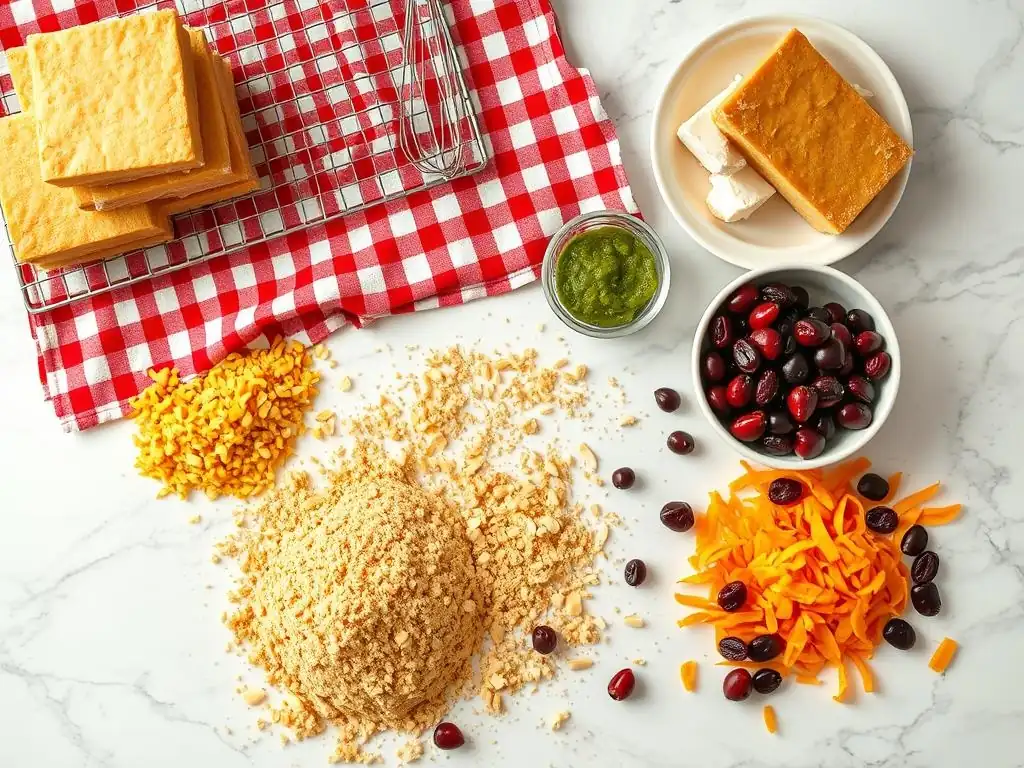
A light, airy, and tender sponge cake, known in Italy as Pan di Spagna, is the essential foundation of any Cassata Siciliana. Unlike butter-based cakes, Pan di Spagna relies on whipped eggs for its structure and volume, resulting in a cake that is relatively dry but perfect for soaking up the flavorful syrup used to moisten the Cassata.
The key ingredients are simple: eggs, sugar, and flour. The magic happens in the whipping – eggs and sugar are beaten together until incredibly pale, thick, and voluminous, sometimes reaching triple their original size, creating a stable base before flour is gently folded in.
For this easy Cassata Siciliana recipe, we aim for a reliable Pan di Spagna that's easy to handle. Baking it in a round pan (like an 8 or 9-inch springform) provides a good base for cutting and shaping. Common pitfalls include not whipping the eggs enough, leading to a dense cake, or overmixing after adding the flour, which can deflate the batter and result in a tough texture due to gluten development.
Our instructions guide you through achieving the correct egg consistency and gentle folding techniques. The cake typically bakes at around 180°C (350°F) for 25 to 30 minutes, or until a skewer inserted into the center comes out clean.
Tips for a Perfect Pan di Spagna for Cassata
- Use room temperature eggs; they whip up to a greater volume.
- Whip eggs and sugar for 8-10 minutes until very thick and pale yellow.
- Sift flour over the egg mixture and fold gently with a spatula, cutting through the center and bringing batter up the sides, until just combined.
- Do not grease and flour the sides of the pan; the batter needs to cling to the sides to rise properly. Line the bottom only.
- Let the cake cool completely on a wire rack before attempting to cut it.
Step 2: Making the Sweetened Ricotta Filling: A Key to Authentic Cassata
The heart and soul of the Cassata Siciliana easy recipe is the creamy, luscious filling made from fresh ricotta cheese. Traditionally, Sicilian Cassata uses sheep's milk ricotta, which is richer and tangier than cow's milk ricotta. However, high-quality cow's milk ricotta is perfectly acceptable and more widely available for home bakers.
The key to a superb filling is starting with ricotta that has been properly drained of excess liquid. Wet ricotta will result in a runny filling that can make the cake soggy and fail to hold its shape. Draining can be done by placing the ricotta in a fine-mesh sieve lined with cheesecloth set over a bowl in the refrigerator for several hours, ideally overnight.
Once drained, the ricotta is typically sweetened with granulated sugar or powdered sugar. Powdered sugar often yields a smoother texture. The amount of sugar can be adjusted slightly to taste, but a classic ratio might be around 150-200 grams of sugar per 500 grams of drained ricotta.
For the silkiest texture, the ricotta is often pressed through a sieve or blended briefly in a food processor after draining and before mixing with sugar. Flavorings like vanilla extract, citrus zest (orange or lemon), or a splash of liqueur (like Maraschino or Strega) are often added. The mixture should be thoroughly combined until smooth and creamy.
Achieving the Ideal Ricotta Consistency and Sweetness
- Always drain ricotta thoroughly, preferably overnight in the refrigerator.
- For the smoothest filling, pass the drained ricotta through a fine-mesh sieve or process briefly in a food processor before adding sugar.
- Start with the suggested sugar amount and taste, adding more a tablespoon at a time if needed, remembering that candied fruit and syrup will add more sweetness.
- Ensure sugar is fully dissolved by letting the mixture sit for 15-20 minutes after mixing, then stir again before using.
- Chill the prepared ricotta filling for at least 30 minutes before assembling the Cassata; this helps it firm up.
Step 3: Candied Fruit Preparation: Adding Color and Flavor
Candied fruit, or frutta candita, is indispensable to the visual appeal and flavor profile of a Cassata Siciliana easy recipe. These vibrant pieces of fruit, preserved in sugar syrup, add bursts of intense sweetness and a chewy texture that contrasts beautifully with the smooth ricotta and soft cake. Traditional fruits include pumpkin (zuccata), citron, orange peel, and cherries. For a simplified approach suitable for home bakers, using good quality mixed candied fruit is a convenient option. You'll typically need around 100-150 grams of chopped candied fruit for a standard-sized Cassata.
The candied fruit is primarily mixed into the sweetened ricotta filling, distributing those pops of color and flavor throughout the center of the cake. Some pieces are also reserved for the final, often elaborate, decoration on top of the marzipan. When incorporating into the filling, ensure the fruit is chopped into small, manageable pieces (around 0.5 to 1 cm).
If using larger pieces of candied peel or whole cherries, chop them yourself to the desired size. The quality of the candied fruit matters; using fruit that is too hard or lacks flavor can detract from the final result. Look for fruit that is plump and retains some of its original fruit flavor beneath the sweetness.
Choosing and Preparing Candied Fruit for Your Cassata Siciliana
- Opt for a mix specifically labeled for Cassata if available, or a general high-quality mixed candied fruit blend.
- Ensure the fruit pieces are chopped to a uniform, small size (approx. 1/4 to 1/2 inch) before adding to the ricotta.
- If your candied fruit seems very hard, you can briefly soak it in a little warm water or syrup and then drain thoroughly, though this isn't usually necessary with good quality fruit.
- Reserve the most aesthetically pleasing pieces of fruit for the final decoration on top.
- Consider adding a small amount of chopped candied citrus peel even if using a mix, as its slightly bitter note balances the sweetness.
Step 4: Preparing the Marzipan (Pasta Reale) for Decoration
The iconic look of Cassata Siciliana is largely due to its coating of vibrant green marzipan, known in Sicily as pasta reale (royal paste). This sweet, pliable paste made primarily from ground almonds and sugar provides a smooth canvas for decoration and adds a distinct almond flavor that complements the other components.
While making marzipan from scratch is possible, using good quality store-bought almond paste or marzipan is a perfectly acceptable and much easier option for a home baker tackling an easy Cassata recipe. You'll typically need around 200-300 grams of marzipan or almond paste for an 8 or 9-inch Cassata.
To prepare the marzipan for covering the cake, it first needs to be kneaded slightly to make it more pliable. If using almond paste, you might need to add a small amount of powdered sugar or a tiny bit of corn syrup or water to get the right consistency. The signature green color is achieved by kneading in green food coloring, preferably a gel paste for intense color without adding too much liquid.
Aim for a vibrant emerald green hue. Once colored, the marzipan is rolled out into a thin sheet, large enough to cover the sides and top of your cake mold or the assembled cake. Working on a surface dusted with powdered sugar helps prevent sticking.
Mastering the Art of Smooth and Decorative Marzipan Application
- Ensure your workspace and rolling pin are lightly dusted with powdered sugar to prevent sticking.
- Knead the marzipan briefly until smooth before rolling; this helps prevent cracks.
- Add green food coloring gradually, kneading until the desired color is uniform.
- Roll the marzipan evenly to a thickness of about 2-3 mm (approx. 1/8 inch).
- Measure the height and circumference of your cake mold or assembled cake to ensure you roll a sheet large enough to cover it completely.
Assembling Your Simplified Cassata Siciliana
Layering the Sponge Cake, Ricotta, and Chocolate Chips
Assembly is where the magic of the Cassata Siciliana easy recipe comes together. You'll need a round bowl, preferably dome-shaped, or a springform pan, roughly the size of your baked sponge cake. The sponge cake is carefully cut into slices, typically about 1 cm thick, and then used to line the mold. Some bakers cut the cake into trapezoids or rectangles to fit snugly.
The cake lining is then generously brushed or drizzled with a wetting syrup. A simple syrup (equal parts sugar and water heated until dissolved, then cooled) flavored with citrus juice, orange blossom water, or a liqueur like rum, Grand Marnier, or Maraschino is traditional. This step is crucial for moistening the relatively dry sponge.
Once the mold is lined with cake, ensuring there are no gaps, the prepared, chilled ricotta filling is spooned in. If you're adding chocolate chips or chopped dark chocolate, stir them into the ricotta just before filling. Use the back of a spoon or a spatula to press the filling down firmly, eliminating any air pockets. This helps the Cassata hold its shape when unmolded.
Fill the mold almost to the top, then cover the ricotta with another layer of sponge cake slices, pressing them down gently. These will form the base when the Cassata is inverted. Chill the assembled Cassata in the refrigerator for at least 4-6 hours, or preferably overnight, to allow the flavors to meld and the structure to set firmly.
Covering the Cassata with Marzipan (Pasta Reale)
After the Cassata has chilled and set in the mold, it's time for the dramatic reveal and covering with marzipan. Carefully invert the mold onto your serving plate. If using a springform pan, simply release the latch and lift the ring. If using a bowl, cover the top with the serving plate and flip it over. The cake should release cleanly if it was well-chilled. Now, take your rolled-out green marzipan sheet. Carefully lift the marzipan, perhaps using the rolling pin to help, and drape it over the inverted cake, centering it.
Gently smooth the marzipan down the sides and over the top of the cake, pressing it firmly against the cake's surface to adhere and remove any air bubbles. Use your hands or a fondant smoother tool for this. Work quickly but carefully to avoid tearing the marzipan.
Trim the excess marzipan neatly around the base of the cake using a sharp knife or pizza cutter. Some bakers use the excess marzipan to create decorative shapes or ropes. The goal is a smooth, even layer of vibrant green covering the entire cake, creating the classic look of a homemade Cassata Siciliana.
Decorating Your Cassata Siciliana: A Creative Touch
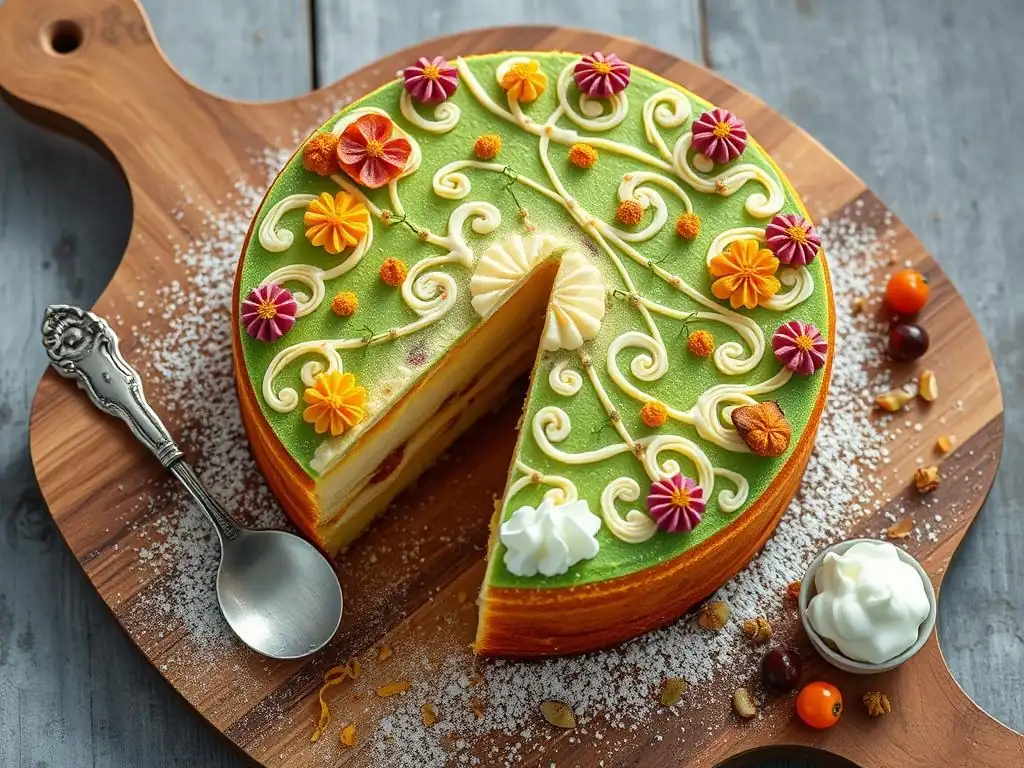
The final step in making your Cassata Siciliana easy recipe is the decoration, which is often the most visually striking part. Traditionally, Cassata is adorned with elaborate patterns of royal icing and carefully arranged pieces of candied fruit, such as whole candied oranges, pears, figs, and cherries, often in geometric or floral designs. While professional Cassata can feature incredibly intricate designs, a home baker can achieve a beautiful result with simpler decoration. The green marzipan provides a wonderful backdrop for colorful elements.
For an easy Cassata recipe, you can keep the decoration relatively simple yet effective. Arrange a few key pieces of colorful candied fruit on top – perhaps a few bright red cherries, strips of orange peel, or a piece of green candied pumpkin. You can also pipe simple patterns or borders onto the marzipan using leftover ricotta filling (if firm enough), a simple powdered sugar glaze (icing sugar mixed with a little liquid), or even melted chocolate.
Dusting the edges with chopped pistachios or decorating with chocolate shavings are other easy ways to add detail. Remember, even simple decoration adds a festive touch and makes your homemade Cassata Siciliana look special.
Ideas for Unique Cassata Decorations
- Arrange a few large, colorful pieces of candied fruit strategically on the top.
- Use a piping bag with a small round tip to pipe dots or simple swirls of white icing or melted chocolate.
- Dust the top or sides with powdered sugar using a stencil for a pattern.
- Sprinkle finely chopped pistachios or chocolate shavings around the base or on top.
- Use small cookie cutters to cut shapes from leftover marzipan for extra decorative elements.
Cassata Siciliana Recipe: Detailed Instructions and Measurements
Ingredients List for Easy Cassata Siciliana
For the Pan di Spagna (Sponge Cake):
*   4 large eggs, room temperature
*   150g granulated sugar
*   150g all-purpose flour, sifted

For the Wetting Syrup:
*   100g granulated sugar
*   100ml water
*   Optional: 2-3 tbsp citrus juice (orange/lemon) or liqueur (rum/Maraschino)

For the Ricotta Filling:
*   500g fresh ricotta cheese, well-drained (preferably overnight)
*   150g powdered sugar (or to taste)
*   1 tsp vanilla extract
*   50g dark chocolate chips or finely chopped dark chocolate
*   100g mixed candied fruit, finely chopped

For the Marzipan Covering:
*   250g store-bought almond paste or marzipan
*   Green gel food coloring

For Decoration:
*   Reserved pieces of candied fruit
*   Optional: Powdered sugar glaze (50g powdered sugar + 1-2 tsp water/lemon juice) or chopped pistachios
Step-by-Step Baking and Assembly Guide
1.  **Bake the Sponge Cake:** Preheat oven to 180°C (350°F). Line the bottom of an 8 or 9-inch round cake pan with parchment paper. Do not grease the sides. In a large bowl, beat eggs and sugar with an electric mixer on high speed for 8-10 minutes until very thick, pale, and tripled in volume. Gently fold in the sifted flour using a spatula until just combined. Pour batter into the prepared pan and bake for 25-30 minutes, or until a skewer comes out clean. Let cool in the pan for 10 minutes, then invert onto a wire rack to cool completely.
2.  **Make the Wetting Syrup:** While the cake cools, combine sugar and water in a small saucepan. Heat over medium heat, stirring until sugar is dissolved. Bring to a simmer for 1 minute, then remove from heat. Let cool completely. Stir in citrus juice or liqueur if using.
3.  **Prepare the Ricotta Filling:** In a bowl, combine well-drained ricotta cheese, powdered sugar, and vanilla extract. Stir until smooth and creamy. Gently fold in the chocolate chips and chopped candied fruit. Chill the filling for at least 30 minutes.
4.  **Prepare the Marzipan:** On a surface dusted with powdered sugar, knead the almond paste/marzipan until pliable. Add green food coloring gradually, kneading until a uniform green color is achieved. Roll the marzipan into a circle or rectangle large enough to cover the cake mold (approx. 14-16 inches in diameter for an 8-inch cake).
5.  **Assemble the Cassata:** Line an 8 or 9-inch dome-shaped bowl or the same size springform pan with plastic wrap, leaving plenty of overhang. Cut the cooled sponge cake horizontally into 1 cm thick slices. Cut the slices into trapezoids or rectangles as needed to line the inside of the mold, pressing them against the sides and bottom. Brush the cake lining generously with the cooled wetting syrup.
6.  **Fill the Mold:** Spoon the chilled ricotta filling into the cake-lined mold, pressing it down firmly with a spatula to eliminate air pockets. Level the top.
7.  **Close the Base:** Cover the ricotta filling with remaining cake slices, pressing them down gently to form a flat base. Brush these cake slices with more wetting syrup.
8.  **Chill:** Cover the mold with the overhanging plastic wrap or another layer of plastic wrap. Place in the refrigerator to chill and set for at least 4-6 hours, or preferably overnight.
9.  **Unmold and Cover with Marzipan:** When ready to cover, unwrap the top of the mold. Place your serving plate over the mold and carefully invert them together. The Cassata should release onto the plate. Gently remove the plastic wrap. Carefully lift the rolled green marzipan and drape it over the inverted cake, centering it. Smooth the marzipan down the sides and over the top, pressing gently to adhere. Trim excess marzipan neatly around the base.
10. **Decorate:** Decorate the top of the marzipan-covered Cassata with reserved candied fruit. Optionally, pipe with glaze or sprinkle with pistachios.
11. **Chill Again:** Return the decorated Cassata to the refrigerator for at least 30 minutes before slicing and serving to allow the marzipan to set slightly.
Tips and Tricks for a Successful Cassata Siciliana
Avoiding Common Mistakes When Making Cassata
One of the most common issues when making a Cassata Siciliana easy recipe is a watery ricotta filling. This usually stems from not adequately draining the ricotta before mixing it with sugar. Always drain ricotta for several hours, ideally overnight in the refrigerator, using a fine-mesh sieve lined with cheesecloth.
Another pitfall is a dry sponge cake; the Pan di Spagna is meant to be moistened, so don't be shy with the wetting syrup. Ensure the cake is thoroughly brushed or drizzled with enough syrup to become tender and flavorful, but not so much that it becomes soggy – aim for moist, not saturated.
Handling the marzipan can also be tricky. If it's too cold, it can crack when rolling or draping. If it's too warm, it can be sticky. Working on a surface dusted with powdered sugar and keeping your hands lightly dusted helps.
If the marzipan feels stiff, briefly kneading it can warm it up and make it more pliable. When draping it over the cake, try to do it in one smooth motion and then work quickly to smooth it down before it sets. Finally, ensure the assembled Cassata is thoroughly chilled before attempting to unmold and cover it; a well-chilled cake is much more stable and less likely to collapse during assembly.
Storing and Serving Your Homemade Cassata Siciliana
Due to the fresh ricotta filling, it is crucial to store your homemade Cassata Siciliana in the refrigerator. Cover it tightly with plastic wrap or place it in an airtight cake container to prevent it from drying out or absorbing odors from the fridge. A properly stored Cassata will keep well in the refrigerator for about 2 to 3 days. It's best enjoyed chilled, as the flavors are most refreshing and the structure holds best when cold.
When it's time to serve your beautiful Cassata Siciliana easy recipe, take it out of the refrigerator about 10-15 minutes before slicing, but keep it chilled. For clean slices that show off the layers, use a sharp knife dipped in hot water and wiped dry between each cut. This helps glide through the marzipan and cake without dragging.
Serve slices of Cassata Siciliana as a delightful dessert after a meal, perhaps accompanied by a small glass of sweet Sicilian wine like Marsala or Passito, or simply with a strong espresso. Sharing this traditional treat is part of the joy of making it.
Variations and Adaptations of the Cassata Siciliana Recipe
Gluten-Free Cassata Siciliana Options
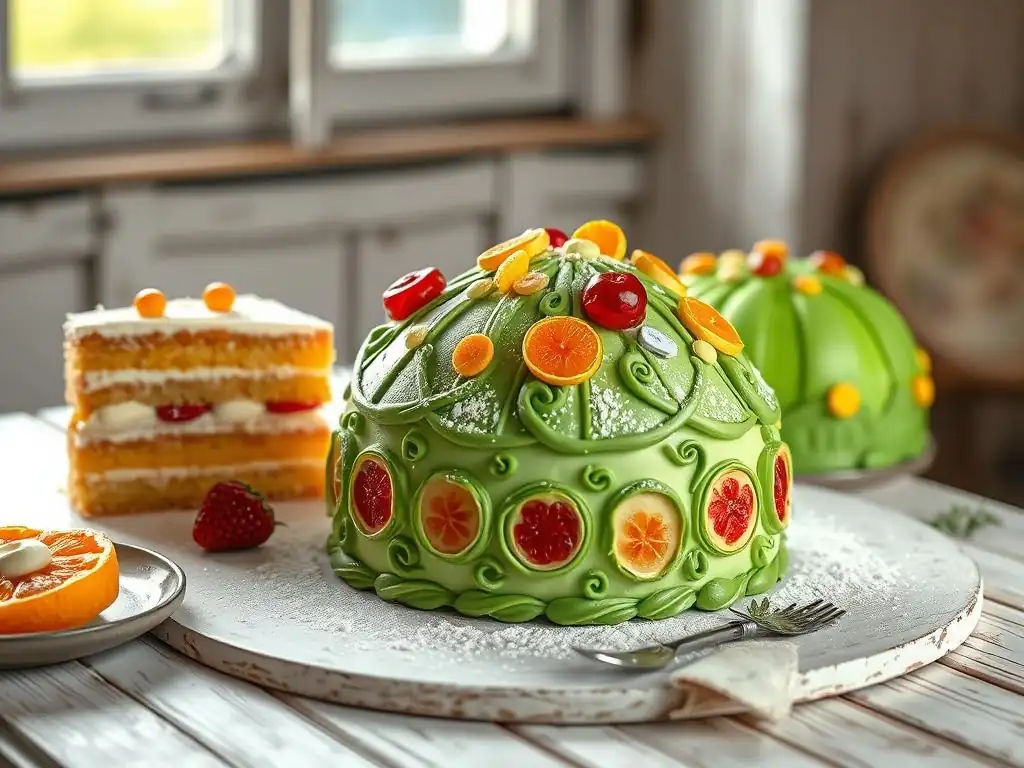
Adapting a Cassata Siciliana easy recipe for a gluten-free diet primarily involves substituting the wheat flour in the sponge cake. The ricotta filling, candied fruit, and marzipan (check labels for additives or cross-contamination) are typically naturally gluten-free. To make a gluten-free sponge cake, you can use a commercially available gluten-free all-purpose flour blend. Look for a blend that is recommended for cakes and contains a mix of flours and starches, possibly with a binder like xanthan gum.
When baking a gluten-free Pan di Spagna, follow a reliable gluten-free sponge cake recipe or adapt this one by directly substituting the flour. Be mindful that gluten-free batters can sometimes be slightly more delicate. Ensure you follow the whipping and folding instructions carefully. The rest of the Cassata assembly process, from preparing the filling to covering with marzipan and decorating, remains the same, allowing those with gluten sensitivities to enjoy this classic easy Cassata recipe.
Vegan Cassata Siciliana Adaptations
Creating a vegan version of the Cassata Siciliana easy recipe requires substituting the dairy ricotta, eggs in the sponge cake and potentially the marzipan (if using a recipe with egg white), and ensuring candied fruit and chocolate are vegan-friendly. For the sponge cake, you would need a reliable vegan sponge recipe that uses egg substitutes like flax eggs, commercial egg replacers, or aquafaba, along with plant-based milk and fat. Achieving the exact airy texture of traditional Pan di Spagna can be challenging but is possible with the right recipe.
The most significant adaptation is the ricotta filling. Fortunately, there are several excellent plant-based ricotta alternatives available commercially, often made from almonds, cashews, or soy. Alternatively, you can make your own vegan ricotta from soaked cashews or firm tofu.
Sweeten this vegan ricotta with powdered sugar and incorporate vegan chocolate chips and candied fruit (ensure they are not glazed with gelatin or beeswax). For the marzipan, most store-bought versions are vegan, but check the ingredients; if making from scratch, use syrup or aquafaba instead of egg white. While a fully vegan Cassata is an adaptation, it allows everyone to enjoy the spirit and flavors of this Sicilian dessert.
Exploring Different Flavor Combinations in Your Cassata
While the classic Cassata Siciliana easy recipe is beloved for its traditional flavor profile, you can certainly explore variations to suit your taste. The wetting syrup is an easy place to start – instead of citrus or Maraschino, try coffee syrup for a tiramisu-like hint, rum, or even a non-alcoholic fruit juice like peach or strawberry for a different sweetness. The ricotta filling can also be flavored beyond vanilla and citrus zest; consider adding a pinch of cinnamon, finely ground pistachios, or even a bit of cocoa powder for a chocolate ricotta filling.
Beyond the filling and syrup, you can experiment with the add-ins. Instead of just chocolate chips, try chopped white chocolate, different types of nuts (like walnuts or hazelnuts), or even pieces of amaretti cookies for crunch. The candied fruit can also be varied; while traditional fruits are classic, you could incorporate candied ginger for a spicy kick, dried cranberries (rehydrated), or even tropical candied fruits. These simple tweaks allow you to personalize your homemade Cassata Siciliana while still respecting the core structure of this wonderful dessert.
The Joy of Baking Cassata Siciliana: A Sweet Sicilian Tradition
Baking, at its heart, is often about creating something to share, and making a Cassata Siciliana easy recipe is a prime example. The process, even simplified, involves care and attention, culminating in a dessert that is both visually impressive and incredibly delicious. There's a deep satisfaction in transforming simple ingredients into this layered masterpiece. Presenting your homemade Cassata, with its vibrant green exterior and colorful interior, is a moment of pride. It’s a testament to your effort and a connection to a rich culinary heritage.
Sharing food is a fundamental part of Sicilian culture and Italian hospitality. Bringing out a slice of your homemade Cassata Siciliana at a gathering or simply enjoying it with loved ones turns a simple dessert into a shared experience. You're not just serving cake; you're sharing a piece of tradition, a taste of Sicily, and the warmth of your kitchen.
It's a perfect centerpiece for special occasions or simply a way to make an ordinary day feel a little more festive. The compliments you receive will be well-earned, reflecting the love and effort you put into this easy Cassata recipe.
Conclusion: Mastering the Easy Cassata Siciliana Recipe
Embarking on the journey of baking Cassata Siciliana might seem ambitious, but as this guide demonstrates, creating a stunning and delicious version is absolutely within reach for the home baker. By breaking down the process into manageable steps – from baking a simple sponge and preparing the creamy ricotta to handling the marzipan and adding your decorative touch – you can achieve impressive results without feeling overwhelmed. This easy Cassata Siciliana recipe provides a clear path to mastering a classic Italian dessert.
You've learned the key components, understood the importance of each step like draining the ricotta and moistening the cake, and discovered tips for avoiding common pitfalls. Whether you stick strictly to the traditional flavors or explore exciting variations, the joy of creating your own homemade Cassata Siciliana is immense. So gather your ingredients, follow these steps with confidence, and prepare to delight yourself and your loved ones with a taste of authentic Sicilian tradition, made easy right in your own kitchen. Happy baking!
Frequently Asked Questions
What is Cassata Siciliana?
Cassata Siciliana is a traditional Sicilian cake. It's known for its sponge cake base, ricotta filling, and vibrant candied fruit decorations.
Is Cassata Siciliana difficult to make at home?
Traditionally, yes, but this recipe simplifies it. We aim to make it achievable for home bakers by using easier-to-find ingredients and streamlining the process.
What ingredients are essential for a Cassata Siciliana?
Key ingredients include sponge cake, sweetened ricotta cheese, candied fruit, and marzipan (though this can be adapted). The quality of the ricotta is crucial.
Can I customize the decorations on my Cassata Siciliana?
Absolutely! While candied fruit is traditional, feel free to use nuts, chocolate shavings, or other decorative elements that suit your taste and availability.
How long does Cassata Siciliana last?
When properly stored in the refrigerator, Cassata Siciliana can last for 3-4 days. Be sure to keep it covered to prevent it from drying out.
Final Reflection: Unlocking the Joy of Cassata Siciliana
The seemingly daunting Cassata Siciliana, a masterpiece of Sicilian pastry, is now within reach of every home baker. This article has demonstrated that with a few simplified techniques and readily available ingredients, the magic of this iconic dessert can be recreated in your own kitchen, proving that culinary traditions aren't confined to professional kitchens.
The journey of simplifying this complex dessert has been a personal one, revealing the heart of culinary tradition lies not in rigid adherence to complex processes, but in the joy of sharing and adapting. Cooking is at once child's play and adult joy. And cooking done with care is an act of love.
This quote perfectly encapsulates the spirit of this project – taking a beloved classic and making it accessible, fostering a deeper appreciation for its history and flavors. The enduring appeal of Cassata Siciliana, its vibrant colors and rich flavors, continues to resonate across generations, a testament to its timeless charm.
Now, it's your turn. Don't be intimidated by the perceived complexity of traditional recipes. Take the techniques learned here, experiment with flavors, and create your own unique version of this Sicilian delight. Embrace the imperfections, celebrate the process, and most importantly, share the joy of your culinary creations with those you love. The kitchen is your canvas; let your creativity flow and discover the sweet satisfaction of bringing a piece of Sicily into your home.
Unlock the Secrets of Effortless Cassata!
Thanks for joining us on this delicious journey into the heart of Sicily! We hope you now feel confident tackling this iconic dessert. Ready to take your baking to the next level?
- Bake your own Cassata masterpiece! Use the simplified recipe from the article as your guide, experimenting with different flavors and fillings. This is your chance to truly own this classic dessert.
- Share your Cassata creations! Post photos on social media and tag #BakeWithEaseCassata – let's see those beautiful slices!
- Explore other Sicilian treats on BakeWithEase.com. We’ve got plenty more recipes waiting to inspire you!
What unique twist will you add to your Cassata to make it truly your own?