
StepbyStep Focaccia Mastery: Your Easy Guide

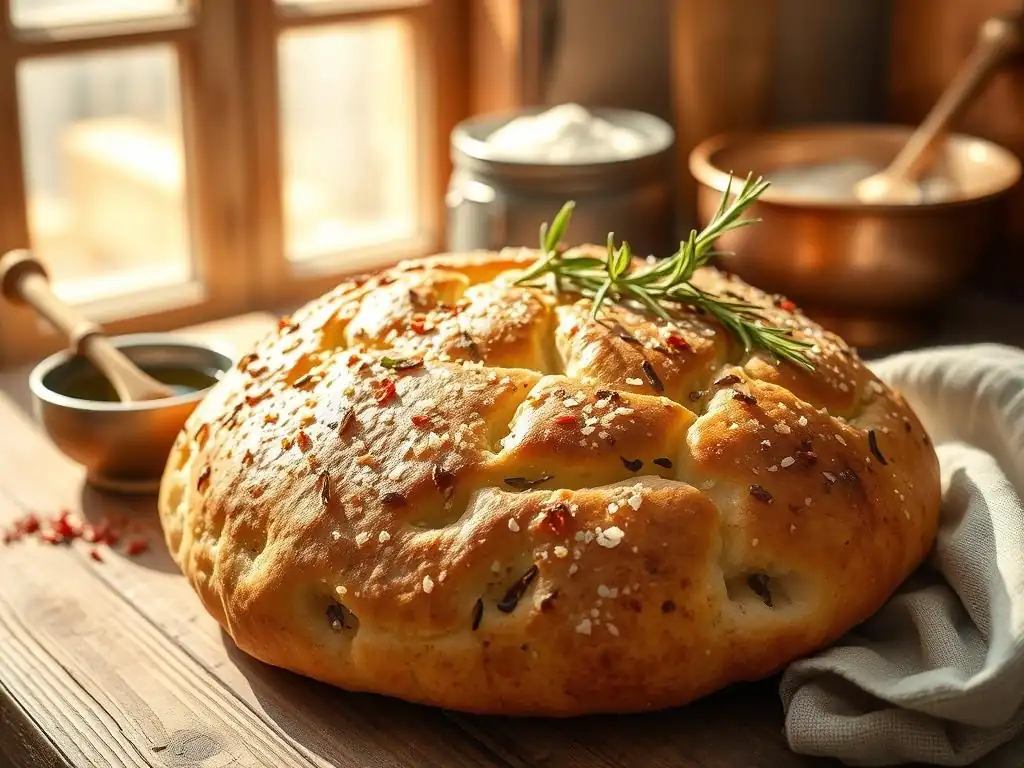
Welcome to BakeWithEase, where baking becomes a delightful journey, not a daunting task! Ever dreamt of creating a bakery-worthy masterpiece in your own kitchen? StepbyStep Focaccia Mastery: Your Easy Guide is here to unveil the secrets. Curious about how to achieve that perfect golden crust and airy crumb? Dive in and discover our easy sourdough focaccia recipe – and unlock a world of flavour! Prepare to be amazed at how simple and satisfying baking can be.
- Step-by-Step Focaccia Mastery: Your Easy Guide - BakeWithEase
- Introduction to Easy Focaccia Baking
- Gathering Your Ingredients for Easy Sourdough Focaccia
- Step-by-Step: Making the Easy Sourdough Focaccia Dough
- Step-by-Step: Baking Your Easy Sourdough Focaccia
- Cooling and Serving Your Homemade Focaccia
- Troubleshooting Your Easy Sourdough Focaccia
- Storing Your Focaccia for Maximum Freshness
- Advanced Tips for Focaccia Baking
- Conclusion: Enjoy Your Easy Sourdough Focaccia Recipe!
-
Frequently Asked Questions
- How difficult is this easy sourdough focaccia recipe compared to other sourdough recipes?
- What makes this focaccia recipe different from other focaccia recipes?
- What kind of sourdough starter is recommended for this recipe?
- Can I substitute any of the ingredients in the easy sourdough focaccia recipe?
- How long does it take to make the easy sourdough focaccia recipe from start to finish?
- Final Reflection: The Unexpected Joys of Focaccia Mastery
- Unleash Your Inner Focaccia Artist!
Step-by-Step Focaccia Mastery: Your Easy Guide - BakeWithEase
Introduction to Easy Focaccia Baking
Welcome to the World of Focaccia: A BakeWithEase Guide
Welcome, fellow baking enthusiasts, to the delightful world of focaccia! This Italian flatbread, known for its dimpled surface, golden crust, and tender, airy interior, is a true joy to bake and even more so to eat. Originating from Liguria, focaccia has evolved into countless variations across Italy and the globe, often topped with herbs, olive oil, and sea salt. At BakeWithEase, we believe everyone can master this classic, and we're here to guide you through creating a truly exceptional loaf right in your own kitchen.
Embarking on your focaccia journey is simpler than you might think. While traditional methods can sometimes seem daunting, especially when involving sourdough, we've streamlined the process to make it accessible for bakers of all skill levels. Think of this guide as your friendly companion, breaking down each step into manageable parts. By the end, you'll have the confidence to bake beautiful, delicious focaccia that rivals your favorite bakery.
Why This Focaccia Recipe is Perfect for Beginners
This specific easy sourdough focaccia recipe is designed with the novice baker in mind. We prioritize simplicity without sacrificing flavor or texture. Unlike some sourdough recipes that require multiple long bulk fermentations or complex shaping techniques, our method minimizes hands-on time while still leveraging the incredible flavor and structure that sourdough provides. You won't need fancy equipment – a standard baking sheet and your oven are perfectly sufficient.
Furthermore, this recipe focuses on building understanding as you go. We'll explain the 'why' behind each step, from activating your starter to dimpling the dough. This educational approach empowers you to learn the fundamentals of sourdough baking through the forgiving medium of focaccia. Success with this easy sourdough focaccia recipe builds confidence, making it a perfect stepping stone to other sourdough creations.
What Makes This Focaccia Recipe 'Easy'?
What sets this recipe apart as an easy sourdough focaccia recipe? Primarily, it's the simplified timeline and technique. We utilize an overnight cold proof in the refrigerator, which not only develops incredible flavor but also makes the dough much easier to handle and fits conveniently into a busy schedule. You prepare the dough one day and bake it the next.
Additionally, the hydration level is forgiving – high enough for a lovely airy crumb but not so high that the dough is unmanageably sticky. We also use a technique that requires minimal kneading or stretching, relying more on time and the sourdough starter's magic to develop gluten. This reduces the physical effort and technical skill typically associated with sourdough bread making, making this an ideal easy sourdough focaccia recipe for anyone starting out.
Gathering Your Ingredients for Easy Sourdough Focaccia
Essential Ingredients for a Flavorful Focaccia
To create your delicious easy sourdough focaccia recipe, you'll need just a few core ingredients. These include active and bubbly sourdough starter, warm water, all-purpose or bread flour, fine sea salt, and high-quality extra virgin olive oil. While the list is short, the quality of each ingredient significantly impacts the final outcome, particularly the olive oil and the flour.
Beyond these staples, you might consider optional additions like flaky sea salt for finishing, fresh rosemary sprigs, cherry tomatoes, or olives to elevate the flavor profile. These additions are typically added just before baking and transform a simple focaccia into a gourmet experience. Having all your ingredients measured and ready before you start is a crucial first step in ensuring a smooth baking process.
Understanding the Role of Each Ingredient in This Easy Focaccia Recipe
Each ingredient in this easy sourdough focaccia recipe plays a specific, vital role. The sourdough starter, a fermented mixture of flour and water, is your leavening agent. It produces carbon dioxide gas, which makes the dough rise, and contributes complex tangy flavors. An active starter, typically one that has been fed 4-12 hours prior and has doubled in size, is essential for a good rise.
Warm water helps activate the starter and hydrate the flour, allowing gluten to develop. Flour provides the structure; its protein content (gluten) creates the network that traps the gases produced by the starter, giving the focaccia its characteristic airy crumb. Salt is critical for flavor enhancement and also plays a role in controlling the fermentation rate and strengthening the gluten structure. Finally, olive oil adds richness, moisture, and that signature Mediterranean flavor, both within the dough and generously drizzled on top.
Flour Selection for Perfect Focaccia Texture
The type of flour you choose significantly impacts the texture of your easy sourdough focaccia recipe. All-purpose flour is a great starting point for beginners due to its moderate protein content (around 10-12%), which provides a good balance of chewiness and tenderness. It's widely available and forgiving to work with.
For a slightly chewier focaccia, you can opt for bread flour, which has a higher protein content (typically 12-14%). This higher protein means more gluten development, resulting in a stronger structure and a chewier bite. Some bakers even like to experiment with a blend of all-purpose and bread flour, or even add a small percentage of whole wheat or rye flour for added flavor complexity, though for an easy sourdough focaccia recipe, sticking to all-purpose or bread flour is recommended initially.
The Importance of Quality Olive Oil in Focaccia
Using a high-quality extra virgin olive oil is non-negotiable for a truly delicious easy sourdough focaccia recipe. Olive oil is not just a lubricant; it's a flavor component. A good extra virgin olive oil, with its fruity, peppery, or grassy notes, infuses the entire bread with flavor. It's used generously in the dough, for coating the pan, and for the final drizzle before baking.
Consider using an olive oil you enjoy the taste of raw, perhaps one from a specific region like Tuscany or Liguria, which are famous for their oils. The amount of olive oil used might seem significant – often 1/4 cup or more for a standard pan – but this is key to achieving the rich flavor, moist crumb, and golden, slightly crisp bottom crust characteristic of excellent focaccia.
Salt and Other Flavor Enhancers for Focaccia
Salt is more than just a flavor enhancer in your easy sourdough focaccia recipe; it's a crucial ingredient for dough structure and fermentation control. Fine sea salt is preferred for incorporating into the dough as it dissolves easily and distributes evenly. The typical salt percentage in bread is around 1.8% to 2.2% of the total flour weight, so for 500g of flour, you'd use roughly 9-11g of salt.
Beyond the salt mixed into the dough, a sprinkle of flaky sea salt on top before baking is essential for that signature focaccia finish. The larger crystals provide bursts of salty flavor and a pleasant texture contrast. Other flavor enhancers can include fresh or dried herbs like rosemary or oregano mixed into the dough or sprinkled on top, garlic (roasted or thinly sliced), or even spices like black pepper.
Step-by-Step: Making the Easy Sourdough Focaccia Dough
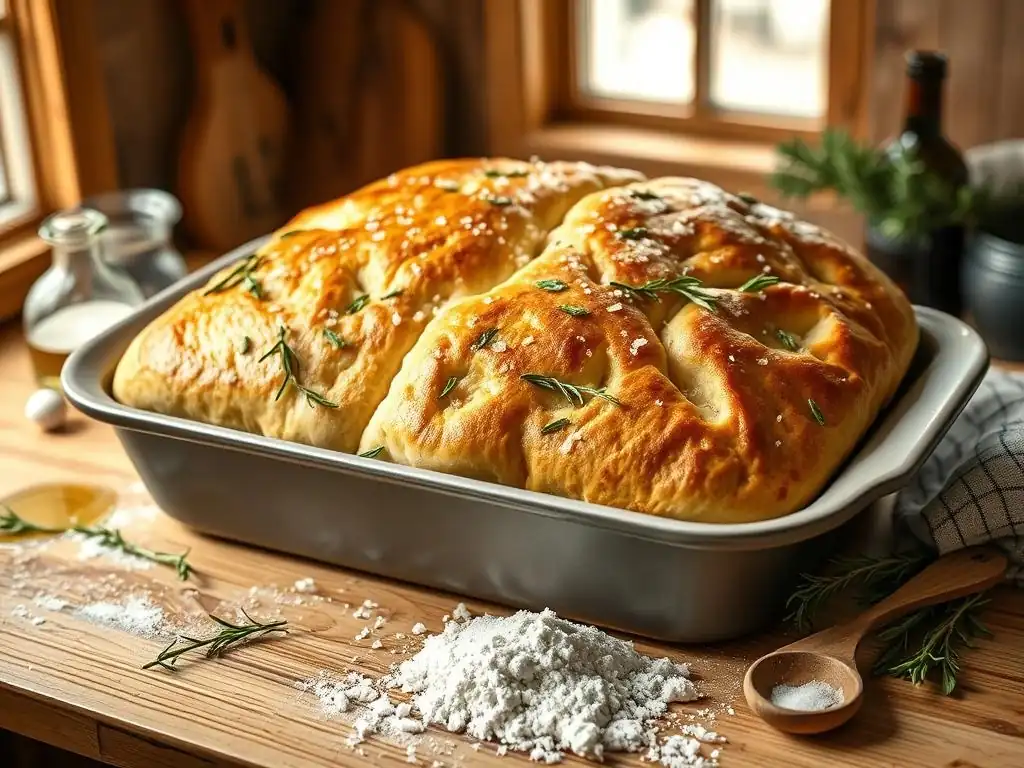
Step 1: Activating Your Sourdough Starter for Optimal Rise
The first crucial step in making your easy sourdough focaccia recipe is ensuring your sourdough starter is active and ready to work. This means feeding your starter 4 to 12 hours before you plan to mix the dough. Use your regular feeding ratio (e.g., 1:1:1 ratio of starter:water:flour by weight). For example, if you need 100g of active starter for the recipe, you might feed 20g of your existing starter with 40g of water and 40g of flour.
An active starter will show visible signs of fermentation: it will have doubled or nearly tripled in volume since feeding, be full of bubbles (both on the surface and throughout), and pass the float test (a small spoonful dropped into water should float). Using a starter that isn't sufficiently active is the most common reason for a focaccia that doesn't rise properly, so don't skip this step!
Step 2: Combining Ingredients for the First Focaccia Dough
With your active starter ready, it's time to combine the main ingredients for your easy sourdough focaccia recipe dough. In a large bowl, gently whisk together the warm water and the required amount of active sourdough starter until the starter is mostly dissolved. The water temperature should be around 80-85°F (27-29°C) to help activate the starter and hydrate the flour effectively.
Next, add the flour and fine sea salt to the bowl. Use a spatula or your hands to mix everything together until no dry flour remains and you have a shaggy, cohesive dough. It doesn't need to be perfectly smooth at this stage – just ensure all the ingredients are incorporated. This initial mix is simple and requires minimal effort, aligning with the 'easy' nature of this recipe.
Step 3: The First Fermentation (Bulk Fermentation) Explained
After mixing, the dough for your easy sourdough focaccia recipe enters its first fermentation phase, also known as bulk fermentation. This is where the magic of the sourdough starter really happens, developing flavor and structure. Place the shaggy dough in a lightly oiled bowl (using some of that quality olive oil! ), cover it, and let it rest at room temperature. The duration of this step depends heavily on your room temperature and the activity of your starter, but a typical range is 4-6 hours.
During this time, you'll perform a few sets of 'stretch and folds'. Every 30-60 minutes for the first 2-3 hours, lightly wet your hands, grab one side of the dough, stretch it upwards, and fold it over the center. Rotate the bowl and repeat 3-4 times. This process helps develop gluten and builds strength in the dough without traditional kneading. After the stretch and folds, let the dough rest undisturbed until it has increased in volume by about 30-50% and appears bubbly.
Step 4: Shaping and Proofing Your Easy Focaccia Dough
Once the bulk fermentation is complete, it's time to transfer the dough to your baking vessel for shaping and the final proof. Generously coat a baking sheet or a 9x13 inch pan with extra virgin olive oil – don't be shy here, as this prevents sticking and contributes to the crispy bottom crust. Gently pour or scrape the dough into the prepared pan.
Allow the dough to rest in the pan for 20-30 minutes at room temperature. This short rest allows the gluten to relax, making the dough easier to spread. After resting, gently dimple and spread the dough across the pan using your fingertips, being careful not to deflate it too much. Cover the pan and place it in the refrigerator for a cold proof, typically 12-24 hours. This long, cold proof is key to developing deep flavor and makes this an easy sourdough focaccia recipe by allowing you to bake it the next day.
Tips for a Smooth and Even Focaccia Dough
While handling the dough for your easy sourdough focaccia recipe, gentleness is key, especially after bulk fermentation. When transferring the dough to the pan, try to maintain its airy structure. Use a bench scraper or spatula to help release it from the bulk fermentation bowl if needed.
When spreading the dough in the pan after the initial rest, use the pads of your fingers to gently coax it outwards. If the dough springs back excessively, let it rest for another 10-15 minutes before trying again. Don't force it; patience will result in a more evenly spread dough and a better final texture. Ensure the pan is truly well-oiled, as this allows the dough to expand slightly during proofing and baking without sticking.
Proofing Time: Achieving the Perfect Focaccia Texture
The final proofing time for this easy sourdough focaccia recipe happens primarily in the refrigerator. The cold temperature slows down fermentation, allowing complex flavors to develop gradually. A cold proof of 12-24 hours is ideal. You'll notice the dough slowly expanding and becoming visibly bubbly.
After the cold proof, take the pan out of the refrigerator about 1-2 hours before you plan to bake. This allows the dough to come to room temperature and relax slightly, making the final dimpling easier and ensuring even baking. The dough should look puffy and airy at this point, having increased in volume by about 50-75% since being placed in the pan.
Step-by-Step: Baking Your Easy Sourdough Focaccia
Step 5: Preparing Your Baking Sheet and Oven
Proper oven and pan preparation are essential for achieving that perfect golden, crispy bottom crust on your easy sourdough focaccia recipe. Ensure your baking pan (likely the one the dough proofed in) is still generously coated with olive oil. If needed, you can add a little extra just before transferring the dough or before the final dimpling step.
Preheat your oven to a high temperature, typically between 425°F and 450°F (220°C and 230°C). Allowing the oven to preheat fully, for at least 20-30 minutes after it reaches the set temperature, is crucial. A hot oven provides a strong initial burst of heat, which helps the focaccia achieve a good oven spring and develops a beautiful crust quickly. Some bakers even place a baking steel or stone in the oven during preheating to further boost the bottom heat, though it's not strictly necessary for a delicious result.
Step 6: Creating the Signature Focaccia Dimples
Once the dough has come to room temperature after its cold proof (Step 4), it's time for the most fun part: creating the signature dimples! Generously oil your fingertips with olive oil to prevent sticking. Gently press your fingers straight down into the dough, almost touching the bottom of the pan. Space the dimples relatively evenly across the entire surface, typically about an inch or two apart.
Don't be afraid to press firmly, but avoid tearing the dough. The dimples serve a functional purpose beyond aesthetics – they create wells for the olive oil and toppings to pool in, enhancing flavor and texture. This step also helps to redistribute the air bubbles slightly, ensuring an even rise during baking.
Step 7: Adding Toppings for Enhanced Flavor (Optional)
With the dimples created, you can now add optional toppings to your easy sourdough focaccia recipe. This is where you can get creative and customize your loaf. Drizzle a final generous amount of extra virgin olive oil over the entire surface, ensuring it pools slightly in the dimples. This contributes significantly to the moistness and rich flavor.
Now add your chosen toppings. Popular choices include fresh rosemary sprigs (gently pressed into the dimples), flaky sea salt sprinkled liberally over the oil, thinly sliced garlic, cherry tomatoes (halved or left whole), olives, or even caramelized onions. For a 9x13 inch pan, you might use 2-3 sprigs of rosemary and 1-2 teaspoons of flaky sea salt. Press any solid toppings lightly into the dough so they don't fall off during baking.
Creative Focaccia Topping Ideas
The possibilities for topping your easy sourdough focaccia recipe are nearly endless! Beyond the classic rosemary and sea salt, consider combinations like:
- Cherry Tomatoes & Basil: Halved cherry tomatoes pressed into the dimples, with fresh basil added after baking.
- Caramelized Onions & Thyme: Sweet, soft onions spread over the top, with fresh thyme sprigs.
- Garlic & Oregano: Thinly sliced garlic cloves and dried or fresh oregano sprinkled over the oil.
- Olives & Sun-Dried Tomatoes: Chopped Kalamata or Castelvetrano olives and sun-dried tomatoes (oil-packed, drained) for a Mediterranean twist.
- Za'atar & Sesame Seeds: A Middle Eastern blend of herbs, sumac, and sesame seeds mixed with olive oil and spread over the dough.
Experiment with what you love! Just ensure toppings aren't excessively wet, which could make the top soggy, or too small and likely to burn.
Step 8: Baking Your Focaccia to Golden Perfection
Place the pan with your dimpled and topped easy sourdough focaccia recipe dough into the preheated oven. The high heat will quickly cause the dough to rise further (oven spring) and begin developing its crust. Baking time will vary depending on your oven and the size/thickness of your focaccia, but a common range is 20-30 minutes.
You'll know your focaccia is done when the top is golden brown, the edges are crispy and pulling away slightly from the pan, and the bottom crust is also golden brown and feels firm. If you lift the focaccia slightly with a spatula, the underside should have a rich, deep golden color.
Baking Time and Temperature for the Perfect Crust
For a standard 9x13 inch pan of this easy sourdough focaccia recipe, baking at 425°F - 450°F (220°C - 230°C) typically takes 20-30 minutes. The exact time depends on your oven's calibration. Keep an eye on it after the 20-minute mark.
If the top is browning too quickly but the bottom isn't quite done, you can loosely tent the top with aluminum foil. Conversely, if the top is pale but the bottom is dark, your pan might not be absorbing heat well, or your oven rack is too low. Ensure the rack is positioned in the middle of the oven for even heat distribution. A perfectly baked focaccia will sound hollow when tapped on the bottom.
Cooling and Serving Your Homemade Focaccia
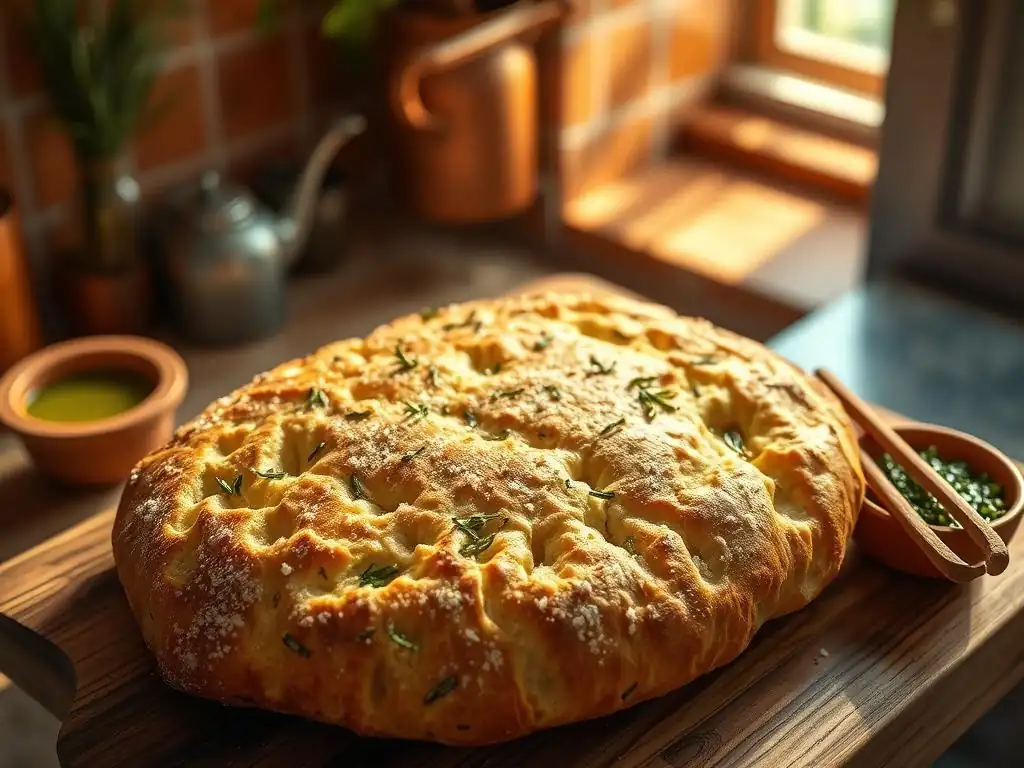
Cooling Techniques for a Moist Focaccia
Once your beautiful easy sourdough focaccia recipe comes out of the oven, the temptation to slice into it immediately is strong! However, allowing it to cool properly is crucial for the best texture. Carefully remove the focaccia from the pan (a spatula can help loosen the edges) and transfer it to a wire cooling rack.
Cooling on a wire rack allows air to circulate around the entire loaf, preventing the bottom from becoming soggy from trapped steam. It also allows the internal structure of the bread to set. While it's hard to wait, letting it cool for at least 15-20 minutes before slicing will result in a much better texture – the crumb will be less gummy and more open.
Serving Suggestions: Enjoying Your Freshly Baked Focaccia
Your freshly baked easy sourdough focaccia recipe is incredibly versatile and delicious enjoyed in many ways. The simplest is often the best: slice it into squares or rectangles and serve it warm with a little extra dip of that good quality extra virgin olive oil.
Focaccia makes an excellent accompaniment to soups, stews, or salads. It's also perfect for sandwiches – slice it horizontally and fill with your favorite ingredients like mozzarella, prosciutto, roasted vegetables, or pesto. You can also serve it as part of an antipasto platter with cheeses, cured meats, and marinated vegetables. However you choose to enjoy it, savor the satisfaction of baking this classic bread yourself!
Troubleshooting Your Easy Sourdough Focaccia
Common Focaccia Baking Problems and Solutions
Even with an easy sourdough focaccia recipe, sometimes things don't go exactly as planned. Don't be discouraged! Baking is a learning process, and most common issues have straightforward solutions. We'll cover some frequent problems encountered when baking focaccia, especially with sourdough, to help you diagnose and fix them for your next bake.
Understanding the potential pitfalls, like a focaccia that doesn't rise enough or turns out too dense, is part of mastering the craft. Often, the issue can be traced back to the starter's activity, the dough's hydration, or the proofing conditions. By identifying the likely cause, you can adjust your technique and achieve better results next time.
Focaccia Not Rising? Here's What To Do.
If your easy sourdough focaccia recipe didn't rise as much as expected during bulk fermentation or proofing, the most likely culprit is an inactive sourdough starter. Ensure your starter is truly active and bubbly, having at least doubled in size after its last feeding, before you begin mixing the dough. If your starter seems sluggish, try feeding it more frequently or adjusting its feeding ratio to make it more vigorous.
Another reason for poor rise could be insufficient bulk fermentation or proofing time. Room temperature plays a big role; if your kitchen is cold, the dough will ferment slower. Give it more time, or find a warmer spot (like inside a microwave or oven with the light on) to help it along. Over-handling the dough and deflating it too much during shaping can also hinder the final rise.
Focaccia Too Dense? Troubleshooting Tips
A dense or heavy crumb in your easy sourdough focaccia recipe can be frustrating. This is often related to underdeveloped gluten or insufficient fermentation. Ensure you are performing the stretch and folds during bulk fermentation (Step 3) as described; this helps build the necessary structure to trap air.
Insufficient proofing time is another common cause. If the dough hasn't developed enough gas before baking, it won't have that light, airy texture. Make sure the dough looks visibly puffy and bubbly before it goes into the oven. Conversely, over-proofing can also lead to a less open crumb, as the gluten structure might collapse. Pay attention to the visual cues of the dough during proofing.
Focaccia Burning? Adjusting Your Baking Time
If the top or bottom of your easy sourdough focaccia recipe is burning before the interior is cooked through, your oven temperature might be too high or the baking time is too long. First, ensure your oven thermometer is accurate; oven temperatures can vary significantly from the dial setting.
If the top is burning, try reducing the oven temperature by 25°F (about 15°C) on your next bake, or loosely tent the focaccia with aluminum foil about halfway through the baking time. If the bottom is burning, ensure you used enough olive oil in the pan. You can also try placing the pan on a slightly higher rack in the oven, or even placing a baking sheet on the rack below the focaccia pan to shield the bottom from direct heat.
Storing Your Focaccia for Maximum Freshness
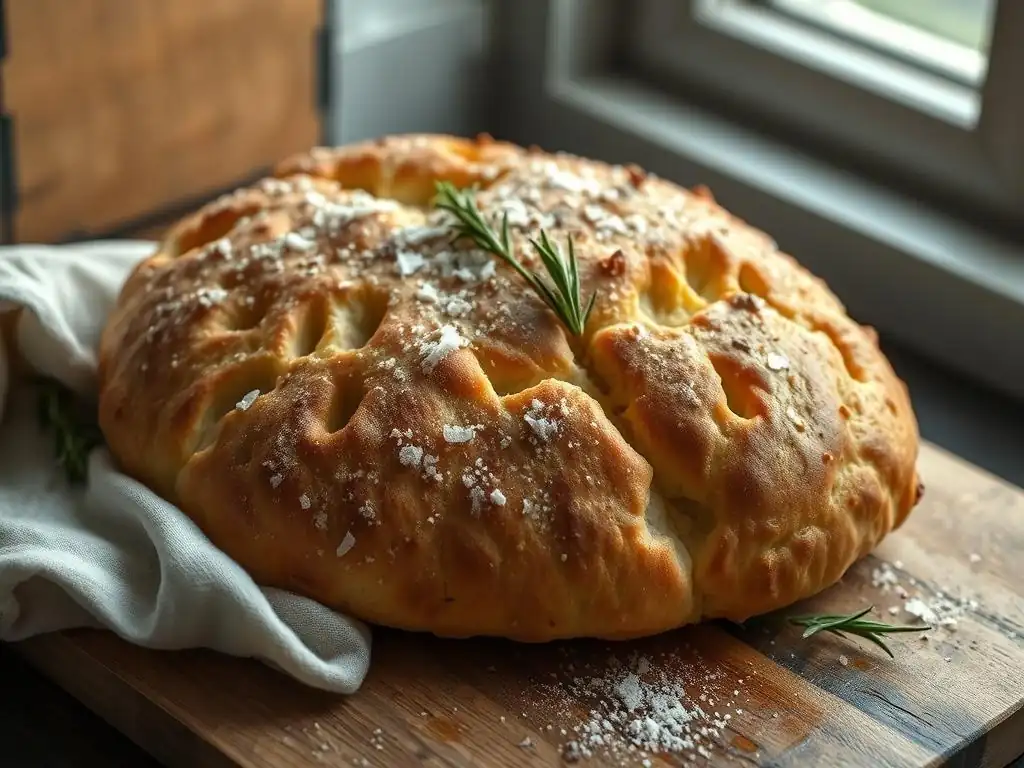
Best Practices for Storing Leftover Focaccia
Proper storage is key to keeping your delicious easy sourdough focaccia recipe fresh. Once completely cooled, focaccia is best stored at room temperature. Avoid refrigerating it, as this can dry out the bread and make it stale faster.
Wrap the cooled focaccia tightly in plastic wrap or aluminum foil, or place it in an airtight container or a bread bag. Stored this way, it will typically stay fresh and soft for 1-2 days. For longer storage, focaccia freezes exceptionally well. Cut it into portions, wrap each piece tightly in plastic wrap, then place the wrapped pieces in a freezer-safe bag or container. It can be stored in the freezer for up to 2-3 months.
Reheating Focaccia to Restore Its Deliciousness
If you need to revive leftover easy sourdough focaccia recipe or reheat frozen portions, there are a few simple methods to restore its deliciousness. For room temperature focaccia that's a day or two old, a quick warm-up can make a big difference.
You can reheat it in a toaster oven or conventional oven at 350°F (175°C) for 5-10 minutes, or until warmed through and the crust crisps up slightly. You can also use a dry skillet over medium heat for a few minutes per side to crisp the bottom. For frozen focaccia, thaw it at room temperature first, then reheat using one of the oven or skillet methods described above. Avoid microwaving, as it can make the focaccia tough and rubbery.
Advanced Tips for Focaccia Baking
Experimenting with Different Flours for Unique Flavors
Once you've mastered this easy sourdough focaccia recipe using all-purpose or bread flour, you might want to explore the impact of different flours on flavor and texture. Substituting a portion of the white flour (say, 10-20%) with whole wheat flour will add a nuttier flavor and denser texture, along with increased nutritional value.
You could also try using Italian 'Tipo 00' flour, which is very finely milled and has a moderate protein content, resulting in a very tender crumb. Adding a small percentage of rye flour (5-10%) can introduce a more pronounced sourdough tang and earthy notes. Remember that different flours absorb water differently, so you might need to slightly adjust the hydration level when making substitutions.
Adding Herbs and Spices to Elevate Your Focaccia
Beyond the classic rosemary and sea salt, incorporating herbs and spices directly into the dough can add wonderful layers of flavor to your easy sourdough focaccia recipe. Dried Italian herbs like oregano, basil, and marjoram can be mixed in with the flour and salt. Approximately 1-2 teaspoons per 500g of flour is a good starting point.
Fresh herbs can also be chopped and mixed in, but they are often more potent and flavorful when used as a topping. Consider adding spices like black pepper, red pepper flakes for a touch of heat, or even a pinch of garlic powder (though fresh garlic is often preferred). Adding grated Parmesan or nutritional yeast to the dough can also provide a savory, cheesy depth.
Mastering the Art of Sourdough: A Deep Dive
Baking this easy sourdough focaccia recipe is a fantastic introduction to the world of sourdough. If you're captivated by the process, the next step is to deepen your understanding of sourdough starters and fermentation. Learn more about maintaining a healthy, vigorous starter, understanding peak activity, and troubleshooting common starter issues like mold or hooch.
Explore different sourdough hydration levels and their impact on dough handling and crumb structure. Practice techniques like autolyse (mixing flour and water before adding the starter and salt) or levain building (creating a smaller, specifically fed portion of your starter for a bake). There's a vast amount to learn about managing fermentation times based on temperature and starter strength, all of which will elevate your sourdough baking skills beyond focaccia to loaves, rolls, and more.
Conclusion: Enjoy Your Easy Sourdough Focaccia Recipe!
Congratulations! You've Baked Delicious Focaccia
Give yourself a pat on the back! You've successfully navigated the steps and baked a beautiful, delicious easy sourdough focaccia recipe right in your own kitchen. From activating your starter to creating those signature dimples and achieving a golden crust, you've demonstrated mastery over this classic Italian bread. Enjoy the fruits of your labor – the incredible aroma filling your home is just the beginning!
This recipe is designed to be forgiving and rewarding, proving that sourdough baking doesn't have to be complicated. With practice, you'll become even more comfortable with the process, learning to read your dough and adapt to variables like room temperature. This easy sourdough focaccia recipe is just the start of your sourdough journey!
We love seeing what you bake! Your success with this easy sourdough focaccia recipe is inspiring to us and to other bakers in the BakeWithEase community. Don't be shy – take a photo of your finished focaccia, whether it's a simple olive oil and salt version or topped with creative additions.
Sharing your bake helps others see what's possible and provides a chance to celebrate your achievement. Tell us about your experience with the recipe, any toppings you tried, or questions you might have for future bakes. Happy baking, and we can't wait to see your wonderful focaccia!
Frequently Asked Questions
How difficult is this easy sourdough focaccia recipe compared to other sourdough recipes?
This recipe is designed for bakers of all levels, even beginners. It simplifies the sourdough process, making it much easier to manage than traditional methods.
What makes this focaccia recipe different from other focaccia recipes?
This recipe utilizes a sourdough starter for a unique flavor and texture. The step-by-step guide ensures even beginners can achieve a delicious, airy focaccia.
What kind of sourdough starter is recommended for this recipe?
A mature and active starter is crucial for the best results. We recommend a 100% hydration starter that has been fed recently.
Can I substitute any of the ingredients in the easy sourdough focaccia recipe?
While some substitutions are possible, changing key ingredients like flour or sourdough starter might affect the final outcome and texture. Experiment with caution!
How long does it take to make the easy sourdough focaccia recipe from start to finish?
The entire process, including sourdough fermentation, proofing, and baking, can take up to 24 hours. However, the active time required is relatively short and manageable.
Final Reflection: The Unexpected Joys of Focaccia Mastery
The seemingly simple act of baking focaccia unlocks a world of sensory delight and creative expression, a truth increasingly relevant in our fast-paced world. More than just a recipe, mastering focaccia offers a pathway to mindful creation and the satisfaction of crafting something beautiful and delicious from humble ingredients. It's a testament to the power of slowing down and appreciating the process.
The journey of learning to make focaccia, from initial frustration to eventual triumph, mirrors our own personal growth. It's a lesson in patience, precision, and the acceptance of imperfection. The subtle nuances of flavor and texture, the satisfying crackle of the crust, these are rewards that extend beyond the simple act of eating. They connect us to a rich culinary history and tradition. Bread is the staff of life,
they say, and in the case of focaccia, it's a staff adorned with the most beautiful and flavorful olive oil, herbs, and sea salt.
Now, I invite you to take what you've learned and embark on your own focaccia adventure. Don't be afraid to experiment, to personalize your recipe, to let your creativity bloom. The journey of mastering focaccia is not about perfection; it's about the joy of the process, the satisfaction of creation, and the sharing of delicious food with loved ones. So, gather your ingredients, preheat your oven, and let the aroma of freshly baked focaccia fill your home. The rewards are far greater than you might imagine.
Unleash Your Inner Focaccia Artist!
Thanks for joining us on this focaccia journey! You've now got the skills to bake bread that's both beautiful and delicious. Ready to take your baking to the next level?
- Bake your own masterpiece! Use the recipe from the article to create your first perfect focaccia. Experiment with different herbs, cheeses, and toppings – let your creativity flow!
- Share your focaccia creations! Post a picture on social media and tag #BakeWithEaseFocaccia – we'd love to see your results!
- Explore our other bread recipes on BakeWithEase.com for even more baking inspiration. Discover your next favorite loaf!
What unique topping combination will you try first on your focaccia adventure?