
The Secret to Light French Meringues for Tarts

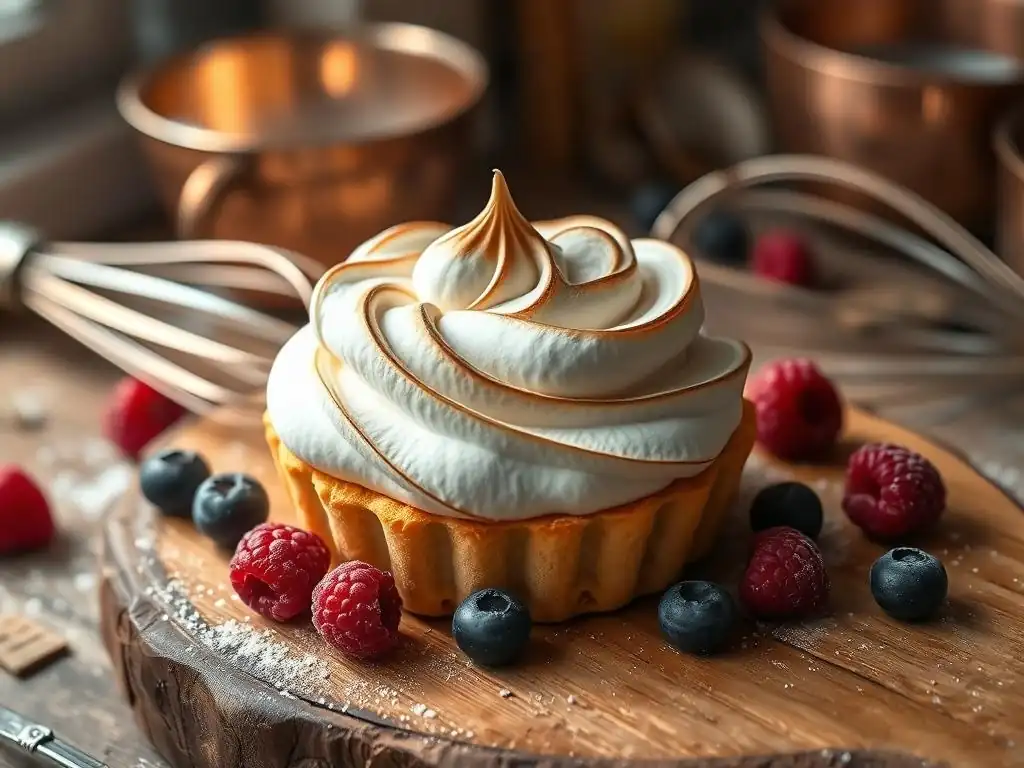
Welcome to BakeWithEase, where baking becomes a joy, not a chore! Ever wondered how to achieve that ethereal, cloud-like texture in a French meringue? This week, we're unlocking the secrets to crafting the perfect light French meringue tart recipe, a delicate balance of sweet and airy. Dive in to discover the techniques and tips that will transform your tarts and impress every palate. Get ready to elevate your baking skills and create a masterpiece!
- The Secret to Light French Meringues for Tarts: A BakeWithEase Guide
- Mastering Light and Airy French Meringue for Tarts: An Introduction
- Understanding the Science Behind Light French Meringue
-
The Ultimate Light French Meringue Tart Recipe: Step-by-Step
- Ingredients for the Perfect French Meringue Tart Shell
- Equipment You'll Need for Success
- Step 1: Preparing the Egg Whites for Maximum Volume
- Step 2: Gradually Adding Sugar for a Stable Meringue
- Step 3: Achieving Stiff Peaks: The Key to Lightness
- Step 4: Piping the Meringue onto the Tart Shell
- Step 5: Baking the Meringue Tart: Temperature and Timing
- Tips and Tricks for a Flawless French Meringue Tart
- Serving and Storing Your Light French Meringue Tart
- Beyond the Basics: Advanced Meringue Techniques for Tarts
- Enjoying Your Light French Meringue Tart: A BakeWithEase Celebration
-
Frequently Asked Questions
- What makes a French meringue different from other meringues?
- What is the key to achieving a light and airy French meringue for a tart?
- Why is it important to use room temperature egg whites for a French meringue?
- Can I add flavorings to my French meringue recipe?
- How do I prevent my French meringue from weeping or shrinking on the tart?
- Final Reflection: The Enduring Allure of the Perfect Meringue
- Unlock Your Inner Pâtissier: Master Light-as-Air Meringues!
The Secret to Light French Meringues for Tarts: A BakeWithEase Guide
Mastering Light and Airy French Meringue for Tarts: An Introduction
French meringue is a delightful confection made from whipped egg whites and sugar. It's known for its ethereal lightness and crisp texture when baked, making it an ideal topping for tarts. Unlike its Swiss or Italian counterparts, French meringue is made by whipping raw egg whites and gradually adding granulated sugar, resulting in a more delicate structure that bakes up beautifully, providing a wonderful contrast to rich tart fillings like lemon curd or fruit compotes.
Mastering the technique for a truly light French meringue tart recipe can elevate a simple dessert into something spectacular. The goal is to achieve a stable, voluminous foam that holds its shape when piped and bakes to a delicate crispness without weeping or becoming rubbery. This guide from BakeWithEase breaks down the process into manageable steps, ensuring even novice bakers can achieve impressive results and confidently tackle their own light French meringue tart creations.
Why French Meringue is Perfect for Tarts
French meringue's light and airy texture provides a perfect counterpoint to the often dense or creamy fillings of tarts. Its simplicity in preparation makes it accessible, requiring just two main ingredients: egg whites and sugar. When baked at a low temperature, it dries out and becomes crisp, or at a higher temperature for a shorter time, it can achieve a beautiful golden-brown exterior with a soft, marshmallowy interior, offering a delightful textural contrast in every bite of a light French meringue tart.
Furthermore, French meringue is incredibly versatile for decorating. Its stability allows it to be piped into intricate shapes, swirls, and peaks, adding a stunning visual element to any tart. This makes the light French meringue tart recipe not just a culinary endeavor but also an artistic one, allowing bakers to personalize their desserts with elegant finishes. The sweet, delicate flavor complements a wide range of tart fillings, from tangy lemon to sweet berries.
BakeWithEase's Guide to Achieving Meringue Perfection
Achieving perfection with French meringue involves understanding a few key principles. The quality of your ingredients, particularly the freshness of the egg whites, plays a significant role. Using clean, grease-free equipment is absolutely crucial, as even a tiny amount of fat can prevent the egg whites from whipping properly and achieving the desired volume. Room temperature egg whites also whip up more easily and to a greater volume than cold ones, typically doubling or even tripling in size.
Our light French meringue tart recipe emphasizes gradual sugar addition and proper whipping technique. Adding sugar slowly allows it to dissolve into the egg whites without deflating them, building a strong, stable structure. Whipping until stiff peaks form ensures the meringue holds its shape when piped onto the tart. Following our step-by-step guide will help you navigate common pitfalls and achieve a consistently light and stable meringue for all your tart-making adventures.
Understanding the Science Behind Light French Meringue
Creating a beautiful, light French meringue is more than just whisking egg whites; it's a delicate dance of chemistry and physics. When egg whites are whipped, the mechanical action denatures the proteins within them, causing them to unfold. These unfolded proteins then rearrange themselves, trapping air bubbles and creating a foam. The more air trapped, the lighter and more voluminous the meringue becomes.
Understanding this process is key to mastering any light French meringue tart recipe. Factors like the speed of whipping, the cleanliness of your bowl, and the presence of any fat or yolk can drastically affect the outcome. The goal is to create a stable protein network capable of holding the maximum amount of air before the addition of sugar helps to further stabilize this structure.
The Role of Egg Whites in Meringue Structure
Egg whites are primarily composed of water (about 90%) and protein (about 10%), with trace amounts of minerals and vitamins. The most abundant protein is ovalbumin, making up about 54% of the total protein. When egg whites are whipped, mechanical force breaks the weaker bonds within the protein molecules, causing them to unfold, or denature. These denatured proteins then form new bonds with each other and the surrounding air and water molecules.
This process creates a network that captures and holds the air bubbles introduced by whipping. The stability of this foam depends on the strength of the protein network. Factors like the age of the egg (fresher eggs have tighter protein structures, making them slightly harder to whip initially but often resulting in a more stable foam) and the pH level can influence this structure. For a light French meringue tart recipe, using fresh egg whites at room temperature is generally recommended for optimal volume and stability.
Sugar's Impact on Stability and Texture
Sugar plays a critical dual role in French meringue: it adds sweetness and, crucially, it adds stability. As sugar is gradually added to the whipped egg whites, it dissolves and interacts with the protein network. The sugar molecules help to strengthen the protein bonds, preventing the trapped air bubbles from collapsing. This is why adding sugar slowly is so important; it allows the sugar time to dissolve properly without weighing down the delicate foam and causing it to deflate.
Different types of sugar can affect the final texture. Granulated sugar is standard for light French meringue tart recipes, but superfine or caster sugar dissolves more quickly, potentially leading to a smoother meringue. Powdered sugar contains cornstarch, which adds extra stability but can make the meringue less crisp when baked. The amount of sugar also influences the texture; a higher ratio of sugar to egg white results in a more stable, drier meringue that bakes to a crisp finish, while less sugar yields a softer, more marshmallowy texture.
Temperature Control: A Crucial Factor
Temperature plays a significant role in both the whipping process and the baking of French meringue. As mentioned, using egg whites at room temperature (around 68-70°F or 20-21°C) is ideal for whipping, as the proteins are more relaxed and can denature and form a foam more easily than cold egg whites straight from the refrigerator. This leads to greater volume and a more stable meringue structure from the outset, essential for a successful light French meringue tart recipe.
During baking, temperature control is paramount. French meringue for tarts is typically baked at a low temperature (around 200-250°F or 90-120°C) for an extended period. This process isn't really "baking" in the traditional sense but rather drying out the meringue. The low heat allows the water in the meringue to evaporate slowly, setting the protein-sugar structure and resulting in a crisp, dry finish. Baking too hot or too quickly can cause the meringue to crack, weep, or brown excessively before it's properly dried through.
The Ultimate Light French Meringue Tart Recipe: Step-by-Step
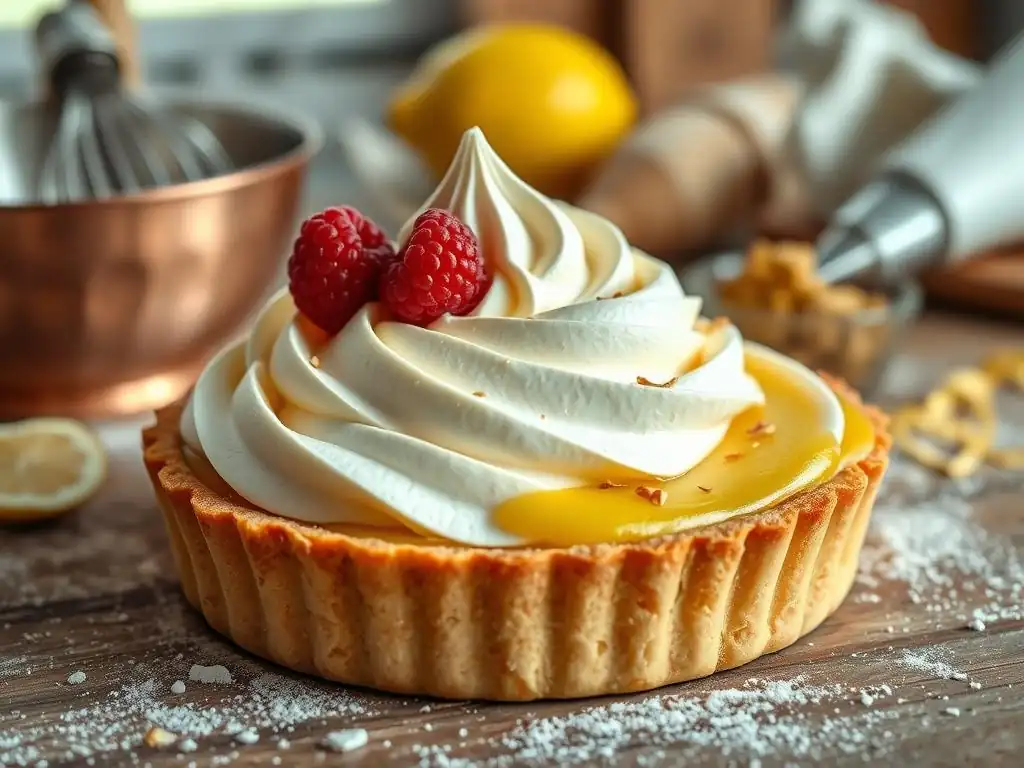
Creating a truly magnificent light French meringue tart is a rewarding process. This step-by-step guide provides a reliable framework, ensuring you achieve that perfect balance of crisp meringue and delicious filling. While the filling will vary depending on the type of tart you're making (lemon, fruit, chocolate, etc. ), the method for the meringue remains consistent for a beautiful, airy topping.
This light French meringue tart recipe focuses on technique and precision, making sure every step contributes to the final, stunning result. Pay close attention to the details, from ingredient preparation to baking times, and you'll be well on your way to baking perfection.
Ingredients for the Perfect French Meringue Tart Shell
While this section focuses on the meringue, it's important to note that a successful light French meringue tart starts with a properly baked tart shell. A standard sweet pastry dough (Pâte Sucrée) is a classic choice, providing a sturdy, buttery base that complements the light meringue.
A typical sweet pastry dough for a 9-inch tart shell might require:
- 1 ¼ cups (150g) all-purpose flour
- ½ cup (115g) cold unsalted butter, cut into cubes
- ¼ cup (50g) granulated sugar
- 1 large egg yolk
- 1-2 tablespoons ice water
This dough should be prepared, chilled, rolled out, fitted into the tart pan, blind-baked until golden brown, and completely cooled before adding the filling and the meringue. A well-baked shell prevents a soggy bottom, which is crucial when topped with meringue.
Equipment You'll Need for Success
Having the right tools makes all the difference when tackling a light French meringue tart recipe. Cleanliness is key, so ensure all your equipment is spotless and grease-free.
Essential equipment includes:
- A stand mixer with a whisk attachment, or a hand mixer with whisk attachments. While possible by hand, a mixer provides consistent, vigorous whipping needed for maximum volume.
- A large, clean bowl, preferably glass or metal. Plastic bowls can sometimes retain grease residue.
- Measuring cups and spoons for accuracy.
- A fine-mesh sieve for sifting sugar if desired (though not strictly necessary with superfine sugar).
- A rubber spatula for folding and scraping.
- A piping bag fitted with a large star or round tip for decorating the meringue.
- An oven thermometer to ensure accurate baking temperature.
Step 1: Preparing the Egg Whites for Maximum Volume
Begin with separating your eggs. It's easiest to separate cold eggs, as the yolks are firmer and less likely to break. However, allow the separated egg whites to sit at room temperature for 20-30 minutes before whipping. Room temperature egg whites whip up faster and achieve greater volume than cold ones. Use large eggs, typically around 50-55g each. For a standard 9-inch tart, you might need 3-4 large egg whites, yielding about 100-120g of egg white.
Ensure your mixing bowl and whisk attachment are impeccably clean and dry. Even a tiny drop of egg yolk or grease can prevent the egg whites from whipping properly. Start whipping the egg whites on medium speed until they become foamy and opaque, resembling soap suds. This stage incorporates a significant amount of air and builds the initial protein network crucial for the volume in your light French meringue tart recipe.
Step 2: Gradually Adding Sugar for a Stable Meringue
Once the egg whites are foamy and opaque, it's time to start adding the sugar. The golden rule here is gradually. Do not dump all the sugar in at once, as this will deflate the foam.
With the mixer running on medium-high speed, add the granulated sugar one tablespoon at a time, waiting about 15-20 seconds between additions to allow the sugar to begin dissolving. For 3-4 egg whites, you might use anywhere from ½ cup (100g) to 1 cup (200g) of granulated sugar, depending on how sweet and stable you want the meringue. A typical ratio for a stable meringue is roughly twice the weight of the egg whites in sugar (e.g., 100g egg whites to 200g sugar).
Continue whipping and adding sugar until all the sugar is incorporated. The mixture should become glossy and thick. Rub a small amount of meringue between your fingers; if it feels gritty, continue whipping until the sugar is mostly or completely dissolved. This slow addition and dissolving of sugar is vital for creating a stable, glossy, and light French meringue tart recipe topping that holds its shape.
Step 3: Achieving Stiff Peaks: The Key to Lightness
After all the sugar has been added and dissolved, continue whipping the meringue on high speed until it reaches stiff peaks. You'll know you've reached stiff peaks when you lift the whisk attachment and the meringue stands straight up without drooping. The meringue should be thick, glossy, and smooth. If you turn the bowl upside down (carefully! ), the meringue should stay firmly in place.
Over-whipping can cause the meringue to become grainy and lose its structure, so watch carefully as you approach the stiff peak stage. The total whipping time after adding sugar might range from 5 to 10 minutes, depending on your mixer's power and the amount of meringue. Achieving these stiff peaks is absolutely essential for piping beautiful shapes and ensuring the meringue retains its structure during baking in your light French meringue tart recipe.
Step 4: Piping the Meringue onto the Tart Shell
Once your meringue has reached stiff peaks, it's ready to be piped onto the cooled tart shell, which should already contain your desired filling (like lemon curd or chocolate ganache). Transfer the meringue to a piping bag fitted with your chosen tip – a large open star tip (like an Ateco 826 or Wilton 1M) or a large round tip creates classic designs. Ensure the filling is completely cool before adding the meringue; hot filling can cause the meringue to weep.
Pipe the meringue directly onto the filling, starting from the outer edge and working your way towards the center, or pipe individual swirls and peaks. Ensure the meringue touches the edges of the tart shell; this helps prevent shrinking during baking and creates a sealed layer. Be sure to cover the entire surface of the filling to protect it during baking. The piping step is where the visual appeal of your light French meringue tart recipe comes to life!
Step 5: Baking the Meringue Tart: Temperature and Timing
Baking French meringue is more about drying it out than cooking it. For a crisp meringue that is lightly golden on the peaks, preheat your oven to a low temperature, typically between 225°F and 250°F (107°C and 120°C). Place the tart on a baking sheet to catch any potential drips. Bake the meringue tart for 60 to 90 minutes, or until the meringue is dry to the touch and the peaks are lightly golden brown. The exact time will depend on the thickness of your meringue layer and your oven's calibration.
For a softer, marshmallowy interior with browned peaks, you can bake at a slightly higher temperature, around 300°F (150°C), for a shorter time, perhaps 15-25 minutes, keeping a close eye on it to prevent burning. Alternatively, use a kitchen torch to brown the peaks just before serving. Regardless of the method, proper temperature and timing are critical for achieving the desired texture and appearance in your light French meringue tart recipe.
Tips and Tricks for a Flawless French Meringue Tart
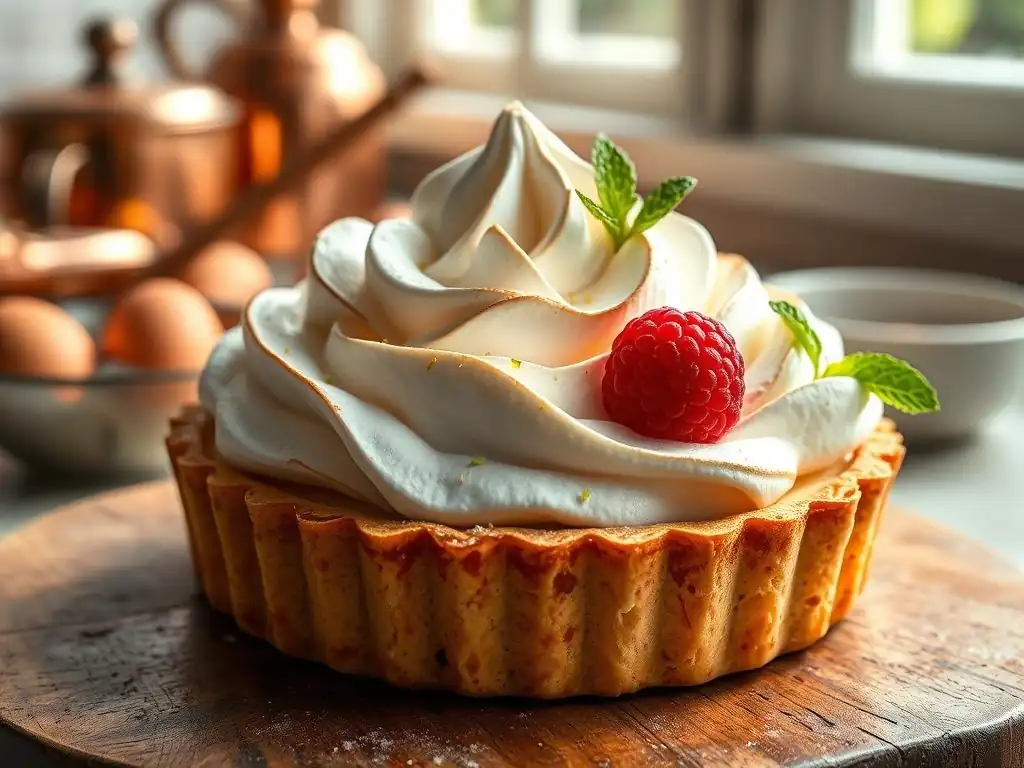
Even with a perfect recipe, small details can make a big difference. These tips and tricks address common issues and help you refine your technique for a truly flawless light French meringue tart. Paying attention to these nuances can save you from common baking frustrations and elevate your results.
From preventing dreaded meringue weep to achieving that beautiful golden finish, these pointers are invaluable for any baker attempting a light French meringue tart recipe.
Common Meringue Mistakes and How to Avoid Them
Meringue can be finicky, but most issues stem from a few common mistakes. Understanding these pitfalls is the first step to avoiding them.
Troubleshooting Soggy Meringue
Soggy or "weeping" meringue, where a layer of liquid forms between the meringue and the filling, is a common problem. This often happens when the sugar hasn't fully dissolved, the meringue was under-whipped, or the tart filling wasn't completely cool when the meringue was added. To avoid this, ensure your sugar is fully dissolved before stopping whipping (check by rubbing a bit between your fingers).
Whip to firm, glossy stiff peaks. Always apply meringue to a completely cooled filling and tart shell. Baking the meringue at a low temperature for a sufficient time to dry it out also helps prevent weeping in your light French meringue tart recipe.
Preventing Cracking
Cracking can occur if the meringue dries out too quickly or if the temperature fluctuates significantly during baking. To minimize cracking, bake the meringue at a consistent low temperature. Avoid opening the oven door frequently while it's baking.
If your oven has hot spots, consider rotating the tart halfway through the baking time. Some bakers also find that adding a tiny pinch of cream of tartar (about ¼ teaspoon per 3-4 egg whites) can help stabilize the meringue and reduce cracking by slightly increasing the acidity. This small addition doesn't drastically change the light French meringue tart recipe but can improve its structure.
Achieving a Beautiful Golden Brown
For that classic toasted meringue look, you have a couple of options. Baking at a slightly higher temperature (around 300°F or 150°C) for a short time (15-25 minutes) will brown the peaks, but watch it closely as it can burn quickly. Alternatively, and often preferred for more control, use a kitchen torch to lightly toast the peaks of the baked meringue just before serving. This allows you to achieve the desired level of browning without risking over-baking or cracking the main body of the meringue in your light French meringue tart recipe.
Flavor Variations for Your French Meringue Tart Recipe
While classic French meringue is simply egg whites and sugar, you can easily add subtle flavor variations to complement your tart filling. These additions should be incorporated carefully towards the end of the whipping process.
Adding Extracts and Zests
Extracts like vanilla, almond, or lemon can add a lovely aroma and flavor. Add about ½ to 1 teaspoon of extract once the meringue has reached stiff peaks, and whisk briefly to incorporate. Be careful not to add too much liquid, as it can destabilize the meringue. Citrus zest, like lemon or orange zest, can also be folded in gently at the very end for a burst of fresh flavor that pairs wonderfully with fruit-based fillings in a light French meringue tart recipe.
Incorporating Chocolate or Nuts
For a richer variation, finely chopped chocolate or nuts can be gently folded into the finished meringue just before piping. Use about ¼ to ½ cup of finely chopped ingredients for a batch made with 3-4 egg whites. Fold them in carefully with a spatula to avoid deflating the meringue. This adds texture and flavor, creating a more complex light French meringue tart recipe. Ensure the chocolate or nuts are finely chopped to distribute evenly and not weigh down the delicate foam.
Serving and Storing Your Light French Meringue Tart
Serving your beautifully crafted light French meringue tart at its peak is key to enjoying the full contrast of textures and flavors. Proper storage is also important to maintain the crispness of the meringue.
Understanding how to handle and store your tart ensures that every slice is as delightful as the first.
Best Ways to Serve Your Meringue Tart
A light French meringue tart is best served the day it is made, ideally within a few hours of baking, especially if the filling is moist. This allows the meringue to remain crisp and the filling to be perfectly set. Use a sharp knife that has been run under hot water and wiped dry to get clean slices without crushing the meringue.
Serving the tart slightly chilled is often preferred, especially for tarts with creamy or curd fillings like a classic lemon meringue tart. However, avoid serving it straight from the refrigerator, as this can dull the flavors and make the pastry less tender. Letting it sit at room temperature for 15-20 minutes before slicing is usually ideal. The contrast between the light, crisp meringue and the cool, smooth filling is what makes a light French meringue tart recipe so satisfying.
Proper Storage Techniques to Maintain Crispness
Storing a light French meringue tart can be tricky because the meringue is susceptible to moisture. Humidity in the air or moisture from the filling can cause the meringue to become soft or weep. The best way to store it is loosely covered at room temperature for a day, away from humidity. Avoid airtight containers, as they trap moisture.
For longer storage (though not ideal for maintaining meringue crispness), you can refrigerate it for 2-3 days. However, be prepared for the meringue to soften significantly. If you must refrigerate, place it in a cake carrier or under a cake dome to offer some protection, but still allow some air circulation. Freezing a finished light French meringue tart recipe is not recommended, as it will ruin the texture of the meringue.
Beyond the Basics: Advanced Meringue Techniques for Tarts
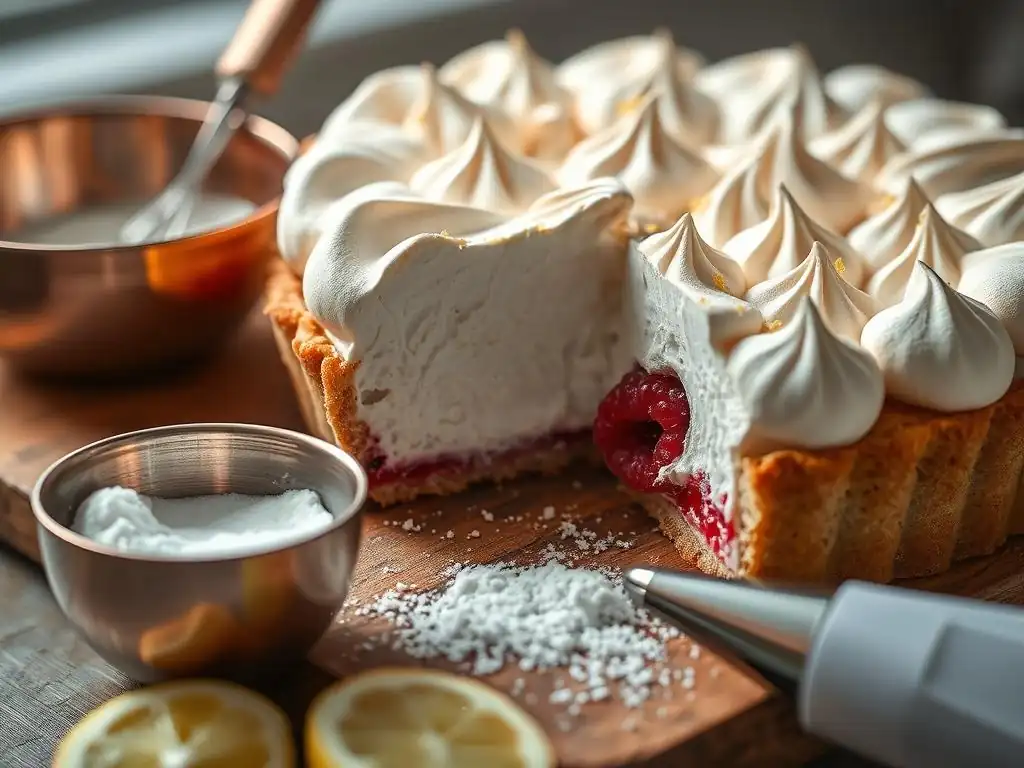
Once you've mastered the classic light French meringue tart, you might be curious about other meringue types or more intricate decorations. Exploring Swiss and Italian meringues offers different textures and handling properties suitable for tarts.
These advanced techniques can add new dimensions to your tart repertoire and build upon the skills learned with the basic light French meringue tart recipe.
Swiss Meringue vs. Italian Meringue for Tarts: A Comparison
While French meringue is raw egg whites whipped with sugar, Swiss and Italian meringues involve heating the egg whites and sugar, resulting in more stable and denser meringues.
- Swiss Meringue: Egg whites and sugar are heated over a double boiler until the sugar dissolves and the mixture reaches about 130-140°F (55-60°C). This mixture is then whipped until cool and stiff peaks form. Swiss meringue is denser, smoother, and more stable than French meringue, making it excellent for piping and decorating. It bakes up less brittle than French meringue.
- Italian Meringue: Hot sugar syrup (heated to 240°F or 115°C, soft-ball stage) is slowly streamed into whipping egg whites while the mixer runs. The heat from the syrup cooks the egg whites, making this the most stable and safest meringue (as the egg whites are cooked). Italian meringue is very stable, glossy, and marshmallowy. It's often used for frostings or as a topping that is only lightly torched, rather than baked for a long time.
For a traditional light French meringue tart recipe with a crisp, delicate topping, French meringue is usually the preferred choice. However, Swiss or Italian meringue can be used if you prefer a chewier, more stable topping, especially if you plan on torching it instead of baking.
Creating Meringue Kisses and Decorations
The stability of French meringue, once properly whipped, allows for beautiful decorative elements. Beyond piping swirls directly onto the tart, you can pipe small meringue kisses or other shapes onto a parchment-lined baking sheet and bake them separately at a very low temperature (around 200°F or 90°C) for a longer time (1-2 hours) until completely dry and crisp.
These baked meringue decorations can then be used to adorn the finished tart or served alongside slices. You can even tint the meringue with a tiny amount of gel food coloring before piping for vibrant decorations. Mastering the piping technique and understanding the baking time for these smaller pieces adds another layer of skill to your light French meringue tart recipe endeavors.
Enjoying Your Light French Meringue Tart: A BakeWithEase Celebration
Baking is a journey of discovery and sharing. Completing a beautiful light French meringue tart is a significant achievement worth celebrating!
This final section encourages you to savor the fruits of your labor and continue exploring the wonderful world of baking with BakeWithEase.
There's immense joy in sharing homemade treats. A light French meringue tart, with its impressive appearance and delightful taste, is perfect for special occasions, dinner parties, or simply as a thoughtful gift. The effort you put into mastering the light French meringue tart recipe is truly appreciated when shared with loved ones.
Serve it with pride and watch as your friends and family enjoy the beautiful contrast of textures and the sweet, delicate flavor of the meringue combined with your chosen filling. Baking is often about connection, and sharing your creations is a wonderful way to strengthen bonds.
Continuing Your Baking Journey with BakeWithEase
Mastering the light French meringue tart is just one step in your baking adventure. BakeWithEase is here to support you every step of the way, whether you're looking to perfect other French baking classics, explore new regional specialties, or simply find easy, delicious recipes for everyday baking.
Continue practicing your light French meringue tart recipe, experiment with different fillings, and don't be afraid to try new techniques. Baking is a skill that improves with practice, and every bake is an opportunity to learn and grow. Visit BakeWithEase.com for more recipes, tips, and guides to inspire your next culinary creation.
Frequently Asked Questions
What makes a French meringue different from other meringues?
French meringue, also known as basic meringue, is made by simply whipping raw egg whites and sugar together. Unlike Italian or Swiss meringues, it's not cooked during the initial mixing process.
What is the key to achieving a light and airy French meringue for a tart?
The secret lies in ensuring your equipment is clean and grease-free, and that you gradually add the sugar while whipping the egg whites to stiff peaks. This creates a stable and airy structure.
Why is it important to use room temperature egg whites for a French meringue?
Room temperature egg whites whip up to a greater volume than cold ones. This results in a lighter and fluffier meringue, perfect for topping a tart.
Can I add flavorings to my French meringue recipe?
Yes, you can! Add extracts or zest after the meringue has reached stiff peaks to avoid deflating it. A small amount of lemon juice can also help stabilize the meringue.
How do I prevent my French meringue from weeping or shrinking on the tart?
Bake the meringue at a low temperature for a longer period to thoroughly dry it out. This will help prevent weeping. Also, avoid overbaking, which can cause shrinking.
Final Reflection: The Enduring Allure of the Perfect Meringue
The pursuit of the perfect light French meringue is not merely a culinary quest; it's a testament to the power of precision and patience in achieving culinary artistry. This article explored the subtle nuances that separate a flawlessly crisp and airy meringue from a dense, gummy disappointment, highlighting the importance of ingredient quality, precise technique, and understanding the science behind the process. The demand for recipes like this remains high, demonstrating a continued appreciation for classic techniques and the enduring appeal of elegant desserts.
The journey of mastering the French meringue has been a deeply rewarding one for me, a constant reminder that even the simplest recipes hold layers of complexity and potential for perfection. The best things in life are simple,
a phrase often repeated, truly rings true when considering the elegance of a perfectly executed meringue. Its delicate texture and subtle sweetness are a testament to the beauty found in simplicity, a quality that resonates deeply within the culinary arts and beyond. The impact of this seemingly small detail—a perfectly light meringue—on the overall experience of a tart is profound, elevating it from a simple dessert to a truly memorable treat.
Now, I invite you to embark on your own meringue journey. Don't be discouraged by initial setbacks; the path to mastery is paved with experimentation and a willingness to learn. Remember the key principles outlined in this article – fresh ingredients, precise measurements, and a gentle hand – and let your creativity guide you. The reward? A light, airy meringue that will transform your tarts into culinary masterpieces, leaving you with a sense of accomplishment and the joy of sharing something truly special.
Unlock Your Inner Pâtissier: Master Light-as-Air Meringues!
Thanks for joining us on this meringue-making adventure! We hope you've gained valuable insights into crafting those perfect, delicate peaks for your tarts. Ready to take your baking skills to the next level?
- Whip up a batch of your own meringues today! Use the techniques we discussed to create the lightest, fluffiest meringues you've ever tasted. Experiment with different flavorings!
- Share your meringue masterpieces with us! Tag #BakeWithEaseMeringues on social media – we'd love to see your creations.
- Explore other BakeWithEase recipes for equally impressive tart fillings and crusts!
What unique flavor combination will you try for your next meringue tart?