
Slowing Down the Maillard Reaction for Delicate Bakes

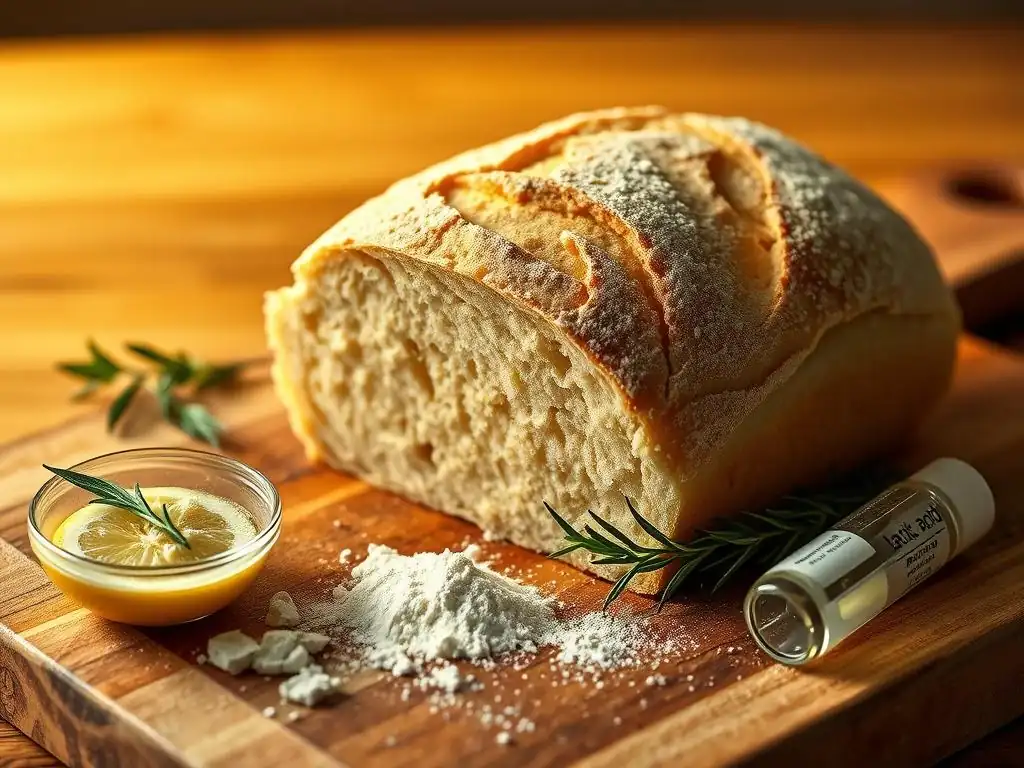
Welcome to BakeWithEase, your companion on the journey to baking brilliance! Curious about achieving that perfect golden crust without overbrowning? This week, we're diving deep into the science behind it all. Discover how mastering the Maillard reaction baking tips can unlock a new level of control and finesse in your baking. Prepare to elevate your creations, starting with a better understanding of this crucial chemical process. Let's get baking!
- Slowing Down the Maillard Reaction for Delicate Bakes: Baking Tips from BakeWithEase
- Understanding the Maillard Reaction in Baking: A Deep Dive
- When the Maillard Reaction is Too Much: Avoiding Over-Browning
- Maillard Reaction Baking Tips: Techniques to Control Browning
- Controlling Ingredients to Influence the Maillard Reaction
- Maillard Reaction Baking: Specific Scenarios and Solutions
- Advanced Techniques for Maillard Reaction Baking Control
- Troubleshooting Maillard Reaction Problems in Your Baking
- Mastering Maillard Reaction Baking: Achieving Perfect Results Every Time
-
Frequently Asked Questions
- What is the Maillard reaction in baking, and why is it important?
- Why might I want to slow down the Maillard reaction?
- What are some practical BakeWithEase tips for slowing down the Maillard reaction?
- Does using baking soda or baking powder affect the Maillard reaction?
- What ingredients can I use from BakeWithEase to help control the Maillard reaction?
- Final Reflection: The Art of Patience in Baking
- Unlock Your Baking Potential: Mastering the Maillard Reaction
Slowing Down the Maillard Reaction for Delicate Bakes: Baking Tips from BakeWithEase
Understanding the Maillard Reaction in Baking: A Deep Dive
What is the Maillard Reaction and Why Does it Matter in Baking?
The Maillard reaction is a complex chemical process that occurs when amino acids and reducing sugars react under heat. It's not caramelization, which only involves sugars browning. Instead, the Maillard reaction is responsible for the rich, complex flavors and aromas we associate with baked goods like bread crusts, cookies, and roasted meats. Think of the difference between plain flour and water versus a beautifully golden-brown loaf of sourdough – much of that difference in smell and taste is thanks to the Maillard reaction. Understanding this reaction is fundamental to mastering baking science.
This reaction begins to occur at temperatures above approximately 280°F (140°C), though it accelerates significantly at higher temperatures, like those typically found in a baking oven (often 350°F to 400°F or 175°C to 200°C). It's a cascade of reactions, producing hundreds of different flavor compounds. Without it, baked goods would lack depth of flavor and that appealing browned crust. For anyone looking to improve their baking results, getting a handle on the Maillard reaction is crucial for achieving desired flavors, colors, and textures.
The Impact of the Maillard Reaction on Flavor, Color, and Texture
The Maillard reaction is a powerhouse when it comes to transforming raw ingredients into delicious baked goods. In terms of color, it's responsible for the beautiful golden-brown to dark brown hues on the surface of bread, cakes, and cookies. This browning isn't just for show; it signals the development of complex flavors. The reaction creates pyrazines, melanoidins, and other compounds that contribute nutty, savory, roasted, and sometimes even slightly bitter notes, adding significant depth to the overall taste profile of the bake.
Beyond flavor and color, the Maillard reaction also impacts texture. It contributes to the crispness of cookie edges and bread crusts. As the surface browns and dries out due to the heat and the chemical changes of the reaction, it becomes firmer and more brittle. Controlling the extent of the Maillard reaction allows bakers to fine-tune the balance between a soft interior and a desirable outer texture, whether that's a tender cake crumb or a sturdy bread crust. These Maillard reaction baking tips focus on manipulating these outcomes.
When the Maillard Reaction is Too Much: Avoiding Over-Browning
Identifying Situations Where You Want to Limit Maillard Browning
While often desirable, there are many baking scenarios where excessive Maillard browning is detrimental. Delicate pastries, such as pale sugar cookies, light-colored cakes (like angel food or vanilla sponge), certain types of rolls, or pie crusts where only the filling needs significant baking time, are prime examples. In these cases, too much browning can lead to bitter off-flavors, a tough or dry texture on the surface, and an unappealing dark color that detracts from the intended aesthetic, like a beautiful light-colored frosting or filling.
Consider a classic vanilla cake baked in a standard oven. If the Maillard reaction proceeds too quickly or intensely, the top and sides can become excessively dark and firm before the center is fully cooked. Similarly, shortbread cookies are often desired to be pale and sandy, not deeply browned and crisp like a chocolate chip cookie. Recognizing when less browning is the goal is the first step in applying effective Maillard reaction baking tips to achieve the desired delicate result.
Common Mistakes that Accelerate the Maillard Reaction in Baking
Several common errors can inadvertently speed up the Maillard reaction, leading to over-browning. One major culprit is baking at too high a temperature. As mentioned, the reaction rate increases significantly with temperature. Baking a delicate cake at 375°F (190°C) instead of the recommended 350°F (175°C) can cause the exterior to brown too quickly while the interior remains undercooked. Another mistake is placing baked goods on dark-colored metal pans without adequate insulation; dark surfaces absorb and radiate heat more efficiently, intensifying the Maillard reaction on the bottom crust.
Overcrowding the oven can also lead to uneven heating, causing some items to brown faster than others. Using recipes with excessively high levels of sugar or certain proteins without adjusting baking methods can also accelerate browning, as these are key reactants in the process. For instance, a cookie dough with 30% sugar might brown much faster than one with 15% sugar at the same temperature. Avoiding these pitfalls is fundamental to controlling the Maillard reaction in baking.
Maillard Reaction Baking Tips: Techniques to Control Browning
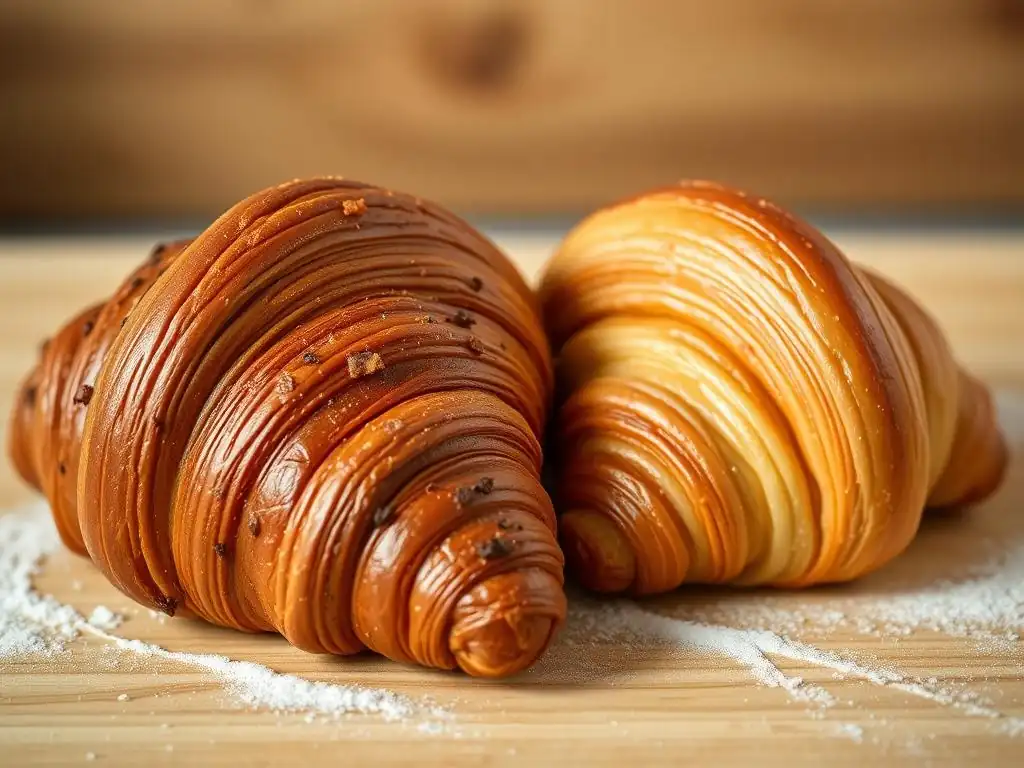
Lowering Oven Temperature: A Simple Way to Reduce Maillard Reaction
One of the most straightforward ways to slow down the Maillard reaction is by reducing the oven temperature. Since the reaction's speed is highly dependent on heat, a lower temperature allows the bake to cook through more gently before the surface reaches peak browning. For example, if a recipe for delicate cookies calls for 375°F (190°C) but they are browning too fast, trying 350°F (175°C) or even 325°F (160°C) can make a significant difference. This often requires increasing the baking time to compensate for the lower heat, ensuring the interior is fully cooked.
This technique is particularly effective for larger items like cakes or loaves of bread where you want a relatively even cook throughout without a burnt crust. Reducing the temperature by 25-50 degrees Fahrenheit (about 15-30 degrees Celsius) and extending the baking time by 10-30% (depending on the size and type of bake) can help achieve a lighter color and more tender crust while still allowing the interior to set properly. It's a fundamental Maillard reaction baking tip for achieving pale, evenly cooked results.
Using Baking Sheets and Insulated Pans for Even Heat Distribution
The type of baking pan or sheet you use significantly impacts how heat is transferred to your bake and, consequently, the rate of the Maillard reaction. Dark metal pans absorb and radiate heat more intensely than lighter-colored or shiny pans, often leading to faster and darker browning, particularly on the bottom surface. Shiny aluminum sheets or pans reflect heat, leading to slower and more even browning. For delicate items like sugar cookies or light-colored cakes, using light-colored, heavy-gauge aluminum pans is often recommended.
Insulated baking sheets or pans are another excellent tool for controlling bottom browning. These typically consist of two layers of metal with an air pocket in between, which diffuses the heat and prevents the bottom of the bake from getting too hot too quickly. Using such pans can prevent the common issue of cookie bottoms or cake bases browning excessively before the top or sides. Incorporating the right bakeware is a simple yet effective Maillard reaction baking tip.
Adjusting Baking Time to Prevent Over-Browning
Even with optimized temperature and pans, sometimes the simplest adjustment is the most effective: reducing the baking time. If a recipe specifies a range (e.g., "bake for 20-25 minutes"), start checking for doneness at the lower end of the range. For delicate items where minimal browning is desired, you might even check a few minutes before the minimum recommended time. Look for cues like edges just starting to set, tops looking dry (but not necessarily colored), or a skewer inserted into the center coming out clean (for cakes).
Over-baking inevitably leads to excessive Maillard reaction, resulting in darker color, drier texture, and potentially bitter flavors. For example, a batch of shortbread cookies baked for 18 minutes might be perfectly pale and tender, while the same cookies baked for 22 minutes might be overly browned and crisp. Learning to rely on visual and tactile cues for doneness, rather than strictly adhering to a timer, is a crucial Maillard reaction baking tip for preventing over-browning.
Controlling Ingredients to Influence the Maillard Reaction
Reducing Sugar Content: Less Sugar, Less Browning
Sugar is a key player in the Maillard reaction (specifically, reducing sugars like glucose and fructose, but sucrose, common table sugar, is broken down into these during baking). A higher proportion of sugar in a recipe will generally lead to faster and more intense browning.
If you are consistently getting too much browning on a particular bake and want to reduce it, slightly decreasing the sugar content of the recipe can be an effective strategy. However, sugar also contributes to tenderness, moisture, and spread (in cookies), so any reduction should be done judiciously to avoid negatively impacting other aspects of the bake.
For instance, if a cookie recipe calls for 200 grams of sugar and results in excessive browning, reducing it to 170 or 180 grams might slow the Maillard reaction enough to achieve a lighter color and softer texture without drastically altering the overall structure or flavor profile. This is particularly useful for recipes like sugar cookies or pound cake where a pale color is often preferred. Experimenting with slight sugar reductions is a valuable Maillard reaction baking tip for controlling color and texture.
The Role of pH: How Acidity Affects Maillard Browning
The pH level of the dough or batter also significantly influences the rate of the Maillard reaction. The reaction proceeds much faster in alkaline (higher pH) environments and is significantly slowed down in acidic (lower pH) conditions. This is why baked goods containing alkaline ingredients like baking soda (sodium bicarbonate, pH ~8-9 in solution) tend to brown more readily than those relying solely on baking powder (which contains acidic components) or acidic ingredients like buttermilk, yogurt, or lemon juice.
Adding a slightly acidic ingredient can help retard the Maillard reaction if you're struggling with over-browning. For example, substituting some of the liquid with buttermilk or yogurt, or adding a small amount of cream of tartar (an acid) can lower the pH and slow down browning. Conversely, recipes high in baking soda, like many chocolate chip cookies, often brown more intensely. Understanding the impact of pH is an advanced, but very useful, Maillard reaction baking tip for fine-tuning your results.
The Impact of Protein Levels on Maillard Reaction in Baking
Proteins, specifically the amino acids within them, are the other essential reactant in the Maillard reaction. The type and amount of protein in your ingredients will affect how much browning occurs. For instance, using a higher protein flour (like bread flour) compared to a lower protein flour (like cake flour) can contribute to more significant Maillard browning, especially in crusts. Similarly, the inclusion of milk or eggs adds proteins that participate in the reaction.
Consider a recipe for a very light, tender cake intended to be pale. Using cake flour (typically 8-10% protein) instead of all-purpose flour (typically 10-12% protein) can help reduce the potential for excessive protein-driven browning. Egg whites, being primarily protein, can contribute to browning, as seen in meringues baked at low temperatures for long periods where the Maillard reaction, though slow, still occurs. Adjusting the type of flour or considering the protein content of other ingredients are subtle but effective Maillard reaction baking tips.
Maillard Reaction Baking: Specific Scenarios and Solutions
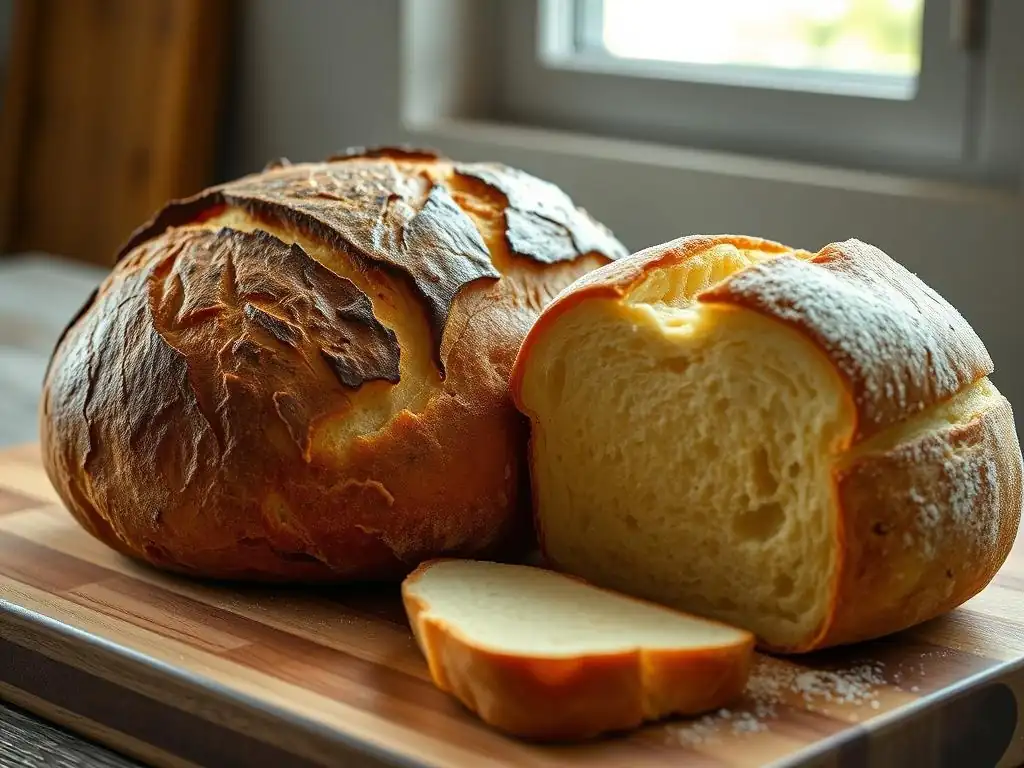
For cookies where a pale color and chewy texture are desired, such as sugar cookies or certain types of snickerdoodles, controlling the Maillard reaction is key. Beyond reducing sugar slightly and using light-colored pans, lowering the oven temperature is highly effective. Baking sugar cookies at 325°F (160°C) instead of 350°F (175°C) or 375°F (190°C) allows them to spread and set without the edges browning too quickly. Using parchment paper also helps prevent the bottoms from getting too dark.
Another trick is to chill the cookie dough thoroughly before baking. Cold dough spreads slower initially, giving the exterior more time to heat up and set before significant browning occurs. Some bakers also add a small amount of corn syrup or invert sugar, which can alter the sugar's reactivity and sometimes lead to a slightly paler, chewier cookie, although this is a more nuanced technique. These Maillard reaction baking tips for cookies ensure a delicate appearance and desired texture.
Controlling Maillard Reaction in Pie Crusts: Preventing Burnt Edges
Pie crusts, especially those baked blind or with a filling that requires a long bake time, are notorious for over-browning edges while the center or filling is still cooking. The exposed edges are thin and heat up rapidly, accelerating the Maillard reaction. A standard approach is to shield the edges once they reach the desired color. This can be done with foil strips crimped around the edge or a dedicated silicone pie crust shield.
Alternatively, some recipes recommend baking the pie at a higher temperature initially (e.g., 425°F or 220°C) for a short period (maybe 15-20 minutes) to set the crust, then reducing the temperature significantly (e.g., to 375°F or 190°C) for the remainder of the baking time. This sets the structure but slows the Maillard reaction. Using a glass or ceramic pie dish, which conducts heat less efficiently than metal, can also help prevent the bottom crust from browning too fast. These are essential Maillard reaction baking tips for perfect pies.
Managing Maillard Browning in Light-Colored Cakes: Maintaining a Tender Crumb
Achieving a light, tender crumb and a pale exterior on cakes like vanilla sponge or angel food can be challenging due to the Maillard reaction. Baking at a moderate temperature (typically 325°F to 350°F or 160°C to 175°C) is crucial. Using light-colored cake pans is also highly recommended, as dark pans can cause the sides and bottom to brown excessively. For angel food cake, which is typically baked in an ungreased aluminum tube pan, the specific pan material and design help manage heat distribution for a light crust.
If the top of a cake is browning too quickly but the center isn't done, loosely tenting the cake with foil during the latter part of the baking time can effectively shield the top surface from direct radiant heat, slowing the Maillard reaction on the top. Ensuring the batter is mixed correctly and contains the right balance of sugar, protein (from flour and eggs), and acidic/alkaline components also contributes to controlled browning. Applying these Maillard reaction baking tips helps maintain a delicate texture and appearance.
Advanced Techniques for Maillard Reaction Baking Control
Using Parchment Paper or Silicone Mats as Barriers
Placing baked goods on parchment paper or silicone baking mats (like Silpat) on a baking sheet creates a barrier between the hot metal and the bottom of the item. This barrier helps diffuse the heat, preventing the bottom from browning as quickly or intensely as it would directly on the metal. This is particularly useful for cookies, scones, or biscuits where you want a light bottom crust. Using parchment paper can reduce bottom browning significantly compared to baking directly on a dark metal sheet.
Beyond preventing bottom browning, parchment paper can also be used to cover the top of a bake loosely, as mentioned for cakes, to shield it from the radiant heat of the oven, thus slowing the Maillard reaction on the top surface. Silicone mats offer a similar benefit and are reusable. Incorporating these simple barriers is an effective Maillard reaction baking tip for achieving more even and controlled browning, especially on the underside of your bakes.
Employing Steam in the Oven to Retard Maillard Browning
Introducing steam into the oven environment is a well-known technique, particularly in bread baking, but it also has a significant effect on the Maillard reaction. Steam keeps the surface of the dough or batter moist for a longer period at the beginning of the bake. The Maillard reaction, like caramelization, requires relatively dry conditions to proceed efficiently. By delaying the drying of the surface, steam effectively slows down the onset and rate of browning.
For delicate bakes where minimal crust is desired, like certain soft rolls or light brioche, baking in a steamy environment (created by placing a pan of hot water in the bottom of the oven or using a Dutch oven/covered baking vessel) can result in a much paler crust. Once the steam dissipates (usually after 10-20 minutes), the surface begins to dry and brown, but the initial delay helps prevent over-browning, allowing the interior to bake through first. This is a more advanced Maillard reaction baking tip, but highly effective.
Covering Baked Goods with Foil to Prevent Excessive Browning
One of the simplest and most effective ways to stop or significantly slow the Maillard reaction on the surface of a bake that is already sufficiently browned is to cover it loosely with aluminum foil. This creates a physical barrier that shields the surface from the direct radiant heat of the oven elements, which is a major driver of browning. This technique is commonly used for cakes, loaves of bread, casseroles, and pies that require longer baking times after the crust or top has reached the desired color.
For example, if a cake recipe calls for 40-45 minutes of baking at 350°F (175°C), and the top is perfectly golden brown after 25 minutes but the center is still liquid, loosely tenting the cake with foil for the remaining 15-20 minutes will prevent the top from getting any darker while allowing the interior to finish cooking. This is a fundamental rescue technique and a vital Maillard reaction baking tip for preventing burnt tops while ensuring the inside is properly baked.
Troubleshooting Maillard Reaction Problems in Your Baking
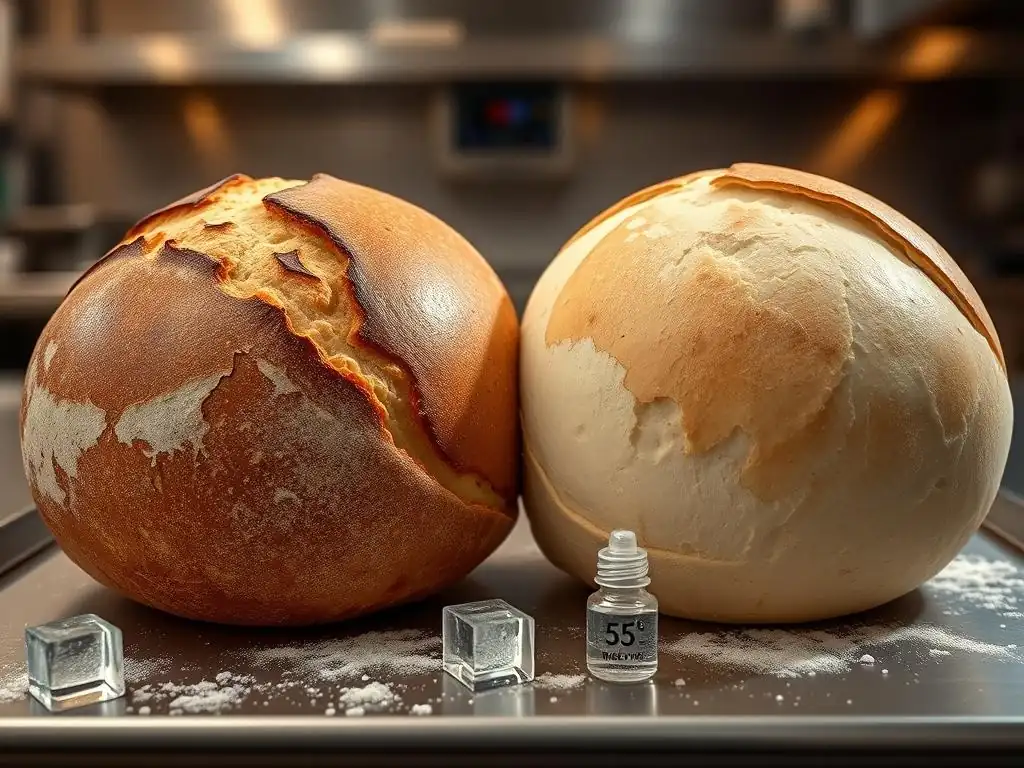
Dealing with Uneven Browning: Identifying and Correcting the Cause
Uneven browning is a common issue and can be frustrating. It often indicates inconsistent heat distribution in your oven. Hot spots can cause certain areas of a bake to brown much faster than others. If you notice this, try rotating your baking sheet or pan halfway through the baking time. For example, turn a cookie sheet 180 degrees after 8 minutes of a 15-minute bake. This exposes all sides equally to the oven's heat.
Other causes of uneven browning include poorly mixed batter or dough (leading to uneven sugar/protein distribution), overcrowding the baking sheet or oven (which disrupts airflow), or placing items too close to a heating element. Using an oven thermometer to verify your oven's actual temperature and checking for hot spots can help diagnose the issue. Correcting these factors is key to achieving consistent results and mastering Maillard reaction baking tips.
Rescue Recipes: What to Do When You've Over-Browned Your Bake
Sometimes, despite your best efforts with Maillard reaction baking tips, a bake gets a little too brown. While a slightly burnt flavor can't be undone, mild over-browning can often be mitigated. For cakes or loaves of bread with a dark crust, you can carefully trim away the darkest portions using a serrated knife. This works well for loaf cakes or sheet cakes where the dark edges can be sacrificed without ruining the whole bake.
For cookies or pastries that are just a bit too dark on the bottom, gently scraping the darkest part with a microplane grater or a fine-mesh sieve can remove the bitter surface layer. In extreme cases, if the flavor is still salvageable, the over-browned item can sometimes be repurposed – for example, slightly over-browned cake can be crumbled for trifles or cake pops, and dark cookie scraps can be crushed for pie crusts or toppings. It's not ideal, but it can save your ingredients from going to waste.
Mastering Maillard Reaction Baking: Achieving Perfect Results Every Time
Practicing and Observing: Developing Your Baking Intuition
Becoming proficient in controlling the Maillard reaction, like any baking skill, requires practice and keen observation. Don't be discouraged if your first few attempts at slowing down browning aren't perfect. Pay close attention to how different temperatures, pan types, and ingredient adjustments affect the outcome. Note the color and texture at various stages of baking. Use a timer, but also trust your senses – look at the color, feel the edges, and even smell the aroma to judge doneness and browning levels.
Keep a baking journal to record your adjustments and results. For instance, "Vanilla cake baked at 350°F for 30 mins, top too dark. Next time try 325°F." Over time, you'll develop an intuition for how quickly a particular recipe will brown in your oven using specific equipment. This hands-on experience, combined with understanding the science behind the Maillard reaction baking tips, is the most powerful tool you have.
Resources for Further Learning About the Maillard Reaction
The world of baking science is vast and fascinating, and the Maillard reaction is just one piece of the puzzle. For those eager to delve deeper, numerous resources are available. Cookbooks focused on the science of baking, like those by Harold McGee or Shirley Corriher, offer detailed explanations of chemical reactions in the kitchen. Websites and online courses dedicated to baking science also provide valuable insights.
Academic papers on food chemistry can offer highly technical information, though they may be less accessible to the home baker. Engaging with online baking communities and forums allows you to ask questions and learn from the experiences of others who are also experimenting with Maillard reaction baking tips and other techniques. Continuous learning will enhance your understanding and control over every aspect of your baking.
Conclusion: Embracing Control Over the Maillard Reaction for Baking Excellence
The Maillard reaction is a fundamental process that unlocks incredible flavors, colors, and textures in our baked goods. While often celebrated for creating that perfect golden crust, there are many instances where controlling or slowing down this reaction is essential for achieving delicate, pale, and tender results. By understanding the factors that influence the Maillard reaction – temperature, time, ingredients (sugar, protein, pH), and equipment – bakers gain significant control over the final outcome.
Implementing the Maillard reaction baking tips discussed, such as adjusting oven temperature, using appropriate pans, managing baking time, modifying ingredients, and employing techniques like shielding or steaming, empowers you to tailor your bakes to your desired specifications. Whether aiming for a light and airy cake, a pale and chewy cookie, or a perfectly golden pie crust, mastering the control of the Maillard reaction is a crucial step towards achieving baking excellence and consistent, delicious results every time you bake.
Frequently Asked Questions
What is the Maillard reaction in baking, and why is it important?
The Maillard reaction is a chemical reaction between amino acids and reducing sugars that occurs when heat is applied. It's important because it's responsible for the browning and flavor development in baked goods.
Why might I want to slow down the Maillard reaction?
Sometimes you want a lighter color and a more delicate flavor in your baked goods. Slowing the Maillard reaction helps prevent over-browning and the development of too-intense flavors, especially in delicate pastries.
What are some practical BakeWithEase tips for slowing down the Maillard reaction?
One tip is to lower the oven temperature slightly. Another is to add an acidic ingredient, like lemon juice or cream of tartar, to the batter. Finally, avoid using too much sugar.
Does using baking soda or baking powder affect the Maillard reaction?
Yes, baking soda, being alkaline, can speed up the Maillard reaction, leading to increased browning. Baking powder, which contains an acid, has a more neutral effect.
What ingredients can I use from BakeWithEase to help control the Maillard reaction?
BakeWithEase recommends using ingredients like milk or cream (which provide moisture and help regulate temperature), and acidic additions such as lemon juice, in small quantities, to control the browning process.
Final Reflection: The Art of Patience in Baking
Understanding the Maillard reaction is not just about achieving a golden-brown crust; it's about mastering the delicate balance between browning and burning, unlocking the full potential of flavor and texture in our baked goods. This knowledge, once considered the domain of professional bakers, is now readily accessible, empowering home cooks to elevate their baking to new heights. The precise control over temperature and time, as discussed throughout this article, is key to unlocking this potential.
The impact of understanding the Maillard reaction extends far beyond the kitchen; it's a testament to the power of observation and patience in any creative endeavor. The subtle shifts in color and aroma, the careful monitoring of the baking process—these are all metaphors for the mindful approach we can cultivate in other aspects of our lives. The best things in life are worth waiting for,
a sentiment that rings particularly true when considering the nuanced flavors developed through a carefully controlled Maillard reaction. It's a reminder that true artistry often requires a slower, more deliberate pace.
Now, consider your own baking journey. What adjustments can you make to your recipes to better control the Maillard reaction? Will you experiment with lower temperatures and longer baking times to achieve a deeper, richer flavor? Perhaps you'll explore new ingredients or techniques, inspired by the knowledge you've gained. Embrace the slow, deliberate process, and discover the magic that unfolds when you allow the Maillard reaction to work its wonders. The reward? Baked goods that are not only visually stunning but also bursting with complex, unforgettable flavors.
Unlock Your Baking Potential: Mastering the Maillard Reaction
Thanks for exploring the secrets of the Maillard reaction with us! You've now got the knowledge to create lighter, more delicate bakes. Ready to put your new skills to the test?
- Bake a test batch: Try applying what you learned today to your favorite recipe. Notice the difference in texture and flavor when you slow down the browning process. This is the key step to mastering this crucial baking technique.
- Share your results: Post a photo of your creation on social media using #BakeWithEaseMaillard for a chance to be featured! Let's see your delicious masterpieces.
- Explore alternative methods: Experiment with different baking pans or oven temperatures to discover what works best for your kitchen and recipes.
What unique twist will you add to your baking, now that you understand the Maillard reaction better?