
The Hidden Flavors: How Fermentation Enhances Bread Taste

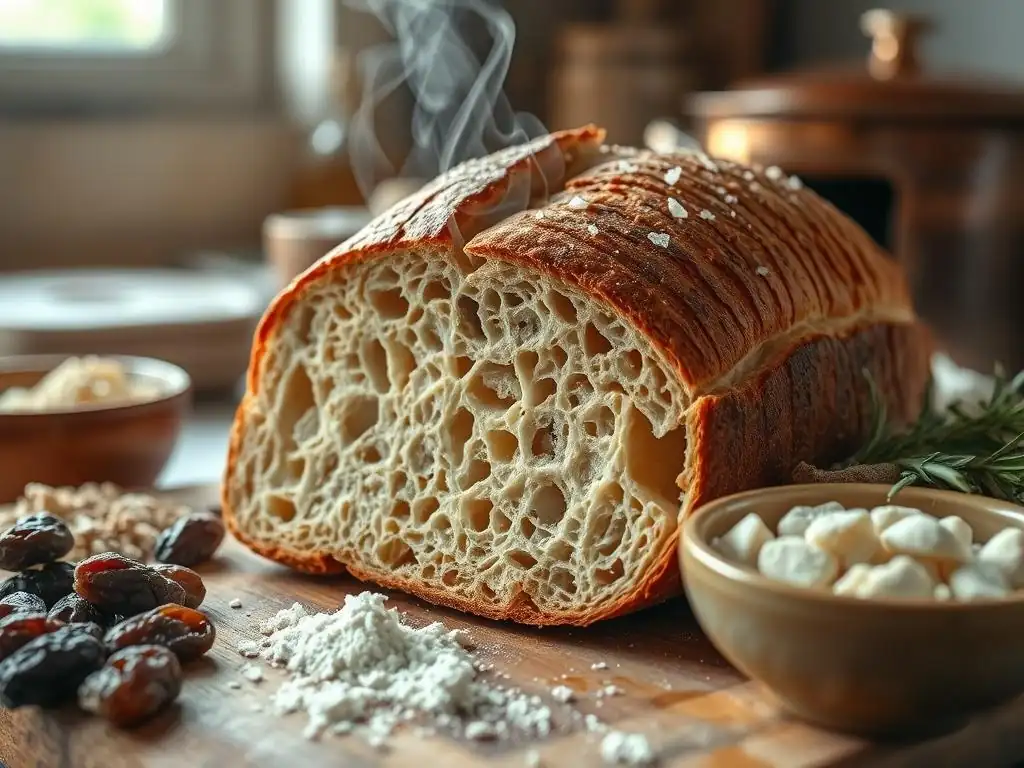
Welcome to BakeWithEase, where baking becomes an absolute joy! Ever wondered about the secret to that incredibly complex and satisfying flavor in artisan bread? This week, we're diving deep into the science of fermentation to unlock those fermented bread flavor secrets. Prepare to discover how simple changes can dramatically elevate your loaves from ordinary to extraordinary. Keep reading to unravel the mysteries and embark on a journey to baking brilliance!
- The Art of Fermentation: Enhancing Bread Flavor
- Introduction: Unveiling the Flavor Potential of Fermented Bread
- The Science of Fermentation: Yeast and Flavor Development
- The Chemistry of Flavor: Fermentation and Flavor Compounds
- A Spectrum of Flavors: Mild to Tangy in Fermented Dough
- Techniques for Optimal Flavor: Mastering Fermentation
- Advanced Techniques: Further Enhancing Bread Flavor
- Troubleshooting Fermentation: Addressing Flavor Issues
- Recipe Ideas: Exploring the World of Fermented Bread
- Conclusion: Elevating Bread Baking Through Fermentation
- Frequently Asked Questions
- Final Reflection: Unearthing the Magic of Fermented Bread
- Unleash Your Inner Baker: Elevate Your Bread Baking!
The Art of Fermentation: Enhancing Bread Flavor
Introduction: Unveiling the Flavor Potential of Fermented Bread
Exploring the Flavor Secrets of Fermented Bread Baking
Baking bread is an ancient craft, and at its heart lies the magical process of fermentation. While often seen primarily as the agent of rise, fermentation is arguably the most crucial factor in developing the nuanced, complex flavors that distinguish truly great bread. It's during this often-overlooked stage that simple flour and water transform into something far more aromatic and delicious. Understanding the subtle yet profound impact of yeast and bacteria activity is key to unlocking the full potential of your loaves.
Delving into the fermented bread flavor secrets reveals a world of chemical reactions orchestrated by microscopic organisms. As yeast consumes sugars in the flour, it produces not just carbon dioxide for lift, but also a symphony of organic acids, alcohols, and esters. These compounds are the building blocks of flavor, contributing everything from the subtle sweetness of a soft roll to the characteristic tang of a sourdough loaf. Mastering fermentation time and temperature is essential for guiding these processes and achieving the desired flavor profile in your baked goods.
The Science of Fermentation: Yeast and Flavor Development
The Central Role of Yeast in Bread Flavor
Yeast, whether commercial baker's yeast or the wild yeast in a sourdough starter, is the primary driver of alcoholic fermentation in bread dough. Its main job is to consume fermentable sugars present in the flour – primarily glucose, fructose, sucrose, and maltose – and convert them into ethanol (alcohol) and carbon dioxide gas. The carbon dioxide is what makes the bread rise, creating that airy structure we all love. However, the ethanol and other byproducts are equally vital for flavor development.
Beyond producing ethanol, yeast metabolic activity generates a range of volatile organic compounds (VOCs) during fermentation. These include various alcohols, aldehydes, ketones, and esters, even in small quantities. For instance, ethyl acetate can contribute fruity notes, while acetaldehyde might lend green or nutty nuances. The specific mix and concentration of these compounds depend heavily on the yeast strain, the dough's composition, and the fermentation conditions, contributing significantly to the overall fermented bread flavor secrets unlocked during proofing and baking.
The Chemistry of Flavor: Fermentation and Flavor Compounds
How Fermentation Creates Flavor Complexity
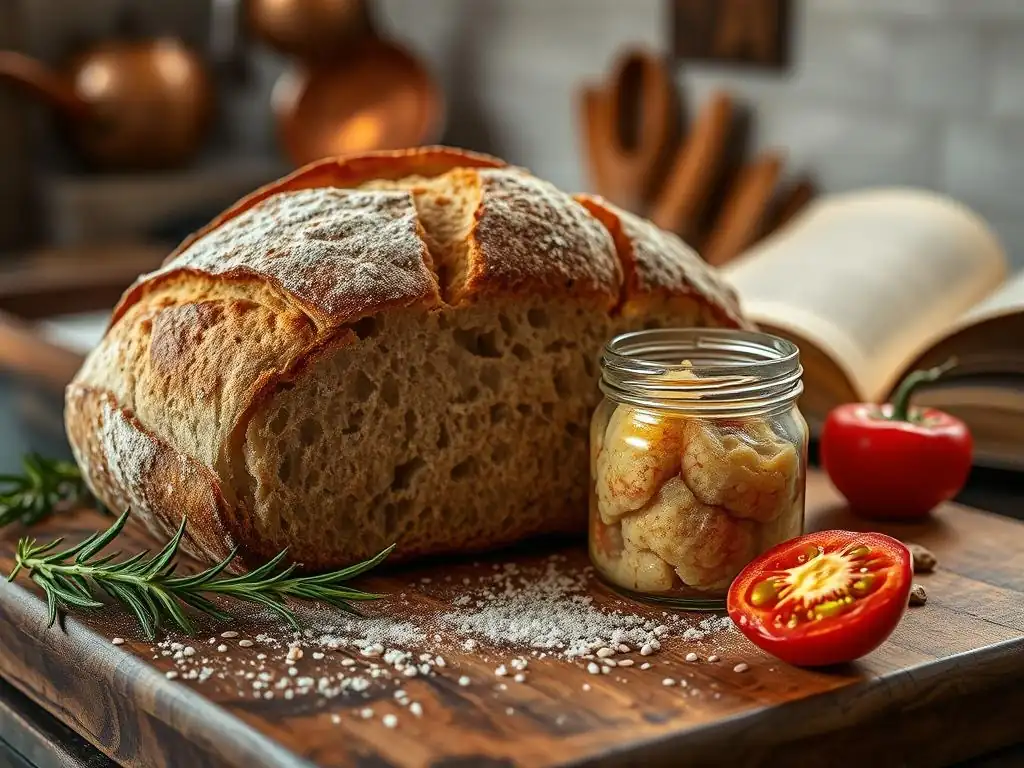
Fermentation is a biochemical powerhouse, breaking down complex carbohydrates and proteins in flour into simpler compounds that contribute directly or indirectly to flavor. Enzymes naturally present in flour, like amylase, are activated by water and work alongside yeast to break down starch into fermentable sugars.
This provides the fuel for the yeast and also creates dextrins, which can contribute to crust browning and a slightly sweet taste. Protease enzymes, also in flour, break down proteins, which can affect dough handling but also release amino acids that are crucial for flavor development, especially during the baking process itself via the Maillard reaction.
The organic acids produced during fermentation are particularly important for developing the characteristic tang and complexity of many fermented breads, especially sourdough. Lactic acid and acetic acid are the two main players here, produced primarily by lactic acid bacteria (LAB) that often coexist with wild yeast in sourdough starters. Lactic acid provides a milder, yogurt-like tang, while acetic acid is sharper and more vinegary. The ratio of these acids, influenced by temperature and hydration, is a key aspect of mastering fermented bread flavor secrets and achieving a balanced taste.
The Influence of Yeast Strains on Bread Flavor
Not all yeasts are created equal when it comes to flavor production. Commercial baker's yeast (Saccharomyces cerevisiae) is highly efficient at producing carbon dioxide quickly, leading to a fast rise. While it does contribute some flavor compounds, its primary focus is on leavening. The resulting flavor profile is generally milder and less complex compared to breads fermented with wild yeasts and bacteria. Think of a standard sandwich loaf versus a rustic sourdough boule.
Wild yeast strains, abundant in the environment and captured in sourdough starters, are far more diverse and often slower fermenters. They produce a wider array of flavor compounds than commercial yeast. Furthermore, sourdough starters are symbiotic cultures of wild yeast and various lactic acid bacteria (LAB). These LAB contribute significantly to the acidic notes and other complex flavors, including diacetyl (buttery notes) and other unique metabolites. The specific mix of wild yeast and LAB strains in a starter creates its unique flavor signature, adding another layer to the fermented bread flavor secrets bakers explore.
A Spectrum of Flavors: Mild to Tangy in Fermented Dough
Factors Influencing Flavor Intensity
The intensity and type of flavor developed during fermentation are influenced by a multitude of factors. The duration of fermentation is paramount; longer fermentation times generally allow for greater breakdown of starches and proteins and the accumulation of more flavor compounds. Hydration levels also play a role; wetter doughs tend to ferment faster and can develop acidity more readily. The type of flour used, its protein and enzyme content, significantly impacts the available food for microorganisms and thus the resulting flavors.
Salt concentration is another critical factor. While essential for dough structure and direct flavor, salt also regulates yeast activity. Higher salt levels can slow fermentation, which might necessitate longer proofing times but can also lead to more controlled flavor development. The inoculation rate – the amount of starter or yeast used – also affects the speed and profile of fermentation. A smaller amount of starter over a longer period often yields more complex flavors than a large amount for a quick rise, showcasing diverse fermented bread flavor secrets.
Temperature's Impact on Fermentation and Flavor
Temperature is perhaps the most easily controlled variable that profoundly impacts both fermentation speed and flavor development. Warmer temperatures (e.g., 75-80°F or 24-27°C) accelerate yeast activity, leading to faster rising and primarily alcoholic fermentation. This can yield bread with a milder, less acidic flavor profile, suitable for quick loaves.
Conversely, cooler temperatures (e.g., 40-50°F or 4-10°C) slow down yeast activity significantly but often favor the development of organic acids, particularly lactic acid production by LAB in sourdough. A long, slow fermentation in the refrigerator allows enzymes more time to break down starches and proteins, and the slower microbial activity results in a greater accumulation of flavor compounds. This cold fermentation is a key technique for unlocking deep, complex fermented bread flavor secrets, resulting in nuanced tastes and often better crust development.
Techniques for Optimal Flavor: Mastering Fermentation
Long Fermentation vs. Short Fermentation: Flavor Outcomes
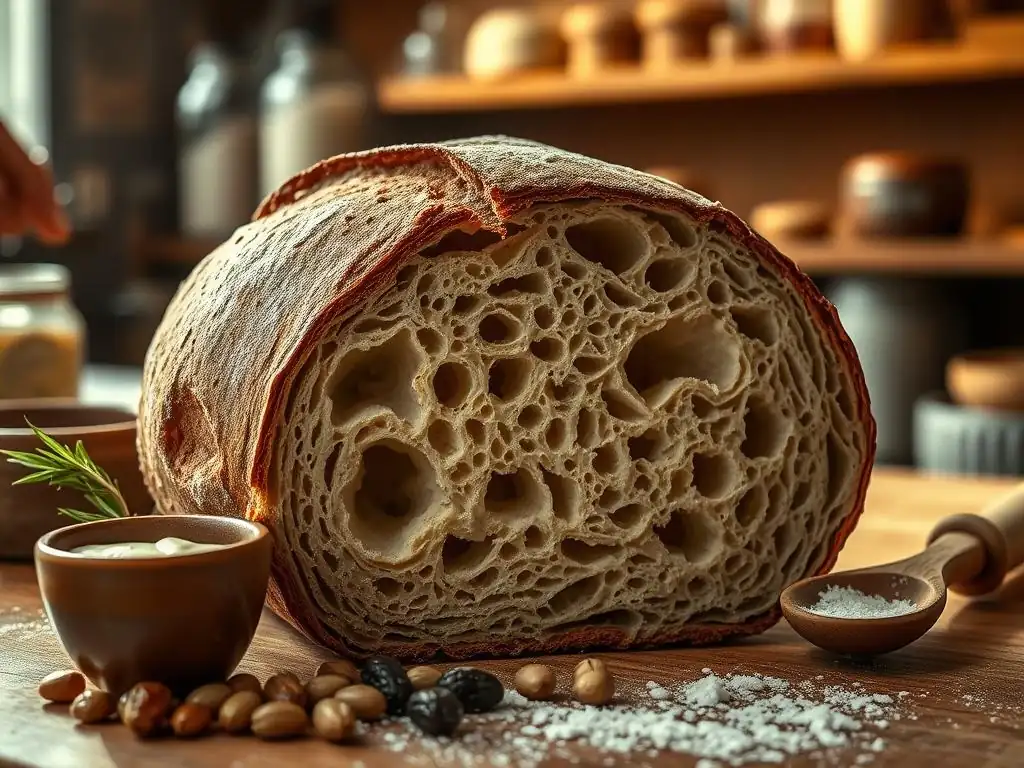
The choice between a long or short fermentation significantly dictates the flavor outcome of your bread. Short fermentations, typically done at warmer temperatures for just a few hours, prioritize speed and leavening. They result in bread with a simpler, less pronounced flavor profile, often described as 'yeasty' or mild. This is common for many commercial breads and quicker home recipes.
Long fermentations, often lasting from 8 hours up to several days, usually involve cooler temperatures or multiple stages (like an overnight bulk ferment followed by shaping and proofing). This extended time allows for maximum enzyme activity, breaking down starches and proteins, and gives the microorganisms ample time to produce a wide array of flavor compounds. The result is bread with significantly more depth, complexity, and often a pleasant tang, showcasing the full spectrum of fermented bread flavor secrets. Examples include overnight focaccia, no-knead breads, and traditional sourdoughs.
Autolyse: Enhancing Flavor and Dough Structure
Autolyse is a simple technique where flour and water are mixed together and allowed to rest for 20 minutes to several hours before adding salt and yeast/starter and beginning the main kneading. During this rest period, flour enzymes (amylase and protease) become active. Amylase starts breaking down starch into sugars, providing more food for the yeast later and contributing subtle sweetness. Protease begins breaking down gluten proteins, which helps with dough development but also releases amino acids.
While primarily known for improving dough extensibility and reducing kneading time, the enzymatic activity during autolyse also contributes to flavor development. The increased availability of simple sugars and amino acids can influence the fermentation process and enhance the Maillard reaction during baking, leading to a richer crust color and deeper flavors. This step, though seemingly small, is one of the key fermented bread flavor secrets employed by many professional bakers.
Poolish: Creating Delicate and Aromatic Flavors
A poolish is a type of preferment, essentially a wet mixture of equal parts flour and water by weight, inoculated with a small amount of yeast (typically 0.5-1% of the flour weight in the poolish) and allowed to ferment for several hours or overnight. This creates a bubbly, active starter that is then added to the final dough.
Using a poolish contributes significantly to flavor in several ways. First, it gives the yeast a head start, allowing it to produce flavorful compounds in a controlled environment before the main dough is mixed. Second, the high hydration of the poolish promotes certain enzymatic activities and microbial metabolisms that differ from a stiffer dough. The resulting bread often has a lighter texture, a more aromatic crust, and a subtle, sweet, and slightly nutty flavor profile, distinct from sourdough or straight doughs. It's a fantastic way to add fermented bread flavor secrets to breads like baguettes or ciabatta.
Sourdough Starters: Cultivating Tangy and Complex Flavors
Sourdough represents the pinnacle of fermented bread flavor secrets, relying on a symbiotic culture of wild yeast and lactic acid bacteria (LAB) rather than commercial yeast. The unique flavor of sourdough comes primarily from the organic acids (lactic and acetic) produced by the LAB. The wild yeast contributes carbon dioxide for lift and a range of aromatic compounds.
Cultivating and maintaining a healthy sourdough starter involves regular feeding with flour and water, which encourages the growth of a stable community of microorganisms. The specific types of wild yeast and LAB present, influenced by the flour used and the environment, determine the starter's unique flavor profile – some are more lactic (mildly tangy), others more acetic (sharply tangy). Baking with sourdough introduces these complex, tangy, and often slightly sour notes into the bread, creating flavors unattainable with commercial yeast alone.
Advanced Techniques: Further Enhancing Bread Flavor
The Maillard Reaction in Fermented Bread
The Maillard reaction is a complex series of chemical reactions that occur when sugars and amino acids are heated, responsible for the b browning and crust development in baked bread, as well as creating hundreds of flavor and aroma compounds. Think of the smell of toasted nuts or roasted coffee – that's the Maillard reaction at work.
Fermentation significantly influences the Maillard reaction in bread. During the long fermentation process, enzymes break down starches into simple sugars and proteins into amino acids. This increases the availability of the necessary reactants for the Maillard reaction. Consequently, well-fermented doughs tend to develop a richer, darker, and more flavorful crust during baking compared to under-fermented doughs. The acids produced during fermentation can also subtly influence the reaction pathways, further contributing to the complex array of fermented bread flavor secrets found in the crust.
Flour Type and Its Impact on Flavor
The type of flour used is not just a matter of gluten structure; it profoundly impacts the flavor of fermented bread. Different grains and milling processes yield flours with varying levels of protein, starch, sugars, minerals, and enzymes. Whole grain flours, for example, contain the bran and germ, which are rich in minerals, fats, and enzymes that contribute earthy, nutty, and more complex flavors compared to refined white flour.
The composition of the flour directly affects the fermentation process. Flours with higher enzyme activity or more available sugars will ferment differently. Using a blend of flours – say, mixing white flour with rye or whole wheat – introduces distinct flavor compounds from those grains into the dough. The microorganisms in your starter or dough will also interact differently with these components, unlocking unique fermented bread flavor secrets inherent to each grain type during the fermentation period.
Troubleshooting Fermentation: Addressing Flavor Issues
Identifying and Correcting Over-Fermentation
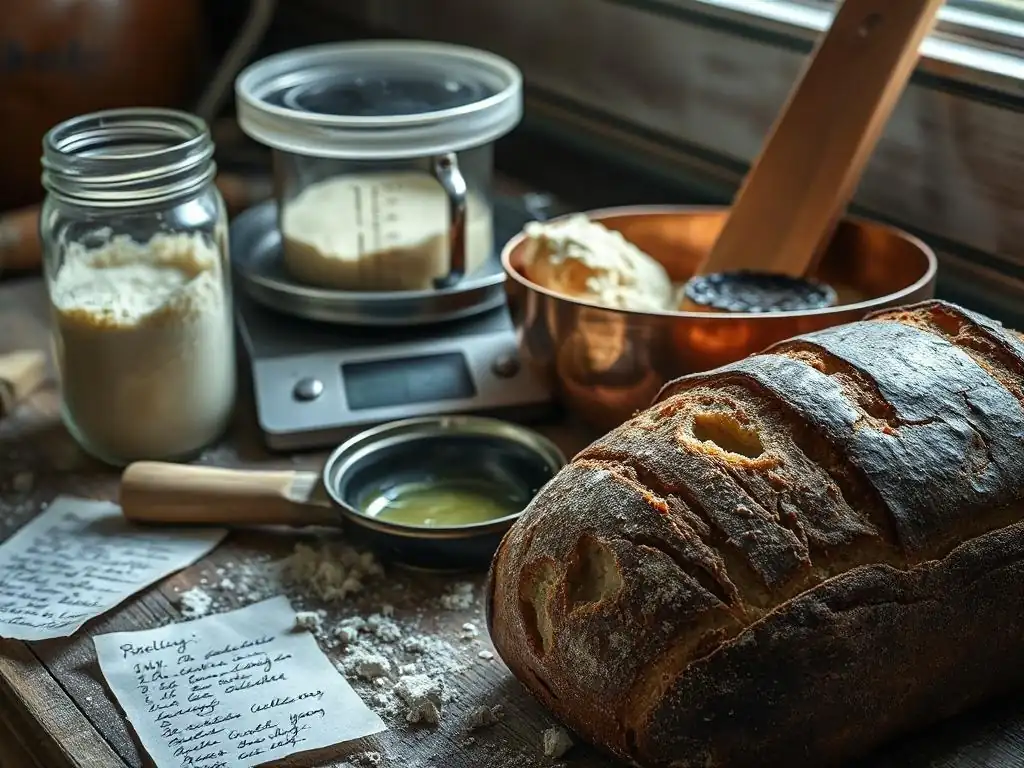
Over-fermentation occurs when dough is allowed to proof for too long or at too warm a temperature, exhausting the yeast's food supply and allowing acidic flavors to become dominant or off-flavors to develop. Signs include:
- Dough that has risen significantly and then started to collapse.
- A very strong, often unpleasant, alcoholic or overly sour smell.
- A slack, sticky dough that is difficult to handle and shape.
- After baking, the bread may have a dense crumb, pale crust (sugars depleted for Maillard reaction), and a harsh, overly acidic, or boozy flavor.
To correct or prevent over-fermentation, be mindful of temperature and time. If dough is rising too fast, refrigerate it to slow down activity. If you suspect slight over-fermentation before baking, handle the dough gently to preserve any remaining gas, bake it immediately, and perhaps adjust proofing times for future bakes based on ambient temperature. Understanding the fermented bread flavor secrets means knowing when enough is enough.
Recognizing and Addressing Under-Fermentation
Under-fermentation happens when the dough hasn't proofed long enough or at a sufficient temperature, meaning the yeast hasn't produced enough gas for adequate rise or enough flavor compounds. Signs include:
- Dough that hasn't significantly increased in volume.
- A dense, tight structure.
- A smell that is primarily just flour or yeast, lacking complexity.
- After baking, the bread will be dense, heavy, with a tight crumb, and a bland, underdeveloped flavor profile, sometimes tasting excessively 'yeasty' rather than complex.
To address under-fermentation, simply allow the dough more time to proof in a warm, consistent environment until it reaches the desired volume and passes the "poke test" (gently poke the dough; if the indentation slowly springs back halfway, it's ready). For future bakes, consider increasing the proofing time, slightly increasing the amount of yeast/starter, or finding a warmer spot for fermentation. Patience is key to unlocking those fermented bread flavor secrets.
Recipe Ideas: Exploring the World of Fermented Bread
Country Sourdough: A Classic Recipe
Country sourdough is perhaps the quintessential example of harnessing fermented bread flavor secrets. Typically made with a blend of white and whole wheat or rye flour and a mature sourdough starter, it undergoes a long bulk fermentation (often several hours at room temperature followed by overnight in the refrigerator) and a final proof. This extended, cool fermentation allows the wild yeast and LAB to produce significant amounts of lactic and acetic acids.
The result is a loaf with a beautiful open crumb structure, a thick, crackly crust developed through the Maillard reaction fueled by fermentation byproducts, and a complex flavor profile that balances tangy acidity with subtle sweetness and the earthy notes of the whole grains. It's a testament to how time and microbes can transform simple ingredients into something extraordinary, showcasing the power of fermented bread flavor secrets.
Overnight Baguette: A Long-Fermented Delight
Baguettes are often made using a long, cold fermentation, frequently incorporating a preferment like a poolish or a small amount of yeast in a very wet dough left in the refrigerator overnight (or longer). This slow fermentation, typically at temperatures around 40°F (4°C), limits yeast activity but allows enzymes and flavor-producing microbes ample time to work.
The benefit of this method is the development of a much more complex flavor than a quick baguette. The long, slow process yields organic acids and aromatic compounds that contribute to the baguette's signature nuanced taste. When baked at high temperatures, the dough's high hydration and the sugars produced during fermentation contribute to a thin, shatteringly crisp crust and an airy, open crumb with a subtle, developed flavor – a prime example of applying fermented bread flavor secrets.
Poolish Pizza Dough: Light and Flavorful
Using a poolish for pizza dough is a fantastic way to infuse it with fermented bread flavor secrets and improve its texture. A poolish, made 12-18 hours in advance, adds a subtle sweetness and a pleasant aroma to the final dough. When the poolish is mixed with the remaining ingredients for the final dough, the fermentation continues, but the flavor foundation has already been laid.
The resulting pizza dough is typically lighter and more extensible, making it easier to shape thinly. After baking, the crust develops a beautiful golden-brown color thanks to the sugars in the dough and has a delicate crispness with a flavorful, slightly sweet, and aromatic profile. It's a clear demonstration that fermentation techniques can elevate even seemingly simple doughs to new levels of flavor.
Conclusion: Elevating Bread Baking Through Fermentation
Creating Deeper, More Complex Flavors in Bread
Fermentation is far more than just the process that makes bread rise; it is the crucible where the true flavor of bread is forged. By understanding and manipulating the activity of yeast and bacteria, bakers can unlock a vast spectrum of tastes and aromas, transforming simple flour and water into loaves with incredible depth and complexity. From the mild sweetness of a short-fermented loaf to the pronounced tang of a long-fermented sourdough, the flavors are a direct result of microbial metabolism and enzymatic activity over time.
Mastering fermented bread flavor secrets involves paying close attention to time, temperature, hydration, and the type of microorganisms at play. Whether you're experimenting with long, cold fermentations, incorporating preferments like poolish, or nurturing a vibrant sourdough starter, each technique offers a unique pathway to enhancing flavor. Embracing fermentation as a flavor-building process is key to elevating your bread baking from merely functional to truly exceptional, yielding loaves that are not just sustenance, but a sensory experience.
Frequently Asked Questions
What is fermentation and how does it impact bread flavor?
Fermentation is a process where yeast and bacteria break down sugars in the dough. This process produces acids, alcohols, and gases, which contribute significantly to the bread's flavor complexity.
What are some common fermented bread types?
Common types include sourdough, rye bread, and even some types of pizza dough. These breads rely on extended fermentation to develop their characteristic tangy and complex flavors.
How does the fermentation time affect the flavor of bread?
Longer fermentation times generally lead to more complex and pronounced flavors. This allows the microorganisms to produce a wider range of flavor compounds, resulting in a deeper taste.
What role do different types of flour play in fermented bread flavor?
Different flours contain varying amounts of sugars and starches which influence fermentation. Whole wheat and rye flours tend to produce more robust and earthy flavors compared to all-purpose flour.
Can I control the flavor of my fermented bread?
Yes, you can control the flavor by adjusting factors like fermentation time, temperature, and the type of flour used. Experimenting with these variables will allow you to achieve your desired flavor profile.
Final Reflection: Unearthing the Magic of Fermented Bread
The subtle art of fermentation is not merely a process; it's a transformative journey that elevates bread from sustenance to an experience. The depth of flavor, the complex aromas, and the satisfying texture achieved through fermentation are increasingly appreciated by both bakers and bread enthusiasts alike. This renewed interest speaks to a growing desire for authentic, handcrafted foods that connect us to our culinary heritage.
The impact of fermentation on bread extends far beyond the simple addition of tang. It's a cultural phenomenon, a testament to human ingenuity in harnessing natural processes to enhance food. From sourdough starters passed down through generations to the innovative techniques employed by modern artisan bakers, fermentation represents a continuous evolution of culinary practice. Bread is the staff of life,
they say, but fermented bread is the staff of life elevated – imbued with a soulfulness that transcends mere nutrition. This resonates deeply with me, as I've witnessed firsthand the transformative power of a well-fermented loaf, the way it can transport you to another time and place through its taste and aroma.
Consider the possibilities. Imagine the satisfaction of nurturing your own sourdough starter, a living organism that contributes its unique character to each loaf you bake. Think about the joy of sharing that bread, a tangible expression of your connection to tradition and nature. You, too, can unlock the hidden flavors of fermented bread. Experiment with different flours, explore various fermentation techniques, and savor the unique taste that results. Embrace the process, appreciate the artistry, and discover the magic within each perfectly risen, perfectly fermented loaf.
Unleash Your Inner Baker: Elevate Your Bread Baking!
Thanks for taking the time to explore the amazing world of fermented bread! You've now unlocked the secret to richer, more complex flavors in your baking. Ready to put your new knowledge into practice?
- Bake a sourdough starter today! This is your gateway to a whole new level of bread baking. It's easier than you think!
- Share your baking journey with our community on social media using #BakeWithEaseFerment. Let's inspire each other!
- Experiment with different grains and flours in your next sourdough loaf. What exciting flavors will you discover?
What unique flavor combination will you create with your newfound fermentation skills?