
Bake a Classic Bakewell Tart: The Iconic British Treat

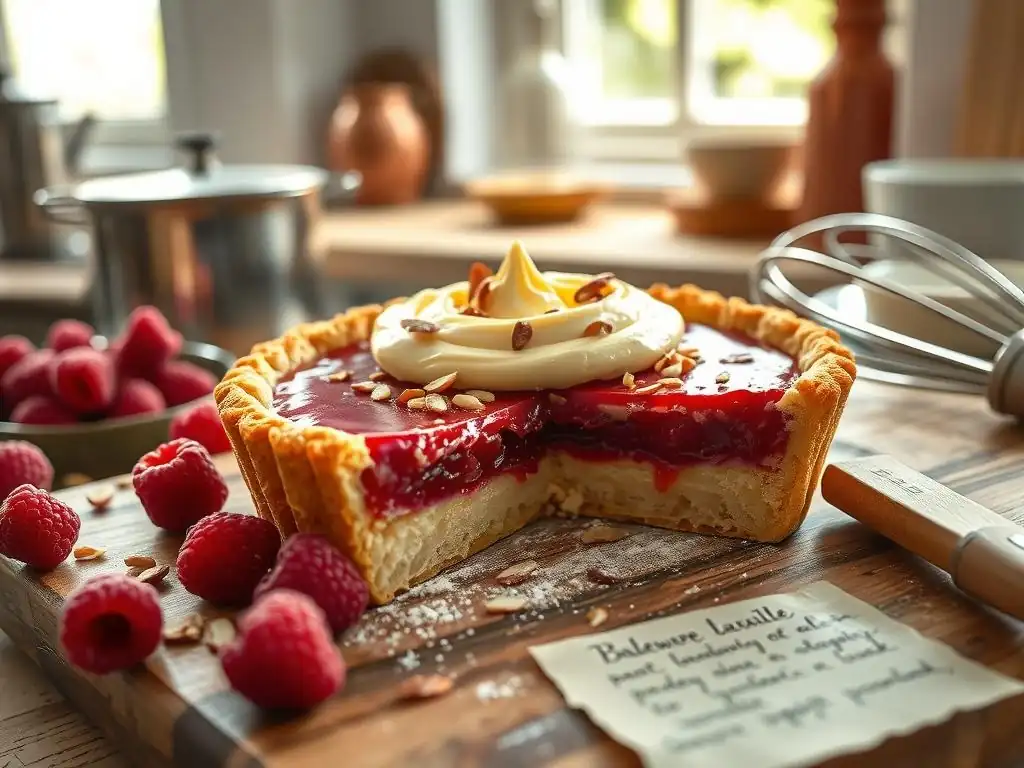
Welcome to BakeWithEase, where every bake is a breeze! Ever wondered how to recreate that quintessential British bake, the Bakewell Tart, with effortless ease? You're in the right place! Get ready to discover our Bakewell tart recipe easy guide, designed to take you from baking novice to star baker in no time. Prepare to unlock the secrets to this iconic treat and delight your taste buds with a slice of pure, almond-infused perfection. Let's get baking!
- Introduction to the Bakewell Tart: A British Baking Favorite
-
Easy Bakewell Tart Recipe: Step-by-Step Guide
- Gathering Your Ingredients: What You'll Need for a Perfect Bakewell Tart
- Preparing the Sweet Shortcrust Pastry: A Simple Method
- Making the Frangipane Filling: The Heart of the Bakewell Tart
- Assembling the Bakewell Tart: Layering Jam, Frangipane, and Pastry
- Baking Your Bakewell Tart to Golden Perfection
- Variations on the Classic Bakewell Tart
- Tips for Bakewell Tart Success: Troubleshooting and Best Practices
- Serving Suggestions: Enjoying Your Homemade Bakewell Tart
- Mastering the Bakewell Tart: Beyond the Basic Recipe
- Conclusion: Your Journey to Bakewell Tart Baking Mastery
- Frequently Asked Questions
- Final Reflection: The Enduring Charm of the Bakewell Tart
- Unleash Your Inner Baker: Master the Bakewell Tart!
Introduction to the Bakewell Tart: A British Baking Favorite
What Makes a Bakewell Tart Special? History and Key Ingredients
The Bakewell tart is a true gem of British baking, a delightful combination of textures and flavors that has captured hearts for generations. Originating in the Derbyshire town of Bakewell, its history is often traced back to a happy accident at the White Horse Inn in the 1860s, although variations of almond and jam tarts existed long before.
What sets it apart is its unique structure: a crisp shortcrust pastry base, a layer of sweet jam (traditionally raspberry or strawberry), and a rich, moist frangipane filling made from ground almonds, butter, sugar, and eggs. A classic Bakewell tart is typically finished with a sprinkle of flaked almonds on top, although some versions feature a layer of icing and a glacé cherry, known as a Cherry Bakewell.
The key ingredients are simple yet form a magical synergy. The quality of each component is crucial. Good butter for the pastry ensures flakiness, while finely ground almonds give the frangipane its signature texture and nutty flavour. Using a vibrant, slightly tart jam cuts through the richness of the frangipane beautifully. This combination creates a dessert that is comforting, elegant, and deeply satisfying, making the Bakewell tart a beloved staple in British tearooms and home kitchens alike. Mastering this classic requires attention to detail, but the result is well worth the effort, offering a taste of authentic British heritage.
Why This Bakewell Tart Recipe is Easier Than You Think
Many home bakers might feel intimidated by classic tarts, especially those involving pastry and multiple fillings. However, this Bakewell tart recipe is designed with ease and accessibility in mind, making it perfect for bakers of all skill levels on BakeWithEase.com. We break down each step, from making the pastry to baking the tart, into manageable stages. The sweet shortcrust pastry used is forgiving and simple to handle, even for beginners. Unlike puff pastry or more complex doughs, it requires minimal manipulation and chills quickly.
Furthermore, the frangipane filling is incredibly straightforward to prepare. It's essentially a simple cake-like batter that comes together in minutes with just a bowl and a whisk or electric mixer. There's no complex technique involved, just mixing ingredients until combined. By following our clear, step-by-step instructions, you'll find that creating a beautiful and delicious Bakewell tart is well within your reach. This easy Bakewell tart recipe proves that traditional baking can be approachable and enjoyable, delivering impressive results with minimal fuss.
Easy Bakewell Tart Recipe: Step-by-Step Guide
Gathering Your Ingredients: What You'll Need for a Perfect Bakewell Tart
To embark on your Bakewell tart baking journey, you'll need a few essential ingredients. Quality is key for the best results, so try to use good butter and fresh ingredients where possible. This list provides the core components for a standard 20-23cm (8-9 inch) tart.
- For the Sweet Shortcrust Pastry:
- 225g (1 ¾ cups) plain flour, plus extra for dusting
- 50g (¼ cup) caster sugar (superfine sugar)
- 110g (½ cup) cold unsalted butter, cut into cubes
- 1 large egg yolk
- 1-2 tablespoons cold water
- For the Filling:
- About 150-200g (½ - ¾ cup) good quality raspberry or strawberry jam
- 125g (½ cup) unsalted butter, softened
- 125g (½ cup) caster sugar (superfine sugar)
- 2 large eggs
- 125g (1 ¼ cups) ground almonds (almond flour)
- ½ teaspoon almond extract
- Optional: 25g (¼ cup) flaked almonds, for topping
Having all your ingredients measured and ready before you start will make the process much smoother. Ensure your butter for the pastry is cold and cubed, while the butter for the frangipane is softened. Using standard kitchen scales for accuracy is recommended, especially for flour and butter. This simple ingredient list is the first step in creating your delicious homemade Bakewell tart.
Preparing the Sweet Shortcrust Pastry: A Simple Method
Making sweet shortcrust pastry from scratch is a fundamental skill in baking, and for this easy Bakewell tart recipe, we use a straightforward method. Start by combining the flour and sugar in a large bowl. Add the cold, cubed butter and rub it into the dry ingredients using your fingertips until the mixture resembles coarse breadcrumbs. Work quickly to avoid warming the butter too much. This process creates layers of fat within the dough, which will result in a flaky texture when baked.
Next, add the egg yolk to the breadcrumb mixture. Mix it in gently with a knife or your fingers. Then, add the cold water, one tablespoon at a time, mixing until the dough just comes together.
Be careful not to add too much water – the dough should be moist enough to form a ball but not sticky. Gently bring the dough together with your hands, flatten it into a disc, wrap it tightly in cling film, and refrigerate for at least 30 minutes. Chilling the dough allows the gluten to relax, making it easier to roll out, and firms up the butter, which is essential for a tender crust.
Tips for Making the Perfect Shortcrust Pastry
Achieving perfect shortcrust pastry is easier than you might think with a few simple tips. Firstly, keep your ingredients, especially the butter and water, as cold as possible. Warm butter melts into the flour too quickly, leading to a tough pastry. Working quickly when rubbing in the butter and bringing the dough together also helps maintain its temperature. Overworking the dough is another common pitfall; it develops gluten, resulting in a hard, chewy crust instead of a tender, crumbly one. Mix just until the dough comes together.
When rolling out the chilled dough, do so on a lightly floured surface. Roll from the center outwards, rotating the dough occasionally to prevent sticking and ensure an even thickness, aiming for about 3-4mm. If the dough becomes too soft while rolling, pop it back in the fridge for a few minutes.
To transfer the rolled pastry to your tart tin, gently roll it around your rolling pin and then unfurl it over the tin. Press it lightly into the corners and up the sides, trimming any excess. Prick the base all over with a fork before blind baking, which prevents the pastry from puffing up during the initial bake.
Making the Frangipane Filling: The Heart of the Bakewell Tart
The frangipane filling is what truly defines a Bakewell tart, providing its signature moist, almond-rich center. Making it is surprisingly simple. In a medium bowl, cream together the softened butter and caster sugar until the mixture is light and fluffy. An electric mixer makes this quick work, but you can also achieve it with a whisk and some elbow grease. This step incorporates air, contributing to the frangipane's light texture.
Next, beat in the eggs one at a time, ensuring each egg is fully incorporated before adding the next. If the mixture looks like it might curdle slightly, add a tablespoon of the ground almonds with the second egg. Finally, fold in the ground almonds and the almond extract until just combined. Don't overmix at this stage; you want to retain some lightness. The frangipane should be a smooth, thick batter consistency. This simple process yields a delicious, aromatic filling that is the perfect counterpoint to the tart jam and crisp pastry.
Achieving the Ideal Frangipane Texture and Flavor
The ideal frangipane for a Bakewell tart is moist, tender, and deeply flavourful with a prominent almond note. To achieve this, using finely ground almonds (sometimes labelled almond flour) is best, as it creates a smoother texture than coarsely ground nuts. Ensuring your butter is properly softened and creaming it well with the sugar are also crucial steps for lightness. The almond extract enhances the natural almond flavour from the ground nuts; a good quality extract makes a noticeable difference.
The ratio of ingredients is also important. Too much flour (if substituting some ground almonds with flour) can make it dense, while too many eggs can make it too wet. The recipe proportions provided aim for that perfect balance – a filling that is rich enough to be decadent but light enough to slice cleanly. Baking the frangipane until it's golden brown on top and set in the center ensures it's cooked through without drying out. A slight crack on the surface is normal and adds to its rustic charm.
Assembling the Bakewell Tart: Layering Jam, Frangipane, and Pastry
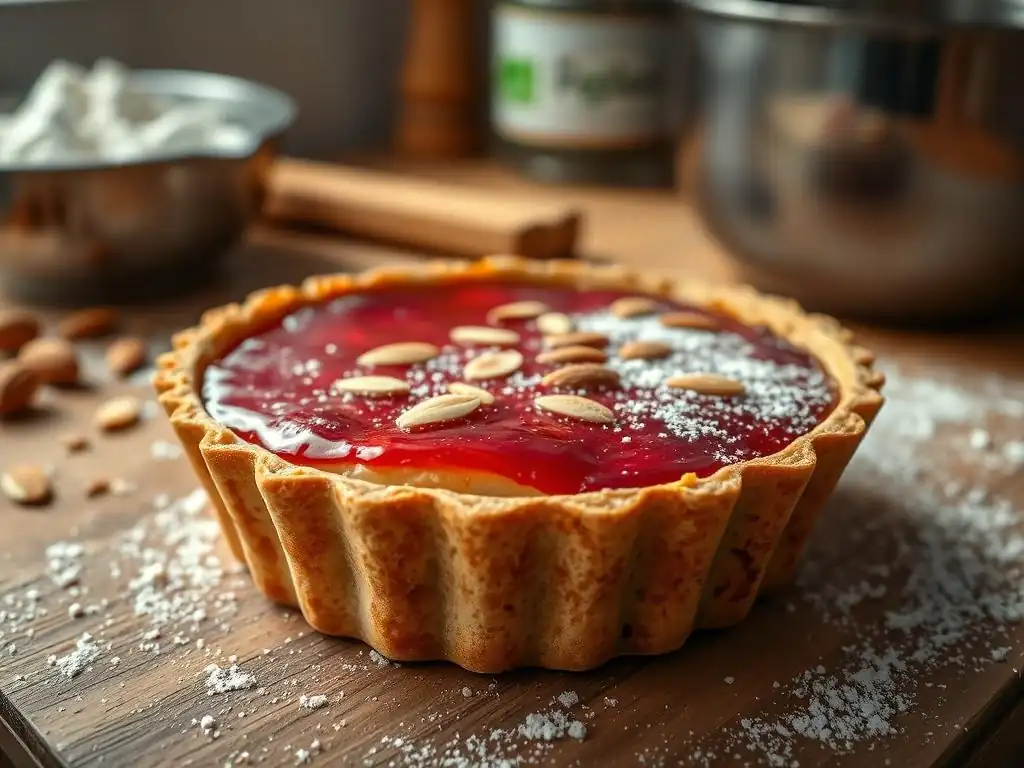
Assembling your Bakewell tart is where the magic starts to come together. Once your pastry case has been blind-baked and is cool enough to handle, the first layer to add is the jam. Spread a generous layer of your chosen jam – traditionally raspberry or strawberry – evenly over the base of the pastry case. Aim for about 150-200g of jam, ensuring the base is well covered but not so thick that it overflows during baking. The jam provides a crucial sweet and slightly tart contrast to the rich frangipane.
Carefully spoon or pour the prepared frangipane filling over the jam layer. Gently spread it out with the back of a spoon or a spatula, ensuring it covers the jam right up to the edges of the pastry case. Try not to disturb the jam layer underneath too much. If using flaked almonds, sprinkle them evenly over the top of the frangipane. This layering creates the distinct cross-section of a Bakewell tart: pastry, jam, frangipane, and almonds (or later, icing and a cherry). This straightforward assembly process makes this easy Bakewell tart recipe approachable for everyone.
Baking Your Bakewell Tart to Golden Perfection
Baking is the final step where your assembled tart transforms into the classic British treat. Preheat your oven to the correct temperature (see below for specifics). Place the assembled tart on a baking sheet – this makes it easier to handle and catches any potential drips. Carefully transfer the baking sheet with the tart into the preheated oven. The baking time will vary depending on your oven and the size of your tart tin, but typically ranges from 30 to 45 minutes.
You'll know your Bakewell tart is ready when the frangipane topping is golden brown, firm to the touch in the center, and slightly puffed up. You can also gently insert a skewer into the center of the frangipane (avoiding the jam layer); it should come out clean or with just a few moist crumbs attached, not wet batter. If the edges of the pastry start to brown too quickly, you can loosely cover the tart with foil.
Once baked, remove the tart from the oven and let it cool in the tin for at least 30 minutes before attempting to remove it or slice it. Cooling allows the frangipane to set properly.
Oven Temperature and Baking Time for Optimal Results
For this easy Bakewell tart recipe, the ideal oven temperature is typically around 180°C (160°C Fan/350°F/Gas Mark 4). Preheating your oven accurately is crucial for even baking. Make sure your oven has reached the target temperature before putting the tart in. Baking at too high a temperature can cause the edges and top to burn before the center is cooked through, while too low a temperature can result in a pale, undercooked frangipane.
The baking time for a standard 20-23cm tart is usually between 35 and 45 minutes. Begin checking around the 30-minute mark. Look for that beautiful golden-brown colour on the frangipane and the set center.
If the top looks done but the center feels a little soft, you can loosely tent it with foil and continue baking for another 5-10 minutes. Every oven is different, so trusting your visual cues and perhaps using a skewer test is more reliable than strictly adhering to a timer. Patience during the baking and cooling process is key to a perfectly set and sliceable Bakewell tart.
Variations on the Classic Bakewell Tart
Cherry Bakewell Tart: Adding a Fruity Twist
While the classic Bakewell tart features jam and flaked almonds, a popular variation is the Cherry Bakewell. This version is often associated with the small individual tarts topped with white icing and a single glacé cherry. To make a Cherry Bakewell tart from this easy recipe, you have a couple of options. You can use cherry jam instead of raspberry or strawberry jam for the base layer. Alternatively, you can stick with the traditional jam and add glacé cherries into the frangipane filling itself before baking.
If adding cherries to the frangipane, chop about 50-75g of glacé cherries and gently fold them into the frangipane mixture just before spreading it over the jam. The cherries will sink slightly during baking, creating pockets of chewy sweetness.
After baking and cooling, the final flourish for a true Cherry Bakewell is a layer of simple glacé icing (made from icing sugar and a little water or lemon juice) spread over the cooled tart, finished with a strategically placed glacé cherry in the center of each slice or the whole tart. This variation offers a different texture and a burst of vibrant cherry flavour.
Gluten-Free Bakewell Tart Recipe: An Inclusive Option
Adapting this easy Bakewell tart recipe for a gluten-free diet is quite straightforward, making it an inclusive treat. The main component to substitute is the plain flour in the pastry. A good quality gluten-free plain flour blend can be used as a direct substitute. Some blends work better than others for pastry, so look for one recommended for shortcrust. You might find you need slightly more or less water depending on the blend, so add the cold water a little at a time until the dough just comes together.
The frangipane filling is naturally gluten-free as it's made primarily from ground almonds. Ensure your ground almonds are pure and not mixed with any flour. With a gluten-free pastry base and the naturally gluten-free filling, you can create a delicious Bakewell tart recipe that everyone can enjoy. The baking time and temperature should remain similar, but always check for doneness as gluten-free pastry can sometimes bake slightly differently. This adaptation ensures that dietary restrictions don't mean missing out on this classic British dessert.
Mini Bakewell Tarts: Perfect for Individual Servings
Turning this easy Bakewell tart recipe into mini tarts is a fantastic idea for parties, picnics, or simply portion control. Instead of using a large tart tin, you'll need a muffin tin or individual tartlet tins. Roll out your pastry and cut out circles large enough to line the individual molds. The quantity of pastry from the main recipe should yield approximately 10-12 mini tarts, depending on the size of your molds.
Line the molds with the pastry circles, prick the bases, and blind bake them for a shorter time, typically 10-15 minutes, as they are smaller. Then, add a teaspoon or two of jam into each pastry case, followed by spoonfuls of the frangipane filling. Sprinkle with flaked almonds if desired. The baking time for mini Bakewell tarts will also be significantly shorter, usually around 20-25 minutes, until the frangipane is golden and set. Mini Bakewell tarts offer the same delicious flavour profile as the large version but in a convenient, individually portioned format.
Tips for Bakewell Tart Success: Troubleshooting and Best Practices
Common Bakewell Tart Mistakes and How to Avoid Them
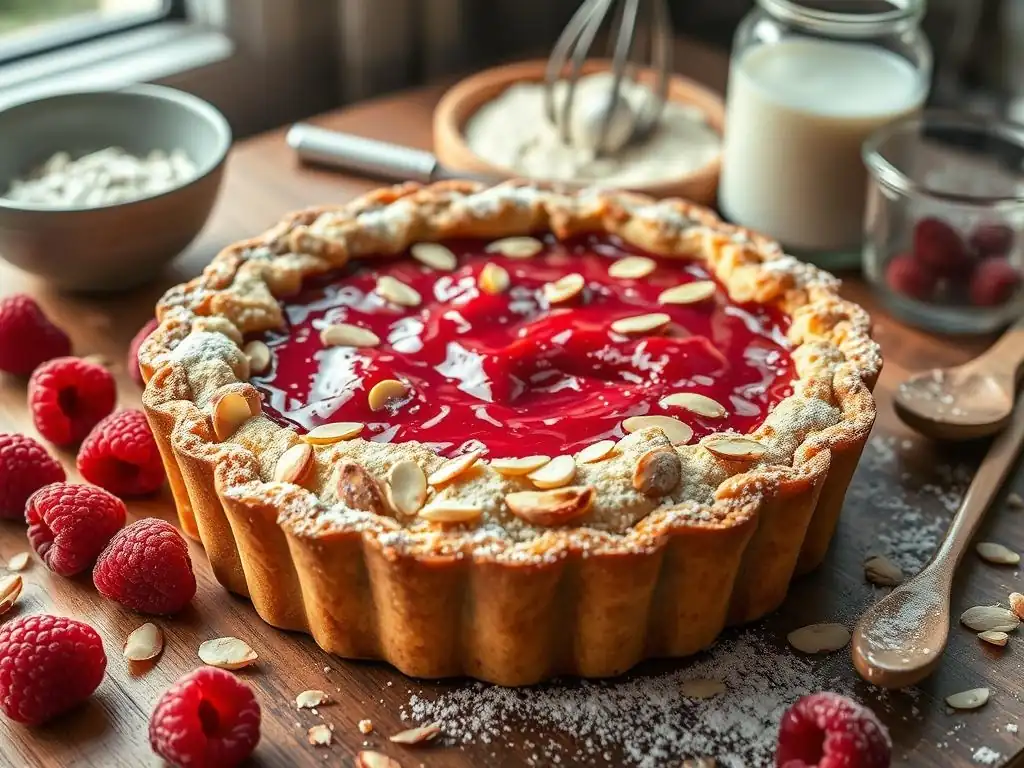
Even with an easy Bakewell tart recipe, sometimes things can go wrong. One common mistake is tough pastry. This is usually caused by overworking the dough or using ingredients that are too warm. To avoid this, handle the pastry as little as possible, keep ingredients cold, and chill the dough thoroughly. Another issue can be a soggy bottom. This often happens if the pastry isn't blind-baked properly or if too much wet jam is used. Ensure your blind baking results in a pale but set base before adding the fillings, and don't overload the tart with jam.
A third common problem is the frangipane sinking or being too dense. This can occur if the butter and sugar aren't creamed enough, or if the mixture is overmixed after adding the ground almonds. Creaming incorporates air, which helps the frangipane rise and stay light. Mixing gently after adding the almonds prevents the development of gluten (if any flour is present in the almonds) and keeps the texture tender. By being mindful of these steps, you can significantly improve your chances of Bakewell tart success.
Storing Your Bakewell Tart: Keeping it Fresh
Proper storage is key to keeping your homemade Bakewell tart tasting delicious for as long as possible. Once baked and completely cooled, the tart should be stored in an airtight container. This prevents the pastry from going soft and keeps the frangipane moist. It can be kept at room temperature for 2-3 days. If your kitchen is particularly warm, or if you want to extend its shelf life, you can store it in the refrigerator for up to 5 days.
If refrigerating, allow the tart to come back to room temperature before serving for the best flavour and texture. Bakewell tart also freezes well. Wrap individual slices or the whole cooled tart tightly in cling film, then in foil or place in a freezer-safe container. It can be frozen for up to 3 months. Thaw frozen Bakewell tart overnight in the refrigerator and bring to room temperature before serving.
Serving Suggestions: Enjoying Your Homemade Bakewell Tart
Pairing Your Bakewell Tart with Drinks and Desserts
A slice of warm or room-temperature Bakewell tart is delightful on its own, but pairing it with the right accompaniments can elevate the experience. For drinks, a classic choice is a cup of hot tea, particularly a strong English breakfast or Earl Grey, which complements the sweetness and richness of the tart. Coffee is also a popular pairing. For a more indulgent treat, consider a glass of dessert wine like a Late Harvest Riesling or a Tawny Port, whose fruity and nutty notes echo those in the tart.
As for dessert pairings or accompaniments, a dollop of clotted cream or a scoop of vanilla ice cream or custard (crème anglaise) are traditional and incredibly satisfying choices. The cool, creamy texture provides a lovely contrast to the slightly crumbly frangipane and crisp pastry. For a lighter option, a side of fresh berries, such as raspberries or strawberries, adds a burst of freshness and acidity that cuts through the richness.
Bakewell Tart: A Perfect Treat for Any Occasion
The Bakewell tart is incredibly versatile and suitable for a wide range of occasions. It's a staple at afternoon tea, sitting proudly alongside scones and finger sandwiches. Its comforting and classic nature makes it ideal for family gatherings, Sunday lunches, or holiday celebrations like Christmas or Easter. The individual mini Bakewell tarts are perfect for bake sales, picnics, or packed lunches.
Beyond special occasions, a slice of homemade Bakewell tart is simply a wonderful treat to enjoy with a cup of tea or coffee as an afternoon pick-me-up. It's also a lovely dessert to bring to a dinner party, showcasing your baking skills with a beloved classic. Whether it's a casual moment or a festive event, baking and sharing a Bakewell tart brings a touch of warmth and tradition to any occasion.
Mastering the Bakewell Tart: Beyond the Basic Recipe
Exploring Advanced Frangipane Techniques
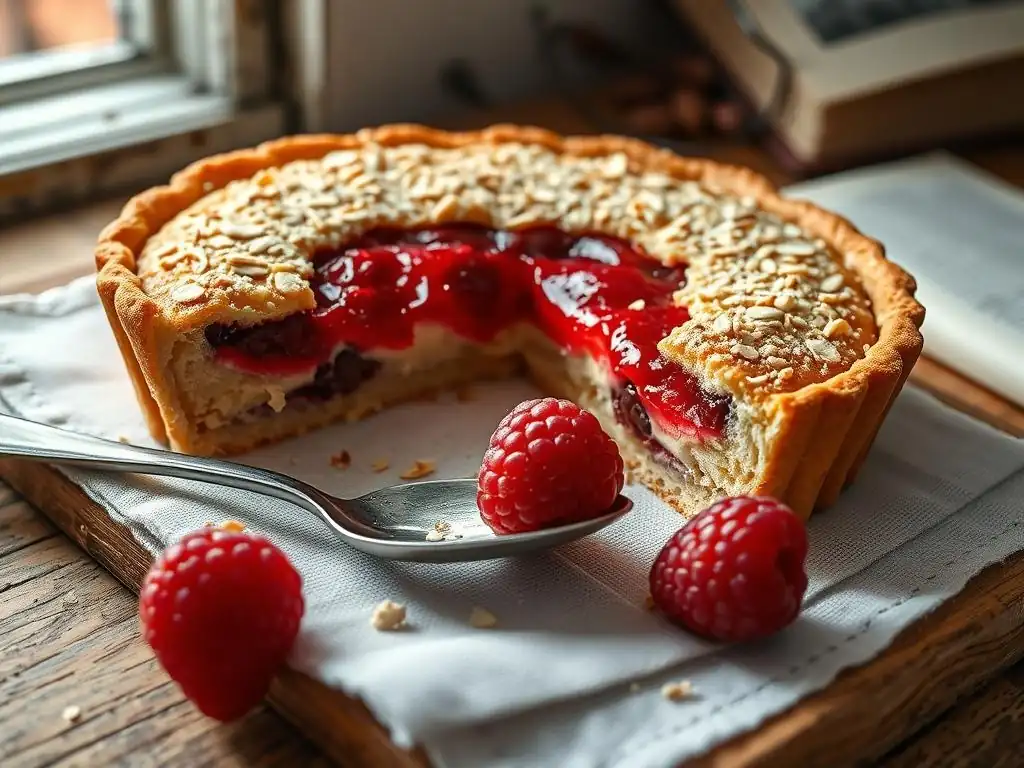
Once you've mastered this easy Bakewell tart recipe, you might want to explore more advanced frangipane techniques. While the basic recipe is simple, variations exist. Some recipes incorporate ground pistachios or hazelnuts alongside or instead of almonds for a different flavour profile. Toasting the ground nuts lightly before adding them to the mixture can deepen their flavour significantly.
Another technique involves incorporating a small amount of flour or cornstarch into the frangipane. While our easy recipe relies solely on ground almonds for structure, adding a tablespoon or two of flour can sometimes result in a slightly firmer, more cake-like texture. Experimenting with different extracts, such as orange or even a hint of rosewater, can also add subtle complexity to the frangipane's flavour. These small adjustments allow you to personalize your Bakewell tart and take your baking skills to the next level.
Chocolate and Orange Bakewell Tart: A Zesty Indulgence
For those looking to add a modern twist to the classic, a Chocolate and Orange Bakewell tart is a decadent option. To create this variation, start by substituting the traditional jam layer with a layer of good quality orange marmalade. The slight bitterness and zest of the marmalade pair wonderfully with both chocolate and almonds.
For the frangipane, you can incorporate chocolate in several ways. Melted dark chocolate (around 50-75g) can be folded into the prepared frangipane mixture along with the ground almonds. You can also add orange zest (from one orange) and a teaspoon of orange extract alongside the almond extract. The result is a rich, moist filling with hints of citrus and deep chocolate notes. Baking time will be similar, but the dark colour might make it harder to judge doneness visually, so rely on the skewer test. This variation transforms the comforting classic into a sophisticated, zesty indulgence.
Conclusion: Your Journey to Bakewell Tart Baking Mastery
You've now explored the delightful world of the Bakewell tart, from its humble origins and key ingredients to a simple, easy-to-follow recipe and exciting variations. Baking this iconic British treat doesn't have to be daunting; with clear steps and a little patience, anyone can create a beautiful and delicious Bakewell tart right in their own kitchen. We've covered everything from perfecting the pastry and mastering the frangipane to troubleshooting common issues and exploring creative twists like the Cherry Bakewell or a zesty Chocolate and Orange version.
Armed with this comprehensive guide from BakeWithEase.com, you are well on your way to Bakewell tart baking mastery. Whether you stick to the classic or venture into variations, the process is rewarding, and the result is a truly satisfying dessert that embodies the warmth and tradition of British baking. So gather your ingredients, preheat your oven, and get ready to bake a classic Bakewell tart that will impress friends, family, and most importantly, yourself. Enjoy the journey and the delicious destination!
Frequently Asked Questions
What makes this Bakewell Tart recipe "easy"?
This recipe focuses on simple steps and readily available ingredients. It avoids complex techniques, making it perfect for beginner bakers.
What are the key ingredients in a Bakewell Tart?
The essential elements include a shortcrust pastry base, a layer of raspberry jam, and a frangipane filling made with ground almonds.
Can I use pre-made pastry for this Bakewell Tart recipe?
Yes, using pre-made shortcrust pastry is a great shortcut to save time. Just ensure it is high quality for the best results.
What is frangipane, and can I substitute it?
Frangipane is a sweet almond-based filling. While there are variations, a true Bakewell Tart traditionally uses frangipane.
How do I know when my Bakewell Tart is perfectly baked?
The top should be golden brown and the frangipane filling should be set but still slightly soft to the touch. A toothpick inserted into the center should come out with a few moist crumbs.
Final Reflection: The Enduring Charm of the Bakewell Tart
The Bakewell tart, a seemingly simple confection, holds a surprisingly potent reflection of British culinary history and enduring cultural identity. Its deceptively easy recipe belies a depth of flavor and tradition that continues to captivate bakers and eaters alike, proving its timeless appeal in a constantly evolving food landscape. This enduring popularity speaks volumes about the power of simple, quality ingredients and a classic technique.
The Bakewell tart's influence extends far beyond the kitchen; it's a symbol of home-baking, of shared moments, and of a connection to the past. It evokes feelings of nostalgia and comfort, a sentiment perfectly captured by the words of food writer, Jane Grigson: Baking is at once child's play and adult joy. And love, of course.
This simple tart, with its almondy frangipane and glistening jam topping, embodies this sentiment perfectly, reminding us of the joy found in creating something delicious and sharing it with others.
Now, I invite you to consider your own connection to baking, to tradition, and to the simple pleasures in life. Perhaps this recipe will inspire you to try your hand at creating your own Bakewell tart, to share its deliciousness with loved ones, or simply to appreciate the enduring legacy of this iconic British treat. Remember the joy of the process, the satisfaction of creation, and the warmth of sharing – the true essence of the Bakewell tart experience.
Unleash Your Inner Baker: Master the Bakewell Tart!
Thanks for joining us on this delicious journey into the world of Bakewell tarts! We hope you’ve gained the confidence to tackle this classic treat. Now it's time to put your newfound skills to the test!
- Bake your own Bakewell Tart today! Use the recipe and tips from this article to create your masterpiece. Don't be afraid to experiment with different flavor combinations.
- Share your baking triumphs (or tales!) on social media! Use #BakewellTart and #BakeWithEase to connect with other baking enthusiasts.
- Challenge a friend to a Bakewell Tart bake-off! Friendly competition always makes the experience even sweeter.
Ready to experience the joy of a perfectly baked Bakewell tart? What unique twist will you add to your creation?