
Pizza Dough Perfection: Mastering the Fermentation for the Best Crust

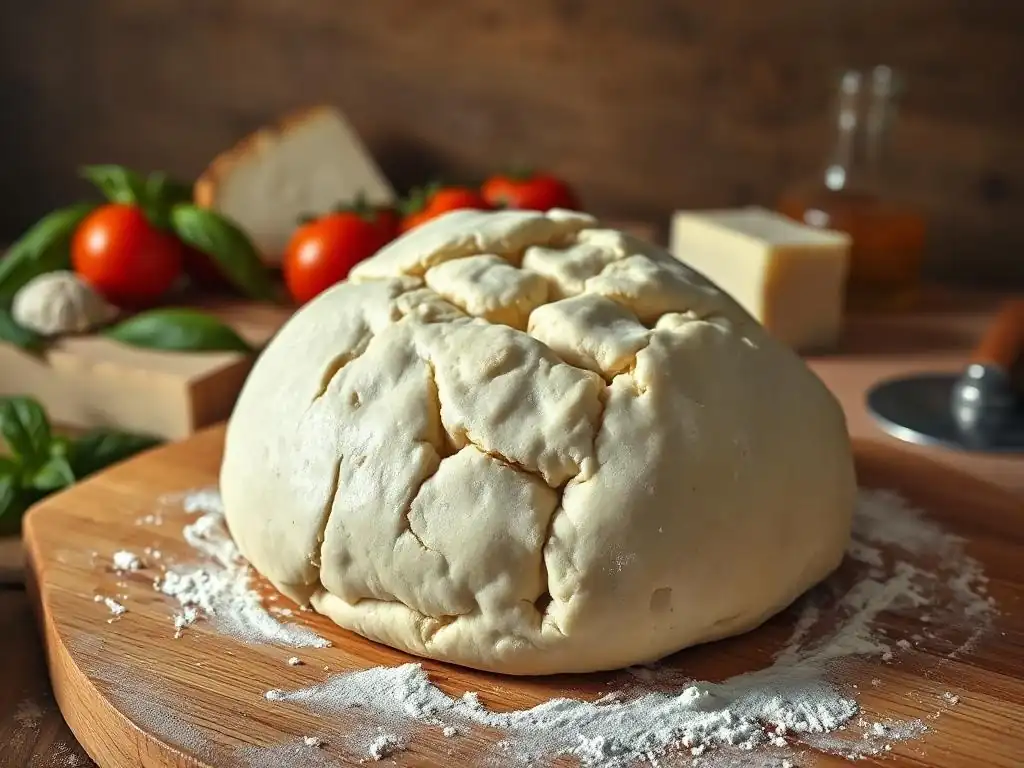
Welcome to BakeWithEase, your kitchen companion for all things baking!
Ever wondered what really makes the difference between a good pizza and a great one? We're diving deep into the science and technique behind crafting the ultimate crust, starting with our perfect sourdough pizza dough recipe. Discover the secrets to mastering fermentation, and unlock the flavors that will transform your homemade pizzas. Intrigued? Let's get baking!
- The Art of Homebrewing: Crafting Exceptional Beer Through Fermentation
- BrewMaster's Guide: Mastering Beer Fermentation
- Understanding the Importance of Fermentation in Beer Brewing
-
Perfect Pale Ale Recipe: A Step-by-Step Guide
- Ingredients for the Ultimate Pale Ale
- Step 1: Preparing the Wort for Fermentation
- Step 2: Pitching the Yeast - Achieving the Right Cell Count
- Step 3: Primary Fermentation: Developing Flavor and Alcohol
- Step 4: Secondary Fermentation (Optional): Clarification and Maturation
- Step 5: Cold Crashing: Enhancing Clarity
- Step 6: Bottling or Kegging Your Perfect Pale Ale
- Troubleshooting Common Beer Fermentation Problems
- Mastering Different Fermentation Techniques for Beer
- Achieving the Perfect Beer: Fermentation's Role
- Advanced Fermentation Techniques for Beer Brewing
- Maintaining Yeast Health for Consistent Brewing
- Perfect Beer Recipe Variations: Explore Different Grain Bills
- The Final Result: Enjoying Your Homemade Beer with Perfectly Fermented Wort
-
Frequently Asked Questions
- What is the key to achieving Pizza Dough Perfection using a sourdough starter, according to BakeWithEase?
- What kind of recipes and guidance does BakeWithEase offer for baking enthusiasts?
- Where can I find a Perfect Sourdough Pizza Dough Recipe on BakeWithEase?
- What are the benefits of using sourdough in pizza dough, as highlighted by BakeWithEase?
- Is the Perfect Sourdough Pizza Dough Recipe at BakeWithEase only for experienced bakers?
- Final Reflection: The Enduring Magic of a Perfect Crust
- Unlock Your Pizzaiolo Potential: Craft the Perfect Crust!
The Art of Homebrewing: Crafting Exceptional Beer Through Fermentation
BrewMaster's Guide: Mastering Beer Fermentation
Mastering fermentation is the cornerstone of exceptional pizza dough, transforming simple flour and water into a complex, airy, and flavorful crust. This guide delves into the nuances of yeast activity, temperature control, and timing to unlock the potential within your dough. Understanding how fermentation works is crucial for achieving that perfect balance of chewiness, crispness, and tangy depth, especially when crafting a perfect sourdough pizza dough recipe. It's the invisible process that dictates crumb structure, rise, and the development of organic acids and alcohols that define your crust's character.
Achieving mastery isn't just about following a recipe; it's about learning to read your dough. Observing its texture, elasticity, and rate of rise provides invaluable clues about the fermentation process underway. Factors like ambient temperature, hydration level, and the vitality of your sourdough starter or commercial yeast all play significant roles. By understanding these variables and their impact, you can confidently adjust your methods to ensure optimal fermentation, leading directly to a superior pizza crust every time you bake.
Understanding the Importance of Fermentation in Beer Brewing
While the headers mention beer brewing, the principles of fermentation are equally vital, if not more so, for creating a truly exceptional pizza dough. Fermentation is the metabolic process where yeast, whether from a cultivated starter or commercial packet, converts sugars in the flour into carbon dioxide and alcohol. This release of gas causes the dough to rise, creating the airy pockets that contribute to a light, open crumb structure in your finished crust. Without proper fermentation, you'd simply have a dense, unleavened disc.
Beyond leavening, fermentation is a flavor powerhouse. During this process, yeast and often lactic acid bacteria (especially in sourdough) produce a myriad of compounds, including organic acids like lactic and acetic acid, which impart the characteristic tang and complexity to sourdough pizza dough. Alcohols produced primarily by yeast contribute subtle aromatic notes. The duration and temperature of fermentation significantly influence the balance of these flavors, allowing you to control the final taste profile of your perfect sourdough pizza dough recipe.
Why Fermentation is Key to a Delicious Beer
Applying this concept to pizza dough, fermentation is undeniably the most critical step in achieving a delicious crust. It's the stage where the gluten structure develops and relaxes, making the dough pliable and easy to stretch without tearing. As the yeast works, it also breaks down complex carbohydrates into simpler sugars, which not only feed the yeast but also contribute to the Maillard reaction during baking, resulting in that desirable golden-brown color and savory crust flavor. A well-fermented dough is easier to handle, stretches beautifully, and bakes up into a crust with superior texture and taste.
Consider the difference between a quickly proofed dough and one that has undergone a long, cold fermentation. The rapid rise might give you volume, but it often lacks depth of flavor and the nuanced texture that comes from slow enzymatic activity and acid development over time. A dough fermented slowly in the refrigerator for 24-72 hours will boast a more complex flavor profile, a more tender crumb, and a crispier exterior when baked, showcasing the true magic that fermentation brings to a perfect sourdough pizza dough recipe.
The Science Behind Yeast Fermentation for Beer
Delving into the science behind yeast fermentation for pizza dough reveals a fascinating biochemical process. Baker's yeast (Saccharomyces cerevisiae) or the wild yeasts and bacteria in a sourdough starter consume simple sugars (glucose, fructose, sucrose, maltose) present in the flour, which are made available through the enzymatic breakdown of starches. This process, called anaerobic respiration, primarily yields ethanol (alcohol) and carbon dioxide (CO₂). The CO₂ gas gets trapped within the elastic gluten network of the dough, causing it to expand and rise.
In sourdough fermentation, lactic acid bacteria (LAB) like Lactobacillus contribute significantly alongside wild yeasts. These bacteria ferment sugars into lactic acid and acetic acid. Lactic acid provides a milder, yogurt-like tang, while acetic acid contributes a sharper, vinegary note. The ratio of these acids depends heavily on fermentation temperature; warmer temperatures favor lactic acid production, while cooler temperatures, like those found during cold fermentation, promote acetic acid production. This symbiotic relationship between yeast and bacteria is what gives sourdough pizza dough its unique flavor profile and contributes to its remarkable texture.
Perfect Pale Ale Recipe: A Step-by-Step Guide
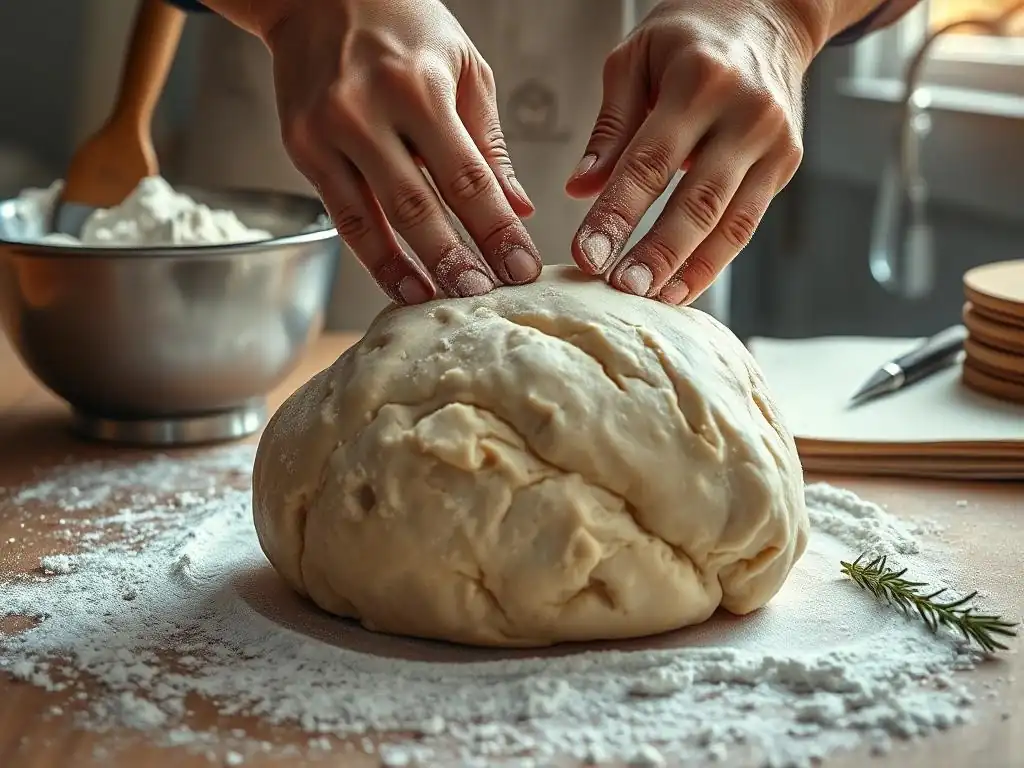
Let's adapt this structure to outline a Perfect sourdough pizza dough recipe. This guide will walk you through the process, focusing on the fermentation stages that are key to success. While the header refers to beer, the steps below detail crafting exquisite pizza dough.
This recipe targets a hydration level around 65-70%, a common range for a manageable yet airy sourdough pizza dough. Adjustments might be needed based on your flour type and starter activity. The total time will vary significantly depending on your chosen fermentation method (bulk followed by cold proof is highly recommended for flavor).
Ingredients for the Ultimate Pale Ale
For your ultimate sourdough pizza dough, you will need:
- Active Sourdough Starter: Approximately 100-150 grams. Ensure your starter is active and bubbly, ideally fed 4-12 hours prior. The vitality of your starter is paramount for successful fermentation.
- Strong Bread Flour or "00" Pizza Flour: 500 grams. High-protein flour (like bread flour, around 12-14% protein) develops strong gluten, essential for trapping the fermentation gases. "00" flour, while lower in protein (around 10-12%), is finely milled and designed for high-temperature baking, yielding a tender crust.
- Water: 325-350 grams (65-70% hydration). Use filtered water at room temperature or slightly warmer (around 75-80°F or 24-27°C) to encourage initial yeast activity. The exact amount depends on your flour's absorption.
- Fine Sea Salt: 10-15 grams (2-3% of flour weight). Salt strengthens the gluten network and controls yeast activity, preventing over-fermentation. It also significantly enhances flavor.
These simple ingredients, when combined and properly fermented, lay the foundation for a truly exceptional pizza crust. The quality of each ingredient, especially your starter and flour, directly impacts the final result of your perfect sourdough pizza dough recipe.
Step 1: Preparing the Wort for Fermentation
In pizza dough making, this step translates to mixing the ingredients and developing the gluten structure, essentially preparing the dough for its fermentation journey. Begin by combining the water and active sourdough starter in a large mixing bowl, whisking gently to disperse the starter. Add the flour and salt. Mix with a spoon or your hands until a shaggy dough forms and no dry flour remains. This initial mix is often called the autolyse phase if you skip the salt initially and add it later, allowing enzymes to start breaking down starches and proteins for easier gluten development.
Turn the dough out onto a lightly floured surface or keep it in the bowl. Knead the dough for 10-15 minutes by hand, or use a stand mixer with a dough hook on low speed for 5-8 minutes. The goal is to develop gluten, transforming the shaggy mass into a smooth, elastic dough that passes the windowpane test (a small piece can be stretched thinly without tearing). This strong gluten network is crucial for trapping the CO₂ produced during fermentation, ensuring a good rise and airy crust for your perfect sourdough pizza dough recipe.
Step 2: Pitching the Yeast - Achieving the Right Cell Count
In sourdough pizza dough, "pitching the yeast" means incorporating your active sourdough starter into the dough mixture. The "right cell count" is achieved by using a healthy, vigorous starter that has been fed and is at its peak activity, usually 4-12 hours after feeding, when it has doubled or tripled in size and is full of bubbles. The amount of starter used (e.g., 100-150g for 500g flour) influences the fermentation speed; more starter means faster fermentation.
Ensuring your starter is active is key. A "float test" (dropping a small piece of starter into water – it should float) can indicate readiness, though visual cues like abundant bubbles and a domed peak are often sufficient. Using a starter that is past its peak or not sufficiently active will result in slow or failed fermentation. This step is critical for initiating the leavening process and kickstarting the complex flavor development that characterizes a perfect sourdough pizza dough recipe.
Step 3: Primary Fermentation: Developing Flavor and Alcohol
This stage, often referred to as bulk fermentation in pizza dough making, is where the dough undergoes its initial, significant rise and develops much of its flavor. After kneading, place the dough in a lightly oiled container large enough to allow it to double or triple in size. Cover the container to prevent the dough from drying out. The dough should be left to ferment at room temperature (ideally 70-78°F or 21-26°C) for several hours.
During bulk fermentation, the yeast actively produces CO₂ and alcohol, causing the dough to expand. Simultaneously, enzymatic activity breaks down starches, and in sourdough, lactic acid bacteria produce organic acids. This period can range from 3 to 6 hours or even longer, depending on the room temperature and the strength of your starter. Performing "stretch and folds" every 30-60 minutes during the first 2-3 hours of bulk fermentation helps strengthen the gluten and redistribute yeast and nutrients, contributing to a better structure and more even fermentation for your perfect sourdough pizza dough recipe.
Understanding Primary Fermentation Time and Temperature
The time and temperature for primary fermentation (bulk fermentation) are directly linked and critically impact the final outcome of your pizza dough. At warmer room temperatures (75-78°F / 24-26°C), fermentation proceeds more quickly, potentially taking only 3-4 hours for the dough to significantly increase in volume (often by 50-75%). This faster fermentation tends to favor yeast activity and lactic acid production, resulting in a milder tang.
At cooler room temperatures (70-74°F / 21-23°C), fermentation slows down, taking perhaps 5-6 hours or longer. This slower process allows for more complex enzymatic activity and acid development, contributing to a more nuanced flavor profile. Monitoring the dough's volume increase and texture, rather than strictly adhering to a clock, is the best way to determine when bulk fermentation is complete – the dough should be visibly larger, airy, and slightly domed, but not yet collapsing. Over-fermentation at this stage can lead to a dense crust due to gluten degradation.
Monitoring Fermentation with an Airlock and Hydrometer
While airlocks and hydrometers are tools for monitoring beer fermentation, the equivalent for pizza dough involves visual cues and tactile tests. During bulk fermentation, you monitor the dough's volume increase. Ideally, you want to see it increase by about 50-75% before moving to the next stage, especially if you plan a cold proof. Using a clear container with volume markings can help track the rise accurately.
A simple "poke test" can also indicate readiness. Gently poke the dough with a wet finger. If the indentation springs back slowly and not completely, the dough is likely ready. If it springs back immediately, it needs more time. If it collapses completely, it might be slightly over-fermented. These visual and tactile checks are your "hydrometer" and "airlock" for ensuring the perfect sourdough pizza dough recipe is on track.
Step 4: Secondary Fermentation (Optional): Clarification and Maturation
In the context of pizza dough, "secondary fermentation" often refers to the stage after bulk fermentation where the dough is divided, shaped into individual balls, and allowed to proof further. This stage can happen at room temperature for a shorter period (1-2 hours) for same-day use, or more commonly, in the refrigerator for a long, cold proof (24-72 hours). This cold fermentation is where significant flavor maturation occurs.
Shaping the dough balls requires gentle handling to avoid degassing them completely. Tuck the edges underneath to create tension on the surface. Place the balls into individual containers or a proofing tray, lightly oiled and covered. This stage allows the gluten to relax further and continues the slow production of acids and other flavor compounds, leading to a more complex and digestible crust. This cold maturation is a secret weapon for an exceptional perfect sourdough pizza dough recipe.
Step 5: Cold Crashing: Enhancing Clarity
For pizza dough, "cold crashing" is synonymous with cold fermentation or cold proofing in the refrigerator. After shaping the dough balls, placing them in a cold environment (usually 35-40°F or 2-4°C) significantly slows down yeast activity but allows the lactic acid bacteria to continue working and enzymes to break down starches and proteins. This slow process, lasting anywhere from 24 to 72 hours, is crucial for developing the deep, complex flavors characteristic of excellent sourdough.
The cold temperature also helps the dough become firmer and easier to handle and stretch without tearing. While it doesn't enhance "clarity" in the beer sense, it clarifies the flavor profile, making it more pronounced and nuanced. A long cold proof is highly recommended for achieving the best possible flavor and texture for your perfect sourdough pizza dough recipe, transforming it from good to truly outstanding.
Step 6: Bottling or Kegging Your Perfect Pale Ale
Adapting this step, after cold proofing, your perfect sourdough pizza dough recipe balls are ready for their final preparation before baking. This involves taking the dough balls out of the refrigerator and allowing them to come to room temperature for 1-2 hours. This step is crucial as cold dough is difficult to stretch and can result in a dense crust.
Once the dough is relaxed and pliable, gently stretch it into your desired pizza shape, working from the center outwards and leaving a slightly thicker rim for the crust. Avoid using a rolling pin, which can deflate the air pockets created during fermentation. Transfer the stretched dough to a peel dusted with semolina or flour, top with your favorite ingredients, and it's ready for baking in a hot oven. This final preparation step ensures the dough is at its optimal state to achieve maximum oven spring and a beautiful crust.
Troubleshooting Common Beer Fermentation Problems
Let's translate common beer fermentation issues into problems you might encounter with your sourdough pizza dough and how to address them. Understanding these potential pitfalls is key to consistently producing a perfect sourdough pizza dough recipe.
Common issues include dough that doesn't rise, a crust with undesirable flavors or textures, or dough that is too difficult to handle. Each problem usually points back to an issue with the fermentation process, whether it's the starter's health, temperature, timing, or ingredient balance. Patience and observation are your best tools for troubleshooting.
Stuck Fermentation: Identifying the Causes
"Stuck fermentation" in pizza dough means your dough isn't rising as expected or has stopped rising prematurely. Several factors can cause this. The most common culprit is an inactive or weak sourdough starter. If your starter hasn't been fed regularly or isn't active and bubbly, it won't have the vitality to leaven the dough. Using too cold water or mixing the dough in a cold environment (below 70°F / 21°C) can also significantly slow down or halt yeast activity.
Other causes include using too much salt (which inhibits yeast), insufficient kneading (poor gluten development means CO₂ escapes), or using old or bleached flour which can sometimes interfere with yeast. If your dough seems stuck, try moving it to a warmer spot (like an oven with just the light on) and give it more time. If using commercial yeast, ensure it hasn't expired and was proofed correctly if required. For sourdough, ensure your starter is vibrant and active before mixing.
Off-Flavors: Identifying and Preventing Common Issues
Undesirable "off-flavors" in pizza crust can manifest as excessive sourness, bitterness, or a bland taste. Excessive sourness (too much acetic acid) often results from a very long, cold fermentation or feeding your starter with too little flour relative to water (higher hydration favors acetic acid). A bitter taste can sometimes arise from using whole wheat flour without proper hydration or fermentation to break down some compounds, or from over-fermenting to the point of gluten degradation.
A bland crust, conversely, usually indicates insufficient fermentation time or temperature. The yeast and bacteria haven't had enough time to produce flavorful compounds. To prevent off-flavors, maintain a healthy, balanced sourdough starter (regular feeding, proper hydration). Control fermentation temperature; warmer temperatures favor lactic acid (milder tang), colder temperatures favor acetic acid (sharper tang). Ensure adequate fermentation time for flavor development without going so long that the dough degrades. Proper salt balance (2-3% of flour weight) is also crucial for flavor.
Over-Carbonation: Handling and Solutions
"Over-carbonation" in pizza dough is akin to over-proofing, where the dough rises too much, the gluten structure weakens, and the dough becomes slack, sticky, and difficult to handle. It might have a very airy, fragile structure that collapses easily when touched. This happens when the fermentation proceeds too quickly or for too long relative to the dough's ability to hold the gas. Factors like a very warm environment, using too much starter/yeast, or simply leaving the dough out for too long are common causes.
If your dough is over-proofed, you might still be able to salvage it. Gently degas it by folding it over on itself a few times and reshape it. If it's severely over-proofed and very sticky, it can sometimes be used for focaccia or pan pizza where handling is less critical. To prevent over-proofing, control the fermentation temperature (use cold fermentation! ), use the correct amount of starter/yeast for the fermentation time planned, and monitor the dough's rise closely, especially in warm conditions. Learning to recognize the signs of peak fermentation is key to a perfect sourdough pizza dough recipe.
Mastering Different Fermentation Techniques for Beer
While the header references beer, we'll discuss different fermentation techniques applicable to achieving the perfect sourdough pizza dough recipe. The method you choose significantly impacts the final texture and flavor of your crust.
Exploring different techniques allows you to control fermentation speed, manage your baking schedule, and develop specific flavor profiles. The two primary approaches are room temperature bulk fermentation followed by shaping and a shorter proof, or room temperature bulk fermentation followed by shaping and a long cold proof in the refrigerator.
Open Fermentation vs. Closed Fermentation: Which is Best?
Translating "open vs. closed fermentation" to pizza dough, we can think about bulk fermentation (often in a covered container, thus 'closed' to the air, though not airtight) versus the final proofing stage (sometimes done in open trays, though usually covered to prevent drying). However, a more relevant distinction in pizza dough is between bulk fermentation and cold fermentation. Bulk fermentation is the initial rise of the entire dough mass, usually at room temperature, allowing overall gas production and initial gluten development.
Cold fermentation, or cold proofing, is done after the dough has been divided and shaped into individual balls, and takes place in a cold environment (refrigerator) for an extended period (24-72+ hours). This slow, cold process is considered "best" by many for sourdough pizza dough because it maximizes flavor development through increased acid production, improves dough handleability by firming it up, and allows for scheduling flexibility. While room temperature proofing is faster, it doesn't offer the same depth of flavor.
Temperature Control for Optimal Fermentation
Temperature control is paramount in pizza dough fermentation, perhaps even more critical than for beer, as small variations significantly alter fermentation speed and flavor profile. Yeast activity is fastest between 75-85°F (24-29°C). Sourdough bacteria activity varies; lactic acid is favored around 70-80°F (21-27°C), while acetic acid is favored at cooler temperatures (below 70°F / 21°C) and during long cold fermentation.
For bulk fermentation, aiming for a consistent room temperature (70-78°F / 21-26°C) is ideal for predictable rising. For the crucial cold fermentation stage, a refrigerator temperature of 35-40°F (2-4°C) is necessary to slow yeast activity dramatically while allowing beneficial enzymatic and bacterial processes to continue slowly, building complex flavors and improving dough structure over 24-72 hours. Consistent temperature control is key to consistently achieving a perfect sourdough pizza dough recipe.
Pressure Fermentation for Faster Results
While "pressure fermentation" isn't a standard term in home pizza making like it is in brewing, the concept of influencing fermentation speed applies. Warmer temperatures effectively create a faster fermentation environment, akin to wanting quicker results. Raising the dough temperature to 80-85°F (27-29°C) during bulk fermentation will significantly accelerate the process, potentially cutting the time needed by half compared to 70°F (21°C).
However, just like pressure fermentation in brewing can sometimes compromise flavor complexity for speed, rapidly fermenting pizza dough at high temperatures often results in less developed flavor and a blander crust compared to slower, cooler fermentation. While useful for a quick pizza night, it won't yield the depth and nuance of a perfect sourdough pizza dough recipe that has undergone a long, cold proof. The trade-off between speed and flavor is a key consideration when managing your dough.
Achieving the Perfect Beer: Fermentation's Role
Applying this to pizza dough, fermentation is the single most important factor in achieving a perfect crust. It dictates the dough's texture, from its internal crumb structure to the crispness of the exterior. It builds the complex flavors, ranging from subtle sweetness to tangy sourness, that elevate a simple crust into a gourmet experience.
Without proper fermentation, even the best ingredients and baking techniques will fall short. The dough will be dense, tough, and lacking in flavor. Understanding and controlling the fermentation process is what separates a mediocre pizza crust from a truly exceptional one, making the effort invested in mastering this stage incredibly rewarding for any home baker aiming for a perfect sourdough pizza dough recipe.
How Fermentation Impacts Beer Flavor and Aroma
In pizza dough, fermentation has a profound impact on both flavor and aroma. Yeast produces ethanol and various volatile compounds, contributing subtle bready or sometimes slightly alcoholic notes that dissipate mostly during baking. More significantly, in sourdough, the lactic acid bacteria produce lactic and acetic acids. Lactic acid provides a creamy, rounded tang, while acetic acid gives a sharper, more vinegary note, especially noticeable in longer, colder ferments.
Beyond acids, fermentation also contributes esters and other complex organic compounds that add depth and nuance to the crust's flavor profile. The breakdown of starches into simpler sugars by enzymes during fermentation also contributes to caramelization and Maillard reactions during baking, enhancing the savory, toasted flavors of the crust. A well-fermented dough will have a complex aroma, hinting at the deliciousness to come.
Tips for a Clean, Balanced, and Flavorful Beer
To achieve a clean, balanced, and flavorful perfect sourdough pizza dough recipe crust, focus on these key tips:
- Maintain a Healthy Starter: Feed your sourdough starter regularly and ensure it's active and vigorous before mixing dough. A weak starter leads to weak fermentation and poor flavor.
- Control Temperature: This is paramount. Use warmer temperatures (75-78°F) for faster bulk fermentation and essential cold temperatures (35-40°F) for slow, flavor-building proofing (24-72+ hours).
- Don't Rush It: While you can make dough quickly, the best flavor comes from time. Embrace the long, cold fermentation process for maximum complexity and improved texture.
- Proper Hydration and Salt: Ensure your dough has adequate hydration (typically 65-70% for sourdough pizza) and the correct salt percentage (2-3% of flour weight). These are crucial for gluten development, flavor, and fermentation control.
By paying close attention to these factors, you can consistently produce pizza dough that is not only perfectly risen but also boasts a wonderfully complex and balanced flavor profile.
Advanced Fermentation Techniques for Beer Brewing
Let's explore advanced concepts as they apply to enhancing your perfect sourdough pizza dough recipe beyond the basics. These techniques focus on manipulating ingredients and environment to achieve specific outcomes in crust flavor and texture.
While beer brewing has techniques like secondary fermentation for clarity or dry hopping for aroma, in pizza dough, "advanced" often means optimizing starter usage, flour blends, and extended cold fermentation periods to push flavor and texture boundaries.
Using Different Yeast Strains for Unique Profiles
In sourdough pizza dough, the equivalent of "different yeast strains" is using different sourdough starters or manipulating your starter's microbial balance. A starter's profile depends on the wild yeasts and bacteria it contains, influenced by the flour used to feed it, the hydration level, and the ambient environment. Feeding your starter with a mix of flours (e.g., rye, whole wheat) can cultivate different microbial populations, leading to varying levels of tang and flavor compounds.
Additionally, experimenting with commercial yeast alongside sourdough (a "hybrid" dough) allows you to control rise time more precisely while still benefiting from some sourdough flavor. Using a small amount of commercial instant yeast (0.1-0.5% of flour weight) in addition to your starter can accelerate bulk fermentation, which can be useful in cooler environments or when time is limited, though it slightly alters the pure sourdough character.
Dry Hopping for Enhanced Aroma
"Dry hopping" in beer adds aromatic compounds after fermentation. For pizza dough, there isn't a direct equivalent process post-fermentation. However, techniques that enhance the flavor and texture profile beyond basic fermentation could be considered analogous. This includes using high-quality olive oil in the dough for richness and a tender crumb, or incorporating a small percentage of other flours (like whole wheat or rye) for added complexity and nutty flavors.
Ensuring the salt is properly dissolved and evenly distributed is also crucial for a balanced flavor that complements the fermented tang. Sometimes, a small amount of sugar or malted barley flour is added to the dough to provide more food for the yeast and enhance crust browning, contributing another layer of flavor. While not adding aroma in the beer sense, these additions enhance the overall sensory experience of the perfect sourdough pizza dough recipe crust.
Maintaining Yeast Health for Consistent Brewing
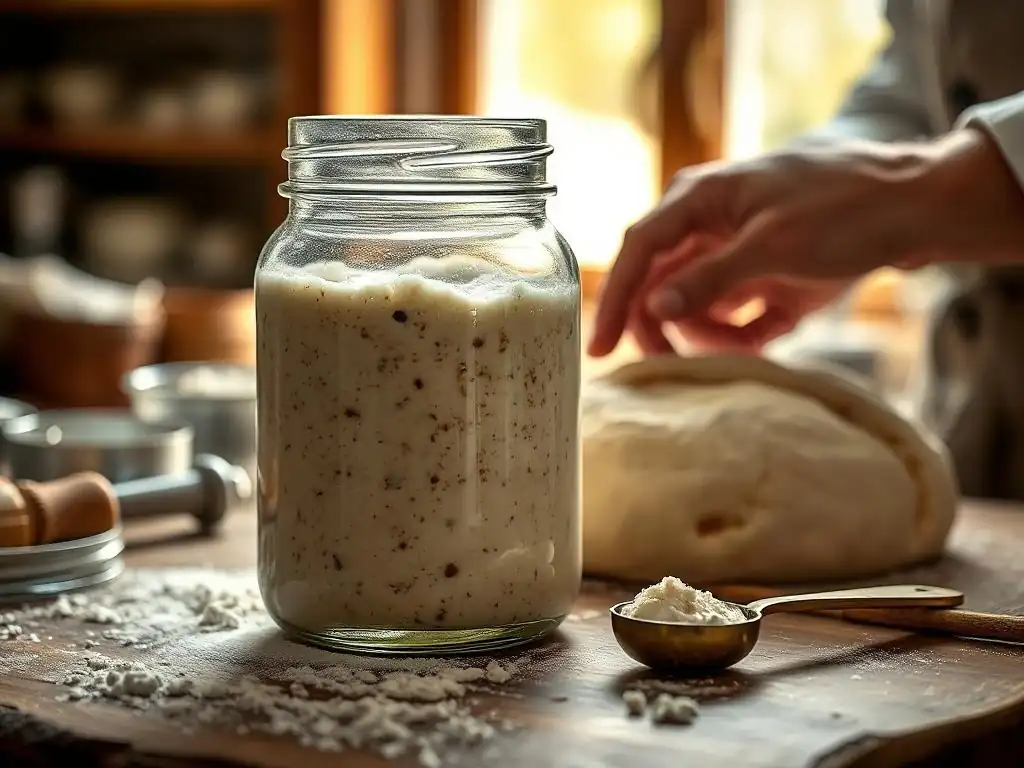
For sourdough pizza dough, "maintaining yeast health" means keeping your sourdough starter vibrant, active, and balanced. A healthy starter is the engine of your dough's fermentation and the source of its unique flavor. Consistent results in your pizza crust depend directly on the health and activity of your starter.
Just like a brewer cares for their yeast culture, a sourdough baker must feed, store, and observe their starter diligently. This ensures a reliable source of leavening power and consistent flavor development for every batch of perfect sourdough pizza dough recipe.
Yeast Starters for Optimal Activity
A sourdough starter is your "yeast starter" for optimal activity in pizza dough. It's a living culture of wild yeasts and lactic acid bacteria. To ensure optimal activity before mixing dough, feed your starter 4-12 hours beforehand with fresh flour and water, typically in a 1:1:1 ratio (starter:water:flour) by weight. Use filtered water to avoid chlorine, which can harm the microbes.
Observe your starter after feeding: it should become bubbly, double or triple in size, and develop a pleasant, tangy aroma. Using the starter when it's at its peak activity (often when it's highest in its jar and starting to show signs of wanting to fall) ensures it has the vigor needed to leaven your dough effectively and initiate robust fermentation for a perfect sourdough pizza dough recipe.
Yeast Washing and Harvesting
While sourdough bakers don't typically "wash and harvest" yeast like brewers, maintaining a healthy starter involves regular feeding (the sourdough equivalent of refreshing the culture) and discarding a portion before feeding. This discarding prevents the starter from growing too large and concentrates the microbial activity in the portion you keep.
Some advanced sourdough techniques involve maintaining different starters at different hydrations or feeding schedules to cultivate specific flavor profiles (e.g., a stiffer starter for more acetic acid). While not "washing" in the brewing sense, this selective maintenance and propagation of your starter culture is the sourdough baker's way of ensuring a consistent and healthy microbial population for reliable fermentation and a consistently excellent perfect sourdough pizza dough recipe.
Perfect Beer Recipe Variations: Explore Different Grain Bills
Let's apply this concept to exploring variations in your perfect sourdough pizza dough recipe by using different flour types, which act like different "grain bills" in brewing, significantly impacting the final crust.
The type of flour you use influences gluten development, water absorption, flavor, and crust texture. Experimenting with different flour blends opens up a world of possibilities for customizing your pizza crust.
Using Different Grain Types for Unique Flavors
Using different flour types (or "grain types" in brewing terms) is a fantastic way to add unique flavors and textures to your sourdough pizza dough. While high-protein bread flour or finely milled "00" flour are standards, incorporating other flours can yield exciting results. Adding 10-20% whole wheat flour introduces nutty, earthy notes and increases fiber. Rye flour, even in small amounts (5-10%), imparts a distinct tang and contributes to a denser crumb structure.
Specialty flours like spelt or einkorn offer unique, often sweeter or nuttier flavors and different gluten characteristics. Experimenting with these "grain types" allows you to move beyond a standard crust and tailor your perfect sourdough pizza dough recipe to complement specific toppings or personal preferences. Remember that different flours absorb water differently, so you may need to adjust the hydration slightly when substituting.
[Specific Grain Bill Recommendations for Pale Ale]
[Specific Flour Type Recommendations for Sourdough Pizza Dough]
For a classic Neapolitan-style sourdough pizza crust with a light, airy interior and slightly crispy exterior, use 100% Italian "00" pizza flour. This flour is finely milled and lower in protein than bread flour, designed for high-temperature baking and resulting in a very tender crumb.
For a chewier crust with more structure, ideal for New York-style pizza, use 100% strong bread flour (around 12-14% protein). Its higher protein content develops more gluten, providing strength and chewiness.
For added flavor complexity and a slightly heartier texture, try a blend of 80% bread flour and 20% whole wheat flour. This offers a good balance of structure from the bread flour and nutty depth from the whole wheat, enhancing the inherent tang of the perfect sourdough pizza dough recipe.
The Final Result: Enjoying Your Homemade Beer with Perfectly Fermented Wort
The ultimate reward for mastering fermentation in pizza dough is enjoying a delicious homemade pizza with a crust that is perfectly risen, beautifully textured, and bursting with complex flavor from the perfectly fermented dough. All the care taken during mixing, kneading, bulk fermentation, and cold proofing culminates in this moment.
A crust with a well-developed gluten structure will stretch easily and bake up with a desirable combination of chewiness and crispness. The slow fermentation, particularly the cold proof, ensures a depth of flavor with pleasant tangy notes that complement your toppings. Serving a pizza made with a perfect sourdough pizza dough recipe that you've nurtured through fermentation is incredibly satisfying and a testament to the transformative power of this ancient process.
Frequently Asked Questions
What is the key to achieving Pizza Dough Perfection using a sourdough starter, according to BakeWithEase?
The key is mastering the fermentation process. A well-fermented dough develops complex flavors and a desirable texture.
What kind of recipes and guidance does BakeWithEase offer for baking enthusiasts?
BakeWithEase offers simple recipes, techniques, and tips for bakers of all levels, from beginners to experts. They provide step-by-step guides for various baked goods.
Where can I find a Perfect Sourdough Pizza Dough Recipe on BakeWithEase?
BakeWithEase provides a resource for mastering the art of baking, including a Perfect Sourdough Pizza Dough Recipe. This recipe focuses on achieving optimal fermentation for the best crust.
What are the benefits of using sourdough in pizza dough, as highlighted by BakeWithEase?
Sourdough contributes to a complex flavor profile and a chewier, more digestible crust. It also provides a unique tangy taste.
Is the Perfect Sourdough Pizza Dough Recipe at BakeWithEase only for experienced bakers?
No, BakeWithEase caters to all skill levels. The recipe includes easy-to-follow instructions and tips, making it accessible for beginners and those seeking to perfect their technique.
Final Reflection: The Enduring Magic of a Perfect Crust
The pursuit of the perfect sourdough pizza dough transcends mere culinary skill; it's a journey into the heart of fermentation, a testament to patience, and a celebration of flavor. The techniques explored in this article – from understanding hydration levels to mastering the nuances of fermentation – are not just recipes, but pathways to unlocking the true potential of this beloved food. In a world of fast food and instant gratification, the slow, deliberate process of crafting sourdough pizza dough offers a powerful counterpoint, a reminder of the rewards of mindful creation.
The impact of sourdough, and indeed the act of baking itself, on our cultural landscape is undeniable. It's a practice that connects us to generations past, a tradition passed down through families and communities. The simple act of kneading dough, of waiting patiently for the rise, becomes a meditative practice, a moment of calm in a hectic world. As the renowned baker, Jim Lahey, once said: Bread baking is a metaphor for life. You put in the effort, you wait patiently, and then you are rewarded with something beautiful and delicious.
This sentiment perfectly encapsulates the essence of this article and the enduring appeal of sourdough pizza.
Now, consider your own kitchen. Imagine the aroma of freshly baked sourdough pizza filling your home, the satisfying crackle of the crust, the explosion of flavor in every bite. This isn't just a recipe; it's an invitation. I encourage you to embark on this journey, to experiment with different techniques, and to discover the unique magic that lies within your own perfect sourdough pizza dough. The reward? Not just a delicious meal, but a deeper connection to the art of baking and the timeless satisfaction of creating something truly special with your own hands.
Unlock Your Pizzaiolo Potential: Craft the Perfect Crust!
Thanks for taking the time to explore the world of pizza dough fermentation! You've now got the knowledge to elevate your pizza game to the next level. Ready to put your newfound skills to the test?
- Bake your masterpiece today! Try out the recipe from the article and experience the difference superior fermentation makes. Note down what worked well and what you might adjust next time.
- Share your pizza journey! Snap a picture of your perfectly fermented crust and post it on social media using #BakeWithEasePizza. Let's inspire each other!
- Challenge a friend: Share this article with a fellow pizza lover and see who can create the most amazing crust!
What unique ingredient will you experiment with in your next pizza dough creation?