
The Beginner's Handbook to Quick Bread Success

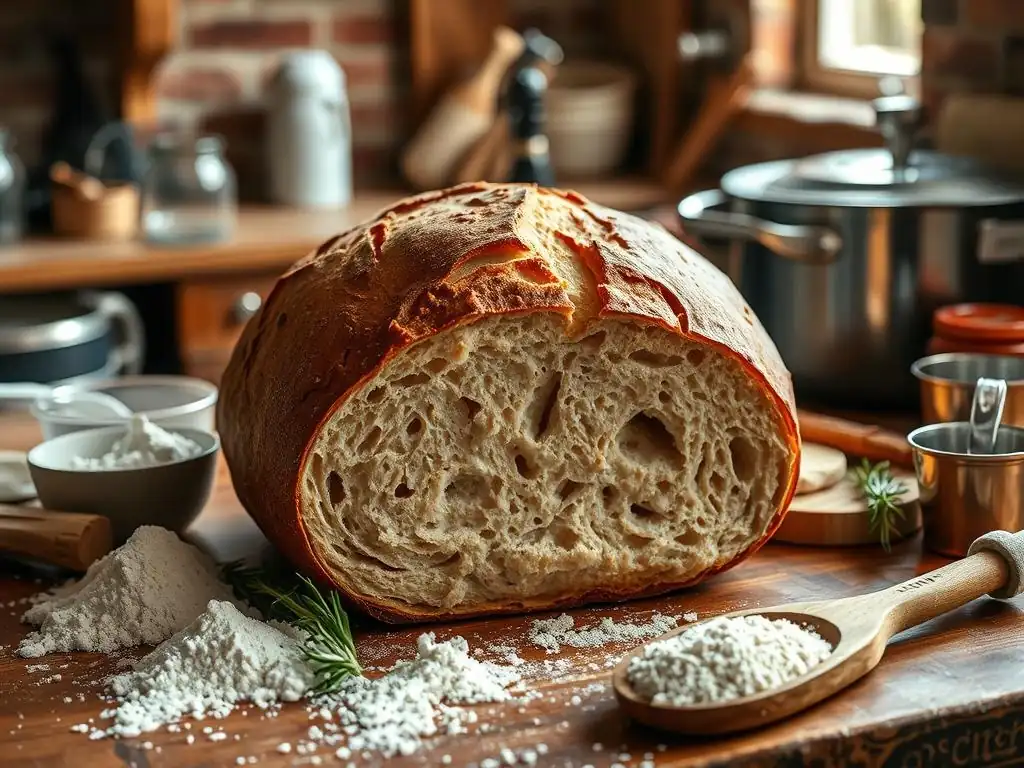
Welcome to BakeWithEase, your haven for all things baking! Ever dreamt of pulling a perfectly crusty loaf of sourdough from your oven, but felt intimidated by the process? Think again! Our Easy Sourdough Bread Recipe unlocks the secrets to effortless baking, guiding you from starter to stunning masterpiece. Dive in and discover just how simple—and satisfying—baking can be. What are you waiting for?
- Welcome to Quick Bread Baking: Your Journey Begins Here
- Mastering the Basics: Essential Ingredients for Easy Quick Breads
- Simple Quick Bread Recipes for Beginners: Step-by-Step Guides
- Troubleshooting Your Quick Bread: Common Mistakes and How to Avoid Them
- Tips and Tricks for Baking the Perfect Quick Bread
- Quick Bread Variations and Flavor Combinations for the Adventurous Beginner
- Elevate Your Baking: Beyond the Basics of Quick Bread
- Conclusion: Enjoying Your Homemade Quick Bread
-
Frequently Asked Questions
- How is quick bread different from traditional sourdough bread?
- Can I adapt a quick bread recipe to make it sourdough?
- What are some common mistakes beginners make when baking quick bread?
- What ingredients are essential for a basic quick bread recipe?
- Where can I find a reliable easy sourdough bread recipe for beginners, given that this article focuses on quick breads?
- Final Reflection: The Joy of Unexpected Sourdough
- Unlock Your Inner Baker: Master Quick Breads Today!
Welcome to Quick Bread Baking: Your Journey Begins Here
What are Quick Breads and Why Bake Them?
Quick breads are a fantastic starting point for anyone new to baking. Unlike traditional yeast breads, which require kneading and hours of rising time, quick breads rely on chemical leavening agents like baking powder and baking soda to achieve their lift. This means you can mix, bake, and enjoy a delicious loaf in a fraction of the time – often under an hour of active prep and baking. Think muffins, scones, biscuits, and classic loaves like banana bread or zucchini bread. They offer instant gratification and are incredibly versatile, perfect for breakfast, snacks, or dessert.
The simplicity and speed of quick bread baking make it ideal for busy schedules and novice bakers. You don't need special equipment beyond basic kitchen tools, and the forgiving nature of many recipes allows for minor adjustments without complete failure. Mastering the fundamentals of quick breads builds confidence and provides a solid foundation for tackling more complex baking projects, perhaps even leading you towards trying an easy sourdough bread recipe down the line. Their moist texture and rich flavors also make them universally appealing, ensuring your baking efforts are always met with enthusiasm.
BakeWithEase.com's Guide to Simple Baking
At BakeWithEase.com, our mission is to demystify baking and make it accessible and enjoyable for everyone. We believe that anyone can bake, and quick breads are the perfect place to start proving that to yourself. Our guides are designed with the beginner in mind, breaking down processes into simple, manageable steps and explaining why certain techniques are important. We focus on common, easy-to-find ingredients and reliable methods that consistently deliver delicious results.
This handbook is crafted to walk you through the essential principles of quick bread baking, from understanding the basic ingredients to troubleshooting common issues. We'll share recipes, tips, and tricks that our community has found most helpful. Our goal is to equip you with the knowledge and confidence to bake your first successful quick bread and inspire you to keep exploring the wonderful world of baking, maybe even venturing into an easy sourdough bread recipe when you feel ready.
Mastering the Basics: Essential Ingredients for Easy Quick Breads
Flour Power: Choosing the Right Flour for Your Quick Bread
For most quick bread recipes, all-purpose flour is your best friend. It strikes a good balance between protein content and structure, providing sufficient support for the loaf without making it tough. A standard cup of all-purpose flour weighs approximately 120-125 grams. While you can experiment with other flours like whole wheat or gluten-free blends, starting with all-purpose flour ensures predictable results as you learn the ropes.
When measuring flour, accuracy is key. Avoid scooping directly from the bag, as this compacts the flour and results in using too much. Instead, gently spoon the flour into your measuring cup and level off the excess with a straight edge. Using too much flour is a common reason quick breads turn out dry and dense. Remember, consistent measurement, especially for dry ingredients like flour, is fundamental to successful baking.
Leavening Agents: Baking Powder vs. Baking Soda
Quick breads rely on chemical leaveners to rise. The two most common are baking powder and baking soda, and they work differently. Baking soda requires an acidic ingredient (like buttermilk, yogurt, brown sugar, or molasses) to react and produce carbon dioxide gas, which creates bubbles and lift. A typical recipe might use 1 teaspoon of baking soda for every 1 cup of flour when paired with sufficient acid.
Baking powder, on the other hand, is a complete leavening system containing both an acid and a base. Most commercial baking powders are "double-acting," meaning they produce gas in two stages: first when mixed with liquid, and again when heated in the oven. This provides a more sustained lift. Recipes using baking powder often call for about 1 to 1.5 teaspoons per cup of flour. Understanding which leavener a recipe uses and ensuring yours are fresh is crucial; expired leaveners won't provide the necessary lift, resulting in a flat, heavy quick bread.
The Role of Fats: Adding Moisture and Flavor
Fats, whether butter, oil, or shortening, play a vital role in quick breads. They tenderize the crumb by coating flour particles and preventing excessive gluten development. Fats also contribute significantly to moisture and flavor. Recipes often specify melted butter or liquid oils (like vegetable, canola, or olive oil). Melted butter adds a rich, buttery flavor, while oils tend to make the bread very moist.
The amount and type of fat used directly impact the final texture. A recipe using 1/2 cup of melted butter will yield a different crumb structure and flavor profile than one using 1/2 cup of vegetable oil. Some recipes even call for solid fats like softened butter or cream cheese, which are creamed with sugar to incorporate air, adding to the leavening and creating a finer crumb. Pay close attention to whether the recipe calls for melted, softened, or liquid fat.
Sweeteners: Selecting the Perfect Sweetness Level
Sweeteners in quick breads do more than just add sweetness; they also contribute to moisture, tenderness, and browning. Granulated sugar is the most common, providing clean sweetness and helping with crust formation. Brown sugar adds moisture and a slight caramel or molasses flavor, often used in recipes like banana bread. Other sweeteners include honey, maple syrup, and molasses, each imparting its unique flavor profile.
The amount of sugar can vary widely depending on the recipe, from as little as 1/4 cup to over 1 cup for a standard loaf. While it might be tempting to reduce sugar significantly for health reasons, be aware that this can affect the texture and moisture of the final product. Sugar interacts with other ingredients to create the desired structure and tenderness. For best results, especially as a beginner, stick closely to the amount specified in the recipe.
Simple Quick Bread Recipes for Beginners: Step-by-Step Guides

The Classic Quick Bread: Easy Banana Bread Recipe
Banana bread is arguably the most iconic quick bread, beloved for its moist texture and comforting flavor. It's also incredibly forgiving, making it the perfect starting point for new bakers. This easy banana bread recipe uses simple ingredients and techniques, guaranteeing a delicious outcome even on your first try. The key is using very ripe bananas; the spottier and darker they are, the sweeter and more flavorful your bread will be, and they'll mash easily.
This recipe typically yields one standard 9x5 inch loaf, perfect for sharing (or not!). Baking time is usually around 50-65 minutes, depending on your oven. The aroma filling your kitchen as it bakes is an added bonus! Once you've mastered this, you'll feel ready to tackle other quick bread variations or even consider the foundations needed for an easy sourdough bread recipe.
Ingredients for the Best Banana Bread
Here's a common ingredient list for a standard loaf:
2to3very ripe bananas, mashed1/3 cupmelted butter (or vegetable oil)1/2 teaspoonbaking soda1 pinchsalt1/2 cupgranulated sugar (or1/4 cupgranulated +1/4 cupbrown sugar)1large egg, beaten1 teaspoonvanilla extract1 1/2 cupsall-purpose flour
Optional additions often include 1/2 cup chopped nuts (like walnuts or pecans) or 1/2 cup chocolate chips. Using quality ingredients, especially fresh leavening agents, makes a noticeable difference in the final loaf's rise and texture.
Step-by-Step Banana Bread Baking Instructions
Follow these simple steps for a successful bake:
- [ ] Preheat your oven to
350°F (175°C). Grease and flour a9x5 inchloaf pan. - [ ] In a medium bowl, mash the ripe bananas with a fork.
- [ ] Stir the melted butter (or oil) into the mashed bananas.
- [ ] Mix in the baking soda and salt.
- [ ] Stir in the sugar, beaten egg, and vanilla extract.
- [ ] Gradually add the flour, mixing just until combined. Do not overmix! Lumps are okay.
- [ ] If using, fold in any nuts or chocolate chips now.
- [ ] Pour the batter into the prepared loaf pan.
- [ ] Bake for
50-65 minutes, or until a toothpick inserted into the center comes out clean. - [ ] Let the bread cool in the pan for
10 minutesbefore turning it out onto a wire rack to cool completely.
Tip: For an extra moist loaf, try adding 1/4 cup of sour cream or Greek yogurt to the wet ingredients!
Beyond Banana: Exploring Other Easy Quick Bread Recipes
Once you've mastered banana bread, a world of other simple quick bread recipes awaits! These recipes follow similar principles but offer different flavor profiles, proving just how versatile quick bread baking can be. Expanding your repertoire is a great way to build confidence and discover new favorites.
Exploring different quick bread recipes also helps you understand how varying ingredients slightly impacts the outcome. From citrusy loaves to those packed with fruit, each recipe offers a chance to practice your measuring, mixing, and baking skills. This foundation is excellent preparation if you ever decide to try your hand at an easy sourdough bread recipe, which requires a deeper understanding of ingredient interaction and process.
Lemon Poppy Seed Bread: A Zesty Treat
Lemon poppy seed bread is a bright, flavorful quick bread, perfect for breakfast or tea time. It typically features fresh lemon zest and juice for a vibrant citrus punch, complemented by the subtle crunch of poppy seeds. A standard recipe might call for 2 cups of flour, 1.5 cups of sugar, 1/2 cup of oil, 2 eggs, 1 cup of buttermilk (providing the acid for baking soda), and a few tablespoons of lemon juice and zest, plus 2-3 tablespoons of poppy seeds.
This bread often benefits from a simple lemon glaze made from powdered sugar and lemon juice drizzled over the cooled loaf. The baking time is similar to banana bread, usually around 55-70 minutes for a standard loaf. The combination of moist crumb and tangy glaze makes it a refreshing alternative to richer quick breads.
Cranberry Orange Bread: A Festive Delight
Cranberry orange bread is a popular choice, especially during the fall and winter holidays, though delicious year-round. It combines the tartness of cranberries (fresh or dried) with the sweet aroma of orange zest and juice. A typical recipe might use 2 cups of flour, 1 cup of sugar, 1/4 cup melted butter or oil, 1 egg, 3/4 cup orange juice, and 1 teaspoon baking powder, along with 1 cup of fresh or frozen cranberries and 1 tablespoon of orange zest.
The baking process is straightforward, similar to other quick breads, usually requiring 50-60 minutes in a 350°F (175°C) oven. The burst of flavor from the cranberries and the fragrant orange zest make this a wonderfully aromatic and tasty quick bread. It's a simple yet impressive loaf to share.
Troubleshooting Your Quick Bread: Common Mistakes and How to Avoid Them
Quick bread baking is forgiving, but sometimes things don't go exactly as planned. Understanding common issues and their causes will help you improve your results with every bake. Don't be discouraged by a less-than-perfect loaf; view it as a learning opportunity!
Why is My Quick Bread Dry?
A dry quick bread is a common issue, often stemming from two main culprits: too much flour or overmixing the batter. As mentioned earlier, inaccurate flour measurement (scooping instead of spooning and leveling) can easily add 1/4 cup or more of extra flour to your recipe, significantly altering the wet-to-dry ingredient ratio. Using a scale to measure flour ( 120-125g per cup) is the most accurate method.
Overmixing develops the gluten in the flour too much, creating a tough, dry texture instead of a tender crumb. Quick bread batter should be mixed just until the dry ingredients are incorporated, leaving some small lumps is perfectly fine. Mixing for more than 30-60 seconds after adding the flour is usually too long.
My Quick Bread Didn't Rise! What Went Wrong?
A quick bread that doesn't rise properly is usually due to inactive leavening agents or an incorrect batter consistency. Baking powder and baking soda lose their potency over time, especially if stored improperly. Check the expiration date on your leaveners. You can test baking soda by mixing a small amount with vinegar; it should fizz vigorously. Test baking powder by mixing a small amount with hot water; it should also fizz.
Another reason could be substituting ingredients incorrectly, especially those that interact with baking soda (like acids). Ensure you're using the specified type and amount of liquid and leavener. Also, opening the oven door too early during baking can cause the bread to collapse before its structure is set. Resist the urge to check on it until at least 2/3 of the way through the estimated baking time.
Quick Bread Baking Times: Getting it Right
Getting the baking time just right is crucial for a perfectly cooked quick bread – not raw in the middle, but not overbaked and dry. Most standard loaf pans ( 9x5 inches) require 50-70 minutes at 350°F (175°C). However, oven temperatures can vary, and the density of your batter (especially if adding lots of fruit or nuts) affects baking time.
The best way to check for doneness is the toothpick test. Insert a wooden skewer or toothpick into the center of the loaf. It should come out with only a few moist crumbs attached, but no wet batter. If it comes out clean, it might be slightly overdone. If it comes out with wet batter, continue baking and check again in 5-10 minute intervals. If the top is browning too quickly, you can loosely tent the loaf with foil.
Tips and Tricks for Baking the Perfect Quick Bread
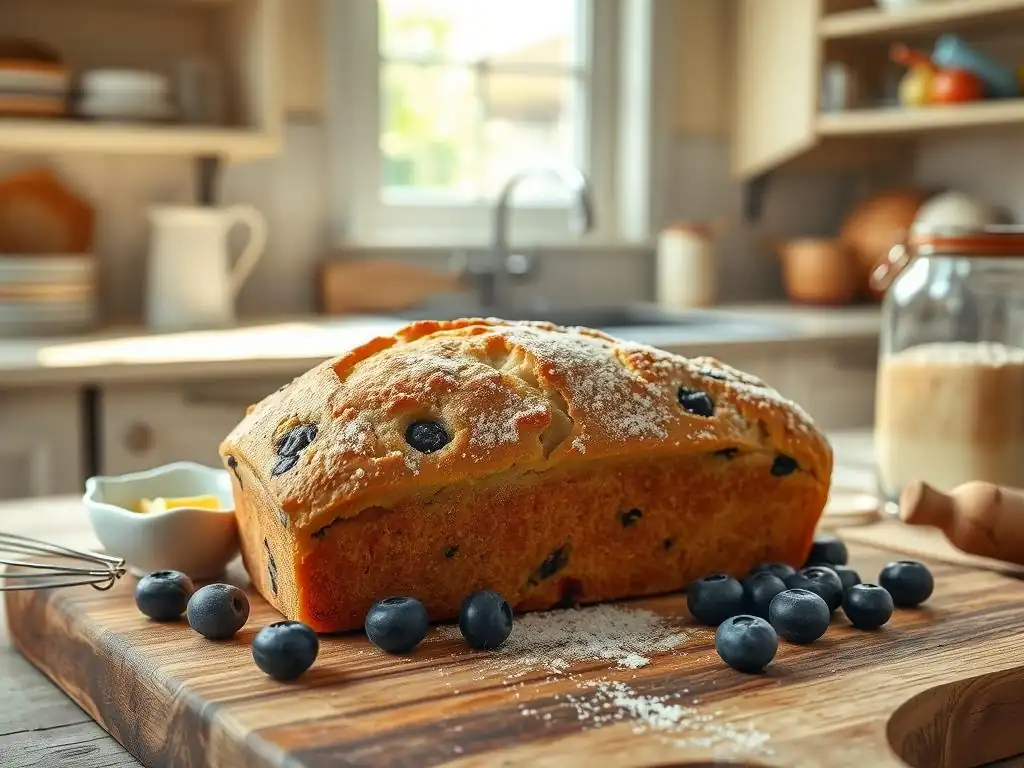
Beyond the basic steps, a few simple tips can elevate your quick bread baking from good to great. These small adjustments make a big difference in the final texture and flavor of your loaf.
Measuring Ingredients Accurately
Precision in baking, especially with quick breads, is paramount. Using measuring cups designed for dry ingredients (leveling off the top) and liquid ingredients (using cups with a spout and checking at eye level) is essential. As mentioned, weighing flour on a kitchen scale is the most accurate method, typically aiming for 120-125 grams per cup for all-purpose flour.
Even seemingly small inaccuracies, like using 1/2 cup too much flour or too little liquid, can significantly alter the batter consistency and the finished bread's texture. Take the time to measure carefully; it's one of the simplest ways to ensure consistent, successful results every time you bake a quick bread or even attempt an easy sourdough bread recipe later on.
The Importance of Room Temperature Ingredients
Many quick bread recipes call for ingredients like eggs and dairy (milk, yogurt, sour cream) to be at room temperature. Why? Room temperature ingredients emulsify more easily with the fat and sugar in the batter, creating a smoother, more uniform mixture. This smoother batter helps the quick bread rise more evenly in the oven.
Cold ingredients can cause fats to seize up and can lead to a denser crumb. To quickly bring eggs to room temperature, place them in a bowl of warm water for 5-10 minutes. For dairy, simply set it out on the counter for 30-60 minutes before you plan to start mixing. This simple step contributes to a better rise and a more tender texture.
Don't Overmix the Batter!
This point is worth repeating because it's one of the most common mistakes. Once you add the dry ingredients (flour, leaveners, salt) to the wet ingredients, mix only until the flour streaks disappear. A few small lumps are completely acceptable and won't affect the final texture negatively.
Overmixing develops the gluten in the flour, which is desirable in yeast breads that require kneading for structure (like a crusty loaf from an easy sourdough bread recipe), but detrimental in quick breads. Excessive gluten development results in a tough, dense, and often dry quick bread. Use a spatula or wooden spoon and mix gently by hand rather than using an electric mixer on high speed.
Cooling and Storing Your Quick Bread
Allowing your quick bread to cool properly after baking is just as important as the baking itself. Once out of the oven, let the loaf sit in its pan for 10-15 minutes. This allows the internal structure to set slightly before you attempt to remove it. Trying to remove it too soon can cause it to break apart.
After the initial cooling in the pan, transfer the loaf to a wire rack to cool completely. Cooling on a wire rack allows air circulation, preventing the bottom from becoming soggy from residual heat. Store completely cooled quick bread wrapped tightly in plastic wrap or in an airtight container at room temperature for 2-3 days, or in the refrigerator for up to 1 week. For longer storage, quick breads freeze beautifully for up to 3 months.
Quick Bread Variations and Flavor Combinations for the Adventurous Beginner
Once you're comfortable with basic quick bread recipes, you can start experimenting with additions and flavor combinations. This is where you can get creative and personalize your bakes!
Adding Chocolate Chips, Nuts, and Fruits
Adding mix-ins is a simple way to transform a basic quick bread recipe. Chocolate chips (milk, dark, or white), chopped nuts (walnuts, pecans, almonds), fresh or dried fruits (berries, apples, cranberries, raisins) are all popular choices. A general guideline is to add about 1/2 cup to 1 cup of total mix-ins per standard loaf recipe.
To prevent heavier items like chocolate chips or berries from sinking to the bottom of the loaf during baking, try tossing them with a tablespoon or two of the flour from the recipe before folding them into the batter. This light coating helps suspend them throughout the loaf. Be careful not to add too many moist fruits, as this can affect the batter consistency and baking time.
Experimenting with Spices and Extracts
Spices and extracts are fantastic for adding depth and warmth to quick breads. Cinnamon, nutmeg, cloves, ginger, and cardamom are wonderful in fruit-based quick breads like apple or pumpkin. Vanilla extract is a staple, enhancing almost any flavor. Almond extract pairs well with berries or citrus.
Start by adding 1/2 teaspoon to 1 teaspoon of ground spices or 1/2 teaspoon of extract to your basic recipe. You can adjust amounts in future bakes based on your preference. A pinch of ground nutmeg ( 1/4 teaspoon) adds warmth to banana bread, while 1 teaspoon of cinnamon is lovely in apple or zucchini bread.
Glazing and Frosting Your Quick Bread for Extra Appeal
While delicious on their own, quick breads can be enhanced with a simple glaze or light frosting once completely cooled. A basic glaze is made by whisking together powdered sugar and a liquid like milk, lemon juice, or orange juice until you reach a pourable consistency. A ratio of about 1 cup powdered sugar to 1-2 tablespoons liquid is a good starting point.
For something richer, a cream cheese frosting is a classic choice for quick breads like pumpkin or zucchini bread. Whisk softened cream cheese with softened butter, powdered sugar, and a splash of vanilla extract until smooth and fluffy. These additions add extra sweetness and moisture, turning a simple loaf into a special treat.
Elevate Your Baking: Beyond the Basics of Quick Bread
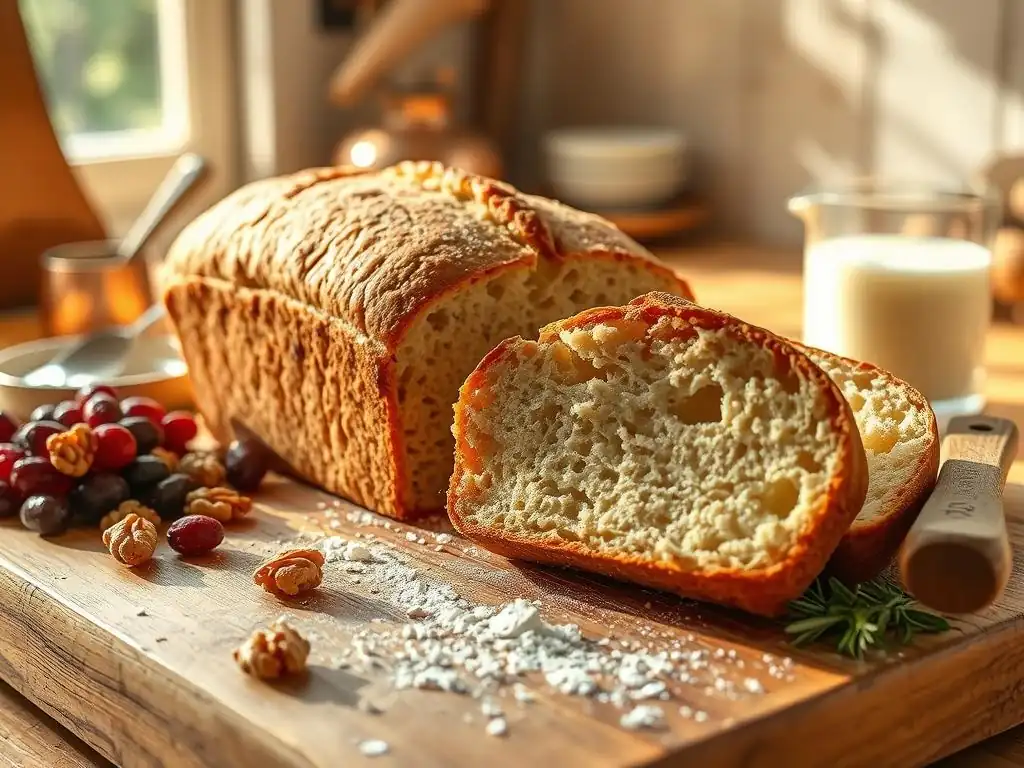
Mastering quick breads provides a solid foundation in baking fundamentals – accurate measuring, understanding leavening, and controlling mixing. This knowledge opens the door to exploring other exciting areas of baking.
Sourdough Quick Breads: A Tangy Twist
While traditional quick breads use chemical leaveners, some recipes incorporate sourdough discard for flavor. These aren't true yeasted sourdough breads (like the kind that takes days to rise), but rather quick breads that use the discard for its tangy flavor and moisture. A recipe might use 1/2 cup to 1 cup of unfed sourdough discard in conjunction with baking soda and/or baking powder.
Using sourdough discard in quick breads adds a subtle tang and can contribute to a tender crumb. It's a great way to use up discard and introduce yourself to the flavor profile of sourdough without committing to the process of maintaining a starter and baking a traditional loaf. This exploration can be a stepping stone towards tackling an easy sourdough bread recipe from scratch, using active starter and yeast for a bread with significant rise and that classic chewy texture.
Savory Quick Breads: Expanding Your Palate
Quick breads aren't just for sweet treats! Savory quick breads are equally delicious and perfect as an accompaniment to soups, stews, or salads. Think cheddar and chive bread, cornbread, or even a quick bread with herbs and sun-dried tomatoes.
Savory quick breads often reduce or omit sugar and incorporate ingredients like cheese ( 1/2 cup to 1 cup shredded), herbs ( 1-2 tablespoons fresh or 1-2 teaspoons dried), or vegetables (like corn kernels or chopped jalapeños). The basic principles of mixing and baking remain the same, offering a simple way to expand your quick bread repertoire beyond the sweet varieties.
Conclusion: Enjoying Your Homemade Quick Bread
You've done it! You've learned the basics, tackled a recipe, and baked your very own quick bread. The process, while simple, yields incredibly rewarding results – a delicious, homemade loaf ready to be sliced and enjoyed.
Celebrate Your Baking Success!
Take a moment to appreciate what you've created. The aroma, the texture, the taste – it's all thanks to your efforts. Share your quick bread with family and friends, or savor a slice yourself. Each quick bread you bake builds your skills and confidence. Keep practicing, keep experimenting, and don't be afraid to try new recipes. From simple banana bread to exploring variations or even preparing for the challenge of an easy sourdough bread recipe, your baking journey is just beginning. Enjoy the process and the delicious rewards!
Frequently Asked Questions
How is quick bread different from traditional sourdough bread?
Quick bread relies on chemical leavening agents like baking powder or baking soda for rising, while sourdough uses a natural starter containing wild yeast and bacteria for fermentation, which takes significantly longer. This makes quick bread much faster to prepare.
Can I adapt a quick bread recipe to make it sourdough?
While technically possible, it requires significant adjustments. You'd need to replace the chemical leavening with a sourdough starter and adjust the hydration and fermentation time, essentially creating a new recipe. It's not a simple substitution.
What are some common mistakes beginners make when baking quick bread?
Overmixing is a common pitfall. It develops gluten, leading to a tough, dense bread. Also, using expired leavening agents can result in a flat, unrisen loaf.
What ingredients are essential for a basic quick bread recipe?
Flour, a leavening agent (baking powder or baking soda), a liquid (milk, water, or juice), fat (butter, oil, or shortening), and a sweetener (sugar, honey, or maple syrup) are the core components. Eggs are often added for richness and structure.
Where can I find a reliable easy sourdough bread recipe for beginners, given that this article focuses on quick breads?
While this article focuses on quick breads, BakeWithEase.com offers easy sourdough bread recipes specifically designed for beginners. Look for recipes that emphasize simplicity and clear instructions.
Final Reflection: The Joy of Unexpected Sourdough
The accessibility of sourdough baking, once considered a niche hobby, is exploding, and mastering the basics is easier than you think. This handbook aimed to demystify the process, proving that even beginners can achieve delicious, satisfying sourdough bread without the need for complex techniques or lengthy fermentation times. The simplicity of quick sourdough bread opens up a world of culinary possibilities for everyone.
The journey of learning to bake sourdough, even in its simplified form, has been a profound one for me. It's not just about the tangible result – the warm, crusty loaf – but the process itself: the mindful nurturing of the starter, the satisfying knead, the anticipation of the oven's warmth. The best bread is made with love, and a little bit of patience.
This quote, though simple, perfectly encapsulates the essence of this baking experience, highlighting the connection between the baker and the bread. The impact of this accessible approach to sourdough extends beyond individual kitchens; it fosters a sense of community and shared accomplishment, connecting people through a common passion for food.
Now, it's your turn. Don't be intimidated by the seemingly complex world of sourdough. Take the leap, experiment with the recipes outlined in this handbook, and discover the joy of creating something delicious and nourishing with your own two hands. Embrace the unexpected – a slightly irregular shape, a deeper crust, a unique flavor profile – for these imperfections are what make your sourdough bread truly special and uniquely yours. The journey is as rewarding as the destination, so start baking and savor the experience!
Unlock Your Inner Baker: Master Quick Breads Today!
Thanks for joining us on this delicious journey into the world of quick breads! We hope you’ve gained the confidence to create amazing loaves effortlessly. Now it’s time to put your newfound skills to the test.
- Bake your first masterpiece! Choose your favorite recipe from the article and get baking. Don't be afraid to experiment with flavors and additions.
- Share your baking journey! Snap a picture of your creation and tag us on social media – we’d love to see your success!
- Explore our other resources: Dive deeper into the world of baking with our extensive collection of recipes and tips on BakeWithEase.com (this should be a link to bakewithease.com but is not for this exercise)
What unique twist will you add to your next quick bread adventure? Let us know in the comments below!