
Reviving Stale Spices? What You Need to Know for Baking

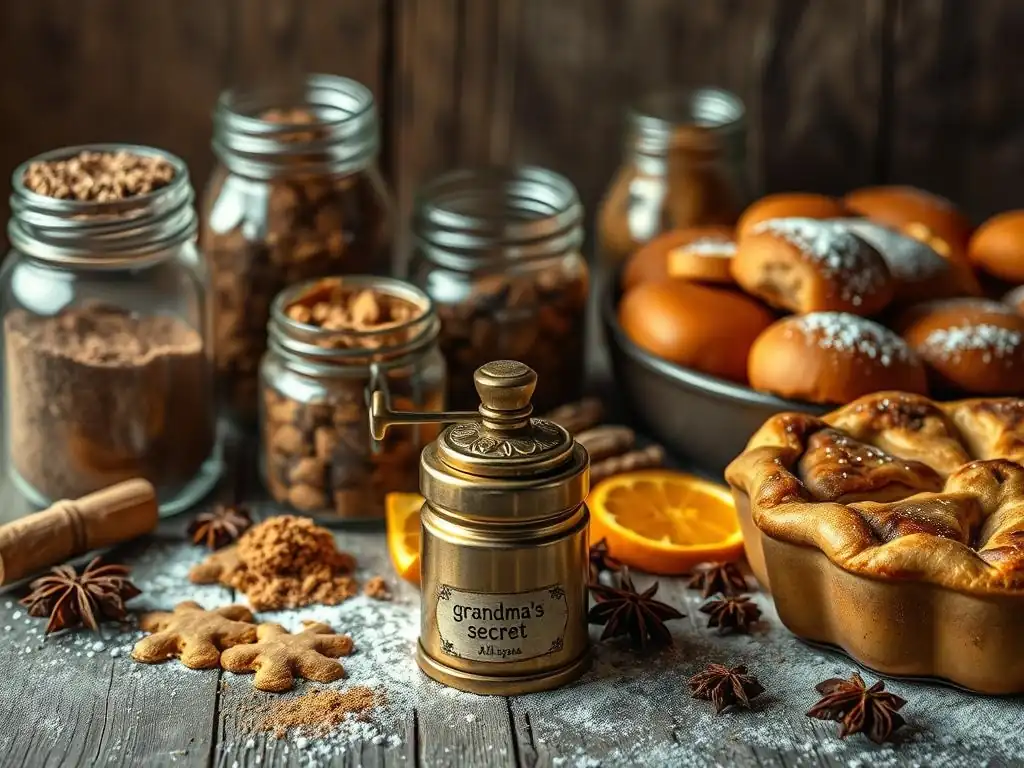
Welcome to BakeWithEase, your haven for effortless baking! Ever wondered if those spices lurking in your pantry are actually impacting your delicious creations? Dive in as we unravel the secrets behind stale spices in baking recipes. Discover how to tell if your spices are past their prime and learn simple tricks to breathe new life into your favorite baked goods. Are you ready to unlock the full flavor potential of your spice rack?
- Maximizing Spice Flavor in Baking: A Baker's Guide
- Understanding Spice Degradation: A Baker's Perspective
- The Impact of Stale Spices on Baking Recipes
- Techniques to Enhance Spice Flavor in Baking
- Best Practices for Storing Spices to Maintain Freshness
- Fresh vs. Ground Spices: Flavor Considerations for Baking
- Adjusting Spice Quantities in Recipes for Optimal Flavor
- Sourcing High-Quality Spices for Baking
- Conclusion: Achieving Optimal Flavor in Baking with Spices
- Frequently Asked Questions
- Final Reflection: The Unexpected Power of Fresh Spices in Baking
- Rediscover Your Spice Rack: Elevate Your Baking Today!
Maximizing Spice Flavor in Baking: A Baker's Guide
Understanding Spice Degradation: A Baker's Perspective
Spices are the soul of many baking recipes, providing warmth, depth, and aromatic complexity. However, like any natural ingredient, spices don't last forever. Understanding how and why they lose their potency is the first step to elevating your baked goods from good to unforgettable. Spice degradation is a natural process where the volatile compounds that give spices their characteristic aroma and flavor break down over time. This process is accelerated by several environmental factors, turning vibrant, flavorful spices into dull, ineffective ones.
For bakers, recognizing this degradation is key. A recipe calling for cinnamon or ginger relies on the specific chemical compounds within those spices to deliver the intended taste and smell. When these compounds diminish, the resulting bake can be surprisingly bland or lack the expected aromatic lift. While using stale spices in baking recipes might not be harmful, it certainly won't yield the delicious results you're hoping for. Knowing the enemies of spice freshness helps you store them correctly and identify when it's time to replenish your pantry.
Factors Affecting Spice Freshness: Light, Heat, and Humidity
Three primary environmental factors significantly accelerate the degradation of spices: light, heat, and humidity. Exposure to direct sunlight or even strong ambient light can break down the essential oils that carry flavor and aroma. For instance, paprika, known for its vibrant red color and sweet or smoky notes, is particularly susceptible to light, which can quickly dull its color and flavor profile. Storing spices in clear glass jars on an open shelf, while aesthetically pleasing, exposes them to light and shortens their lifespan considerably.
Heat is another major culprit. Storing spices near the stove, oven, or any heat-generating appliance subjects them to fluctuating temperatures that speed up chemical reactions, causing essential oils to evaporate or break down faster. While spices are dried ingredients, humidity can still negatively impact them.
Moisture can cause clumping, lead to mold growth, and dilute the concentration of volatile compounds. A study by Kansas State University's Department of Food, Nutrition, Dietetics and Health noted that moisture content above certain thresholds (often around 6-10% depending on the spice) can significantly impact microbial stability and flavor loss. Keeping spices in a consistently cool, dry environment is paramount for preserving their quality.
Identifying Stale Spices: Aroma, Color, and Flavor Indicators
Identifying stale spices is relatively straightforward once you know what to look for. The most reliable indicator is the aroma. Fresh spices have a strong, vibrant smell characteristic of that spice – think of the pungent warmth of fresh cloves or the sweet earthiness of fresh nutmeg.
To test, rub a small amount between your fingers and smell; if the aroma is weak, dusty, or non-existent, the spice is likely stale. A general guideline is that ground spices lose significant aroma after 1-3 years, while whole spices can retain potency for 3-4 years or even longer if stored perfectly, but this is just a rough estimate.
Color is another visual cue. Many ground spices lose their vibrant color as they age. Paprika fades from bright red to brick dust, ground cinnamon might look dull brown instead of rich reddish-brown, and dried herbs lose their greenness. While not as definitive as the aroma test, a noticeable lack of color vibrancy is a warning sign.
Finally, the ultimate test is flavor. A pinch tasted directly (if safe and practical) or used in a small test batch will reveal if the spice still has its characteristic punch. If it tastes flat, bitter, or simply like "dust," it's definitely past its prime for use in stale spices baking recipes where flavor is critical.
The Impact of Stale Spices on Baking Recipes
Baking is often a precise science, but it's also an art form where flavor is paramount. The spices you choose and their quality directly influence the final taste, aroma, and overall success of your baked goods. Using fresh, potent spices ensures that your recipes deliver the intended flavor experience, creating memorable treats.
Conversely, incorporating stale spices into baking recipes can lead to disappointing results. The subtle nuances and bold notes expected from spices simply won't be present. This can be particularly frustrating in recipes where a specific spice or blend is a star ingredient, such as a classic apple pie relying on vibrant cinnamon and nutmeg, or gingerbread needing potent ginger and cloves. Investing in fresh spices is an investment in the quality of your baking.
Why Fresh Spices Matter for Baking Success: Flavor and Aroma
Fresh spices are packed with volatile organic compounds, the essential oils that give them their distinctive flavors and aromas. When you bake with fresh spices, heat releases these compounds, infusing your doughs, batters, and fillings with rich, complex tastes and inviting scents. A freshly ground cinnamon stick, for instance, contains higher levels of cinnamaldehyde, the compound responsible for its characteristic flavor, compared to cinnamon that has been sitting on a shelf for years. This chemical potency translates directly into sensory impact in your finished product.
The aroma released during baking is a significant part of the enjoyment. Think of the smell of warm spices filling your kitchen when baking a spice cake or gingerbread. This aromatic experience is largely dependent on the quality and freshness of your spices. Fresh spices ensure that the flavor profile of your baked goods is not only present but also well-rounded and true to the recipe's intention. Using stale spices in baking recipes drastically diminishes both the taste and the crucial aromatic contribution.
How Stale Spices Affect Baked Goods: Reduced Potency and Altered Profiles
The most immediate effect of using stale spices is a significant reduction in flavor potency. You might follow a recipe exactly, using the specified amount of cinnamon, ginger, or cardamom, but the resulting cookies, cakes, or breads will taste bland. The expected warmth, sweetness, or pungency will be weak or absent. This can lead to confusion, making a baker wonder if they did something wrong with the rest of the ingredients or technique, when the culprit was simply lackluster spices.
Beyond just reduced strength, stale spices can sometimes develop off-flavors. The delicate essential oils degrade into other compounds that might taste bitter, dusty, or simply "old." This can subtly or overtly alter the intended flavor profile of your baked goods. For example, stale ground cloves can lend an unpleasant bitterness rather than their signature warm, pungent sweetness. This means that stale spices baking recipes don't just lack flavor; they can sometimes have a less desirable flavor profile altogether, undermining the effort put into the rest of the baking process.
Techniques to Enhance Spice Flavor in Baking
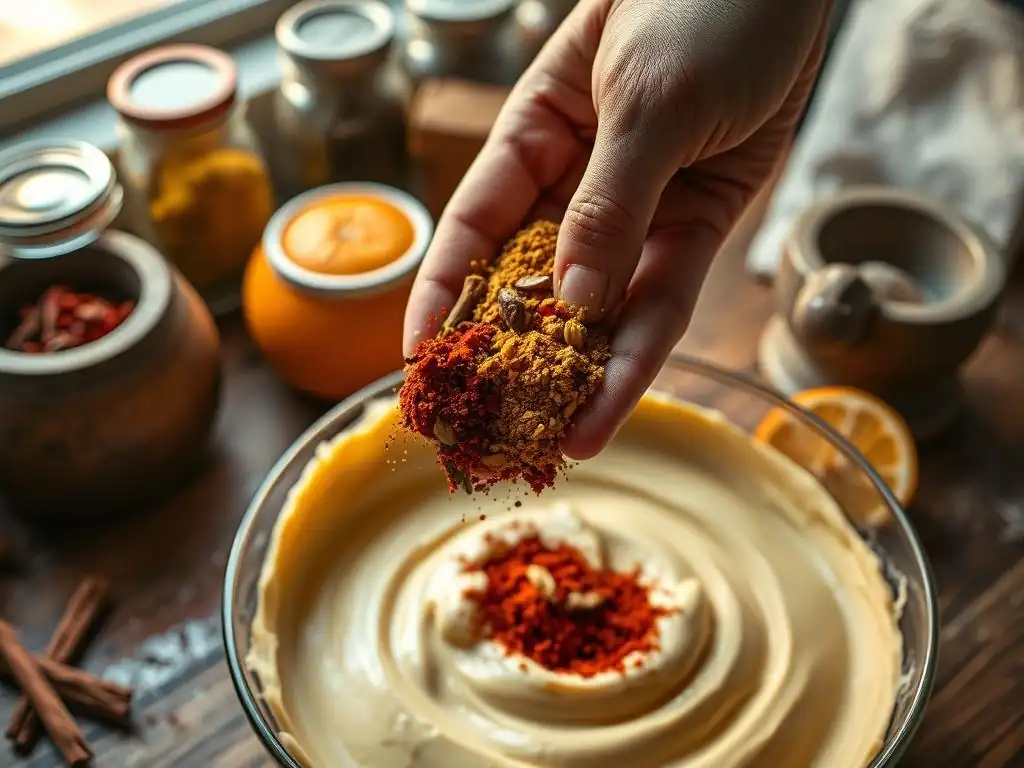
Even with relatively fresh spices, certain techniques can help unlock their full flavor potential, adding depth and complexity to your baked creations. These methods focus on gently heating the spices to release their volatile oils before incorporating them into the main ingredients.
Employing these techniques can make a noticeable difference, especially when working with whole spices or when aiming for a particularly intense spice flavor profile. They are simple steps that can elevate even basic stale spices baking recipes (though starting with fresh spices is always recommended!) into something truly special.
Toasting Spices: Unlocking Aroma and Depth
Toasting whole spices before grinding is a classic technique used across many cuisines, including baking. Spices like cumin seeds, coriander seeds, cardamom pods, and even whole nutmeg benefit immensely from a brief toast. The dry heat gently warms the spices, causing the essential oils within to become more volatile and fragrant. This process not only intensifies the aroma but can also develop new, complex flavor notes that weren't as prominent in the raw spice.
To toast, place whole spices in a dry skillet over medium heat. Stir or shake the pan frequently to prevent burning. Toast for just a few minutes until they become fragrant and perhaps slightly darker in color. Be cautious not to burn them, as this will result in bitter flavors. Once toasted, let them cool completely before grinding them in a spice grinder or mortar and pestle. For example, toasting whole cardamom pods before grinding the seeds for a Scandinavian-inspired bread or cookies will yield a far more aromatic and flavorful result than using untoasted ones.
Blooming Spices in Fat: Extracting Essential Oils
Another effective technique, particularly for ground spices, is blooming them in a fat like oil or melted butter. Many of the flavor compounds in spices are fat-soluble. Gently heating ground spices in fat for a short period helps extract these flavors into the fat, which then disperses them evenly throughout the rest of your batter or dough. This is a common technique in savory cooking but is also applicable in baking, especially for items like spiced muffins, quick breads, or savory pastries.
To bloom spices, heat a small amount of oil or butter in a pan over low to medium heat. Add your ground spices (like cinnamon, ginger, paprika, or a spice blend) and stir for 30 seconds to a minute, until they are fragrant. Do not let them burn.
Immediately remove from heat and incorporate the spiced fat into your wet ingredients. This method is excellent for recipes where spices are added early in the process, ensuring their flavor is fully integrated. For instance, blooming cinnamon and nutmeg in melted butter before adding to pumpkin bread batter will distribute the flavors more effectively than simply mixing the dry spices into the flour.
Best Practices for Storing Spices to Maintain Freshness
Proper storage is the single most important factor in preserving the freshness and potency of your spices. Even the highest quality spices will degrade quickly if not stored correctly. Implementing a few simple best practices can significantly extend the useful life of your spice collection, ensuring they are ready to enhance your stale spices baking recipes (or rather, your fresh spices baking recipes) whenever inspiration strikes.
While spices don't necessarily "go bad" in a way that makes them unsafe to eat for a very long time, their quality for baking diminishes relatively quickly. Focusing on protecting them from their environmental enemies is key to maintaining their vibrant flavor and aroma for as long as possible.
Optimal Spice Storage: Airtight Containers and Cool, Dark Places
The ideal environment for storing spices is cool, dark, and dry. This means keeping them away from direct sunlight, artificial light, and any sources of heat, such as ovens, stoves, or dishwashers. A pantry, cupboard, or drawer away from appliances is typically a good location. The cooler the temperature, the slower the degradation of essential oils. Aim for a consistent temperature, ideally below 70°F (21°C).
Crucially, spices must be stored in airtight containers. Exposure to air allows volatile compounds to evaporate and can introduce moisture, leading to clumping and flavor loss. Ensure the lids are tightly sealed after each use. While using stale spices in baking recipes is a common issue, proper storage is the best preventative measure against having stale spices in the first place. Minimizing exposure to air, light, and heat keeps the precious essential oils locked in.
Choosing the Right Containers: Glass vs. Plastic and Proper Sealing
When it comes to spice containers, glass jars are generally preferred over plastic. Glass is non-reactive and does not absorb the strong odors and oils of spices, meaning you can reuse jars for different spices without flavor transfer. Plastic, over time, can absorb oils and odors, potentially affecting the quality of future contents. If using plastic, ensure it is food-grade and specifically designed for storing dry goods.
Regardless of the material, the most critical aspect of the container is its seal. The lid must close tightly and form an airtight barrier. Jars with gasket seals or screw-on lids that create a vacuum are excellent choices. Avoid containers with loose-fitting lids or shakers that expose the spices to air. While some spices are sold in bags, transferring them to an airtight container upon opening is recommended for long-term freshness. Properly sealed containers in a cool, dark place are your best defense against having to deal with stale spices in baking recipes.
Fresh vs. Ground Spices: Flavor Considerations for Baking
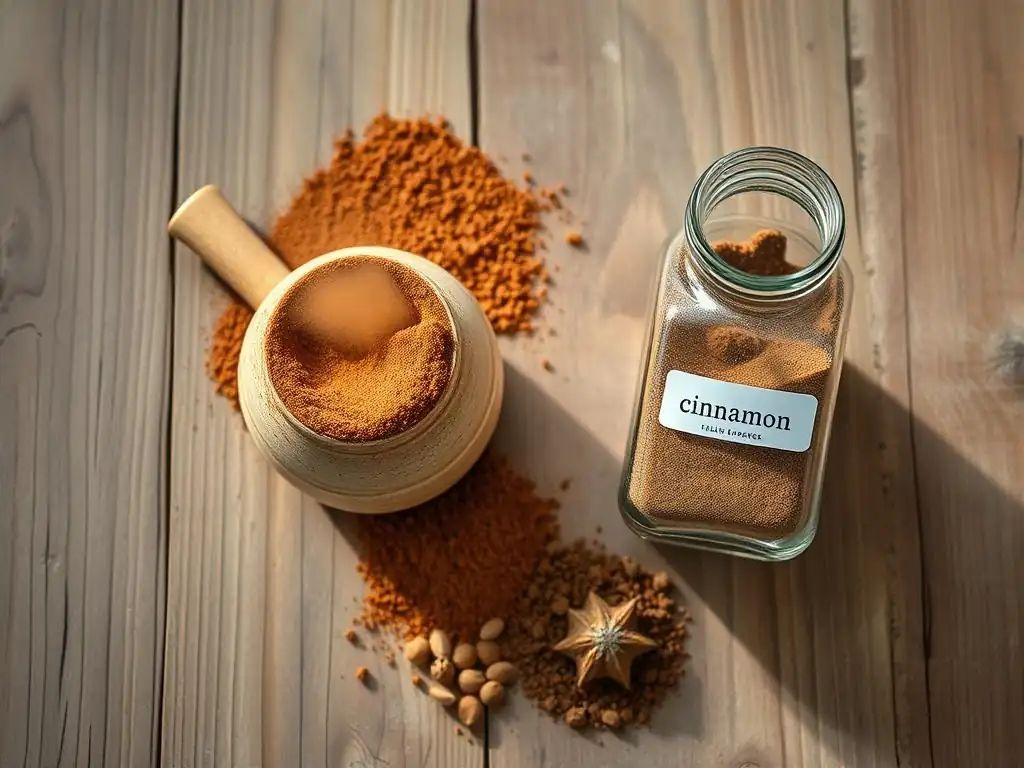
The form in which you use a spice – whole or ground – can significantly impact the flavor it imparts to your baked goods. Both have their place in the baker's pantry, and understanding when to use each can open up new dimensions of flavor in your recipes.
Choosing between fresh, whole spices that you grind yourself and pre-ground spices also relates directly to potency and shelf life. Freshly ground spices from whole seeds or pods are generally more potent and aromatic than their pre-ground counterparts, which are more susceptible to becoming stale spices for baking recipes.
Baking with Whole Spices: Infusion and Gradual Release
Whole spices, such as cinnamon sticks, star anise pods, whole cloves, or cardamom pods, are often used for infusing liquids or baked goods where a slower, more subtle release of flavor is desired. When a whole spice is simmered in milk, cream, or syrup, or baked within a dish, its essential oils are gradually released, creating a complex and nuanced flavor profile. This technique is perfect for custards, panna cotta, spiced milks for lattes, or adding depth to fruit compotes or sauces used in baking.
Unlike ground spices, which immediately disperse their flavor, whole spices provide a more controlled infusion. They are typically removed before serving, leaving behind a pure, clean flavor without any gritty texture. For example, infusing milk with a vanilla bean pod and a cinnamon stick before making a crème brûlée or rice pudding yields a smooth, deeply flavored result that would be difficult to achieve with ground spices alone. Using whole spices can also be more economical in the long run, as they retain their freshness much longer than ground spices, helping you avoid accumulating stale spices for baking recipes.
Understanding Spice Blends: Creating Unique Flavor Profiles
Spice blends, whether store-bought or homemade, offer a convenient way to achieve complex flavor profiles in baking. Classic examples include pumpkin pie spice (often cinnamon, ginger, nutmeg, cloves, allspice), gingerbread spice (similar, often with more ginger), or speculoos spice blend. Using a blend ensures a consistent flavor ratio in every batch of baked goods.
Creating your own spice blends allows for customization and ensures maximum freshness, as you can grind the components just before mixing. When using pre-made blends, the same rules of storage apply: keep them in airtight containers away from heat, light, and moisture. Spice blends, because they are ground, are just as susceptible to becoming stale spices for baking recipes as individual ground spices. Check their freshness regularly using the aroma test. A vibrant, fragrant spice blend is key to achieving the signature taste of spiced cookies, cakes, and quick breads.
Adjusting Spice Quantities in Recipes for Optimal Flavor
One common challenge in baking is getting the spice level just right. Too little, and the flavor is lost; too much, and it can be overwhelming or bitter. The quantity of spice needed can vary significantly based on its form (whole vs. ground), its freshness, and even the specific variety. Learning to adjust quantities ensures your baked goods are perfectly spiced every time.
This is particularly important when dealing with spices that may not be at peak freshness. While it's best to use fresh spices, sometimes you might be working with something that's a little older. Understanding how potency changes is crucial to avoid bland results from stale spices in baking recipes.
Considering Spice Potency: Fresh vs. Ground and Variety Differences
Freshly ground spices are considerably more potent than pre-ground spices because their volatile oils haven't had as much time to evaporate. As a rough guide, you might use slightly less freshly ground spice than the quantity specified for pre-ground spice in a recipe, though this requires some experimentation based on the specific spice and recipe. For example, 1 teaspoon of freshly ground nutmeg might be equivalent in flavor to 1.5 or 2 teaspoons of pre-ground nutmeg that has been sitting on a shelf for a year.
The potency of spices also varies by origin and variety. For instance, Cassia cinnamon (the most common type sold in North America) is generally stronger and more pungent than delicate Ceylon cinnamon. Different varieties of ginger or paprika also have distinct flavor strengths and profiles.
If you are using a particularly potent or mild variety, or suspect your spices are not at peak freshness (even if not completely stale spices for baking recipes), you may need to adjust the quantity up or down. Tasting a tiny amount of the spice or making a small test batch can help determine if an adjustment is needed.
Sourcing High-Quality Spices for Baking
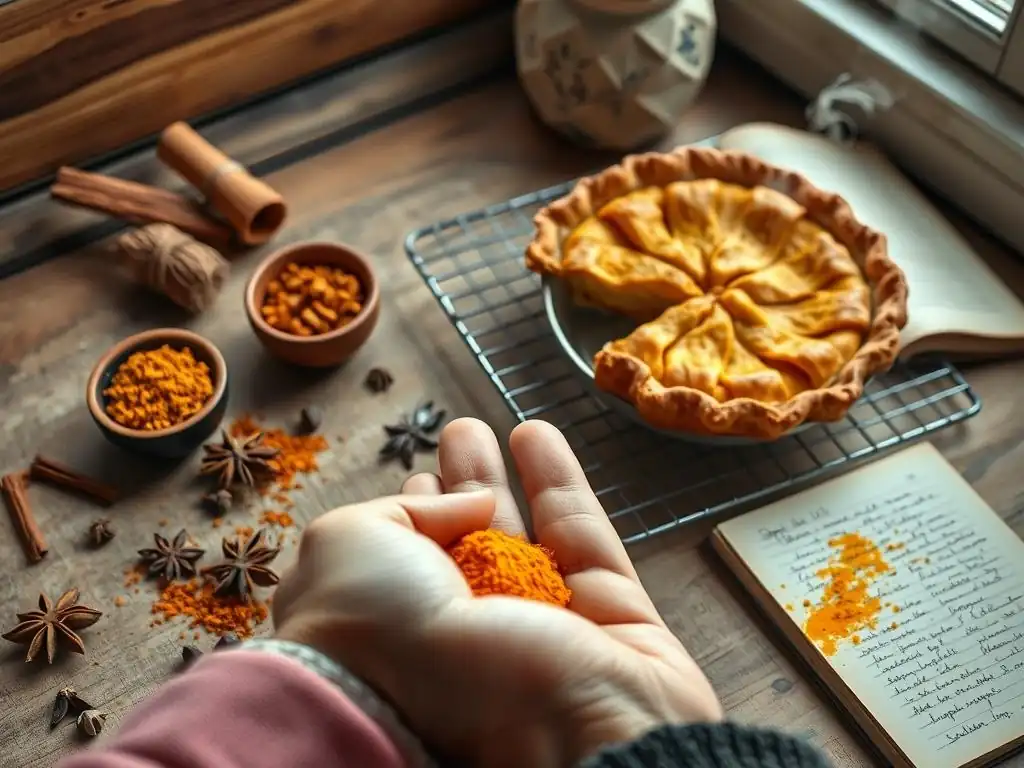
The journey to maximizing spice flavor in baking begins with the quality of the spices themselves. Even perfect storage and techniques can only do so much if the spices start their life lacking potency. Sourcing high-quality spices ensures you are starting with the best possible ingredients, packed with the essential oils that deliver vibrant flavor.
Choosing reputable vendors and understanding what to look for on spice labels are key steps in building a collection of spices that will consistently perform well in your stale spices baking recipes (let's rephrase: fresh spices baking recipes!).
Reputable Spice Vendors: Online and Local Options
Not all spices are created equal, and where you purchase them can make a significant difference in their quality and freshness. While supermarket spices are convenient, they often sit on shelves for long periods, reducing their potency even before you bring them home. Specialty spice shops, whether local or online, often have a higher turnover of stock, ensuring fresher products. They also typically source higher grades of spices from specific regions known for quality.
Consider exploring vendors who specialize in spices or gourmet food stores with a dedicated spice section. These suppliers are more likely to provide information about the origin and harvest date of their spices. While they may be slightly more expensive upfront, the increased potency means you might use less spice to achieve the same flavor, and they will likely stay fresh longer, reducing the frequency of needing to replace stale spices for baking recipes.
Understanding Spice Labels: Harvest Dates and Quality Grades
When purchasing spices, look beyond just the name. Information on the label can provide clues about quality and freshness. The most useful piece of information is often a harvest date or "packed on" date. This tells you when the spice was processed, giving you a much better idea of its age than a vague "best by" date (which is often more about peak quality than safety). Aim for spices with recent harvest dates for maximum flavor.
Some spices also have grading systems that indicate quality. For example, vanilla beans are graded based on moisture content, appearance, and aroma. Saffron is graded based on color strength and purity.
While not all spices have formal grades listed on consumer packaging, reputable vendors will often provide details about the source, variety, and quality metrics on their website or packaging. Educating yourself on what constitutes quality for specific spices (e.g., the deep red color of high-quality paprika, the oiliness of fresh nutmeg) helps you make informed choices and avoid purchasing spices that are already halfway to becoming stale spices for baking recipes.
Conclusion: Achieving Optimal Flavor in Baking with Spices
Spices are indispensable in the world of baking, transforming simple ingredients into aromatic and flavorful delights. Understanding how spices degrade due to light, heat, and air, and knowing how to identify when they've lost their potency is crucial for any baker. Using stale spices in baking recipes is a common pitfall that leads to disappointing, bland results.
By implementing best practices for storage—keeping spices in airtight containers in cool, dark places—you can significantly extend their shelf life and maintain their vibrant flavor. Exploring techniques like toasting whole spices or blooming ground spices in fat can further enhance their aromatic contribution. Choosing between whole and ground spices based on the desired flavor release and sourcing high-quality spices from reputable vendors ensures you start with ingredients packed with potential.
Paying attention to spice potency and adjusting quantities when necessary allows you to fine-tune flavors for perfect results every time. Ultimately, a well-maintained spice collection, coupled with smart techniques, is key to unlocking the full flavor potential of your baking and avoiding the pitfalls of using stale spices in baking recipes. Make flavor a priority by treating your spices with the care they deserve!
Frequently Asked Questions
Can I use stale spices in my baking recipes?
While technically you can, using stale spices will significantly impact the flavor of your baked goods. They'll lack potency and may result in a bland or underwhelming final product.
How can I tell if my spices are stale?
The easiest way is to check the aroma. Fresh spices have a strong, vibrant scent. Stale spices will have a weak or almost nonexistent smell.
What's the best way to store spices to prevent them from going stale quickly?
Store your spices in airtight containers in a cool, dark, and dry place. Avoid storing them near heat sources like the oven, as this can accelerate their degradation.
Can I "revive" stale spices, and if so, how?
You can slightly revive them by toasting them gently in a dry pan for a minute or two. This can help release some of their remaining oils and aroma, but it's not a complete substitute for fresh spices.
How often should I replace my spices for optimal baking results?
A good rule of thumb is to replace ground spices every 6 months to a year, and whole spices every 2-3 years. Always check the expiration date if available.
Final Reflection: The Unexpected Power of Fresh Spices in Baking
The vibrancy of a perfectly baked good hinges on more than just technique; it rests fundamentally on the quality of its ingredients, especially the spices. A seemingly minor detail like using stale spices can dramatically impact the final product, leading to muted flavors and a less-than-stellar outcome. This isn't just about achieving perfection; it's about unlocking the full potential of your baking.
The subtle yet profound influence of fresh spices on the sensory experience of baking is something I've personally come to appreciate deeply. The difference between a cake infused with the bright, warm notes of freshly ground cinnamon and one made with its dull, lifeless counterpart is truly remarkable. It's a lesson in paying attention to the seemingly small details, a lesson echoed in the words of Julia Child: Find something you're passionate about and keep tremendously interested in it.
For me, that passion lies in the transformative power of fresh spices in baking, and understanding how they elevate even the simplest recipes.
Now, consider your own spice rack. Are those jars filled with vibrant, aromatic treasures, or have they become dusty relics of past projects? Take a moment to examine your spices, to smell their fragrance (or lack thereof). I challenge you to make a conscious effort to replace any stale spices and experience the difference firsthand. The reward? Baked goods that sing with flavor, that truly capture the essence of the recipe, and that leave a lasting impression on your taste buds and those of your loved ones. Embrace the freshness, and unlock a new level of baking joy.
Rediscover Your Spice Rack: Elevate Your Baking Today!
Thanks for taking the time to learn how to revive those dusty spices! We hope you now feel empowered to unlock the full flavor potential hidden in your spice rack. Ready to put your newfound knowledge into practice?
- Bake something amazing! Use your freshly revitalized spices to create a delicious treat—think vibrant cinnamon rolls or a fragrant pumpkin pie. Let the aromas guide you!
- Share your baking triumphs! Snap a picture of your spice-enhanced creation and tag us on social media – we'd love to see what you've baked!
- Explore our other articles on baking techniques for even more delicious inspiration. You might discover a whole new world of baking possibilities.
What incredible flavors will you unleash in your next baking adventure?