
Braid Beautiful Czech Houska Rolls: A Sweet or Savory Treat

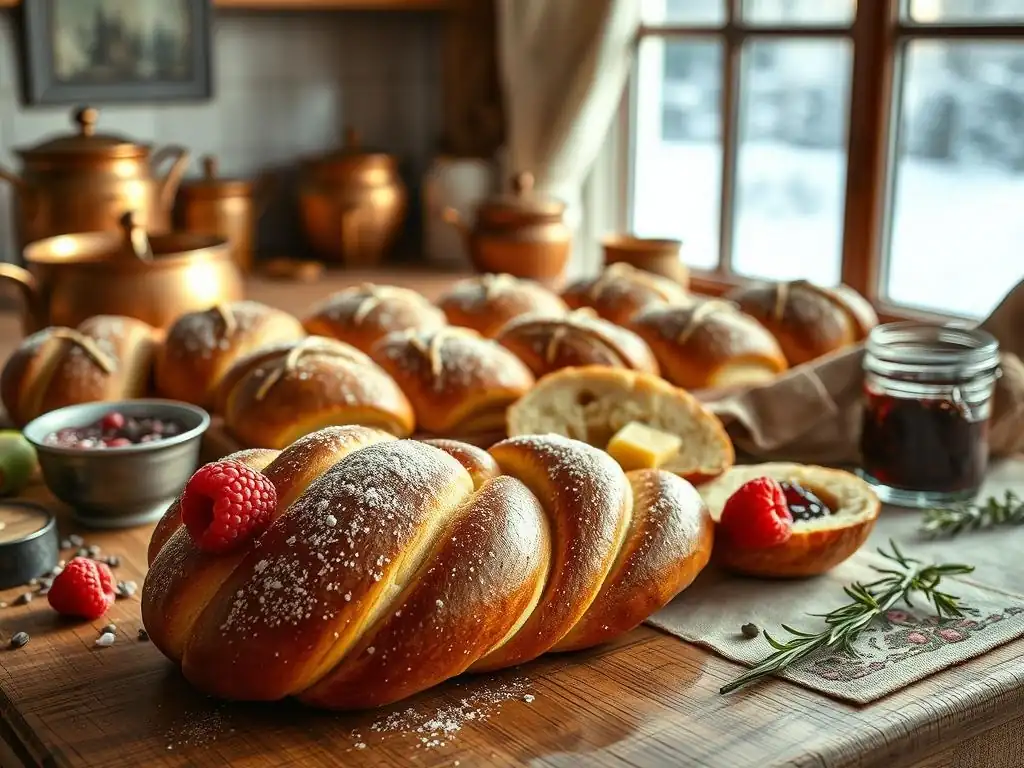
Welcome to BakeWithEase, your baking sanctuary!
Ever dreamt of crafting those beautifully braided, slightly sweet rolls you see in European bakeries? Our Easy Czech houska roll recipe unlocks the secrets to this delightful bread, guiding you through each step with clarity and ease. Prepare to impress your family and friends with a taste of tradition – discover how surprisingly simple it is to create these stunning rolls yourself, and explore the endless possibilities for sweet or savory variations! Are you ready to braid some magic?
- Authentic Czech Houska Rolls: A Family Heirloom Recipe | BakeWithEase
- Discover the Delight of Homemade Czech Houska Rolls
- Bake Your Own: Grandma's Czech Houska Roll Recipe
- Tips & Tricks for Baking the Best Czech Houska Rolls
- Troubleshooting Your Houska Baking
- Serving Suggestions: Enjoying Your Homemade Houska
- Why You'll Love This Easy Czech Houska Roll Recipe
- Frequently Asked Questions
- Final Reflection: The Enduring Charm of the Czech Houska
- Unleash Your Inner Baker: Craft Stunning Czech Houska Rolls!
Authentic Czech Houska Rolls: A Family Heirloom Recipe | BakeWithEase
Discover the Delight of Homemade Czech Houska Rolls
There's something truly special about baking traditional breads, and Czech Houska rolls are a perfect example. These beautifully braided loaves, often slightly sweet and enriched with eggs and butter, hold a cherished place in Czech culinary history. Making them yourself brings a wonderful aroma to your kitchen and a sense of accomplishment as you pull a golden, perfectly braided roll from the oven. Whether you're an experienced baker or looking for your next baking adventure, this easy Czech houska roll recipe is designed to guide you through creating these delightful treats right in your own home.
Mastering the art of baking often involves understanding the nuances of dough and shaping. While the braiding might look intimidating at first glance, it's a skill that can be easily learned with a little practice. This guide will walk you through not just the ingredients and steps for a delicious, soft Houska, but also the techniques to achieve that signature beautiful braid. Prepare to impress your friends and family with these versatile rolls, perfect for breakfast, a snack, or accompanying a savory meal.
What is Houska? Exploring the History of this Festive Bread
Houska, pronounced roughly "HOUS-kah," is a traditional Czech braided bread, the name itself meaning "little braid" or "small loaf." Historically, it was often baked for special occasions and holidays, particularly Christmas and Easter, representing abundance and family togetherness. Its rich, slightly sweet dough distinguishes it from everyday bread, making it a celebratory treat passed down through generations. While its exact origins are debated, braided breads have been a part of European baking traditions for centuries, with Houska being the Czech variant.
The evolution of Houska saw it move from a purely festive bread to a more common, though still beloved, item found in bakeries across the Czech Republic. Early versions might have been simpler in form, perhaps just a basic three-strand braid. Over time, bakers developed more intricate braiding patterns, such as the four or even six-strand braids, turning the simple "little braid" into a work of edible art. This easy Czech houska roll recipe embraces this history, offering methods for creating both simple and more complex braids to honor this enduring tradition.
Sweet vs. Savory: Adapting Your Houska Roll for Different Occasions
The beauty of a classic Houska dough lies in its versatility. While traditionally made with a touch of sweetness, the base recipe can be easily adapted to lean more towards either a sweet or a savory profile simply by adjusting the sugar and salt levels and incorporating different additions. A standard dough might use around 50-75 grams of sugar per 500 grams of flour for a lightly sweet roll, perfect for breakfast or with jam. To make it truly sweet, you might increase the sugar to 100-120 grams and add vanilla or citrus zest.
Conversely, transforming the dough into a savory roll is straightforward. You would significantly reduce the sugar, perhaps down to just a tablespoon (around 15-20 grams) to help with fermentation, and slightly increase the salt. Then, you can knead in savory additions like dried herbs, grated cheese, or poppy seeds before the first rise. This simple modification turns the enriched, soft dough into a wonderful accompaniment for soups, stews, or as the base for delicious sandwiches, showcasing the adaptability of this easy Czech houska roll recipe.
Bake Your Own: Grandma's Czech Houska Roll Recipe
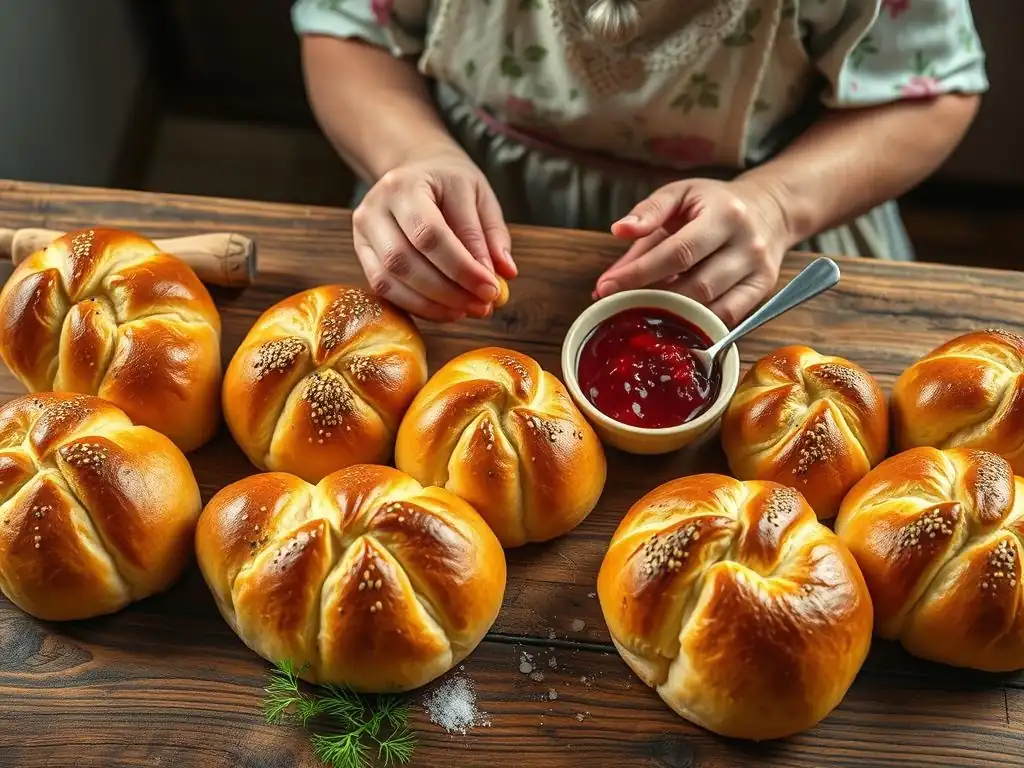
Now, let's get to the heart of it – baking these beautiful rolls yourself! This recipe, inspired by traditional methods, aims to make the process approachable and rewarding. We'll use the Tangzhong method to ensure an incredibly soft and moist crumb, a technique that elevates many enriched doughs. Follow these steps, and you'll soon be enjoying warm, homemade Houska.
Ingredients for the Perfect Houska
Getting your ingredients ready is the first step to a successful bake. Ensure all ingredients, especially milk and eggs, are at room temperature, as this helps with dough development and yeast activity. You'll need standard baking supplies, with slight variations depending on whether you're aiming for a sweet or savory loaf.
Sweet Houska Ingredients List
- For the Tangzhong:
- 25g bread flour (approximately 3 tablespoons)
- 125ml milk (approximately 1/2 cup)
- For the Dough:
- 475g bread flour (approximately 3 ¾ cups), plus extra for dusting
- 7g instant dry yeast (about 2 ¼ teaspoons)
- 75g granulated sugar (about 1/3 cup)
- 5g salt (about 1 teaspoon)
- 120ml warm milk (approximately 1/2 cup), heated to around 105-115°F (40-46°C)
- 2 large eggs, at room temperature
- 75g unsalted butter, softened (about 5 tablespoons)
- Optional: 1 teaspoon vanilla extract or lemon zest
Savory Houska Ingredients List
- For the Tangzhong:
- 25g bread flour (approximately 3 tablespoons)
- 125ml milk (approximately 1/2 cup)
- For the Dough:
- 475g bread flour (approximately 3 ¾ cups), plus extra for dusting
- 7g instant dry yeast (about 2 ¼ teaspoons)
- 15g granulated sugar (about 1 tablespoon)
- 8g salt (about 1 ½ teaspoons)
- 120ml warm milk (approximately 1/2 cup), heated to around 105-115°F (40-46°C)
- 2 large eggs, at room temperature
- 75g unsalted butter, softened (about 5 tablespoons)
- Optional: 2-3 tablespoons dried herbs (like dill, chives, caraway seeds) or 50g grated hard cheese (like Gruyère or sharp cheddar)
Step-by-Step Baking Instructions: Mastering the Traditional Houska Braid
Baking Houska involves a few key stages: making the Tangzhong, preparing and kneading the dough, rising, shaping (braiding! ), proofing, and finally, baking. Taking your time at each step will yield the best results for this easy Czech houska roll recipe.
Preparing the Dough: Using the Tangzhong Method
First, make the Tangzhong. In a small saucepan, whisk together the 25g flour and 125ml milk until smooth. Heat this mixture over medium-low heat, stirring constantly, until it thickens into a paste, similar to pudding. This usually takes just 1-2 minutes once it starts heating up. Remove from heat and let it cool to room temperature. This cooled paste is your Tangzhong.
Next, combine the remaining bread flour, yeast, sugar (sweet or savory amount), and salt in a large mixing bowl or the bowl of a stand mixer. Whisk to combine. In a separate bowl, whisk together the warm milk, eggs, and the cooled Tangzhong. Add the wet ingredients to the dry ingredients. If using a stand mixer, mix with the dough hook on low speed until a shaggy dough forms, about 2 minutes. If mixing by hand, use a spoon or spatula until the dough comes together.
Braiding Techniques for a Stunning Houska Roll
This is where the magic happens! Once your dough is ready after the first rise, gently deflate it and divide it into equal pieces depending on the braid you choose (3, 4, or 6). For a typical medium-sized roll, each piece of dough might weigh around 80-100 grams. Roll each piece into a long, even strand. Aim for strands that are roughly the same length and thickness for a uniform braid.
The key to a beautiful braid is starting neatly and keeping even tension as you work. Lay your strands side-by-side. Pinch the ends together firmly at one end to secure them. Now you're ready to braid!
Three-Strand Braid Houska
This is the simplest braid, perfect for beginners.
- Lay the three strands side-by-side. Pinch one end together.
- Take the right strand and cross it over the middle strand.
- Take the left strand and cross it over the new middle strand.
- Repeat, alternating sides, until you reach the end of the strands.
- Pinch the ends together tightly and tuck them underneath the roll. This creates a neat finish.
Four-Strand Braid Houska
A slightly more intricate braid that creates a lovely pattern.
- Lay the four strands side-by-side. Pinch one end together.
- Number the strands 1, 2, 3, 4 from left to right.
- Take strand 4 (rightmost) and cross it over strand 2.
- Take strand 1 (leftmost) and cross it over strand 3.
- Now take the new leftmost strand (which was strand 2) and cross it over the two strands to its right.
- Repeat the pattern: Rightmost strand over the second from the left, then leftmost strand over the third from the left. Continue until the end.
- Pinch and tuck the ends.
Six-Strand Braid Houska [Detailed Instructions for each braiding style]
This braid creates the classic, impressive Houska look, often built in two layers (a 3-strand base with a 3-strand braid on top) or woven from a single set of six strands. The single six-strand braid is traditional for a single roll.
Here's the pattern for a single six-strand braid:
- Lay the six strands side-by-side. Pinch one end together firmly.
- Number the strands 1, 2, 3, 4, 5, 6 from left to right.
- Take the rightmost strand (6) and move it under strand 5, then over strand 4. It is now between strands 3 and 4.
- Take the leftmost strand (1) and move it over strand 2, then under strand 3. It is now between strands 3 and 4.
- Repeat the pattern: Rightmost strand goes under two, over one. Leftmost strand goes over two, under one.
- Continue this "under 2, over 1" (from the right) and "over 2, under 1" (from the left) sequence, always starting with the outermost strand, until you reach the end.
- Pinch the ends together tightly and tuck them neatly underneath the roll.
Task List: Braiding Steps
- [ ] Divide dough into equal strands.
- [ ] Roll strands into even lengths.
- [ ] Pinch one end of the strands together.
- [ ] Perform chosen braid (3, 4, or 6 strand).
- [ ] Pinch and tuck the finishing ends securely.
- [ ] Place braided rolls on a baking sheet lined with parchment paper.
Proofing and Baking: Achieving a Golden-Brown Crust
Once your rolls are braided and placed on a baking sheet, they need a second rise, known as proofing. Cover them loosely with plastic wrap or a clean kitchen towel and let them rest in a warm, draft-free place. This usually takes about 45-75 minutes, or until they look noticeably puffy and have almost doubled in size. You can gently press a finger into the side of a roll; if the indentation springs back slowly, it's ready.
Preheat your oven to 375°F (190°C) during the last 15-20 minutes of proofing. Just before baking, you can brush the tops of the rolls with an egg wash (one egg whisked with a tablespoon of milk or water) for a beautiful golden shine. If making savory rolls, this is the time to sprinkle poppy seeds, caraway seeds, or a little extra cheese on top. Bake for 25-35 minutes, depending on the size of your rolls, until they are deep golden brown and sound hollow when tapped on the bottom.
Variations and Additions: Customize Your Houska
This easy Czech houska roll recipe is a fantastic base for creativity. Once you've mastered the basic dough and braiding, you can easily incorporate various flavors and textures to make the rolls uniquely yours.
Sweet Houska Variations: Raisins, Almonds, and Candied Citrus
For a classic sweet variation, consider adding dried fruit like raisins or dried cranberries to the dough during the kneading stage. About 50-75 grams per recipe works well. Another popular addition is slivered almonds, which can be kneaded into the dough or sprinkled on top before baking. For a touch of brightness, candied orange or lemon peel (about 30-50 grams) adds a wonderful aromatic quality that pairs beautifully with the rich dough. Ensure any additions are evenly distributed throughout the dough.
Block Quote: Grandma's Sweet Tip
When adding raisins or dried fruit, try soaking them in warm water or a little rum for 10 minutes first. Drain them well before adding to the dough. This keeps them soft and prevents them from drying out your bread.
Savory Houska Variations: Herbs, Cheese, and Poppy Seeds
Savory Houska opens up a world of possibilities. Fresh or dried herbs like dill, chives, or parsley (1-2 tablespoons dried or 3-4 tablespoons fresh) can be kneaded into the dough. Caraway seeds are a very traditional Czech addition, adding a distinct aroma and flavor; about 1-2 teaspoons is usually sufficient.
For cheese lovers, incorporating 50-75 grams of grated hard cheese like Gruyère, sharp cheddar, or Parmesan into the dough, or sprinkling it on top before baking, creates a delightful savory roll perfect for pairing with meals. Poppy seeds are also excellent, either mixed into the dough or sprinkled on the egg wash before baking.
Tips & Tricks for Baking the Best Czech Houska Rolls
Achieving bakery-quality Houska at home is within your reach with a few helpful tips. Pay attention to the details, and your easy Czech houska roll recipe will be a success every time.
Achieving the Perfect Dough Consistency: The Windowpane Test
A well-developed dough is crucial for a soft, airy Houska. After kneading, you can perform the "windowpane test" to check for sufficient gluten development. Pinch off a small piece of dough (about the size of a golf ball). Gently stretch it with your fingers.
If the dough can be stretched thinly enough that light passes through it without tearing (like a windowpane), your gluten is well-developed. If it tears easily, continue kneading for a few more minutes and test again. Proper gluten development ensures the dough can hold its shape during proofing and baking and results in a tender crumb.
Ensuring a Beautiful Braid Every Time: Tightening and Tucking
The key to a braid that holds its shape and looks stunning is consistent tension and a neat finish. As you braid, try to keep the strands relatively taut but not so tight that they snap. Work from the secured top end downwards. Once you reach the end, firmly pinch all the strands together. Then, carefully tuck both the starting and ending pinched ends underneath the finished roll. This creates a smooth bottom and prevents the braid from unraveling during the final proof and baking. Don't be discouraged if your first few braids aren't perfect; practice makes progress!
Storing Your Freshly Baked Houska: Maintaining Freshness
Freshly baked Houska is best enjoyed warm, perhaps within a few hours of coming out of the oven. To store, allow the rolls to cool completely on a wire rack. Once cool, place them in an airtight container or a resealable plastic bag. Stored at room temperature, they will remain fresh and soft for about 2-3 days.
For longer storage, Houska freezes beautifully. Wrap individual rolls or the whole loaf tightly in plastic wrap, then place in a freezer-safe bag or container. Frozen Houska can last for up to 2-3 months. Thaw at room temperature and gently warm in the oven for that "just baked" feel.
Troubleshooting Your Houska Baking
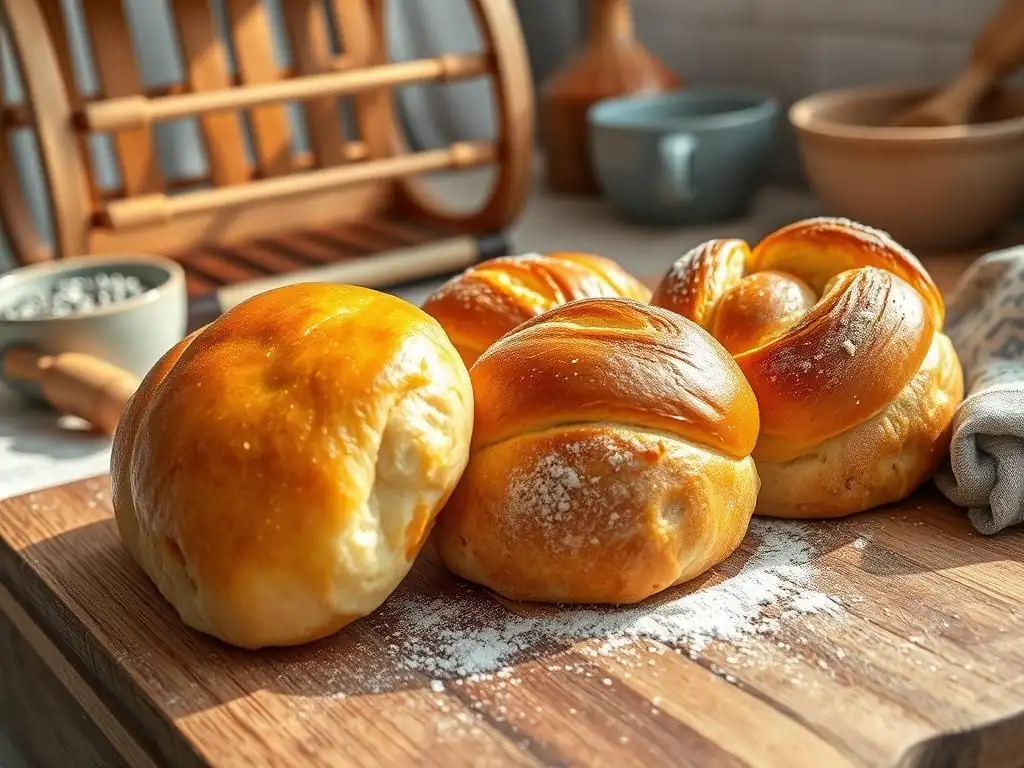
Sometimes, baking doesn't go exactly as planned. Don't worry! Here are a few common issues you might encounter when making this easy Czech houska roll recipe and how to fix them.
Dough Not Rising? Yeast Activity and Temperature
If your dough isn't rising, the most common culprits are inactive yeast or an improper environment.
- Check Yeast: Ensure your instant dry yeast is fresh and not expired. If using active dry yeast (though instant is recommended for this recipe), you need to activate it first in the warm milk with a pinch of sugar until foamy before adding to the dry ingredients.
- Check Temperature: The milk temperature (around 105-115°F or 40-46°C) is crucial for waking up the yeast. Too hot will kill it; too cool will make it sluggish. The dough also needs a warm, draft-free place to rise, ideally around 75-85°F (24-30°C). If your kitchen is cool, try placing the covered dough in a slightly warm oven (turned off!) or near a warm spot.
Braid Losing Shape? Gluten Development and Proofing Time
A braid that flattens or spreads out during proofing or baking usually indicates issues with dough structure or proofing.
- Under-Kneaded Dough: If the dough didn't pass the windowpane test, the gluten structure isn't strong enough to support the braid's shape. Ensure adequate kneading time.
- Over-Proofing: If the dough rises too much during the second proof, the gluten can become weakened, causing the braid to collapse in the oven. Keep an eye on the rolls during proofing; they should look puffy but not overly airy or fragile. The finger indentation test is helpful here.
- Loose Braiding: As mentioned earlier, ensure you maintain even tension and tuck the ends securely to give the braid stability.
Houska Too Dry? Oven Temperature and Baking Time
Dry bread is often a result of over-baking or baking at too high a temperature for too long.
- Oven Temperature: Ensure your oven thermostat is accurate. Baking at the correct temperature helps the roll cook through without drying out the crust too quickly.
- Baking Time: Bake only until the rolls are golden brown and sound hollow when tapped on the bottom. Overly dark crusts can indicate dryness. Use a thermometer if unsure; the internal temperature should be around 190-200°F (88-93°C).
- Tangzhong: This recipe uses the Tangzhong method specifically to improve moisture retention. Ensure you make and incorporate it correctly.
Serving Suggestions: Enjoying Your Homemade Houska
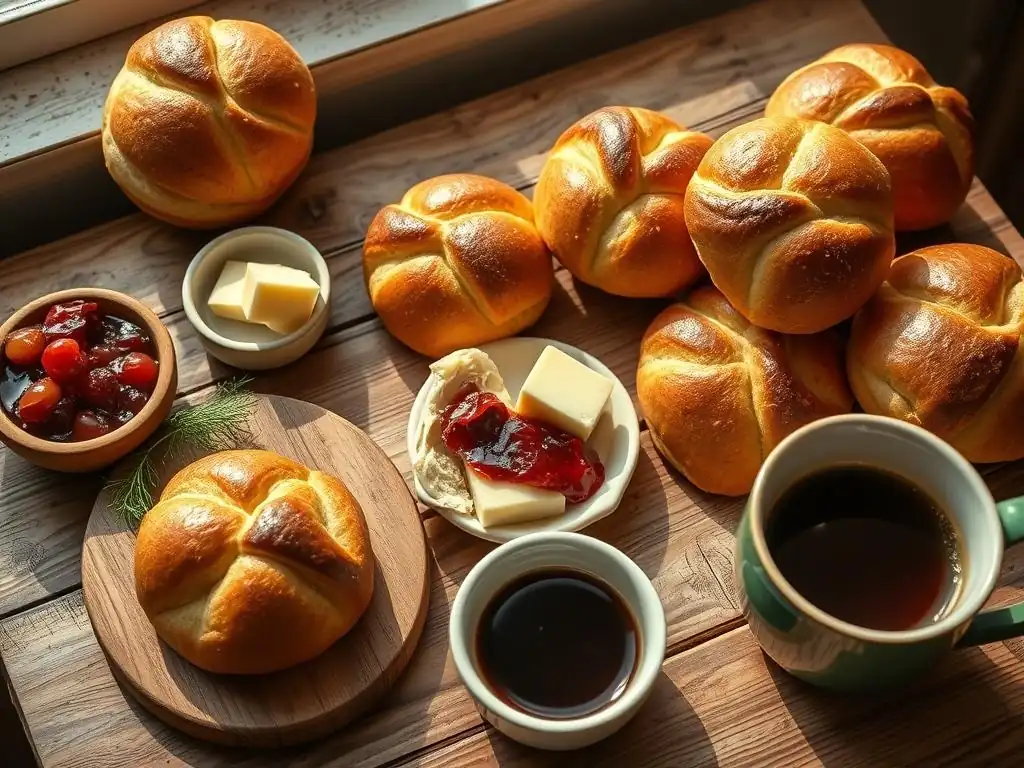
You've successfully baked beautiful Houska rolls! Now comes the best part – enjoying them. Their versatility means they pair well with a variety of foods.
Sweet Houska Serving Ideas: Breakfast, Dessert, and Holidays
Sweet Houska is delightful on its own or with simple toppings.
- Breakfast: Serve sliced with butter, jam, honey, or a sprinkle of powdered sugar. It's perfect alongside coffee or tea.
- Dessert: A slice can be enjoyed after a meal, perhaps lightly toasted.
- Holidays: It's a traditional part of Christmas or Easter breakfast or brunch in many Czech households.
- French Toast: Day-old sweet Houska makes exquisite French toast due to its rich, eggy nature.
Savory Houska Serving Ideas: Sandwiches, Soups, and Festive Gatherings
Savory Houska is a wonderful accompaniment to main dishes.
- Sandwiches: Slice and use for sandwiches with cheese, ham, or roasted vegetables. The soft crumb is ideal.
- Soups and Stews: Serve warm alongside hearty soups or stews to soak up the delicious broth.
- Festive Gatherings: A basket of warm savory Houska rolls is a welcome addition to any holiday table or family gathering.
- With Cheese: Simply serve with a selection of cheeses and perhaps some pickles for a simple, satisfying snack.
Why You'll Love This Easy Czech Houska Roll Recipe
Making Houska might seem like a project, but this easy Czech houska roll recipe breaks it down into manageable steps, making it accessible and enjoyable.
Simple Ingredients, Time-Honored Tradition
The ingredients for Houska are basic pantry staples – flour, yeast, milk, eggs, butter, sugar, and salt. There are no exotic items required. Yet, combining these simple components using traditional techniques like braiding and the Tangzhong method results in a bread that feels both humble and celebratory, connecting you to a time-honored Czech tradition.
A Versatile Bread for Any Occasion
As we've explored, whether you make it sweet or savory, Houska is incredibly versatile. It transitions seamlessly from a breakfast pastry to a side roll for dinner, from a simple snack to a centerpiece for a holiday spread. Its adaptability makes it a valuable addition to your baking repertoire.
Impress Your Friends and Family with a Taste of Heritage
Sharing homemade bread is always a treat, but sharing a beautifully braided Houska roll that you made yourself is truly special. It's a chance to showcase your baking skills and share a taste of Czech heritage with those you care about. This easy Czech houska roll recipe provides you with the tools to create something delicious, visually stunning, and steeped in history. Happy baking!
Frequently Asked Questions
What is a Czech Houska Roll?
A Czech Houska Roll is a traditional bread roll that can be enjoyed as a sweet or savory treat. Its unique braided shape adds to its appeal, making it perfect for special occasions.
How do I make the dough for Houska Rolls?
To make the dough, you'll need basic ingredients like flour, yeast, milk, and butter. Follow the step-by-step guide provided on BakeWithEase.com for a perfect consistency.
Can I customize the filling for Houska Rolls?
Absolutely! You can fill your Houska Rolls with a variety of ingredients such as sweet poppy seeds, nuts, or even savory cheeses. The recipe is versatile and allows for personal touches.
How long does it take to bake Houska Rolls?
Typically, Houska Rolls take about 20-25 minutes to bake at the right temperature. Make sure to keep an eye on them to achieve a golden brown color.
Are Houska Rolls suitable for beginners?
Yes! The easy Czech Houska roll recipe on BakeWithEase.com is designed for bakers of all levels. With clear instructions and tips, even beginners can achieve great results.
Final Reflection: The Enduring Charm of the Czech Houska
The simple act of baking a Czech houska roll transcends mere culinary creation; it's a connection to heritage, a celebration of flavor, and a testament to the enduring power of tradition in a rapidly changing world. These seemingly humble rolls, easily crafted with readily available ingredients, offer a surprisingly profound experience, connecting us to generations past and enriching our present. The ease of the recipe, as highlighted throughout this article, makes this connection accessible to everyone.
The houska's influence extends beyond the kitchen table; it's a symbol of comfort, community, and the joy of shared meals. These rolls, whether sweet or savory, evoke a sense of nostalgia and warmth, reminding us of simpler times and the importance of gathering around food. Food is symbolic of love when words are inadequate.
- Alan D. Wolfelt. This quote perfectly encapsulates the emotional resonance of sharing these homemade rolls with loved ones, creating memories that last a lifetime. The recipe's simplicity allows for personal expression and creativity, making each batch uniquely yours.
Now, I invite you to embrace the legacy of the Czech houska. Don't just bake these rolls; experience them. Share them with friends and family, savor the aroma as they bake, and relish the taste of tradition. Let the simple act of making these rolls be a reminder of the power of connection, the beauty of simplicity, and the enduring joy found in sharing a delicious, homemade treat. The next time you crave comfort food, remember the houska – a small roll with a big heart.
Unleash Your Inner Baker: Craft Stunning Czech Houska Rolls!
Thanks for joining us on this delicious journey into the world of Czech Houska rolls! We hope you’ve gained the confidence to tackle this seemingly complex, yet surprisingly rewarding, bread. Ready to take your baking skills to the next level?
- Bake your own batch of Houska rolls: Use our recipe as a springboard; experiment with fillings and shapes to personalize your creations! This is your chance to shine.
- Share your baking triumphs (or even your flour-covered mishaps!) on social media using #BakeWithEaseHouska: Let's build a community of Houska enthusiasts!
- Challenge a friend to a Houska baking showdown: Double the fun, double the deliciousness, double the bragging rights!
What unique filling will you create to surprise your friends and family with your amazing Houska rolls?