
Sourdough Adventure: Baking with Ancient Grains Like Einkorn and Rye

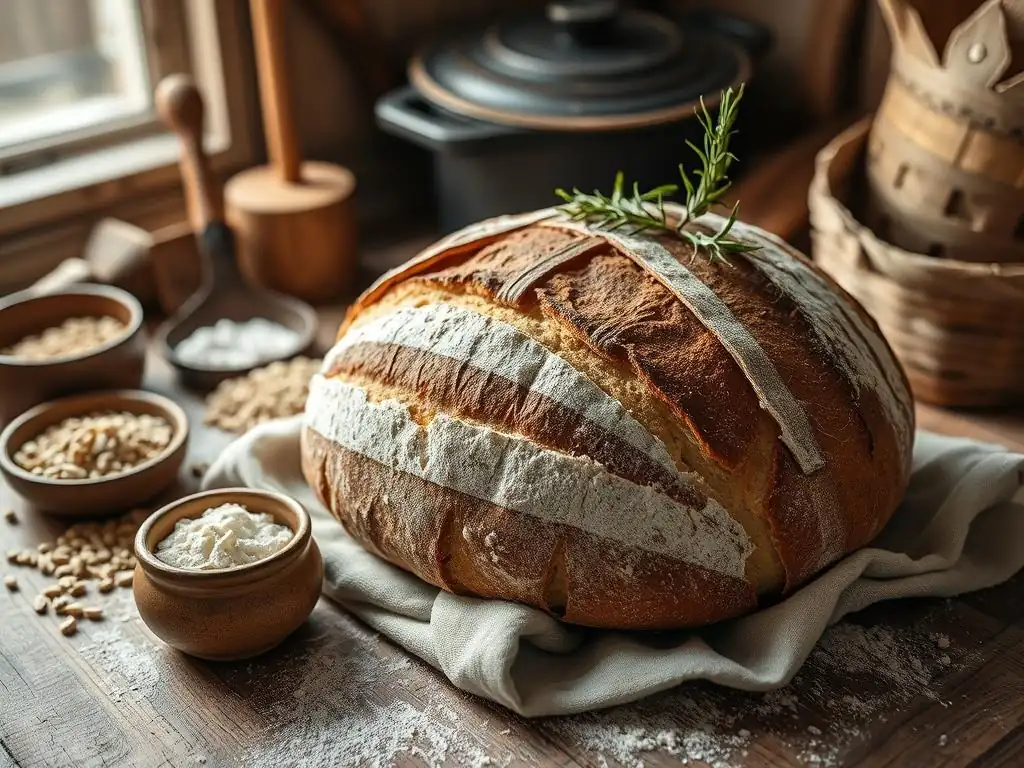
Welcome to BakeWithEase, your trusted guide to the delightful world of baking!
Embark on a sourdough adventure with us as we explore the unique flavors and textures of ancient grains like einkorn and rye. Curious about how these grains can elevate your loaves? Dive into our detailed guide and unlock the secrets to baking exceptional bread that's both delicious and nutritious. Let's get baking!
- Introduction to Sourdough Baking with Einkorn and Rye
- Understanding Einkorn and Rye Flours for Sourdough
- Sourdough Starter Considerations for Einkorn and Rye
- Einkorn Sourdough Recipe: A Step-by-Step Guide
- Rye Sourdough Recipe: A Step-by-Step Guide
- Troubleshooting Common Sourdough Baking Problems with Einkorn and Rye
- Exploring Variations: Einkorn and Rye Sourdough Combinations
- Storing and Enjoying Your Einkorn and Rye Sourdough
- Conclusion: Embrace the Sourdough Baking Adventure with Ancient Grains
-
Frequently Asked Questions
- What makes einkorn and rye different from regular wheat flour in sourdough baking?
- Can I substitute einkorn or rye flour directly for all-purpose flour in my sourdough recipe?
- What are the benefits of using einkorn and rye in sourdough?
- Where can I find einkorn and rye flour for sourdough baking?
- How does using these ancient grains affect the sourdough starter itself?
- Final Reflection: The Enduring Allure of Ancient Grains
- Unleash Your Inner Baker: Craft Your Perfect Sourdough Loaf!
Introduction to Sourdough Baking with Einkorn and Rye
Embarking on your sourdough journey can be incredibly rewarding, and exploring different flours opens up a world of flavors and textures. While modern wheat is the standard for many sourdough recipes, venturing into ancient grains like einkorn and rye offers a unique baking experience. These grains, less hybridized than modern wheat, bring distinct characteristics to your loaf, from subtle sweetness and tender crumb to deep, earthy tang and dense texture. Getting started with sourdough baking einkorn rye might seem daunting, but with the right approach, you can unlock their potential.
Ancient grains not only offer fascinating flavors but also present different challenges and rewards in the sourdough process. Their gluten structure (or lack thereof, in rye's case) behaves differently, requiring adjustments in hydration, kneading, and fermentation times. This exploration is part of the adventure, pushing your baking skills while connecting you with grains that have sustained communities for millennia. Let's dive into the world of sourdough baking einkorn rye and discover how to master these incredible flours.
Discover the Unique Flavors of Ancient Grains in Sourdough
Einkorn, one of the earliest cultivated forms of wheat, brings a delicate, slightly sweet, and nutty flavor profile to sourdough. Its gluten structure is weaker than modern wheat, resulting in a tender, almost cake-like crumb. This makes einkorn sourdough a delightful departure from the chewy, open-crumb loaves often associated with modern wheat sourdough. Imagine a bread that pairs beautifully with butter and jam, or serves as a soft base for sandwiches.
Rye, on the other hand, offers a bold, earthy, and often tangy flavor that complements the natural sourness of sourdough perfectly. It's also known for its high soluble fiber content, which contributes to a moist, dense crumb that stays fresh for longer. Rye sourdough can range from light and airy when used in smaller quantities to incredibly dense and hearty in loaves made with 100% rye flour. The depth of flavor it adds is unparalleled, making it a favorite for those who enjoy a more robust bread experience.
Why Bake Sourdough Bread with Einkorn and Rye?
Beyond their unique flavors, baking with einkorn and rye offers several compelling reasons. Many people find these ancient grains easier to digest than modern wheat, potentially due to differences in gluten structure or other compounds. While not gluten-free, some individuals with sensitivities report better tolerance. Einkorn, for instance, has a different type of gluten protein compared to modern wheat.
Furthermore, these grains are often praised for their nutritional profiles. Einkorn is known for higher levels of protein, phosphorus, and B vitamins compared to modern wheat. Rye is celebrated for its high fiber content, particularly beta-glucans, which are linked to various health benefits. Incorporating these flours into your sourdough baking einkorn rye routine isn't just about expanding your baking repertoire; it's also about exploring potentially more nutritious and digestible bread options.
Understanding Einkorn and Rye Flours for Sourdough
Working with ancient grains like einkorn and rye in sourdough requires a bit of understanding about their unique properties. They behave differently than all-purpose or bread flour made from modern wheat, mainly due to variations in protein content, gluten structure, and starch composition. This knowledge is key to successful sourdough baking einkorn rye.
Knowing the characteristics of each flour will help you anticipate how the dough will feel, how it will ferment, and what the final loaf will be like. It influences everything from hydration levels to shaping techniques and even baking temperatures. Let's take a closer look at what makes einkorn and rye distinct in the world of sourdough.
Einkorn Flour: A Beginner-Friendly Ancient Grain for Sourdough
Einkorn flour is derived from Triticum monococcum, an ancient wheat species. It's often available as whole grain or all-purpose (which is essentially sifted whole grain). For sourdough baking, using whole grain einkorn can add more nutrients and flavor, though it absorbs less water than modern whole wheat. All-purpose einkorn behaves a bit more predictably and is a great starting point.
Using einkorn in sourdough is often considered beginner-friendly among ancient grains because its dough is relatively easy to handle compared to, say, 100% rye. It still develops some gluten, allowing for a degree of structure, though it requires a gentler touch than modern wheat dough. The key is to avoid overworking it, as its delicate gluten can break down easily.
The Benefits of Using Einkorn Flour in Sourdough
One significant benefit of using einkorn flour in sourdough is its unique flavor profile – a mild, sweet nuttiness that complements the tang of the sourdough starter beautifully. Nutritionally, einkorn stands out; a typical serving might contain around 6g of protein and 3g of fiber, along with higher levels of carotenoids (like lutein) compared to modern wheat, giving the flour a slightly yellowish tint.
From a baking perspective, einkorn's lower phytic acid content compared to modern wheat can potentially improve mineral absorption. While it absorbs less water than modern wheat, it creates a wonderfully moist crumb. This makes einkorn sourdough less prone to drying out quickly, providing a tender loaf that remains enjoyable for several days.
Einkorn Sourdough: Flavor and Texture Profile
The flavor of einkorn sourdough is subtly sweet, nutty, and often described as buttery. It lacks the sometimes bitter notes found in some whole wheat flours. The sourdough tang is present but often mellowed by the inherent sweetness of the grain. This makes it an excellent bread for sweet applications or simply enjoyed plain.
In terms of texture, einkorn sourdough typically has a very tender, soft crumb with smaller, more uniform air pockets compared to the large, open crumb of a high-hydration modern wheat sourdough. It usually doesn't achieve the same dramatic oven spring or crust development as modern wheat, resulting in a slightly flatter, more rustic appearance. The crust is generally thinner and less crackly, contributing to the overall soft texture.
Rye Flour: Adding Depth and Complexity to Sourdough
Rye flour comes from the grain Secale cereale. Unlike wheat, rye contains very little gluten-forming protein. Instead, its structure relies heavily on pentosans, complex carbohydrates that become very viscous when wet. This is why rye dough is famously sticky and doesn't develop elasticity like wheat dough. Successfully baking rye sourdough means embracing this stickiness and working with its unique properties.
Rye is a staple in sourdough baking, particularly in Eastern European traditions, where it's prized for its robust flavor and ability to create dense, long-lasting loaves. It's less about achieving a large, airy loaf and more about developing deep flavor and a satisfyingly moist texture.
Different Types of Rye Flour for Sourdough Baking
Rye flour is available in several forms, each impacting the final bread's texture and flavor.
- Light Rye Flour: Milled from the inner part of the rye kernel, similar to white wheat flour. It has a milder flavor and lighter color than whole rye and produces a less dense loaf.
- Medium Rye Flour: Contains more of the outer kernel than light rye, offering a stronger flavor and darker color.
- Dark Rye Flour / Pumpernickel Flour: Milled from the entire rye kernel, including the bran and germ. It has the strongest flavor, darkest color, and highest fiber content, resulting in very dense loaves. Pumpernickel is often coarsely ground.
For sourdough baking einkorn rye, you might use any of these, often blended with wheat for structure, or 100% dark rye for a traditional, dense loaf. Each type will require different hydration levels and fermentation times.
Rye Sourdough: Flavor and Texture Profile
Rye sourdough is characterized by its intense, earthy, and often tangy flavor. The flavor deepens with the amount of rye used, with dark rye yielding the most robust taste. The inherent acidity of rye grain, combined with the sourdough fermentation, produces a pronounced sourness that is highly desirable in rye breads.
The texture of rye sourdough is significantly different from wheat or einkorn. Due to the lack of strong gluten, it has a dense, moist crumb with few large holes. The crumb is often uniform and tight. Pure rye loaves can be very heavy and compact. The crust tends to be thick and chewy, often developing a beautiful dark color during baking. This dense, moist structure contributes to rye bread's excellent keeping qualities.
Sourdough Starter Considerations for Einkorn and Rye
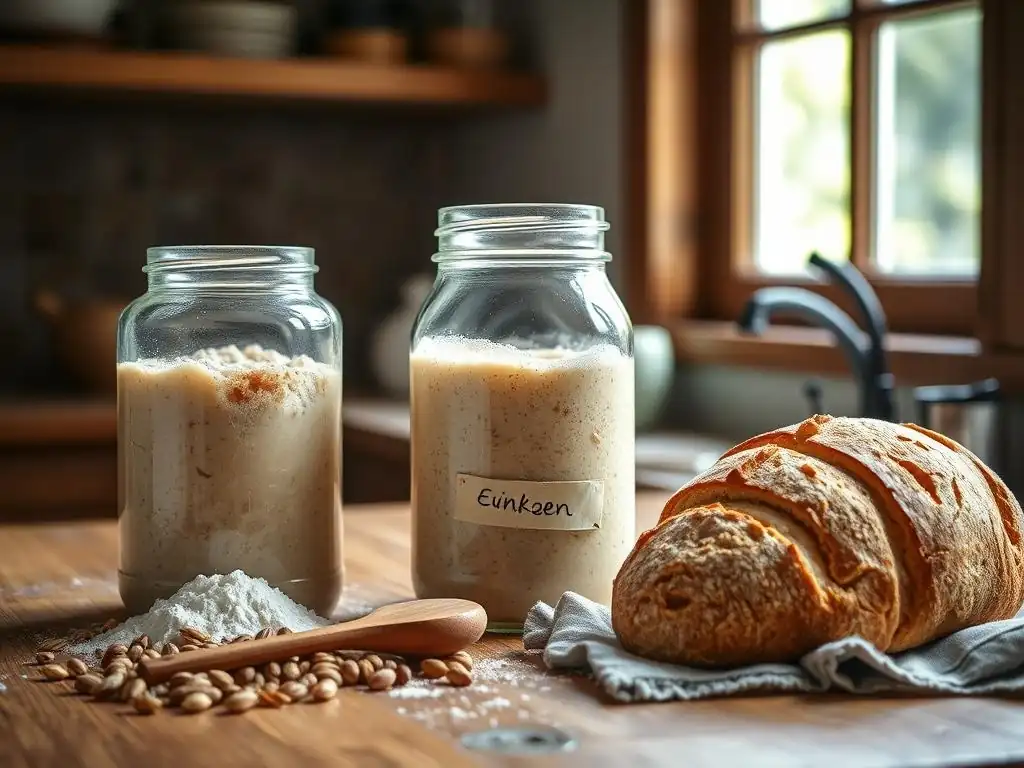
Working with einkorn and rye flours isn't just about adjusting your bread recipe; it also involves considering how these flours affect your sourdough starter. A healthy, active starter is the foundation of any good sourdough, and when you introduce ancient grains, you might need to make a few adjustments to keep it thriving and optimized for your baking goals.
Adapting your starter for einkorn and rye can enhance the flavor profile of your final loaf and ensure the starter has the necessary microbial balance to ferment these specific grains effectively. It's a small step that can make a big difference in the success of your sourdough baking einkorn rye endeavors.
Adapting Your Sourdough Starter for Ancient Grains
Your existing starter, typically fed with modern wheat flour, can certainly be used to bake with einkorn and rye. However, if you plan to bake with these ancient grains frequently, especially 100% rye loaves, you might consider maintaining a small portion of your starter specifically with the ancient grain flour you intend to use.
For example, you could take a small amount of your active wheat starter (say, 20-30g) and feed it with einkorn or rye flour and water for a few cycles before using it in a recipe. This process encourages the microbial population to adapt to the new food source, potentially resulting in a more vigorous rise and better flavor development specific to that grain. For rye sourdough, some bakers prefer a 100% rye starter (often called a Rye Sour), which imparts a deeper rye flavor and is well-suited to fermenting dense rye doughs.
Feeding Your Starter with Einkorn and Rye: A Guide
Feeding your starter with einkorn or rye follows the same basic principle as feeding with wheat: combine a portion of active starter with fresh flour and water. The ratio is typically 1:1:1 (starter:flour:water by weight) for standard hydration, though rye starters are often maintained at higher hydrations (e.g., 1:1:1.2 or even 1:1:1.5) due to rye's high water absorption.
When feeding with einkorn, use a similar hydration to your usual wheat starter (often 100% hydration, or 1:1:1). Einkorn absorbs less water than modern wheat, so the mixture might seem wetter than you expect. For rye, especially whole or dark rye, you will likely need more water to achieve a pourable or very thick batter-like consistency, which is typical for rye starters. Observe how your starter behaves and adjust the water slightly in future feedings if it seems too stiff or too liquid.
Maintaining a Healthy Einkorn/Rye Sourdough Starter
Maintaining a starter fed with einkorn or rye involves regular feedings, just like a wheat starter. Store it in a clean jar at room temperature if you bake frequently (daily or every couple of days) or in the refrigerator if you bake less often (weekly or bi-weekly). When storing in the fridge, feed it before refrigerating and plan to feed it 1-2 times at room temperature after taking it out before using it for baking.
Signs of a healthy einkorn or rye starter include:
- Visible bubbles forming after feeding.
- The starter increasing significantly in volume (though rye starters may not double or triple as dramatically as wheat starters).
- A pleasant, tangy aroma (not overly pungent or alcoholic).
- Passing the float test (dropping a small amount into water and seeing it float, although this test is less reliable for dense rye starters).
Discard and feed regularly to keep the microbial population active and prevent excess acidity. A typical feeding schedule might involve discarding all but 20-30g of starter and feeding it 50g flour (einkorn or rye) and 50g water for a 100% hydration starter.
Einkorn Sourdough Recipe: A Step-by-Step Guide
Ready to bake a delicious einkorn sourdough loaf? This guide provides a basic framework. Einkorn dough is different from wheat dough – it's less elastic and tears more easily. Handle it gently throughout the process. This recipe uses a blend of einkorn and modern bread flour to make it more manageable for those new to einkorn, while still highlighting the ancient grain's flavor.
This process assumes you have an active sourdough starter, ideally one that has been fed with einkorn a few times for best results, though a standard active wheat starter will work too. Sourdough baking einkorn rye requires patience, but the result is well worth the effort.
Ingredients for Einkorn Sourdough Bread
Here are the typical ingredients you'll need for a medium-sized loaf (around 800-900g total weight):
- 100g active sourdough starter (preferably fed with einkorn, 100% hydration)
- 300g lukewarm water (around 80-85°F or 27-29°C)
- 300g einkorn all-purpose or whole grain flour
- 150g strong bread flour (modern wheat)
- 9g fine sea salt
This mix provides a good balance, using approximately 67% einkorn flour relative to the total flour weight. Adjusting the ratio means understanding that higher einkorn percentages will lead to a more delicate dough and a softer, less structured crumb.
Einkorn Sourdough Baking Process: A Detailed Walkthrough
Baking einkorn sourdough involves standard sourdough steps, but with extra care due to the flour's characteristics. Pay close attention to the dough's feel rather than strictly adhering to timings, as fermentation rates vary based on ambient temperature and starter activity.
This walkthrough outlines the key stages, from mixing to baking, focusing on gentle handling and observing the dough.
Step 1: Mixing the Einkorn Sourdough Dough
In a large bowl, whisk together the active starter and lukewarm water until the starter is mostly dissolved. Add the einkorn flour and bread flour. Use your hands or a spatula to mix until no dry flour remains and a shaggy dough forms. This is the autolyse stage. Cover the bowl and let it rest for 30 minutes to 1 hour. This allows the flours to hydrate.
After the autolyse, add the salt to the dough. Wet your hand and gently incorporate the salt by squeezing and folding the dough within the bowl for 1-2 minutes. Avoid aggressive kneading. The dough will feel sticky and less developed than a pure wheat dough.
Step 2: Bulk Fermentation of Einkorn Sourdough
Bulk fermentation is where the dough develops flavor and strength through a series of folds. Cover the bowl and let the dough rest at room temperature (ideally 72-78°F or 22-26°C). Perform 3-4 sets of stretch and folds over the first 2-3 hours. For einkorn, use gentle hands. Wet your hands slightly, grab an edge of the dough, stretch it up gently, and fold it over the center. Rotate the bowl and repeat 3-4 times per set.
Allow the dough to continue fermenting until it has increased in volume by about 30-50% and shows signs of fermentation (some bubbles on the surface, slightly domed). This could take anywhere from 4 to 8 hours or longer, depending on the temperature. Einkorn ferments a bit slower than modern wheat.
Step 3: Shaping the Einkorn Sourdough Loaf
Lightly flour your work surface (use bread flour or rice flour as einkorn can be sticky). Gently scrape the dough out of the bowl. Einkorn dough is soft and can be prone to tearing. Handle it minimally. Shape the dough into your desired form (a boule or a batard). For a boule, gently tuck the edges under to create surface tension. For a batard, fold the dough into thirds like a letter, then roll it up gently.
Be careful not to degas the dough too much. The goal is to create a taut surface without tearing the delicate einkorn structure.
Step 4: Proofing the Einkorn Sourdough
Place the shaped dough seam-side up into a floured banneton or proofing basket (use rice flour to prevent sticking). Cover the banneton with a plastic bag or plastic wrap. Proof the dough in the refrigerator for 10-18 hours. Cold proofing develops flavor and makes the dough easier to score.
Alternatively, you can proof at room temperature for 2-4 hours, but watch the dough closely. It's ready when it feels slightly puffy and springs back slowly when gently poked. Over-proofing einkorn is easy and can lead to a flat loaf.
Step 5: Baking the Einkorn Sourdough Bread
Preheat your oven to 450-475°F (230-245°C) with a Dutch oven or baking stone inside for at least 30-45 minutes. Carefully transfer the dough from the banneton onto a piece of parchment paper. Score the top of the loaf with a sharp razor or lame.
If using a Dutch oven, carefully lower the loaf on the parchment paper into the hot pot. Cover with the lid and bake for 20 minutes. This creates steam for good oven spring. After 20 minutes, remove the lid and continue baking for another 20-25 minutes, or until the crust is golden brown and the internal temperature reaches 205-210°F (96-99°C). If using a baking stone, create steam in the oven by placing a tray of water on a rack below the stone.
Tips for Perfecting Your Einkorn Sourdough
- Handle Gently: Einkorn's gluten is delicate. Avoid aggressive kneading or shaping. Think of folding rather than pounding.
- Hydration: Einkorn absorbs less water than modern wheat. Start with a lower hydration (around 65-70% total hydration including starter water) and adjust in future bakes if needed.
- Fermentation Time: Einkorn ferments slower. Be patient during bulk fermentation and cold proofing. Watch the dough, not the clock.
- Proofing: Be cautious of over-proofing, especially at room temperature. A slightly under-proofed einkorn loaf is often better than an over-proofed one.
- Baking Vessel: Baking in a Dutch oven is highly recommended for einkorn as it provides necessary steam and support for the delicate dough, helping it achieve better volume.
Rye Sourdough Recipe: A Step-by-Step Guide
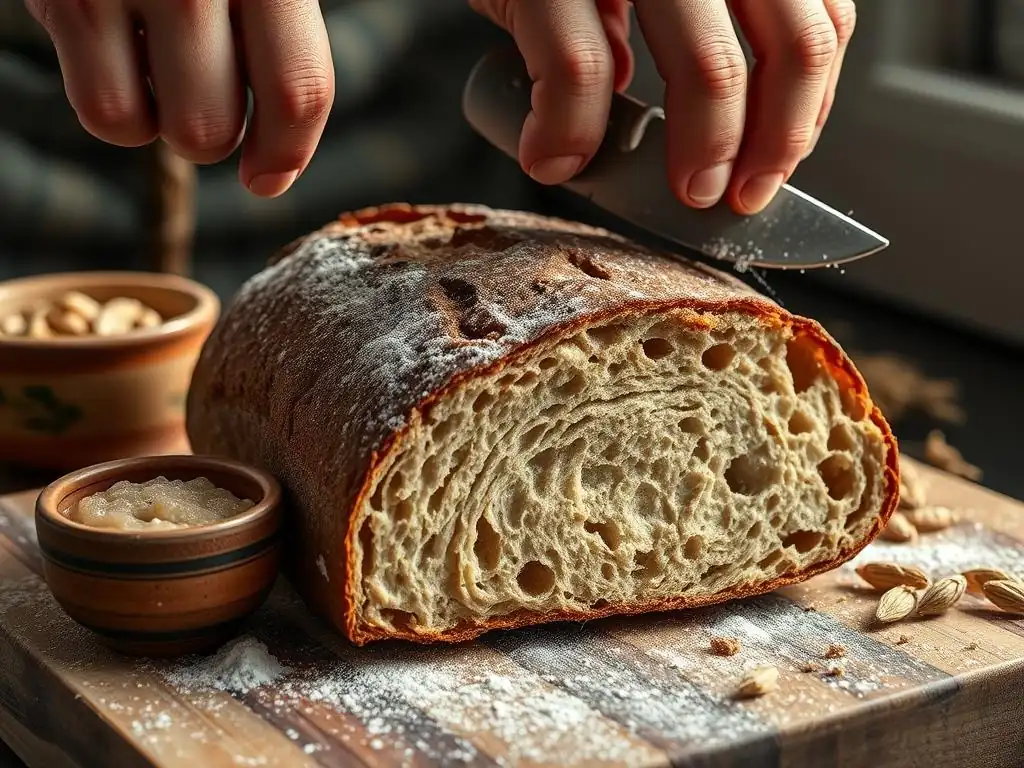
Baking with rye sourdough is a different experience than baking with wheat or even einkorn. Rye dough is sticky, dense, and does not develop a strong gluten network. This recipe is for a medium-percentage rye loaf, blending rye with modern bread flour for easier handling and a lighter crumb than a 100% rye loaf. Mastering sourdough baking einkorn rye often involves starting with blends before attempting 100% loaves.
This recipe uses pumpernickel or dark rye flour for a rich flavor. Adjustments will be needed if using light or medium rye. Ensure your sourdough starter is active; a rye-fed starter is ideal but not strictly necessary for a blended loaf.
Ingredients for Rye Sourdough Bread
For a loaf of similar size (around 900-1000g):
- 120g active sourdough starter (preferably fed with rye, 100-120% hydration)
- 380g lukewarm water (around 80-85°F or 27-29°C)
- 250g dark rye flour (pumpernickel)
- 250g strong bread flour (modern wheat)
- 10g fine sea salt
- (Optional) 1 tsp caraway seeds for classic rye flavor
This recipe uses about 50% rye flour relative to total flour. Higher percentages will require more water and result in a denser loaf. Rye flour absorbs water differently than wheat, so the total hydration here is higher (around 85% relative to total flour) to account for the rye.
Rye Sourdough Baking Process: A Detailed Walkthrough
Rye sourdough requires less emphasis on traditional kneading and stretching, and more on mixing and controlled fermentation. Its sticky nature means you'll rely more on wet hands or tools.
Follow these steps, keeping in mind that rye dough won't behave like wheat dough.
Step 1: Mixing the Rye Sourdough Dough
In a large bowl, combine the active starter and lukewarm water. Stir to disperse the starter. Add the rye flour and bread flour. Mix with a sturdy spoon or spatula until a uniform, very sticky dough forms. Unlike wheat, you won't develop gluten here in the traditional sense. Just ensure all ingredients are well combined. Cover and let rest for 20-30 minutes (autolyse).
After the rest, add the salt (and caraway seeds if using). Use a wet hand or spatula to fold and mix the salt into the dough until evenly distributed. The dough will remain very sticky and heavy.
Step 2: Bulk Fermentation of Rye Sourdough
Rye dough ferments relatively quickly due to the enzymatic activity in rye flour. Cover the bowl and let the dough ferment at room temperature (ideally 72-78°F or 22-26°C). You won't perform traditional stretch and folds as the dough lacks the structure. Instead, simply let it rest.
Bulk fermentation for a rye blend might take 2-4 hours. Watch for signs of fermentation: the dough will increase slightly in volume (perhaps 30-40%), develop some bubbles on the surface, and feel lighter. Be careful not to over-ferment, as rye dough can degrade quickly once ripe.
Step 3: Shaping the Rye Sourdough Loaf
Rye dough is too sticky for traditional shaping on a floured surface. Instead, use a wet surface or heavily flour your hands and work surface with rice flour or coarse rye flour. Gently scrape the dough out of the bowl. Rye dough is more like a thick batter or paste than a cohesive dough.
Shape it quickly and gently into a log or round using your hands or a bench scraper. Don't worry about achieving a perfect, taut skin; it's not possible with high-percentage rye. The goal is just to form it into a manageable shape for proofing.
Step 4: Proofing the Rye Sourdough
Place the shaped dough seam-side down into a well-floured banneton or proofing basket (generously use rice flour, cornmeal, or coarse rye flour). Rye dough sticks mercilessly! Cover the banneton. Proofing time for rye blends is often shorter than wheat.
Proof at room temperature for 1-2 hours, or in the refrigerator for 6-12 hours. Rye dough is ready when it feels slightly puffy and has increased noticeably in size (maybe 30-50%). Over-proofing rye is common and results in a dense, gummy loaf. It's better to slightly under-proof.
Step 5: Baking the Rye Sourdough Bread
Preheat your oven to 450-475°F (230-245°C) with a Dutch oven or baking stone inside for at least 30-45 minutes. Carefully invert the dough from the banneton onto a piece of parchment paper. Scoring rye dough is difficult and often unnecessary as it doesn't expand dramatically like wheat. A simple slash or two might be made, or you can leave it unscored.
If using a Dutch oven, carefully lower the loaf on the parchment into the hot pot. Cover and bake for 20 minutes. Remove the lid and continue baking for another 25-35 minutes, or until the crust is deep brown and the internal temperature reaches 205-210°F (96-99°C). Rye bread benefits from a longer bake to ensure the dense interior is cooked through. Let it cool completely before slicing.
Tips for Perfecting Your Rye Sourdough
- Hydration is Key: Rye flour absorbs a lot of water. Don't be afraid of a very wet, sticky dough. Higher hydration is necessary for a moist crumb.
- Handle with Wet Hands/Tools: Due to the stickiness, keep your hands or spatula wet when handling the dough.
- Shorter Fermentation: Rye ferments faster than wheat. Watch the dough closely and be mindful of over-proofing.
- Proofing Basket Preparation: Generously flour your proofing basket with a non-stick flour like rice flour or cornmeal. Rye dough is notorious for sticking.
- Cool Completely: Rye bread needs a long time to set internally after baking. Do not slice until it is completely cool, ideally several hours later or even the next day. Slicing warm rye bread will result in a gummy texture.
Troubleshooting Common Sourdough Baking Problems with Einkorn and Rye
Venturing into sourdough baking einkorn rye can present unique challenges compared to baking with modern wheat. The different properties of these ancient grains mean that common sourdough issues might manifest differently or require alternative solutions. Don's be discouraged by early attempts; understanding the potential pitfalls is key to success.
By recognizing the typical problems associated with einkorn and rye doughs and knowing how to address them, you'll be better equipped to produce beautiful, flavorful loaves. Patience and observation are your best tools here.
Common Issues with Einkorn Sourdough and How to Fix Them
- Flat, Spreading Loaf: This is a common issue with einkorn due to its weak gluten.
- Cause: Over-hydration, over-proofing, insufficient shaping tension, or handling the dough too roughly (tearing the delicate gluten).
- Fix: Reduce hydration slightly in the next bake. Shorten bulk fermentation or proofing time. Be extremely gentle during mixing, folding, and shaping; focus on building gentle surface tension without tearing. Baking in a Dutch oven provides support and can help prevent spreading.
- Dense, Gummy Crumb: Can happen if the dough is under-fermented or baked improperly.
- Cause: Not enough fermentation time, dough too cold during fermentation, or not baked long enough/at a high enough temperature.
- Fix: Ensure your starter is very active. Allow more time for bulk fermentation at a warmer temperature (aim for 75°F/24°C). Make sure the oven is fully preheated and bake until the internal temperature reaches 205-210°F (96-99°C).
- Dense, Brick-like Loaf: The most frequent complaint with rye. While rye is naturally dense, it shouldn't be completely impenetrable.
- Cause: Under-hydration, over-proofing, or not baking long enough.
- Fix: Ensure adequate hydration; rye dough should be very sticky, almost batter-like for high percentages. Rye ferments quickly; over-proofing collapses the limited structure. Shorten fermentation times. Bake thoroughly until the internal temperature is correct and the crust is dark.
- Sticky, Gummy Interior: Often a result of slicing too soon.
- Cause: Slicing the loaf before it has completely cooled and the internal structure has set.
- Fix: Rye bread must cool completely before slicing, ideally for several hours or overnight. This allows the moisture and structure to stabilize.
Achieving the Perfect Crust and Crumb in Ancient Grain Sourdough
Achieving the desired crust and crumb with einkorn and rye differs from modern wheat.
- Einkorn: Expect a thinner, less dramatically blistered crust and a soft, tender crumb with smaller, more uniform holes. To improve the crust, ensure good steam during the initial bake (Dutch oven is best). For crumb, focus on gentle handling to preserve the delicate structure developed during fermentation.
- Rye: Expect a thick, dark, often chewy crust and a dense, moist crumb with very few large holes. A long, hot bake helps develop the deep color and flavor of the crust. For the crumb, proper hydration and avoiding over-proofing are crucial for preventing a gummy texture.
Sourdough baking einkorn rye is about appreciating the unique qualities of these grains rather than trying to force them to behave like modern wheat.
Exploring Variations: Einkorn and Rye Sourdough Combinations
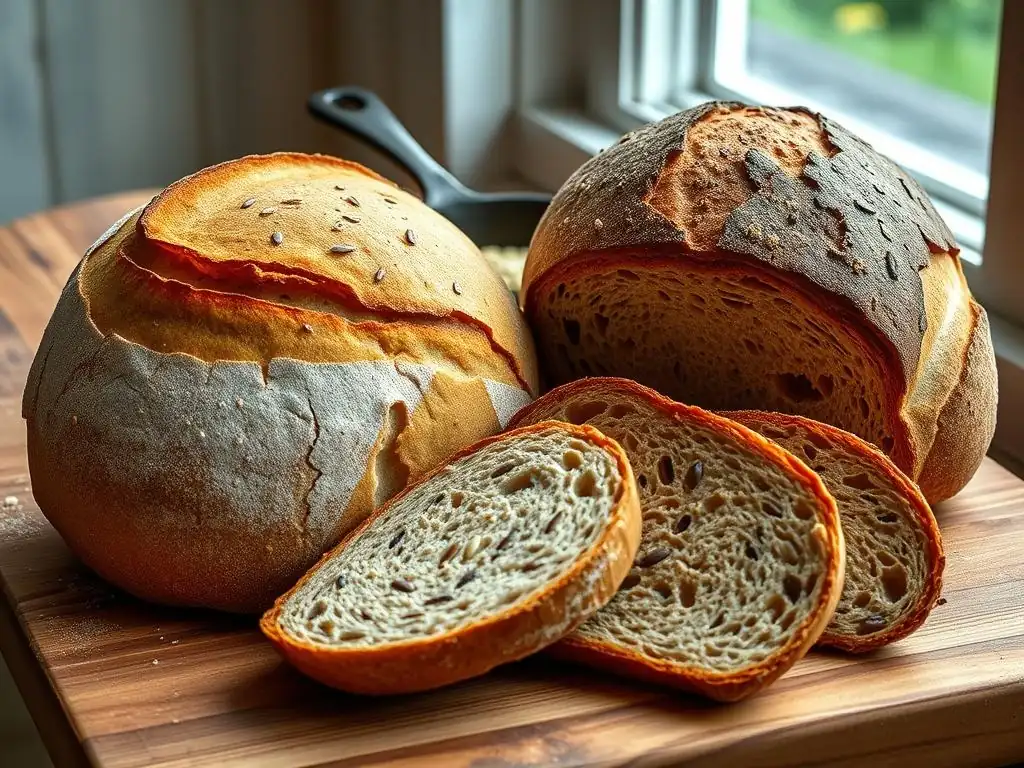
Once you're comfortable baking with einkorn and rye individually or in simple blends, you can start experimenting with combining them in a single loaf. An einkorn-rye sourdough blend offers the best of both worlds: the tender crumb and subtle sweetness of einkorn paired with the earthy depth and moistness of rye.
Creating a balanced einkorn-rye sourdough allows you to fine-tune the flavor profile and texture to your preference. This section explores how to approach blends and provides a basic recipe to get you started on this exciting combination.
Creating a Blend: Combining Einkorn and Rye Flours in Sourdough
When combining einkorn and rye, consider the characteristics each flour brings. Einkorn contributes tenderness and a slightly sweeter note, while rye adds density, moisture, and tang. The ratio you choose will significantly impact the final bread.
A blend might range from a small percentage of rye (5-10%) in an einkorn-dominant loaf for just a hint of earthiness, to a more balanced 50/50 mix, or even a rye-dominant loaf with some einkorn for added tenderness. Remember that rye absorbs more water and has less structure than einkorn, so adjust hydration and handling accordingly. Start with a moderate blend (like the 50/50 suggested below) to understand how they interact before experimenting with more extreme ratios in your sourdough baking einkorn rye.
Recipe: Einkorn-Rye Sourdough Bread
Here is a starting point for a delicious Einkorn-Rye blend loaf (around 950g total weight):
- 110g active sourdough starter (fed with a mix of wheat/rye or wheat/einkorn, ~100% hydration)
- 370g lukewarm water (around 80-85°F or 27-29°C)
- 200g einkorn whole grain or all-purpose flour
- 200g dark or medium rye flour
- 100g strong bread flour (optional, for easier handling)
- 10g fine sea salt
This recipe uses approximately 40% einkorn and 40% rye relative to total flour (or 50% einkorn and 50% rye if omitting the bread flour). The total hydration is relatively high (around 85-90% relative to total flour) to accommodate the rye.
Mix starter and water, then add flours and salt. Mix until shaggy, then rest 30-60 mins. Perform 2-3 gentle stretch and folds over the first 1.5-2 hours of bulk fermentation (total bulk fermentation 3-5 hours, watch the dough!). Shape gently, considering the stickiness from the rye and the delicate nature of the einkorn. Proof in a well-floured banneton (rice flour is best) for 8-16 hours in the fridge. Bake in a preheated Dutch oven at 475°F (245°C) for 20 mins covered, then 25-30 mins uncovered at 450°F (230°C). Cool completely before slicing.
Flavor Enhancements: Adding Seeds, Herbs, and Spices
Einkorn and rye sourdoughs are wonderful canvases for additional flavors. The nutty sweetness of einkorn pairs well with subtle additions, while the robust flavor of rye can handle stronger ingredients.
- For Einkorn Sourdough: Try adding poppy seeds, sesame seeds, or a hint of ground cardamom or nutmeg for a slightly sweet, aromatic loaf. Dried fruits like cranberries or chopped apricots can also be lovely additions.
- For Rye Sourdough: Caraway seeds are a classic pairing, enhancing the inherent rye flavor. Other additions include coriander seeds, fennel seeds, or a blend of "deli rye" spices. Chopped walnuts or pecans add crunch and richness. Soaked and drained rye berries can be mixed into the dough for texture.
Mix seeds, herbs, or spices into the dough during the initial mixing or the salt incorporation phase. A common addition rate is 5-10% of the total flour weight for seeds or nuts, and smaller amounts (1-2 teaspoons per loaf) for ground spices.
Storing and Enjoying Your Einkorn and Rye Sourdough
You've put in the effort to bake these unique ancient grain sourdoughs; now it's time to enjoy them and keep them fresh. Proper storage is key, especially for the moist, dense crumb of rye bread, which can otherwise become gummy or dry out depending on the conditions.
Einkorn sourdough, with its tender crumb, also benefits from careful storage to maintain its delicate texture. Learning the best practices will ensure you get the most out of every slice of your homemade sourdough baking einkorn rye loaves.
Best Practices for Storing Sourdough Bread
The best way to store sourdough depends on how quickly you plan to eat it.
- For immediate consumption (1-2 days): Store the loaf cut-side down on a cutting board. This minimizes exposure of the crumb to air.
- For short-term storage (3-4 days): Wrap the cooled loaf in a linen bread bag or a clean tea towel. This allows the crust to breathe while keeping the interior relatively fresh. Avoid plastic bags initially, as they can trap moisture and soften the crust.
- For longer storage (up to a week): Once the crust has cooled completely (after several hours), you can store the loaf in a plastic bag or a bread box. This is particularly good for rye bread, which benefits from the trapped moisture keeping the crumb soft.
- For freezing (several months): Slice the cooled loaf and place the slices in a freezer-safe bag or container. You can take out slices as needed and toast them directly from frozen. A whole loaf can also be frozen; wrap it tightly in plastic wrap, then in foil, or place it in a freezer bag. Thaw at room temperature.
Remember, always let your bread cool completely before storing or slicing, especially rye bread.
Delicious Ways to Enjoy Einkorn and Rye Sourdough
Both einkorn and rye sourdoughs offer unique culinary possibilities.
- Einkorn Sourdough: Its tender, slightly sweet crumb is perfect for:
- Toasting and spreading with butter, jam, or honey.
- Making delicate sandwiches.
- Using as the base for French toast (the tender crumb absorbs the custard beautifully).
- Dipping into soups or stews.
- Rye Sourdough: Its dense, tangy, earthy flavor pairs wonderfully with:
- Smoked fish (like salmon) or cured meats.
- Strong cheeses (like cheddar or Swiss).
- Pickled vegetables (like sauerkraut or pickles).
- Open-faced sandwiches, a Scandinavian tradition.
- Toasted and topped with cream cheese and chives.
- Used for hearty croutons in salads or soups.
The distinct flavors of these ancient grains provide a fantastic counterpoint to various toppings and meals, making your sourdough baking einkorn rye efforts truly rewarding.
Conclusion: Embrace the Sourdough Baking Adventure with Ancient Grains
Exploring sourdough baking with einkorn and rye is a journey into the rich history and diverse flavors of ancient grains. It challenges you to adapt your techniques, understand different dough behaviors, and appreciate the unique characteristics each grain brings to the loaf. From the tender sweetness of einkorn to the earthy tang of rye, baking with these flours expands your sourdough skills and introduces you to incredible new tastes and textures.
Whether you choose to bake pure einkorn or rye loaves, or create custom blends, the process is a rewarding adventure. It connects you to ancient traditions and offers the satisfaction of creating nourishing, flavorful bread from simple ingredients and your own active sourdough culture.
The Rewarding Experience of Baking with Einkorn and Rye
Successfully baking a loaf of einkorn or rye sourdough is a testament to your growing baking skills and patience. Each loaf teaches you something new about hydration, fermentation, and the nuances of working with less conventional flours. The aroma that fills your kitchen and the taste of the final bread, distinct from modern wheat loaves, provide a unique sense of accomplishment.
Furthermore, sharing these unique ancient grain sourdoughs with friends and family is a joy. You're not just sharing bread; you're sharing a piece of history and the delicious results of your sourdough baking einkorn rye dedication.
Further Sourdough Baking Exploration with BakeWithEase
This article provides a foundation for your einkorn and rye sourdough adventures. BakeWithEase.com is here to support you every step of the way, whether you're a beginner or looking to refine your techniques. Explore our other articles for more tips on maintaining your starter, troubleshooting common issues, and discovering new recipes.
Keep experimenting with different ratios of einkorn and rye, try adding inclusions, and adjust hydration levels to find what works best for you and your environment. The world of sourdough baking with ancient grains is vast and exciting. Happy baking!
Frequently Asked Questions
What makes einkorn and rye different from regular wheat flour in sourdough baking?
Einkorn and rye flours have different gluten structures than wheat. Einkorn has a weaker gluten and rye has pentosans, affecting hydration and dough handling. This requires adjusted techniques for successful sourdough.
Can I substitute einkorn or rye flour directly for all-purpose flour in my sourdough recipe?
Generally, no. Due to their unique properties, you'll likely need to adjust hydration levels and proofing times. It's best to start with a recipe specifically designed for einkorn or rye.
What are the benefits of using einkorn and rye in sourdough?
Einkorn and rye offer unique flavor profiles and textures to sourdough. They can also contribute to improved digestibility and nutritional value compared to all-purpose flour sourdough.
Where can I find einkorn and rye flour for sourdough baking?
Many specialty grocery stores and online retailers carry einkorn and rye flour. Look for high-quality, unbleached options for the best results in your sourdough.
How does using these ancient grains affect the sourdough starter itself?
Einkorn and rye flours can influence the activity and flavor of your sourdough starter. They might require slightly different feeding schedules to maintain optimal performance and balance.
Final Reflection: The Enduring Allure of Ancient Grains
The resurgence of sourdough baking, particularly with ancient grains like einkorn and rye, isn't just a fleeting trend; it's a powerful testament to our desire for connection to the past and a healthier future. This renewed interest speaks volumes about our growing awareness of food's impact on our well-being and the environment, pushing us to seek out more sustainable and nutritious options. The journey from starter to loaf, detailed in this article, is a microcosm of this larger shift in our relationship with food.
The unique flavors and textures of einkorn and rye sourdoughs have profoundly impacted my own understanding of baking and its cultural significance. These grains, with their rich history and distinct characteristics, offer a sensory experience far beyond the typical modern loaf. They connect us to a time when bread was not just sustenance, but a cornerstone of community and tradition. Bread is the staff of life,
a simple phrase, yet it encapsulates the profound role bread has played throughout history, and continues to play in our lives today.
Now, I invite you to embark on your own sourdough adventure. Don't be intimidated by the process; embrace the journey. Experiment with einkorn and rye, explore the nuances of their flavors, and share your creations with loved ones. The satisfaction of crafting a loaf from scratch, using grains that have nourished generations, is an experience that transcends the simple act of baking. It's a connection to the past, a celebration of the present, and a promise of a more mindful future.
Unleash Your Inner Baker: Craft Your Perfect Sourdough Loaf!
Thanks for joining us on this sourdough journey! We hope you've discovered the magic of baking with ancient grains like einkorn and rye. Ready to take your baking skills to the next level?
- Dive deeper into the world of sourdough: Experiment with different flour blends, and see what incredible flavors you can create using the techniques described in the article. Try a new recipe this week!
- Share your sourdough creations: Post pictures of your loaves on social media and tag us – we'd love to see your baking triumphs (and even your learning experiences! ).
- Explore the BakeWithEase community: Join our forum to connect with other bakers, share tips, and ask questions – we’re a supportive group!
What unique sourdough recipe will you try first? Let us know in the comments below!