
Easy Filipino Ube Desserts: Purple Yam Delights Made Simple

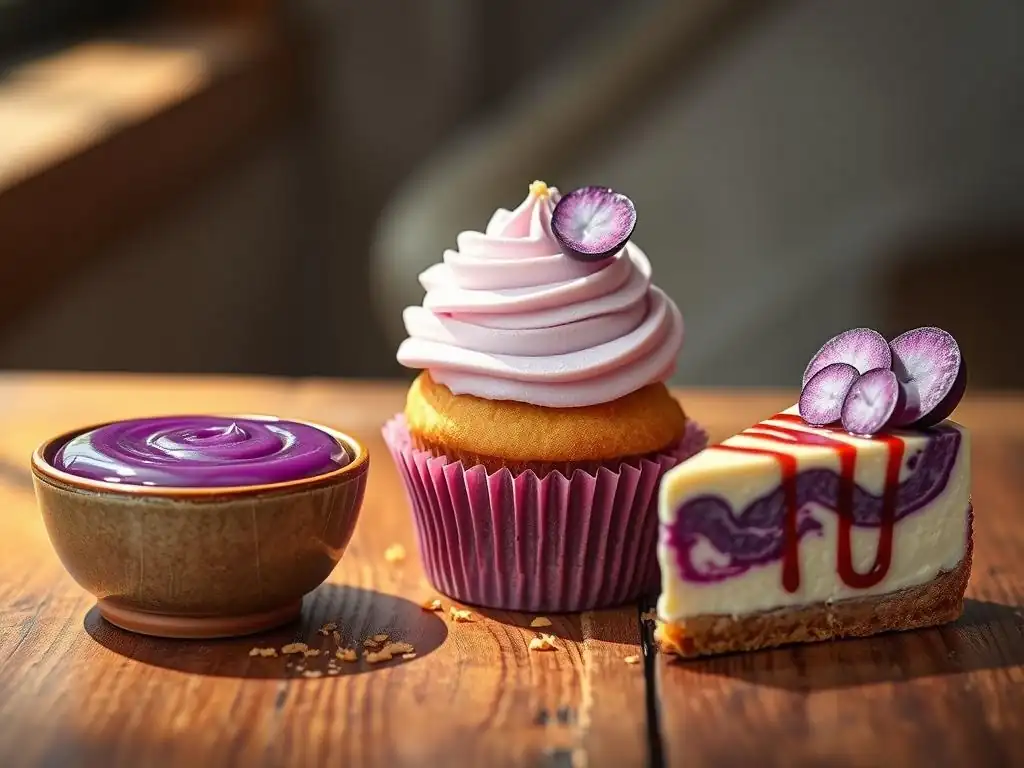
Welcome to BakeWithEase, your kitchen companion for unlocking the joy of baking! Ever dreamt of creating vibrant, unforgettable desserts? Then prepare to be amazed, because we're diving into the enchanting world of Easy Filipino ube recipes. Imagine the sweet, earthy aroma filling your home as you craft these purple yam delights. Curious to discover how simple it can be to bring a taste of the Philippines to your table? Keep reading – your ube adventure begins now!
- Introduction to Easy Ube Baking: Filipino Desserts Simplified
- Easy Ube Recipes: Quick & Delicious Filipino Treats
- Tips & Tricks for Baking with Ube: Mastering Purple Yam Desserts
- Variations & Adaptations: Expanding Your Easy Ube Baking Repertoire
- Where to Find Ube Ingredients: Sourcing Purple Yam for Your Baking
- Conclusion: Enjoying Your Homemade Easy Filipino Ube Creations
-
Frequently Asked Questions
- What exactly is Ube, and why is it so popular in Filipino desserts?
- Where can I find Ube for these "Easy Filipino Ube Recipes"?
- Are these Ube recipes truly "easy," even for a beginner baker?
- Can I substitute other ingredients if I can't find a specific item in the Ube recipes?
- What are some common Filipino desserts that use Ube, besides the ones on BakeWithEase?
- Final Reflection: The Enduring Sweetness of Ube
- Unleash Your Inner Pastry Chef: Ube Adventures Await!
Introduction to Easy Ube Baking: Filipino Desserts Simplified
Discover the Magic of Ube: A Beginner's Guide to Purple Yam
Ube, the vibrant purple yam originating from the Philippines, is a true marvel in the world of desserts. Known for its striking color and subtly sweet, slightly nutty, and vanilla-like flavor profile, ube has captured the hearts (and taste buds) of many around the globe. Unlike its orange sweet potato cousin, ube offers a unique earthiness and a fluffy texture when cooked, making it an ideal ingredient for a wide array of confections. Its natural pigment provides a stunning visual appeal that requires no artificial coloring, elevating simple desserts into edible works of art.
This incredible ingredient is the star of many beloved Filipino treats, from creamy jams to soft pastries. For beginners, working with ube might seem intimidating, but mastering easy Filipino ube recipes is entirely achievable. Whether you're using fresh ube, frozen ube, ube powder, or concentrated ube extract, each form offers a pathway to deliciousness. The key is understanding how ube interacts with other common baking ingredients like coconut milk, condensed milk, and butter, which are frequently paired with it to enhance its natural sweetness and create rich, comforting flavors.
Why Ube Desserts are Perfect for Home Baking
Ube desserts are wonderfully suited for home bakers looking to explore new flavors without needing highly specialized equipment or advanced techniques. Many easy ube recipes rely on straightforward methods like simmering, mixing, or simple baking, making them accessible even if you're just starting your baking journey. The forgiving nature of ingredients commonly used with ube, such as starches and dairy, often helps in achieving desirable textures, from smooth and creamy to soft and chewy.
Furthermore, the process of making easy Filipino ube recipes at home is incredibly rewarding. There's a unique satisfaction in transforming the humble purple yam into visually stunning and delicious treats like bright purple cookies or a rich, layered cake. The vibrant color alone brings joy to the kitchen and the finished product. Plus, sharing homemade ube desserts is a fantastic way to introduce friends and family to the delightful tastes of Filipino cuisine, showcasing a unique ingredient that is both beautiful and incredibly tasty.
Easy Ube Recipes: Quick & Delicious Filipino Treats
Ube Halaya Recipe: A Simple Guide to Homemade Purple Yam Jam
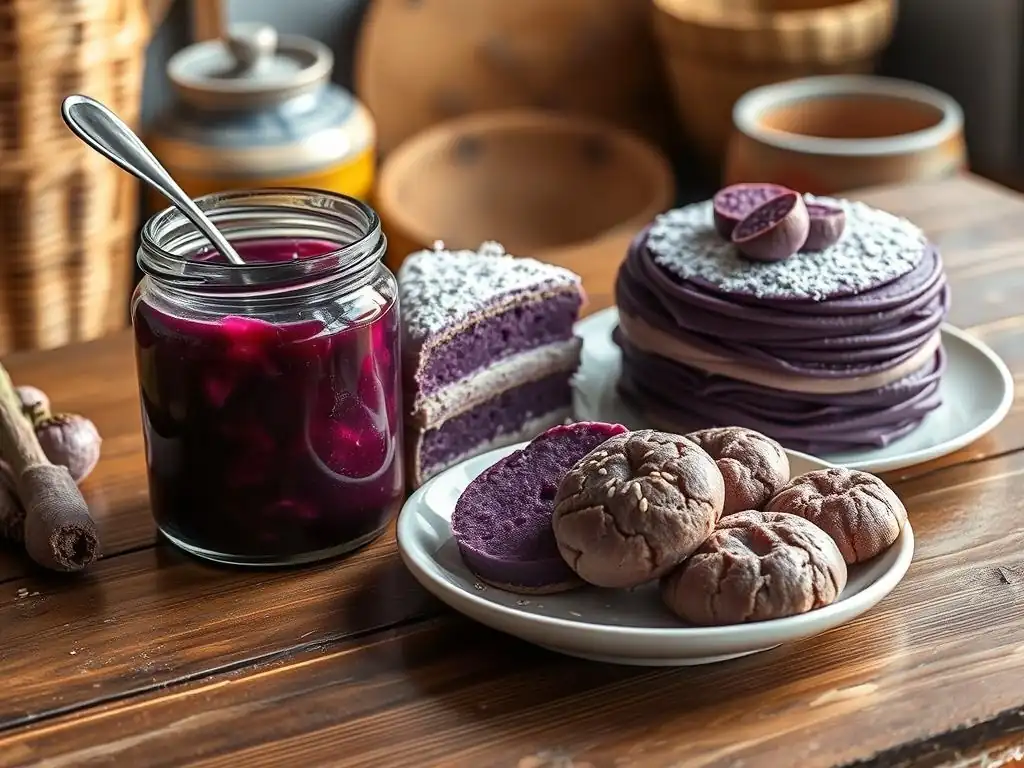
Ube Halaya, a rich and creamy jam or spread made from purple yam, is a cornerstone of Filipino ube desserts. It's relatively simple to make, requiring patience more than complex skills. The traditional method involves cooking grated ube with coconut milk, condensed milk, and butter over low heat, stirring continuously until it thickens into a smooth, scoopable consistency. This process typically takes about 30 to 60 minutes, depending on the quantity and heat level.
Making Ube Halaya at home allows you to control the sweetness and texture. Some recipes include evaporated milk or even a touch of cheese for added richness. While fresh or frozen grated ube is ideal for the best flavor, using rehydrated ube powder is an easy alternative that yields good results. The key is constant stirring to prevent sticking and burning, ensuring a smooth, luscious texture perfect for eating on its own, as a filling, or topping for other desserts.
Ingredients for Easy Ube Halaya
Here are the common ingredients you'll need for a basic, easy Ube Halaya:
- About 2 cups grated cooked ube (fresh, frozen, or rehydrated from powder)
- 1 can (about 13.5 oz) full-fat coconut milk
- 1 can (about 14 oz) sweetened condensed milk
- 1/4 cup unsalted butter, melted
- 1/4 cup white sugar (adjust to taste)
- 1 teaspoon ube extract (optional, for enhanced color and flavor)
- A pinch of salt
Ingredients Checklist:
- [ ] Grated cooked ube (2 cups)
- [ ] Coconut milk (1 can)
- [ ] Condensed milk (1 can)
- [ ] Butter (1/4 cup)
- [ ] Sugar (1/4 cup)
- [ ] Ube extract (1 tsp, optional)
- [ ] Salt (pinch)
Step-by-Step Ube Halaya Cooking Instructions
Follow these steps to make your simple Ube Halaya:
- Combine the grated ube, coconut milk, condensed milk, butter, sugar, and salt in a large, heavy-bottomed pot or wok.
- Place the pot over medium-low heat.
- Stir the mixture constantly using a wooden spoon or spatula. This is crucial to prevent the ube from sticking to the bottom and burning.
- Continue stirring and cooking for about 30-60 minutes, or until the mixture thickens significantly and pulls away from the sides of the pot when stirred. It should resemble a thick jam or paste.
- If using, stir in the ube extract during the last 5-10 minutes of cooking.
- Remove from heat and transfer the Ube Halaya to greased molds or containers. Traditionally, it's placed in round or oval wooden molds.
- Let it cool slightly at room temperature, then refrigerate for at least 2-3 hours, or until firm.
- Serve cold. You can top with a sprinkle of toasted coconut flakes or latik (coconut milk curds) if desired.
Ube Crinkles are a delightful twist on the classic crinkle cookie, infused with the signature flavor and color of purple yam. These cookies are known for their soft, chewy interior and the distinctive cracked surface coated in powdered sugar. Making easy ube recipes like these cookies is great for bakers of all levels because the process is straightforward and the results are visually appealing and delicious. The dough is typically mixed like a standard cookie dough, chilled, rolled into balls, coated in powdered sugar, and then baked.
The secret to achieving the perfect "crinkle" effect lies in chilling the dough thoroughly before rolling and generously coating the balls in powdered sugar. As the cookies bake, they spread, causing the sugar coating to crack and reveal the vibrant purple dough underneath. While some recipes use ube halaya, many easy Filipino ube recipes for crinkles simply use ube extract and sometimes ube powder to impart the flavor and color directly into a standard cookie dough base. This simplifies the process significantly.
Ube Crinkles Ingredients List
For easy Ube Crinkles, you'll generally need:
- 1/2 cup unsalted butter, softened
- 1 and 1/4 cups granulated sugar
- 2 large eggs
- 1 teaspoon vanilla extract
- 2 teaspoons ube extract
- 1/4 cup milk (whole or evaporated)
- 2 and 1/4 cups all-purpose flour
- 2 teaspoons baking powder
- 1/4 teaspoon salt
- About 1 cup powdered sugar, for coating
Ingredients for Ube Crinkles:
*   Softened butter (1/2 cup)
*   Granulated sugar (1 1/4 cups)
*   Eggs (2 large)
*   Vanilla extract (1 tsp)
*   Ube extract (2 tsp)
*   Milk (1/4 cup)
*   All-purpose flour (2 1/4 cups)
*   Baking powder (2 tsp)
*   Salt (1/4 tsp)
*   Powdered sugar (approx. 1 cup)
Baking Perfect Ube Crinkles: A Simple Method
Follow these simple steps for baking your Ube Crinkles:
- In a large bowl, cream together the softened butter and granulated sugar until light and fluffy.
- Beat in the eggs one at a time, then stir in the vanilla extract, ube extract, and milk. Mix until well combined and the color is uniform.
- In a separate bowl, whisk together the flour, baking powder, and salt.
- Gradually add the dry ingredients to the wet ingredients, mixing until just combined. Do not overmix. The dough will be soft.
- Cover the dough and chill in the refrigerator for at least 2-4 hours, or until firm enough to handle. Chilling is essential for the crinkle effect.
- Preheat your oven to 350°F (175°C). Line baking sheets with parchment paper.
- Place the powdered sugar in a shallow bowl.
- Take spoonfuls of the chilled dough and roll them into balls, about 1 inch in diameter.
- Generously roll each dough ball in the powdered sugar, ensuring it is completely coated. For a better crinkle, roll them twice in the sugar.
- Place the coated balls about 2 inches apart on the prepared baking sheets.
- Bake for 10-12 minutes, or until the edges are set but the centers are still soft. The cookies should have visible cracks.
- Let the cookies cool on the baking sheet for a few minutes before transferring them to a wire rack to cool completely.
No-Bake Ube Leche Flan: A Creamy Filipino Dessert
Leche Flan, the Filipino version of crème caramel, is a rich, smooth custard topped with a layer of clear caramel syrup. Creating an easy Filipino ube recipe for Leche Flan often involves adding ube flavor and color to the custard base. While traditional Leche Flan is steamed, a no-bake version simplifies the process by using gelatin or agar-agar to set the custard, making it a perfect easy ube dessert for home kitchens without a steamer setup. This method still delivers a wonderfully creamy texture and the delightful ube taste.
The no-bake approach typically involves heating milk, condensed milk, eggs (or just egg yolks for richness), sugar, and ube flavoring, then incorporating a dissolved gelling agent. This mixture is then poured into a mold coated with pre-made caramel and chilled until firm. This bypasses the often tricky steaming process, reducing the risk of a grainy texture or curdling. It's an excellent example of how traditional Filipino desserts can be adapted into easy ube recipes suitable for any home baker.
Preparing the No-Bake Ube Leche Flan
Here's how you might prepare the components for a no-bake Ube Leche Flan:
- Make the Caramel: Gently heat about 1/2 cup of white sugar in a saucepan over medium heat without stirring initially. Once the edges start to melt and brown, gently swirl the pan or stir with a heatproof spatula until all the sugar is melted and turns an amber color. Be careful not to burn it. Quickly pour the hot caramel into your desired mold (a loaf pan or individual ramekins work well), tilting it to coat the bottom evenly. Let it cool and harden.
- Prepare the Custard Base: In a separate saucepan, whisk together about 1 and 1/2 cups evaporated milk, 1 can (about 14 oz) condensed milk, about 4-6 egg yolks (or 2 whole eggs for simplicity), 1/4 cup sugar, and 1-2 teaspoons ube extract. Some easy ube recipes might also include a bit of ube powder or halaya for deeper flavor.
- Dissolve the Gelling Agent: In a small bowl, sprinkle about 1-2 tablespoons of unflavored gelatin powder (or equivalent agar-agar) over 1/4 cup of cold water. Let it bloom for a few minutes, then heat gently (microwave or stovetop) until completely dissolved.
Preparation Checklist:
- [ ] Make caramel and coat mold
- [ ] Whisk custard base ingredients
- [ ] Dissolve gelatin/agar-agar
Assembling and Chilling Your Ube Leche Flan
Once your components are ready, assembling and chilling is straightforward:
- Heat the custard base mixture over medium-low heat, stirring constantly, until it's warm but not boiling. Do not boil, or the eggs might curdle.
- Gradually whisk the dissolved gelatin/agar-agar into the warm custard base until thoroughly combined.
- For an extra smooth texture, you can strain the mixture through a fine-mesh sieve into a clean bowl.
- Carefully pour the warm ube custard mixture over the hardened caramel layer in your prepared mold.
- Let the mold cool slightly at room temperature, then cover it tightly with plastic wrap or a lid.
- Refrigerate for at least 4-6 hours, or preferably overnight, until the flan is completely set and firm.
- To serve, run a thin knife around the edges of the mold. Place a serving plate upside down over the mold, and quickly but carefully invert the mold and plate together. The flan should release, with the caramel sauce drizzling down the sides.
Tips & Tricks for Baking with Ube: Mastering Purple Yam Desserts
Choosing the Best Ube for Your Recipes
Selecting the right form of ube is key to successful easy Filipino ube recipes. Fresh or frozen grated ube offers the most authentic flavor and texture, but requires cooking and often pureeing. Ube powder, made from dehydrated ube, is convenient and provides good flavor and color, needing to be rehydrated before use in many recipes. Ube extract is perhaps the easiest option for home bakers; it's a liquid flavoring that imparts a strong ube taste and vibrant purple color with just a few drops, perfect for batters, frostings, and no-bake items.
For recipes where ube is the primary ingredient, like Ube Halaya, using fresh or frozen ube is highly recommended for the best results. However, for adding ube flavor and color to cookies, cakes, or flan, ube extract is often sufficient and much easier to incorporate evenly. Some bakers use a combination of ube powder for depth of flavor and ube extract for intense color. Experimenting with different forms in your easy ube recipes will help you discover your preference.
How to Store Ube Desserts for Maximum Freshness
Proper storage ensures your homemade easy Filipino ube recipes remain delicious and safe to eat. Most ube desserts, especially those containing dairy like Ube Halaya, Leche Flan, or cakes with creamy frostings, should be stored in an airtight container in the refrigerator. Ube Halaya can typically last for 1-2 weeks refrigerated. Leche Flan is best consumed within 3-5 days.
Baked goods like Ube Crinkles can be stored in an airtight container at room temperature for 3-4 days, though refrigerating them can extend their freshness, especially in warm climates. For longer storage, many ube desserts freeze well. Ube Halaya can be frozen for up to 2-3 months. Cookies can also be frozen, either baked or as dough balls (unbaked dough balls rolled in powdered sugar and frozen can be baked directly from frozen, adding a few minutes to the bake time). Always ensure desserts are completely cooled before storing to prevent condensation.
Ube Baking Troubleshooting: Common Issues and Solutions
Even with easy ube recipes, you might encounter a few common issues. If your Ube Halaya is too thin, continue cooking and stirring over low heat; it will thicken as moisture evaporates. If it's too thick, you can try adding a little more milk (coconut or evaporated) and stirring it in over low heat. For Ube Crinkles that don't crinkle, the dough wasn't chilled enough, or not enough powdered sugar was used. Ensure the dough is firm before rolling and generously coat twice in powdered sugar.
If your Ube Leche Flan has small bubbles on top, you likely whisked too vigorously, incorporating air. Tapping the mold gently on the counter before chilling can help some bubbles rise. If the flan is grainy in a steamed recipe, it was likely cooked too quickly or at too high a heat. The no-bake method largely avoids this. For any easy Filipino ube recipes using extract, if the color isn't vibrant enough, you can gradually add a tiny bit more extract, but be mindful that too much can sometimes impart a slightly artificial taste.
Variations & Adaptations: Expanding Your Easy Ube Baking Repertoire
Ube Cupcakes: A Simple Recipe Variation
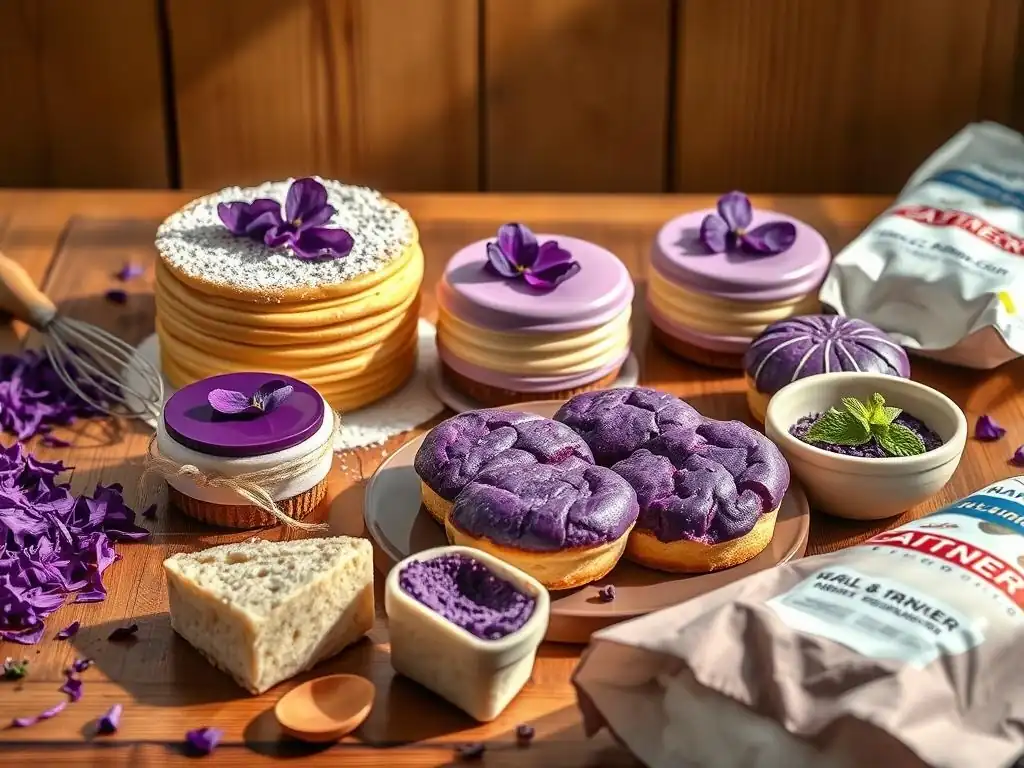
Transforming a basic vanilla or white cake recipe into an easy ube dessert is simple with cupcakes. Start with your favorite reliable cupcake recipe. To infuse it with ube, incorporate about 1-2 teaspoons of ube extract into the wet ingredients along with the vanilla. For a richer flavor and slightly denser texture, you can also whisk in about 1/4 to 1/2 cup of mashed cooked ube or rehydrated ube powder into the batter. Bake as directed for your base recipe.
To complete the Ube Cupcake experience, top them with a complementary frosting. A classic pairing is cream cheese frosting or a simple buttercream, also flavored and colored with ube extract. You can add ube extract to your frosting recipe until the desired color and flavor are achieved. These easy ube recipes for cupcakes are perfect for parties or as a fun baking project, offering a portable and visually appealing treat.
Ube Ice Cream: Homemade Purple Yam Frozen Delight
Making homemade Ube Ice Cream is surprisingly straightforward, especially if you have an ice cream maker, though no-churn methods are also popular for easy ube recipes. A simple base can be made using heavy cream, condensed milk, and evaporated milk. To this base, you whisk in ube flavoring. Using pre-made Ube Halaya provides the most authentic flavor and a creamy texture; blend about 1/2 to 1 cup of Ube Halaya into the milk mixture.
Alternatively, for an easy version, simply add 1-2 tablespoons of ube extract and perhaps a few tablespoons of ube powder (dissolved in a little milk) to the base mixture. Churn according to your ice cream maker's instructions, or freeze in a container, stirring every 30-60 minutes for the first few hours for a no-churn version. The result is a creamy, distinctively purple frozen treat that's a refreshing way to enjoy ube.
Ube Pandesal Recipe: Simple Version for Home Bakers
Pandesal, the classic Filipino bread roll, can be easily adapted to create soft, slightly sweet Ube Pandesal. This version incorporates ube flavor and color into the dough, resulting in beautiful purple rolls. While traditional bread making involves kneading, easy Filipino ube recipes for pandesal often use simpler mixing methods or stand mixers to reduce the manual effort. The key ingredients are flour, yeast, sugar, milk, butter, and of course, ube flavoring.
To make an easy Ube Pandesal, add about 1-2 teaspoons of ube extract and optionally 1/4 cup of mashed ube or rehydrated ube powder to your liquid ingredients before combining with the dry. Allow the dough to rise, shape into small rolls (often rolled in breadcrumbs before the second rise), and bake until golden brown and cooked through. These soft, fluffy purple rolls are delicious on their own or spread with butter, perfect for breakfast or a snack.
Where to Find Ube Ingredients: Sourcing Purple Yam for Your Baking
Local Asian Grocery Stores for Ube
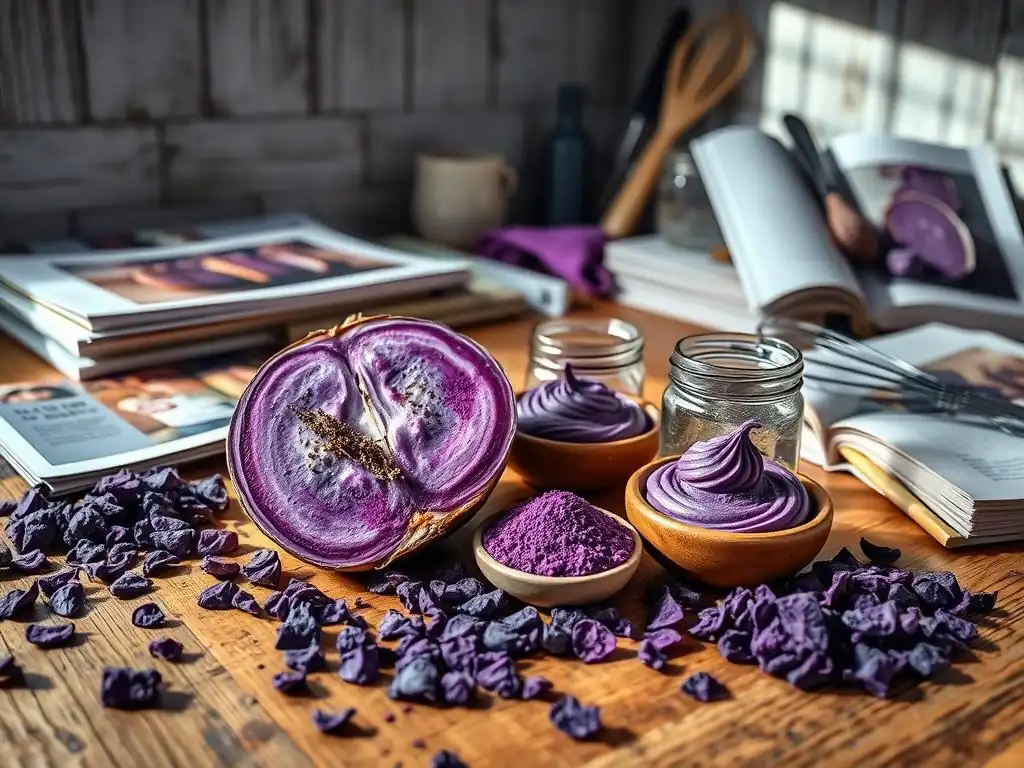
The most reliable place to find various forms of ube for your easy Filipino ube recipes is a local Asian grocery store, particularly those specializing in Filipino products. Here, you are likely to find frozen grated ube, which is a great option if fresh ube isn't available seasonally. You will almost certainly find jars or cans of pre-made Ube Halaya, which can be used directly or as an ingredient in other recipes like ice cream or fillings.
Crucially, Asian grocery stores are the best source for ube extract and ube powder. Ube extract is usually found in the baking aisle alongside other flavorings and colors, typically in small bottles ranging from 1-4 ounces, priced roughly between $4 and $10 depending on the brand and size. Ube powder might be in the baking or dried goods section. These stores offer the most direct access to the specific ingredients needed for authentic easy Filipino ube recipes.
Online Retailers Selling Ube Products
If you don't have access to a local Asian grocery store, or are looking for specific brands or bulk options, online retailers are an excellent alternative for sourcing ube ingredients. Many ethnic food online stores carry a wide range of ube products, including frozen ube, ube powder, ube extract, and even pre-made Ube Halaya. Large general online marketplaces also often list these products from various sellers.
When buying ube ingredients online, pay attention to shipping for frozen products and check reviews for quality. Ube extract is easily shipped and widely available online from specialty food sites and major retailers, often with prices comparable to or slightly higher than brick-and-mortar stores, plus shipping costs. Ube powder is also readily available online and is shelf-stable, making it a convenient pantry item for when the mood strikes to make easy Filipino ube recipes.
Conclusion: Enjoying Your Homemade Easy Filipino Ube Creations
Embarking on the journey of making easy Filipino ube recipes is a delightful way to explore the vibrant flavors and colors of Filipino cuisine. From the creamy simplicity of Ube Halaya to the fun crackle of Ube Crinkles and the smooth elegance of Ube Leche Flan, these recipes prove that mastering ube desserts is well within reach for any home baker. The unique taste and stunning purple hue of ube make these treats truly special, perfect for sharing with loved ones or simply enjoying yourself.
By starting with straightforward methods and readily available ingredients (or easy-to-source ones), you can confidently create beautiful and delicious purple yam delights. Don't be afraid to experiment with the variations suggested or even invent your own easy ube recipes. Baking should be fun and rewarding, and working with ube certainly adds an element of magic to the process. We hope this guide inspires you to bring the wonderful world of Filipino ube desserts into your kitchen.
We love seeing what our community bakes! If you try any of these easy Filipino ube recipes or create your own ube masterpiece, we encourage you to share your results.
Share your experience:
- [ ] What recipe did you try?
- [ ] What was your favorite part?
- [ ] Did you make any variations?
Hearing about your successes and challenges helps us all learn and grow as bakers. Your creations might just inspire someone else to try baking with ube for the first time!
Further Reading: Exploring More Filipino Dessert Recipes
Ube is just one star in the vast galaxy of Filipino desserts. Once you've mastered these easy ube recipes, there's a whole world of other delicious treats to explore. Consider delving into recipes for classics like Buko Pandan (young coconut and pandan jelly dessert), Sapin-Sapin (layered sticky rice cake), or Puto (steamed rice cakes).
Many traditional Filipino desserts, while sometimes seeming complex, have adapted versions that are quite accessible for home bakers. Exploring these will not only expand your baking skills but also deepen your appreciation for the rich culinary heritage of the Philippines. Happy baking!
Frequently Asked Questions
What exactly is Ube, and why is it so popular in Filipino desserts?
Ube is a purple yam native to the Philippines. Its popularity stems from its vibrant color and distinctive, subtly sweet flavor, making it a versatile ingredient.
Where can I find Ube for these "Easy Filipino Ube Recipes"?
Ube can be found in several forms, including fresh, frozen, or as ube powder or ube extract. Asian supermarkets are your best bet, but some larger grocery stores also carry it.
Are these Ube recipes truly "easy," even for a beginner baker?
Yes! BakeWithEase prioritizes simple, step-by-step guides and uses easy-to-find ingredients. Our recipes are designed for bakers of all skill levels.
Can I substitute other ingredients if I can't find a specific item in the Ube recipes?
While substitutions are possible, they may alter the flavor and texture. We recommend sticking to the recipe for the best results, especially when baking. Consider searching for direct substitutions specifically for Ube.
What are some common Filipino desserts that use Ube, besides the ones on BakeWithEase?
Beyond our recipes, other popular Ube desserts include Ube Halaya (Ube Jam), Ube Pandesal (Ube Bread Rolls), and Ube Ice Cream. Explore the rich culinary heritage of the Philippines!
Final Reflection: The Enduring Sweetness of Ube
The vibrant purple hue of ube, a symbol of Filipino heritage, continues to captivate kitchens worldwide, proving that simple recipes can hold immense cultural significance. Its popularity isn't just a fleeting trend; it's a testament to the enduring power of delicious, accessible food that connects people across generations and cultures. The ease of preparing these ube desserts, as demonstrated throughout this article, only amplifies their appeal, making them perfect for both seasoned bakers and enthusiastic beginners.
The journey of ube from a humble root crop to a globally recognized ingredient is a fascinating reflection of cultural exchange and the power of food to transcend borders. It's a reminder that the simplest pleasures often hold the deepest meaning. Food is symbolic of love when words are inadequate.
– Alan D. Wolfelt. This sentiment perfectly encapsulates the role ube plays in Filipino culture, representing not just a delicious treat, but a connection to family, tradition, and a rich culinary heritage.
Now, it's your turn. Consider the recipes shared within this article – the simple steps, the vibrant color, the delightful taste. Don't just read them; experience them. Gather your ingredients, invite friends or family, and create your own ube masterpiece. Let the process be as much a source of joy as the final product, and share the sweetness of ube with those you love. The legacy of this humble yet extraordinary ingredient is in your hands.
Unleash Your Inner Pastry Chef: Ube Adventures Await!
Thanks for joining us on this delicious journey into the world of ube! We hope you've discovered some new favorite recipes and found inspiration to create your own purple yam masterpieces. Ready to dive deeper into the sweet world of ube?
- Bake your own ube masterpiece! Choose your favorite recipe from the article and get baking. Let the sweet aroma fill your kitchen!
- Share your ube creations! Tag us on social media – we'd love to see your purple yam triumphs!
- Explore more ube recipes: Dive into our extensive recipe library to discover even more ube-licious possibilities!
What unique ube twist will you add to your next baking adventure?