
Secrets to a Perfect GlutenFree Carrot Cake with Cream Cheese Frosting

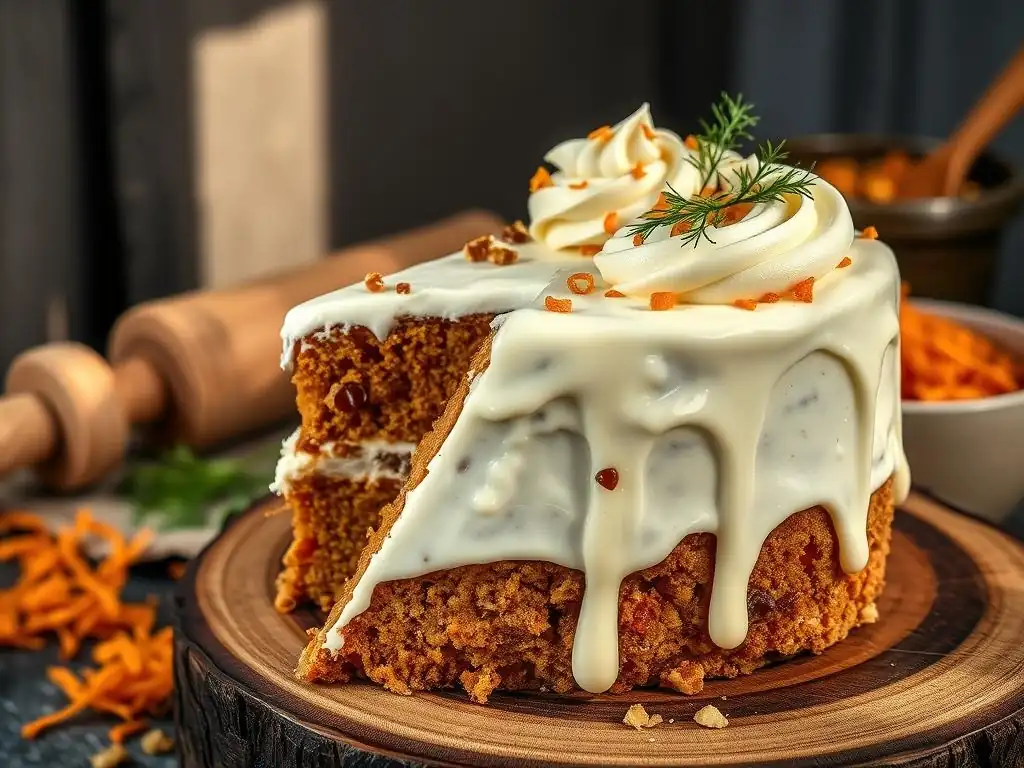
Welcome to BakeWithEase, where effortless baking becomes your reality! Ever dreamt of a perfectly moist and flavorful carrot cake that's also gluten-free? You're in the right place. Discover our secrets to creating a show-stopping Glutenfree Carrot Cake Recipe with a tangy cream cheese frosting that will leave everyone wanting more. Get ready to unlock the delicious possibilities of dietary-specific baking – let's get started!
- BakeWithEase Presents: The Ultimate Gluten-Free Carrot Cake Recipe
- Why This Gluten-Free Carrot Cake Recipe is a Must-Try
- Mastering the Gluten-Free Carrot Cake: Ingredient Breakdown
- Step-by-Step Guide: Baking Your Dream Gluten-Free Carrot Cake
- Gluten-Free Carrot Cake Variations & Customizations
- Troubleshooting Your Gluten-Free Carrot Cake: Common Issues & Solutions
- Tips for the Best Gluten-Free Cream Cheese Frosting
- Serving Suggestions: Enjoying Your Gluten-Free Carrot Cake
- Gluten-Free Carrot Cake Recipe: Printable Version
-
Frequently Asked Questions
- What makes this gluten-free carrot cake recipe different from other carrot cake recipes?
- Can I substitute any ingredients in the gluten-free carrot cake recipe?
- What are some common mistakes to avoid when baking a gluten-free carrot cake?
- How do I ensure my cream cheese frosting is smooth and lump-free?
- What's the best way to store my gluten-free carrot cake with cream cheese frosting?
- Final Reflection: The Sweetness of Inclusion, One Carrot Cake at a Time
- Unlock Your Inner Baker: Bake the Perfect Gluten-Free Carrot Cake!
BakeWithEase Presents: The Ultimate Gluten-Free Carrot Cake Recipe
Welcome to BakeWithEase, where we believe that delicious baking should be accessible to everyone, regardless of dietary needs. Today, we're diving into the world of gluten-free delights with a focus on a true classic: the carrot cake. This isn't just any gluten-free carrot cake recipe; it's designed to be moist, flavorful, and utterly irresistible, complete with a tangy cream cheese frosting that complements the spiced cake perfectly. We've tested and refined this approach to ensure success for bakers at any level.
Mastering a gluten-free carrot cake recipe can sometimes feel challenging, often resulting in cakes that are too dry or crumbly. Our goal is to demystify the process, providing you with the knowledge and steps needed to create a cake that rivals its traditional counterpart. Forget gritty textures or bland flavors; this recipe focuses on balancing moisture, spice, and sweetness using readily available gluten-free ingredients and straightforward techniques.
Why This Gluten-Free Carrot Cake Recipe is a Must-Try
Delicious & Easy: The Gluten-Free Carrot Cake You've Been Waiting For
Many gluten-free recipes sacrifice flavor or texture for dietary compliance. Our gluten-free carrot cake recipe is different. It's crafted to deliver a rich, moist crumb bursting with the classic flavors of carrot, cinnamon, and nutmeg, all topped with a smooth, creamy, and slightly tangy cream cheese frosting. The ratio of wet to dry ingredients, combined with specific baking techniques, ensures a cake that stays moist for days, unlike some gluten-free bakes that can dry out quickly.
This recipe simplifies the process of making a truly delicious gluten-free carrot cake. For instance, using a quality gluten-free all-purpose flour blend that contains xanthan gum helps mimic the structure provided by gluten, reducing the risk of a crumbly cake. We also incorporate techniques like properly grating carrots and incorporating oil (typically about 1 cup for a standard two-layer cake) rather than just butter, which contributes significantly to moisture retention in gluten-free baking. The result is a cake that's not only safe for those with gluten sensitivities but genuinely enjoyable for everyone at the table.
Perfect for All Skill Levels: A Gluten-Free Baking Success Story
Whether you're a seasoned baker or just starting your journey, this gluten-free carrot cake recipe is designed for success. The steps are clear, the ingredients are common, and the techniques are foundational. We walk you through each stage, from preparing the batter to mastering the cream cheese frosting, ensuring you feel confident and capable throughout the process. There are no complex maneuvers or obscure ingredients required.
Even if you've never baked gluten-free before, this recipe provides a fantastic starting point. It follows standard creaming and mixing methods familiar in traditional baking, with simple adjustments for the gluten-free flour. For example, unlike wheat flour batters which can be overmixed, gluten-free batters benefit from being mixed just until combined after adding the dry ingredients. This prevents the development of a gummy texture, a common pitfall. We'll share specific visual cues and timing tips to guide you, making this gluten-free carrot cake recipe a guaranteed win.
Mastering the Gluten-Free Carrot Cake: Ingredient Breakdown
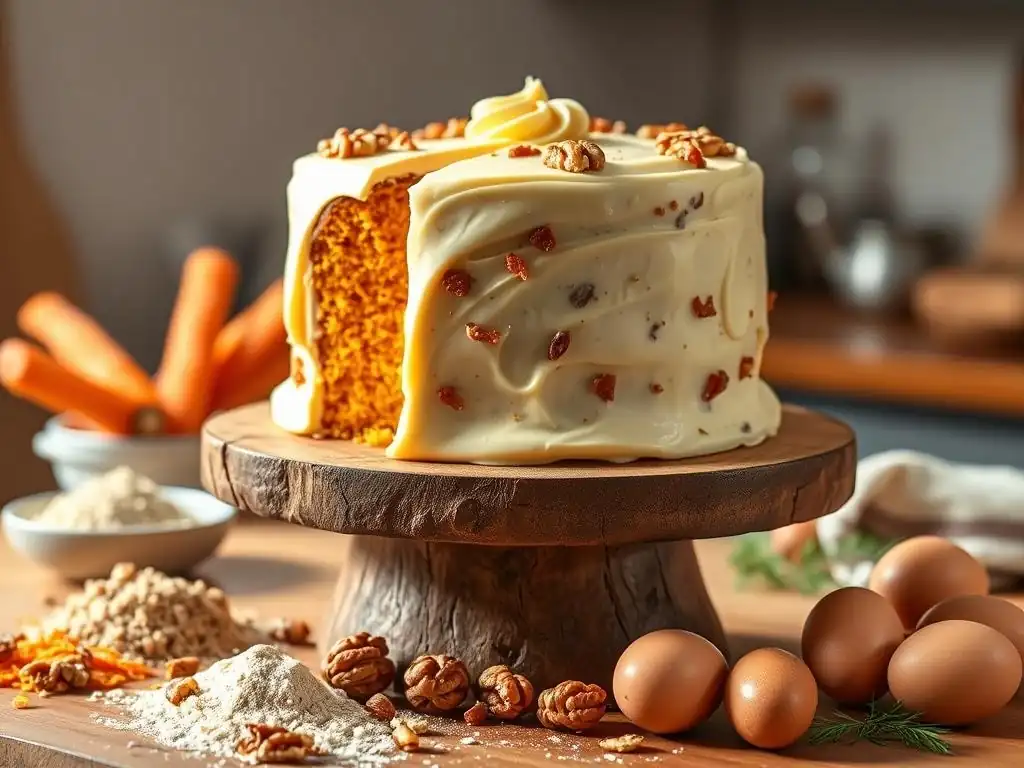
Gluten-Free Flour Blend: Choosing the Right Mix for Carrot Cake
The foundation of a great gluten-free carrot cake recipe is the flour blend. Not all blends are created equal, and their composition significantly impacts the final texture. A good all-purpose gluten-free blend typically contains a mix of rice flour (brown and/or white), potato starch, tapioca starch, and often, a binder like xanthan gum or guar gum. The balance of these ingredients affects how the cake absorbs moisture and holds together.
For carrot cake, which is inherently moist from the carrots and oil, a blend that isn't too heavy on starches is often preferred to avoid a gummy texture. Many successful gluten-free carrot cake recipes use blends where rice flour is the primary component, followed by starches.
If your blend doesn't contain xanthan gum, you'll typically need to add about 1 teaspoon per cup of flour to provide elasticity and structure, crucial for preventing crumbling. Experimenting with a few different commercially available blends can help you find your favorite, or you can even create your own blend for a truly customized gluten-free carrot cake.
The Importance of Spices: Elevating Your Carrot Cake Flavor Profile
Spices are the heart of the carrot cake's distinctive flavor. Cinnamon, nutmeg, and ginger are the classic trio, providing warmth and depth that complements the sweetness of the carrots and frosting. The quality and freshness of your spices make a significant difference. Ground spices lose potency over time; ideally, replace them every 6-12 months for optimal flavor.
For a standard gluten-free carrot cake recipe using about 2 cups of flour, a typical spice blend might include 2 teaspoons of ground cinnamon, 1 teaspoon of ground nutmeg, and 1/2 teaspoon of ground ginger. Some bakers also add a pinch of ground cloves or allspice for an extra layer of complexity. Don't be afraid to adjust these amounts slightly based on your personal preference, but ensure you have enough to stand up to the richness of the cake and frosting. The spices not only enhance the taste but also contribute to the cake's inviting aroma as it bakes.
Carrots, Nuts, and Raisins: Adding Texture and Sweetness Naturally
Carrots are more than just a namesake ingredient; they provide essential moisture and natural sweetness to the cake. Finely grated carrots integrate best into the batter, ensuring an even distribution and preventing large chunks. Using the small holes of a box grater or a food processor attachment works well. For a two-layer cake, you'll typically need about 2 to 2.5 cups of grated carrots, which comes from roughly 3-4 medium carrots.
Nuts and raisins are traditional additions that add texture, flavor, and chewiness. Walnuts or pecans are the most common nuts, adding a pleasant crunch. Raisins provide pockets of concentrated sweetness. If you're not a fan of one or the other, feel free to omit or adjust the quantities. For instance, you might use 1 cup of chopped nuts and 1/2 cup of raisins, or omit the raisins entirely. Ensure nuts are fresh to avoid bitterness. These additions are key to the classic mouthfeel of a perfect gluten-free carrot cake.
Cream Cheese Frosting Essentials: Achieving the Perfect Tang and Sweetness
Cream cheese frosting is the essential partner to carrot cake, providing a creamy, tangy counterpoint to the sweet and spiced cake. The key to a successful frosting lies in using softened, full-fat cream cheese and unsalted butter at room temperature. Cold ingredients can result in a lumpy frosting, while melted butter will make it too runny.
The classic ratio for a good cream cheese frosting is often around 8 ounces of cream cheese to 1/2 cup (1 stick) of butter, and about 3-4 cups of powdered sugar, plus vanilla extract. The amount of powdered sugar can be adjusted to control sweetness and consistency. For a tangier frosting, you might use slightly less sugar or add a teaspoon of lemon juice. Sifting the powdered sugar is a crucial step to prevent lumps and achieve that silky-smooth texture needed for frosting a gluten-free carrot cake beautifully.
Step-by-Step Guide: Baking Your Dream Gluten-Free Carrot Cake
Preparing the Gluten-Free Carrot Cake Batter: A Foolproof Method
Creating a moist and flavorful gluten-free carrot cake batter starts with proper ingredient preparation. First, preheat your oven to 350°F (175°C) and prepare your cake pans (typically two 8 or 9-inch round pans), greasing and flouring them with a gluten-free flour blend or lining with parchment paper. In a large bowl, whisk together your dry ingredients: the gluten-free flour blend, baking soda, baking powder, salt, and all your spices (cinnamon, nutmeg, ginger, etc.). This ensures leavening agents and spices are evenly distributed.
In a separate, even larger bowl, cream together the wet ingredients. Start by whisking together the eggs, granulated sugar, and brown sugar until light and fluffy – this incorporates air and helps with structure. Then, slowly mix in the oil and vanilla extract. Gradually add the dry ingredients to the wet ingredients, mixing on low speed just until combined. Do not overmix, as this can make gluten-free cakes tough or gummy. Finally, gently fold in the grated carrots, nuts, and raisins using a spatula. Distribute the batter evenly between the prepared pans.
Baking to Perfection: Temperature and Timing for a Moist Cake
Baking temperature and time are critical for a moist gluten-free carrot cake. Baking at 350°F (175°C) is standard and allows the cake to bake through without drying out the edges before the center is done. For two 8 or 9-inch pans, the baking time is typically between 30 to 40 minutes. However, oven temperatures can vary significantly, so it's essential to start checking for doneness around the 30-minute mark.
To check if your gluten-free carrot cake is done, insert a toothpick into the center of the cake. If it comes out clean or with just a few moist crumbs attached, the cake is ready. If it comes out with wet batter, continue baking and check again in 3-5 minute intervals. Overbaking is a common cause of dry gluten-free cakes, so err on the side of caution. Allowing the cakes to cool in the pans for about 10-15 minutes before transferring them to a wire rack to cool completely is also important for structure and moisture retention.
Making the Cream Cheese Frosting: Smooth, Tangy, and Irresistible
While the cakes are cooling, prepare the cream cheese frosting. Ensure your softened cream cheese and room-temperature butter are truly soft but not melted. In a large bowl, beat the cream cheese and butter together using an electric mixer on medium speed until completely smooth and creamy, with no lumps. This usually takes about 2-3 minutes.
Gradually add the sifted powdered sugar, one cup at a time, mixing on low speed until incorporated after each addition. Once all the sugar is added, increase the speed to medium and beat for another 1-2 minutes until the frosting is light and fluffy. Mix in the vanilla extract.
If the frosting seems too thick, you can add a teaspoon or two of milk or cream until it reaches your desired consistency. If it's too thin, add a bit more sifted powdered sugar. The goal is a frosting that is spreadable but holds its shape, perfect for layering and decorating your gluten-free carrot cake.
Assembling the Gluten-Free Carrot Cake: Layering and Decorating Tips
Ensure your gluten-free carrot cake layers are completely cooled before frosting. Warm cakes will melt the frosting, creating a messy result. If the tops of your cake layers are uneven, you can carefully level them with a serrated knife for easier stacking. Place the first cake layer on your serving plate or cake stand.
Spread a generous amount of cream cheese frosting over the top of the first layer, spreading it evenly to the edges. Carefully place the second cake layer on top. Apply a thin "crumb coat" of frosting all over the cake – top and sides. This layer traps any loose crumbs.
Chill the cake in the refrigerator for about 20-30 minutes until the crumb coat is firm. Then, apply the final, thicker layer of frosting, using an offset spatula to create smooth sides or decorative swirls on top. This two-step frosting method ensures a clean, professional finish for your perfect gluten-free carrot cake.
Gluten-Free Carrot Cake Variations & Customizations
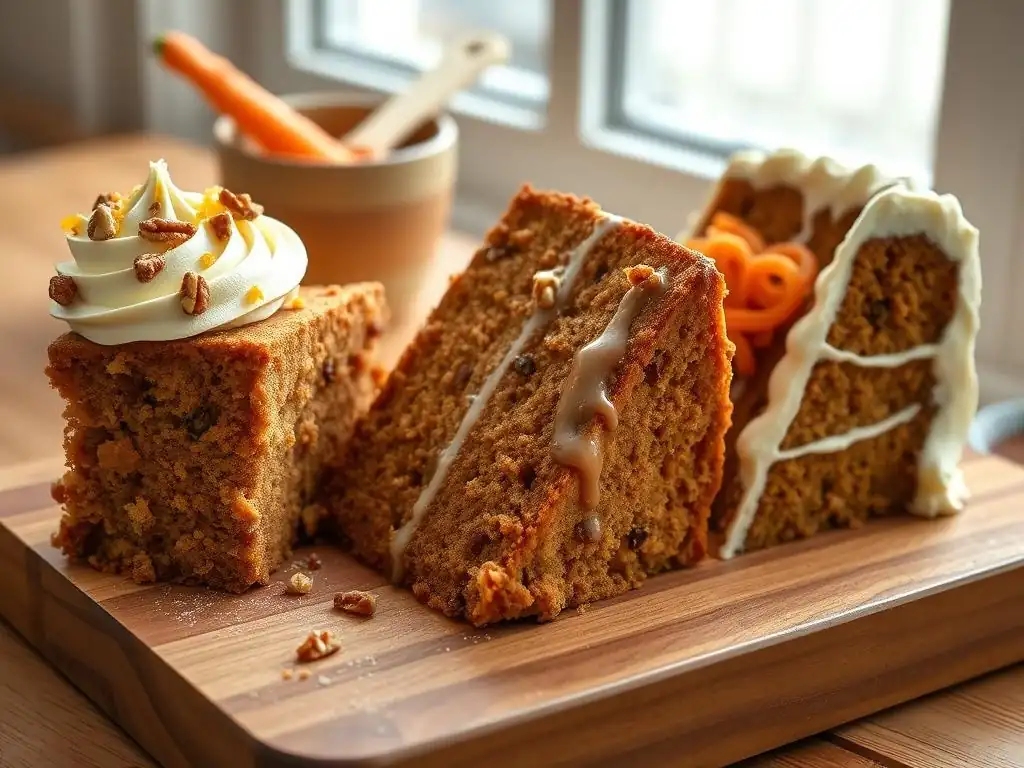
Adding Pineapple for Extra Moisture and Flavor
Incorporating crushed pineapple into your gluten-free carrot cake recipe is a fantastic way to boost moisture and add a subtle tropical sweetness that pairs wonderfully with the spices. Canned crushed pineapple, well-drained, works perfectly. For a standard recipe using about 2 cups of flour, you might add about 1/2 to 1 cup of drained crushed pineapple along with the grated carrots.
The enzymes in pineapple can sometimes affect the texture of baked goods, but in a moist cake like carrot cake, it primarily adds moisture and flavor without negative consequences, especially when used in moderation. Ensure you drain the pineapple thoroughly to avoid making the batter too wet, which could impact the cake's structure and baking time. The result is an exceptionally moist and flavorful gluten-free carrot cake with a hint of bright pineapple taste.
Nut-Free Gluten-Free Carrot Cake Options
For those with nut allergies, enjoying a gluten-free carrot cake is still absolutely possible by simply omitting the nuts. The cake will still be delicious and moist thanks to the carrots, oil, and other ingredients. To add a bit of texture back, consider substituting the nuts with other ingredients that provide a pleasant chew or crunch.
Options include adding seeds like sunflower seeds or pumpkin seeds (pepitas), ensuring they are safe for your specific allergy needs. Another popular nut-free addition is shredded coconut, which adds a different kind of texture and a subtle tropical flavor that complements the carrot and spices beautifully. Use roughly the same quantity as you would for nuts, typically 1/2 cup to 1 cup, folded into the batter at the same time as the carrots and raisins (if using). This ensures your gluten-free carrot cake recipe is safe and enjoyable for everyone.
Vegan Gluten-Free Carrot Cake Adaptations
Adapting a standard gluten-free carrot cake recipe to be vegan requires substituting eggs, dairy milk (if used), butter, and cream cheese. Eggs can be replaced with various binders like flax eggs (1 tablespoon flax meal + 3 tablespoons water per egg), applesauce, or commercial egg replacers. For a recipe calling for 3-4 eggs, you might use 1/4 cup of applesauce or two flax eggs.
Dairy butter can be replaced with vegan butter sticks or coconut oil, and dairy milk with plant-based milk like almond, soy, or oat milk. The most significant change is the frosting, where vegan cream cheese and vegan butter are used to create a dairy-free version of the classic cream cheese frosting. Ensure all your leavening agents (baking soda, baking powder) are fresh, as they are crucial for lift in egg-free cakes. With these substitutions, you can create a delightful vegan and gluten-free carrot cake recipe.
Spiced Gluten-Free Carrot Cake: Experimenting with Different Spices
While cinnamon, nutmeg, and ginger are the classic spice blend, you can easily customize your gluten-free carrot cake recipe by experimenting with other warm spices. Adding ground cloves or allspice can deepen the flavor profile, giving the cake a more complex, slightly spicier note. A pinch of cardamom can add an exotic twist, while a dash of black pepper might enhance the ginger's warmth.
Consider the overall balance when adding or adjusting spices. For example, cloves are quite strong, so a little goes a long way – perhaps starting with just 1/4 teaspoon for a full cake recipe. You could also add orange zest to the batter or frosting for a bright, citrusy note that pairs well with carrots and spices. Don't be afraid to taste your batter (before adding eggs, if following a non-vegan recipe) or frosting to adjust the spice levels to your liking before baking or frosting. This allows you to create a truly personalized gluten-free carrot cake.
Troubleshooting Your Gluten-Free Carrot Cake: Common Issues & Solutions
Dry Gluten-Free Carrot Cake: How to Avoid It
A common issue with gluten-free baking is dryness. Several factors can contribute to a dry gluten-free carrot cake. The most frequent culprits are overbaking and using a gluten-free flour blend that is too high in starches without sufficient binder or moisture. Over-measuring dry ingredients, especially flour, can also lead to dryness; using the "spoon and level" method (spooning flour into the measuring cup and leveling off with a straight edge) is more accurate than scooping directly from the bag.
To prevent a dry cake, ensure you are accurately measuring all ingredients, particularly the flour. Do not overmix the batter once the dry ingredients are added. Bake the cake only until a toothpick inserted in the center comes out clean – check early and often towards the end of the baking time.
Using oil as the primary fat source (rather than just butter) and incorporating moist ingredients like grated carrots, pineapple, or applesauce helps retain moisture. If a cake does turn out slightly dry, serving it with extra cream cheese frosting can help, as the frosting adds moisture back to each bite.
Dense Gluten-Free Carrot Cake: Tips for a Light and Airy Texture
A dense gluten-free carrot cake lacks the desirable light and airy crumb. This can happen if the batter is overmixed, the leavening agents (baking soda and baking powder) are old or inactive, or if there isn't enough air incorporated into the batter during the creaming stage. Using a gluten-free flour blend that is too heavy can also contribute to density.
Ensure your baking soda and baking powder are fresh (test them by adding a small amount to hot water – they should fizz). Cream the wet ingredients (eggs, sugars, oil) thoroughly at the beginning to incorporate air. When adding the dry ingredients, mix only until just combined. Avoid packing the flour into the measuring cup. Using a gluten-free blend that includes a good balance of lighter flours (like white rice flour or tapioca starch) and binder (xanthan gum) can help. Baking at the correct temperature also ensures the cake rises properly before setting.
Sinking Gluten-Free Carrot Cake: Prevention and Remedies
A gluten-free carrot cake that sinks in the center can be frustrating. This is often caused by the center not being fully baked when the cake is removed from the oven, causing the structure to collapse as it cools. Opening the oven door too early or too frequently during baking can also cause a sudden temperature drop, leading to sinking. Using too much leavening can cause the cake to rise too quickly and then collapse, as can over-measuring liquid ingredients.
To prevent sinking, ensure your oven temperature is accurate (an oven thermometer can help). Avoid opening the oven door until the cake is close to the end of its expected baking time (e.g., not before 25-30 minutes for a standard layer cake). Check for doneness using the toothpick test in the very center. If the cake sinks slightly, you can sometimes level the top before frosting. If it sinks significantly, you might need to adjust your recipe's leavening amounts or baking time/temperature for future attempts at your gluten-free carrot cake recipe.
Tips for the Best Gluten-Free Cream Cheese Frosting
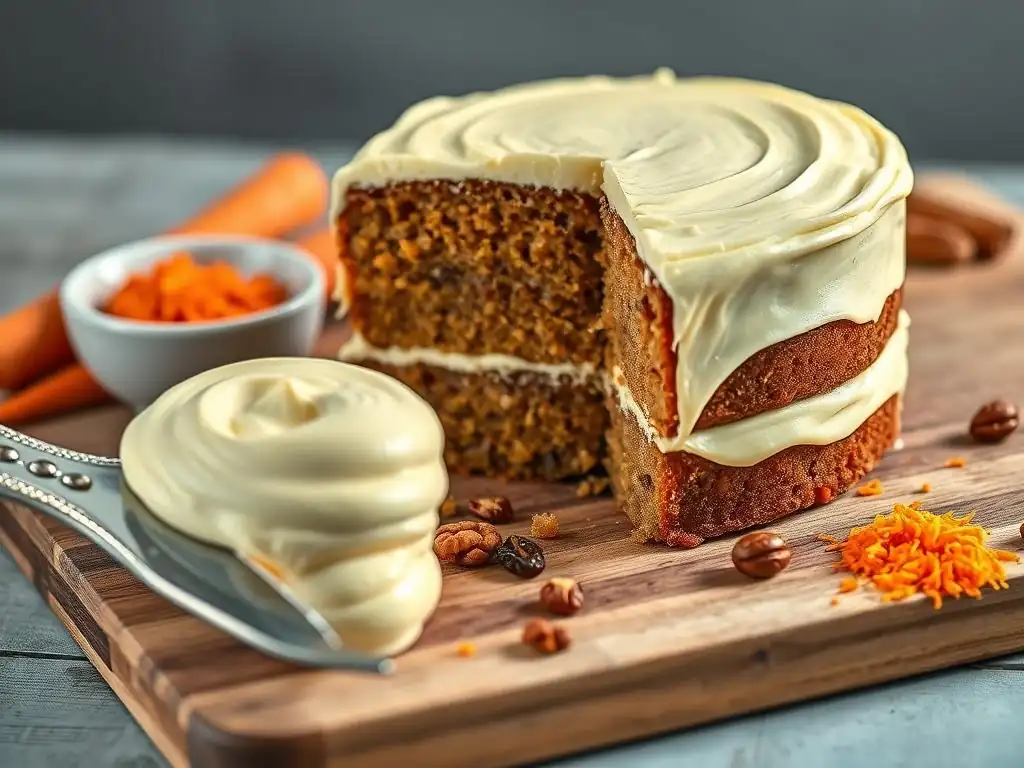
Achieving the Perfect Consistency: Avoiding a Runny Frosting
Runny cream cheese frosting is a common challenge. The primary culprits are often using cream cheese or butter that is too soft (warm or melted) or adding too little powdered sugar. The temperature of your ingredients is key. Ensure both cream cheese and butter are softened to room temperature but not greasy or melted.
If your frosting is too runny, gradually add more sifted powdered sugar, about 1/4 cup at a time, mixing until incorporated, until the desired consistency is reached. Chilling the frosting in the refrigerator for 20-30 minutes can also help firm it up before spreading. If it's still too soft, you might need to start over with cooler ingredients or add a stabilizer like a small amount of cornstarch (mixed into the powdered sugar before adding) or even a tiny bit of meringue powder, though extra powdered sugar is usually sufficient for a gluten-free carrot cake frosting.
Flavoring Your Cream Cheese Frosting: Vanilla and Beyond
Vanilla extract is essential for classic cream cheese frosting flavor, enhancing both the sweetness and the tang. Use pure vanilla extract for the best results. For a standard batch of frosting (using 8 oz cream cheese and 1 stick butter), 1 teaspoon of vanilla extract is a good starting point.
You can also experiment with other flavorings to complement your gluten-free carrot cake. A teaspoon of lemon juice adds brightness and enhances the tanginess of the cream cheese. A pinch of cinnamon or nutmeg can tie the frosting flavor into the cake spices. For a richer flavor, consider using vanilla bean paste instead of extract. Always add flavorings gradually and taste as you go to achieve your preferred balance.
Storing Your Gluten-Free Carrot Cake with Cream Cheese Frosting
Gluten-free carrot cake with cream cheese frosting requires refrigeration due to the cream cheese. Once frosted, the cake should be stored in an airtight container in the refrigerator. This prevents it from drying out and keeps the frosting food-safe.
Properly stored, the cake will typically remain moist and delicious for 3-5 days in the refrigerator. Allow slices to sit at room temperature for about 15-20 minutes before serving for the best flavor and texture, as chilling can firm up the cake and frosting slightly. If you need to store it longer, the frosted cake can be frozen. Wrap individual slices or the whole cake (after chilling until the frosting is firm) tightly in plastic wrap, then in foil. Thaw in the refrigerator before serving.
Serving Suggestions: Enjoying Your Gluten-Free Carrot Cake
Pairing with Coffee or Tea
A slice of moist, spiced gluten-free carrot cake is a perfect companion to a warm beverage. The richness of the cake and the creamy tang of the frosting pair beautifully with the slight bitterness and warmth of coffee. A medium roast or a latte provides a comforting balance.
For tea lovers, a classic black tea like English Breakfast or Earl Grey offers a robust counterpoint to the sweetness. Herbal teas with warm notes, such as chai or cinnamon tea, can also echo the spices in the cake, creating a harmonious flavor experience. Serving your gluten-free carrot cake recipe alongside a carefully chosen drink enhances the overall enjoyment.
Garnishing Ideas for a Stunning Presentation
Elevate the visual appeal of your gluten-free carrot cake with simple garnishes. Chopped nuts (if not avoiding for allergies), such as walnuts or pecans, sprinkled around the base or on top of the frosting add texture and indicate a key ingredient. Toasted nuts offer an even richer flavor.
Fine shreds of fresh carrot, perhaps curled slightly, can be placed on top for a natural and elegant touch. A dusting of cinnamon or nutmeg over the frosting surface using a fine-mesh sieve adds a professional finish and highlights the cake's spice profile. Small candied carrot pieces or sugar carrots are also charming decorative options.
Making it a Gluten-Free Carrot Cake Cupcake: Adaptations and Tips
This gluten-free carrot cake recipe can easily be adapted into cupcakes, which are perfect for individual servings. The batter preparation remains the same. Simply line a muffin tin with paper liners and fill each liner about two-thirds full with batter.
Baking time for cupcakes will be shorter, typically 18-25 minutes at 350°F (175°C). Check for doneness by inserting a toothpick into the center of a few cupcakes; it should come out clean. Allow cupcakes to cool completely in the tin for a few minutes before transferring them to a wire rack. Frost using the cream cheese frosting once they are entirely cool, perhaps using a piping bag for a decorative swirl. This adaptation makes enjoying your favorite gluten-free carrot cake recipe even more convenient.
Gluten-Free Carrot Cake Recipe: Printable Version
This section of the BakeWithEase website is dedicated to providing you with the full, detailed gluten-free carrot cake recipe in a format optimized for easy printing and kitchen use, listing specific ingredient quantities, step-by-step instructions, yield, and estimated preparation and baking times.
Frequently Asked Questions
What makes this gluten-free carrot cake recipe different from other carrot cake recipes?
This recipe utilizes a blend of gluten-free flours to achieve a texture that mimics traditional carrot cake, while ensuring it's safe for those with gluten sensitivities. The cream cheese frosting complements the cake perfectly.
Can I substitute any ingredients in the gluten-free carrot cake recipe?
While substitutions are possible, they may alter the final result. It's best to follow the recipe closely, especially regarding the gluten-free flour blend, for optimal texture and flavor.
What are some common mistakes to avoid when baking a gluten-free carrot cake?
Overmixing the batter can lead to a tough cake. Also, be sure to measure your gluten-free flour accurately and avoid overbaking, which can result in a dry cake.
How do I ensure my cream cheese frosting is smooth and lump-free?
Ensure your cream cheese and butter are at room temperature before mixing. Beat them together thoroughly until smooth, before gradually adding powdered sugar.
What's the best way to store my gluten-free carrot cake with cream cheese frosting?
Store the cake in the refrigerator due to the cream cheese frosting. It's best to keep it in an airtight container to prevent it from drying out and to maintain its freshness.
Final Reflection: The Sweetness of Inclusion, One Carrot Cake at a Time
The demand for delicious, accessible gluten-free baking is higher than ever, and a perfect gluten-free carrot cake, once a culinary challenge, is now a delightful reality. This recipe, meticulously crafted to deliver both exceptional taste and texture, demonstrates that dietary restrictions needn't compromise on flavor or enjoyment. It's a testament to the power of adaptation and the enduring appeal of classic comfort food.
Creating this recipe wasn't just about perfecting a gluten-free alternative; it was about expanding the possibilities of inclusive baking. The joy of sharing a perfectly frosted slice of carrot cake transcends dietary needs; it's about connection, celebration, and the simple pleasure of a delicious treat. Food is symbolic of love when words are inadequate.
- Alan D. Wolfelt. This sentiment rings especially true when we consider how food can bring people together, regardless of their dietary preferences. The positive feedback I've received from readers who have successfully baked this cake, many with gluten sensitivities, has been incredibly rewarding, reinforcing the importance of this work.
Now, I invite you to take this recipe and make it your own. Experiment with spices, add your favorite nuts or dried fruits, and most importantly, share the joy of this delicious cake with those you love. Don't be afraid to embrace the challenge of gluten-free baking; the rewards—both in taste and in the connections you forge—are truly worth it. Let the sweetness of this carrot cake be a reminder that deliciousness and inclusivity can, and should, go hand in hand.
Unlock Your Inner Baker: Bake the Perfect Gluten-Free Carrot Cake!
Thanks for joining us on this delicious journey into the world of gluten-free baking! We hope you gained some valuable tips and tricks to create a truly amazing carrot cake. Now it's time to put your newfound knowledge into practice.
- Bake your masterpiece! Use the recipe from the article to create your own unforgettable gluten-free carrot cake. Don't be afraid to experiment with different spices or frosting variations.
- Share your creation! Post a picture of your cake on social media and tag us – we'd love to see your baking success! Use #BakeWithEaseGlutenFree.
- Explore more gluten-free recipes: Dive deeper into our collection of delicious and easy gluten-free recipes on BakeWithEase.com (we have some amazing muffins waiting!)
Ready to experience the joy of baking a perfect gluten-free carrot cake? What unique twist will you add to your creation?