
Essential Ingredient Swaps for Authentic Latin American Baking

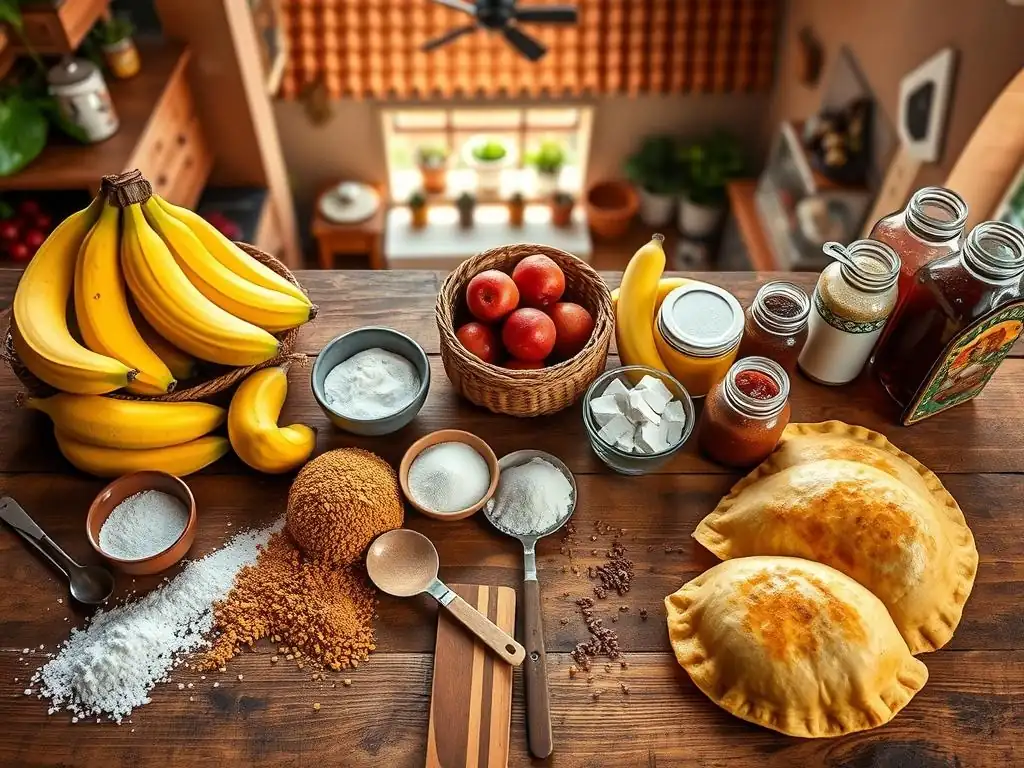
Welcome to BakeWithEase, your partner in culinary adventures! Ever wondered how to capture the authentic flavors of Latin America in your baking, even when key ingredients seem impossible to find? Get ready to unlock a world of possibilities with our guide to essential Latin American baking ingredient swaps. Discover how simple substitutions can bring the vibrant tastes of traditional recipes to your kitchen, and prepare to be amazed by the delicious results! Intrigued? Keep reading to discover the secrets!
- BakeWithEase: Mastering Latin American Baking at Home
- Understanding the Need for Ingredient Substitutions in Latin American Baking
- Key Latin American Baking Ingredient Swaps
- Tips for Successfully Swapping Ingredients in Latin American Baking
- Recipe Adaptations: Putting Ingredient Swaps into Practice
- Baking with Ease: Enjoying Authentic Latin American Flavors, Simplified
-
Frequently Asked Questions
- What are some common challenges bakers face when trying Latin American recipes?
- Can I substitute regular flour for masa harina in a recipe?
- What can I use if I can't find dulce de leche?
- Are there any good substitutes for plantains in baking?
- What are some good resources for learning more about Latin American baking?
- Final Reflection: Reimagining Latin American Flavors Through Ingredient Swaps
- Unlock Authentic Latin American Flavors Today!
BakeWithEase: Mastering Latin American Baking at Home
Welcome to BakeWithEase, your friendly guide to unlocking delicious baking adventures right in your own kitchen! We believe that everyone, regardless of their skill level, can create wonderful baked goods. Latin American baking offers a vibrant tapestry of flavors, textures, and traditions, from the flaky empanadas of Argentina to the sweet alfajores of Peru and the comforting pan dulce found across many countries. Exploring these unique recipes is a rewarding journey, bringing a taste of different cultures into your home.
Our goal at BakeWithEase is to make this exploration accessible and enjoyable. We understand that finding every single traditional ingredient for Latin American baking can sometimes be a challenge, depending on where you live. That's why we're here to help you navigate the world of ingredient substitutions, allowing you to recreate authentic flavors and textures using readily available alternatives. With a little knowledge and creativity, you can confidently tackle any Latin American baking recipe and achieve fantastic results.
Understanding the Need for Ingredient Substitutions in Latin American Baking
The Challenge of Finding Authentic Latin American Ingredients
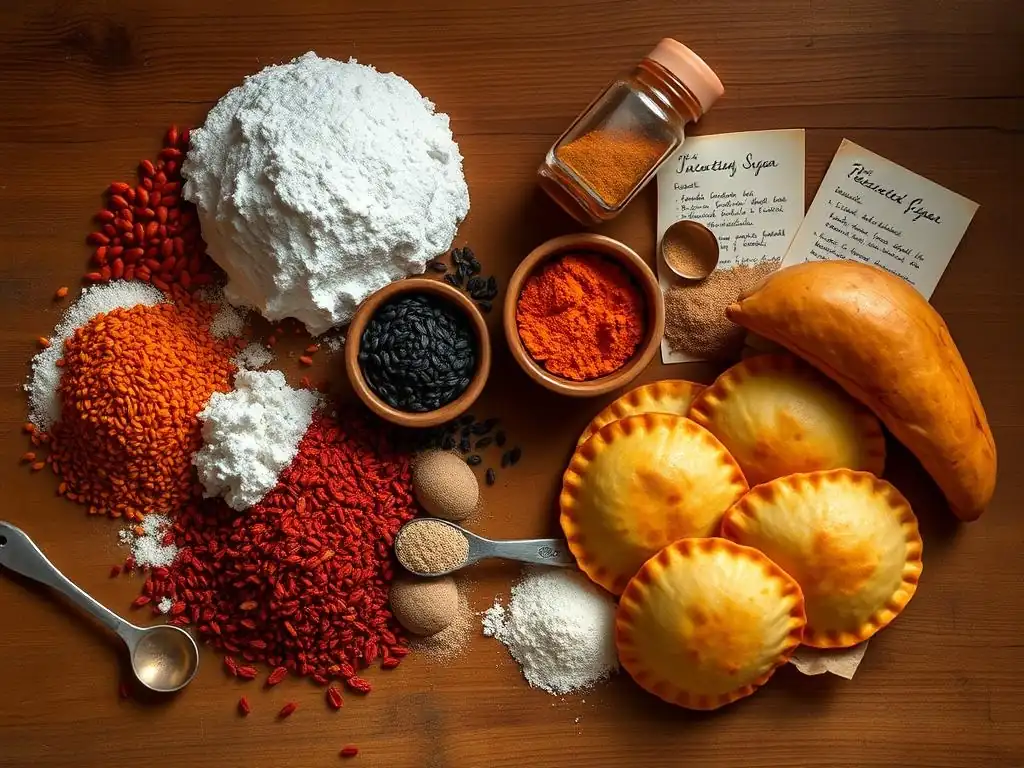
One of the primary hurdles when attempting authentic Latin American baking outside of the region is the availability of specific ingredients. Many recipes call for items like masa harina specifically ground for tamales, certain regional cheeses like queso fresco or queso blanco, unique flours such as yuca (cassava) flour, or vibrant colorants like achiote (annatto) seeds. These ingredients are staples in Latin American pantries but can be difficult to source in conventional grocery stores in other parts of the world. Even in larger cities with international markets, the exact variety or quality might differ, impacting the final bake.
For example, while cornmeal is widely available, it differs significantly from masa harina in processing and texture, which is crucial for dishes like arepas or tamales. Similarly, the mild, crumbly texture of a traditional queso fresco is hard to replicate perfectly with common dairy cheeses. This scarcity or variation necessitates exploring reliable Latin American baking ingredient swaps to ensure that the spirit and flavor of the dish are preserved, even if the ingredients aren't identical to those used in their country of origin.
Adapting Recipes for Accessibility and Convenience
Beyond availability, adapting recipes using ingredient swaps for Latin American baking also enhances convenience and makes these wonderful dishes more approachable for home bakers everywhere. Imagine wanting to bake a batch of pandebonos but not having yuca flour on hand, or craving alfajores but finding yourself without dulce de leche. Knowing suitable substitutions allows you to proceed with baking without a special trip to a specialty store or waiting for an online order. This flexibility encourages more frequent baking and experimentation with Latin American flavors.
Furthermore, ingredient swaps can sometimes be necessary for dietary reasons, such as gluten intolerance requiring a flour substitute, or for cost-effectiveness, as some specialty ingredients can be more expensive. By providing reliable alternatives, we empower bakers to make informed choices that fit their budget, dietary needs, and local availability, thus making the joy of Latin American baking accessible to a wider audience. It's about making authentic flavors achievable, no matter your location or circumstances.
Key Latin American Baking Ingredient Swaps
Masa Harina Substitutes
Masa harina is a staple in many Latin American countries, particularly in Mexico and Central America, made from corn kernels that have been cooked in an alkaline solution (like lime water), hulled, and then ground into a fine flour. Its unique nixtamalization process gives it a distinct flavor and dough-forming quality essential for items like tortillas, tamales, and pupusas. Finding authentic masa harina can be tricky, but several alternatives can work for certain applications, especially in baked goods rather than traditional doughs requiring specific masa properties.
Cornmeal or Polenta as Alternatives
For baked goods where masa harina is used more for flavor and texture than its unique dough properties (like in some arepa recipes or cornbread variations), fine or medium-grain cornmeal or polenta can serve as a substitute. Cornmeal is simply dried, ground corn. While it lacks the flavor profile from nixtamalization and won't bind in the same way for things like tamales, it can provide a similar grainy texture and a pleasant corn flavor in baked items.
When using cornmeal, you'll likely need to adjust the liquid in your recipe, as cornmeal typically absorbs less liquid than masa harina. Start by using about 10-15% less liquid than the recipe calls for and add more only if the dough or batter seems too dry.
Adjusting Liquid Ratios for Cornmeal
When swapping masa harina for cornmeal in a recipe, particularly one where the dough needs to hold its shape, careful attention to hydration is key. Masa harina creates a cohesive dough relatively easily due to the gelatinization of starches during the nixtamalization process. Cornmeal, however, results in a more crumbly texture.
You might need to slightly increase a binder like egg or add a touch more fat, in addition to adjusting the liquid. For instance, if a recipe calls for 1 cup of masa harina and 3/4 cup of liquid, start with 1 cup of cornmeal and maybe 1/2 to 2/3 cup of liquid, observing the dough's consistency and adding more liquid teaspoon by teaspoon if needed to reach a workable texture. This trial-and-error approach in small batches is vital for successful Latin American baking ingredient swaps involving flours.
Dulce de Leche Alternatives
Dulce de leche is a beloved confection across Latin America, made by slowly heating sweetened milk until it caramelizes into a thick, spreadable, deeply flavored sauce. It's a key filling and topping for countless desserts, including alfajores, cakes, and pastries. Its rich, complex flavor and smooth texture are unique, but thankfully, there are accessible ways to approximate it when the authentic version isn't available or you're short on time.
Using Caramel Sauce
A readily available substitute for dulce de leche is a good quality store-bought caramel sauce. While it won't have the exact same depth of flavor that comes from the Maillard reaction and caramelization of milk solids inherent in true dulce de leche, it can provide a similar sweetness and sticky texture. Opt for a thicker caramel sauce if possible, as thinner sauces might make your baked goods soggy or run out during baking.
This swap works well as a quick filling for cookies or a topping for cakes, though the flavor profile will be simpler than the original. Consider adding a tiny pinch of salt to the caramel sauce to enhance its richness and bring it closer to the complexity of dulce de leche.
Making a Simplified Dulce de Leche at Home
A popular and relatively easy way to make a substitute for dulce de leche at home is by simmering a can of sweetened condensed milk. While not the traditional method of cooking milk and sugar from scratch, this shortcut yields a product surprisingly close in texture and flavor. Simply place a sealed can of sweetened condensed milk on its side in a pot, cover it with water by at least an inch, and simmer gently for 2-3 hours, ensuring the can remains submerged the entire time (replenish water as needed).
Allow the can to cool completely before opening. This slow cooking caramelizes the milk sugars within the can, producing a thick, spreadable, and flavorful caramel similar to dulce de leche.
Be extremely cautious when handling the hot can and always let it cool fully before opening to avoid burns from pressurized contents. This method is a fantastic ingredient swap for Latin American baking when you need dulce de leche.
Queso Fresco Substitutions
Queso fresco, meaning "fresh cheese," is a mild, unaged, soft, and slightly crumbly cheese popular throughout Latin America. It has a milky, slightly tangy flavor and doesn't melt easily, making it ideal for crumbling over dishes or using in fillings where you want distinct pockets of cheese that hold their shape. Finding authentic queso fresco can be hit or miss depending on your location, necessitating ingredient swaps for Latin American baking recipes that call for it.
Substituting with Farmer's Cheese
Farmer's cheese is one of the closest ingredient swaps for queso fresco. Like queso fresco, it is a fresh, unaged cow's milk cheese with a crumbly texture and a mild, slightly tangy flavor.
While farmer's cheese can sometimes be a bit drier than traditional queso fresco, it works very well in baked goods where the cheese is crumbled into dough or used as a filling, such as in arepas or certain pastries. If your farmer's cheese seems too dry, you can try gently pressing it through a sieve or mixing it with a tiny amount of milk or cream to achieve a slightly softer consistency similar to queso fresco.
Using Ricotta Cheese as an Alternative
Another viable alternative, particularly if farmer's cheese is unavailable, is ricotta cheese. Ricotta is softer and creamier than queso fresco or farmer's cheese, but its mild flavor profile can work in some applications. For best results as a queso fresco substitute in baked goods, use whole-milk ricotta and drain it thoroughly to remove excess moisture.
You can do this by placing it in a cheesecloth-lined sieve over a bowl and letting it drain in the refrigerator for several hours. The drained ricotta will be firmer and less likely to make your dough or filling watery, providing a reasonably good texture and flavor for certain Latin American baking recipes.
Achiote (Annatto) Seed Substitutions
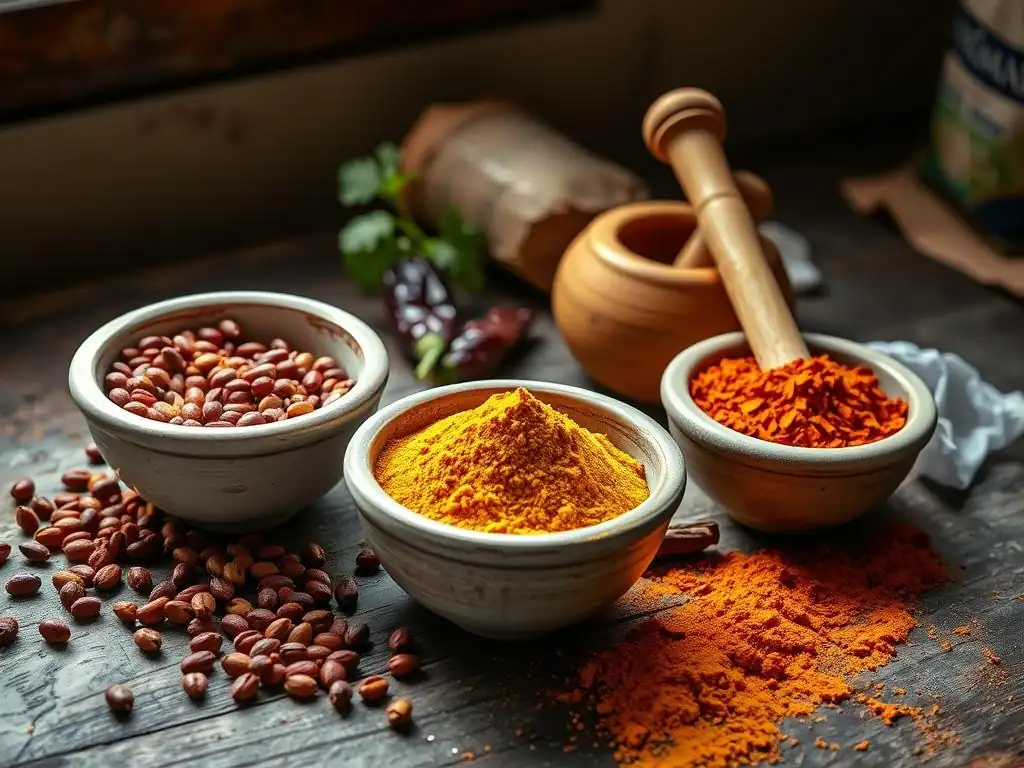
Achiote, or annatto, is a spice derived from the seeds of the achiote tree. It's widely used in Latin American and Caribbean cooking, primarily as a natural food coloring agent to impart a vibrant yellow-to-reddish hue, and it also adds a subtle, earthy, slightly peppery flavor. It's often used to color doughs, rice, or stews. While the flavor is unique, its main role in many baking applications is visual, making ingredient swaps focused on color quite effective.
Paprika and Turmeric Blend
A common and effective ingredient swap for the color provided by achiote is a blend of paprika and turmeric. Paprika offers reddish tones, while turmeric provides bright yellow. A small pinch of turmeric mixed with a slightly larger amount of sweet paprika can mimic the warm, yellowish-orange color of achiote.
Be mindful that both spices have their own distinct flavors; use them sparingly to avoid overpowering the other ingredients in your baked goods. This blend is particularly useful for coloring doughs or batters in Latin American baking where achiote is typically used for visual appeal. For instance, if a recipe calls for 1 teaspoon of achiote paste for color, start by trying 1/4 teaspoon turmeric mixed with 3/4 teaspoon paprika, adjusting the ratio to get the desired shade.
Using Saffron for Color
For a more luxurious and potent coloring agent, saffron can also be used, though it is significantly more expensive than achiote. Saffron threads steeped in warm liquid produce a beautiful golden-yellow color. Like turmeric, saffron has a distinctive flavor, so it should be used in very small quantities.
A few threads of saffron steeped in a tablespoon or two of warm water or milk from your recipe can provide a strong yellow color. While the flavor profile is different from achiote, saffron is an excellent natural food coloring agent and can be a good ingredient swap option if the primary goal is achieving a specific golden hue in your Latin American baking.
Yuca Flour Substitutions
Yuca flour, also known as cassava flour or manioc flour, is made from the whole yuca root. It's a staple in many tropical regions, including parts of Latin America, and is naturally gluten-free. It has a fine, powdery texture and a neutral flavor, making it a versatile flour for baking, particularly in items like pandebonos or certain flatbreads and cakes. Finding pure yuca flour can sometimes be difficult outside of specialty stores, leading bakers to seek reliable ingredient swaps.
Tapioca Starch as an Alternative
Tapioca starch, also called tapioca flour, is derived from the washed and pulped yuca root, but it is primarily the extracted starch, not the whole ground root like yuca flour. While not identical, tapioca starch is an excellent ingredient swap for yuca flour in many Latin American baking recipes. It provides a similar chewy texture and acts as a good binder, especially in gluten-free baking.
You can often substitute tapioca starch for yuca flour at a 1:1 ratio, though you might notice a slight difference in the final texture – tapioca tends to be a bit more gummy or chewy. This substitution works particularly well in recipes where yuca flour is used for structure and chewiness, such as cheese breads ( pandebonos or pão de queijo).
Using Potato Starch as a Substitute
Potato starch is another viable ingredient swap for yuca flour, particularly when used in combination with other flours in a blend. Like tapioca starch, potato starch is a pure starch and acts as a good thickener and binder. It can contribute to a light and tender crumb in baked goods.
While it doesn't offer the same level of chewiness as tapioca or yuca flour, it can be used in recipes where yuca flour is part of a mix, perhaps at a slightly reduced quantity or combined with another gluten-free flour like rice flour to better mimic the overall texture. For example, if a recipe uses a blend of flours including yuca, you might replace the yuca portion with a mix of 70% potato starch and 30% rice flour as a starting point for your Latin American baking ingredient swaps.
Tips for Successfully Swapping Ingredients in Latin American Baking
Understanding Flavor Profiles and Textures
Successful ingredient swaps in Latin American baking go beyond simply replacing one item with another based on appearance. It's crucial to consider the role the original ingredient plays in the recipe's overall flavor profile and texture. Masa harina, for instance, contributes a specific corn flavor and a unique dough elasticity. Substituting it with wheat flour will drastically change both flavor and texture.
Similarly, queso fresco offers a mild tang and crumbly texture that differs greatly from the meltiness of mozzarella or the sharpness of cheddar. Before making a swap, think about whether the ingredient is primarily for flavor (like achiote or certain spices), texture (like yuca flour's chewiness or masa harina's dough structure), moisture (like buttermilk versus regular milk), or binding. Choosing a substitute with similar properties will yield better results.
For example, if a recipe relies on the distinct flavor of panela (unrefined whole cane sugar), substituting it directly with white granulated sugar will provide sweetness but miss the caramel and molasses notes. In this case, a better swap might be light brown sugar, which retains some of those complex flavors. Paying attention to these nuances is key to achieving authentic-tasting results even when using substitutions in your Latin American baking endeavors.
Adjusting Liquid Ratios When Substituting Flours
One of the most common challenges when performing ingredient swaps, especially with flours, is managing liquid ratios. Different flours absorb liquids differently. Gluten-free flours like yuca or tapioca starch often absorb less liquid than wheat flour, while some alternatives like cornmeal might also require adjustments. If you swap a flour for one that absorbs less liquid, you'll need to reduce the amount of liquid in the recipe. Conversely, if your substitute absorbs more liquid, you might need to add a little extra.
A good practice when attempting Latin American baking ingredient swaps involving flours is to start with a slightly reduced amount of liquid (perhaps 10-15% less than the original recipe calls for) and add the remaining liquid gradually until the dough or batter reaches the desired consistency. The "desired consistency" will depend on the specific recipe – is it a soft dough for rolling, a thick batter for frying, or a pourable batter for baking?
Observing the mixture as you add liquid is far more reliable than sticking rigidly to the original volume when using a substitute flour. This iterative process helps prevent a dough that is too wet and sticky or too dry and crumbly.
Experimenting with Small Batches
When trying out new ingredient swaps for Latin American baking, especially for recipes you haven't made before or swaps you're unsure about, it's highly recommended to start with a small batch. Halving or quartering the recipe allows you to test the substitution and see how it affects the flavor, texture, and overall outcome without committing a large amount of ingredients and time. If the swap works well, you can then confidently make a full batch. If it doesn't, you've only used a small amount of ingredients and can adjust your approach or try a different substitute.
For example, if you're swapping farmer's cheese for queso fresco in a pandebono recipe, make a small batch using the farmer's cheese. Observe how the dough comes together, how the cheese melts (or doesn't melt) during baking, and taste the finished product. Did it achieve the desired texture and flavor? Was the dough too dry or too wet? Based on the small batch results, you can make necessary tweaks to the ingredient quantities or method before making a larger batch for sharing. This careful approach minimizes waste and maximizes your chances of success with Latin American baking ingredient swaps.
Recipe Adaptations: Putting Ingredient Swaps into Practice
Empanadas with Cornmeal Dough
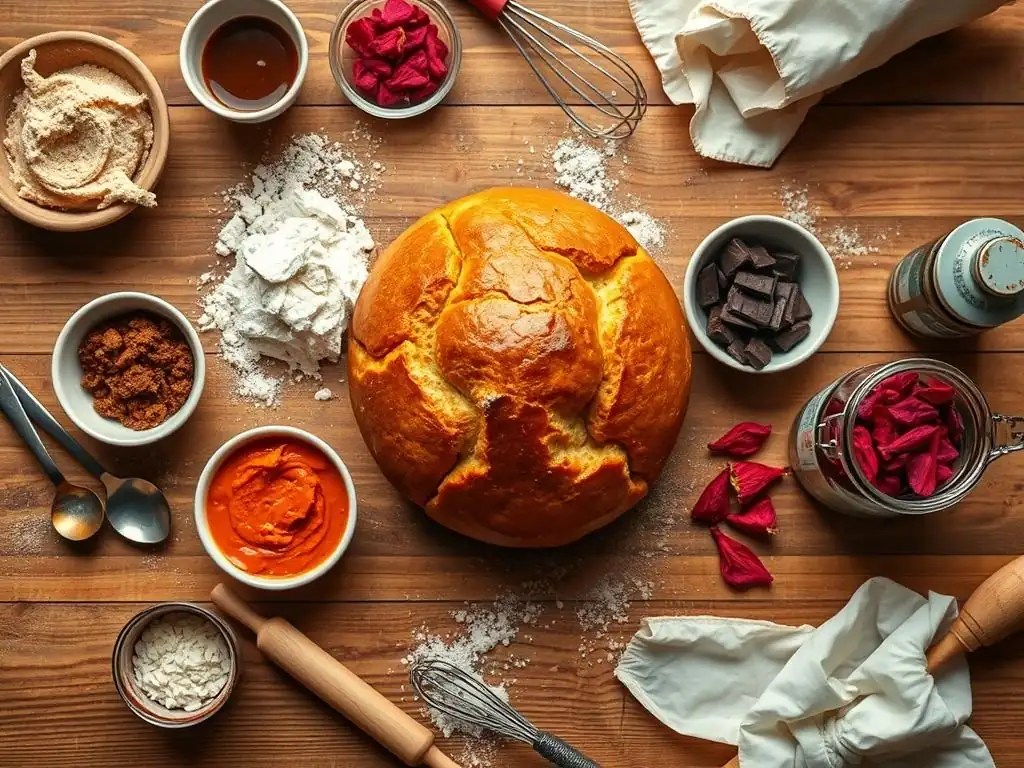
Traditional empanada dough varies by region, often using wheat flour, but some recipes incorporate corn. For a gluten-free or corn-flavored twist, you can adapt a recipe to use a dough primarily made from cornmeal (as a masa harina substitute). While it won't handle exactly like a wheat dough, a cornmeal-based dough can be achieved by combining fine cornmeal with a binder like tapioca starch or egg, fat, and hot liquid. The hot liquid helps to hydrate the cornmeal and make it more pliable.
For example, a simple cornmeal empanada dough might involve mixing 2 cups of fine cornmeal with 1/2 cup of tapioca starch, a teaspoon of salt, and a few tablespoons of oil or melted butter. Then, gradually stir in about 1.5 cups of hot water until a workable dough forms.
This dough will be more delicate than wheat dough and might be easier to form using a tortilla press or by pressing the dough between two sheets of plastic wrap before filling and sealing carefully. Baking or frying these cornmeal empanadas will result in a distinct texture and flavor profile compared to their wheat counterparts, showcasing the potential of Latin American baking ingredient swaps.
Alfajores with Caramel Sauce
Alfajores, those delightful shortbread-like cookies filled with dulce de leche and often dusted with powdered sugar or rolled in coconut, are a perfect canvas for using ingredient swaps. While making your own simplified dulce de leche from condensed milk is the closest substitute, using a good quality, thick store-bought caramel sauce is a quick and easy alternative.
To use caramel sauce as an ingredient swap for dulce de leche in alfajores, simply ensure the sauce is thick enough to stay within the cookies. If it's too runny, you can try gently heating it very slowly to reduce it slightly, though be careful not to burn it. Once your cookies are baked and cooled, spread a generous amount of the caramel sauce on the flat side of one cookie and top with another cookie to create a sandwich.
The flavor won't be identical to traditional dulce de leche, but the combination of the buttery cookie and sweet caramel will still be incredibly delicious and capture the spirit of this classic Latin American treat. This simple swap makes enjoying alfajores possible even when dulce de leche isn't on hand.
Baking with Ease: Enjoying Authentic Latin American Flavors, Simplified
Mastering Latin American baking ingredient swaps is a valuable skill for any home baker looking to explore this rich culinary tradition. By understanding the properties of key ingredients and their potential substitutes, you can confidently tackle recipes that might otherwise seem out of reach. Whether you're swapping masa harina for cornmeal in a regional bread, using caramel sauce in place of dulce de leche for a sweet filling, or finding alternatives for queso fresco in a savory bake, these adjustments open up a world of delicious possibilities.
Remember to approach ingredient substitutions with a spirit of experimentation and patience. Start with small batches, pay attention to how the swaps affect texture and flavor, and don't be afraid to make adjustments as needed. With the tips and common ingredient swaps for Latin American baking outlined here, you're well-equipped to bring the vibrant tastes and aromas of Latin America into your kitchen, baking with ease and enjoying authentic flavors, simplified. Happy baking!
Frequently Asked Questions
What are some common challenges bakers face when trying Latin American recipes?
Many bakers struggle with the availability of authentic Latin American ingredients and understanding their unique properties. This can affect the final flavor and texture of the baked goods.
Can I substitute regular flour for masa harina in a recipe?
While you can try, it's not recommended. Masa harina is corn-based and provides a distinct flavor and texture that regular flour won't replicate. Consider using corn flour or polenta as a closer substitute.
What can I use if I can't find dulce de leche?
If dulce de leche is unavailable, you can make a homemade version by simmering a can of sweetened condensed milk. Alternatively, use a caramel sauce as a substitute, understanding the flavor will differ slightly.
Are there any good substitutes for plantains in baking?
Depending on the recipe, you can use sweet potatoes or bananas as a substitute for plantains. Be mindful of the moisture content and adjust the recipe accordingly.
What are some good resources for learning more about Latin American baking?
Besides BakeWithEase.com, look for cookbooks specifically focusing on Latin American cuisine. Online forums and communities dedicated to baking can also offer valuable tips and advice from experienced bakers.
Final Reflection: Reimagining Latin American Flavors Through Ingredient Swaps
The pursuit of authentic Latin American baking often hinges on accessibility. Finding specific ingredients, especially outside of Latin American communities, can be a significant hurdle for aspiring bakers. This article has explored creative and delicious ingredient swaps that allow anyone, regardless of location, to experience the rich tapestry of flavors this vibrant cuisine offers.
The impact of these substitutions extends beyond mere convenience; they represent a dynamic evolution of culinary traditions. By adapting recipes to readily available ingredients, we not only broaden access to these beloved treats but also foster a deeper understanding and appreciation for the ingenuity inherent in Latin American baking. Food is symbolic of love when words are inadequate.
- Alan D. Wolfelt. This sentiment rings true as we share and adapt these recipes, passing on not just a taste, but a story, a connection across cultures and kitchens.
Now, it's your turn. Consider the recipes you've cherished and the ingredients you've struggled to find. Don't let limitations stifle your creativity! Experiment with the swaps discussed in this article, and let your own culinary journey unfold. Embrace the challenge of adaptation, and discover the unique flavors that await you as you reimagine the heart of Latin American baking in your own kitchen.
Unlock Authentic Latin American Flavors Today!
Thanks for diving into the world of authentic Latin American baking! We hope you've discovered some exciting ingredient swaps to elevate your recipes. Ready to put your new knowledge into practice?
- Bake your heart out! Try substituting one of the ingredients we highlighted in your next Latin American-inspired treat. Let us know how it turns out!
- Share your baking journey! Post a picture of your creation on social media using #BakeWithEaseLatin and tag us—we'd love to see your results.
- Explore more flavor combinations! Browse our other articles for more delicious inspiration and tips for perfecting your Latin American baking skills.
What unique flavor combinations will you create with these new ingredient swaps?