
Tropical Twist: Baking with Guava Paste in Latin America

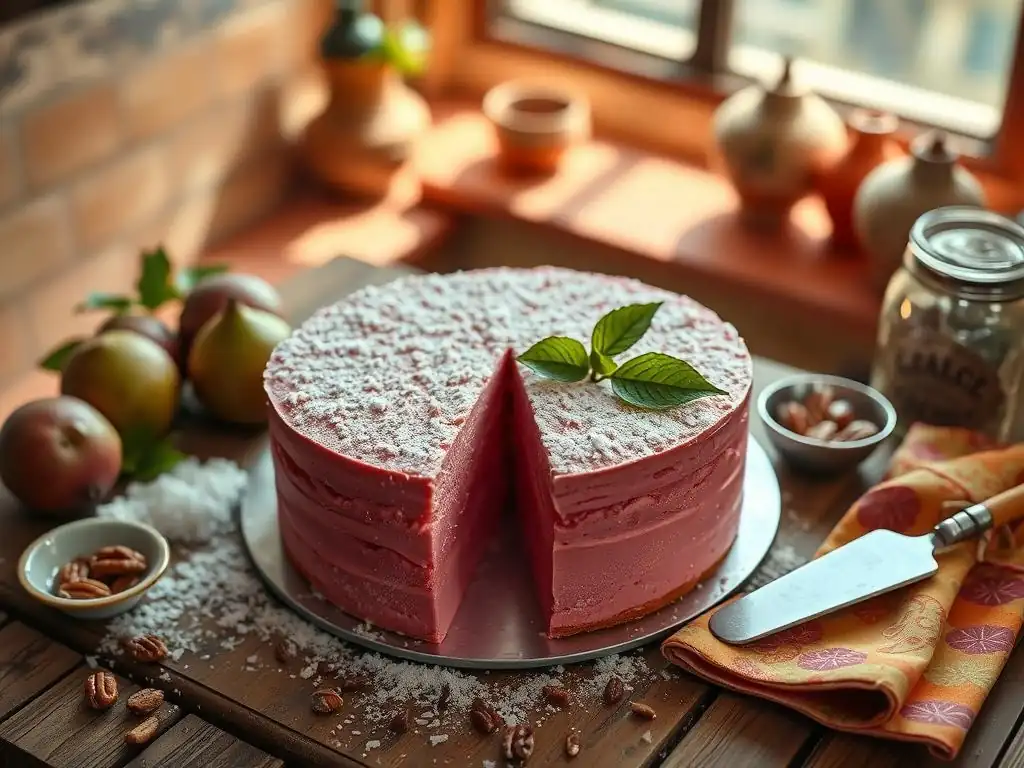
Welcome to BakeWithEase, where the joy of baking meets simplicity! Ever wondered how the vibrant flavors of Latin America can transform your kitchen? Dive into our collection and discover the magic of Guava paste baking recipes, a culinary tradition that’s both delicious and surprisingly easy to master. Get ready to infuse your baking with a tropical twist, one delightful recipe at a time. What sweet secrets will you uncover next?
- Baking with Guava Paste: A Latin American Tradition
- Exploring Guava Paste Baking in Latin America
- What is Guava Paste and Why Bake with It?
- Guava Paste Baking Recipes: A Latin American Journey
- Tips and Tricks for Baking with Guava Paste
- Regional Variations in Guava Paste Baking across Latin America
- Where to Find Guava Paste and Baking Supplies
- Conclusion: Embrace the Tropical Flavor of Guava Paste in Your Baking
-
Frequently Asked Questions
- What is guava paste, and why is it popular in Latin American baking?
- What are some common Latin American desserts that feature guava paste?
- Where can I find guava paste if I don't live in Latin America?
- What are some baking tips to keep in mind when using guava paste?
- Can I substitute guava paste with other fruit pastes in baking recipes?
- Final Reflection: A Sweet Legacy, A Future of Flavor
- Unleash Your Inner Pastry Chef: Guava Delights Await!
Baking with Guava Paste: A Latin American Tradition
Exploring Guava Paste Baking in Latin America
Latin America boasts a rich and diverse culinary landscape, and one ingredient that consistently pops up in sweet treats across the region is guava paste, or goiabada in Brazil, and bocadillo in Colombia. This dense, sweet confection made from the pulp of the guava fruit is a true staple, deeply embedded in the cultural fabric of many countries. Its vibrant flavor and unique texture make it a beloved component in countless guava paste baking recipes Latin America offers, from simple pastries enjoyed with coffee to elaborate cakes for special occasions.
The tradition of using guava paste in baking is a testament to the ingenuity of Latin American cooks who transformed local produce into delicious preserves. Historically, preserving fruits like guava was essential, and turning them into a stable paste allowed them to be enjoyed year-round. This practice evolved into iconic desserts that are now synonymous with regional identities. Exploring these guava paste baking recipes Latin America reveals not just culinary techniques, but also stories of heritage, family traditions, and the simple joy of sharing food.
What is Guava Paste and Why Bake with It?
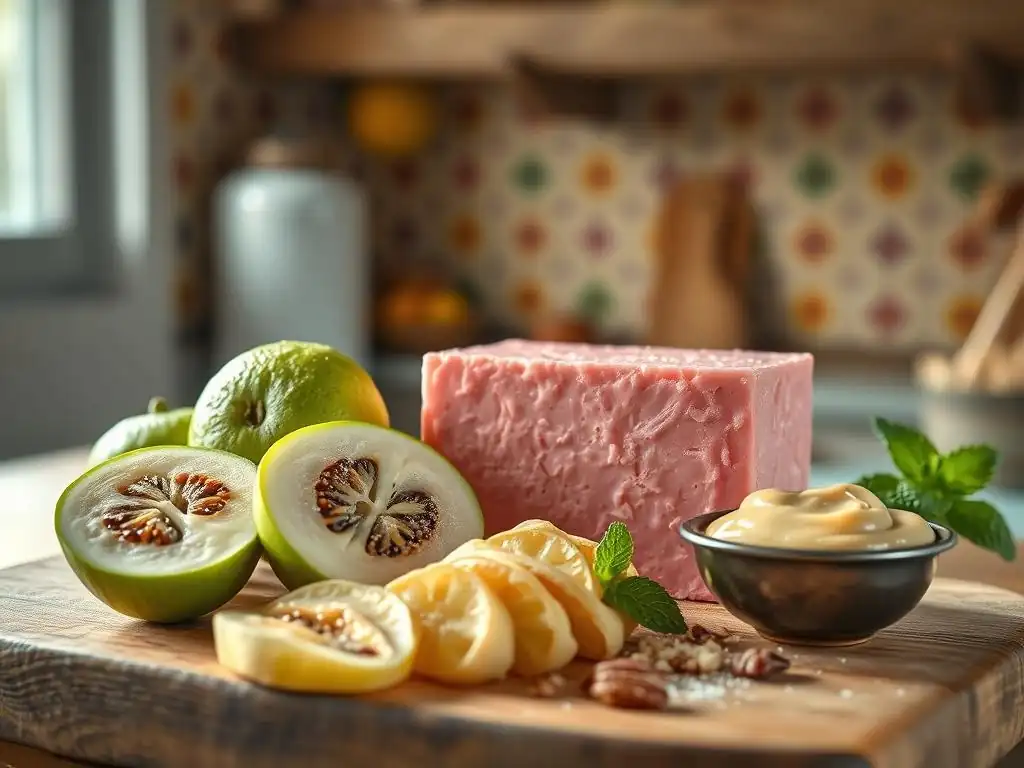
Understanding Guava Paste: A Latin American Baking Staple
Guava paste is a firm, sweet preserve made from cooked guava pulp and sugar. The process involves simmering mashed guava fruit with sugar until it thickens into a dense, jelly-like consistency that can be sliced or spread. The color typically ranges from a deep rosy pink to a reddish-brown, depending on the variety of guava used and the cooking time. While often referred to as a "paste," its texture is more akin to a very firm fruit cheese or jelly, allowing it to hold its shape when baked.
This versatile ingredient is a cornerstone in guava paste baking recipes Latin America. It provides a concentrated burst of tropical flavor that stands up well to heat. Unlike fresh guava, which can be watery and less intensely flavored after baking, the paste retains its distinct sweet and slightly tangy profile. It's readily available in blocks or tubs in Latin American grocery stores and increasingly in international aisles elsewhere, making it an accessible ingredient for anyone wanting to explore guava paste baking recipes Latin America.
The Unique Flavor Profile of Guava Paste in Baking
The flavor of guava paste is a complex blend of sweetness with a pleasant, slightly tart undertone. When baked, this flavor intensifies, creating a warm, fruity note that pairs exceptionally well with cheeses, particularly cream cheese or white cheese ( queso blanco). The sweetness of the paste contrasts beautifully with the sometimes-salty or tangy notes of cheese, resulting in a harmonious balance that is characteristic of many guava paste baking recipes Latin America.
Beyond cheese, guava paste complements other flavors commonly found in baking, such as vanilla, cinnamon, and coconut. Its firm texture means it doesn't melt completely into the dough or batter but rather softens into a chewy, flavorful pocket. This textural contrast is a key appeal in pastries and cakes. The aroma released during baking is also wonderfully fragrant, filling the kitchen with the scent of warm, tropical fruit, a hallmark of authentic guava paste baking recipes Latin America.
Nutritional Considerations of Guava Paste
While delicious, guava paste is primarily a source of carbohydrates due to its high sugar content. A typical serving (say, 1 ounce or about 28 grams) can contain roughly 20-25 grams of sugar. It is important to note that specific nutritional values can vary significantly between brands depending on the sugar-to-fruit ratio used in production. Some traditional recipes might use equal parts fruit pulp and sugar by weight, while commercial versions might adjust this ratio.
On the positive side, guava itself is rich in Vitamin C and fiber. While the processing into paste reduces some of these nutrients, especially Vitamin C which is heat-sensitive, some fiber content is retained. It's best viewed as a sweet treat ingredient rather than a health food staple. When incorporating it into guava paste baking recipes Latin America, consider the overall balance of the dessert and portion sizes. Baking with it offers a flavorful way to enjoy this tropical fruit preserve in moderation.
Guava Paste Baking Recipes: A Latin American Journey
Classic Guava and Cheese Pastries: Pastelitos de Guayaba Recipe
Pastelitos de Guayaba are perhaps one of the most iconic guava paste baking recipes Latin America has to offer, particularly beloved in Cuba and South Florida. These flaky pastries are typically made with puff pastry and filled with a combination of guava paste and cream cheese. The contrast between the crispy, buttery layers of pastry and the soft, sweet-and-tangy filling is what makes them so irresistible. They are a staple in bakeries and homes alike, often enjoyed with coffee for breakfast or as a mid-afternoon snack.
The simplicity of the ingredients belies the delightful complexity of the flavor profile. While the basic concept is consistent, variations exist in the type of cheese used (sometimes queso blanco instead of cream cheese) or the exact ratio of guava to cheese. Achieving the perfect pastelito involves mastering the pastry technique and ensuring the filling doesn't seep out during baking. These small, often square or rectangular pastries are a perfect entry point into exploring guava paste baking recipes Latin America.
Preparing the Puff Pastry for Pastelitos de Guayaba
Using store-bought puff pastry is a common and convenient method for making pastelitos de guayaba. It's crucial to thaw the pastry properly according to package instructions, usually in the refrigerator overnight. Once thawed, handle it gently to maintain the layers. Rolling the pastry slightly thinner can help achieve maximum crispness, typically aiming for a thickness of about 1/8 inch. Cutting uniform squares or rectangles ensures even baking.
For those feeling adventurous, making puff pastry from scratch offers unparalleled flakiness, though it is a time-intensive process involving multiple folds and chilling steps. Whether homemade or store-bought, keeping the pastry cold is key to preventing the butter from melting before baking, which is essential for creating those signature airy layers. Brushing the tops with an egg wash before baking gives the pastelitos a beautiful golden-brown finish, enhancing their visual appeal, a common practice across many guava paste baking recipes Latin America.
The Perfect Guava Paste and Cheese Filling
The classic filling for pastelitos de guayaba combines equal parts (or slightly more guava than cheese, depending on preference) of guava paste and cream cheese. The guava paste should be soft enough to spread or mash. If it's very firm, gently heating it with a tiny bit of water or orange juice can help soften it. The cream cheese should be at room temperature to make it easy to mix smoothly with the guava paste.
Some recipes call for slicing the guava paste and layering it directly onto the cheese, while others suggest mixing them together. Mixing creates a more uniform flavor throughout the filling. A small amount of sugar can be added to the cream cheese if a sweeter filling is desired, though the guava paste provides ample sweetness. The filling should be centered on one half of the pastry square, leaving enough border to seal the edges securely, preventing leakage during baking, a critical step in many guava paste baking recipes Latin America.
Baking Pastelitos de Guayaba: Achieving Golden Perfection
Baking pastelitos de guayaba typically involves a hot oven, usually between 375°F and 400°F (190°C to 200°C). The high heat helps the puff pastry rise quickly and become flaky. The baking time is relatively short, often ranging from 15 to 25 minutes, depending on the oven and the size of the pastries. They are ready when the pastry is puffed, golden brown, and the filling is warm and slightly bubbly.
Placing the pastelitos on a baking sheet lined with parchment paper prevents sticking and makes cleanup easier. For an extra touch of sweetness and shine, a light sugar syrup can be brushed over the hot pastries immediately after they come out of the oven. Allowing them to cool slightly before serving is important, as the filling will be very hot. These warm, flaky treats are a delightful way to experience guava paste baking recipes Latin America.
Guava Empanadas: A Savory-Sweet Delight
Guava empanadas are another popular application of guava paste baking recipes Latin America. While empanadas are often savory, the sweet version filled with guava paste (and sometimes cheese) is a beloved dessert or snack. The dough can vary widely by region, from flaky pastry dough similar to pie crust to a softer, slightly sweetened dough. The shape is typically the classic half-moon, with edges sealed by crimping or pressing with a fork.
These sweet empanadas showcase the versatility of guava paste. The firm texture of the paste holds up well inside the dough pocket during baking or frying. The combination of a slightly savory or neutral dough with the sweet, fruity filling creates a balanced flavor profile that is highly addictive. They are found in bakeries, street stalls, and homes across countries like Colombia, Venezuela, and Ecuador, highlighting their place among cherished guava paste baking recipes Latin America.
Choosing the Right Dough for Guava Empanadas
The type of dough used for guava empanadas significantly impacts the final texture. A common choice is a simple shortcrust pastry dough made with flour, butter or shortening, a little sugar, and water. This dough bakes up flaky and tender, providing a nice contrast to the guava filling. Another option is a slightly richer dough incorporating egg or milk, which results in a softer, bread-like texture.
In some regions, a cornmeal-based dough is used, especially if the empanadas are intended for frying. This dough creates a crispy exterior when fried. The choice of dough often comes down to regional preference and whether the empanadas will be baked or fried. Regardless of the dough, rolling it thinly is key to ensuring the dough cooks through properly without becoming dense, a principle applicable across many guava paste baking recipes Latin America involving pastry.
Creating a Delicious Guava Paste Filling for Empanadas
The filling for guava empanadas is straightforward: typically just sliced or mashed guava paste. Sometimes, a small amount of cheese, like queso costeño or mozzarella, is added alongside the guava paste for a sweet and salty combination. The amount of filling should be generous but not so much that it makes sealing the empanada difficult or causes it to burst during cooking.
If the guava paste is very hard, it can be gently warmed to make it more pliable. Cutting the paste into small cubes or strips before placing it on the dough helps distribute the flavor evenly within the empanada. Ensuring the edges are well-sealed is crucial to prevent the filling from leaking out during baking or frying. This simple yet effective filling is a hallmark of sweet guava paste baking recipes Latin America.
Baking or Frying Guava Empanadas: Which is Best?
Guava empanadas can be either baked or fried, each method yielding a different result. Baking produces a lighter, less greasy empanada with a golden, often flaky crust. Baking temperatures usually range from 375°F to 400°F (190°C to 200°C) for 15-25 minutes, until the crust is golden brown.
Frying results in a crispy, often bubbly exterior and is a very popular method in many Latin American countries. Empanadas are typically fried in hot oil (around 350°F or 175°C) until they are golden brown on both sides, which usually takes only a few minutes per side. Fried empanadas tend to be richer. The choice between baking and frying often depends on personal preference and regional tradition, adding another layer of variety to guava paste baking recipes Latin America.
Guava Cake: A Moist and Flavorful Latin American Treat
Guava cake, often a simple loaf cake or sheet cake, offers a different way to incorporate guava paste into baking. Instead of a distinct filling, the guava paste is often swirled into the batter or layered within the cake. This results in a moist cake with pockets or ribbons of sweet, fruity flavor throughout. It's a comforting dessert, perfect for sharing with family or friends.
The beauty of guava cake lies in its simplicity and the way the guava flavor permeates the cake. It's less about the dramatic contrast of a filling and more about the integration of the fruit's essence into the cake itself. Many guava paste baking recipes Latin America for cakes focus on achieving a tender crumb that complements the soft texture of the baked guava paste.
The Secret to a Moist Guava Cake
Achieving a moist cake is key to a great guava cake. Using ingredients like buttermilk, sour cream, or yogurt adds moisture and a slight tang that complements the sweetness of the guava paste. Oil-based cakes often stay moister than butter-based ones, as oil is liquid at room temperature. Overmixing the batter can develop the gluten too much, resulting in a tough cake, so gentle mixing is essential.
Another factor contributing to moisture is the guava paste itself. As it bakes, it softens and releases some moisture into the surrounding cake batter. Ensuring the correct baking time and temperature is also crucial; overbaking is a primary cause of dry cake. Baking at a slightly lower temperature for a longer time can help ensure the cake cooks through evenly without drying out, a useful tip for many guava paste baking recipes Latin America.
Incorporating Guava Paste into Cake Batter
There are several ways to incorporate guava paste into cake batter. One common method is to soften the guava paste slightly (either by warming or mashing with a little liquid) and then swirl it into the batter just before pouring it into the baking pan. This creates beautiful ribbons of guava throughout the cake.
Alternatively, the guava paste can be cut into small cubes and gently folded into the batter. As the cake bakes, these cubes soften into delicious pockets of flavor. Some recipes even suggest layering the batter and sliced guava paste in the pan. Whichever method is used, the goal is to distribute the guava flavor without disrupting the cake's structure, making for delightful guava paste baking recipes Latin America.
Guava Cake Glaze: Adding the Final Touch
While delicious on its own, a simple glaze can elevate a guava cake. A basic powdered sugar glaze mixed with milk or citrus juice (like orange or lime) adds sweetness and a smooth finish. A cream cheese glaze is also a popular choice, echoing the classic guava and cheese pairing.
For an extra layer of guava flavor, a glaze can be made by melting some guava paste with a small amount of water or juice and drizzling it over the cooled cake. This creates a glossy, intensely flavored topping. The glaze not only adds moisture and flavor but also gives the cake a lovely finished appearance, completing these guava paste baking recipes Latin America.
Guava and Cream Cheese Bars: A Quick and Easy Dessert
Guava and cream cheese bars offer a simpler, often quicker alternative to pastries and cakes, perfect for bake sales or casual desserts. They typically feature a cookie or shortbread-like crust, a layer of cream cheese filling, and a topping or swirl of guava paste. Their ease of preparation makes them a popular choice for home bakers looking to incorporate guava paste baking recipes Latin America without extensive effort.
These bars provide the beloved combination of guava and cream cheese in a convenient sliceable format. The different layers offer a pleasant textural contrast – a firm base, a creamy center, and the soft chewiness of the guava. They are adaptable and can be made in various sizes and thicknesses depending on preference.
Making the Crust for Guava and Cream Cheese Bars
The crust for guava and cream cheese bars is usually a simple press-in crust made from flour, sugar, and butter. Some recipes might include a small amount of baking powder for a slightly softer crumb or cornstarch for tenderness. The ingredients are typically mixed until they resemble coarse crumbs, then pressed firmly into the bottom of a baking pan, usually a square or rectangular pan.
Pre-baking the crust for a short period (often 10-15 minutes) before adding the filling helps ensure it is fully cooked and firm enough to support the layers above. This step is important for achieving the right texture in the finished bar. A well-made crust provides a sturdy foundation for these delightful guava paste baking recipes Latin America.
The Creamy Guava Paste Filling: A Simple Recipe
The filling for these bars is typically a simple mixture of softened cream cheese, sugar, egg, and vanilla extract. The egg helps set the cream cheese layer during baking. The ingredients are usually beaten together until smooth and creamy. This provides a rich, slightly tangy layer that perfectly complements the sweet guava paste.
The guava paste is often softened and spread or dolloped over the cream cheese layer before baking. Alternatively, it can be swirled into the cream cheese mixture. The amount of guava paste can be adjusted to taste, creating a more or less intense guava flavor in each bite. This easy-to-make filling is central to the appeal of these guava paste baking recipes Latin America.
Baking and Cooling: Tips for Perfect Guava Bars
Guava and cream cheese bars are typically baked at a moderate temperature, around 350°F (175°C), until the cream cheese layer is set and the edges are lightly golden. Baking time can range from 25 to 40 minutes, depending on the thickness of the layers and the size of the pan. The bars should be set in the center, without significant jiggling.
Allowing the bars to cool completely is crucial before cutting them. Chilling them in the refrigerator for a couple of hours makes them much easier to slice cleanly. Using a sharp knife and wiping it clean between cuts also helps create neat slices. These simple bars are a fantastic way to showcase guava paste baking recipes Latin America with minimal fuss.
Tips and Tricks for Baking with Guava Paste
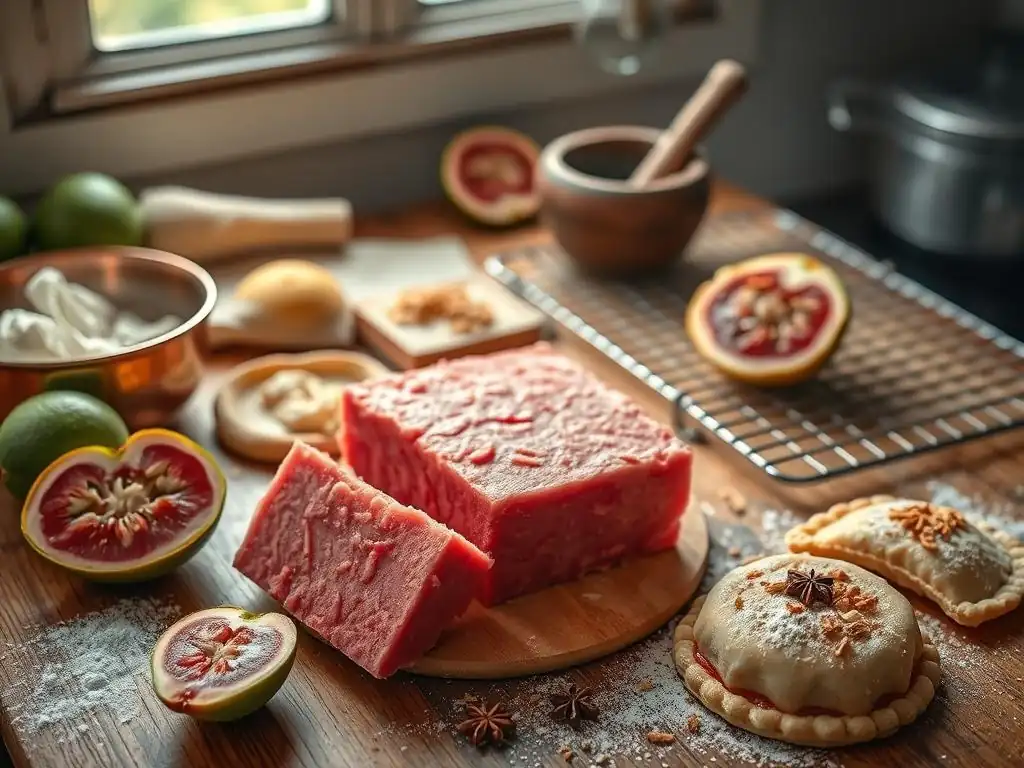
Working with Guava Paste: Softening and Cutting Techniques
Guava paste, especially when cold, can be quite firm. For applications where you need to spread, swirl, or mix it into a batter or filling, softening it is often necessary. The easiest way is to gently heat it in a microwave-safe bowl for short intervals (10-15 seconds) or in a small saucepan over low heat, stirring constantly, until it becomes pliable. Adding a teaspoon or two of water, milk, or fruit juice can also help achieve a smoother consistency.
When cutting guava paste into cubes or slices for layering or folding into dough, using a sharp, non-serrated knife works best. Dipping the knife in hot water and wiping it dry between cuts can also help prevent sticking, especially if the paste is slightly warm. Precision in cutting helps ensure even distribution of the guava throughout your guava paste baking recipes Latin America.
Pairing Guava Paste with Other Flavors in Baking
While guava and cheese (particularly cream cheese or queso blanco) is the most classic pairing in guava paste baking recipes Latin America, guava paste also complements a variety of other flavors. Vanilla is a natural partner, enhancing the sweetness and aroma of the guava. Cinnamon adds warmth and spice, working well in cakes and pastries.
Coconut, whether in the form of shredded coconut or coconut milk, adds a tropical dimension that pairs beautifully with guava. Citrus zest or juice, like orange or lime, can brighten the flavor of the guava paste and add a hint of acidity to balance the sweetness. Experimenting with these pairings can add exciting twists to traditional guava paste baking recipes Latin America.
Storing Guava Paste: Maintaining Freshness
Unopened guava paste blocks or tubs are shelf-stable and can typically be stored in a cool, dry pantry for many months, often up to a year or more, depending on the brand and packaging. Once opened, guava paste should be stored in an airtight container in the refrigerator to maintain its freshness and prevent it from drying out or developing mold.
Properly stored in the refrigerator, opened guava paste can last for several weeks, sometimes even months. If you buy a large block and only need a portion, consider wrapping the unused portion tightly in plastic wrap or foil before placing it in the airtight container. For longer storage, guava paste can also be frozen, which is particularly useful if you only bake with it occasionally. This ensures you always have it on hand for your favorite guava paste baking recipes Latin America.
Guava Paste Substitutions: Alternatives and Considerations
While guava paste has a unique flavor, if you can't find it, there are a few potential substitutions, though they won't yield exactly the same result. Other thick fruit pastes like quince paste ( membrillo) or apple butter can offer a similar texture and sweetness, but the flavor profile will be different. Quince paste has a more floral, slightly tannic flavor.
Using very thick fruit jams or preserves, like fig jam or a thick apricot jam, could work in some applications, especially as a swirl or filling, but their texture is generally less firm than guava paste. Reducing a fruit puree (like mango or passion fruit) with sugar could also create a thick paste, but this requires more effort and the result might be less stable when baked. For authentic guava paste baking recipes Latin America, finding the real thing is always recommended.
Regional Variations in Guava Paste Baking across Latin America
Guava Paste Baking in Cuba: Guava and Cheese Turnovers
In Cuba, the pastelito de guayaba y queso is a cornerstone of the pastry scene. These turnovers, often made with a very flaky, sometimes slightly sweetened puff pastry, are ubiquitous in bakeries. The classic filling is a generous amount of vibrant guava paste paired with cream cheese. They are typically square or rectangular, sometimes sprinkled with granulated sugar before baking for a slightly caramelized top.
Cuban pastelitos are often smaller than some other pastries, making them perfect bite-sized treats. They embody the simple elegance found in many Cuban desserts, focusing on high-quality ingredients and straightforward preparation. The popularity of pastelitos de guayaba in Cuba, and among the Cuban diaspora, solidifies their place as essential guava paste baking recipes Latin America.
Guava Paste Baking in Brazil: Bolo de Goiabada Recipe and Variations
Brazil's iconic bolo de goiabada is a moist cake featuring the country's beloved goiabada (guava paste). The paste is often cubed and folded into a simple butter cake batter, or sometimes layered between cake batter in the pan. As it bakes, the goiabada softens and creates sweet, chewy pockets within the cake.
Variations of bolo de goiabada are plentiful. Some include cheese, like queijo Minas, baked into the cake alongside the goiabada for the classic "Romeo and Juliet" pairing ( Romeu e Julieta). Others are simple loaf cakes, while more elaborate versions might feature a swirl or frosting. Bolo de goiabada is a staple in Brazilian homes and bakeries, a comforting cake that highlights the versatility of guava paste in guava paste baking recipes Latin America.
Guava Paste Baking in Colombia: Bocadillo-Filled Arepas
In Colombia, bocadillo is the term for guava paste, often sold wrapped in palm leaves. A unique application of bocadillo in baking (or rather, griddling/frying) is in sweet arepas. While savory arepas are common, sweet versions filled with bocadillo and cheese are a popular snack. The arepa dough is typically made from pre-cooked cornmeal ( masarepa), sometimes sweetened slightly.
A piece of bocadillo and a slice of cheese are placed inside the flattened dough, which is then sealed and cooked on a budare (a type of griddle) or fried. The heat melts the cheese and softens the bocadillo, creating a warm, gooey center within the crispy corn shell. This sweet and savory combination is a beloved part of Colombian street food and home cooking, representing a different approach to guava paste baking recipes Latin America.
Guava Paste Baking in Puerto Rico: Guava and Cream Cheese Quesitos
Puerto Rican quesitos are flaky puff pastry turnovers filled with cream cheese and often, but not always, guava paste. When they include guava, they are incredibly popular. The pastry is typically rolled into a tube shape with the filling inside, giving quesitos their distinctive look. They are often glazed with a simple sugar syrup after baking, adding shine and extra sweetness.
Similar to Cuban pastelitos, quesitos rely on the contrast between the light, airy pastry and the rich, sweet filling. The addition of guava paste to the cream cheese creates the classic flavor combination that is so cherished. Quesitos are a bakery staple in Puerto Rico and a must-try for anyone exploring guava paste baking recipes Latin America.
Where to Find Guava Paste and Baking Supplies
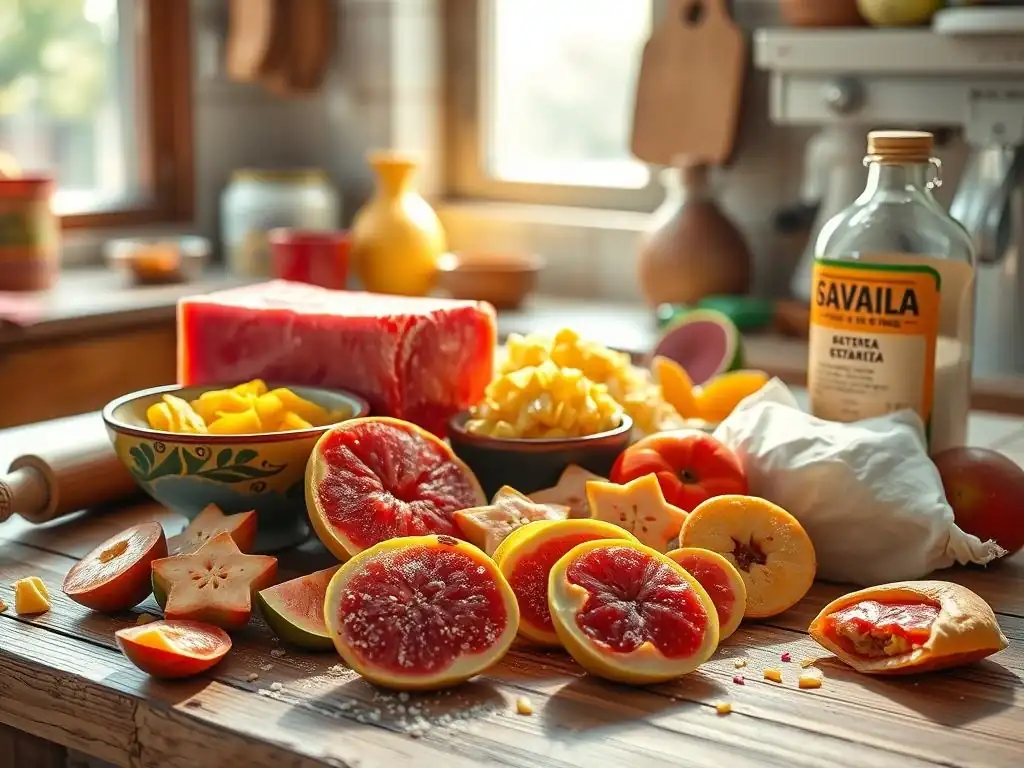
Buying Guava Paste Online: Recommended Brands
Finding authentic guava paste is essential for making delicious guava paste baking recipes Latin America. Fortunately, it's increasingly available online. Reputable online retailers specializing in Latin American groceries are a good source. Brands like Goya, Conchita, and Iberia are widely distributed and generally reliable, offering firm blocks of guava paste.
When buying online, check reviews for the product's texture and flavor. Some brands might produce a softer paste than others. Consider buying from sites that specialize in international foods for a wider selection. Purchasing guava paste online offers convenience and access to a variety of options for your guava paste baking recipes Latin America.
Finding Guava Paste in Latin American Markets
Latin American grocery stores, often called bodegas or mercados, are the most reliable place to find guava paste. These stores typically carry several brands, often including varieties imported directly from Latin American countries. You'll usually find it in the aisle with other preserves, canned fruits, or baking supplies.
Shopkeepers in these markets can often provide advice on different brands or regional preferences. Visiting a local Latin American market also offers the opportunity to find other ingredients and tools useful for guava paste baking recipes Latin America, like masarepa for arepas or specific types of cheese.
Essential Baking Tools for Working with Guava Paste
While no highly specialized tools are strictly necessary, having the right equipment can make working with guava paste easier. A good quality baking sheet lined with parchment paper is essential for pastries and bars, ensuring even baking and preventing sticking. A sharp knife and cutting board are useful for slicing or cubing firm guava paste.
For pastries like pastelitos and empanadas, a pastry wheel or sharp knife for cutting dough and a fork for crimping edges are helpful. A stand mixer or hand mixer can make preparing cake batters and cream cheese fillings quicker and smoother. Having these basic baking tools on hand will set you up for success with your guava paste baking recipes Latin America.
Conclusion: Embrace the Tropical Flavor of Guava Paste in Your Baking
Exploring guava paste baking recipes Latin America opens up a world of delicious possibilities. From the flaky layers of pastelitos de guayaba and quesitos to the comforting moistness of bolo de goiabada and the unique texture of bocadillo-filled arepas, guava paste offers a distinctive tropical sweetness that elevates simple baked goods. Its versatility allows it to be used as a prominent filling, a subtle swirl, or a delightful pocket of flavor.
Incorporating guava paste into your baking is not just about trying a new ingredient; it's about connecting with a rich culinary heritage shared across many Latin American countries. Whether you're a beginner baker or looking to expand your repertoire, these guava paste baking recipes Latin America provide a fantastic opportunity to experiment with new flavors and techniques. So grab a block of guava paste and start your own tropical baking journey – your taste buds will thank you!
Frequently Asked Questions
What is guava paste, and why is it popular in Latin American baking?
Guava paste is a thick, sweet confection made from guava fruit. It's popular in Latin America due to the abundance of guavas and its versatility as a filling or ingredient in various baked goods.
What are some common Latin American desserts that feature guava paste?
Several desserts utilize guava paste, including pastelitos (Cuban pastries), romeo y julieta (guava paste with cheese), and guava-filled alfajores. It offers a unique tropical flavor profile to these treats.
Where can I find guava paste if I don't live in Latin America?
Guava paste can often be found in Latin American grocery stores or the international aisle of larger supermarkets. You can also purchase it online from specialty food retailers.
What are some baking tips to keep in mind when using guava paste?
Guava paste can be sticky, so it's helpful to chill it before working with it. Also, consider its sweetness when adjusting sugar levels in your recipe. Use it sparingly to balance the flavor.
Can I substitute guava paste with other fruit pastes in baking recipes?
While possible, the flavor will change. Membrillo (quince paste) is sometimes used as a substitute, but it has a different flavor profile. Using a different fruit paste will alter the overall taste of the baked good.
Final Reflection: A Sweet Legacy, A Future of Flavor
The vibrant world of guava paste baking in Latin America isn't just a culinary tradition; it's a living testament to cultural heritage and the enduring power of simple, delicious ingredients. This rich tapestry of recipes, passed down through generations, continues to thrive, adapting and evolving while retaining its core essence. From the humble guava fruit to the intricate designs adorning countless pastries, each bite tells a story.
The influence of guava paste extends far beyond the kitchen; it's woven into the fabric of celebrations, family gatherings, and everyday life across Latin America. It's a symbol of connection, a taste of home, and a reminder of the enduring strength of cultural identity. Food is symbolic of love when words are inadequate.
- Alan D. Wolfelt. This quote perfectly encapsulates the emotional resonance of guava paste baking, a practice that transcends mere sustenance and becomes a powerful expression of affection and shared experience.
Now, it's your turn. Consider the recipes shared within this article – not just as instructions, but as opportunities to connect with a vibrant culture, to explore new flavors, and to create your own unique memories in the kitchen. Experiment with different combinations, share your creations with loved ones, and become a part of this delicious, ongoing story. Let the sweet taste of guava paste inspire you to explore the rich culinary heritage of Latin America and to share its sweetness with the world.
Unleash Your Inner Pastry Chef: Guava Delights Await!
Thanks for joining us on this delicious journey through the world of guava paste baking! We hope you've discovered new inspiration and techniques to elevate your baking skills. Ready to bring these tropical flavors to life?
- Craft Your Signature Guava Treat: Choose your favorite recipe from the article (or get creative with your own!) and start baking. Don't be afraid to experiment with different textures and flavors!
- Share Your Guava Creations: Show off your baking skills by sharing photos of your guava creations on social media using #BakeWithEaseGuava. Let's inspire each other!
- Explore Other Tropical Baking Adventures: Dive deeper into our recipe archives for more exciting fruit-filled baking ideas—mango, passion fruit, and more await!
So, what incredible guava-infused masterpiece will you create first?