
Easy Brazilian Pao de Queijo (Cheese Bread) Recipe

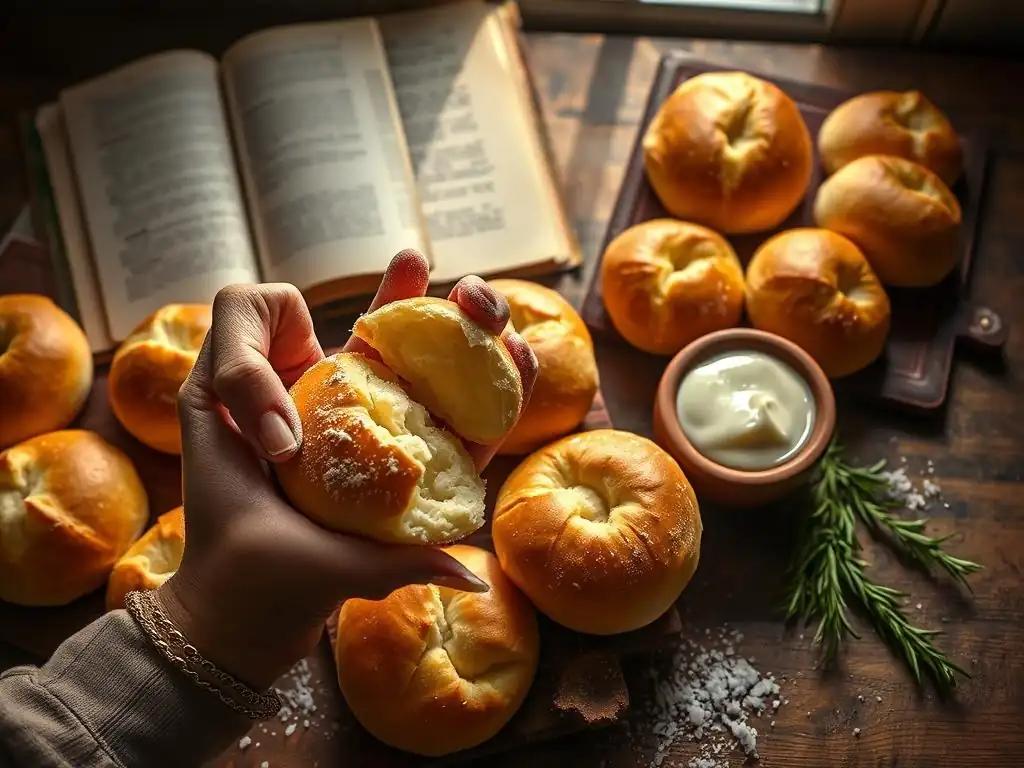
Welcome to BakeWithEase, your trusted companion on the baking journey! Ever dreamt of effortlessly creating pillowy, cheesy goodness? Dive into the secrets of Easy Brazilian cheese bread with our foolproof recipe. Pão de Queijo is more than just bread; it's a cultural experience. Curious to unlock the authentic flavors of Brazil from your very own kitchen? Let's get baking!
- Easy Brazilian Pão de Queijo (Cheese Bread) Recipe
- Bake Authentic Brazilian Cheese Bread at Home
- What is Pão de Queijo? An Introduction to Brazilian Cheese Bread
- The Easiest Pão de Queijo Recipe You'll Ever Find
- Step-by-Step Guide to Making Pão de Queijo
- Tips and Tricks for Baking the Best Pão de Queijo
- Pão de Queijo Variations and Adaptations
- Serving Suggestions for Brazilian Cheese Bread
- Troubleshooting Common Pão de Queijo Problems
- Enjoy Your Homemade Brazilian Cheese Bread!
- Frequently Asked Questions
- Final Reflection: The Simple Joy of Pao de Queijo
- Unlock the Secrets of Fluffy Pao de Queijo!
Easy Brazilian Pão de Queijo (Cheese Bread) Recipe
Bake Authentic Brazilian Cheese Bread at Home
Unlocking the secret to perfectly chewy, delightfully cheesy Pão de Queijo is easier than you might think. This beloved Brazilian snack, a staple in homes and bakeries across the country, can be recreated in your own kitchen with minimal fuss. Forget complicated techniques; our easy Brazilian cheese bread recipe focuses on simple steps and readily available ingredients, bringing a taste of Brazil right to your table. Whether you're looking for a unique breakfast item, a satisfying snack, or a charming side dish, these warm, puffy cheese balls are guaranteed to impress.
Making your own easy Pão de Queijo is a rewarding experience. The aroma filling your kitchen as they bake is simply irresistible. This guide will walk you through everything you need to know, from understanding the unique ingredients to troubleshooting common baking issues, ensuring your first attempt (and every attempt after) is a delicious success. Get ready to master this classic with our straightforward approach.
What is Pão de Queijo? An Introduction to Brazilian Cheese Bread
Pão de Queijo, literally translating to "cheese bread," is a small, baked cheese roll, a popular snack and breakfast food in Brazil. Unlike traditional bread made with wheat flour, Pão de Queijo uses tapioca flour, which gives it its signature chewy and elastic texture. The outside bakes to a slightly crisp shell, while the inside remains soft, airy, and filled with pockets of melted cheese. It's naturally gluten-free, making it a fantastic option for those with dietary restrictions.
This delightful bread is more than just a snack; it's a cultural icon. Found in bakeries, cafes, and homes throughout Brazil, it's often enjoyed warm, straight from the oven, perhaps accompanied by a cup of coffee. Its simplicity and addictive nature have contributed to its widespread appeal, both within Brazil and increasingly around the world, as people discover this unique culinary gem.
A Brief History of Brazilian Cheese Bread
The origins of Pão de Queijo are deeply intertwined with Brazil's colonial past and the cultivation of cassava (manioc), from which tapioca flour is derived. Historical accounts suggest that the earliest forms of Pão de Queijo were developed in the state of Minas Gerais, a region known for its dairy production and, consequently, its cheese. During the 18th century, African slaves on farms in Minas Gerais would process cassava, separating the starch (tapioca) and using it to make simple breads.
These early versions likely didn't include cheese, as it was a more valuable commodity. However, as cheese production grew in the region, particularly the local "Minas cheese," it was eventually incorporated into the tapioca bread dough, creating the foundation for the Pão de Queijo we know today. The recipe was perfected over time, becoming a staple of Minas Gerais cuisine before spreading throughout Brazil in the mid-20th century, cementing its status as a national favorite.
Why Pão de Queijo is So Popular
Pão de Queijo's immense popularity stems from a combination of factors that appeal to nearly everyone. Firstly, its texture is uniquely satisfying – a crispy exterior giving way to a warm, chewy, and airy interior loaded with melted cheese. This textural contrast is incredibly appealing and sets it apart from other types of bread. The taste is also a major draw; the savory, slightly tangy cheese perfectly complements the subtle flavor of the tapioca.
Beyond taste and texture, Pão de Queijo is incredibly versatile and convenient. It's the perfect size for snacking, easy to eat on the go, and pairs wonderfully with hot beverages like coffee or tea. Its simplicity makes it approachable for home bakers, and the relatively quick baking time means you can enjoy fresh, warm cheese bread whenever the craving strikes. Its natural gluten-free status also broadens its appeal in today's health-conscious world, making an easy Brazilian cheese bread recipe a sought-after item.
The Easiest Pão de Queijo Recipe You'll Ever Find
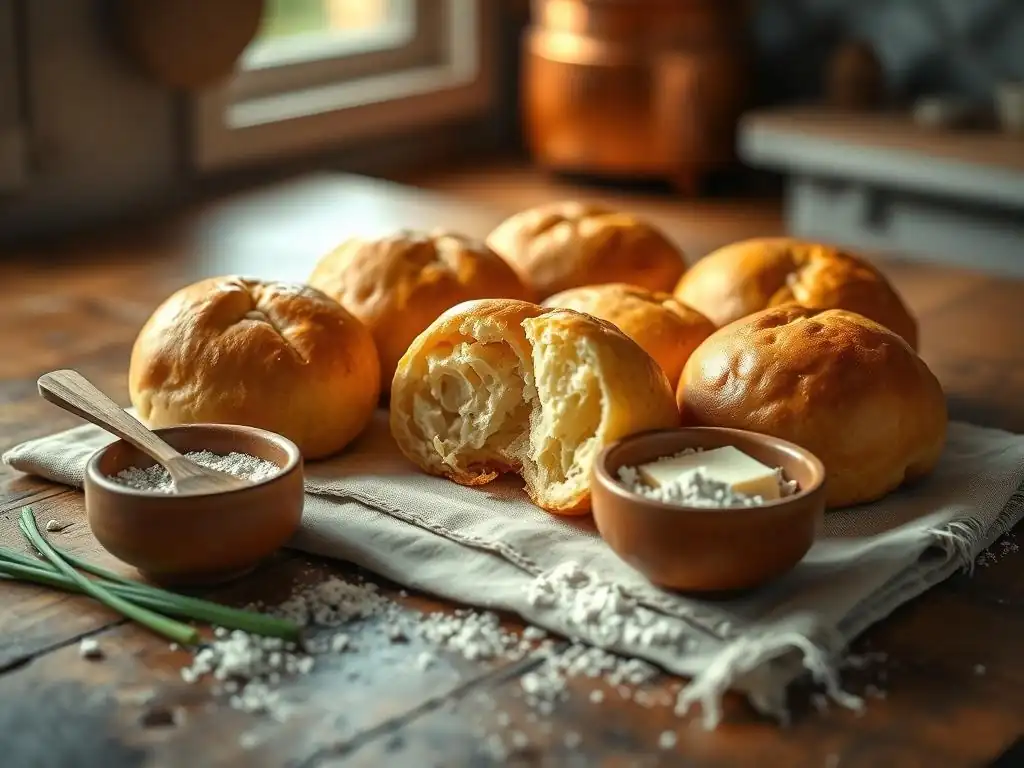
Creating delicious Pão de Queijo at home doesn't require specialized skills or equipment. This easy Brazilian cheese bread recipe is designed for simplicity, ensuring fantastic results even for novice bakers. The key lies in understanding the role of each ingredient and following a few straightforward steps. We'll focus on a method that minimizes complexity while maximizing that authentic chewy, cheesy goodness.
The process generally involves heating liquids and mixing them with tapioca flour to create a base, then incorporating cheese and eggs. The beauty of this recipe is its forgiving nature; slight variations in cheese or mixing time usually don't drastically alter the outcome. You're aiming for a dough that's scoopable or shapeable, leading to those delightful puffy rolls after baking.
Key Ingredients for Perfect Brazilian Cheese Bread
Making great Pão de Queijo starts with understanding the core components. While the recipe itself is simple, the quality and type of ingredients play a significant role in the final texture and flavor of your easy Pão de Queijo. We'll break down each essential ingredient and what it contributes to the magic.
Getting these basics right is the foundation of any successful easy Brazilian cheese bread recipe. Don't be intimidated by ingredients you might not use every day; they are key to achieving the authentic result.
Tapioca Flour (Tapioca Starch): The Secret Ingredient
Tapioca flour, also known as tapioca starch, is the absolute cornerstone of Pão de Queijo. Derived from the cassava root, this fine, white powder is responsible for the bread's characteristic chewy, elastic, and slightly gummy texture. Unlike wheat flour, tapioca starch contains no gluten, which is why the dough behaves so differently and results in that unique bite.
When heated with liquid (like milk and oil), tapioca starch undergoes a process called gelatinization, creating a thick, sticky paste that forms the structure of the bread. Using the correct type – typically sour or sweet tapioca starch, depending on the desired outcome (sour starch gives a slightly tangy taste and more volume, sweet starch is milder) – is crucial. Ensure you are using tapioca starch and not cassava flour, as they are processed differently and yield distinct results.
Minas Cheese (or Substitute): Choosing the Right Cheese
Traditionally, Pão de Queijo is made with "Queijo Minas Padrão" or "Queijo Meia Cura," semi-aged Brazilian cheeses from Minas Gerais known for their mild flavor and good melting properties. These cheeses contribute significantly to the savory taste and the delightful pockets of melted cheese within the bread.
If authentic Brazilian cheese is unavailable, suitable substitutes are commonly used in an easy Brazilian cheese bread recipe. A good quality Parmesan cheese is a popular choice, offering a sharp, salty flavor. You can also use a blend of cheeses; combining grated Parmesan with some mozzarella or Monterey Jack can replicate the texture and flavor profile reasonably well. The key is to use a hard or semi-hard cheese that is relatively dry and grates finely for even distribution and melting.
Milk and Oil: Achieving the Perfect Texture
Milk and oil are heated together and then mixed with the tapioca flour in the initial step of many Pão de Queijo recipes. This hot liquid mixture helps to "cook" or scald the tapioca starch, beginning the gelatinization process before baking. This scalding step is vital for developing the unique chewy texture.
The type of oil used can vary; vegetable oil, canola oil, or even olive oil are common choices. The oil adds richness and tenderness to the dough, preventing it from becoming too tough. Milk adds moisture and contributes to a slightly softer interior crumb. The specific ratio of milk, oil, and tapioca starch dictates the dough's consistency and the final texture of the baked bread, contributing to that perfect airy chew.
Egg: Binding Agent and Richness
Eggs play a crucial role in binding the Pão de Queijo dough together. Since tapioca starch lacks gluten, which provides structure in wheat-based breads, the egg acts as a primary binder, holding the ingredients together as they bake. Without the egg, the cheese bread might spread too much and lack structure.
In addition to binding, eggs contribute richness and a slight lift to the dough. They help create a more cohesive mixture that is easier to shape into balls and contribute to the overall tenderness of the finished product. The size of the egg can sometimes affect the dough consistency, but for an easy Brazilian cheese bread recipe, a standard large egg is usually sufficient.
Salt: Enhancing the Flavor
Salt is a simple yet essential ingredient in Pão de Queijo. It doesn't just add saltiness; it enhances the overall flavor profile, balancing the richness of the cheese and the subtle taste of the tapioca. The amount of salt needed can depend on the saltiness of the cheese you use, particularly if you're using Parmesan.
Adding the right amount of salt ensures that the cheese flavor is prominent and the bread isn't bland. It's usually added along with the cheese and egg after the initial tapioca mixture has cooled slightly. A pinch makes a significant difference in bringing all the flavors together in your easy Pão de Queijo.
Step-by-Step Guide to Making Pão de Queijo
Ready to bake? This simple guide breaks down the process into manageable steps, making it easy to follow along and achieve delicious results. Remember, even with an easy Brazilian cheese bread recipe, paying attention to the process helps ensure success.
Follow these steps carefully, and you'll be enjoying warm, homemade Pão de Queijo in no time.
Step 1: Preparing the Tapioca Mixture
The first step involves combining the liquids and heating them before mixing with the tapioca flour. Typically, milk, oil, and a pinch of salt are heated in a saucepan until just simmering. The goal is to get the mixture hot enough to scald the tapioca starch but not boil vigorously.
Once the liquid is hot, it's poured over the tapioca flour in a mixing bowl. Using a spoon or spatula, stir vigorously to combine. The mixture will become very thick and sticky, forming a paste or a crumbly, cooked dough. This is the crucial gelatinization step where the tapioca starch starts to absorb the liquid and create the unique texture. Allow this mixture to cool slightly before proceeding to the next step.
Step 2: Adding the Cheese and Wet Ingredients
After the tapioca mixture has cooled down enough to handle (it shouldn't be hot enough to cook the egg), it's time to incorporate the cheese and egg. Add the grated cheese (Minas, Parmesan, or your chosen blend) and the egg to the tapioca mixture. Some recipes might also add additional salt here if not added in Step 1, depending on the cheese's saltiness.
Mix everything together. At this stage, the mixture might still look a bit crumbly or lumpy, especially if you started with a very dry tapioca paste. Don't worry; the next step will bring it all together into a more cohesive dough suitable for shaping.
Step 3: Mixing the Dough to Perfection
Now it's time to bring the dough together. Depending on the recipe and consistency, you might start mixing with a spoon or spatula, but often, the best way to achieve a smooth, cohesive dough is by using your hands. Knead the mixture gently in the bowl, incorporating the cheese and egg evenly into the tapioca base.
Continue mixing until the dough is smooth, pliable, and no longer sticky to the touch (or only slightly sticky). It should be easy to roll into small balls. If the dough feels too dry and crumbly, you might add a tiny splash of milk; if it's too wet and sticky, you could try adding a tablespoon more tapioca flour, but be cautious not to add too much, as this can make the bread tough. A well-mixed dough is key for achieving the right texture in your easy Pão de Queijo.
Step 4: Shaping the Pão de Queijo
With the dough ready, it's time to shape your cheese bread. Take small portions of the dough and roll them between your palms to form spheres, typically about 1 to 1.5 inches (2.5 to 4 cm) in diameter. Aim for relatively uniform sizes so they bake evenly.
Place the shaped balls on a baking sheet lined with parchment paper. Leave some space between them, as they will expand while baking. You can make the balls ahead of time and refrigerate or freeze them at this stage. Freezing is a great way to have easy Pão de Queijo ready to bake on demand; just bake them from frozen, adding a few extra minutes to the baking time.
Step 5: Baking Your Brazilian Cheese Bread
Preheat your oven to the temperature specified in your recipe, typically around 375-400°F (190-200°C). A hot oven helps the Pão de Queijo puff up quickly and develop that signature airy interior and slightly crisp exterior.
Bake the cheese bread for about 15-25 minutes, or until they are puffed up, golden brown, and look hollow when tapped lightly. The exact time will depend on your oven and the size of the balls. Keep an eye on them towards the end of the baking time to prevent them from getting too dark. Remove from the oven and let them cool slightly on the baking sheet before serving warm. Enjoying them fresh out of the oven is highly recommended!
Tips and Tricks for Baking the Best Pão de Queijo
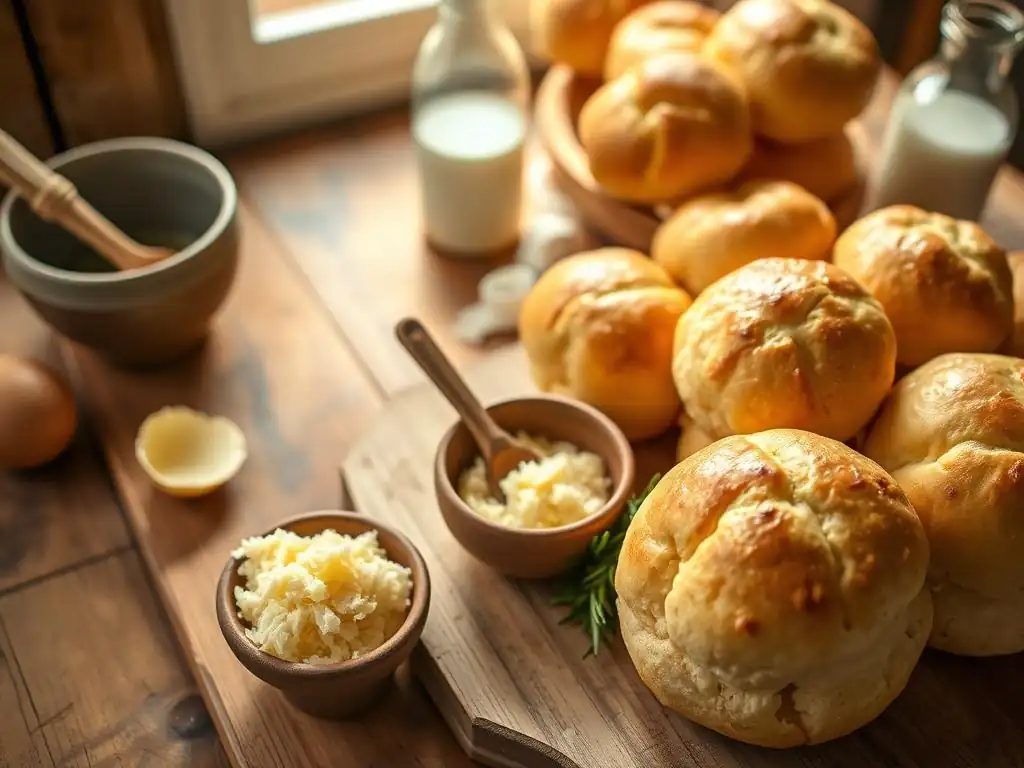
Even with an easy Brazilian cheese bread recipe, a few simple tips can elevate your results from good to absolutely fantastic. These pointers address common challenges and help you achieve the perfect texture and flavor every time you bake this delicious cheese bread.
Mastering these nuances will help you bake consistently great Pão de Queijo that rivals those found in Brazilian bakeries.
Achieving the Chewy Texture
The characteristic chewiness of Pão de Queijo comes primarily from the tapioca starch and the scalding process in Step 1. Ensuring the milk and oil mixture is hot enough when poured over the tapioca flour is crucial for proper gelatinization. If the liquid isn't hot enough, the starch won't develop that elastic quality.
Another factor is not overworking the dough after adding the cheese and egg. While you need to mix it until cohesive, excessive kneading isn't necessary as there's no gluten to develop. Over-mixing can sometimes lead to a tougher texture. Baking at the correct high temperature also contributes, allowing the outside to set quickly while the inside expands and becomes airy and chewy.
Preventing Flat Pão de Queijo
Flat Pão de Queijo can be disappointing, but it's a common issue with simple solutions. One frequent cause is the dough being too wet. This can happen if the tapioca mixture wasn't properly scalded, the egg was very large, or too much liquid was added. The dough should be pliable but firm enough to hold its shape when rolled into a ball.
Another reason could be an oven that isn't hot enough. The initial burst of heat is needed for the Pão de Queijo to puff up. Make sure your oven is fully preheated to the specified temperature. Also, avoid opening the oven door frequently during the first half of baking, as this drops the temperature and can cause them to deflate. Using a quality, relatively dry cheese also helps, as cheeses with high moisture content can make the dough too wet.
Storing and Reheating Pão de Queijo
Pão de Queijo is undeniably best enjoyed warm and fresh from the oven. However, you can easily store and reheat them. Once cooled completely, store baked Pão de Queijo in an airtight container at room temperature for a day or two, or in the refrigerator for up to 3-4 days.
For longer storage, uncooked Pão de Queijo balls freeze exceptionally well. Place the shaped balls on a baking sheet and freeze until solid, then transfer them to a freezer-safe bag or container. They can be stored in the freezer for up to 2-3 months.
To reheat baked Pão de Queijo or bake frozen ones, place them in a preheated oven (around 350°F or 175°C) for a few minutes until warm and slightly crisp again (for baked) or for 20-30 minutes until golden and puffed (for frozen). This makes having an easy Brazilian cheese bread recipe on hand perfect for quick snacks.
Pão de Queijo Variations and Adaptations
While the classic easy Brazilian cheese bread recipe is delicious on its own, it also serves as an excellent base for creative variations. You can easily adapt the recipe to suit different tastes or dietary needs, adding new dimensions to this versatile snack.
Experimenting with these variations allows you to personalize your Pão de Queijo and discover new favorite combinations.
Adding Herbs and Spices
Incorporating herbs and spices is a simple way to add extra flavor to your Pão de Queijo. Finely chopped fresh herbs like chives, parsley, or oregano can be mixed into the dough along with the cheese. Dried herbs can also work, though use them sparingly as they are more potent.
Spices like a pinch of black pepper, a tiny bit of garlic powder, or even a dash of smoked paprika can add subtle complexity. Be mindful of the quantities, as you don't want to overpower the delicate cheese and tapioca flavors. Start with small amounts and adjust in future batches based on your preference. A common addition in Brazil is a sprinkle of dried oregano or a mix of ervas finas (fine herbs).
Vegan Pão de Queijo Recipe (Dairy-Free Option)
Adapting an easy Brazilian cheese bread recipe for a vegan diet is entirely possible, focusing on plant-based alternatives. The main substitutions involve replacing the cheese, milk, and egg. Vegan cheese shreds that melt well are crucial; a blend of vegan mozzarella and Parmesan-style cheese often works best for flavor and texture.
For the milk, any plant-based milk like almond, soy, or oat milk can be used. The egg can be replaced with a flax egg (ground flaxseed mixed with water), a commercial egg replacer, or sometimes simply omitted or replaced with a little extra liquid and a binder like psyllium husk, depending on the specific recipe adaptation. The oil component usually remains the same. Finding the right balance of vegan ingredients is key to achieving a similar chewy, airy result.
Different Cheese Combinations for Unique Flavors
While Parmesan and traditional Brazilian cheeses are standard, using different cheese combinations can create exciting new flavors in your Pão de Queijo. Try mixing in some aged cheddar for a sharper taste, Gruyère for nutty notes, or provolone for a slightly different texture when melted.
A blend of sharp and mild cheeses often works well. For instance, combining Parmesan with mozzarella or a mild white cheddar can provide both flavor depth and excellent meltability. Ensure the cheeses are grated finely and relatively dry to integrate smoothly into the dough. Experimenting with different cheeses allows you to tailor the easy Pão de Queijo to your personal preference.
Serving Suggestions for Brazilian Cheese Bread

Pão de Queijo is incredibly versatile and can be enjoyed at various times of the day and in different contexts. Its warm, comforting nature makes it suitable for almost any occasion.
Here are a few popular ways to serve your delicious homemade easy Brazilian cheese bread recipe.
Pão de Queijo as a Breakfast Treat
In Brazil, Pão de Queijo is a quintessential breakfast item. Served warm, often straight from the oven, it pairs perfectly with a cup of strong coffee or a glass of milk. Its satisfying chewiness and cheesy flavor make for a comforting start to the day.
You can enjoy them plain, or for an extra treat, slice them open and spread with butter or your favorite jam. The combination of the savory cheese bread with sweet or salty accompaniments is surprisingly delightful. Baking a batch in the morning using pre-shaped dough from the freezer makes for an incredibly quick and easy breakfast.
Pão de Queijo as a Snack
Pão de Queijo's small, portable size makes it an ideal snack any time hunger strikes. Pack a few for a mid-morning bite, an afternoon pick-me-up, or even a late-night craving. They are much more satisfying than typical crackers or chips, offering a good source of carbohydrates and protein (from the cheese and egg).
They are particularly popular as a "lanche" (snack) in Brazil, readily available at cafes and bakeries. Having a stash of frozen dough means an easy Pão de Queijo snack is just minutes away whenever you need it.
Pão de Queijo as a Side Dish
While often enjoyed on its own, Pão de Queijo can also serve as a unique and tasty side dish. Its savory flavor complements various meals, particularly those with a Latin American flair. Serve them alongside feijoada (Brazilian black bean stew), grilled meats, or even with soups and salads.
Their chewy texture and cheesy goodness add an interesting element to the plate. They are a great alternative to traditional dinner rolls or bread, offering a gluten-free option that everyone can enjoy.
Troubleshooting Common Pão de Queijo Problems
Even with an easy Brazilian cheese bread recipe, baking can sometimes present challenges. Don't get discouraged if your first batch isn't perfect. Understanding common issues and their solutions will help you improve with each attempt.
Here's how to tackle some typical problems encountered when baking Pão de Queijo.
Dough Too Sticky? Here's What to Do.
If your Pão de Queijo dough is excessively sticky and difficult to shape, it's usually an indication that there's too much moisture relative to the tapioca starch. This could be due to insufficient scalding of the tapioca, too much liquid (milk/oil), or a very large egg.
Try adding a tablespoon or two of extra tapioca flour to the dough and mix it in thoroughly. Do this gradually, adding just enough until the dough becomes manageable and can be rolled into balls without sticking excessively to your hands. Remember, the dough should be pliable but not wet. Ensure your tapioca starch is fresh and stored properly, as moisture absorption from humidity can also affect consistency.
Pão de Queijo Not Rising? Find Out Why.
Pão de Queijo doesn't use yeast or baking powder for leavening in the traditional sense; its rise comes from the expansion of steam and air pockets within the dough and the proper gelatinization of the tapioca starch. If your cheese bread isn't puffing up, several factors could be at play.
The most common reason is an oven that's not hot enough. Pão de Queijo needs high heat to achieve its characteristic puff. Double-check your oven temperature with a thermometer. Another cause could be insufficient scalding of the tapioca flour in the initial step, which affects its ability to expand. Also, ensure you're using the correct type of tapioca starch (polvilho doce or azedo). Dough that is too dry or too wet can also inhibit proper rising.
Cheese Bread Too Dense? Solve the Issue.
If your Pão de Queijo turns out dense and heavy instead of light and airy, it's often related to the dough consistency or baking process. Over-mixing the dough after adding the egg and cheese can sometimes lead to a denser result, although less common than in gluten-based breads.
More likely, the issue is insufficient heat during baking or dough that is too wet or too dry. A dough that's too wet might not form those airy pockets, resulting in a gummy density. A dough that's too dry won't have enough moisture to create steam for expansion. Ensure your oven is at the correct high temperature and that your dough consistency is pliable but not overly sticky or crumbly. Proper scalding of the tapioca starch is also key to achieving that light internal structure.
Enjoy Your Homemade Brazilian Cheese Bread!
Frequently Asked Questions
How easy is this Brazilian cheese bread recipe, really?
This Pão de Queijo recipe is designed for beginner bakers. It uses simple ingredients and a straightforward process, making it easy to follow.
What kind of cheese is best for Brazilian cheese bread?
Traditionally, Pão de Queijo uses queijo minas, a Brazilian cheese. However, a blend of mozzarella and parmesan makes an excellent and readily available substitute.
What gives Brazilian cheese bread its unique texture?
The tapioca flour (or tapioca starch) is the key ingredient for the chewy, bouncy texture. Don't substitute it with other flours!
Can I make Brazilian cheese bread ahead of time?
Yes, you can! The dough can be prepared and stored in the refrigerator for up to 24 hours before baking. You can also freeze the baked bread for later consumption.
What are some variations I can try with this recipe?
You can experiment by adding different herbs like rosemary or thyme to the dough. You could also incorporate different cheeses for a unique flavor profile.
Final Reflection: The Simple Joy of Pao de Queijo
The seemingly simple act of making Pao de Queijo transcends a mere recipe; it's a gateway to connection, culture, and the comforting embrace of familiar flavors. This easy recipe, designed for even the most novice baker, unlocks the magic of this beloved Brazilian treat, making it accessible to everyone. The ease of preparation belies the profound satisfaction of sharing these little cheesy puffs with friends and family.
The enduring popularity of Pao de Queijo speaks volumes about its ability to bridge cultural divides and evoke powerful memories. It's more than just a snack; it's a taste of home, a reminder of shared experiences, and a testament to the power of simple ingredients transformed into something extraordinary. As the renowned Brazilian chef Alex Atala once said, Food is a powerful tool for connection, a way to share stories and build bridges between cultures.
This sentiment perfectly encapsulates the essence of Pao de Queijo and its enduring appeal.
Now, I invite you to go beyond simply following the recipe. Consider the possibilities: experiment with different cheeses, share your creations with loved ones, and let the aroma of freshly baked Pao de Queijo fill your home with warmth and happiness. Embrace the simplicity, savor the taste, and discover the joy of creating something delicious and meaningful, one cheesy puff at a time. Let this recipe be more than just instructions; let it be a springboard for culinary exploration and connection.
Unlock the Secrets of Fluffy Pao de Queijo!
Thanks for joining us on this cheesy adventure! We hope you've gained the confidence to tackle this delicious Brazilian treat. Ready to take your baking skills to the next level?
- Bake your own batch of Pao de Queijo today! Use our recipe as a springboard—experiment with different cheeses or add-ins for a unique twist.
- Share your Pao de Queijo creations! Show us your baking triumphs on social media using #BakeWithEasePao.
- Leave a comment below and tell us what your favorite cheese for Pao de Queijo is – let's inspire each other!
What unique ingredient will you add to your next Pao de Queijo batch?