
EggFree Blueberry Muffins: Bursting with Juicy Fruit in Every Bite

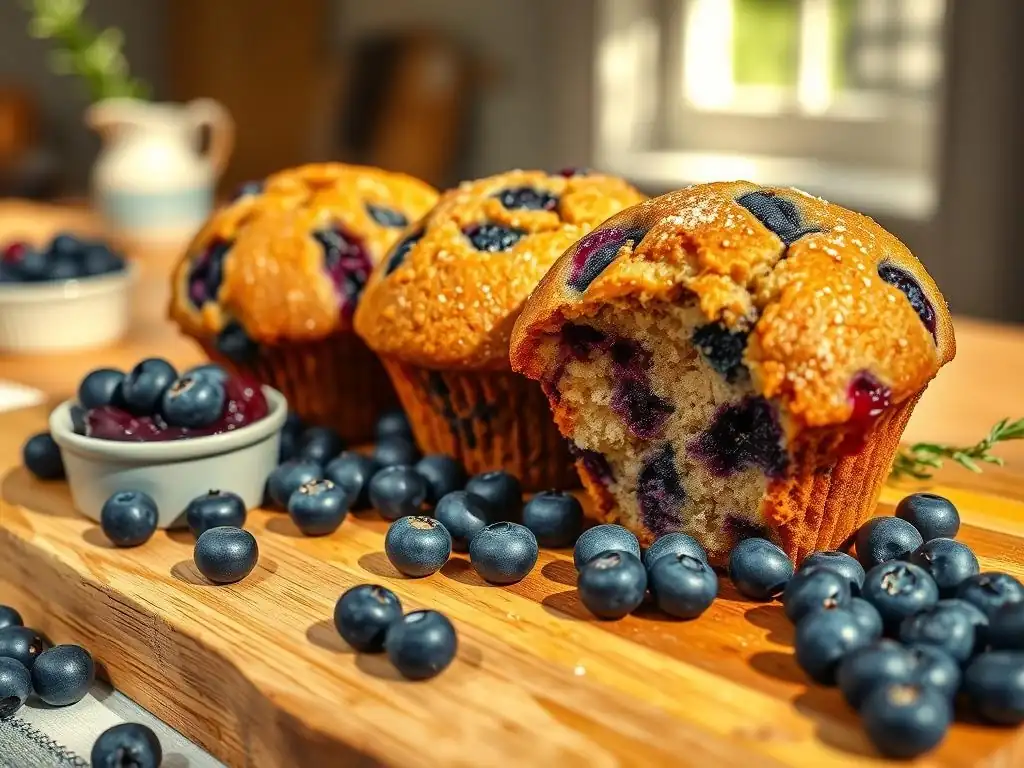
Welcome to BakeWithEase, your haven for effortless baking! Ever craved a perfectly moist and flavorful blueberry muffin, but worried about eggs? You're in the right place. Dive into our EggFree Blueberry Muffin Recipe and discover how to create tender, juicy muffins that everyone will love. What's the secret to that perfect rise and burst of blueberry flavor? Let's unlock it together!
- Gluten-Free Chocolate Chip Cookies: A Delightful Treat for Everyone
- Bake Delicious Gluten-Free Chocolate Chip Cookies at Home
- Understanding Gluten-Free Baking for Chocolate Chip Cookies
- Our Simple Gluten-Free Chocolate Chip Cookie Recipe
- Tips and Tricks for Perfect Gluten-Free Chocolate Chip Cookies
- Variations: Elevate Your Gluten-Free Cookie Game
- Troubleshooting Common Gluten-Free Chocolate Chip Cookie Issues
- Gluten-Free Chocolate Chip Cookie Recipe: Nutritional Information
- Other Gluten-Free Baking Recipes to Explore on BakeFree
-
Frequently Asked Questions
- What ingredients can I use as an egg substitute in your EggFree Blueberry Muffin recipe?
- Can I use frozen blueberries in your EggFree Blueberry Muffin recipe, and should I adjust anything?
- How do I prevent my EggFree Blueberry Muffins from becoming too dry?
- What is the best way to store leftover EggFree Blueberry Muffins to keep them fresh?
- Can I adapt your EggFree Blueberry Muffin recipe to make mini muffins, and if so, how should I adjust the baking time?
- Final Reflection: The Sweetness of Adaptability
- Unlock Your Blueberry Bliss: Bake These Muffins Today!
Welcome to BakeFree's Gluten-Free Baking Guide
Welcome to the BakeWithEase guide on crafting delicious treats that everyone can enjoy! This guide focuses on creating delectable Gluten-Free Chocolate Chip Cookies right in your own kitchen. Baking without gluten can sometimes feel daunting, but with the right approach and a reliable recipe, you'll find it's entirely possible to achieve that perfect balance of chewy centers and slightly crisp edges we all love in a classic chocolate chip cookie.
Whether you're new to gluten-free baking or looking to perfect your technique, this resource is designed to walk you through each step. We'll cover everything from understanding the role of gluten to selecting the best ingredients and troubleshooting common issues. Get ready to bake a batch of gluten-free chocolate chip cookies that are so good, you might not even realize they're gluten-free!
This particular gluten-free chocolate chip cookie recipe has been developed to deliver on taste and texture without the need for complex gluten-free flour blends. It simplifies the process, making it accessible even for beginner bakers. Unlike some gluten-free recipes that can result in dry or crumbly cookies, this method focuses on creating a moist, flavorful cookie with a delightful chewiness reminiscent of traditional versions.
The simplicity of the ingredients is a key advantage. You won't need obscure specialty flours; the primary flour used is readily available. Furthermore, the steps are straightforward and easy to follow, ensuring a successful baking experience. We aim to prove that baking amazing gluten-free chocolate chip cookies doesn't require sacrificing flavor or texture, making this recipe a go-to for anyone seeking a reliable and delicious gluten-free option.
Gluten, a protein found in wheat, barley, and rye, plays a crucial role in traditional baking. In cookies, gluten develops when flour is mixed with liquid, forming a network that provides structure and elasticity. This network helps hold the cookie together, gives it chewiness, and prevents it from crumbling excessively. When you bite into a classic chocolate chip cookie, the slight pull and structure you feel are largely thanks to the gluten matrix.
Understanding gluten's function is key to successful gluten-free baking. Without this protein network, baked goods can become dense, dry, or fall apart easily. Therefore, when baking gluten-free chocolate chip cookies, the challenge is to replicate some of these structural properties using alternative ingredients. Traditional recipes often rely heavily on the gluten structure to maintain shape during baking and contribute to the desired texture.
Replacing Gluten in Baking: Effective Flour Blends
Replacing gluten effectively in baking requires understanding how different gluten-free flours behave. No single gluten-free flour can perfectly replicate wheat flour's properties. Instead, successful gluten-free baking often relies on using a blend of flours and starches. Common components of gluten-free flour blends include rice flour (white and brown), sorghum flour, tapioca starch, potato starch, and cornstarch. Each contributes different characteristics; for example, starches help with binding and tenderness, while grain flours provide structure and flavor.
Many commercially available gluten-free flour blends exist, but their composition varies significantly, which can lead to inconsistent results. Some blends include binders like xanthan gum or guar gum, which help mimic gluten's elasticity and binding capabilities. When developing a reliable gluten-free chocolate chip cookie recipe, choosing a blend carefully or using a single, well-performing alternative like almond flour, as we do in this recipe, is crucial for predictable and delicious outcomes.
Almond flour is a popular and effective gluten-free alternative for baking, particularly in cookies. It's made from finely ground blanched almonds and offers a slightly sweet, nutty flavor that complements chocolate chips beautifully. Unlike many gluten-free grain flours, almond flour is higher in fat and protein and lower in carbohydrates, which contributes to a tender, moist texture in baked goods.
When used in gluten-free chocolate chip cookies, almond flour provides structure without the need for complex blends or added gums in many cases. Its natural fat content helps keep the cookies from drying out, resulting in a softer, more tender crumb compared to cookies made with drier gluten-free flours. A study published in the Journal of Culinary Science & Technology in 2016 highlighted almond flour's ability to produce acceptable texture and flavor in gluten-free cookies, noting its positive impact on moistness. For our gluten-free chocolate chip cookie recipe, almond flour simplifies the ingredient list while delivering excellent results.

Creating the best gluten-free chocolate chip cookies starts with selecting quality ingredients. This recipe focuses on simple, accessible items you likely already have or can easily find. Accuracy in measurement is key in gluten-free baking, so using a kitchen scale for dry ingredients is recommended for optimal results, though volume measurements are also provided.
You will need unsalted butter, preferably at room temperature, and both granulated white sugar and light brown sugar for chewiness and moisture. Pure vanilla extract is essential for classic cookie flavor. For the leavening, we use baking soda. Salt is crucial for balancing the sweetness. The star of the show, besides the flour, is the semi-sweet chocolate chips. Ensure they are good quality, as they make a significant difference in the final taste.
Dry Ingredients: Almond Flour, Sugar, Baking Soda, Salt
The foundation of our gluten-free chocolate chip cookie recipe relies on specific dry ingredients. We use 2 ½ cups (about 240-250 grams) of fine-blanched almond flour. It's important to use 'fine-blanched' almond flour, not almond meal, as the texture is finer and yields a smoother cookie. For sweetness, we combine ¾ cup (about 150 grams) of granulated sugar with ¾ cup (about 160 grams) of light brown sugar, packed. The brown sugar adds moisture and contributes to that desirable chewy texture.
For leavening, we include 1 teaspoon of baking soda. Baking soda reacts with acidic ingredients (like brown sugar or if using a slightly acidic extract) and helps the cookies spread and rise slightly, contributing to a tender interior. Finally, ½ teaspoon of fine sea salt is added to enhance the overall flavor profile and cut through the sweetness. Combining these dry ingredients properly before adding them to the wet mixture ensures even distribution of leavening and salt throughout the gluten-free chocolate chip cookie dough.
Wet Ingredients: Butter, Brown Sugar, Vanilla Extract, Egg
The wet ingredients in this gluten-free chocolate chip cookie recipe provide richness, moisture, and binding. You'll need 1 cup (2 sticks or 227 grams) of unsalted butter, softened to room temperature. Softened butter creams easily with sugar, creating air pockets that contribute to the cookie's texture. We use ¾ cup (about 160 grams) of packed light brown sugar here, alongside the granulated sugar mentioned in the dry ingredients section; this split adds complexity to the flavor and texture.
A critical binding agent is 1 large egg. The egg helps emulsify the fats and liquids, binds the ingredients together, and adds richness. Ensure the egg is also at room temperature for better incorporation into the mixture. Finally, 1 teaspoon of pure vanilla extract provides essential flavor depth. Combining these wet ingredients correctly is vital for developing the base of the gluten-free chocolate chip cookie dough before the dry ingredients are added.
Key Ingredient: Semi-Sweet Chocolate Chips
No chocolate chip cookie, gluten-free or not, is complete without the chocolate chips! For this recipe, we recommend using 1 ½ cups (about 250-300 grams) of high-quality semi-sweet chocolate chips. The type and quality of chocolate chips you choose significantly impact the final taste and texture of your gluten-free chocolate chip cookies. Semi-sweet chips offer a classic balance of sweetness and cocoa flavor that pairs perfectly with the almond flour base.
You can use standard semi-sweet chocolate chips, or for a richer experience, opt for chocolate chunks or even chopped chocolate from a bar. Some bakers prefer using a mix of different types of chocolate, like milk and dark, or even white chocolate, to add complexity. Whatever you choose, ensure the chips are fresh and stored properly to maintain their quality. Adding a generous amount ensures plenty of gooey chocolate in every bite of your homemade gluten-free chocolate chip cookies.
Baking perfect gluten-free chocolate chip cookies is a process that involves careful steps to ensure the best outcome. Following these instructions precisely will help you achieve delicious, well-textured cookies. From preparing your workspace to the final cooling, each stage contributes to the success of your bake.
The process begins with setting up your oven and baking sheets, moves through combining the ingredients in the correct order, and finishes with the crucial step of cooling. Pay attention to details like ingredient temperatures and mixing times, as these can significantly affect the texture of your gluten-free chocolate chip cookies.
Step 1: Preheating and Preparing Your Baking Sheet
The first crucial step in baking our gluten-free chocolate chip cookies is to properly prepare your oven and baking sheets. Preheat your oven to 350°F (175°C). Allowing the oven to fully preheat ensures that the cookies bake evenly from the moment they enter the oven, preventing uneven spreading or baking. Use an oven thermometer to verify the temperature if possible, as oven temperatures can vary.
Next, prepare your baking sheets. Lining them with parchment paper or silicone baking mats is highly recommended. This prevents the gluten-free chocolate chip cookies from sticking to the pan and makes cleanup much easier. Do not grease the baking sheet directly, as this can cause the cookies to spread too much. Using parchment paper or mats also helps with even heat distribution to the bottom of the cookies.
Step 2: Combining Dry Ingredients for Uniform Texture
With your oven preheating and baking sheets ready, move on to combining the dry ingredients for your gluten-free chocolate chip cookies. In a medium bowl, whisk together the 2 ½ cups of almond flour, 1 teaspoon of baking soda, and ½ teaspoon of salt. Whisking serves several purposes: it breaks up any clumps in the almond flour, evenly distributes the baking soda and salt throughout the mixture, and incorporates a little air.
Ensuring these dry ingredients are thoroughly combined is important because it guarantees that the leavening agent (baking soda) and salt are spread uniformly. This uniform distribution is key to achieving consistent rise, spread, and flavor in every gluten-free chocolate chip cookie. Set this bowl aside while you work on the wet ingredients.
Step 3: Creaming Butter and Sugar for a Smooth Base
Now, it's time to work on the wet ingredients for your gluten-free chocolate chip cookies, starting with creaming the butter and sugars. In a large bowl, using an electric mixer (handheld or stand mixer) or a sturdy whisk, cream together the 1 cup of softened butter, ¾ cup of granulated sugar, and ¾ cup of packed light brown sugar. Beat on medium speed until the mixture is light and fluffy, typically 2-3 minutes.
This creaming process is vital. It incorporates air into the butter and sugar mixture, which helps the cookies rise and contributes to a tender texture. The mixture should become visibly lighter in color and have a fluffy consistency. Scraping down the sides of the bowl periodically ensures all the butter and sugar are thoroughly combined, creating a smooth, uniform base for your gluten-free chocolate chip cookie dough.
Step 4: Adding Egg and Vanilla Extract
Once the butter and sugars are properly creamed, it's time to incorporate the remaining wet ingredients into your gluten-free chocolate chip cookie dough. Add the 1 large room-temperature egg to the creamed mixture. Beat on medium speed just until the egg is fully incorporated, scraping down the sides of the bowl as needed. Avoid overmixing at this stage.
Next, add the 1 teaspoon of pure vanilla extract. Beat for just a few seconds more until the vanilla is evenly distributed. The egg acts as a binder and adds richness, while the vanilla enhances the overall flavor. Ensuring these are well combined into the butter/sugar mixture creates a stable base for the dry ingredients and contributes to the final taste and texture of your gluten-free chocolate chip cookies.
Step 5: Gently Folding in the Chocolate Chips
With the wet and dry ingredients prepared, it's time to bring everything together to form the gluten-free chocolate chip cookie dough. Gradually add the whisked dry ingredients (almond flour, baking soda, salt) to the wet ingredients. Mix on low speed, or stir with a wooden spoon or rubber spatula, just until the dry ingredients are just combined. Be careful not to overmix the dough once the flour is added, as this can lead to tougher cookies, even in gluten-free baking.
Finally, gently fold in the 1 ½ cups of semi-sweet chocolate chips. Use a spatula or wooden spoon to distribute the chips evenly throughout the dough. Folding ensures the chips are incorporated without developing the dough further. The dough for these gluten-free chocolate chip cookies will be soft but should hold its shape when scooped.
Step 6: Dropping Cookie Dough onto Baking Sheet and Baking to Golden Perfection
Now that your gluten-free chocolate chip cookie dough is ready, it's time to portion and bake them. Drop rounded tablespoons or use a cookie scoop (about 1.5 to 2 tablespoons) of dough onto the prepared baking sheets, leaving about 2 inches of space between each cookie. The dough balls can be slightly flattened if you prefer a flatter cookie, but they will spread naturally during baking.
Bake in the preheated 350°F (175°C) oven for 10-14 minutes. Baking time will vary depending on your oven and desired level of doneness. Look for the edges to be lightly golden brown and the centers to look slightly set but still soft. A batch of about 12 gluten-free chocolate chip cookies typically takes around 12 minutes in a calibrated oven. Baking them just until the edges are set results in a chewier center.
Step 7: Cooling and Enjoying Your Homemade Gluten-Free Chocolate Chip Cookies
Once the gluten-free chocolate chip cookies are baked to golden perfection, remove the baking sheets from the oven. Allow the cookies to cool on the baking sheet for 5-10 minutes before attempting to move them. Gluten-free cookies, especially those made with almond flour, can be fragile when hot. Allowing them to cool on the sheet helps them firm up and prevents them from breaking when transferred.
After the initial cooling period on the baking sheet, carefully transfer the cookies to a wire rack to cool completely. Cooling on a wire rack allows air circulation, which helps them cool faster and prevents the bottoms from getting soggy. Once fully cooled, your homemade gluten-free chocolate chip cookies are ready to be enjoyed! They are best served warm or at room temperature.
Baking gluten-free chocolate chip cookies can be a rewarding experience, and a few simple tips can elevate your results from good to great. Understanding how ingredients interact and adjusting techniques slightly can make a significant difference in the final texture and appearance of your cookies. These tips cover common goals like achieving chewiness, controlling spread, and ensuring proper storage.
Experimentation is part of the fun in baking, especially with gluten-free recipes. Don't be afraid to make small adjustments based on your oven and ingredients. The goal is to consistently bake delicious gluten-free chocolate chip cookies that you'll love making again and again.
Achieving a Chewy Texture
Many people prefer a chewy gluten-free chocolate chip cookie, and there are several ways to help achieve this desirable texture. One key factor is the ratio of brown sugar to white sugar; a higher proportion of brown sugar adds more moisture and results in a chewier cookie. In this recipe, we use equal parts, which provides a good balance. For extra chewiness, slightly increase the brown sugar while slightly decreasing the white sugar, keeping the total sugar amount the same.
Another trick is to slightly underbake the cookies. Removing them from the oven when the edges are set but the centers still look a little soft will result in a chewier interior after cooling. Chilling the dough for at least 30 minutes before baking can also contribute to a chewier texture by allowing the fats to solidify, which affects how the cookies spread and bake. Using room temperature butter and not overmixing the dough also helps maintain tenderness, contributing to a pleasant chewiness in your gluten-free chocolate chip cookies.
Sometimes gluten-free chocolate chip cookies can spread more than desired, resulting in thin, crispy cookies instead of thicker, chewier ones. Several factors can contribute to this. Using butter that is too soft or melted is a common culprit; ensure your butter is just softened to room temperature, not greasy or liquid. The temperature of the dough also matters; baking with chilled dough (refrigerated for at least 30 minutes) helps prevent excessive spread.
The temperature of your oven is also critical. If your oven is not hot enough, the cookies will spread significantly before the edges set. Using an oven thermometer to ensure your oven is calibrated to the correct temperature (350°F or 175°C) can make a big difference. Additionally, adding a tablespoon or two more almond flour to the dough can help absorb excess moisture and reduce spread, though this should be done cautiously to avoid dry cookies. Proper measurement of ingredients, particularly the fats and sugars, is also key to controlling spread in your gluten-free chocolate chip cookies.
Baking Time Adjustments for Different Ovens
Every oven is different, and baking times provided in recipes are often guidelines. For gluten-free chocolate chip cookies, the suggested baking time is 10-14 minutes at 350°F (175°C). However, your oven might run hotter or cooler, or have hot spots, which will affect how quickly and evenly your cookies bake. It's important to pay close attention to the visual cues rather than relying solely on the clock, especially the first time you make the recipe in your oven.
Start checking your cookies around the 10-minute mark. Look for the edges to be set and lightly golden brown. The centers should still look slightly soft. If your cookies are browning too quickly on the bottom, try using a lighter colored baking sheet or placing a second empty baking sheet underneath the first one to insulate it. If they aren't browning on the edges after 14 minutes, your oven might be running cool. Make a note of the ideal time for your oven for future batches of gluten-free chocolate chip cookies.
Proper storage is essential to keep your gluten-free chocolate chip cookies fresh and delicious. Once the cookies have cooled completely on a wire rack, store them in an airtight container at room temperature. Ensure they are fully cooled before storing; otherwise, condensation can form in the container, making the cookies soggy.
If you stack the cookies, you can place a layer of parchment paper between them to prevent sticking. Stored properly, these gluten-free chocolate chip cookies will remain fresh for 3-4 days at room temperature. For longer storage, you can freeze the baked cookies in an airtight container or freezer bag for up to 2-3 months. Thaw them at room temperature or warm them slightly in a low oven (around 275°F or 135°C) for a few minutes to enjoy them warm.

While the classic gluten-free chocolate chip cookie is wonderful on its own, this base recipe is versatile and can be easily adapted to create exciting variations. Adding extra ingredients or making simple substitutions can introduce new textures and flavors, allowing you to customize your gluten-free cookies to your personal preference.
These variations provide opportunities to experiment and discover new favorite ways to enjoy homemade gluten-free chocolate chip cookies. From adding crunch to making them dairy-free, there's a variation for almost everyone.
Adding Nuts for a Crunchy Texture
Introducing nuts is a fantastic way to add extra flavor and a delightful crunch to your gluten-free chocolate chip cookies. Walnuts and pecans are classic choices that pair wonderfully with chocolate. You can add about ½ cup to ¾ cup of chopped nuts to the dough along with the chocolate chips in Step 5.
Before adding the nuts, you might consider toasting them lightly in a dry skillet or in the oven for a few minutes. Toasting enhances their nutty flavor. Allow them to cool completely before adding them to the dough. The added texture from the nuts provides a pleasant contrast to the soft, chewy cookie base, making your gluten-free chocolate chip cookies even more interesting.
Incorporating Sea Salt for Added Sweetness
A sprinkle of flaky sea salt on top of your gluten-free chocolate chip cookies just before baking can dramatically enhance their flavor. While the recipe already includes salt in the dough to balance sweetness, a finishing salt adds bursts of salinity that highlight the sweetness of the chocolate and the cookie dough. Use a flaky sea salt like Maldon for the best texture and visual appeal.
After dropping the cookie dough balls onto the baking sheet in Step 6, lightly press a few flakes of sea salt onto the top of each cookie. Be mindful not to use too much; a small pinch per cookie is usually sufficient. This simple addition elevates the gluten-free chocolate chip cookie from a standard treat to something truly special, offering a sophisticated flavor profile.
Creating a Double Chocolate Version
For the ultimate chocolate lover, transforming this into a double chocolate gluten-free chocolate chip cookie is simple and incredibly rewarding. To achieve this, you'll need to add cocoa powder to the dry ingredients. Start by adding ¼ cup of unsweetened cocoa powder (natural or Dutch-processed) to the almond flour, baking soda, and salt mixture in Step 2.
You might need to slightly reduce the amount of almond flour by about 2 tablespoons to account for the volume of cocoa powder, maintaining the overall dry ingredient ratio. The cocoa powder introduces a deep chocolate flavor to the cookie base, complementing the semi-sweet chocolate chips. This results in a rich, decadent gluten-free chocolate chip cookie experience.
Making these gluten-free chocolate chip cookies dairy-free is a straightforward adaptation. The primary ingredient to substitute is the butter. Use a good quality plant-based butter alternative that is specifically formulated for baking. Look for stick-style vegan butter that contains fat and behaves similarly to dairy butter when creamed.
Substitute the dairy butter with an equal amount (1 cup or 227 grams) of softened dairy-free butter alternative in Step 3. Ensure the dairy-free butter is at room temperature for proper creaming. Also, check that your chocolate chips are dairy-free, as some contain milk ingredients; many brands offer dairy-free or vegan chocolate chips. With these simple swaps, you can enjoy delicious dairy-free gluten-free chocolate chip cookies.
Even with a great recipe, issues can sometimes arise when baking gluten-free chocolate chip cookies. Understanding the common problems and their causes can help you quickly diagnose and fix them in future batches. Most issues relate to ingredient ratios, mixing techniques, or oven temperature.
Don't get discouraged if your first batch isn't perfect. Gluten-free baking often involves a slight learning curve. These troubleshooting tips are designed to help you identify what might have gone wrong and how to adjust for better results next time you bake gluten-free chocolate chip cookies.
If your gluten-free chocolate chip cookies turn out dry or crumbly, several factors could be the cause. Over-measuring the almond flour is a common culprit; using too much flour absorbs too much moisture. Using a kitchen scale (240-250 grams for 2 ½ cups) ensures accuracy. Another reason could be overbaking; baking the cookies for too long or at too high a temperature can dry them out. Check for doneness at the lower end of the suggested time range (10 minutes).
Using cold ingredients instead of room temperature ones can also affect the texture, preventing proper emulsification and resulting in drier cookies. Ensure your butter and egg are at room temperature. Lastly, not enough fat or sugar can lead to dryness; double-check your measurements for butter and sugars. Slightly reducing the baking time in future batches can help retain moisture for softer gluten-free chocolate chip cookies.
Cookies that spread too much and end up flat are a frequent issue, particularly with gluten-free recipes. While we discussed preventing thin spread earlier, understanding baking soda's specific role is helpful. Baking soda (sodium bicarbonate) needs an acidic component to react and produce carbon dioxide gas, which provides lift and contributes to spread. In this recipe, brown sugar provides some acidity. If your baking soda is old or inactive, it won't provide the necessary lift, leading to flatter cookies. Test your baking soda by adding a pinch to a small amount of vinegar; it should fizz immediately.
Other causes for flat gluten-free chocolate chip cookies include using melted butter instead of softened, creaming the butter and sugar for too long (incorporating too much air that collapses during baking), or the oven temperature being too low. Ensure your butter is properly softened, chill the dough, and verify your oven temperature with a thermometer.
Crumbly gluten-free chocolate chip cookies can be frustrating. While almond flour naturally results in a more tender crumb than wheat flour, excessive crumbling often stems from overmixing the dough, especially after adding the dry ingredients. Overmixing develops the starches in the flour (even almond flour contains some starch) and can lead to a tougher, yet paradoxically, more crumbly texture in gluten-free baking.
Once you add the almond flour mixture to the wet ingredients (Step 5), mix only until the dry ingredients are just incorporated. Stop mixing as soon as you no longer see streaks of dry flour. Gentle folding of the chocolate chips is also important. Using room temperature ingredients helps the dough come together more smoothly, reducing the need for excessive mixing. Proper measurement of fat and liquid is also key; too little fat or egg can result in a drier, crumbly dough for your gluten-free chocolate chip cookies.
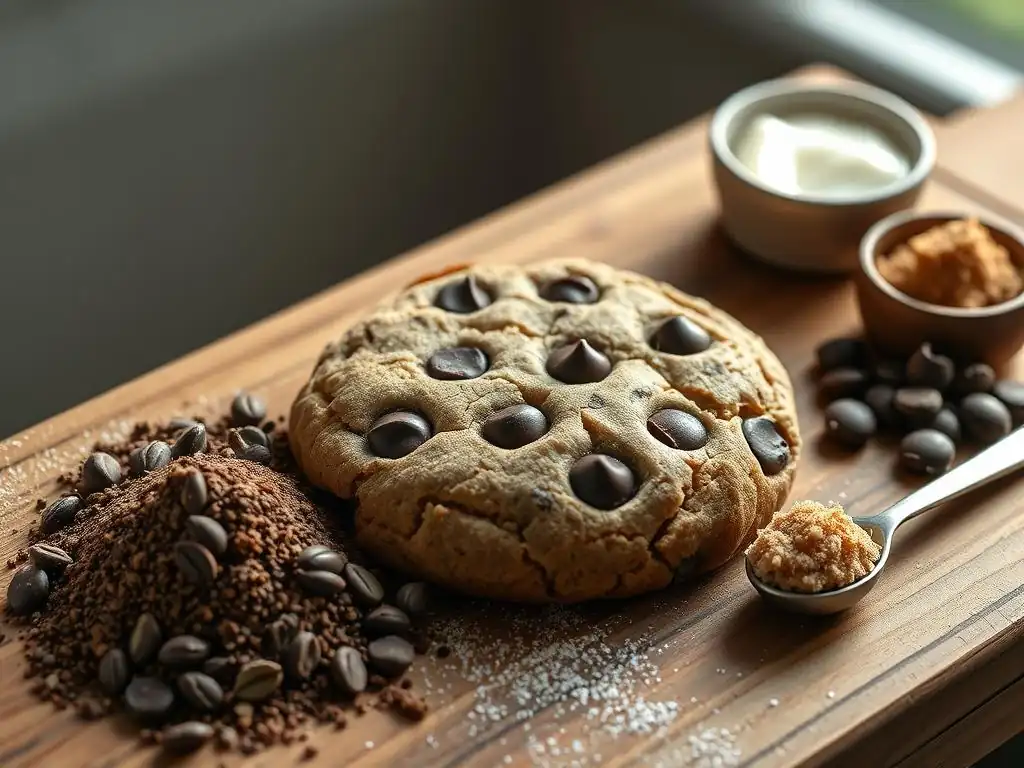
Understanding the nutritional profile of what you bake can be helpful, especially when dealing with dietary restrictions. While precise values can vary based on specific ingredients and portion sizes, we can provide estimated information for this gluten-free chocolate chip cookie recipe. This recipe uses almond flour, which differs nutritionally from traditional wheat flour.
Keep in mind that these figures are approximations. For precise information, it's best to calculate based on the specific brands and quantities of ingredients you use.
Based on a recipe yielding approximately 24 standard-sized gluten-free chocolate chip cookies and using typical ingredient values, an estimated nutritional breakdown per cookie serving is as follows:
- Calories: Approximately 180-220 kcal
- Macronutrients:
- Fat: Approximately 12-15 grams (largely from butter, almond flour, and chocolate chips)
- Carbohydrates: Approximately 15-20 grams (primarily from sugars and almond flour)
- Protein: Approximately 3-5 grams (from almond flour and egg)
- Fiber: Approximately 1-2 grams (from almond flour)
Please note that these figures are estimates. The exact calorie count and macronutrient breakdown for your gluten-free chocolate chip cookies will depend on the specific brands of butter, sugars, chocolate chips, and almond flour used, as well as the size and yield of your batch.
Benefits of Using Almond Flour for Gluten-Free Baking
Using almond flour in this gluten-free chocolate chip cookie recipe offers several nutritional benefits compared to using traditional wheat flour or some other gluten-free blends. Almond flour is lower in carbohydrates and higher in healthy monounsaturated fats and protein. A quarter cup of almond flour contains about 6 grams of carbs, 6 grams of protein, and 14 grams of fat, with 3 grams of fiber, according to the USDA FoodData Central database.
It also provides beneficial vitamins and minerals, including Vitamin E, magnesium, and manganese. Vitamin E is an antioxidant, while magnesium is important for various bodily functions. The higher fiber content can contribute to digestive health. While still an indulgence, using almond flour gives your gluten-free chocolate chip cookies a slightly more nutrient-dense profile than those made with refined flours or starches, making them a relatively better choice within the cookie category.
Other Gluten-Free Baking Recipes to Explore on BakeFree
Once you've mastered these delicious gluten-free chocolate Chip cookies, you might be interested in exploring other gluten-free baking adventures. BakeWithEase offers a variety of recipes catering to different dietary needs, including other delightful gluten-free options. Expanding your repertoire allows you to enjoy a wider range of baked goods while adhering to a gluten-free lifestyle.
Discovering new recipes is part of the joy of baking. Here are a couple of other popular gluten-free recipes you can find and explore on BakeWithEase.com, perfect for expanding your gluten-free baking skills beyond gluten-free chocolate chip cookies.
Gluten-Free Brownies
If you're a fan of rich, fudgy treats, our gluten-free brownie recipe is a must-try. Like our gluten-free chocolate chip cookies, this recipe is designed to be simple and yield decadent results. It uses a combination of gluten-free flours or a single flour like almond flour or a specific blend known for producing moist, dense textures.
These gluten-free brownies are perfect for satisfying a chocolate craving and are often indistinguishable from their gluten-containing counterparts. They are ideal for parties, potlucks, or simply enjoying a treat at home. Look for the dedicated gluten-free brownie recipe on BakeWithEase.com to continue your gluten-free baking journey.
Gluten-Free Banana Bread
Banana bread is a comforting classic, and our gluten-free version ensures everyone can enjoy this moist and flavorful loaf. This recipe often utilizes gluten-free flour blends combined with the natural moisture and binding properties of ripe bananas. It's a great way to use up overripe bananas and bake something delicious and satisfying.
Baking gluten-free banana bread is relatively straightforward and results in a tender, aromatic loaf perfect for breakfast, a snack, or dessert. You can often customize it with additions like nuts or chocolate chips, similar to how you might vary your gluten-free chocolate chip cookies. Find the gluten-free banana bread recipe on BakeWithEase.com to add this staple to your gluten-free baking repertoire.
Explore More Dietary & Allergen-Specific Baking Options
Beyond gluten-free chocolate chip cookies, brownies, and banana bread, BakeWithEase.com offers a wide array of recipes under the Dietary & Allergen-Specific Baking category. This section is dedicated to providing delicious and reliable recipes for various dietary needs, including egg-free, dairy-free, nut-free, and more.
Whether you have specific allergies or are exploring different baking styles, this section is a valuable resource. Each recipe is developed with care to ensure great taste and texture without the common allergens. Continue exploring BakeWithEase.com to find more recipes that cater to your specific needs and expand your baking horizons beyond just gluten-free chocolate chip cookies.
Frequently Asked Questions
What ingredients can I use as an egg substitute in your EggFree Blueberry Muffin recipe?
You can use options like applesauce, mashed banana, or flaxseed meal mixed with water. These substitutes help bind the ingredients and add moisture to the muffins, mimicking the function of eggs.
Can I use frozen blueberries in your EggFree Blueberry Muffin recipe, and should I adjust anything?
Yes, you can! Don't thaw them beforehand. Gently toss them in a little flour before adding them to the batter to prevent them from sinking to the bottom during baking.
How do I prevent my EggFree Blueberry Muffins from becoming too dry?
Avoid overmixing the batter. Overmixing develops gluten, which can lead to a tough and dry muffin. Also, ensure you don't overbake them; check for doneness with a toothpick.
What is the best way to store leftover EggFree Blueberry Muffins to keep them fresh?
Store them in an airtight container at room temperature for up to three days. You can also freeze them for longer storage; wrap them individually before freezing.
Can I adapt your EggFree Blueberry Muffin recipe to make mini muffins, and if so, how should I adjust the baking time?
Yes, you can! Reduce the baking time significantly. Start checking for doneness around 10-12 minutes, using a toothpick to test for a clean removal.
Final Reflection: The Sweetness of Adaptability
The demand for egg-free baking is growing, and the simple, delicious recipe shared in this article proves that deliciousness doesn't require compromise. These muffins aren't just a tasty treat; they're a testament to the power of culinary creativity and inclusivity, opening up the joy of baking to a wider audience.
This recipe, for me, represents more than just a collection of ingredients; it symbolizes the potential for adaptation and innovation within the culinary world. It's a reminder that dietary restrictions shouldn't limit our enjoyment of food. The best recipes are those that adapt to the cook, not the other way around.
This simple truth resonates deeply as we explore the diverse needs and preferences of food lovers everywhere.
Now, I invite you to step into your kitchen and experiment. Try this recipe, adapt it to your own tastes, and share the joy of these bursting-with-flavor muffins with your loved ones. Let this experience be a reminder that even seemingly small changes can have a significant impact, not only on your palate but also on your understanding of culinary possibilities. Embrace the challenge, embrace the adaptation, and embrace the deliciousness!
Unlock Your Blueberry Bliss: Bake These Muffins Today!
Thanks for joining us on this delicious journey into egg-free blueberry muffin perfection! We hope you’ve gained some valuable baking knowledge and are ready to create some truly mouthwatering treats.
Here’s what you can do next:
- Whip up a batch of these amazing muffins! Grab your ingredients and let the baking begin. The recipe is waiting for you. Don't forget to adjust it to your taste preferences.
- Share your baking triumphs! Post a picture of your muffins on social media and tag us – we'd love to see your creations!
- Explore more egg-free recipes on our website. We have a whole range of delicious treats waiting to be discovered.
Ready to taste the difference? What creative twist will you add to your egg-free blueberry muffins?