
Exploring Regional German Breads: Easy Recipes for Home Baking

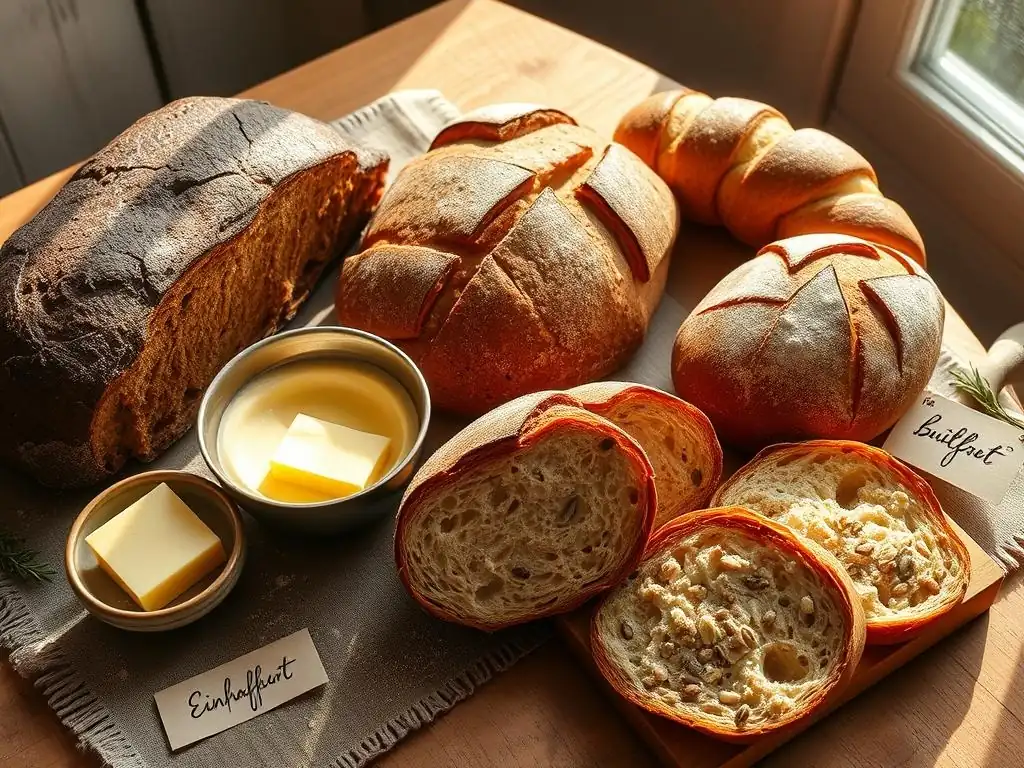
Welcome to BakeWithEase, your kitchen companion for all things baking!
Ever dreamt of filling your home with the comforting aroma of freshly baked bread? Prepare to embark on a flavorful journey through Germany with our collection of easy German bread recipes. Discover the secrets behind regional specialties and learn how to recreate these authentic tastes in your own kitchen. What makes German bread so unique, and how can you achieve that perfect crust at home? Let's find out together!
- Exploring Regional German Breads: Authentic Recipes for Home Baking
- A Baker's Journey Through German Bread Baking Traditions
- Discovering German Bread: A Regional Baking Introduction
- German Bread Recipes by Region: A Baker's Guide
- Essential Ingredients for German Bread Baking
- Mastering Techniques for German Bread
- Tips for Baking Delicious German Bread
- Beyond the Basics: Expanding Your Repertoire
- Embrace German Bread Baking
- Frequently Asked Questions
- Final Reflection: The Enduring Magic of German Bread, Baked at Home
- Unleash Your Inner Bäcker: Bake Your Own German Breads Today!
Exploring Regional German Breads: Authentic Recipes for Home Baking
A Baker's Journey Through German Bread Baking Traditions
Germany boasts an incredible diversity of bread, a culinary heritage deeply woven into the fabric of daily life. With over 3,200 officially recognized types of bread and rolls, it's a nation where bread isn't just food; it's culture. From dark, dense rye loaves of the north to the lighter wheat rolls and iconic pretzels of the south, each region offers a unique taste of Germany's rich baking history. This journey explores some of these regional treasures, demonstrating that creating these authentic loaves in your own kitchen is more accessible than you might think.
Baking German bread at home is a rewarding experience, allowing you to connect with centuries-old traditions and fill your kitchen with irresistible aromas. Our focus is on making these traditionally complex breads approachable for the home baker. We'll delve into the specific ingredients and techniques that define these regional styles, providing insights and simplified approaches to help you master easy German bread recipes. Get ready to discover the joy of crafting your own piece of Germany's famous bread landscape.
Discovering German Bread: A Regional Baking Introduction
Germany's geography and history have profoundly influenced its bread culture, leading to distinct styles and preferences across the country. The availability of grains, climate, and historical trading routes all played a role in shaping what kind of bread became popular in different areas. While southern regions often favored wheat due to climate and agricultural practices, the colder north relied heavily on robust rye, leading to significant variations in texture, flavor, and appearance.
Understanding these regional differences is key to appreciating the depth of German bread. It's not just about different recipes; it's about different philosophies of baking, reflecting the character of the land and its people. Exploring these regional styles provides a fascinating insight into German identity and offers a wonderful opportunity to expand your baking repertoire with diverse and delicious easy German bread recipes.
The Appeal of Authentic German Breads
The appeal of authentic German breads lies in their incredible variety, complex flavors, and satisfying textures. Unlike many other bread cultures that prioritize light, airy loaves, German bread often celebrates density, chewiness, and the earthy notes of rye and whole grains. These breads are not merely a vehicle for toppings; they are stars in their own right, offering nuanced tastes from slightly sweet Pumpernickel to tangy sourdough Bauernbrot.
Furthermore, authentic German breads are often made with long fermentation periods, which not only develop deeper flavors but also contribute to better digestibility and longer shelf life. This focus on quality ingredients and time-honored processes results in breads that are both nutritious and incredibly flavorful. Mastering easy German bread recipes allows you to bring these appealing qualities right into your home kitchen, enjoying bread that is both wholesome and delicious.
Why Bake German Bread at Home? Accessible Recipes
Baking German bread at home might seem intimidating given its reputation for complexity, but many traditional German bread recipes are surprisingly accessible to the home baker. The fundamental techniques – mixing, kneading, proofing, and baking – are universal, and with a few key ingredient insights and minor adjustments, you can successfully recreate these regional favorites. Modern recipes are often adapted for standard home ovens and readily available flours.
The reward for baking German bread yourself is immense. You have complete control over the ingredients, ensuring freshness and quality. Plus, the aroma of a freshly baked rye or mixed-grain loaf is simply unparalleled. Many easy German bread recipes are designed specifically for the home kitchen, breaking down the process into manageable steps. Forget store-bought imitations; baking German bread yourself offers an authentic taste experience that is genuinely within reach.
German Bread Recipes by Region: A Baker's Guide
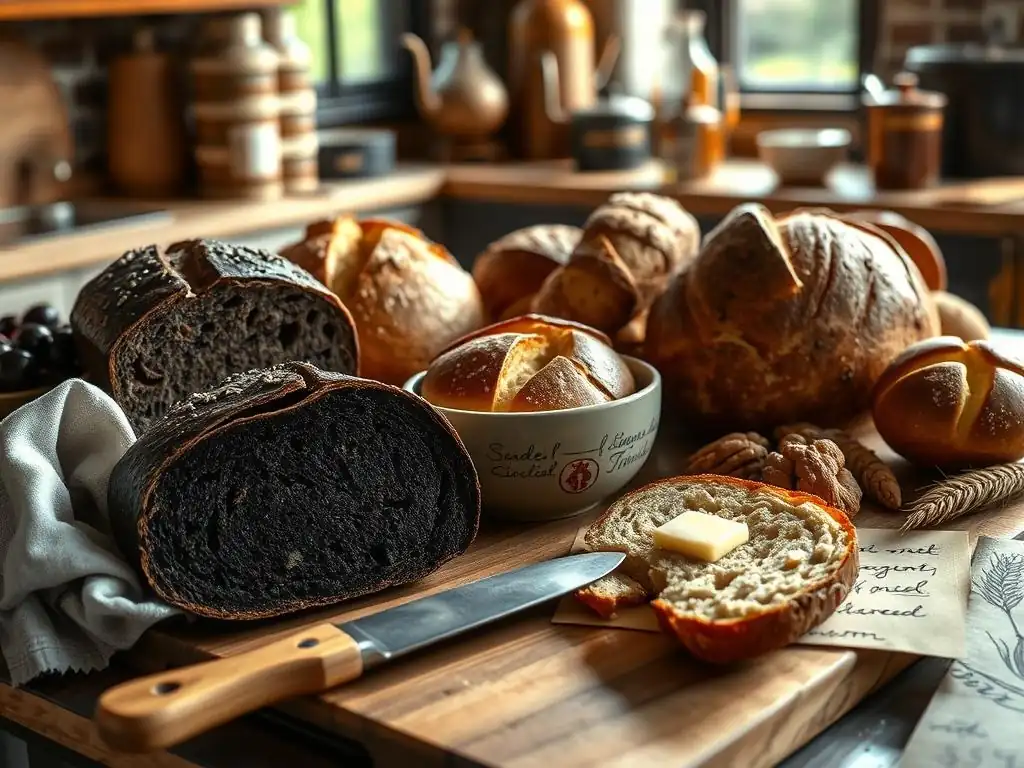
Germany's bread map is broadly divided along regional lines, each with its signature styles. The north leans towards dark, hearty rye breads, often with long fermentation and baking times. The south is famous for its wheat-based rolls, soft pretzels, and lighter mixed-grain loaves. Central Germany often represents a fusion, incorporating elements from both north and south, resulting in a diverse range of Mischbrot (mixed bread).
This regional diversity provides a fantastic playground for home bakers. By exploring the characteristics of breads from different areas, you can choose easy German bread recipes that suit your taste and skill level. Whether you crave the intense flavor of a northern rye or the satisfying chew of a southern pretzel, there's a German bread waiting for you to discover and bake in your own kitchen.
Northern Germany: Rye and Robust Flavors
Northern Germany is the heartland of dark, dense rye breads. The climate historically favored rye cultivation over wheat, leading to a baking tradition centered around this hardy grain. These breads are often characterized by their high rye content, deep color, and slightly sweet or tangy flavor, a result of long, slow baking and sometimes the use of sourdough or pre-ferments.
Examples include the famous Pumpernickel from Westphalia, known for its extremely long steaming/baking time (sometimes 16-24 hours! ), and various forms of Schwarzbrot (black bread). These breads are incredibly nutritious and have a long shelf life. While traditional methods can be time-consuming, modern, easy German bread recipes capture the essence of these northern loaves using more accessible techniques and shorter baking times suitable for home ovens.
Recipe: North German Schwarzbrot (Black Bread)
North German Schwarzbrot is a classic example of a dense, dark rye bread. While traditional versions might use complex rye sours and incredibly long baking times, an easy home version focuses on achieving that characteristic flavor and texture using more conventional ingredients and methods. Typically, it involves a significant proportion of rye flour, often combined with some wheat flour for structure, and uses ingredients like rye kernels or chopped rye.
The process for an easy Schwarzbrot recipe usually involves mixing the flours with yeast or sourdough starter (a small amount), water, and sometimes dark ingredients like malt extract, molasses, or coffee to enhance color and flavor. The dough is often kneaded minimally due to the low gluten content of rye and then baked slowly at a lower temperature after an initial higher temperature phase. The result is a moist, flavorful loaf perfect for open-faced sandwiches.
Key Ingredients for Authentic North German Schwarzbrot
Authentic North German Schwarzbrot relies on a few key ingredients to achieve its signature profile. The most important is, of course, rye flour. Different grades, like medium rye (Type 1150) or dark rye (Type 1370 or Vollkorn rye), contribute to the color and density. Often, some wheat flour (like Type 550 or 1050) is included to make the dough more manageable.
Other crucial elements include a leavening agent, which could be active dry yeast for simpler recipes or a rye sourdough starter for more traditional flavor depth. Water is essential, and ingredients like malt extract, sugar, molasses, or beet syrup (Zuckerrübensirup) are often added for sweetness, color, and moisture retention. Salt is always present to balance the flavors. Some recipes also incorporate rye kernels or seeds for added texture and nutrition.
Southern Germany: Wheat and Pretzel Delights
Southern Germany, particularly Bavaria and Swabia, is renowned for its lighter, often wheat-based breads and rolls, and most famously, the pretzel. The sunnier climate historically allowed for more successful wheat cultivation, influencing the regional baking style. These breads tend to have a softer crumb and a focus on crust development through various techniques.
While rye is still used, it's often in smaller proportions in mixed-grain breads ( Mischbrot) or pure wheat breads like the Seelen from Swabia. The iconic Bavarian Laugenbrezel (lye pretzel) is perhaps the most globally recognized German bread from this region, characterized by its deep brown, shiny crust and chewy interior. Baking these southern easy German bread recipes brings a different kind of German bread experience to your home.
Recipe: Bavarian Laugenbrezel (Pretzel)
Bavarian Laugenbrezel are a delightful challenge that is surprisingly achievable for the home baker. The key to their unique look and taste is the Laugenbad, or lye bath, they are dipped in before baking. For home baking, a much safer and accessible alternative is a baking soda solution. Dissolving baking soda in boiling water creates an alkaline bath that mimics the effect of lye, giving the pretzels their characteristic brown, shiny crust and slightly "pretzely" flavor.
An easy pretzel recipe typically involves a simple wheat dough made with flour, water, yeast, and salt, sometimes with a little butter or lard. After mixing and a relatively short proofing time, the dough is shaped into the classic pretzel form. The shaped pretzels are then briefly dipped in the hot baking soda solution (use gloves and caution!) before being sprinkled with coarse salt and baked at a high temperature. The result is a warm, chewy pretzel with that unmistakable Bavarian taste.
Exploring Southern German Wheat Breads
Beyond the famous pretzel, Southern Germany offers a variety of delicious wheat-based breads and rolls. Semmeln or Brötchen (small rolls) are a breakfast staple, often made from simple wheat dough and baked to have a crispy crust and soft interior. Seelen (literally "souls") from Swabia are elongated, irregular-shaped wheat rolls with a moist, open crumb and a crunchy crust, often topped with caraway seeds.
Another popular southern style is Hefezopf (yeast braid), a sweet, often enriched wheat bread braided into decorative shapes, similar to challah or brioche but distinctly German. While not an everyday bread, it's a beloved part of weekend or holiday baking. Exploring these Southern German styles provides many opportunities for easy German bread recipes using readily available wheat flour and standard baking techniques.
Central Germany: A Fusion of Baking Styles
Central Germany, encompassing regions like Hesse, Thuringia, and Saxony, serves as a bridge between the rye-heavy north and the wheat-focused south. This area is known for its Mischbrot, or mixed bread, which combines rye and wheat flours in varying proportions. This creates a diverse range of breads that capture the best of both worlds: the structure and lightness of wheat with the robust flavor and keeping qualities of rye.
The specific ratio of rye to wheat can vary greatly, from breads that are predominantly wheat with a touch of rye to those that are mostly rye with just enough wheat to aid handling. This flexibility makes Central German Mischbrot styles excellent candidates for easy German bread recipes, as you can often adjust flour types based on what's available while still achieving an authentic result.
Recipe: Hessian Bauernbrot (Farmer's Bread)
Hessian Bauernbrot, or Farmer's Bread, is a quintessential Central German Mischbrot. It's a rustic, often large, round loaf typically made with a blend of rye and wheat flours, frequently incorporating sourdough or a combination of sourdough and yeast. The characteristic tangy flavor comes from the sourdough, while the wheat provides structure and a less dense crumb than pure rye bread.
An easy home version of Bauernbrot can use a combination of active dry yeast and a small amount of rye flour soaked overnight (a simple pre-ferment) to mimic the flavor development of sourdough. The dough, a mix of rye and wheat flour (often a 50/50 or 60/40 split), is kneaded until relatively smooth, shaped into a round, and often baked in a preheated oven, sometimes in a Dutch oven or on a baking stone, to ensure a good crust. The result is a versatile, flavorful loaf perfect for everyday use.
Unique Baking Techniques from Central Germany
Baking techniques in Central Germany often reflect the need to handle mixed-grain doughs. While northern rye breads might be steamed or baked in closed pans for long periods, and southern wheat breads benefit from high, dry heat for a crispy crust, Central German Mischbrot often uses a combination of approaches.
One common technique is baking on a hot stone or in a Dutch oven to provide initial high heat and steam, promoting good oven spring and crust development while the interior bakes through. Scoring patterns are also important, allowing the dense dough to expand evenly. Many traditional recipes involve long fermentation, sometimes in cooler temperatures, to develop complex flavors in the mixed flours. Adapting these techniques for easy German bread recipes often involves using slightly warmer proofing temperatures or incorporating a small amount of commercial yeast alongside a pre-ferment to speed up the process while retaining flavor.
Essential Ingredients for German Bread Baking
To successfully bake authentic-tasting easy German bread recipes at home, understanding the key ingredients is crucial. While you don't need specialized equipment or exotic items for many basic recipes, using the right type of flour, yeast, and understanding the role of additions like malt can make a significant difference in the final product.
Sourcing these ingredients is increasingly easy, with many online retailers and even some large supermarkets carrying European-style flours. Focusing on quality ingredients is the first step towards mastering easy German bread recipes and achieving delicious, authentic results.
German Flour Varieties: Types and Characteristics
German flours are categorized by type numbers (e.g., Type 405, 550, 1050 for wheat; Type 815, 1150, 1370 for rye), which indicate the mineral content (ash content) left after burning 100g of the flour, expressed in milligrams. Lower numbers mean whiter flour (less of the outer grain layers), higher numbers mean darker, more wholemeal flour.
- Wheat Flours:
- Type 405: Equivalent to US pastry or cake flour, very fine, low protein.
- Type 550: Equivalent to US all-purpose flour, good for rolls and lighter breads.
- Type 1050: Closer to US bread flour or high-extraction flour, higher protein and mineral content, good for mixed breads.
- Vollkorn (Whole Wheat): Contains the entire grain.
- Rye Flours:
- Type 815: Light rye flour.
- Type 1150: Medium rye flour, common in Mischbrot.
- Type 1370: Dark rye flour, used in darker rye breads.
- Vollkorn (Whole Rye): Contains the entire rye grain, used in Pumpernickel and hearty loaves.
Using the correct type of flour is important for achieving the desired texture and flavor in easy German bread recipes. If specific types aren't available, you can often approximate by blending different flours (e.g., mixing AP flour with a little whole wheat to simulate Type 1050) or using the closest equivalent.
Understanding German Baking Yeast: Fresh vs. Dry
German bakers traditionally favor fresh yeast ( Frischhefe) for its consistent results and perceived better flavor development. Fresh yeast comes in small blocks and needs to be dissolved in a liquid (usually lukewarm water or milk) before use. It is highly perishable and must be stored in the refrigerator, typically lasting only a couple of weeks.
For home bakers, active dry yeast ( Trockenhefe) is often more convenient due to its longer shelf life and ease of use. It can usually be mixed directly with the dry ingredients or activated in warm water. As a general rule, you use about one-third the weight of active dry yeast compared to fresh yeast.
For example, if a recipe calls for 21g of fresh yeast (a standard German cube), you would use about 7g of active dry yeast. Both types work well for easy German bread recipes, so choose the one that is most accessible and convenient for you.
The Significance of Malt in German Bread Recipes
Malt, derived from germinated grains (usually barley or rye), plays several important roles in German bread baking. It comes in two main forms: diastatic and non-diastatic. Diastatic malt contains active enzymes (amylase) that break down starches into sugars, providing food for the yeast and improving fermentation. This results in better oven spring, a lighter crumb, and improved crust browning.
Non-diastatic malt has had its enzymes deactivated by heat. It is used primarily for flavor and color, contributing a malty sweetness and a darker crust. Liquid malt extract or dried malt powder is often added to darker rye and mixed-grain breads to enhance their characteristic color and slightly sweet, complex flavor profile. Including a small amount of malt can significantly improve the quality and authenticity of your easy German bread recipes.
Mastering Techniques for German Bread
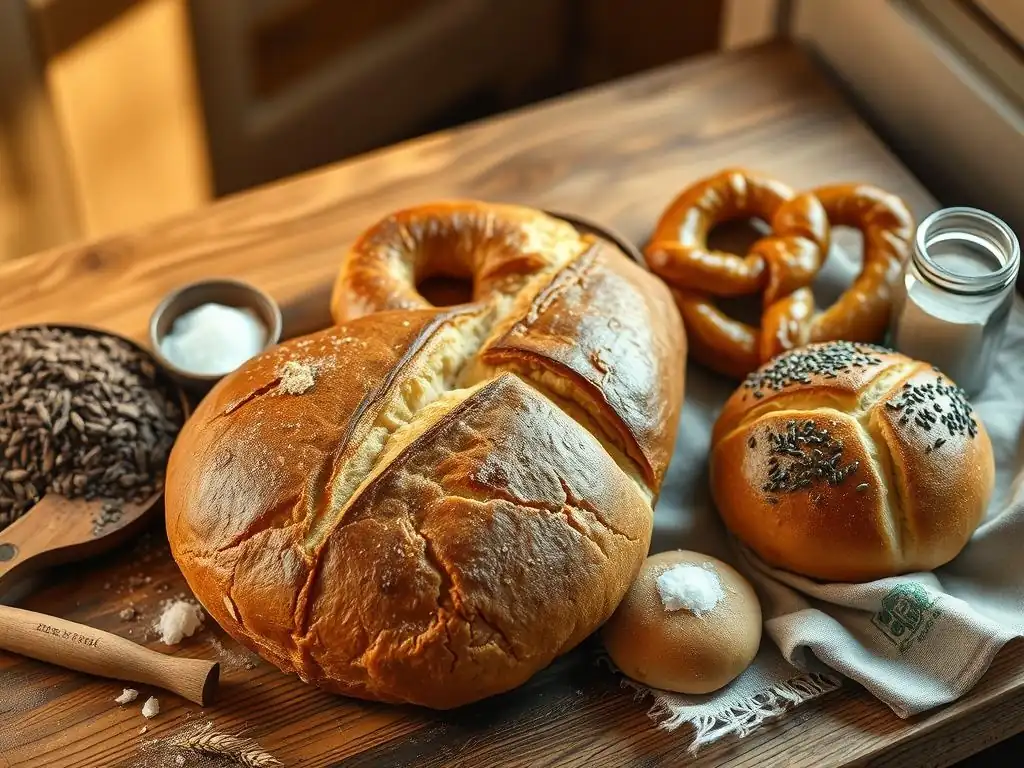
While the ingredients are key, mastering a few specific techniques will elevate your German bread baking from good to great. These techniques, honed over centuries, address the unique properties of rye and mixed-grain doughs and are crucial for achieving the desired structure, crust, and overall quality.
Don't be intimidated; these techniques are learnable and become intuitive with practice. Focusing on these steps will help you consistently produce delicious and authentic-tasting easy German bread recipes in your home kitchen.
Kneading Techniques: Achieving the Ideal Dough
The approach to kneading German bread dough depends heavily on the flour composition. High-wheat doughs (like those for rolls or pretzels) require traditional kneading to develop gluten, which provides structure. This can be done by hand or with a stand mixer until the dough is smooth and elastic, typically taking 8-15 minutes depending on the method.
Doughs with a high proportion of rye (50% or more) behave differently. Rye flour contains pentosans, not gluten, which form a sticky matrix but don't require extensive kneading for structure. Over-kneading rye dough can actually break down this structure, resulting in a gummy crumb. Rye doughs are often mixed until just combined and then folded gently during proofing, or kneaded only briefly (3-5 minutes) to bring the ingredients together. Understanding this difference is crucial for successful easy German bread recipes featuring rye.
Shaping German Breads: Authentic Forms
German breads come in a variety of iconic shapes, from simple rounds ( Laibe) and ovals ( Ovale) to braided loaves and intricate pretzels. Shaping is not just for aesthetics; it affects how the bread bakes and the texture of the crust and crumb. Rustic loaves like Bauernbrot are often shaped into simple rounds or oblongs with minimal tension.
Rolls ( Brötchen) can be shaped into small rounds, ovals, or specific regional shapes like the pointed Schrippen or the Kaiser roll with its distinctive pattern. Pretzels require a specific technique of rolling out a rope of dough and twisting it into the classic knot. While achieving perfect traditional shapes might take practice, even simple rounds or freeform loaves work perfectly for baking delicious easy German bread recipes at home. Focus on creating some surface tension on rounds or ovals to help the bread hold its shape during baking.
Baking Temperatures and Times: A Bread-Specific Guide
Baking temperatures and times are critical for achieving the desired crust and crumb in German breads, and they vary significantly depending on the type of bread. Generally, most German breads benefit from starting in a hot oven to achieve good oven spring and crust development.
- Rolls and Wheat Breads: Often baked at higher temperatures (around 220-250°C or 425-480°F) for shorter times (15-30 minutes) to get a crispy crust and soft interior.
- Mixed-Grain Breads (Mischbrot): Typically start hot (220-240°C or 425-465°F) for the first 10-15 minutes, then the temperature is reduced (to 180-200°C or 350-400°F) to allow the interior to bake through without the crust burning. Total time might be 45-70 minutes depending on size.
- Dark Rye Breads (Schwarzbrot, Pumpernickel): Baked at lower temperatures (120-160°C or 250-325°F) for very long periods, sometimes hours, or even steamed, to develop their dense, moist texture and deep flavor without drying out.
Following specific temperature and time guidelines for your chosen easy German bread recipes is essential for success. Using an oven thermometer can help ensure your oven is at the correct temperature.
Tips for Baking Delicious German Bread
Even with a great recipe, a few simple tips can make a big difference in your final loaf. These insider secrets help ensure a beautiful crust, a moist interior, and the best possible flavor from your homemade German bread.
Implementing these tips will improve your results and make baking easy German bread recipes even more rewarding.
Achieving a Crispy Crust: Steam Baking Techniques
A hallmark of many German breads, especially rolls and mixed-grain loaves, is a wonderfully crispy crust. This is often achieved by creating steam in the oven during the initial phase of baking. Steam keeps the surface of the dough moist, allowing it to expand fully before the crust sets. This results in a thinner, crispier crust and better oven spring.
There are several ways to create steam in a home oven:
- Ice Cubes: Place a tray on the bottom rack of your oven while preheating. Just before loading the bread, carefully toss a handful of ice cubes into the hot tray.
- Hot Water: Pour about a cup of boiling water into a hot oven-safe pan on the bottom rack.
- Spritzing: Lightly spray the oven walls with water using a clean spray bottle (avoid spraying the light or heating elements).
- Dutch Oven: Baking the bread in a preheated Dutch oven with the lid on for the first 15-20 minutes traps the moisture released by the dough, creating its own steam chamber.
Use caution when adding water to a hot oven to avoid burns. After the first 10-20 minutes, vent the steam by opening the oven door briefly or removing the steam source for the rest of the baking time.
Storing Homemade German Bread for Freshness
Proper storage is key to keeping your homemade German bread fresh and delicious. Unlike commercially produced bread with preservatives, homemade bread is best enjoyed within a few days of baking. The best way to store most German breads is at room temperature, wrapped properly to prevent drying out.
- Cloth or Linen Bag: This is ideal for crusty loaves and rolls. It allows the crust to breathe, keeping it crisp, while still protecting the interior.
- Paper Bag: Similar to cloth bags, good for crusty breads.
- Bread Box: A traditional bread box (made of wood, ceramic, or metal) provides a regulated environment that helps keep bread fresh.
- Plastic Bag or Wrap: Best for softer loaves or dense rye breads that you want to keep moist. However, it can soften a crispy crust.
Avoid refrigerating bread, as it can accelerate staling. For longer storage, slice the cooled bread and freeze it in airtight bags or containers. Thaw slices as needed or toast directly from frozen.
Common Mistakes to Avoid in German Bread Baking
Baking German bread, especially easy German bread recipes, is achievable, but being aware of common pitfalls can save you frustration.
- Using the Wrong Flour: Substituting all-purpose flour for rye in a recipe that calls for a high percentage of rye will result in a vastly different, likely unsuccessful, loaf. Understand the role of different flours.
- Under or Over-Kneading: As discussed, wheat and rye doughs require different kneading approaches. Pay attention to the dough's texture.
- Incorrect Proofing: Under-proofed dough results in dense, heavy bread. Over-proofed dough can collapse in the oven. Learn to recognize when your dough is properly proofed (the poke test is helpful - if you gently poke the dough and the indentation slowly springs back halfway, it's ready).
- Insufficient Steam: Skipping the steam step for crusty breads leads to a thick, tough crust instead of a thin, crispy one.
- Cutting Too Early: Resist the urge to slice into a warm loaf, especially rye bread. The internal structure is still setting, and slicing too early can result in a gummy texture. Let the bread cool completely, ideally for several hours for rye breads, before slicing.
Avoiding these common errors will significantly improve your success rate with easy German bread recipes.
Beyond the Basics: Expanding Your Repertoire
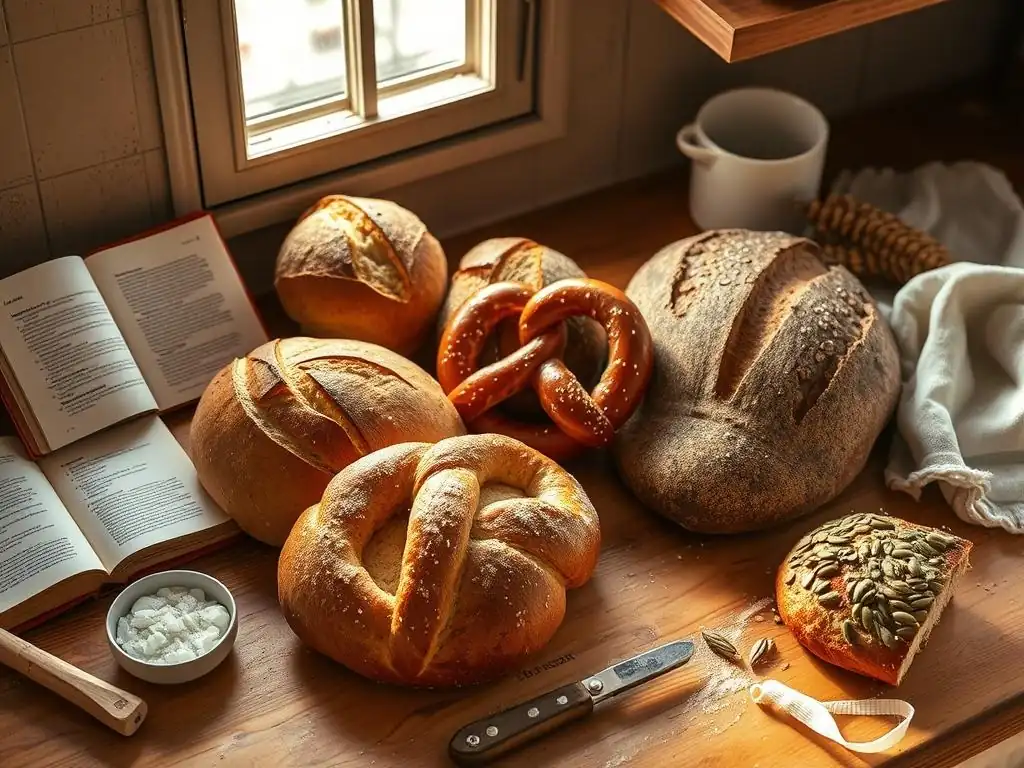
Once you've mastered a few basic easy German bread recipes, you might feel ready to explore more complex or varied options. German bread baking offers a vast world of possibilities, from delving into sourdough to incorporating a wide range of seeds and grains.
Expanding your repertoire allows you to experience even more of the incredible diversity of German bread and continue honing your skills as a home baker.
Exploring Sourdough German Breads
Sourdough is a cornerstone of traditional German bread baking, especially for rye and mixed-grain loaves. A rye sourdough starter provides the characteristic tanginess, helps leaven dense doughs, and contributes to the bread's keeping quality. While creating and maintaining a sourdough starter requires commitment, it's a rewarding process that unlocks deeper flavors.
Many classic German breads, like Bauernbrot and Pumpernickel, are traditionally made with sourdough. Incorporating a sourdough starter into your easy German bread recipes, perhaps alongside a little commercial yeast initially, is a great way to introduce these complex flavors. There are many guides available online on how to start and maintain a rye sourdough starter specifically for German-style baking.
Incorporating Seeds and Grains for Enhanced Flavor
German breads frequently incorporate a variety of seeds and whole grains, adding texture, flavor, and nutritional value. Common additions include sunflower seeds ( Sonnenblumenkerne), pumpkin seeds ( Kürbiskerne), flax seeds ( Leinsamen), sesame seeds ( Sesam), poppy seeds ( Mohn), and whole or cracked rye or wheat berries.
These can be added directly to the dough, soaked overnight ( Quellstück) to soften them before adding, or used as a topping. Incorporating a Quellstück (soaked grains) or a Brühstück (grains soaked in hot liquid, sometimes boiled) is a common technique in German baking to add moisture and prevent the seeds/grains from drying out the loaf. Experimenting with different seeds and grains is an easy way to customize your easy German bread recipes.
Variations on Classic German Bread Recipes: Vollkornbrot with Sunflower Seeds
One popular variation is Vollkornbrot (wholemeal bread) with added seeds, such as sunflower seeds. Vollkornbrot is typically a dense, dark bread made primarily from whole rye flour, sometimes with whole wheat. Adding sunflower seeds provides a pleasant crunch and nutty flavor that complements the earthy rye.
An easy take on this involves a whole rye flour dough (often using yeast and perhaps a pre-ferment or a little sourdough), mixed with a generous amount of soaked sunflower seeds. The dough is shaped and baked, often in a loaf pan, to create a moist, hearty bread. This variation on a classic style is a perfect example of how simple additions can create a new favorite easy German bread recipe, offering both nutrition and delicious flavor.
Embrace German Bread Baking
Embarking on the journey of baking German bread at home is a rewarding experience that connects you to a rich culinary tradition. From the dense, flavorful rye loaves of the north to the iconic pretzels and wheat rolls of the south, Germany offers a bread for every taste and occasion. With the right ingredients, a little understanding of key techniques, and a willingness to experiment, you can successfully bake authentic-tasting easy German bread recipes in your own kitchen.
Don't be afraid to start simple. Choose an easy German bread recipe that appeals to you, gather your ingredients, and enjoy the process. The aroma filling your home and the satisfaction of pulling a warm, crusty loaf from the oven are unparalleled. Welcome the wonderful world of German bread baking into your home and savor the delicious results.
Frequently Asked Questions
What makes German bread different from other types of bread?
German bread is often characterized by its dense texture and the use of whole grain flours, such as rye. This gives it a hearty flavor and a longer shelf life compared to many white breads.
Are German bread recipes difficult to make at home?
Not necessarily! BakeWithEase focuses on easy German bread recipes suitable for home bakers of all levels. Our guides provide step-by-step instructions and readily available ingredients.
What are some popular regional German breads I can try?
Many regions boast unique bread varieties. Some popular choices include Pumpernickel from Westphalia, Roggenbrot (rye bread) common throughout Germany, and Brezeln (pretzels) which are especially popular in Bavaria.
Where can I find reliable and simple German bread recipes?
BakeWithEase.com offers a collection of easy German bread recipes specifically designed for home baking. We provide detailed instructions and tips to ensure your success.
What ingredients are commonly used in German bread baking?
Common ingredients include rye flour, wheat flour, sourdough starter, yeast, and sometimes seeds or spices. The specific ingredients will vary depending on the type of bread.
Final Reflection: The Enduring Magic of German Bread, Baked at Home
The simple act of baking bread, especially a traditional German loaf, connects us to a rich culinary heritage and offers a surprisingly accessible path to deliciousness. This exploration of regional German breads has revealed not just a collection of recipes, but a tapestry of flavors and traditions woven through centuries of history. The ease with which many of these recipes can be adapted for the home baker makes this connection even more profound.
The enduring appeal of German bread lies not only in its taste, but in its ability to evoke a sense of place and belonging. It's a tangible link to family gatherings, cozy evenings, and the comforting aromas of home. As I researched and experimented with these recipes, I was constantly struck by the variations and regional nuances, each loaf telling a unique story. Bread is the staff of life,
a simple saying, yet it perfectly encapsulates the fundamental role bread plays in our culture and personal lives. The act of making it, sharing it, and savoring it is a profoundly human experience.
Now, I invite you to embrace the challenge and the joy of baking your own German bread. Don't be intimidated by the seemingly complex techniques; many of these recipes are surprisingly straightforward. Experiment with different flours, explore regional variations, and most importantly, share the delicious results with those you love. The warmth of a freshly baked loaf, the satisfaction of creating something delicious from simple ingredients, and the connection to a rich culinary history – these are the rewards that await you. Let the aroma of freshly baked German bread fill your home and your heart.
Unleash Your Inner Bäcker: Bake Your Own German Breads Today!
Thanks for joining us on this delicious journey through the world of regional German breads! We hope you've gained a newfound appreciation for the artistry and flavor these loaves offer. Ready to take your baking skills to the next level?
- Bake your favorite bread from the article today! Grab your ingredients and get started – the smell of freshly baked bread is worth it!
- Share your baking experience: Post a picture of your creation on social media and tag us – we'd love to see your results!
- Explore other regional German recipes on our website to further expand your baking horizons. What regional specialties will you try next?
What's the first German bread you're going to tackle? Let us know in the comments below!