
Easy Baked Treats for Beginners: Start Here!


Welcome to BakeWithEase, your culinary launchpad into the delightful world of baking! Ever dreamed of creating mouthwatering treats but felt intimidated? You're in the right place. We're passionate about simplifying the baking process, making it accessible and enjoyable for everyone. Get ready to explore our collection of simple beginner baked recipes and discover how easy it is to create delicious pastries and desserts. What are you waiting for? Let's get baking!
- Easy Baked Treats for Beginners: Start Here! - BakeWithEase
- BakeWithEase: Your Guide to Simple Beginner Baked Recipes
- Why Start with Easy Baked Desserts?
- Top 5 Simple Beginner Baked Recipes to Try
- Essential Baking Tools for Simple Beginner Recipes
- Baking Tips and Tricks for Beginners
- Troubleshooting Common Baking Problems
- Beyond the Basics: Expanding Your Baking Repertoire
- Enjoy Your Baking Journey with BakeWithEase!
-
Frequently Asked Questions
- What makes a baked recipe "simple" for beginners?
- Where can I find beginner-friendly baking recipes on BakeWithEase.com?
- What are some essential tools and ingredients for beginner bakers?
- What's the best way to avoid common baking mistakes as a beginner?
- What types of baked goods are generally considered easiest for beginners to start with?
- Final Reflection: The Sweetness of Simple Beginnings
- Unlock Your Inner Baker: Delicious Treats Await!
Easy Baked Treats for Beginners: Start Here! - BakeWithEase
BakeWithEase: Your Guide to Simple Beginner Baked Recipes
Welcome to BakeWithEase, your friendly starting point for all things baking! We know that stepping into the kitchen to bake for the first time can feel a little daunting. Whisks, ovens, measuring cups... where do you even begin? That's why we've created this guide focused on simple beginner baked recipes. Our goal is to make baking accessible, fun, and most importantly, successful for absolutely everyone, regardless of your experience level.
At BakeWithEase, we believe that the journey into baking should be filled with delicious triumphs, not frustrating failures. By starting with easy baked treats, you can quickly gain confidence and learn fundamental skills that will serve you well as you explore more complex recipes down the line. Think of these simple recipes as your delicious foundation for a lifetime of baking enjoyment.
Why Start with Easy Baked Desserts?
Starting your baking adventure with simple baked desserts offers numerous advantages. It's not just about getting a quick win (though that's certainly a bonus!). These straightforward recipes are designed to introduce you to core concepts and techniques without overwhelming you with complexity. They use common ingredients and require minimal specialized equipment, making them perfect for dipping your toes into the world of baking.
Furthermore, easy baked treats provide immediate, tangible rewards. The aroma filling your kitchen and the taste of your homemade creation are powerful motivators. Successfully baking even a simple batch of cookies or a quick bread can build significant confidence and encourage you to keep exploring new recipes and techniques.
Building Confidence with Beginner Baking Recipes
One of the biggest hurdles for new bakers is the fear of failure. Will it rise? Will it burn? Did I measure correctly? Simple beginner baked recipes are specifically chosen because they are forgiving and have a high probability of success when the basic steps are followed. Successfully completing a recipe like a batch of classic peanut butter cookies or a simple loaf of soda bread provides a tangible achievement.
This initial success is crucial for building confidence. It proves that you can bake and that it's not some mysterious, unattainable skill. Each successful batch, even of the most basic treat, reinforces your ability and encourages you to tackle slightly more complex challenges, gradually expanding your skills and comfort zone in the kitchen.
Mastering Basic Baking Techniques with Simple Treats
Even the most simple beginner baked recipes require you to perform fundamental baking techniques. You'll learn how to accurately measure dry and wet ingredients, the difference between creaming butter and sugar versus simply melting butter, how to mix ingredients without overworking the dough, and how to properly preheat your oven.
Take a simple sugar cookie recipe, for example. You'll practice creaming butter and sugar until light and fluffy – a technique used in countless cake and cookie recipes. Baking quick biscuits teaches you about cutting in cold butter and handling dough minimally for flakiness. These basic skills are the building blocks for mastering more advanced recipes later on, all learned through the enjoyable process of making easy treats.
Affordable and Accessible Ingredients for Easy Baking
Many simple beginner baked recipes rely on ingredients you likely already have in your pantry or can easily find at any grocery store. We're talking about staples like flour, sugar, eggs, butter, milk, baking powder, and baking soda. You don't need to hunt down specialty flours or expensive extracts to get started.
Using accessible ingredients not only makes baking convenient but also keeps it budget-friendly. A batch of simple sugar cookies might only require about $3-$5 worth of ingredients, while a loaf of soda bread is even less. This low cost of entry means you can practice frequently without a significant financial investment, trying recipes multiple times to perfect your technique without worrying about wasting expensive ingredients.
Top 5 Simple Beginner Baked Recipes to Try
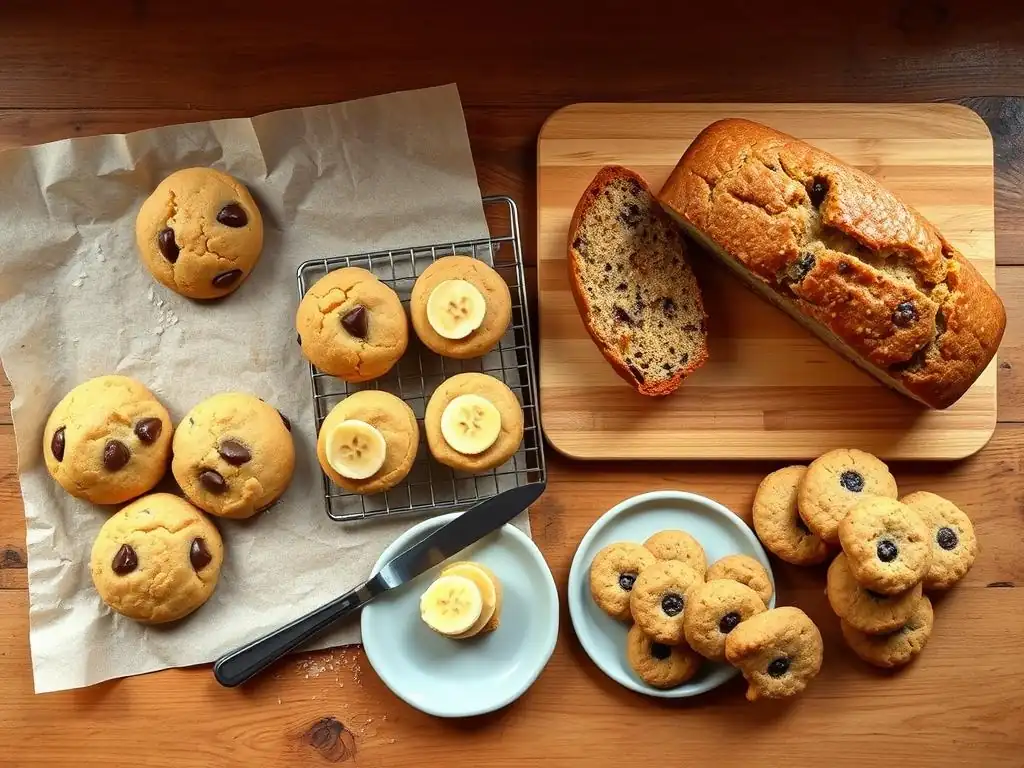
Ready to get your hands floury? Here are five fantastic simple beginner baked recipes that are perfect for your first few baking adventures. Each one is chosen for its ease, minimal ingredients, and delicious results.
Peanut butter cookies are a nostalgic favorite and incredibly easy to make, making them a perfect simple beginner baked recipe. They typically require just three main ingredients (plus maybe vanilla and baking soda), come together quickly, and are very forgiving. The signature fork crosshatch is simple to execute and adds a touch of classic charm.
These cookies are a great way to practice basic mixing and portioning dough. They bake relatively quickly, often in just 8-12 minutes depending on size and thickness, allowing for rapid feedback on your baking time and oven temperature. Plus, who can resist the comforting taste of a homemade peanut butter cookie?
Easy Peanut Butter Cookie Recipe for Beginners
Here's a basic outline for a classic simple beginner baked recipe for peanut butter cookies:
- Ingredients: 1 cup peanut butter, 1 cup granulated sugar, 1 large egg. (Optional: 1 tsp vanilla extract, 1 tsp baking soda).
- Steps:
- Preheat oven to 350°F (175°C). Line baking sheets with parchment paper.
- In a medium bowl, mix together the peanut butter, sugar, and egg until well combined. (Stir in vanilla and baking soda if using).
- Roll dough into 1-inch balls and place on prepared baking sheets, about 2 inches apart.
- Use a fork to flatten each cookie, making a criss-cross pattern.
- Bake for 8-12 minutes, or until edges are lightly golden.
- Let cool on the baking sheet for a few minutes before transferring to a wire rack.
This simple recipe demonstrates how minimal ingredients can yield delicious results. The process involves straightforward mixing and shaping, ideal for building foundational skills.
Tips for Perfect Peanut Butter Cookies Every Time
Achieving perfect peanut butter cookies is easy with a few simple tips. First, make sure your peanut butter is at room temperature; it mixes much more easily. Second, don't overmix the dough once the egg is added; just mix until everything is combined.
When making the criss-cross pattern with a fork, dip the fork tines in sugar between pressing each cookie to prevent sticking. Be mindful of baking time – 8 minutes often yields a softer cookie, while 12 minutes results in a crispier one. Watch the edges; they should just be starting to turn golden.
Simple sugar cookies are a blank canvas for creativity and an excellent simple beginner baked recipe. This type of cookie often uses the 'creaming' method, where butter and sugar are beaten together, which is a fundamental skill in baking. They are also perfect for practicing rolling and cutting techniques, or simply baking as drop cookies.
The basic dough is incredibly versatile. Once you've mastered the simple version, you can easily adapt it with flavorings, sprinkles, or even food coloring, making them fun for holidays or special occasions. Their straightforward nature makes them a reliable choice for new bakers.
One-Bowl Sugar Cookie Recipe: Simplicity at its Finest
Here’s an example of a simple beginner baked recipe for sugar cookies that keeps things easy, potentially using just one bowl for mixing the wet ingredients before adding dry:
- Ingredients: 1/2 cup softened butter, 1 cup granulated sugar, 1 large egg, 1 tsp vanilla extract, 1 1/2 cups all-purpose flour, 1/2 tsp baking powder, 1/4 tsp salt.
- Steps:
- Preheat oven to 375°F (190°C). Line baking sheets with parchment paper.
- In a large bowl, cream together softened butter and sugar until light and fluffy (about 2-3 minutes with an electric mixer or 5-7 minutes by hand).
- Beat in the egg and vanilla extract until combined.
- In a separate small bowl, whisk together flour, baking powder, and salt.
- Gradually add the dry ingredients to the wet ingredients, mixing on low speed (or by hand) until just combined. Do not overmix.
- Drop rounded tablespoons of dough onto prepared baking sheets.
- Bake for 8-11 minutes, or until edges are lightly golden.
- Let cool on the baking sheet for a few minutes before transferring to a wire rack.
While sometimes a second bowl is needed for dry ingredients, the main mixing happens in one, simplifying cleanup. This recipe focuses on the crucial creaming step and gentle mixing, key techniques for many simple beginner baked recipes.
Variations: Adding Sprinkles or Food Coloring
Once you have your simple sugar cookie dough ready, you can easily add fun variations before baking. Stir in 1/4 cup of sprinkles into the dough before dropping onto the baking sheet for colorful confetti cookies. Alternatively, you can gently knead a few drops of food coloring into a portion of the dough for vibrant cookies.
For cut-out cookies (a slight step up in technique, requiring chilling), divide the dough, add coloring to each portion, chill for at least 30 minutes, then roll and cut shapes. These simple additions allow you to personalize your simple beginner baked recipes without adding significant complexity.
3. Quick and Easy Scones: Baking Made Simple
Scones are a delightful simple beginner baked recipe because they are quick to make and don't require yeast or extensive rising time. They use the 'biscuit method' of cutting cold fat into flour, which is a valuable technique to learn. The key to tender scones is minimal handling of the dough.
This recipe is also incredibly versatile, serving as a base for sweet or savory variations. Mastering the basic scone provides a simple yet impressive baked good that's perfect for breakfast, brunch, or a tea-time treat.
Basic Scone Recipe: A Versatile Starting Point
Here is a simple beginner baked recipe for basic scones:
- Ingredients: 2 cups all-purpose flour, 1/4 cup granulated sugar, 2 tsp baking powder, 1/4 tsp salt, 1/2 cup cold unsalted butter (cut into small cubes), 2/3 cup milk or heavy cream.
- Steps:
- Preheat oven to 400°F (200°C). Line a baking sheet with parchment paper.
- In a large bowl, whisk together flour, sugar, baking powder, and salt.
- Add the cold butter cubes. Use your fingers, a pastry blender, or a fork to cut the butter into the dry ingredients until the mixture resembles coarse crumbs with some pea-sized pieces of butter remaining.
- Pour in the milk/cream and stir gently with a fork or spatula until the dough just comes together. Do not overmix.
- Turn the dough out onto a lightly floured surface and gently pat or lightly roll into a circle or rectangle about 3/4 inch thick.
- Cut into wedges or squares. Place on the prepared baking sheet.
- Bake for 15-20 minutes, or until golden brown and risen.
- Let cool slightly on the baking sheet before serving.
This recipe emphasizes the importance of using cold butter and handling the dough gently, two critical points in many simple beginner baked recipes for flaky results.
Flavor Variations: Cranberry, Cheese, or Chocolate Chip
The basic scone dough is easy to adapt. For sweet variations, gently fold in 1/2 cup of dried cranberries or chocolate chips with the wet ingredients. For savory scones, omit the sugar, add 1/2 cup of shredded cheese (like cheddar) and perhaps a pinch of black pepper or chives along with the dry ingredients before adding the butter.
These simple additions showcase how a core simple beginner baked recipe can be transformed into different flavors, offering versatility and encouraging experimentation in the kitchen.
4. Simple Biscuits: A Flaky Delight
Simple biscuits are a Southern classic and a fantastic simple beginner baked recipe for learning how to create flaky layers. Like scones, they rely on cold butter and minimal handling. The magic happens when the cold butter melts in the hot oven, creating steam that pushes apart the layers of dough.
Mastering a basic biscuit recipe gives you a versatile side for savory meals or a base for sweet toppings. It’s a great way to understand the role of fat in baking and the importance of temperature.
Beginner-Friendly Biscuit Recipe with Minimal Ingredients
Here’s a straightforward simple beginner baked recipe for biscuits:
- Ingredients: 2 cups all-purpose flour, 1 tbsp baking powder, 1 tsp salt, 1/2 cup cold unsalted butter (cut into small cubes), 3/4 cup cold milk or buttermilk.
- Steps:
- Preheat oven to 425°F (220°C). Line a baking sheet with parchment paper.
- In a large bowl, whisk together flour, baking powder, and salt.
- Add the cold butter cubes. Use your fingers, a pastry blender, or a fork to cut the butter into the dry ingredients until the mixture resembles coarse crumbs with some pea-sized pieces of butter remaining.
- Pour in the cold milk/buttermilk and stir gently with a fork or spatula until the dough just comes together. It will be shaggy.
- Turn the dough out onto a lightly floured surface. Gently pat or fold the dough a few times to create layers (optional but helps flakiness). Pat or roll into a circle or rectangle about 1/2 to 3/4 inch thick.
- Cut using a biscuit cutter or knife. Place biscuits close together on the prepared baking sheet for softer sides, or further apart for crispier sides.
- Bake for 12-15 minutes, or until golden brown on top.
- Serve warm.
This simple recipe highlights the cold butter technique and minimal mixing, crucial steps for achieving that desired flaky texture in many simple beginner baked recipes.
Tips for Achieving a Tender and Flaky Texture
The secret to tender, flaky biscuits lies in a few key points. Always use very cold butter and very cold liquid. Work the butter into the flour until you still have visible pieces of butter the size of small peas or even beans.
When mixing the liquid, mix only until the dough just comes together; it should look a bit messy and shaggy. Avoid overworking the dough on your counter; too much kneading develops gluten and results in tough biscuits. Finally, when cutting biscuits, press straight down without twisting the cutter, which can seal the edges and prevent rising.
5. No-Fuss Soda Bread: A Baking Classic for Newbies
Irish Soda Bread is perhaps one of the easiest bread recipes out there, making it an ideal simple beginner baked recipe for those intimidated by yeast. It uses baking soda and buttermilk for leavening, which react quickly and require no kneading or rising time. You can have a fresh loaf ready in under an hour.
This simple bread is mixed in one bowl and baked as a freeform loaf. It’s incredibly forgiving and a great introduction to baking bread without the complexities of yeast fermentation.
Easy Soda Bread Recipe: Using Simple Ingredients
Here’s a super simple beginner baked recipe for soda bread:
- Ingredients: 4 cups all-purpose flour, 1 tsp baking soda, 1 tsp salt, 1 tbsp sugar (optional, for a slightly sweeter loaf), 1 3/4 cups buttermilk.
- Steps:
- Preheat oven to 425°F (220°C). Lightly flour a baking sheet or cast iron skillet.
- In a large bowl, whisk together flour, baking soda, salt, and sugar (if using).
- Pour in the buttermilk and mix with a wooden spoon or spatula until the dough just comes together. It will be sticky.
- Turn the dough out onto a lightly floured surface and gently shape into a round loaf, about 1 1/2 to 2 inches thick. Do not knead.
- Place the loaf on the prepared baking sheet or skillet. Use a sharp knife to cut a deep "X" into the top (about halfway through).
- Bake for 35-45 minutes, or until the crust is golden brown and a skewer inserted into the center comes out clean. Tapping the bottom should produce a hollow sound.
- Let cool on a wire rack before slicing.
This simple recipe showcases how leavening agents like baking soda react with acidic ingredients like buttermilk to create rise without yeast. The minimal handling required makes it perfect for beginners.
Adding Raisins or Herbs for Extra Flavor
The basic soda bread recipe is delicious on its own, but it's also easy to customize. For a slightly sweeter, traditional version, gently fold in 1/2 cup of raisins or currants with the dry ingredients.
For a savory twist, omit the sugar and fold in 2 tablespoons of chopped fresh herbs like rosemary or chives, or even a 1/4 cup of shredded cheese, again, added with the dry ingredients before the buttermilk. These simple additions elevate the flavor profile of this simple beginner baked recipe.
Essential Baking Tools for Simple Beginner Recipes
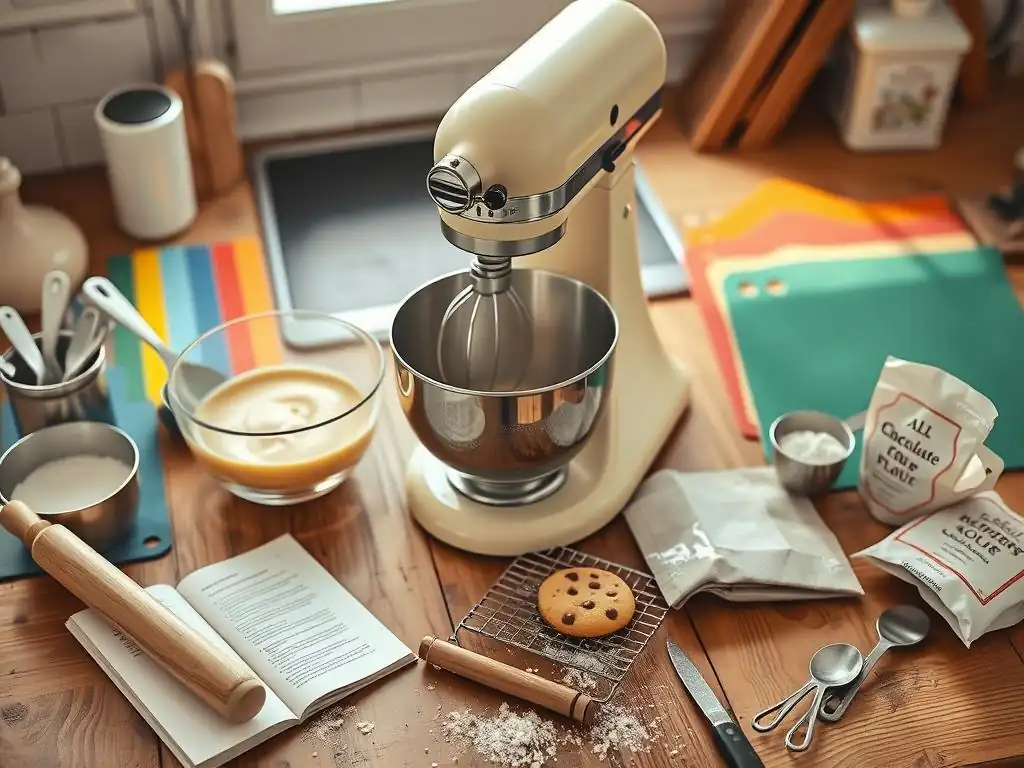
You don't need a professional kitchen filled with gadgets to start baking simple beginner baked recipes. A few basic tools will get you started and are well worth the small investment. Having the right tools makes the process smoother and helps ensure consistent results.
Investing in quality versions of these essential tools is a good idea, as they will last for years and be useful even as you progress to more complex baking projects. They are the foundation of any baker's toolkit, no matter how simple the recipe.
Must-Have Equipment for Easy Baking
To successfully tackle simple beginner baked recipes, you'll need a few key pieces of equipment. First, you'll need measuring cups (for dry ingredients) and measuring spoons for accuracy. Liquid measuring cups are also essential. A set of mixing bowls in various sizes is crucial for combining ingredients.
Other must-haves include a whisk for dry ingredients and aerating eggs, a rubber spatula or wooden spoon for mixing, at least one baking sheet (standard half-sheet size is versatile, roughly 13x18 inches), and a wire cooling rack to prevent baked goods from getting soggy bottoms. An oven thermometer is also highly recommended, as oven temperatures can vary significantly from the dial setting, sometimes by as much as 25 degrees Fahrenheit.
Budget-Friendly Baking Tools for Beginners
Starting out doesn't require breaking the bank on fancy tools. You can find affordable versions of essential baking equipment at most grocery stores, discount retailers, or even second-hand shops. Look for stainless steel or sturdy plastic measuring cups and spoons.
Basic glass or plastic mixing bowls are perfectly adequate. A simple wire whisk and a wooden spoon are inexpensive and effective. Baking sheets can often be found on sale, and cooling racks are generally quite affordable. Focus on getting the core items first; you can always upgrade later if you find you love baking and want more specialized tools.
Baking Tips and Tricks for Beginners
Beyond the recipes themselves, a few general tips can make your first experiences with simple beginner baked recipes even more successful and enjoyable. These fundamental practices are key to consistent results and avoiding common pitfalls that can frustrate new bakers.
Getting into good habits from the start, like reading the recipe fully before beginning and measuring accurately, will pay off in the long run. Baking is often described as a science, and while you don't need a lab coat, precision in certain areas is helpful.
Measuring Ingredients Accurately
Accurate measuring is perhaps the most critical step in baking, especially for simple beginner baked recipes where ingredient ratios are key. For dry ingredients like flour, spoon the flour lightly into your measuring cup and level it off with a straight edge (like the back of a knife). Do not scoop directly from the bag, as this can compact the flour, resulting in too much flour and a dry baked good.
For liquids, place the liquid measuring cup on a flat surface and pour the liquid to the desired mark, checking the level at eye level. Granulated sugar can typically be scooped and leveled, while brown sugar should be packed into the cup. Following these simple measuring techniques will dramatically improve your results.
Understanding Oven Temperatures and Baking Times
Oven temperature accuracy is vital. Ovens can be notoriously inaccurate; a dial set to 350°F might actually be 325°F or 375°F. Using an inexpensive oven thermometer placed inside your oven is the best way to know the true temperature. Preheat your oven for at least 15-20 minutes after it indicates it's reached temperature to ensure it's fully heated and the temperature is stable.
Baking times provided in recipes are always estimates. Start checking your baked goods a few minutes before the minimum time specified. Look for visual cues like golden edges on cookies, a toothpick inserted into a cake or muffin coming out clean, or the color and springiness of bread. Trust your senses as much as the timer.
Preventing Common Baking Mistakes
Several common mistakes trip up new bakers. One is using ingredients at the wrong temperature – for example, many simple beginner baked recipes specify softened butter or room temperature eggs because temperature affects how ingredients combine and react. Another is not preheating the oven; putting dough into a cool oven affects rise and texture.
Overmixing is another frequent issue, especially in recipes like muffins, biscuits, or quick breads. Mixing too much develops gluten, leading to tough rather than tender results. Mix only until ingredients are just combined. Reading the entire recipe through before starting helps prevent missed steps or misunderstandings.
Troubleshooting Common Baking Problems
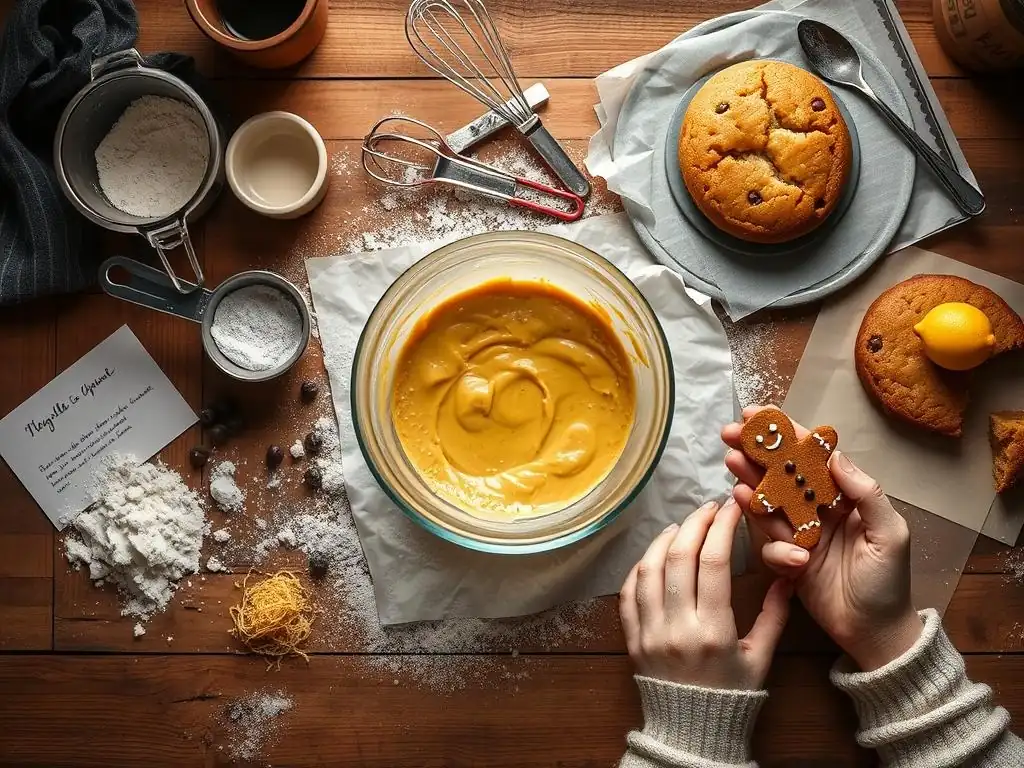
Even with simple beginner baked recipes, things don't always go perfectly. Don't be discouraged! Baking is a learning process, and understanding why something went wrong is the first step to fixing it next time. Here are a few common issues and what might be happening.
Think of troubleshooting as detective work. By looking at the final result, you can often backtrack to a likely cause related to ingredients, mixing, or baking time/temperature. Every "failed" attempt is a valuable learning experience.
If your cookies turn out dry and crumbly, the most common culprit is too much flour or overbaking. If you scooped your flour directly from the bag instead of spooning and leveling, you likely added too much. Try measuring more carefully next time.
Overbaking, even by a minute or two, can also dry out simple beginner baked recipes like cookies. Check them at the minimum bake time and look for visual cues like edges just starting to brown. If they spread too much, your butter might have been too soft, or you might need a little more flour (measured correctly! ).
Fixing Dense Cakes
A dense cake, muffin, or quick bread is often the result of overmixing the batter. When you overmix flour and liquid, you develop gluten, which provides structure in bread but makes cakes tough and heavy. Mix only until the dry ingredients are just incorporated into the wet.
Other causes for density can include using too little leavening (baking powder or soda), using old leavening agents that have lost their potency, or baking at too low a temperature, which doesn't allow the leavening to work effectively before the structure sets. Ensure your leavening is fresh (you can test baking powder by adding a spoonful to hot water – it should bubble vigorously).
Avoiding Over-Mixing
Over-mixing is a frequent error when starting with simple beginner baked recipes, particularly those using chemical leaveners like baking powder (muffins, quick breads, biscuits, some cookies). The goal is to combine the wet and dry ingredients just until no dry streaks of flour remain.
This often means stirring only 10-15 times by hand. The batter or dough might still look a little lumpy or shaggy – that's okay! Resist the urge to keep stirring until it's perfectly smooth. For recipes that cream butter and sugar, you mix longer at the beginning, but once flour is added, mixing should be minimal.
Beyond the Basics: Expanding Your Baking Repertoire
Once you feel comfortable with these simple beginner baked recipes and basic techniques, you're ready to explore slightly more complex challenges. Building on your foundation, you can try recipes that introduce new ingredients, techniques, or multiple components.
This gradual progression keeps baking fun and allows you to continually learn and improve your skills. Don't jump straight to a multi-tiered cake, but look for recipes that add one or two new elements to what you already know.
Moving on to Slightly More Challenging Recipes: Vanilla Cupcakes
Vanilla cupcakes are a great next step after mastering simple cookies or quick breads. A standard vanilla cupcake recipe often involves creaming butter and sugar, adding eggs one at a time, alternating additions of dry ingredients and milk, and precise measuring. It builds on techniques learned from simple beginner baked recipes but requires a bit more care in mixing and timing.
Making cupcakes also introduces the concept of frosting, adding another layer of skill whether you make a simple buttercream or a glaze. Successfully baking and frosting a batch of cupcakes is a rewarding step up.
Exploring Different Baking Techniques: Folding
As you move into recipes like soufflés, mousses, or certain types of cakes (like angel food or sponge cake), you'll encounter the technique of "folding." This is a method used to gently incorporate delicate ingredients, such as whipped egg whites or whipped cream, into a heavier base mixture without deflating the air that has been whipped into them.
Folding is done with a spatula, using a motion that cuts down through the mixture, scoops some from the bottom, and folds it over the top. It's the opposite of vigorous stirring and is crucial for maintaining a light, airy texture in certain baked goods. Learning to fold correctly is a valuable skill beyond simple beginner baked recipes.
Enjoy Your Baking Journey with BakeWithEase!
We hope this guide to simple beginner baked recipes has inspired you to get into the kitchen and start baking! Remember, everyone starts somewhere, and the most important ingredient is enthusiasm. Don't be afraid to try, learn from any mistakes, and celebrate every delicious success.
Baking is a wonderful way to create something tangible and delicious, share treats with loved ones, and de-stress. These simple recipes are just the beginning of what can be a lifelong passion. So pick a recipe, gather your ingredients, and let's bake something easy and wonderful together!
One of the joys of baking is sharing the results! Take photos of your simple beginner baked recipes and share them with friends and family. You can also connect with other new bakers online or in local groups. Seeing what others are making and sharing your own experiences can be incredibly motivating and provide a source of tips and encouragement.
Joining online communities focused on simple baking can offer a supportive environment to ask questions, share troubleshooting experiences, and get ideas for what to bake next. Don't hesitate to show off your progress – every successful bake, no matter how simple, is an achievement worth sharing!
Frequently Asked Questions
What makes a baked recipe "simple" for beginners?
Simple beginner baked recipes typically involve fewer ingredients and easy-to-follow instructions. They also often require minimal specialized equipment or techniques.
Where can I find beginner-friendly baking recipes on BakeWithEase.com?
BakeWithEase.com offers a dedicated section featuring simple beginner baked recipes. Look for categories like "Beginner Baking" or recipes specifically tagged as "easy" and "beginner-friendly".
What are some essential tools and ingredients for beginner bakers?
Essential tools include measuring cups and spoons, mixing bowls, a baking sheet, and basic utensils. Key ingredients are flour, sugar, butter, eggs, and baking powder/soda – easily sourced from most supermarkets.
What's the best way to avoid common baking mistakes as a beginner?
Carefully read and follow the recipe instructions, accurately measure ingredients, and use an oven thermometer to ensure the correct baking temperature. Practice makes perfect!
What types of baked goods are generally considered easiest for beginners to start with?
Cookies, muffins, and simple cakes like sheet cakes or brownies are often considered excellent beginner-friendly options. These recipes tend to be straightforward and forgiving.
Final Reflection: The Sweetness of Simple Beginnings
The joy of baking, once perceived as an intimidating culinary feat, is now surprisingly accessible. This article has demonstrated that creating delicious baked goods doesn't require years of experience or a professional kitchen. With just a few simple recipes and a willingness to learn, anyone can experience the satisfaction of crafting something sweet and delightful from scratch.
The impact of accessible baking extends far beyond the individual kitchen. It fosters a sense of community, connecting people through shared experiences and the universal language of delicious treats. Baking, in its simplest form, becomes a powerful tool for self-expression and connection. Baking is at once child's play and adult joy. And love, of course.
This quote perfectly captures the essence of what we've explored: the pure, unadulterated pleasure of creating something beautiful and delicious, regardless of skill level.
Now, I invite you to roll up your sleeves and embrace the adventure. Don't be afraid to experiment, to get your hands messy, and to taste the sweetness of your own creations. The recipes in this article are merely a starting point; let them inspire you to explore the boundless world of baking, one simple recipe at a time. The journey of a thousand cookies begins with a single, perfectly baked one.
Unlock Your Inner Baker: Delicious Treats Await!
Thanks for taking the time to explore the world of easy baking with us! We hope you’ve discovered some delicious and achievable recipes to boost your confidence in the kitchen. Ready to roll up your sleeves and get baking?
- Bake your favorite recipe from today’s article! Let us know how it turns out – we'd love to see your creations!
- Share this article with a friend who also wants to explore baking. Let's build a community of baking enthusiasts together!
- Explore our other beginner-friendly recipes on BakeWithEase.com – there's a whole world of sweet treats waiting to be discovered!
What’s your favorite go-to baking ingredient, and what delicious creation will you make first? Let us know in the comments below!