
Stand Mixer Essentials: MustHave Models for Every Passionate Home Baker

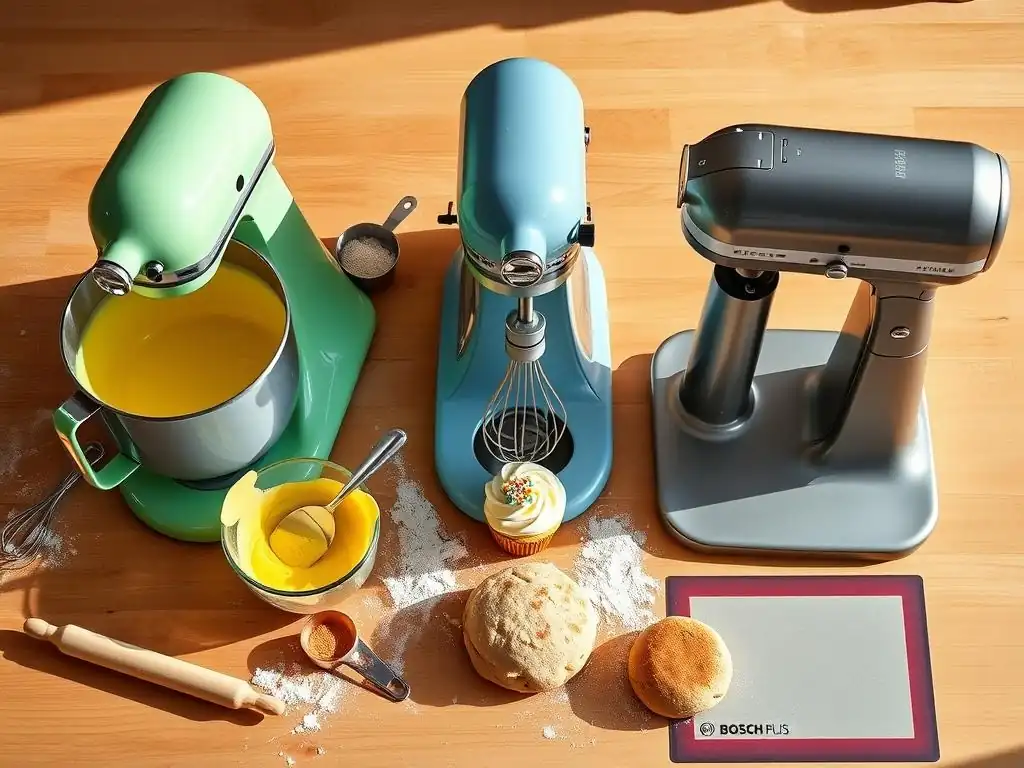
Welcome to BakeWithEase, where delicious baking becomes effortlessly achievable! Are you ready to elevate your baking game but feeling overwhelmed by all the equipment options? Dive into our guide to discover the best stand mixer for beginners, and unlock a world of delectable possibilities. But which model truly stands out for its ease of use and versatility? Read on to find out and transform your kitchen into a baking haven!
- Finding the Best Stand Mixer for Beginners: A BakeWithEase Guide
- Top Stand Mixers for Beginners: Comparison and Reviews
- Stand Mixer Buying Guide: What to Consider Before You Buy
- Beginner Baking Projects with Your New Stand Mixer
- Maintaining Your Stand Mixer: Tips for Longevity
- Maximizing Your Stand Mixer: Advanced Baking Techniques
- The Best Stand Mixer for Beginners: Our Recommendation
-
Frequently Asked Questions
- How important is a stand mixer for a beginner baker?
- What features should I look for in a stand mixer as a beginner?
- What is the average price range for a good stand mixer suitable for beginners?
- Are there any specific stand mixer brands recommended for beginners?
- What are some common mistakes to avoid when using a stand mixer for the first time?
- Final Reflection: The Joy of Baking, One Stand Mixer at a Time
- Unlock Your Baking Potential: Discover Your Perfect Stand Mixer!
Finding the Best Stand Mixer for Beginners: A BakeWithEase Guide
Why a Stand Mixer is Essential for Home Baking Success
For any home baker looking to move beyond simple cookies or box mixes, a stand mixer quickly transforms from a luxury into a near necessity. While hand mixers can handle lighter tasks like whipping cream or mixing cake batter, they struggle with heavier doughs like bread or pizza, often overheating or failing to develop gluten properly.
A quality stand mixer, however, provides consistent, powerful mixing, kneading, and whipping, freeing up your hands to measure ingredients, prepare pans, or simply relax while the machine does the hard work. This efficiency is particularly valuable for beginners who are still getting comfortable with the timing and technique of various recipes.
Beyond saving your arm muscles, a stand mixer ensures more consistent results. Its planetary mixing action (where the attachment spins one way while the head spins the other) ensures that all ingredients are incorporated evenly, leading to better-textured cakes, well-developed bread doughs, and perfectly whipped meringues. This consistency builds confidence, which is crucial when you're just starting out.
Imagine trying to knead a sticky sourdough dough by hand for 10-15 minutes versus letting a powerful dough hook do the work in half the time with minimal mess. For aspiring bakers tackling recipes like brioche, challah, or even just a standard loaf of white bread, finding the best stand mixer for beginners makes the process significantly less daunting and far more enjoyable.
Understanding Your Baking Needs: Choosing the Right Stand Mixer for You
Selecting the best stand mixer for beginners isn't a one-size-fits-all decision. Your personal baking habits and goals should heavily influence your choice. Consider how often you plan to bake, what types of recipes you're most interested in (are you dreaming of crusty bread or delicate cakes?
), and how much counter space you have. A baker who only plans to make occasional batches of cookies might not need the same power or bowl capacity as someone who wants to bake multiple loaves of bread weekly. Think about the typical batch size you anticipate making – a 4.5-quart bowl is ample for most home baking tasks like a standard cake or two dozen cookies, but if you plan to double recipes or bake for larger families, a 5 or 6-quart bowl might be more suitable.
Furthermore, consider the texture of the doughs or batters you'll be working with. If your passion lies in artisanal bread, look for a mixer with a robust motor and a sturdy dough hook designed to handle stiff, heavy doughs. If you're more focused on pastries and cakes, ensure the mixer comes with effective whisk and paddle attachments and has lower speed settings for gently incorporating ingredients.
Don't just look at the overall size, but also the weight and construction; a heavier machine is often more stable when working with dense doughs, preventing it from "walking" across your counter. Taking the time to assess these individual needs will guide you toward the best stand mixer for beginners that truly fits your kitchen and your baking ambitions.
Top Stand Mixers for Beginners: Comparison and Reviews
KitchenAid Artisan Series: The Iconic Choice for Budding Bakers
Key Features of the KitchenAid Artisan for New Bakers
The KitchenAid Artisan Series stand mixer is arguably the most recognizable mixer globally, often seen as the quintessential appliance for home bakers. For beginners, its user-friendly design is a major plus. It typically features a 5-quart stainless steel bowl, large enough for standard home recipes like a batch of three dozen cookies or a double-layer cake.
The mixer utilizes a tilt-head design, which makes it incredibly easy to add ingredients, scrape down the bowl, and attach or remove the beaters. It comes standard with three essential attachments: a flat beater for general mixing, a wire whisk for whipping air into ingredients, and a dough hook for kneading bread dough. With 10 distinct speed settings, beginners can start slow to combine ingredients and gradually increase speed for whipping or kneading, offering precise control.
KitchenAid Artisan: Pros and Cons for Beginners
Pros:
- Ease of Use: The tilt-head design and intuitive controls are straightforward for anyone new to stand mixers.
- Durability: Known for their robust, all-metal construction, KitchenAid mixers are built to last for many years, a good investment for a serious beginner.
- Versatility: The power hub on the front allows for connection of numerous optional attachments (sold separately), from pasta makers to ice cream makers, expanding its utility beyond basic baking as skills grow.
- Brand Reputation & Support: KitchenAid has a strong reputation and readily available parts and service, offering peace of mind.
Cons:
- Price: The Artisan series is a significant investment compared to some other entry-level options.
- Power: While sufficient for most beginner tasks, its typical 325-watt motor might struggle with extremely stiff doughs or very large batches compared to more powerful machines.
- Weight: It's quite heavy (around 26 lbs), making it less ideal if you need to frequently move it in and out of storage.
Why the KitchenAid Artisan is a Great Starting Point
Despite its higher price point, the KitchenAid Artisan Series stands out as a fantastic starting point for beginners due to its combination of reliability, ease of use, and long-term value. Its iconic design and range of colors make it a welcome addition to any kitchen counter, encouraging frequent use. The standard attachments cover the vast majority of beginner baking needs, from fluffy whipped cream to basic bread dough.
While you might eventually crave more power for very large or stiff dough batches, for learning the fundamentals of cakes, cookies, basic breads, and pastries, the Artisan offers a smooth, reliable experience. Many bakers who started with an Artisan still use it years later, a testament to its durability and performance for everyday tasks. This balance of performance, durability, and brand reputation makes it a strong contender for the best stand mixer for beginners looking for a long-term investment.
Cuisinart SM-50 Stand Mixer: A Powerful and Affordable Option
Cuisinart SM-50: Features Perfect for Beginner Baking Projects
The Cuisinart SM-50 stand mixer presents a compelling alternative for beginners seeking performance without the premium price tag of some competitors. It typically features a 5.5-quart stainless steel bowl, offering slightly more capacity than standard KitchenAid Artisan models, which is great for slightly larger batches. The SM-50 boasts a more powerful motor, often around 500 watts, providing ample strength to handle a wider range of doughs, including stiffer bread doughs, with greater ease.
It also uses a tilt-head design for convenient access to the bowl and attachments. The mixer comes with the standard set of attachments: a chef's whisk, a flat mixing paddle, and a dough hook, all designed for efficient mixing. Its 12-speed control offers even more precise speed adjustments compared to the 10 speeds found on many models, allowing beginners fine-tuned control over delicate mixtures or robust kneading.
Cuisinart SM-50: Weighing the Advantages and Disadvantages
Advantages:
- Motor Power: The 500-watt motor is a significant advantage for beginners interested in tackling bread recipes or larger batches, providing more resilience against heavy loads.
- Price: Generally more affordable than the KitchenAid Artisan, making it an attractive option for budget-conscious beginners.
- Bowl Capacity: The 5.5-quart bowl offers slightly more versatility for increasing recipe yields.
- Speed Control: 12 speeds allow for very gradual starts and precise adjustments during mixing.
Disadvantages:
- Attachment Range: While Cuisinart offers some accessories, the range isn't as extensive as KitchenAid's vast ecosystem of attachments.
- Brand Perception: While Cuisinart is a reputable brand, it doesn't carry the same iconic status or lengthy history in the stand mixer market as KitchenAid, which might affect perceived long-term value for some.
- Noise: Some users report that the Cuisinart SM-50 can be a bit noisier than comparable models, particularly at higher speeds or when working with heavy doughs.
Beginner-Friendly Power
For beginners who anticipate working with a variety of doughs, including moderately stiff bread recipes, or who simply want a bit more power overhead without breaking the bank, the Cuisinart SM-50 is an excellent choice. The combination of a larger bowl, a more powerful motor, and precise speed control makes it highly capable for typical beginner baking tasks and provides room to grow into more demanding recipes.
Its more accessible price point means aspiring bakers can invest in a reliable, powerful machine sooner. While it may lack the sheer variety of future attachments offered by some competitors, its core functionality with the included whisk, paddle, and dough hook is more than sufficient for mastering a wide range of beginner-friendly recipes, positioning it as a strong contender for the best stand mixer for beginners focused on value and power.
Aucma Stand Mixer: A Budget-Friendly Entry Point
Aucma Stand Mixer: Affordable Baking Power for Beginners
For beginners looking to explore the world of stand mixers without a significant initial investment, the Aucma stand mixer often appears as a highly budget-friendly option. These mixers typically feature a relatively powerful motor for their price point, often advertised with wattages ranging from 500 to 660 watts, designed to handle standard mixing and kneading tasks. They usually come with a substantial stainless steel bowl, often 6 quarts, providing ample capacity for larger batches or multi-recipe preparation.
Like the more expensive models, Aucma mixers include the standard attachments: a whisk, a dough hook, and a mixing beater. They generally feature multiple speed settings, sometimes up to 6 or 8, which are adequate for controlling the mixing process for most basic recipes. The design is typically a tilt-head, offering the same convenience for adding ingredients and changing attachments as higher-end models.
Aucma Stand Mixer: Exploring its Limitations
While the Aucma stand mixer offers an attractive price and seemingly high wattage, it's important for beginners to understand its potential limitations compared to premium brands. The build quality, while functional, may not be as robust or durable as mixers with all-metal construction. Components might be made of plastic, which could potentially wear down faster over time, especially when regularly tackling very stiff doughs.
The motor's effective power under load might not match the advertised wattage of more established brands; it might heat up more quickly or struggle more noticeably with prolonged kneading of heavy doughs like dense whole wheat bread. Accessory availability is also limited; you won't find a wide ecosystem of specialized attachments. While it performs well for lighter tasks like cake batters, cookie doughs, and whipping cream, its long-term performance and resilience with challenging tasks might be less reliable than more expensive alternatives.
Budget Baking
The Aucma stand mixer serves as a genuinely accessible entry point into the world of stand mixing for beginners who are hesitant to commit significant funds upfront. Its large bowl capacity and basic set of attachments allow new bakers to experiment with a wide range of recipes, from simple cakes and cookies to basic white bread or pizza dough.
It provides the core benefit of hands-free mixing, allowing beginners to focus on learning techniques and ingredient roles. While it might not be the workhorse for serious bread bakers or those planning heavy daily use, for someone wanting to try out using a stand mixer a few times a month on standard recipes, it offers remarkable value.
It's a way to gain experience and decide if a stand mixer is a worthwhile investment for your baking journey before potentially upgrading to a more durable, powerful, or versatile machine down the line. For many, it represents the most budget-friendly path to discovering if a stand mixer is the best stand mixer for beginners for them.
Stand Mixer Buying Guide: What to Consider Before You Buy
Motor Power: How Much Do You Really Need as a Beginner?
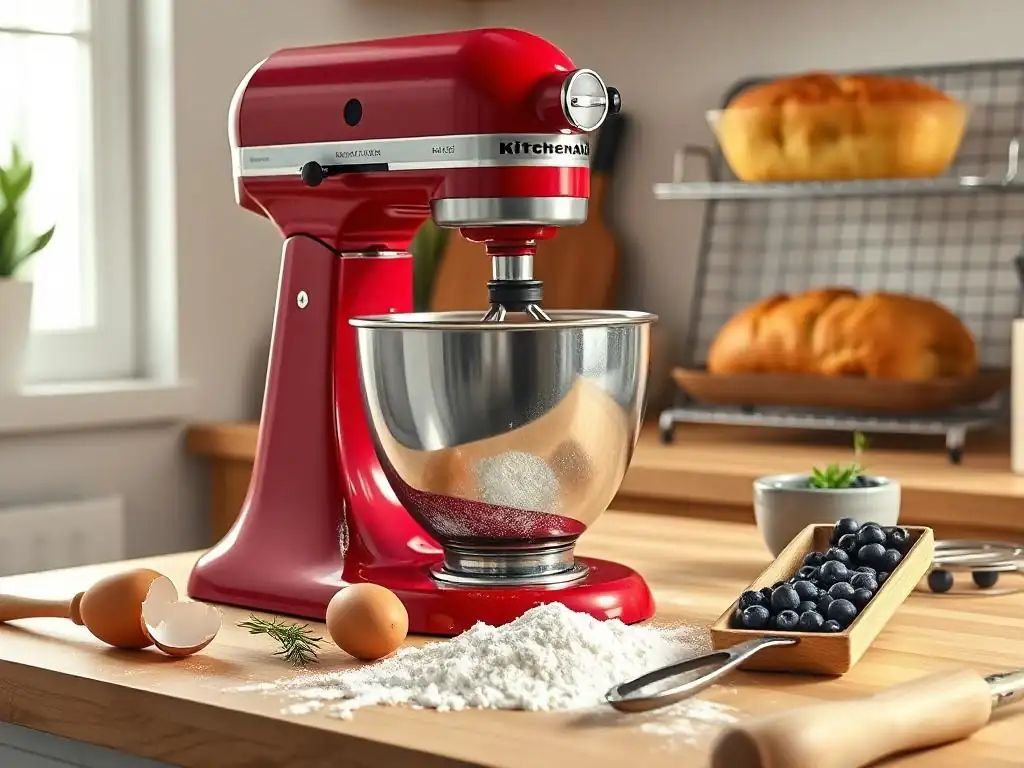
Motor power, measured in watts, is often highlighted in stand mixer specifications, and it directly impacts the mixer's ability to handle different tasks, especially kneading stiff doughs. For beginners, understanding your needs is key. While a 500+ watt motor sounds impressive, a beginner primarily making cakes, cookies, and occasional batches of standard white bread might find a mixer in the 300-325 watt range perfectly sufficient. Mixers like the KitchenAid Artisan (often 325W) excel at these common tasks. The motor's efficiency and gearbox design also play a significant role, not just the raw wattage.
If your primary interest is baking artisanal bread, whole wheat loaves, or other recipes involving very stiff or large quantities of dough, a more powerful motor (500W or higher, like the Cuisinart SM-50) will provide more consistent performance and reduce the strain on the machine. However, for the average beginner exploring various recipes, don't feel compelled to buy the highest wattage mixer; a well-built machine with moderate power from a reputable brand will likely serve you well for typical home baking projects. Focus on reviews that discuss performance with the types of recipes you plan to make most often.
Bowl Size: Matching Your Baking Scale
The capacity of the mixing bowl is a practical consideration that directly relates to the quantity of food you typically prepare. Stand mixer bowls for home use commonly range from 3.5 quarts up to 6 quarts or even larger. A 4.5-quart bowl is generally considered standard and is adequate for most beginner-level recipes, such as a single cake mix, two standard loaves of bread dough (using about 6-8 cups of flour total), or a batch of 2-3 dozen cookies. This size is versatile enough for typical family needs.
If you anticipate regularly doubling recipes, baking for larger gatherings, or frequently making multiple loaves of bread at once, stepping up to a 5, 5.5, or 6-quart bowl will be beneficial. A 6-quart bowl can often handle enough dough for 3-4 standard loaves or larger cake recipes.
However, be aware that using a bowl that is too large for small quantities of ingredients can sometimes make it difficult for the attachments to properly mix or whip small amounts. Consider the scale of your most frequent baking projects when deciding on the ideal bowl size for the best stand mixer for beginners for your kitchen.
Attachments: Beyond the Basics (Dough Hook, Whisk, Paddle)
Most stand mixers come standard with three core attachments: the flat beater (sometimes called a paddle attachment), the wire whisk (or balloon whisk), and the dough hook. These three cover the vast majority of fundamental baking tasks a beginner will encounter. The flat beater is your go-to for creaming butter and sugar, mixing cake batter, cookie dough, and frosting. The wire whisk is essential for incorporating air, perfect for whipping egg whites into meringue, making whipped cream, or aerating light batters. The dough hook is specifically designed to knead yeast doughs, developing gluten for bread, pizza dough, and rolls.
While these three attachments are sufficient for getting started, the world of stand mixer accessories extends much further. Many mixers, particularly brands like KitchenAid, offer a power hub or attachment port that allows you to connect dozens of optional accessories, such as pasta rollers and cutters, meat grinders, vegetable spiralizers, grain mills, and even ice cream makers.
For a beginner, these are not necessary initially but represent potential avenues for expanding your culinary skills in the future, adding significant long-term value to the mixer base. When choosing the best stand mixer for beginners, consider if you might want this expandability down the line, even if you don't purchase additional attachments right away.
Upgrading Your Attachments
Once you've mastered the basics with your stand mixer, you might find that certain additional tools can enhance your baking or expand your repertoire. For example, a scraper paddle attachment, which has a flexible edge to continuously scrape down the bowl as it mixes, can be a game-changer for creamy frostings and batters, reducing the need to stop and scrape manually. For bread bakers, a specific type of spiral dough hook (sometimes available for certain models) might be preferred over the standard C-hook for more efficient kneading of larger batches.
Even simple things like an extra mixing bowl can significantly speed up the process when making recipes that require separate wet and dry ingredients or different colored batters. These upgrades aren't essential for a beginner but offer ways to optimize your workflow and results as you become more comfortable.
Tilt-Head vs. Bowl-Lift: Which is Best for Beginner Baking?
Stand mixers primarily come in two designs: tilt-head and bowl-lift. The tilt-head design is typically recommended for beginners and is common on mixers with bowl capacities up to about 6 quarts. In this design, the head of the mixer, where the motor and attachment connect, tilts back, allowing easy access to the bowl to add ingredients, scrape the sides, or attach/remove beaters. This open access is very intuitive and convenient for new bakers learning the process.
Bowl-lift mixers, often found on larger capacity models (usually 6 quarts and up) or commercial-style mixers, have a fixed head. The bowl is secured by arms and is lifted into place using a lever. This design is generally more stable and powerful, making it better suited for kneading very large or stiff doughs.
However, accessing the bowl to add ingredients or scrape can be slightly less convenient than with a tilt-head model, requiring you to lower the bowl first. For most beginner home baking, where ease of use and accessibility are priorities, the tilt-head design is generally the best stand mixer for beginners option.
Speed Settings: Finding the Right Pace for Your Recipe
The number of speed settings on a stand mixer dictates your control over the mixing process. Most stand mixers for home use offer anywhere from 6 to 12 speeds. While having more speeds provides finer control, even a mixer with 6 settings is usually sufficient for most beginner recipes. The key is having a very low "stir" or "speed 1" setting to gently combine dry and wet ingredients without creating a cloud of flour, as well as higher speeds for whipping cream or egg whites and a medium speed for kneading dough.
A mixer with 10 or 12 speeds allows for more gradual increases in speed, which can be beneficial when adding ingredients like sugar gradually while whipping or when starting to knead dough at a very slow pace before increasing speed. However, don't get overly fixated on the sheer number of speeds; ensure the mixer has a functional range from very slow to adequately fast.
For the best stand mixer for beginners, look for clear speed markings and intuitive controls that make it easy to select the correct speed for the task at hand, whether it's gently folding in chocolate chips or vigorously whipping meringue peaks.
Beginner Baking Projects with Your New Stand Mixer
Easy Cake Recipes for Beginners: Using Your Stand Mixer
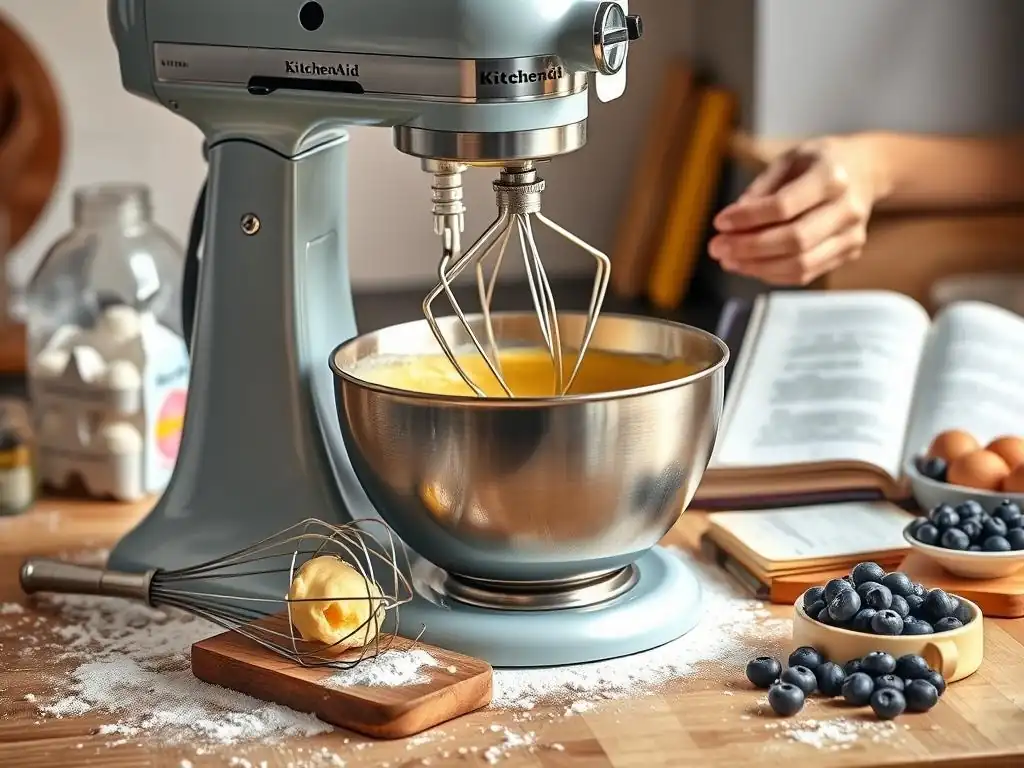
Your stand mixer is a fantastic tool for making cakes, ensuring batters are smooth and aerated. A simple vanilla cake is a perfect first project. Typically, you'll cream softened butter and sugar using the paddle attachment on medium speed until light and fluffy – your mixer does this effortlessly in about 5-7 minutes. Then, you'll add eggs one at a time, followed by alternating additions of dry ingredients (like flour mixed with baking powder and salt) and wet ingredients (like milk or buttermilk), mixing on low speed just until combined.
Using your stand mixer for cakes eliminates the risk of overmixing (which can lead to tough cakes) because you can add ingredients quickly and mix efficiently. The consistent speed helps develop the proper cake structure. For a simple vanilla cake using a 5-quart mixer, you'd typically use about 1.5 to 2 cups of flour and around 1 cup of butter and sugar, resulting in enough batter for two 8-inch cake layers or about 24 cupcakes. The paddle attachment ensures all ingredients from the bottom and sides of the bowl are incorporated, leading to a uniform crumb.
Simple Vanilla Cake Recipe with KitchenAid Artisan
Here is a basic outline for a simple vanilla cake using your KitchenAid Artisan (or similar tilt-head 5-quart mixer):
Ingredients:
2 1/4 cups all-purpose flour
1 1/2 cups granulated sugar
3 1/2 tsp baking powder
1 tsp salt
1/2 cup unsalted butter, softened
2 large eggs
1 cup milk
1 tsp vanilla extract

Equipment:
Stand mixer with paddle attachment
Two 8-inch round cake pans

Instructions:
1. Preheat oven to 350°F (175°C). Grease and flour cake pans.
2. In mixer bowl, combine dry ingredients (flour, sugar, baking powder, salt).
3. Add softened butter to dry ingredients. Mix on low speed until mixture resembles coarse crumbs.
4. In a separate bowl, whisk together eggs, milk, and vanilla.
5. With mixer on low speed, gradually add wet ingredients to the dry ingredients mixture.
6. Increase speed to medium and beat for 2 minutes, scraping bowl once.
7. Divide batter evenly between prepared pans.
8. Bake 30-35 minutes, or until a toothpick inserted into the center comes out clean.
9. Let cool in pans for 10 minutes before inverting onto wire racks to cool completely.
This recipe is designed to be straightforward for beginners and works perfectly with the standard paddle attachment included with most stand mixers. Using high-quality ingredients can also make a difference in the final outcome.
Simple Bread Recipes for Beginners: Mastering the Dough Hook
Baking bread can seem intimidating, but your stand mixer's dough hook makes the kneading process much more approachable for beginners. Kneading develops the gluten in the dough, which is essential for the structure and texture of bread. While hand kneading requires significant effort and practice to know when the dough is ready, a stand mixer provides consistent mechanical action. A simple white bread recipe is an excellent starting point. You'll typically combine yeast, warm water, and a pinch of sugar in the mixer bowl, then add flour and salt.
Using the dough hook on a low to medium speed, the mixer will pull the dough together and then knead it against the sides and bottom of the bowl. For white bread, this usually takes about 6-8 minutes in a stand mixer, compared to 10-15 minutes by hand. The dough should become smooth, elastic, and pull away from the sides of the bowl.
This hands-off process allows beginners to observe the dough's transformation and learn what properly kneaded dough looks and feels like without the physical strain. A 5-5.5 quart mixer can comfortably handle dough made with 3-4 cups of flour, yielding one standard loaf.
Easy White Bread Recipe with Cuisinart SM-50
Here is a basic outline for a simple white bread using your Cuisinart SM-50 (or similar 5.5-quart mixer with a dough hook):
Ingredients:
2 1/4 tsp active dry yeast
1 1/4 cups warm water (105-115°F / 40-46°C)
1 tbsp granulated sugar
1 tsp salt
3-3 1/2 cups all-purpose flour or bread flour
1 tbsp olive oil

Equipment:
Stand mixer with dough hook
Standard loaf pan (9x5 inches)

Instructions:
1. In mixer bowl, dissolve yeast and sugar in warm water. Let stand 5-10 minutes until foamy.
2. Add salt and 3 cups of flour to the bowl.
3. Attach dough hook. Mix on low speed (Speed 2-3) until dough comes together.
4. Increase speed slightly (Speed 4-5) and knead for 6-8 minutes. If dough is too sticky, add remaining flour 1/4 cup at a time until it pulls away from sides.
5. Lightly oil a clean bowl. Place dough in bowl, turn to coat. Cover and let rise in a warm place for 1-1.5 hours, or until doubled in size.
6. Punch down dough, shape into a loaf, and place in greased loaf pan.
7. Cover and let rise again for 30-45 minutes, or until nearly doubled.
8. Preheat oven to 375°F (190°C).
9. Bake 30-35 minutes, or until golden brown and loaf sounds hollow when tapped.
10. Let cool in pan for a few minutes before transferring to a wire rack to cool completely.
Using quality bread flour can give your loaf a better structure. This recipe is designed to be simple and effective for beginners learning to use the dough hook.
Cookies are a classic beginner baking project, and the stand mixer's paddle attachment makes the process incredibly easy and consistent. Most cookie recipes start by creaming softened butter and sugar together. The paddle attachment on a medium speed (often speed 4 or 6) is perfect for this, incorporating air and creating a fluffy base in just a few minutes. This step is crucial for the texture of many cookies, like classic chocolate chip.
After creaming, you'll typically add eggs and vanilla, mixing until just combined, followed by the dry ingredients (flour, baking soda, salt, etc.). The paddle attachment mixes these efficiently without overworking the gluten, which is important for tender cookies. Finally, mix in any additions like chocolate chips or nuts on a low speed. A 6-quart mixer like the Aucma can handle a large batch, potentially yielding 4-5 dozen cookies from a single mix, making it great for baking for events or freezing dough. The paddle ensures all ingredients are evenly distributed throughout the dough.
Classic Chocolate Chip Cookie Recipe with Aucma Stand Mixer
Here is a basic outline for classic chocolate chip cookies using your Aucma Stand Mixer (or similar 6-quart mixer with a paddle attachment):
Ingredients:
1 cup (2 sticks) unsalted butter, softened
3/4 cup granulated sugar
3/4 cup packed brown sugar
2 large eggs
1 tsp vanilla extract
2 1/4 cups all-purpose flour
1 tsp baking soda
1/2 tsp salt
2 cups chocolate chips

Equipment:
Stand mixer with paddle attachment
Baking sheets

Instructions:
1. Preheat oven to 375°F (190°C). Line baking sheets with parchment paper.
2. In mixer bowl, cream softened butter, granulated sugar, and brown sugar using the paddle attachment on medium speed (Speed 4-6) until light and fluffy, 2-3 minutes.
3. Add eggs one at a time, mixing on low speed (Speed 2-3) after each addition until just combined. Mix in vanilla.
4. In a separate bowl, whisk together flour, baking soda, and salt.
5. Gradually add dry ingredients to wet ingredients in the mixer bowl on low speed (Speed 1-2) until just combined. Do not overmix.
6. Stir in chocolate chips on low speed or by hand.
7. Drop rounded tablespoons of dough onto prepared baking sheets.
8. Bake 9-11 minutes, or until edges are golden and centers are slightly soft.
9. Let cool on baking sheets for a few minutes before transferring to a wire rack to cool completely.
This recipe is a great way for beginners to get comfortable with the paddle attachment and learn the creaming method. Using standard measuring cups will help ensure consistent results.
Maintaining Your Stand Mixer: Tips for Longevity
Cleaning and Care: Keeping Your Mixer in Top Condition
Proper cleaning and care are essential for ensuring your stand mixer lasts for years and remains the best stand mixer for beginners you could have chosen. Always unplug the mixer before cleaning. The stainless steel bowl and most standard attachments (flat beater, wire whisk, dough hook) are usually dishwasher safe, but check your specific model's manual to confirm. For the mixer head and base, wipe them down with a damp cloth and mild soap, then dry thoroughly. Never immerse the mixer base in water.
Pay special attention to cleaning the attachment hub and the shaft where the attachments connect to prevent buildup. If you've been working with sticky dough, ensure no residue is left in crevices. For the wire whisk, if it's not dishwasher safe or needs extra cleaning, soak it in warm, soapy water before cleaning between the wires with a brush. Allowing dough or batter to dry onto the mixer or attachments will make cleaning much harder. A quick wipe-down after each use, once unplugged, goes a long way in maintaining your machine's appearance and function.
Troubleshooting Common Stand Mixer Issues
Even the best stand mixer for beginners might occasionally present minor issues. One common problem is the mixer "walking" on the counter when kneading heavy dough. This usually indicates the dough is too stiff for the mixer's current position or the batch size is too large. Try reducing the batch size or ensuring the mixer is placed on a stable, non-slip surface.
Another issue is attachments not reaching the bottom of the bowl or hitting the bowl. Most tilt-head mixers have an "adjustment screw" (often located near where the head locks into place) that allows you to slightly adjust the height of the attachments relative to the bowl. Consult your manual for instructions on how to perform the "dime test" or similar method to ensure proper clearance.
If the mixer motor sounds strained or overheats, especially during prolonged kneading, it could be a sign that the dough is too stiff, the batch is too large, or the motor is being overworked. Stop the mixer, let it cool down, and potentially reduce the batch size or add a tiny bit more liquid to the dough. If the mixer stops working entirely, check that it's properly plugged in and that the head is securely locked in place (for tilt-head models).
Many modern mixers have safety features that prevent operation if not correctly assembled. For persistent issues, consult your mixer's user manual or the manufacturer's customer support.
Maximizing Your Stand Mixer: Advanced Baking Techniques
Expanding Your Baking Horizons
Once you're comfortable with the basics, your stand mixer can become a gateway to more advanced baking techniques. Beyond simple cakes and cookies, you can explore delicate French macarons (requiring perfectly whipped meringue), enriched doughs like brioche or challah (which benefit from the mixer's consistent kneading), or even temper chocolate using a double boiler set over the mixer bowl while the paddle gently stirs. The power and consistency of the mixer allow you to tackle recipes that would be significantly more challenging or time-consuming by hand.
Consider exploring techniques like making swiss meringue buttercream, which requires whipping egg whites over a double boiler while simultaneously using your whisk attachment once the mixture is transferred to the mixer bowl. Or dive into laminated doughs like croissants or puff pastry, where the mixer can help with the initial dough mixing before you move to the folding steps. The stand mixer provides the reliable foundation needed to experiment with these more intricate processes, making your baking journey even more rewarding.
Exploring Dough Making Techniques
The dough hook is one of the most powerful tools for a baker, and your stand mixer makes mastering various dough types much more accessible. Beyond basic white bread, you can use your mixer to knead dough for pizza, pasta, bagels, pretzels, and sweet rolls. Experiment with different hydration levels – the ratio of water to flour. High-hydration doughs (sticky doughs with more water) can be challenging to knead by hand but are handled relatively well by a stand mixer's dough hook, resulting in airier breads like ciabatta.
You can also explore different kneading times and speeds to see how they affect the final bread texture. Some recipes call for a short, intensive knead, while others benefit from a longer, slower process. Your stand mixer allows you to control these variables precisely. For those serious about bread, exploring resources on dough development and gluten structure can enhance your understanding and help you get the most out of your mixer's dough hook, transforming your kitchen into a mini-bakery.
The Best Stand Mixer for Beginners: Our Recommendation
BakeWithEase's Top Pick: KitchenAid Artisan Series
After considering the factors important for new bakers – ease of use, versatility, durability, and performance on common tasks – the KitchenAid Artisan Series stands out as BakeWithEase's top recommendation for the best stand mixer for beginners. While it represents a larger initial investment compared to budget options, its reputation for longevity and robust all-metal construction means it's a machine that can grow with your skills and likely last for decades with proper care.
The 5-quart tilt-head design is incredibly user-friendly for learning, making it simple to add ingredients and scrape the bowl. Its 325-watt motor is perfectly capable of handling the vast majority of beginner recipes, from whipping delicate meringues to kneading standard bread doughs.
The availability of a wide range of optional attachments through the power hub adds significant long-term value, allowing the mixer to adapt as your baking interests expand beyond the basics into pasta making, grinding meats, or even making ice cream. The balance of performance, iconic design, and the peace of mind that comes with a highly reputable and durable brand makes the KitchenAid Artisan a reliable and inspiring choice for any passionate home baker just starting their journey.
Frequently Asked Questions
How important is a stand mixer for a beginner baker?
A stand mixer is a valuable investment for beginner bakers. While not absolutely essential, it significantly simplifies tasks like kneading dough and whipping cream, making baking more accessible and enjoyable.
What features should I look for in a stand mixer as a beginner?
Beginner bakers should prioritize a stand mixer with a powerful motor, a durable build, and multiple speed settings. Look for models with basic attachments like a dough hook, whisk, and paddle.
What is the average price range for a good stand mixer suitable for beginners?
A quality stand mixer for beginners typically ranges from $200 to $400. Consider features like motor power and included accessories when weighing the price point against your needs.
Are there any specific stand mixer brands recommended for beginners?
Several brands are well-regarded, including KitchenAid, Cuisinart, and Hamilton Beach. Research models within your budget and read reviews focusing on ease of use and reliability.
What are some common mistakes to avoid when using a stand mixer for the first time?
Avoid overloading the mixer beyond its capacity, use the correct attachment for the task, and always start at the lowest speed to prevent splattering. Remember to scrape down the bowl periodically for even mixing.
Final Reflection: The Joy of Baking, One Stand Mixer at a Time
Choosing the right stand mixer is more than just selecting an appliance; it's about investing in a journey of culinary creativity. The perfect stand mixer becomes an extension of your passion, a reliable partner in countless baking adventures, from simple cookies to elaborate cakes. This journey, as explored in this article, begins with understanding your needs and finding the ideal machine to match your skill level and aspirations.
The impact of a good stand mixer extends far beyond the kitchen itself. It fosters a sense of accomplishment, a connection to tradition, and a space for self-expression. Baking is at once child's play and adult joy. And love, of course.
This quote perfectly encapsulates the feeling that many home bakers experience, a feeling amplified by the right tools. The ease and efficiency a quality stand mixer provides allows for experimentation and the development of personal baking styles, enriching the home baking experience for countless individuals.
Now, it's your turn. Consider your own baking aspirations. What kind of baker are you, or do you aspire to be? Don't just settle for any mixer; choose the one that resonates with your passion, that inspires you to create, and that will be a steadfast companion in your culinary journey. The perfect stand mixer awaits – go find it, and let the baking begin!
Unlock Your Baking Potential: Discover Your Perfect Stand Mixer!
Thanks for exploring the world of stand mixers with us! We hope you now feel confident in selecting the ideal model to elevate your baking skills. Are you ready to take the next step?
- Find your dream mixer: Browse our curated list of top-rated stand mixers tailored to your needs and budget. This is your opportunity to finally upgrade your kitchen with a reliable and powerful appliance.
- Share your baking journey: Let us know which model you're considering or already own in the comments below. Join a community of passionate bakers!
- Unleash your inner baker: Try our exclusive recipe for double chocolate chunk cookies using your new stand mixer—and share your results!
What delicious creation will you whip up first with your new stand mixer?