
Bake Like a Berliner: Easy Pfannkuchen (Jelly Doughnuts) Recipe

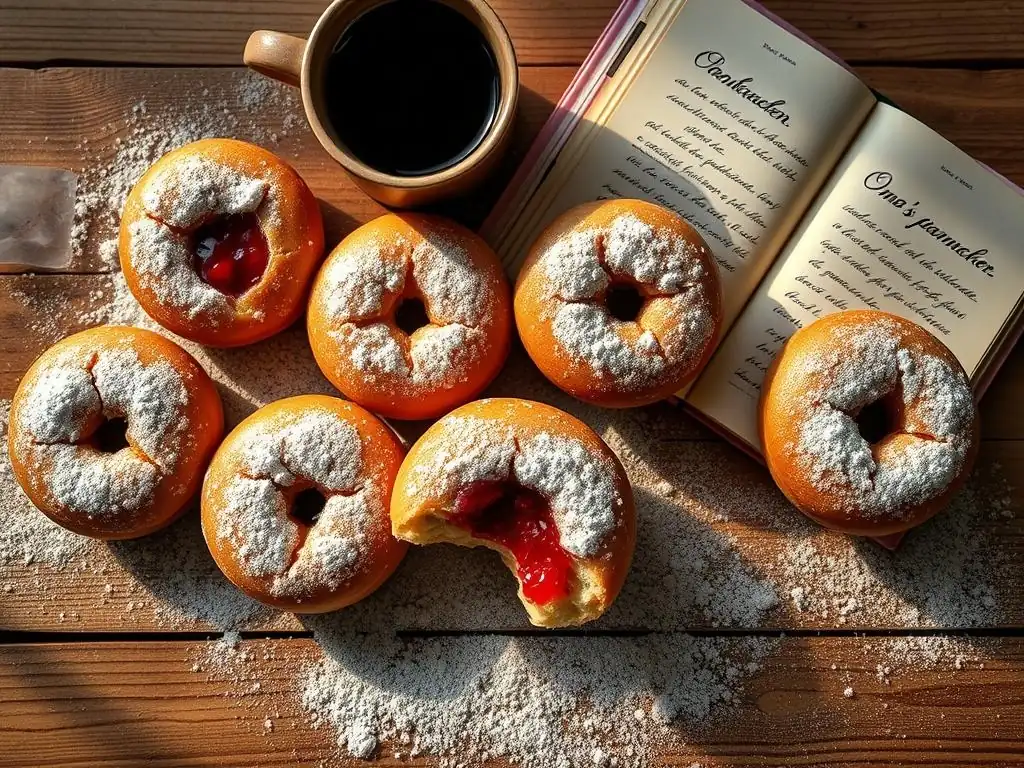
Welcome to BakeWithEase, your trusted guide to unlocking baking brilliance! Ever dreamt of biting into a perfect, pillowy doughnut bursting with sweet jelly? Then you've come to the right place. In this article, we're diving into the surprisingly simple secrets of crafting an Easy German jelly doughnut, also known as Pfannkuchen or Berliner. Intrigued? Discover how to bring a taste of German baking heritage into your kitchen – the full recipe and step-by-step guide await!
- Classic Berliner (Jelly Doughnuts) Recipe
- Introduction to Berliner Doughnuts
- Gathering Your Ingredients
- Step-by-Step Dough Preparation
- Frying the Doughnuts
- Filling and Finishing
- Tips and Tricks
- Serving and Enjoying
-
Frequently Asked Questions
- What is the difference between a Berliner and a Pfannkuchen?
- Are these "Easy German Jelly Doughnuts" fried or baked?
- What kind of jelly or jam is typically used for filling these doughnuts?
- Can I make the dough for these doughnuts ahead of time?
- What is the best way to prevent the jelly from leaking out of the doughnuts when frying?
- Final Reflection: The Sweetness of Tradition and Connection
- Unlock Your Inner Berliner: Start Baking Today!
Classic Berliner (Jelly Doughnuts) Recipe
Introduction to Berliner Doughnuts
What are Berliner Doughnuts?
Berliner doughnuts, often simply called Berliners, are a classic German pastry beloved for their soft, fluffy texture and sweet filling. Traditionally, they are yeast-leavened dough balls, deep-fried until golden brown, then filled with jam or jelly and dusted with powdered or granulated sugar. While known as Berliners in much of Germany, they are called "Pfannkuchen" in Berlin and parts of eastern Germany, and "Krapfen" in Bavaria and Austria, reflecting regional linguistic differences for essentially the same delightful treat. This easy German jelly doughnut is a staple at bakeries and fairs, especially during Carnival (Fasching) season and New Year's Eve.
Historically, these pastries have a long tradition in Central Europe, dating back several centuries. Early versions were likely fried cakes, evolving over time with the introduction of yeast and specific fillings. The modern Berliner emerged as a popular sweet treat, becoming synonymous with festive occasions. Their simple yet satisfying composition – rich dough, sweet filling, and sugary coating – makes them universally appealing and a perfect candidate for an easy German jelly doughnut recipe for home bakers looking to explore traditional European sweets.
Why This Recipe is Perfect for Home Bakers
This recipe is designed specifically for home bakers, making the process of creating classic Berliner doughnuts accessible and enjoyable. We break down each step, from activating the yeast to the final dusting of sugar, ensuring that even those new to working with enriched doughs can achieve excellent results.
The ingredients are common pantry staples, and while specific equipment like a stand mixer is helpful, it's not strictly necessary – you can easily make the dough by hand. Our goal is to demystify the process of making an easy German jelly doughnut, turning what might seem intimidating into a rewarding baking project.
Furthermore, mastering this easy German jelly doughnut recipe opens the door to countless variations. Once you understand the basic dough and frying technique, you can experiment with different fillings and coatings. This recipe provides a solid foundation, giving you the confidence to bake delicious, authentic Berliners right in your own kitchen. The satisfaction of biting into a warm, homemade jelly-filled doughnut is unparalleled, and this guide aims to make that experience attainable for everyone.
Gathering Your Ingredients
Dough Ingredients
The foundation of a great Berliner is a rich, soft dough, typically made with flour, yeast, milk, sugar, eggs, butter, and a pinch of salt. For this easy German jelly doughnut recipe, you'll need about 500 grams of all-purpose flour, which provides the structure. You'll also need approximately 7 grams of active dry yeast or 20 grams of fresh yeast to give the doughnuts their characteristic light and airy texture. About 50-60 grams of granulated sugar sweetens the dough and helps activate the yeast, while around 250 ml of whole milk provides moisture and helps create a tender crumb.
Enriching the dough requires fat and protein, which come from about 2 large eggs and 50-70 grams of unsalted butter, softened. The eggs contribute to richness and structure, while the butter adds tenderness and flavor. A small pinch of salt, roughly 5 grams, balances the sweetness.
Some recipes also include a touch of lemon zest or vanilla extract for added aroma, perhaps 1 teaspoon of vanilla or zest from half a lemon. Using ingredients at room temperature, especially the eggs and milk, helps the dough come together smoothly and encourages proper yeast activity, crucial for an easy German jelly doughnut.
Jelly Filling Options
The classic filling for a Berliner is red or dark fruit jelly or jam, like raspberry, strawberry, or sour cherry. These fruit preserves offer a balance of sweetness and tartness that pairs wonderfully with the rich, fried dough. When selecting a jelly or jam for your easy German jelly doughnut, look for one with a smooth consistency or one that can be easily strained or pureed to remove large chunks of fruit.
This makes the filling process much easier, especially when using a piping bag with a narrow tip. You'll need about 200-300 grams of jelly or jam to fill a batch of approximately 12-15 doughnuts.
While traditional fillings are excellent, don't hesitate to explore other options. Apricot jam is another popular choice in Germany, offering a slightly different tangy sweetness. For a twist on the easy German jelly doughnut, you could consider thicker fillings like plum butter (Pflaumenmus) or even venture into non-traditional but delicious choices like pastry cream, chocolate ganache, or apple butter. The key is to ensure the filling is not too liquidy, which could make the doughnut soggy, or too thick with large pieces, which would clog the piping tip.
Equipment Needed
To make these easy German jelly doughnuts, several pieces of equipment will be helpful, starting with a large mixing bowl for the dough. A stand mixer fitted with a dough hook attachment is ideal for kneading, making the process much less labor-intensive, but you can certainly knead the dough effectively by hand on a clean surface.
You'll also need a rolling pin to flatten the dough to the desired thickness and a round cutter, approximately 2.5 to 3 inches (6-8 cm) in diameter, to shape the doughnuts. If you don't have a specific cutter, the rim of a glass or a clean tin can works well.
For the frying process, a deep, heavy-bottomed pot or a Dutch oven is essential to safely hold the frying oil. You'll need a thermometer, preferably a deep-fry or candy thermometer, to accurately monitor and maintain the oil temperature, which is crucial for perfectly cooked doughnuts. A slotted spoon or spider is necessary for carefully placing doughnuts into the hot oil and removing them.
Finally, you'll need baking sheets lined with parchment paper for resting the shaped doughnuts before frying and a wire rack placed over paper towels to drain the fried doughnuts. A piping bag fitted with a long, narrow tip (like a Bismark tip) is required for injecting the jelly filling into your easy German jelly doughnut creations.
Step-by-Step Dough Preparation
Proofing the Yeast
The first crucial step in making this easy German jelly doughnut recipe is activating the yeast. If you're using active dry yeast, you'll need to proof it in warm liquid. Gently heat the milk (or a mix of milk and water) to a temperature between 105°F and 115°F (40°C and 46°C).
Temperatures too cold won't activate the yeast, while temperatures too hot can kill it. Pour the warm liquid into a small bowl, sprinkle the yeast over the top, and add a pinch of sugar from the recipe's total amount. Give it a gentle stir and let it sit for 5-10 minutes.
During this time, the yeast should become foamy or bubbly on the surface. This foam is a sign that the yeast is alive and active, ready to leaven your dough. If your mixture doesn't foam after 10 minutes, your yeast may be old or the liquid temperature was off, and you'll need to start this step over with fresh yeast. An active, bubbly yeast mixture is vital for achieving light and airy easy German jelly doughnuts. Once the yeast is proofed, you can proceed to combine it with the other dough ingredients.
Mixing the Dough
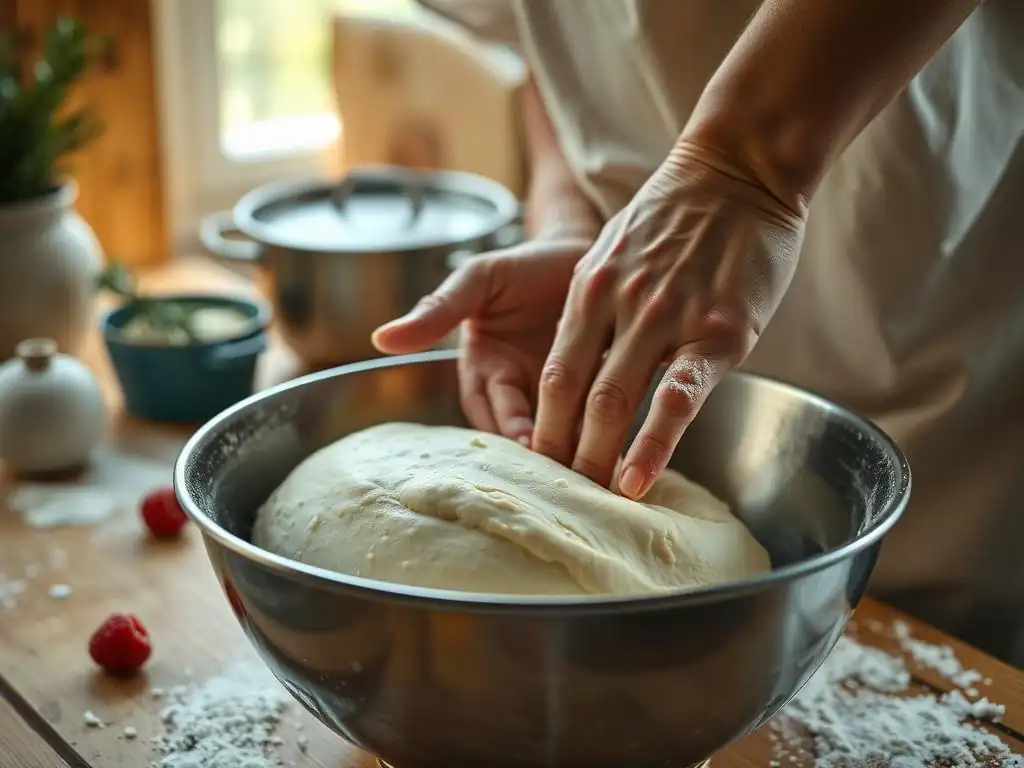
Once your yeast is proofed, combine the proofed yeast mixture with the remaining milk (if any), sugar, eggs, and salt in a large mixing bowl or the bowl of your stand mixer. Add about half of the flour and mix until just combined. Then, gradually add the remaining flour, mixing until a shaggy dough forms. If using a stand mixer, switch to the dough hook attachment. If mixing by hand, turn the dough out onto a lightly floured surface.
Knead the dough for about 8-10 minutes using a stand mixer on medium speed, or 12-15 minutes by hand, until it becomes smooth, elastic, and no longer sticky. It should pass the windowpane test, meaning you can stretch a small piece thin enough to see light through it without tearing. Gradually add the softened butter, a little at a time, incorporating each addition fully before adding the next. Continue kneading until the butter is completely absorbed and the dough is smooth and glossy. This careful kneading ensures a well-developed gluten structure, essential for soft, puffy easy German jelly doughnuts.
First Proofing
After kneading, gather the dough into a ball and place it in a lightly greased bowl. Turn the dough to coat all sides with a thin layer of oil or cooking spray to prevent sticking. Cover the bowl tightly with plastic wrap or a clean kitchen towel. Place the bowl in a warm, draft-free spot for the first proofing. An ideal temperature is around 75-80°F (24-27°C). A slightly warm oven (turned off but with the light on) or simply a warm spot in your kitchen works well.
Allow the dough to rise until it has roughly doubled in size. This typically takes about 1 to 1.5 hours, depending on the temperature of your environment and the activity of your yeast. This first rise, also known as bulk fermentation, is crucial for developing flavor and achieving a light texture in your easy German jelly doughnuts. The dough should look visibly larger and feel light and airy when gently poked.
Shaping the Doughnuts
Once the dough has doubled in size during the first proof, gently punch it down to release the air. Turn the dough out onto a lightly floured surface. Using a rolling pin, roll the dough evenly to a thickness of about 1/2 inch (1.2 cm). Ensure the thickness is consistent across the entire sheet of dough for uniform cooking. Avoid rolling it too thin, as this will result in flat, dense doughnuts, or too thick, which might make them difficult to cook through evenly.
Using your round cutter (2.5-3 inches in diameter), cut out as many circles as possible, pressing straight down without twisting to ensure clean edges. Gather the dough scraps, gently knead them together, let them rest for 5-10 minutes to relax the gluten, and then re-roll and cut out more doughnuts until all the dough is used. Carefully transfer the shaped dough circles to baking sheets lined with parchment paper, leaving adequate space between each one as they will rise again. This careful shaping is key to the final appearance of your easy German jelly doughnuts.
Second Proofing
With the doughnuts shaped and placed on the parchment-lined baking sheets, it's time for the second proofing, also known as the final proof or bench proof. Loosely cover the baking sheets with plastic wrap or a light kitchen towel to prevent the dough from drying out. Place the covered sheets in a warm, draft-free location, similar to the first proofing.
Allow the shaped doughnuts to rise until they are noticeably puffy and have increased in size by about 50-75%. This usually takes around 30-45 minutes, but the time can vary depending on the ambient temperature. Gently pressing one should leave a slight indentation that slowly springs back. Be careful not to over-proof them, as this can lead to collapse during frying. This second rise is vital for achieving a light, airy interior and the characteristic "white ring" around the middle of your easy German jelly doughnuts when fried.
Frying the Doughnuts
Preparing the Frying Oil
Frying is a critical step in making perfect easy German jelly doughnuts. Choose a neutral-flavored oil with a high smoke point, such as vegetable oil, canola oil, sunflower oil, or peanut oil. Avoid oils like olive oil, which have a lower smoke point and stronger flavor. Pour the oil into a deep, heavy-bottomed pot or Dutch oven, filling it to a depth of about 2 to 3 inches (5-7 cm). This depth is necessary to allow the doughnuts to float and cook evenly.
Place the pot over medium heat and begin heating the oil. Attach a deep-fry or candy thermometer to the side of the pot, ensuring the tip is submerged in the oil but not touching the bottom. Slowly heat the oil to the target temperature range. Having the oil ready before you start frying is important, as you'll need to maintain a consistent temperature throughout the process to produce beautiful, evenly cooked easy German jelly doughnuts.
Maintaining Oil Temperature
Maintaining the correct oil temperature is paramount for frying success. The ideal temperature range for frying Berliner doughnuts is typically between 350°F and 375°F (175°C and 190°C). If the oil is too cool, the doughnuts will absorb too much oil, resulting in a greasy, heavy texture. If the oil is too hot, the outside will brown too quickly, potentially burning, while the inside remains raw or undercooked. Use your thermometer to constantly monitor the temperature.
Adjust the heat source as needed to keep the oil within the target range. When you add cold dough to the oil, the temperature will drop, so you may need to slightly increase the heat initially. As you remove doughnuts, the temperature might rise, requiring you to lower the heat. Frying in batches, rather than overcrowding the pot, also helps maintain a stable temperature and ensures the oil doesn't cool down too much. Consistent temperature is the secret to perfectly cooked, fluffy easy German jelly doughnuts with that coveted white ring.
Frying Techniques
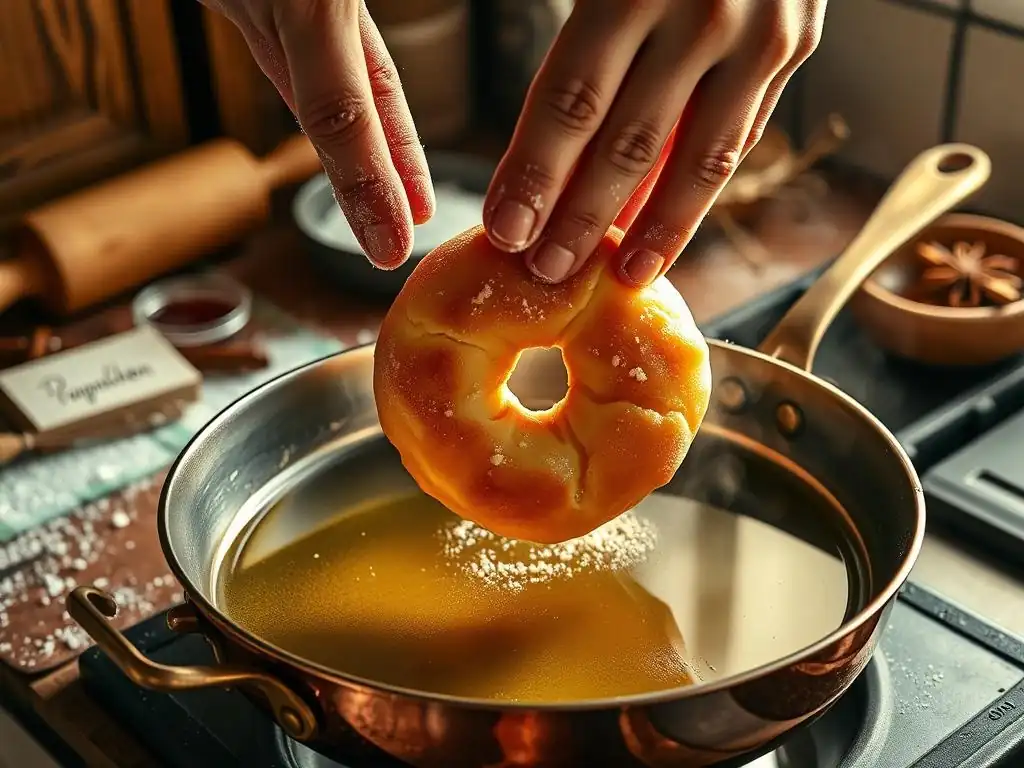
Carefully transfer the proofed doughnuts from the parchment paper into the hot oil. A simple way to do this is to gently lift the parchment paper section with the doughnut and carefully slide the doughnut into the oil. Do not overcrowd the pot; fry only 2-4 doughnuts at a time, depending on the size of your pot. This allows the oil temperature to remain more stable and gives the doughnuts room to expand.
Fry the doughnuts for about 2-3 minutes per side, or until they are golden brown and puffed up. You'll notice that the part of the doughnut submerged in oil browns, while the part floating above creates a light, uncolored "white ring" around the middle – a hallmark of a well-fried Berliner. Use a slotted spoon or spider to gently flip the doughnuts halfway through the frying time.
Once evenly golden brown on both sides, carefully lift them out of the oil, allowing excess oil to drip back into the pot. This technique ensures your easy German jelly doughnuts are cooked through and beautifully colored.
Cooling After Frying
After removing the fried doughnuts from the hot oil, immediately transfer them to a wire rack set over a baking sheet lined with paper towels. The wire rack allows air circulation around the doughnuts, preventing the bottoms from becoming soggy, while the paper towels catch any excess oil that drains off. Allow the doughnuts to cool on the rack for at least 10-15 minutes before attempting to fill them.
Attempting to fill the doughnuts while they are too hot can be difficult and may result in the filling melting or oozing out excessively. Cooling allows the internal structure to set slightly and makes them easier to handle for the filling process. While they need to cool enough to handle, they are best filled and enjoyed while still warm, as this highlights their soft, fluffy texture. Proper cooling is a small but important step before transforming these fried delights into easy German jelly doughnuts by adding the sweet center.
Filling and Finishing
Filling Methods
Once your easy German jelly doughnuts have cooled sufficiently to handle, it's time for the delicious filling. The most common method is using a piping bag fitted with a long, narrow piping tip, often called a Bismark tip or a plain tip with a small opening. This tip is specifically designed for injecting fillings into pastries. Fill the piping bag with your chosen jelly or jam. If your jam has small fruit pieces, you might want to warm it slightly and push it through a sieve to ensure a smooth consistency that won't clog the tip.
Another method, if you don't have a piping bag and tip, is to use a clean kitchen syringe (like a basting syringe with a narrow tip) or even carefully make a small incision in the side of the doughnut with a knife or skewer and use a spoon to carefully push in the filling. However, the piping bag method is the easiest and yields the neatest results, ensuring the jelly is distributed nicely inside the easy German jelly doughnut without too much mess.
Injecting the Jelly
To inject the jelly using a piping bag with a Bismark tip, hold a cooled doughnut in one hand. Insert the tip into the side of the doughnut, aiming towards the center. Gently squeeze the piping bag, filling the doughnut with jelly. You'll feel the doughnut become heavier and perhaps see it expand slightly as it fills. Use approximately 1 to 2 tablespoons (about 15-30 grams) of jelly per doughnut, depending on its size and your preference for filling quantity.
Remove the tip slowly while continuing to apply slight pressure to prevent the jelly from dripping back out. Some recipes suggest inserting the tip into the bottom of the doughnut, but inserting it into the side creates a less visible entry point. Practice on one or two doughnuts to get a feel for how much pressure and filling is needed. Proper injection ensures every bite of your easy German jelly doughnut is met with a burst of sweet fruit flavor.
Coating Options: Sugar or Glaze
The final touch for your easy German jelly doughnuts is the coating. The most traditional coating is granulated sugar or powdered sugar (confectioners' sugar). For a granulated sugar coating, it's best to roll the doughnuts while they are still slightly warm (but after filling). Place granulated sugar in a shallow dish or plate and gently roll each filled doughnut to coat all sides. The slight warmth helps the sugar adhere.
Alternatively, you can use powdered sugar. This is often done after the doughnuts have cooled completely. Simply place powdered sugar in a sieve and generously dust the tops and sides of the filled doughnuts.
For a glaze, mix powdered sugar with a small amount of milk, lemon juice, or water until you reach a smooth, pourable consistency. Dip the tops of the cooled, filled doughnuts into the glaze and let the excess drip off before placing them back on the wire rack to set. Both sugar and glaze add a delightful sweetness and visual appeal to your easy German jelly doughnuts.
Final Presentation
Presenting your homemade easy German jelly doughnuts beautifully enhances the enjoyment. Once coated (either sugared or glazed), arrange them neatly on a serving platter or in a basket. If using powdered sugar, a final light dusting just before serving can refresh their appearance. The contrast between the golden-brown fried dough, the white sugar or glaze, and the potential peek of colorful jelly near the filling point makes them very appealing.
For a festive touch, especially if making them for a holiday like Carnival or New Year's Eve, consider using different colored glazes or sprinkles, though traditional Berliners are usually simple. Serving them on a decorative plate or cake stand elevates them from a simple pastry to a special treat. A well-presented batch of easy German jelly doughnuts is a testament to your baking skill and a welcoming sight for anyone ready to indulge.
Tips and Tricks
Troubleshooting Doughnut Problems
Sometimes, making easy German jelly doughnuts can present challenges, but most issues have straightforward solutions. If your doughnuts are greasy, the most common culprit is the oil temperature being too low during frying. Ensure your oil is consistently between 350-375°F (175-190°C) using a thermometer. If they are burnt on the outside but raw inside, the oil is too hot; lower the heat and allow the temperature to stabilize.
If your doughnuts are dense and don't rise properly, it could be due to inactive yeast (ensure it proofs properly), under-kneading (the dough needs sufficient gluten development), or under-proofing (they need enough time for both rises). Ensure your dough is kneaded until elastic and passes the windowpane test, and allow adequate time for both the first and second proofing steps in a warm environment. Following these tips will help you achieve light and fluffy easy German jelly doughnuts.
Storage and Reheating
Easy German jelly doughnuts are best enjoyed fresh, ideally within a few hours of frying and filling. However, they can be stored. Store cooled, filled doughnuts in an airtight container at room temperature for up to 1-2 days. The sugar coating may absorb moisture over time, especially in humid conditions, but they will still be edible. For longer storage, unfilled, fried doughnuts can be frozen for up to 1-2 months. Wrap them individually in plastic wrap and then place in a freezer bag. Thaw at room temperature before filling and coating.
To briefly reheat a stored doughnut, you can place it in a microwave for 10-15 seconds or warm it gently in a low oven (around 300°F or 150°C) for a few minutes. Be cautious with microwaving filled doughnuts, as the jelly can become very hot. Reheating can help restore some of the soft texture, making your easy German jelly doughnut almost as good as fresh.
Flavor Variations
While the classic easy German jelly doughnut is filled with red fruit jam and coated in sugar, there are many ways to introduce flavor variations. In the dough itself, you can add the zest of one lemon or orange for a bright citrus note, or a teaspoon of vanilla extract for classic sweetness. Some traditional recipes include a splash of rum or brandy in the dough or the filling for added depth.
For the filling, explore beyond raspberry or apricot. Try plum butter (Pflaumenmus), apple butter, or even a thick custard or pastry cream. Chocolate lovers might enjoy a chocolate ganache filling. For the coating, instead of just sugar, you could roll them in cinnamon sugar for a warm spice flavor, or drizzle them with melted chocolate after the sugar coating. These simple tweaks allow you to customize your easy German jelly doughnut batch to suit different tastes.
Serving and Enjoying
Serving Suggestions
The best way to serve easy German jelly doughnuts is fresh and slightly warm, soon after they have been filled and coated. Their texture is at its peak then – wonderfully soft and fluffy with a delicate crust. Arrange them on a platter for a casual gathering or on individual plates as a delightful dessert. The visual appeal of the sugar coating or glaze is inviting.
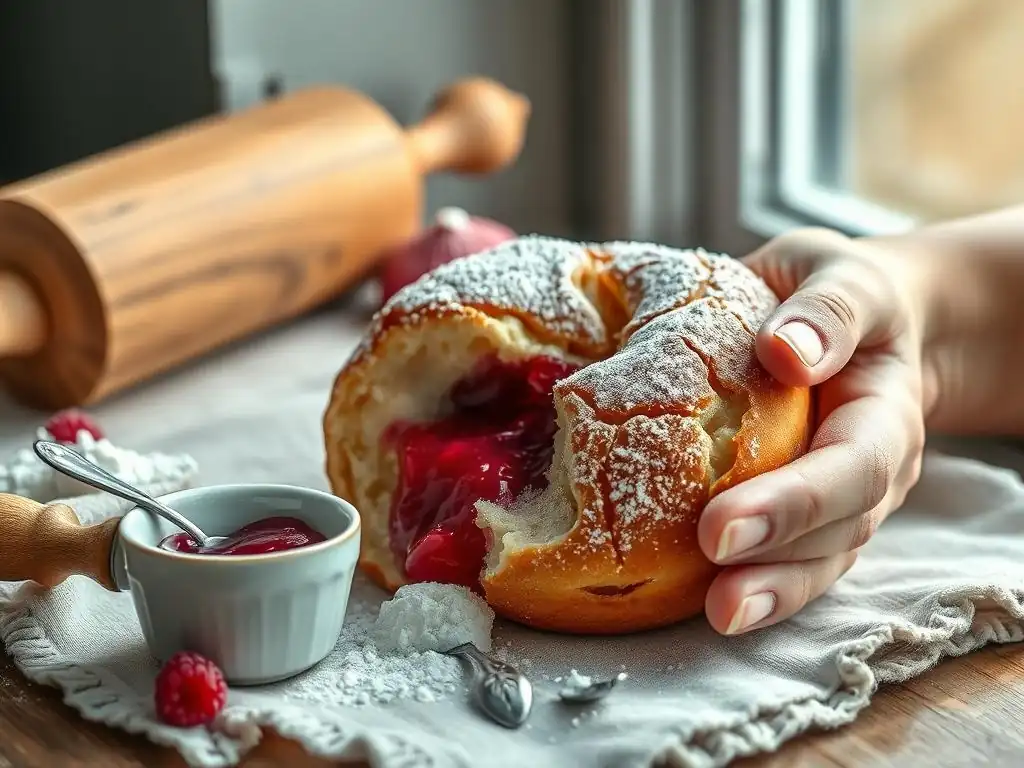
Consider serving them as part of a brunch spread, a coffee break treat, or as the grand finale to a meal. Cutting one in half reveals the generous jelly filling, which is always a satisfying sight. Offering a variety of fillings in one batch can also be a fun way to serve them, allowing guests to choose their favorite easy German jelly doughnut flavor.
Pairing with Beverages
Easy German jelly doughnuts pair wonderfully with classic warm beverages. A hot cup of coffee is a natural companion, with its slight bitterness providing a nice contrast to the doughnut's sweetness and richness. Tea, particularly black tea or a robust herbal blend, also works well. For a cozier feel, hot chocolate is a decadent pairing that enhances the comforting nature of the pastry.
For a more festive occasion, especially if serving them during Carnival or New Year's Eve as is traditional in Germany, consider pairing them with a glass of Sekt (German sparkling wine) or Champagne. While less common, the bubbles and acidity can cut through the richness of the fried dough. Ultimately, the best pairing is your favorite drink enjoyed alongside your delicious homemade easy German jelly doughnut.
One of the greatest joys of baking, especially something as delightful as easy German jelly doughnuts, is sharing the results with others. These pastries are perfect for bringing to a potluck, gifting to neighbors, or simply enjoying with family and friends over coffee. The effort put into making them from scratch is often appreciated, and they are a wonderful way to share a taste of traditional German baking.
Making a batch for a special occasion or holiday adds a personal touch to the celebration. Imagine the smiles as people bite into a warm, fluffy doughnut filled with sweet jelly. Sharing your easy German jelly doughnut creations fosters connection and creates memorable moments around delicious food. It's a simple act that brings warmth and sweetness to any gathering.
Frequently Asked Questions
What is the difference between a Berliner and a Pfannkuchen?
While the names Berliner and Pfannkuchen are often used interchangeably for jelly doughnuts, the regional difference is important. In Berlin, they are called Pfannkuchen, while in other parts of Germany, they are known as Berliner. The name depends on regional dialect.
Are these "Easy German Jelly Doughnuts" fried or baked?
These doughnuts are traditionally fried in hot oil until golden brown. This method creates a characteristic crispy exterior and a soft, airy interior. Baking them will not produce the same results.
What kind of jelly or jam is typically used for filling these doughnuts?
Traditional Berliner or Pfannkuchen are often filled with raspberry jam or jelly. However, other fruit preserves like plum, apricot, or even rose hip jam can also be used. The choice depends on personal preference.
Can I make the dough for these doughnuts ahead of time?
Yes, you can prepare the dough in advance. Allow the dough to rise in the refrigerator overnight. This will slow down the fermentation process and develop a more complex flavor.
What is the best way to prevent the jelly from leaking out of the doughnuts when frying?
Ensure the doughnuts are properly sealed after filling. Use a piping bag with a small nozzle to inject the jelly, and don't overfill them. Also, make sure the oil is at the correct temperature to quickly seal the outside.
Final Reflection: The Sweetness of Tradition and Connection
The simple act of baking, especially a beloved treat like the Pfannkuchen, transcends mere culinary creation; it becomes a powerful bridge connecting generations and cultures. These easy-to-make German jelly doughnuts, far from being just a recipe, offer a tangible link to a rich culinary heritage, readily accessible in our modern kitchens. The ease of the recipe itself democratizes this tradition, allowing anyone to experience the joy of creating something delicious and meaningful.
The enduring appeal of the Pfannkuchen lies not only in its delightful taste but also in the shared experience it fosters. Whether it's the aroma filling your kitchen, the satisfaction of creating something from scratch, or the simple pleasure of sharing these treats with loved ones, the Pfannkuchen embodies the spirit of community and connection. Food is symbolic of love when words are inadequate.
– Alan D. Wolfelt. This sentiment perfectly encapsulates the emotional resonance of baking and sharing these little pockets of sweetness.
Now, I invite you to step into your kitchen and experience the magic for yourself. Don't be intimidated by the seemingly complex process; embrace the simplicity of the recipe and allow the act of baking to transport you. Share your Pfannkuchen with friends and family, creating new memories and strengthening existing bonds. Let the sweet taste of tradition inspire you to explore other culinary adventures, and remember the power of simple pleasures to enrich our lives.
Unlock Your Inner Berliner: Start Baking Today!
Thanks for joining us on this delicious journey into the world of Pfannkuchen! We hope you've gained the confidence to tackle this classic German treat. Ready to bring the taste of Berlin to your kitchen?
- Whip up a batch of Pfannkuchen: Use our recipe as a starting point, and don't be afraid to experiment with fillings! This is your chance to shine.
- Share your creations: Tag us on social media with your Pfannkuchen masterpieces – we’d love to see your baking adventures! Use #BakeWithEasePfannkuchen to connect with other enthusiastic bakers.
- Try a fun variation: Experiment with different fillings or glazes. What unusual flavor combination will you create?
What unique twist will you add to your next batch of Pfannkuchen? Let us know in the comments below!