
Avoiding Sugar Crystallization: Pro Secrets for Clear Sugar Work

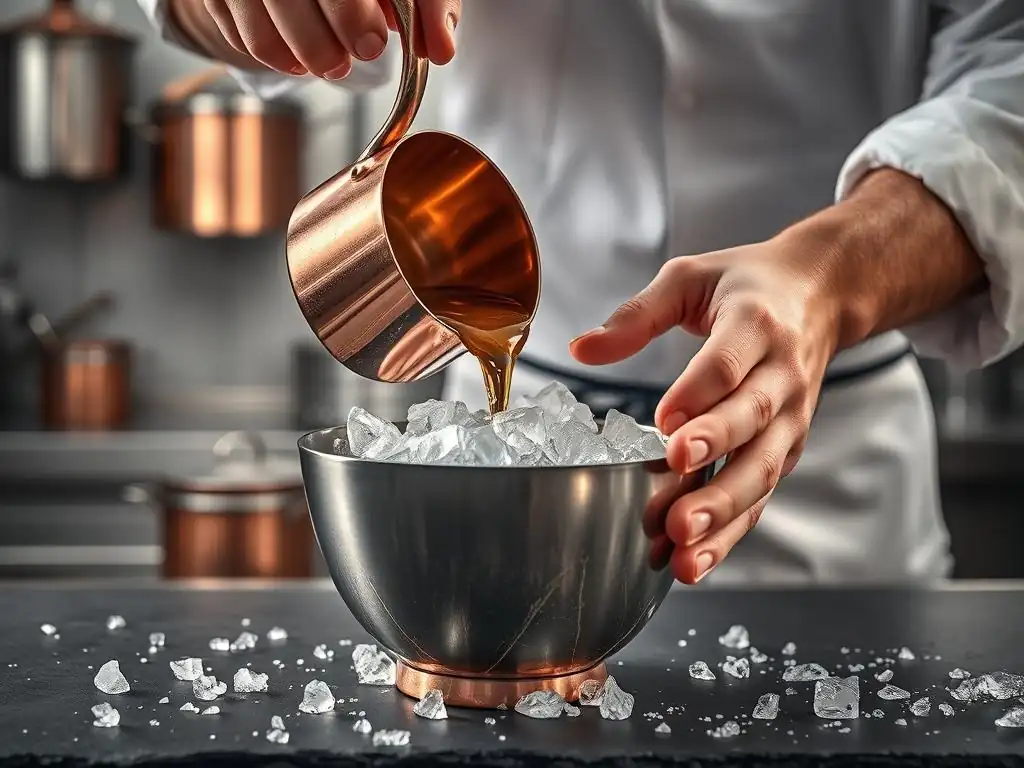
Welcome to BakeWithEase, your haven for baking brilliance! Ever struggled with cloudy sugar work? Unlock the secrets to achieving crystal-clear results with our guide to the perfect clear sugar syrup recipe. Discover the pro techniques that will transform your desserts and leave you wondering why you didn't learn this sooner. Ready to say goodbye to crystallization and hello to flawless sugar creations? Let's dive in!
- Mastering Clear Sugar Work: Preventing Crystallization
- Understanding Sugar Crystallization
- Techniques to Prevent Sugar Crystallization
- Clear Sugar Syrup Recipe
- Troubleshooting
- Storing Clear Sugar Syrup
- Uses for Clear Sugar Syrup
- Conclusion
-
Frequently Asked Questions
- What is clear sugar syrup primarily used for in baking?
- Why is sugar crystallization a common problem when making sugar syrup?
- What's the best way to prevent sugar crystallization when following a clear sugar syrup recipe?
- Can I salvage a sugar syrup if it has already crystallized?
- What ingredients are commonly used in a clear sugar syrup recipe besides sugar and water?
- Final Reflection: The Enduring Sweetness of Clarity
- Unlock Your Sugar-Crafting Potential!
Mastering Clear Sugar Work: Preventing Crystallization
Understanding Sugar Crystallization
Sugar work, whether for delicate spun sugar decorations or a perfectly smooth glaze, relies on creating a stable sugar syrup. The biggest enemy of clear sugar work is crystallization – the process where dissolved sugar molecules rejoin to form solid crystals. This can turn a beautiful, transparent syrup into a cloudy, grainy mess, rendering it unusable for many decorative applications. Understanding why crystallization happens is the first step to preventing it, ensuring your clear sugar syrup recipe efforts are successful.
When sugar (sucrose) is dissolved in water and heated, the water evaporates, increasing the concentration of sugar. As the concentration rises, the sugar molecules get closer together. If conditions are right, these molecules can start linking up, forming small crystals. Once a few crystals form, they act as seeds, attracting more sugar molecules and causing rapid, uncontrolled crystal growth throughout the syrup. This process is what we aim to avoid when making a clear sugar syrup recipe or any sugar work requiring transparency and smoothness.
Factors Influencing Sugar Crystal Formation
Several factors contribute to the likelihood of sugar crystallizing during the heating and cooling process. Being aware of these can help you proactively manage the environment and technique when preparing your clear sugar syrup recipe. These factors include temperature fluctuations, the purity of the sugar used, and any agitation the syrup experiences while it's cooking or cooling.
Temperature
Temperature plays a critical role in sugar syrup. As you heat a sugar solution, the water evaporates, increasing the sugar concentration. Higher temperatures allow more sugar to dissolve. However, rapid cooling or uneven heating can encourage crystallization. For instance, if a hot, concentrated syrup cools too quickly or in a drafty area, the sugar molecules can quickly re-align and form crystals. Maintaining a steady, controlled temperature during the cooking process is crucial for a stable, clear sugar syrup recipe.
When making a clear sugar syrup recipe, reaching specific temperature stages is often necessary for different types of sugar work (like soft ball at 112-115°C or hard crack at 149-154°C). However, the transition between temperatures, especially cooling, is a vulnerable time. Controlling this cooling phase, often by avoiding sudden temperature drops or disturbing the syrup, is key to preventing those unwanted sugar crystals from forming. A gentle cooling process is always preferred for achieving a perfectly clear sugar syrup.
Sugar Purity
The purity of the sugar you use can impact crystallization. While most granulated sugars available for baking are highly refined sucrose, even tiny impurities can act as nucleation points – initiating the formation of crystals. Using high-quality, pure granulated sugar is generally recommended for sugar work to minimize this risk. Some professional sugar artists even prefer specific brands known for their consistent purity.
Minor impurities, or even small undissolved sugar grains clinging to the side of the pan, can provide a surface for dissolved sugar molecules to attach to, starting the crystallization chain reaction. This is why cleanliness and using the best available ingredients contribute significantly to the success of a clear sugar syrup recipe. Starting with pure ingredients reduces the initial potential for crystal formation.
Agitation
Any movement or disturbance of the sugar syrup while it is cooking or cooling can trigger crystallization. Once the sugar is dissolved and the syrup begins to concentrate, stirring, bumping the pan, or even jostling the cooling syrup can cause dissolved sugar molecules to collide and link up, forming crystals. This is particularly true once the syrup reaches higher temperatures and concentrations.
Therefore, a fundamental rule when making a clear sugar syrup recipe is to avoid unnecessary agitation. Resist the urge to stir the syrup once the sugar has dissolved and it starts boiling. If you need to check the temperature, do so gently. During cooling, find a stable spot for the pan where it won't be disturbed. Minimizing movement helps maintain the delicate balance of the supersaturated sugar solution, allowing it to cool smoothly without forming crystals.
Techniques to Prevent Sugar Crystallization
Fortunately, there are several tried-and-true techniques bakers and confectioners use to prevent sugar crystallization and ensure a clear, stable syrup. These methods focus on either preventing the initial formation of crystal seeds or introducing other substances that interfere with the sugar molecules' ability to link up. Mastering these techniques is essential for anyone looking to create a perfect clear sugar syrup recipe.
Implementing these preventive measures from the very beginning of the process dramatically increases your chances of success. It's often easier to prevent crystallization than to fix it once it starts. By paying attention to detail and applying these techniques consistently, you can reliably produce beautifully clear sugar syrup suitable for any delicate sugar work or decorative purpose.
Cleanliness of Equipment
Ensuring all your equipment is spotlessly clean is paramount. Even a single grain of sugar or a speck of food debris left in a saucepan or on a utensil can act as a seed crystal, initiating crystallization in your syrup. Wash your saucepan, spoons, and thermometer thoroughly before you begin. Consider giving your pan a final rinse with hot water just before adding the sugar and water to remove any lingering dust or residue.
Beyond just washing, some professionals even wipe down the inside of their clean pan with a damp cloth before adding ingredients, just to be absolutely sure there are no hidden particles. This meticulous approach might seem excessive, but it's a simple yet highly effective step in guaranteeing that your clear sugar syrup recipe starts with a clean slate, free from potential crystal nucleation sites.
Water Quality
The quality of the water used in your clear sugar syrup recipe can also play a role. While tap water is often fine, water with high mineral content (hard water) can sometimes introduce impurities that might encourage crystallization. Using filtered or distilled water can help minimize this risk, especially if you live in an area with particularly hard tap water.
Using filtered water provides a purer medium for dissolving the sugar, reducing the chance of introducing external particles or minerals that could trigger unwanted crystal growth. While not always strictly necessary, especially with high-quality sugar and other preventive measures, opting for purer water is another layer of defense in ensuring your sugar syrup remains perfectly clear and non-crystallized.
Adding an Acid
One of the most common and effective ways to prevent sugar crystallization is by adding a small amount of acid to the sugar solution. Acids like lemon juice, cream of tartar, or citric acid work by breaking down the sucrose molecule (which is a disaccharide) into its component monosaccharides: glucose and fructose. This process is called inversion, and the resulting mixture is called invert sugar.
The presence of these smaller, different sugar molecules (glucose and fructose) interferes with the ability of the larger sucrose molecules to align and form crystals. Think of it like trying to stack different-sized and shaped blocks – they don't fit together as neatly as identical blocks. This disruption makes it much harder for crystallization to occur, resulting in a more stable and clear sugar syrup recipe.
Role of Acids (Lemon Juice, Cream of Tartar, Citric Acid)
Different acids offer slightly different properties and potencies. Lemon juice is a natural and easily accessible acid, but its strength can vary, and it introduces a slight flavor. Cream of tartar (potassium bitartrate) is a common choice in baking, providing a consistent acidic environment without adding significant flavor. Citric acid, often available in powdered form, is potent and flavorless, making it ideal for sugar work where clarity and purity of taste are paramount.
Cream of tartar is frequently recommended for sugar work because it's reliable and doesn't contribute moisture like lemon juice. A tiny amount, perhaps 1/8 to 1/4 teaspoon per cup of sugar, is often sufficient. Citric acid is even stronger; a pinch is usually enough. The key is to add just enough acid to do the job without making the syrup sour, which is why precise measurement or careful approximation is important for a successful clear sugar syrup recipe.
Acid Dosage
The correct dosage of acid is crucial. Too little acid won't effectively prevent crystallization, while too much can result in a sour taste and potentially make the syrup sticky or hygroscopic (absorbing moisture from the air). The amount needed depends on the type of acid used and the quantity of sugar.
For example, for a recipe using 2 cups of sugar, you might add about 1/4 teaspoon of cream of tartar or just a tiny pinch (maybe 1/16 teaspoon) of powdered citric acid. If using lemon juice, perhaps a teaspoon or two. It's better to err slightly on the side of less acid initially and rely on other techniques if you're unsure, as adding too much can ruin the flavor profile of your clear sugar syrup recipe. Experienced confectioners often develop an intuition for the right amount based on the specific application.
Gentle Heating and Minimal Agitation
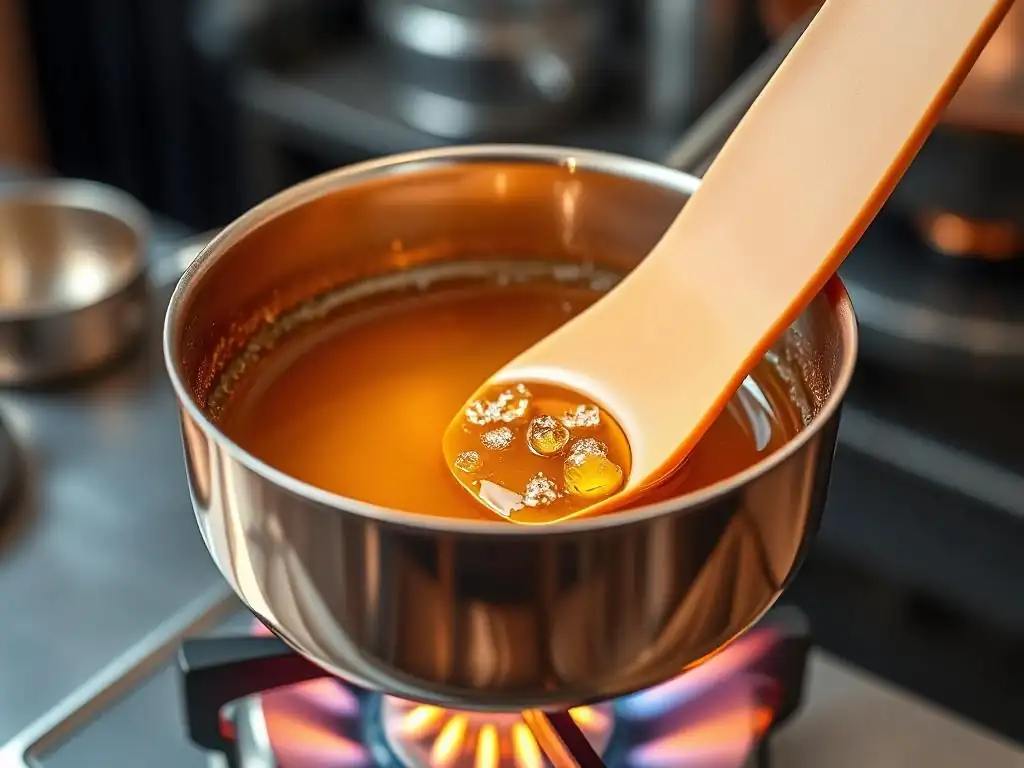
Once the sugar is dissolved in the water (which can be aided by gentle initial stirring over low heat), it's critical to stop stirring and heat the syrup gently and steadily. Rapid boiling can splash the syrup onto the sides of the pan, where water evaporates quickly, leaving behind concentrated sugar crystals that can fall back into the syrup and seed crystallization. Use a medium heat setting to achieve a steady, not violent, boil.
To deal with sugar crystals that might form on the sides of the pan, resist the urge to scrape them down with a spoon. Instead, use a pastry brush dipped in clean water to carefully wash down the sides of the pan into the boiling syrup. The water dissolves the crystals, preventing them from seeding the main batch. This technique, combined with minimal agitation, is vital for maintaining the clarity needed for a perfect clear sugar syrup recipe.
Inversion Method: Creating Invert Sugar
Adding acid is one way to create invert sugar within your syrup. Another method is to actually use commercial invert sugar or corn syrup in your recipe alongside sucrose. Corn syrup, for example, contains glucose, dextrose, and dextrins, which are already in a form that interferes with sucrose crystallization. Using a portion of corn syrup in your clear sugar syrup recipe is a very reliable way to prevent crystallization.
While adding acid creates invert sugar in situ as the syrup cooks, incorporating substances like corn syrup provides the anti-crystallization agents from the start. This can be particularly useful for recipes that require heating to very high temperatures, where the risk of crystallization is higher. It's a common practice in candy making for this very reason, ensuring smooth, non-grainy results.
Invert Sugar and Crystallization Prevention
As mentioned, invert sugar (a mix of glucose and fructose) prevents sucrose molecules from aligning neatly into a crystal lattice. Because the glucose and fructose molecules are different shapes and sizes than sucrose, they physically block the sucrose molecules from linking up effectively. This chaotic mix keeps the sugar in a liquid, non-crystallized state even at high concentrations and lower temperatures than pure sucrose syrup would allow.
This property makes invert sugar or syrups containing glucose/fructose invaluable for applications like fondant, certain candies, and especially clear sugar syrup recipes intended for delicate decorative work. A syrup with a sufficient percentage of invert sugar will remain smooth and liquid for much longer, resisting the common issue of turning grainy over time or when manipulated.
Making Invert Sugar
While you can buy commercial liquid invert sugar, it's also created when you add acid (like cream of tartar or lemon juice) to a sucrose solution and heat it. The heat speeds up the hydrolytic reaction where water molecules, aided by the acid, break the bond between the glucose and fructose parts of the sucrose molecule.
To specifically maximize invert sugar creation in a clear sugar syrup recipe using acid, you might simmer the syrup gently for a period after reaching the desired temperature, although this also concentrates the syrup further. For most purposes in preventing crystallization for general clear syrup, simply adding the acid at the beginning of cooking is sufficient as the boiling process provides enough heat for the inversion to occur effectively. The duration and temperature of heating influence the degree of inversion achieved.
Clear Sugar Syrup Recipe
Creating a clear sugar syrup recipe that resists crystallization is achievable by combining the right ingredients with careful technique. This recipe is designed for sugar work and decorations where clarity and stability are key. It incorporates an acid to help prevent those pesky crystals from forming.
This basic clear sugar syrup recipe can be scaled up or down depending on your needs. Remember that larger batches may take longer to cook and cool. Always prioritize safety when working with hot sugar syrup, as it can cause severe burns. Have a bowl of ice water nearby in case of splashes.
Ingredients
- 2 cups Granulated Sugar
- 1 cup Water
- 1/4 teaspoon Cream of Tartar (or 1 teaspoon Lemon Juice, or a tiny pinch of Citric Acid)
These proportions provide a relatively rich syrup (2:1 sugar to water by volume, or roughly 4:1 by weight, resulting in a syrup around 80-85% sugar concentration when finished), ideal for many sugar work applications. The acid is the crucial ingredient here for preventing crystallization and ensuring your clear sugar syrup recipe stays smooth.
Instructions
Let's walk through the steps to make a beautifully clear, non-crystallizing sugar syrup. Precision and patience are your allies in this process.
Preparation
- Gather all your ingredients and equipment: a clean, heavy-bottomed saucepan, a clean stirring spoon (or just use the brush method later), a pastry brush, a bowl of clean water, and a candy thermometer.
- Ensure your saucepan is immaculately clean. Any residual sugar or debris can ruin the batch. A quick rinse with hot water just before starting can help.
Combining Ingredients
- Add the granulated sugar and water to the clean saucepan.
- Stir gently over low heat only until the sugar is completely dissolved. This is important – once it starts boiling, stop stirring. You'll know the sugar is dissolved when the liquid is clear and you don't feel any grit when stirring.
Adding Acid
- Once the sugar is fully dissolved and before the syrup begins to boil vigorously, add your chosen acid (cream of tartar, lemon juice, or citric acid).
- Give it one final, gentle stir to incorporate the acid. From this point on, avoid stirring or agitating the syrup.
Heating and Monitoring
- Increase the heat to medium-high and bring the syrup to a rolling boil. Do not stir.
- As the syrup boils, use a clean pastry brush dipped in clean water to carefully wash down any sugar crystals that form on the sides of the pan. This is a crucial step for a clear sugar syrup recipe.
- Insert your candy thermometer, ensuring the tip is fully submerged but not touching the bottom of the pan.
- Continue boiling until the syrup reaches your desired temperature for your specific sugar work application (e.g., 149-154°C for hard crack, common for pulled or blown sugar). For a basic clear syrup for general use, boiling just past the soft ball stage (around 120-130°C) is often sufficient if not heated to hard crack temperatures.
Cooling and Storing
- Once the syrup reaches the target temperature, immediately remove the pan from the heat. Do not scrape the bottom or sides.
- Set the pan on a heatproof surface (like a trivet) to cool. Avoid moving the pan or disturbing the syrup while it cools. Do not scrape down the sides now, as it will introduce cooled, potentially crystallized sugar.
- Allow the syrup to cool completely before handling or storing. This might take an hour or more depending on the quantity.
Troubleshooting
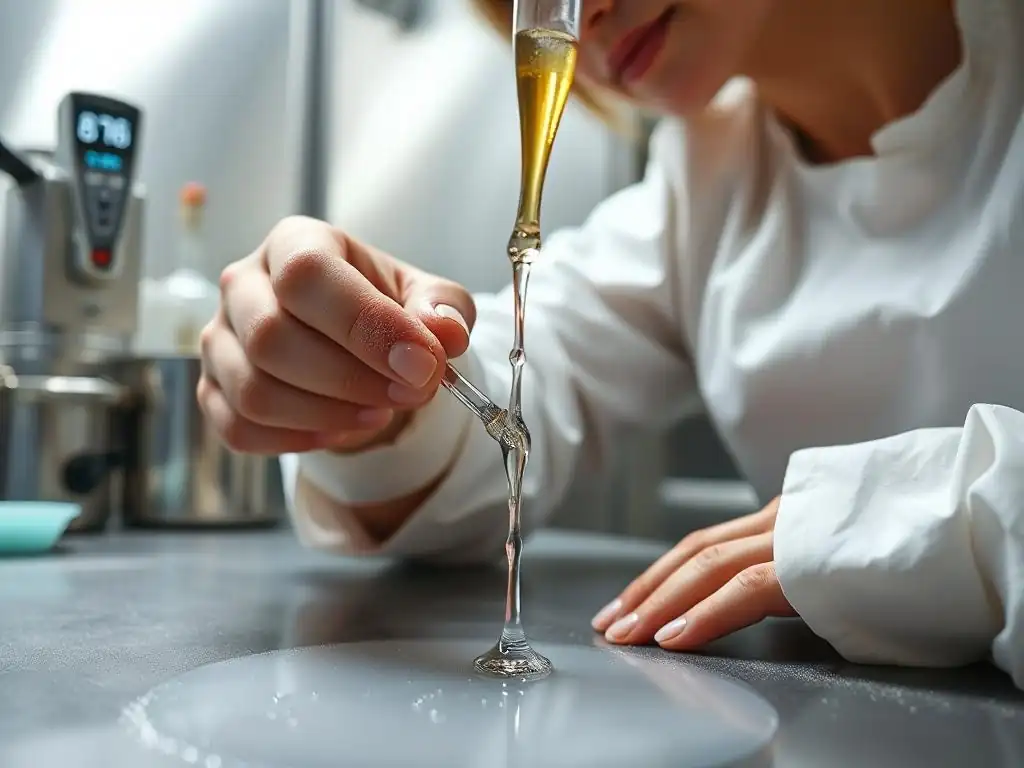
Even with the best techniques, sometimes things go wrong. Here are some common issues encountered when making a clear sugar syrup recipe and how to address them.
Crystallization After Cooling
If your syrup turns cloudy or grainy after it cools, it means crystallization occurred. This often happens if the syrup wasn't heated to a high enough concentration, wasn't cooked long enough after adding acid for sufficient inversion, or was disturbed while cooling.
Unfortunately, once a large batch of syrup has crystallized, it's difficult to return it to a perfectly clear state without reprocessing. You can try adding a little more water and reheating it slowly, stirring gently until dissolved, then boiling again using all the preventive techniques. However, this isn't always successful, and the syrup might still be prone to future crystallization. It's often better to use the grainy syrup for a different purpose (like fudge or certain candies where a crystalline texture is desired) and start over for your clear sugar work needs.
Cloudy Syrup
A cloudy syrup that isn't grainy might be due to impurities in the sugar or water, or simply not boiling it long enough to reach a high concentration and become truly transparent. Sometimes, vigorous boiling can incorporate tiny air bubbles, making the syrup appear cloudy, although these usually dissipate upon standing.
If the cloudiness is due to impurities, there's little you can do once cooked. If it's air bubbles, simply let it rest. Ensuring you use high-quality ingredients and follow the washing-down-the-sides technique helps prevent impurity-related cloudiness in your clear sugar syrup recipe.
Burnt Syrup
Burning sugar is easily identifiable by its dark color and bitter smell. This happens when the heat is too high or the syrup is cooked for too long without monitoring. Once sugar burns, it cannot be salvaged, as the chemical structure changes irreversibly.
Always use a heavy-bottomed pan which distributes heat more evenly, reducing hot spots. Use a reliable thermometer and monitor the temperature constantly, especially as it approaches the target range. If you see any signs of browning or smell burning, immediately remove the pan from the heat. Discard the burnt syrup and start a new batch for your clear sugar syrup recipe.
Storing Clear Sugar Syrup
Proper storage is essential to maintain the clarity and stability of your finished clear sugar syrup recipe. Exposure to air and moisture can encourage crystallization over time.
Containers and Conditions
Store cooled clear sugar syrup in airtight containers. Glass jars with tight-fitting lids are ideal. Ensure the container is completely clean and dry before filling. Fill the container close to the top to minimize the amount of air trapped inside.
Store the sealed container at room temperature in a cool, dry place, away from direct sunlight or significant temperature fluctuations. Refrigeration is generally not necessary and can sometimes encourage crystallization due to the colder temperature.
Shelf Life
When stored correctly in an airtight container, a well-made clear sugar syrup recipe with added acid can last for several months, often up to 6-12 months or even longer. The high sugar concentration acts as a preservative.
Over time, it might slightly darken in color, but it should remain clear and liquid. If you notice any cloudiness, graininess, or off smells, it's best to discard it. Labeling the container with the date you made the syrup is a good practice to keep track of its age.
Uses for Clear Sugar Syrup
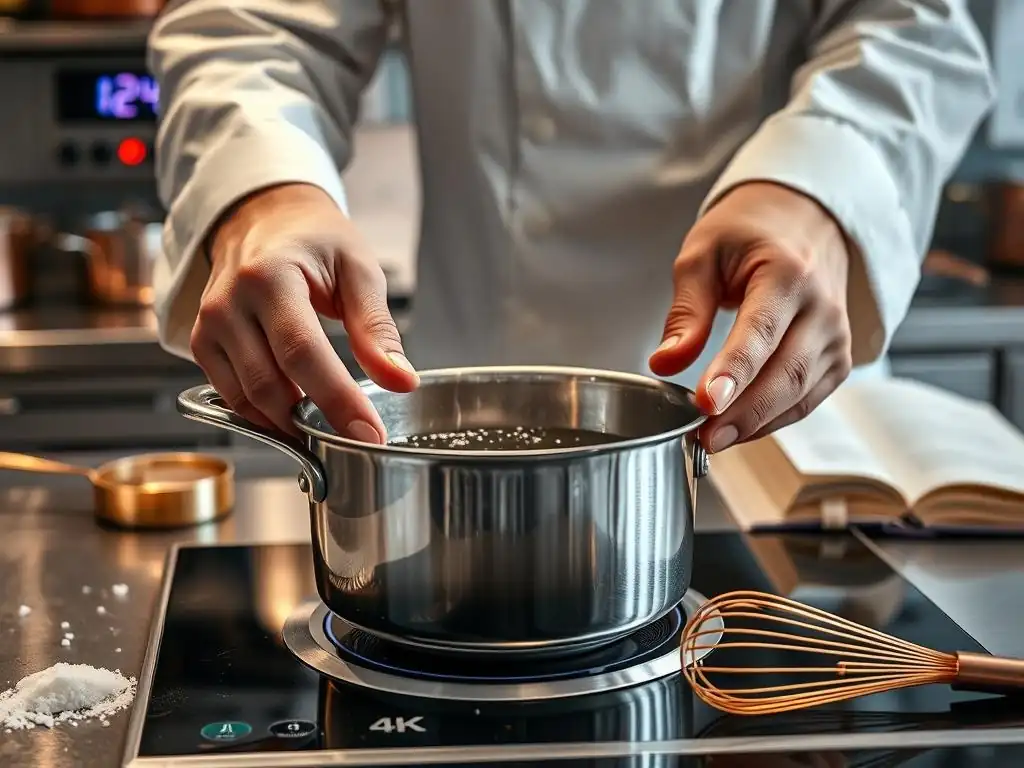
A perfectly executed clear sugar syrup recipe is a versatile ingredient in the world of baking and confectionery, opening up possibilities for stunning decorations and applications.
Sugar Decorations
The primary use for high-temperature clear sugar syrup is creating elaborate sugar decorations like pulled sugar, blown sugar, or spun sugar. Its clarity allows for vibrant colors when food coloring is added, and its stability (due to the inversion) keeps the creations from quickly turning cloudy or grainy.
From delicate sugar flowers and ribbons to intricate cages and sculptures, clear sugar syrup is the foundation for many advanced confectionery art pieces. Achieving a non-crystallized syrup is paramount for these applications, as any graininess would ruin the smooth, glass-like finish.
Candied Fruit and Flowers
Clear sugar syrup is also used in candying fruits or flowers. The items are slowly simmered or dipped in the syrup, allowing the sugar to penetrate the tissues and replace the water. As the syrup cools and dries, it forms a clear, sweet coating that preserves the item.
A clear, stable syrup ensures that the candied items have a beautiful, transparent glaze rather than a dull, sugary coating. This technique is used for everything from candied citrus peels to delicate edible flowers used to adorn cakes and pastries.
Cake Drizzles and Glazes
While simple syrup (equal parts sugar and water) is often used for moistening cakes, a slightly richer or acid-stabilized clear sugar syrup can be used for glazes or drizzles where a non-crystallizing, glossy finish is desired.
For instance, a clear syrup can be flavored with extracts or liqueurs and drizzled over tarts or pastries for shine, or used as a base for clear poured glazes. The anti-crystallization properties ensure the glaze remains smooth and doesn't turn sugary on the surface.
Conclusion
Mastering the art of preventing sugar crystallization is a fundamental skill for anyone venturing into sugar work or aiming for perfectly clear sugar syrup in their baking. By understanding the factors that cause crystallization – temperature, purity, and agitation – and applying the key techniques like maintaining cleanliness, using quality water, adding acid, and controlling heating and cooling, you can consistently achieve smooth, clear results.
Following a reliable clear sugar syrup recipe that incorporates these principles is your roadmap to success. With practice and attention to detail, you'll be creating beautiful sugar decorations and stable syrups with confidence, elevating your baking creations to new heights.
Frequently Asked Questions
What is clear sugar syrup primarily used for in baking?
Clear sugar syrup is versatile, but is often used to moisten cakes, add shine to pastries, or as a base for glazes. Its clarity is especially important when visual appeal matters.
Why is sugar crystallization a common problem when making sugar syrup?
Crystallization occurs when sugar molecules re-form into solid crystals instead of remaining dissolved in the syrup. This can be due to impurities or improper heating.
What's the best way to prevent sugar crystallization when following a clear sugar syrup recipe?
To prevent crystallization, use distilled water and add an acid like lemon juice or cream of tartar to the syrup mixture. Avoid agitating the syrup while it's cooking.
Can I salvage a sugar syrup if it has already crystallized?
Yes, you can often salvage it! Add a little more water and acid (lemon juice or cream of tartar) and gently reheat the syrup until the crystals dissolve completely.
What ingredients are commonly used in a clear sugar syrup recipe besides sugar and water?
A typical clear sugar syrup recipe uses sugar, water, and a small amount of acid, such as lemon juice, vinegar, or cream of tartar. This acid helps prevent crystallization.
Final Reflection: The Enduring Sweetness of Clarity
The pursuit of a perfectly clear sugar syrup transcends mere aesthetics; it's a testament to precision, patience, and the enduring power of understanding fundamental principles. A flawlessly clear syrup isn't just visually appealing in cocktails, candies, and preserves; it represents a mastery of the delicate balance between sugar, water, and heat. In a world increasingly focused on instant gratification, the meticulous process of achieving this clarity offers a valuable lesson in mindful creation.
The impact of understanding sugar crystallization extends far beyond the kitchen. The principles of controlled heating and precise measurements resonate with various aspects of life, demanding attention to detail and a willingness to learn from both successes and failures. The only way to do great work is to love what you do.
- Steve Jobs. This quote, while seemingly unrelated to sugar syrup, perfectly encapsulates the dedication and passion required to master any craft, including the art of creating crystal-clear sugar solutions. The pursuit of perfection, even in something as seemingly simple as syrup-making, fosters a deeper appreciation for process and outcome.
Now, consider your own pursuits. What seemingly small details, like the precise temperature of your sugar solution, hold the key to achieving your larger goals? Take a moment to reflect on the areas of your life where patience, precision, and a deep understanding of the fundamentals are crucial for success. Embrace the process, learn from your mistakes, and strive for clarity—not just in your sugar work, but in all your endeavors. The sweetness of achievement is far more rewarding when earned through dedication and understanding.
Unlock Your Sugar-Crafting Potential!
Thanks for joining us on this journey into the fascinating world of sugar work! You've now learned valuable techniques to avoid those pesky sugar crystals and create flawlessly clear confections. Ready to put your new skills to the test?
- Craft your masterpiece: Try out one of the recipes mentioned in the article – challenge yourself to create something truly stunning! We bet the results will be incredibly rewarding.
- Share your success: Post a picture of your creation on social media and tag us @BakeWithEase – let's celebrate your beautiful work!
- Explore our other resources: Dive deeper into the art of baking with our extensive library of articles and tutorials on bakewithease.com. Find more tips and tricks to level up your baking skills.
What incredible sugar creation will you be tackling first?