
Bake in a Flash: Speedy Quick Bread Recipes for Beginners

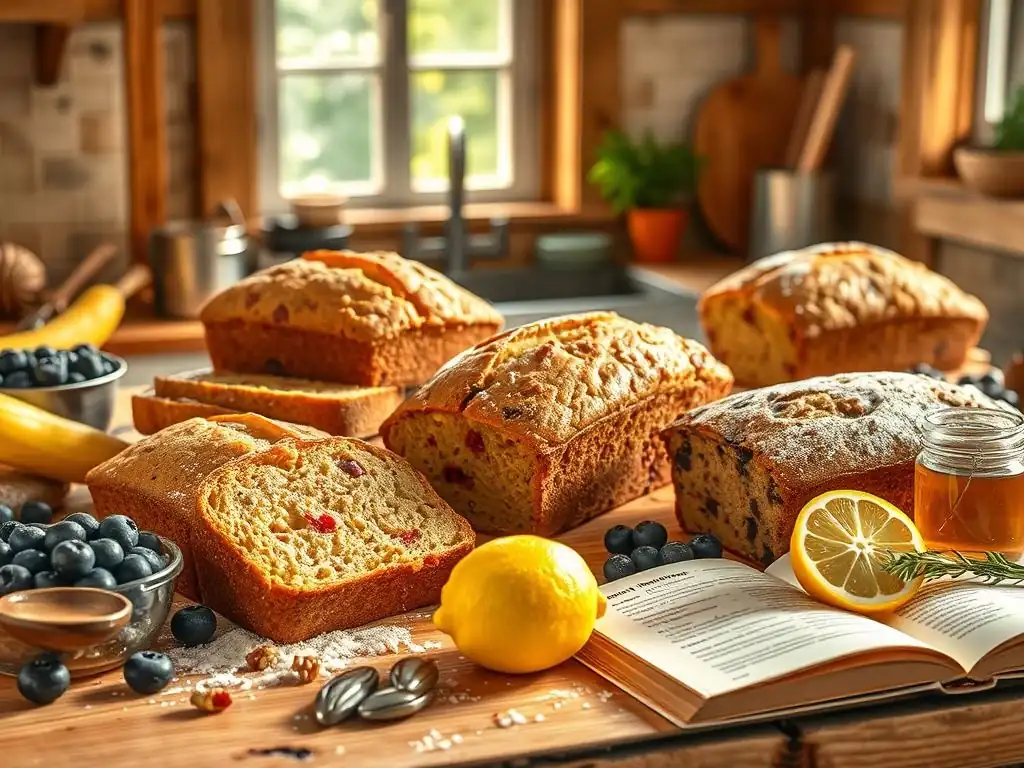
Welcome to BakeWithEase, your trusted guide to baking bliss!
Ever dreamed of enjoying freshly baked bread without the fuss? Dive into our collection of quick bread recipes for beginners and discover how you can whip up delicious loaves in no time. Uncover the secrets to effortless baking and unlock a world of flavorful possibilities, all without the need for yeast or extensive kneading. Ready to experience the joy of homemade bread, even on a busy schedule? Let's get baking!
- Introduction to Quick Bread Baking for New Bakers
- Essential Ingredients for Beginner-Friendly Quick Breads
- Top 5 Quick Bread Recipes for Beginners: BakeWithEase's Favorites
- Quick Bread Baking Tips and Tricks for Beginners from BakeWithEase
- Troubleshooting Common Quick Bread Baking Problems for Beginners
- Beyond the Basics: Quick Bread Variations for Aspiring Bakers
- Conclusion: Your Journey to Quick Bread Baking Mastery with BakeWithEase
- Frequently Asked Questions
- Final Reflection: The Joy of Baking, Instantly
- Unlock Your Inner Baker: Quick Breads Await!
Introduction to Quick Bread Baking for New Bakers
What Makes a Quick Bread "Quick"?
Quick breads earn their name from their speedy preparation process, primarily because they don't rely on yeast for leavening. Unlike traditional yeasted breads that require kneading and hours of rising time, quick breads use chemical leavening agents like baking powder or baking soda.
These agents produce carbon dioxide gas almost instantly when mixed with liquid and/or heat, causing the batter or dough to rise quickly without the lengthy fermentation associated with yeast. This chemical reaction allows you to mix the ingredients, pour the batter into a pan, and bake it right away, making them perfect quick bread recipes for beginners looking for fast results.
This rapid leavening process is the defining characteristic of quick breads, setting them apart from their yeasted counterparts. The lack of kneading also contributes to their ease and speed. While yeasted doughs require significant manipulation to develop gluten structure, quick bread batters are typically mixed just until the ingredients are combined. This minimal handling prevents tough results and keeps the process simple and fast, ideal for anyone exploring quick bread recipes for beginners. The entire process, from mixing to baking, can often be completed in under an hour for many types of quick breads.
Why Quick Bread Recipes Are Perfect for Beginner Bakers
Quick bread recipes are an excellent starting point for anyone new to baking. They are incredibly forgiving compared to yeasted breads or delicate pastries. The reliance on chemical leaveners means you don't have to worry about proofing times, water temperature for yeast activation, or the nuances of kneading. The mixing method is usually straightforward – combining dry ingredients in one bowl and wet in another, then mixing them together briefly. This simplicity minimizes the chances of common baking pitfalls like under-proofing or over-kneading.
Furthermore, the variety of quick bread recipes available means there's something for every taste, from sweet options like banana bread and muffins to savory choices like cornbread. This allows beginners to explore different flavors and textures while mastering a fundamental baking technique. Successfully baking a quick bread provides a rewarding experience and builds confidence, encouraging new bakers to tackle more complex recipes in the future. They truly are among the most accessible and enjoyable beginner quick bread recipes you can find.
Essential Ingredients for Beginner-Friendly Quick Breads
Flour Power: Choosing the Right Flour for Quick Bread Recipes
For most quick bread recipes designed for beginners, all-purpose flour is the go-to choice. It's widely available, relatively inexpensive, and provides a good balance of protein content, which is crucial for structure. All-purpose flour typically has a protein content ranging from 10% to 12%. This level is sufficient to give the quick bread structure without making it tough, provided you don't overmix the batter. Using a standard all-purpose flour ensures consistent results across various easy quick bread recipes.
While other flours like whole wheat or pastry flour can be used in quick breads, they require adjustments to liquid ratios and mixing techniques. Whole wheat flour, for instance, absorbs more liquid and has a higher protein content, which can lead to a denser loaf if not properly handled. Pastry flour has a lower protein content, resulting in a more tender crumb, but it might require less mixing. For beginners, sticking to the flour specified in the recipe, usually all-purpose, is the simplest path to success with quick bread baking for beginners.
Leavening Agents: Baking Powder vs. Baking Soda in Quick Breads
Baking powder and baking soda are the stars of quick bread leavening. Baking soda is a single ingredient (sodium bicarbonate) that requires an acid (like buttermilk, yogurt, or brown sugar) to activate and produce carbon dioxide gas. It starts working the moment it comes into contact with the acid and liquid. Recipes using baking soda often have a tangy flavor profile due to the necessary acidic component. A typical quick bread might use anywhere from 1/2 teaspoon to 2 teaspoons of baking soda depending on the recipe's size and acidic ingredients.
Baking powder, on the other hand, is a complete leavening system containing baking soda, an acid (often cream of tartar), and a starch (like cornstarch). Most baking powders are "double-acting," meaning they produce gas twice: once when mixed with liquid and again when heated in the oven. This double action provides a more reliable and sustained lift, making it very beginner-friendly. Many quick bread recipes rely heavily on baking powder, using amounts like 1 to 2 teaspoons per cup of flour, providing consistent lift without requiring additional acidic ingredients.
Sweeteners: Understanding Sugar's Role in Quick Bread Baking
Sugar plays several important roles in quick bread recipes beyond just providing sweetness. Granulated sugar, brown sugar, or other sweeteners contribute to the tenderness and moisture of the finished product. Sugar is hygroscopic, meaning it attracts and retains moisture, which helps keep the quick bread from drying out. It also interferes with gluten development, contributing to a softer, more tender crumb. A typical sweet quick bread recipe might contain anywhere from 1/2 cup to 1 1/2 cups of sugar, depending on the desired level of sweetness and moisture.
Different types of sugar also impart different flavors and textures. Brown sugar, with its molasses content, adds moisture and a richer flavor, often used in recipes like banana or pumpkin bread. Granulated sugar provides clean sweetness and helps with browning. Beyond moisture and flavor, sugar also aids in crust formation and contributes to the appealing golden-brown color of baked quick breads. Understanding these roles helps beginners appreciate why the amount and type of sugar are specified in their quick bread recipes.
Liquids: Milk, Buttermilk, and Their Impact on Quick Bread Texture
Liquids are essential in quick bread recipes as they hydrate the flour, dissolve the sugar and salt, and activate the leavening agents. Common liquids include milk, buttermilk, yogurt, water, and fruit purees. The type of liquid significantly impacts the texture and flavor of the final quick bread. Milk, for instance, provides moisture and helps create a tender crumb due to its fat content (if using whole milk). A standard loaf-sized quick bread might use between 1/2 cup and 1 cup of milk.
Buttermilk is a popular choice in many quick bread recipes for beginners, especially those using baking soda. Its acidity reacts with the baking soda, producing significant lift and contributing to a light, tender texture. The acidity also adds a subtle tang that can enhance the flavor profile. Using buttermilk instead of regular milk often requires a recipe specifically formulated for it due to the acid-baking soda reaction. Other liquids like sour cream or yogurt also add richness and moisture while contributing acidity for leavening reactions.
Top 5 Quick Bread Recipes for Beginners: BakeWithEase's Favorites
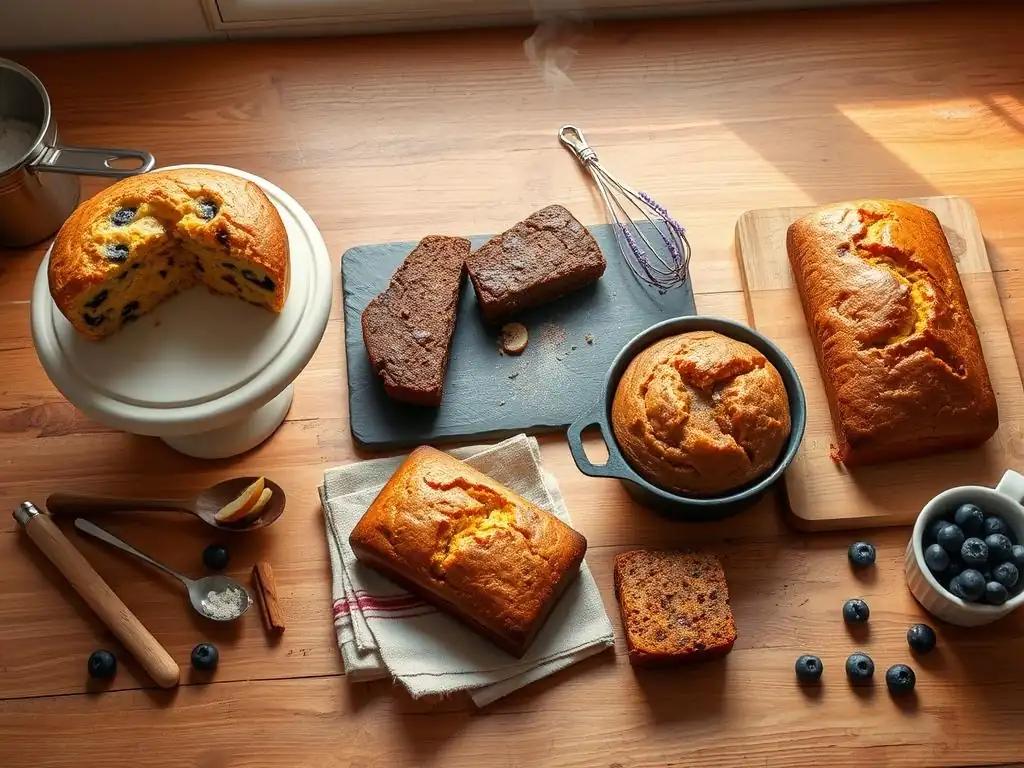
Recipe 1: Classic Banana Bread - A Beginner's Delight
Classic banana bread is arguably the most popular quick bread and a perfect starting point for anyone exploring quick bread recipes for beginners. It's forgiving, uses simple pantry staples, and the natural moisture from overripe bananas makes it difficult to mess up. This recipe typically yields one standard loaf, perfect for sharing or enjoying throughout the week. The aroma of baking banana bread is incredibly comforting and signals a successful beginner baking project.
The key to delicious banana bread lies in using very ripe, spotty bananas. As bananas ripen, their starches convert to sugar, making them sweeter and softer, providing natural moisture and intense banana flavor. Using 2-3 medium very ripe bananas is standard for a loaf. The rest of the ingredients are basic: flour, sugar, eggs, butter or oil, baking soda, and salt. It's a straightforward mix-and-bake process that guarantees a moist, flavorful result, embodying the ease of easy quick bread recipes.
Ingredients for Classic Banana Bread
- 2 to 3 very ripe bananas, mashed
- 1/3 cup melted butter or vegetable oil
- 1/2 cup granulated sugar (or 1/4 cup granulated and 1/4 cup brown sugar)
- 1 large egg, beaten
- 1 teaspoon vanilla extract
- 1 teaspoon baking soda
- Pinch of salt
- 1 1/2 cups all-purpose flour
- Optional: 1/2 cup chopped nuts (walnuts or pecans) or chocolate chips
Step-by-Step Baking Instructions for Banana Bread
Here are the simple steps for baking this classic quick bread:
- Preheat your oven to 350°F (175°C). Grease a 9x5 inch loaf pan.
- In a large bowl, mash the ripe bananas thoroughly with a fork.
- Stir the melted butter or oil into the mashed bananas.
- Mix in the sugar, beaten egg, and vanilla extract until well combined.
- In a separate medium bowl, whisk together the baking soda, salt, and all-purpose flour.
- Add the dry ingredients to the wet ingredients. Stir just until combined. Do not overmix. If using nuts or chocolate chips, fold them in gently now.
- Pour the batter into the prepared loaf pan.
- Bake for 50 to 65 minutes, or until a toothpick inserted into the center comes out clean. Baking time can vary based on your oven and the ripeness of your bananas.
- Let the banana bread cool in the pan for 10 minutes before turning it out onto a wire rack to cool completely.
- Slice and enjoy your homemade quick bread!
Recipe 2: Simple Zucchini Bread for New Bakers
Zucchini bread is another fantastic quick bread recipe for beginners, especially during zucchini season. It's incredibly moist, subtly spiced, and a clever way to use up extra zucchini. Don't worry, you won't taste the zucchini itself; it simply adds moisture and tenderness to the loaf. This recipe is often spiced with cinnamon and nutmeg, giving it a warm, comforting flavor profile similar to other spiced quick breads.
Using grated zucchini might seem unusual, but it's a classic quick bread technique. For a standard loaf, you'll typically need about 1 to 1.5 cups of grated zucchini. It's important to gently squeeze out some excess moisture from the grated zucchini, but not too much, as that moisture is key to the bread's texture. The rest of the ingredients follow the standard quick bread formula: flour, sugar, eggs, oil, baking soda/powder, and spices. It's a straightforward wet-into-dry mixing method, making it one of the easiest quick bread recipes.
Ingredients for Simple Zucchini Bread
- 1.5 cups grated zucchini (about 1 medium zucchini), excess moisture squeezed out
- 1/3 cup vegetable oil (or melted butter)
- 1 large egg, beaten
- 1/2 cup granulated sugar
- 1/4 cup brown sugar (optional, adds moisture and flavor)
- 1 teaspoon vanilla extract
- 1/2 teaspoon baking soda
- 1/4 teaspoon baking powder (if not using brown sugar, use 1/2 tsp baking powder)
- 1/4 teaspoon salt
- 1 teaspoon ground cinnamon
- 1/4 teaspoon ground nutmeg
- 1 1/2 cups all-purpose flour
- Optional: 1/2 cup chopped nuts or dried cranberries
Easy Baking Steps for Zucchini Bread
Follow these simple steps to bake your first zucchini quick bread:
- Preheat oven to 350°F (175°C). Grease and flour a 9x5 inch loaf pan.
- In a large bowl, combine the grated zucchini, oil (or melted butter), beaten egg, granulated sugar, brown sugar (if using), and vanilla extract. Mix well.
- In a separate medium bowl, whisk together the baking soda, baking powder (if using), salt, cinnamon, nutmeg, and all-purpose flour.
- Add the dry ingredients to the wet ingredients. Stir just until the flour streaks disappear. Fold in nuts or cranberries if desired. Be careful not to overmix.
- Pour the batter into the prepared loaf pan.
- Bake for 45 to 55 minutes, or until a toothpick inserted into the center comes out clean.
- Let the loaf cool in the pan for 10 minutes before transferring it to a wire rack to cool completely.
- Slice and enjoy this moist and delicious quick bread!
Recipe 3: Delicious Pumpkin Bread: A Fall Baking Staple for Beginners
Pumpkin bread is a beloved quick bread, especially popular during the autumn months, and it's another excellent option for quick bread recipes for beginners. Its moist, tender crumb and warm spice profile make it a comforting treat. Like banana and zucchini bread, the pumpkin puree contributes significant moisture, making the batter very forgiving. This recipe typically yields one standard loaf.
Canned pumpkin puree (not pumpkin pie filling) is the key ingredient, providing flavor, color, and moisture. A standard loaf often uses about 1 to 1.5 cups of pumpkin puree. The spices are crucial here; a blend of cinnamon, nutmeg, cloves, and ginger creates that signature pumpkin spice flavor. This quick bread also relies on the standard wet-into-dry mixing method and chemical leaveners for its rise, making it straightforward and ideal for beginner quick bread baking.
Ingredients for Delicious Pumpkin Bread
- 1.5 cups canned pumpkin puree (about half of a 15 oz can)
- 1/3 cup vegetable oil (or melted butter)
- 1 large egg, beaten
- 1/2 cup granulated sugar
- 1/2 cup brown sugar
- 1 teaspoon vanilla extract
- 1 teaspoon baking soda
- 1/2 teaspoon baking powder
- 1/4 teaspoon salt
- 1 teaspoon ground cinnamon
- 1/2 teaspoon ground nutmeg
- 1/4 teaspoon ground cloves
- 1/4 teaspoon ground ginger
- 1 3/4 cups all-purpose flour
- Optional: 1/2 cup chocolate chips or chopped pecans
Baking Pumpkin Bread: A Step-by-Step Guide
Follow these steps for a perfect pumpkin quick bread:
- Preheat oven to 350°F (175°C). Grease and flour a 9x5 inch loaf pan.
- In a large bowl, combine the pumpkin puree, oil (or melted butter), beaten egg, granulated sugar, brown sugar, and vanilla extract. Mix until smooth.
- In a separate medium bowl, whisk together the baking soda, baking powder, salt, cinnamon, nutmeg, cloves, ginger, and all-purpose flour.
- Add the dry ingredients to the wet ingredients. Stir just until combined and no dry streaks remain. Fold in chocolate chips or nuts if desired. Avoid overmixing.
- Pour the batter into the prepared loaf pan.
- Bake for 50 to 65 minutes, or until a toothpick inserted into the center comes out clean.
- Let the loaf cool in the pan for 10-15 minutes before transferring it to a wire rack to cool completely.
- Slice and enjoy your spiced pumpkin quick bread!
Recipe 4: Effortless Cornbread - A Savory Quick Bread Option
Cornbread is a classic savory quick bread that's incredibly easy and satisfying, making it a great addition to your list of quick bread recipes for beginners. Unlike the sweet quick breads listed above, cornbread is often baked in a cast iron skillet, which gives it a wonderfully crispy crust, or in a square baking pan. It pairs perfectly with chili, soups, or stews.
The primary ingredients are cornmeal and flour, typically in roughly equal proportions or with slightly more cornmeal for a more rustic texture. Liquids like milk, buttermilk, or yogurt are common, along with eggs, a little sugar (for tenderness, not necessarily sweetness), baking powder, and salt. Some recipes also include melted butter or oil for moisture. The mixing method is simple: combine wet and dry ingredients, then bake. This straightforward process highlights why cornbread is considered one of the easiest quick bread recipes.
Ingredients for Effortless Cornbread
- 1 cup all-purpose flour
- 1 cup yellow cornmeal
- 1/4 cup granulated sugar (adjust to your sweetness preference, can use less or omit)
- 1 tablespoon baking powder
- 1/2 teaspoon salt
- 1 large egg, beaten
- 1 cup milk or buttermilk
- 1/4 cup melted butter or vegetable oil
Baking Cornbread: The Easy Way
Bake this simple cornbread with these steps:
- Preheat oven to 400°F (200°C). If using a cast iron skillet (8 or 9-inch), place a tablespoon of butter or oil in it and put it in the oven while it preheats. If using an 8x8 inch baking pan, grease it.
- In a large bowl, whisk together the flour, cornmeal, sugar, baking powder, and salt.
- In a separate medium bowl, whisk together the beaten egg, milk (or buttermilk), and melted butter or oil.
- Pour the wet ingredients into the dry ingredients. Stir just until combined. A few lumps are okay; do not overmix.
- Carefully pour the batter into the hot skillet (the butter should be sizzling) or prepared baking pan.
- Bake for 20 to 25 minutes, or until the edges are golden brown and a toothpick inserted into the center comes out clean.
- Let cool slightly before slicing and serving warm.
Recipe 5: Blueberry Muffins: Quick Bread in Muffin Form
Muffins are essentially individual quick breads baked in muffin tins, and blueberry muffins are a classic choice for quick bread recipes for beginners. They are quick to mix, bake relatively fast, and are perfect for breakfast or a snack. The principles of quick bread baking apply directly to muffins, making them an easy next step after mastering a loaf.
The key to great blueberry muffins is not overmixing the batter and gently folding in the blueberries. Using fresh or frozen blueberries works well; if using frozen, don't thaw them, just toss them in a little flour before adding to the batter to prevent them from sinking. A standard recipe for 12 muffins uses about 1.5 to 2 cups of flour and about 1 cup of blueberries. The wet-into-dry method with minimal mixing is crucial for tender muffins, avoiding tough, peaked tops.
Ingredients for Blueberry Muffins
- 1 3/4 cups all-purpose flour
- 2/3 cup granulated sugar
- 2 teaspoons baking powder
- 1/4 teaspoon salt
- 1 large egg, beaten
- 3/4 cup milk
- 1/4 cup vegetable oil (or melted butter)
- 1 teaspoon vanilla extract
- 1 cup fresh or frozen blueberries (toss frozen blueberries in 1 tbsp flour)
Baking Blueberry Muffins: A Beginner's Baking Project
Bake these easy blueberry muffins following these steps:
- Preheat oven to 400°F (200°C). Line a 12-cup muffin tin with paper liners or grease the cups well.
- In a large bowl, whisk together the flour, sugar, baking powder, and salt.
- In a separate medium bowl, whisk together the beaten egg, milk, oil (or melted butter), and vanilla extract.
- Pour the wet ingredients into the dry ingredients. Stir just until combined. The batter will be lumpy; do not overmix.
- Gently fold in the blueberries.
- Divide the batter evenly among the prepared muffin cups, filling each about two-thirds full.
- Bake for 18 to 22 minutes, or until the tops are golden brown and a toothpick inserted into the center of a muffin comes out clean.
- Let the muffins cool in the tin for a few minutes before transferring them to a wire rack to cool slightly.
- Enjoy warm or at room temperature!
Quick Bread Baking Tips and Tricks for Beginners from BakeWithEase
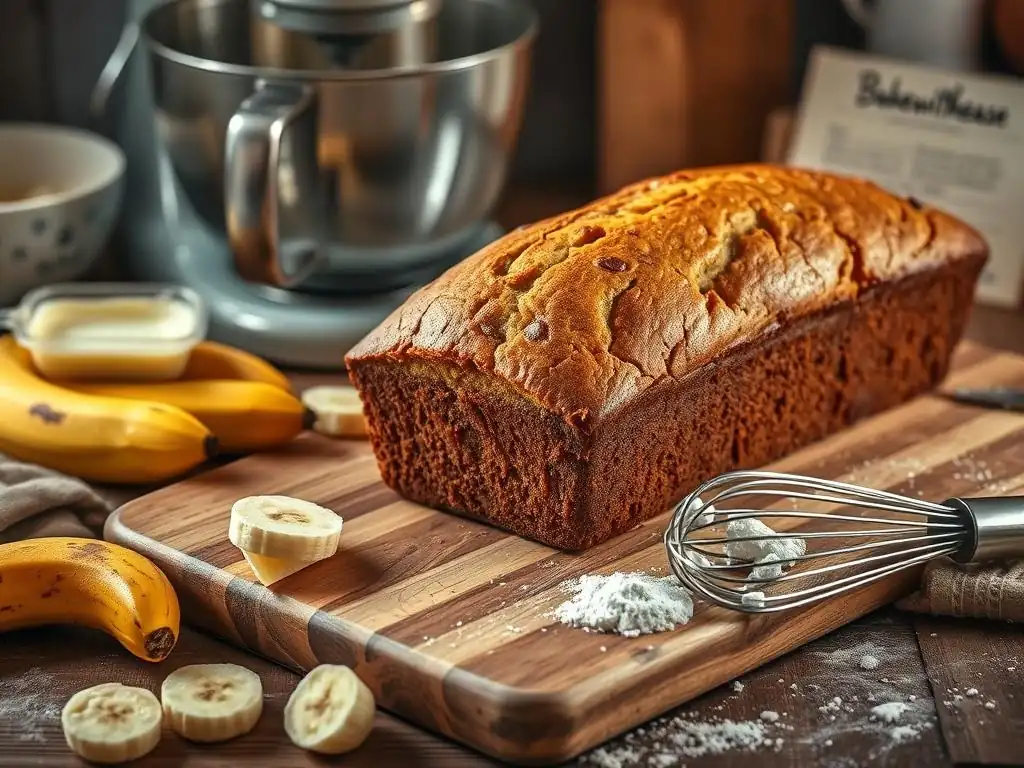
Measuring Ingredients Accurately for Quick Bread Success
Accurate ingredient measurement is fundamental to successful quick bread baking, especially for beginners. Using the correct technique ensures the right balance of ingredients, which affects texture, rise, and flavor. For dry ingredients like flour, the "spoon and level" method is highly recommended: gently spoon the flour into your measuring cup until it overflows, then level off the excess with a straight edge (like the back of a knife) without packing the flour down. Packing can add significantly more flour than intended, leading to a dry, dense quick bread.
Liquid ingredients should be measured at eye level using clear liquid measuring cups. Place the cup on a flat surface and pour the liquid until it reaches the desired mark when viewed from the side. Small amounts of ingredients like baking powder, baking soda, salt, and spices should be measured using standard measuring spoons, ensuring they are level. Precise measurement, even for simple quick bread recipes, helps guarantee repeatable, delicious results every time you bake.
Mixing Techniques: Avoiding Overmixing in Quick Bread Recipes
One of the most critical tips for quick bread baking for beginners is to avoid overmixing the batter. Quick breads rely on chemical leaveners and tender crumb structures, which are compromised by excessive mixing. When you mix flour with liquid, gluten begins to develop. While some gluten is needed for structure, too much development in a quick bread leads to a tough, rubbery texture. This is the opposite of the desired tender, moist result.
The standard technique is the "muffin method": combine all dry ingredients in one bowl, all wet ingredients in another, then pour the wet into the dry and mix just until the dry ingredients are incorporated. You should stop mixing as soon as you no longer see streaks of dry flour. A few lumps are perfectly acceptable and even desirable in some batters like muffins. This minimal mixing ensures that the leavening agents do their job effectively and the gluten development is kept to a minimum, resulting in a light and tender quick bread.
Oven Temperature and Baking Time: Getting It Right for Quick Breads
Correct oven temperature is vital for proper quick bread baking. Ovens can vary significantly, sometimes by as much as 25-50°F (15-30°C) from the dial setting. Using an oven thermometer is a simple way to ensure your oven is heating accurately. Baking quick breads at the temperature specified in the recipe, typically around 350-375°F (175-190°C), ensures that they rise properly and bake through evenly without burning the exterior before the interior is cooked.
Baking time is also crucial and can vary based on the specific recipe, the size and material of your pan, and your oven's calibration. A typical loaf-sized quick bread baked at 350°F will take anywhere from 45 to 65 minutes. Muffins bake much faster, usually 18-25 minutes at 375-400°F.
The best way to check for doneness is to insert a toothpick or thin skewer into the center of the loaf or muffin. If it comes out clean or with just a few moist crumbs attached, the quick bread is done. If it comes out with wet batter, continue baking for a few more minutes and test again.
Cooling and Storing Your Homemade Quick Breads
Allowing your quick bread to cool properly is just as important as the baking process itself. Once removed from the oven, let the loaf cool in its pan for about 10-15 minutes before transferring it to a wire rack. This initial cooling period allows the quick bread to set slightly within the pan, making it easier to remove without breaking. Cooling on a wire rack allows air circulation around the entire loaf, preventing the bottom from becoming soggy from trapped steam. Ensure the quick bread is completely cool before slicing for the cleanest cuts.
For storage, quick breads are best kept at room temperature for a day or two. Wrap the cooled loaf tightly in plastic wrap or aluminum foil, or place it in an airtight container to prevent it from drying out. If you won't eat the entire loaf within a couple of days, quick breads freeze exceptionally well. Once completely cooled, wrap the loaf tightly in plastic wrap, then in aluminum foil or a freezer bag. Frozen quick bread can last for up to 2-3 months. Thaw wrapped at room temperature.
Troubleshooting Common Quick Bread Baking Problems for Beginners
My Quick Bread is Dry: What Went Wrong?
A dry quick bread is a common issue for beginners and often results from too much flour or overbaking. As mentioned earlier, improper flour measurement, such as scooping directly from the bag and packing it into the measuring cup, can add significantly more flour than the recipe intends. This excess flour absorbs too much liquid, leading to a dry crumb. Using the "spoon and level" method is essential to avoid this.
Overbaking is another frequent culprit. Baking for too long, even at the correct temperature, evaporates too much moisture from the quick bread. Rely on visual cues (golden brown crust) and the toothpick test rather than strictly adhering to the recipe's maximum baking time, as ovens vary. If your quick bread consistently comes out dry, try slightly reducing the baking time or checking for doneness a few minutes earlier than the recipe suggests.
My Quick Bread is Dense: How to Fix It?
Density in quick bread recipes for beginners is often a result of either overmixing or insufficient leavening. Overmixing develops too much gluten, creating a tough, dense structure instead of a light, tender one. Remember to mix the wet and dry ingredients only until just combined, with no visible streaks of dry flour. Lumps are fine! Gentle handling is key to preventing a dense quick bread.
Insufficient leavening can happen if your baking powder or baking soda is old and no longer active. Baking powder typically has a shelf life of 6-12 months once opened. You can test baking powder by adding a teaspoon to a few tablespoons of hot water; it should bubble vigorously. Test baking soda by adding a teaspoon to a few tablespoons of vinegar; it should also bubble strongly. If they don't react, they need to be replaced. Also, ensure you used the correct amount of leavener specified in the quick bread recipe.
My Quick Bread is Not Rising: What Can I Do?
If your quick bread didn't rise properly, the most likely causes are inactive leavening agents, insufficient leavening, or an oven that didn't reach the correct temperature. As discussed, check the freshness of your baking powder and baking soda. Ensure you measured the correct amounts specified in the recipe; accidentally omitting or reducing the leavener will definitely impact the rise.
An oven that is not hot enough will prevent the chemical leaveners, especially double-acting baking powder, from fully activating and providing lift during the baking process. Use an oven thermometer to verify your oven's temperature. Also, ensure your batter went into the oven relatively soon after mixing, especially if using baking soda, as its reaction starts immediately upon contact with liquid and acid. Don't let the batter sit around for too long before baking.
Beyond the Basics: Quick Bread Variations for Aspiring Bakers
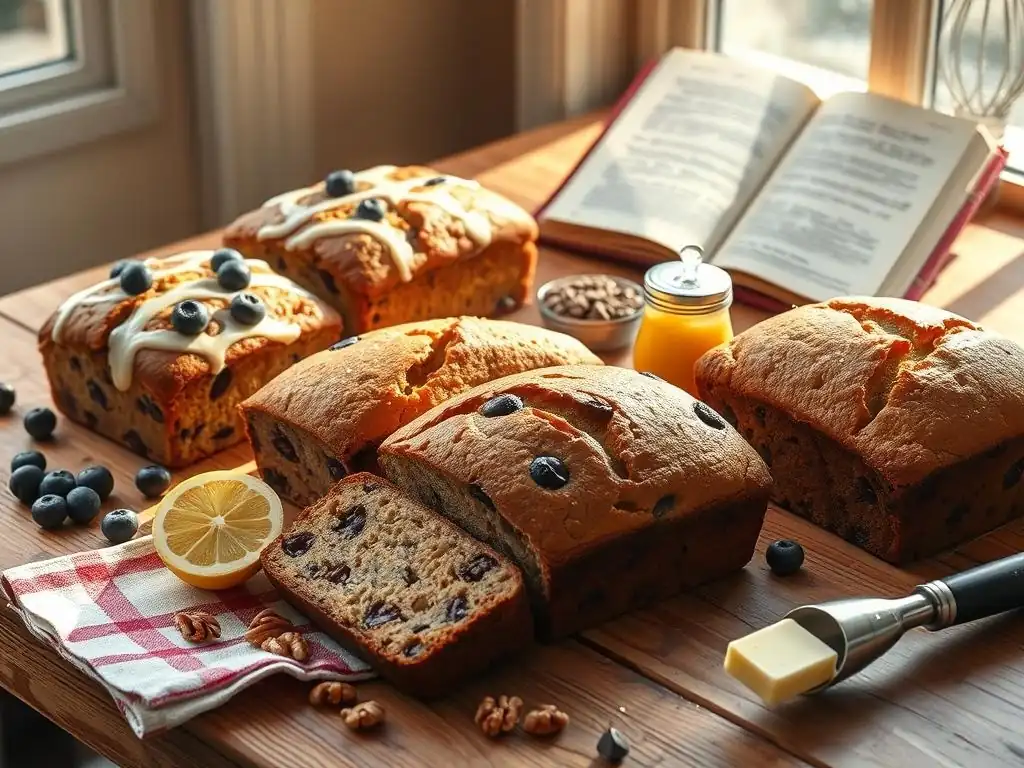
Adding Chocolate Chips, Nuts, or Dried Fruit to Your Quick Bread
Once you've mastered the basic quick bread recipes for beginners, you can easily start experimenting with add-ins. Chocolate chips, chopped nuts (like walnuts, pecans, or almonds), and dried fruits (such as cranberries, raisins, or chopped apricots) are popular choices that add flavor, texture, and visual appeal. For most loaf-sized quick breads, 1/2 cup to 1 cup of add-ins is a good starting point.
To incorporate these additions, gently fold them into the batter in the final step of mixing, after the wet and dry ingredients are just combined. Avoid overmixing when adding them. If using heavy additions like nuts or chocolate chips, tossing them with a tablespoon of flour before adding them to the batter can help prevent them from sinking to the bottom of the loaf during baking. This simple step ensures an even distribution throughout your delicious quick bread.
Experimenting with Spices and Extracts in Quick Bread Recipes
Beyond the classic cinnamon and nutmeg, quick bread recipes offer a fantastic canvas for experimenting with different spices and extracts. Warm spices like ground ginger, cloves, cardamom, or allspice can add depth to fruit-based quick breads like apple or pear. Citrus zests (lemon, orange, lime) can brighten the flavor profile significantly. For example, adding orange zest and a touch of ground ginger to cranberry quick bread creates a wonderful flavor combination.
Extracts like almond, maple, or even a hint of rum extract can introduce new dimensions of flavor. Start by adding 1/4 to 1/2 teaspoon of a new extract to a standard recipe and adjust in future batches based on your preference. Be mindful that some extracts are potent, so start small. Experimenting with these flavor enhancers is a fun way to personalize easy quick bread recipes and discover new favorites.
Glazing and Frosting Your Quick Breads for Extra Flavor
While delicious on their own, quick breads can be elevated with a simple glaze or frosting, adding an extra layer of sweetness and visual appeal. A basic glaze can be made by whisking together powdered sugar with a small amount of liquid, such as milk, lemon juice, or orange juice, until it reaches a pourable consistency. A tablespoon of liquid for every cup of powdered sugar is a good starting ratio.
For something richer, a cream cheese frosting is a wonderful addition to spiced quick breads like pumpkin or zucchini bread. Ensure the quick bread is completely cooled before applying any glaze or frosting to prevent it from melting or becoming messy. These finishing touches are simple ways for aspiring bakers to add flair to their quick bread creations and are easy to incorporate into beginner quick bread recipes.
Conclusion: Your Journey to Quick Bread Baking Mastery with BakeWithEase
Embrace the Simplicity of Quick Bread Recipes
You've now explored the wonderful world of quick bread recipes for beginners! From understanding what makes them quick and easy to trying your hand at classic recipes like banana bread and cornbread, you have the foundational knowledge to bake delicious treats with minimal effort. Quick breads are designed for speed and simplicity, making them the perfect entry point into baking. They require no special equipment beyond basic kitchen tools and pantry staples, allowing you to whip up a warm, homemade loaf or batch of muffins in a relatively short amount of time.
Embracing the simplicity of these easy quick bread recipes means you can enjoy the rewarding process of baking without the intimidation often associated with more complex techniques. Remember the key principles: accurate measuring, gentle mixing, and correct baking temperature. These simple guidelines will set you up for success with nearly any quick bread recipe you try.
Keep Practicing and Exploring New Flavors
The best way to become proficient in quick bread baking is to keep practicing! Revisit your favorite beginner quick bread recipes or venture out to try variations with different add-ins, spices, or glazes. The skills you develop baking quick breads, such as measuring accurately and understanding the role of leavening, are transferable to many other baking projects.
Don't be afraid to experiment once you feel comfortable with the basics. Try substituting different fruits, adding savory elements like cheese and herbs to cornbread, or even experimenting with different flours in recipes specifically designed for them. With the knowledge and recipes provided here, you are well on your way to mastering quick bread baking and discovering the joy of pulling a warm, fragrant loaf from your oven. Happy baking from BakeWithEase!
Frequently Asked Questions
What exactly is quick bread?
Quick bread is any bread that doesn't require yeast to rise. Instead, it uses chemical leaveners like baking powder or baking soda, making it incredibly fast to bake.
Are quick bread recipes really suitable for beginners?
Absolutely! Quick bread recipes are often very simple and straightforward, with minimal steps and readily available ingredients. This makes them perfect for new bakers to build confidence.
What are some common examples of quick bread?
Popular examples include muffins, scones, banana bread, and cornbread. These are all delicious and relatively easy to make at home.
Can I substitute ingredients in quick bread recipes?
While some substitutions are possible, it's best to follow the recipe closely initially. Once you're comfortable, you can experiment with minor changes like different fruits or spices.
How long do quick breads typically last?
Quick breads are best enjoyed fresh, but they usually last for 2-3 days when stored properly. Keep them in an airtight container at room temperature to prevent them from drying out.
Final Reflection: The Joy of Baking, Instantly
The accessibility of baking, once perceived as a daunting task, is now within everyone's reach. Quick breads offer a delightful gateway into the culinary arts, proving that delicious, homemade treats don't require hours of painstaking effort. This collection of recipes demonstrates that even beginners can experience the satisfaction of creating something beautiful and tasty in a fraction of the time.
The enduring appeal of quick breads lies not just in their speed and simplicity, but in the comforting ritual they represent. The act of mixing, kneading (or not! ), and baking becomes a meditative process, a welcome escape from the daily grind. As Julia Child wisely said, People who love to eat are always the best people.
And what better way to connect with that love than through the simple pleasure of baking a warm, fragrant loaf? This article aims to empower you, the reader, to embrace that joy, regardless of your experience level.
Now, I invite you to roll up your sleeves, gather your ingredients, and embark on your own baking adventure. Don't be afraid to experiment, to adapt these recipes to your own tastes, and to share the delicious results with loved ones. The most important ingredient in any recipe, after all, is the love you put into it. So, bake something wonderful today – you deserve it!
Unlock Your Inner Baker: Quick Breads Await!
Thanks for joining us on this baking adventure! We hope you've discovered the joy of whipping up delicious quick breads with minimal fuss. Now it's time to put your newfound skills to the test!
- Bake your favorite recipe from the article today! Grab those ingredients and let's get baking. The aroma alone is worth it!
- Share your baking triumphs (or even your hilarious baking fails!) on social media using #BakeWithEase. Let's inspire each other!
- Explore other quick bread recipes on BakeWithEase.com (Note: This action is not to be included as per the instructions, it's included here for context only). We've got a whole library of deliciousness waiting for you.
What's your go-to quick bread ingredient and why? Let's chat in the comments!