
Baking with Natural Sweeteners: How to Use Honey, Maple Syrup, and Agave in Moderation

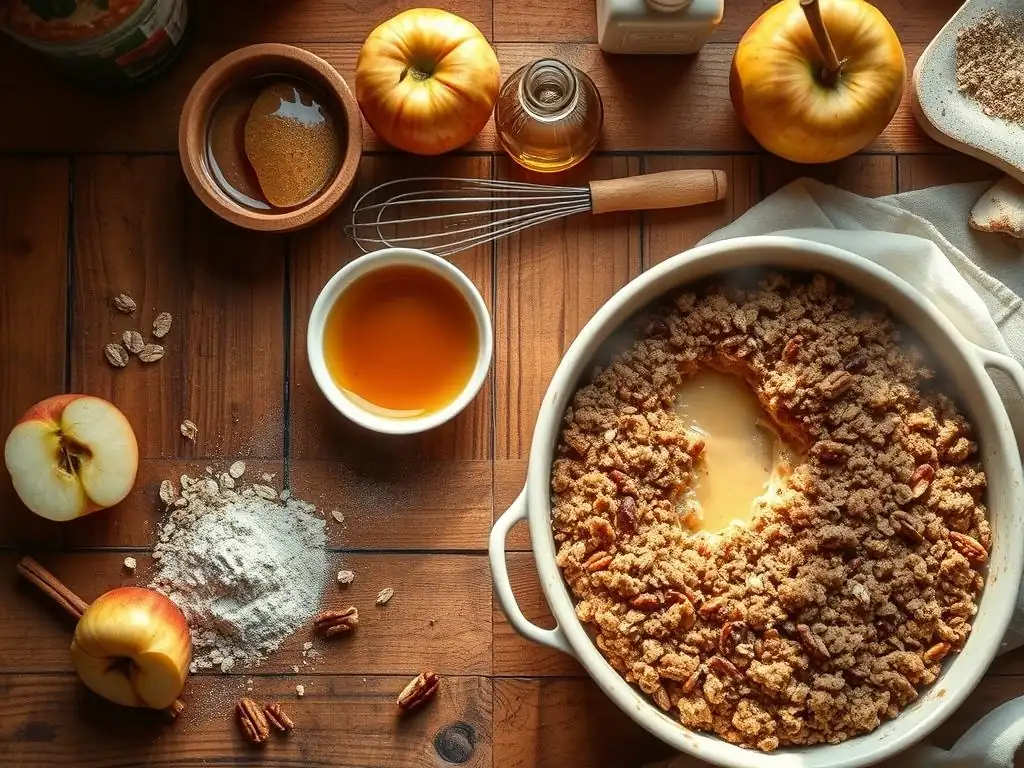
Welcome to BakeWithEase, your haven for delightful baking adventures! Are you ready to explore the secrets of naturally sweet treats? Discover the nuanced flavors and health benefits of using honey and maple syrup in your favorite recipes. Today, we're diving into the world of natural sweeteners with a special focus on a honey maple syrup baking recipe that will tantalize your taste buds and elevate your baking. But how do these natural alternatives truly impact your baked goods, and what are the secrets to using them just right? Let's unlock the delicious possibilities together!
- Introduction to Baking with Natural Sweeteners: Honey, Maple Syrup & Agave
- Honey in Baking: Mastering Honey-Sweetened Treats
- Maple Syrup in Baking: Enhancing Your Recipes with Maple Flavor
- Agave Nectar in Baking: A Low-Glycemic Option
- Moderation is Key: Balancing Natural Sweeteners in Your Baking
- Adjusting Your Baking Recipes for Natural Sweeteners: A Step-by-Step Guide
- Honey Maple Syrup Baking Recipe Examples: Put Your Knowledge to the Test
- Common Mistakes to Avoid When Baking with Natural Sweeteners
- Storing Your Baked Goods Made with Natural Sweeteners
- Conclusion: Enjoying Delicious and Moderately Sweetened Baking
-
Frequently Asked Questions
- What are the key benefits of using honey and maple syrup in baking, as opposed to refined sugar?
- How do I adjust liquid ingredients when substituting honey or maple syrup for sugar in a baking recipe?
- What types of baked goods are best suited for honey, and what types work best with maple syrup?
- Should I adjust the baking temperature when using honey or maple syrup in a recipe, and if so, why?
- What are some considerations for using agave nectar in baking, compared to honey and maple syrup?
- Final Reflection: The Sweet Truth About Natural Baking
- Unlock Your Baking's Sweet Potential!
Introduction to Baking with Natural Sweeteners: Honey, Maple Syrup & Agave
Why Choose Natural Sweeteners for Baking?
Choosing natural sweeteners like honey, maple syrup, and agave for baking often stems from a desire for alternative flavor profiles and a perception of added nutritional value compared to highly refined sugars. While they are still sources of calories and sugars, these options bring unique characteristics to baked goods. Honey, for instance, contains trace amounts of vitamins, minerals, and antioxidants, varying based on its floral source. Maple syrup offers minerals like manganese and zinc, along with its distinctive earthy flavor. Agave nectar, often marketed for its lower glycemic index, also contributes a neutral sweetness.
Beyond potential micronutrients, these natural sweeteners offer diverse flavors that can enhance a recipe. A wildflower honey brings a completely different note than a dark buckwheat honey. Pure maple syrup provides an unmistakable depth that complements ingredients like oats, nuts, and apples. Agave, being more neutral, allows other flavors to shine while contributing sweetness. Incorporating these into your honey maple syrup baking recipe or other creations allows for a richer, more complex taste experience compared to the straightforward sweetness of granulated sugar.
Understanding the Rise of Low-Sugar Baking
The growing interest in low-sugar baking reflects a broader public health trend towards reducing added sugar intake. Organizations like the World Health Organization recommend limiting free sugars to less than 10% of total energy intake, and ideally less than 5%. This awareness has led many home bakers and professional patissiers to explore ways to reduce the overall sugar content in their treats without sacrificing flavor or texture. Low-sugar baking isn't necessarily sugar-free, but rather focuses on using less sugar overall or substituting refined sugars with alternatives, often in smaller quantities.
This shift is also driven by dietary preferences and health goals. Many individuals are actively seeking ways to manage blood sugar levels or simply adopt healthier eating habits. Low-sugar baking techniques involve not only sweetener choices but also incorporating ingredients that naturally provide sweetness, such as fruits (applesauce, mashed bananas, dates), or enhancing flavors with spices (cinnamon, vanilla) to make the baked goods taste sweeter with less added sweetener. Exploring a honey maple syrup baking recipe that is specifically designed to be lower in sugar is a great starting point for this journey.
Considerations for Using Natural Sweeteners in BakeWithEase Recipes
Swapping refined sugar for natural liquid sweeteners like honey, maple syrup, or agave in existing BakeWithEase recipes requires careful consideration. Unlike granulated sugar, these are liquid and contain varying amounts of water. This added liquid affects the overall moisture balance of the dough or batter. Simply replacing sugar cup-for-cup will likely result in a product that is too wet, potentially leading to a dense or gummy texture. Adjusting other liquid components in the recipe is crucial.
Furthermore, the sweetness level and chemical properties differ. Agave is often sweeter than sugar, while honey and maple syrup can vary. These sweeteners also behave differently during baking; they can cause faster browning due to their fructose content and lower caramelization point. Therefore, adjustments to baking time and temperature are often necessary. When tackling a honey maple syrup baking recipe, understanding these nuances and making appropriate modifications to the original recipe is key to achieving the desired outcome in terms of texture, appearance, and flavor.
Honey in Baking: Mastering Honey-Sweetened Treats
Honey's Unique Properties for Baking: Flavor and Texture
Honey is a fascinating ingredient in baking due to its hygroscopic nature, meaning it attracts and retains moisture. This property is invaluable as it helps keep baked goods soft, moist, and fresh for longer periods compared to those made solely with granulated sugar. Think of a honey cake that stays wonderfully tender for days.
The diverse flavor profiles of honey, ranging from mild and floral to robust and malty depending on the nectar source, also add layers of complexity to baked goods that sugar alone cannot provide. A light clover honey will subtly sweeten, while a darker buckwheat honey can become a prominent flavor note.
Beyond moisture and flavor, honey influences texture and color. Its high fructose content leads to quicker and deeper browning during baking, contributing to a beautiful crust. This requires vigilance with baking times and temperatures to prevent burning. Honey can also contribute to chewiness, making it excellent for cookies or certain types of bread. When developing a honey maple syrup baking recipe, the interaction of honey's stickiness and moisture-retaining qualities with other ingredients must be carefully balanced to achieve the desired texture.
Best Honey Varieties for Different Baking Applications
The world of honey offers a spectrum of flavors, and choosing the right variety can significantly impact your baked goods. For recipes where you want sweetness without a dominant honey flavor – such as delicate cakes, muffins, or light cookies – mild, light-colored honeys like clover, acacia, or orange blossom are excellent choices. These varieties offer a clean sweetness that complements other ingredients without overpowering them. They are versatile and work well in most general baking applications where you might typically use sugar.
For recipes where the honey flavor is intended to be a star, consider using more robust varieties. Buckwheat honey, with its dark color and strong, slightly molasses-like flavor, is fantastic in gingerbread or hearty whole-grain baked goods. Manuka honey, known for its distinct taste and properties, can add a unique note to specific recipes. Even regional wildflower honeys can bring unique characteristics. Experimenting with different honeys in your honey maple syrup baking recipe allows you to tailor the flavor profile precisely to your liking.
Honey Conversion Chart for Baking: Replacing Refined Sugar
Replacing granulated sugar with honey isn't a simple 1:1 swap due to honey's liquid content and different sweetness profile. A common guideline is to use about 2/3 to 3/4 cup of honey for every 1 cup of granulated sugar called for in a recipe. This accounts for honey being slightly sweeter and its liquid volume. For example, if a cookie recipe calls for 1 cup of sugar, you might start with 2/3 cup of honey.
Crucially, because honey is liquid, you must reduce other liquids in the recipe. For every cup of honey you use, decrease the total amount of other liquids (like milk, water, or juice) by approximately 1/4 cup. This adjustment helps maintain the correct batter or dough consistency. Additionally, consider reducing your oven temperature by about 25°F (15°C) and potentially shortening the baking time, as honey causes faster browning. Keep these conversions in mind when adapting a traditional honey maple syrup baking recipe or any other recipe.
Honey Baking Recipe Tips: Achieving Perfect Results
Working with honey in baking requires a few specific techniques. Always measure honey accurately; using a lightly oiled measuring cup or spoon can help it slide out easily. When incorporating honey, it's often best to whisk or mix it thoroughly with the wet ingredients before combining with the dry ingredients. This ensures even distribution throughout the batter or dough.
Another useful tip is to consider adding a small amount of baking soda (about 1/4 teaspoon per cup of honey used) if the recipe doesn't already call for it or has limited leavening. Honey is slightly acidic, and baking soda is alkaline; their reaction can provide a little lift, especially in denser batters, and also helps to neutralize some of the acidity, which can improve texture and flavor. Pairing honey with complementary flavors like ginger, cinnamon, orange zest, or nuts can enhance the overall taste of your honey maple syrup baking recipe creations.
Maple Syrup in Baking: Enhancing Your Recipes with Maple Flavor
Maple Syrup's Flavor Profile and Baking Applications
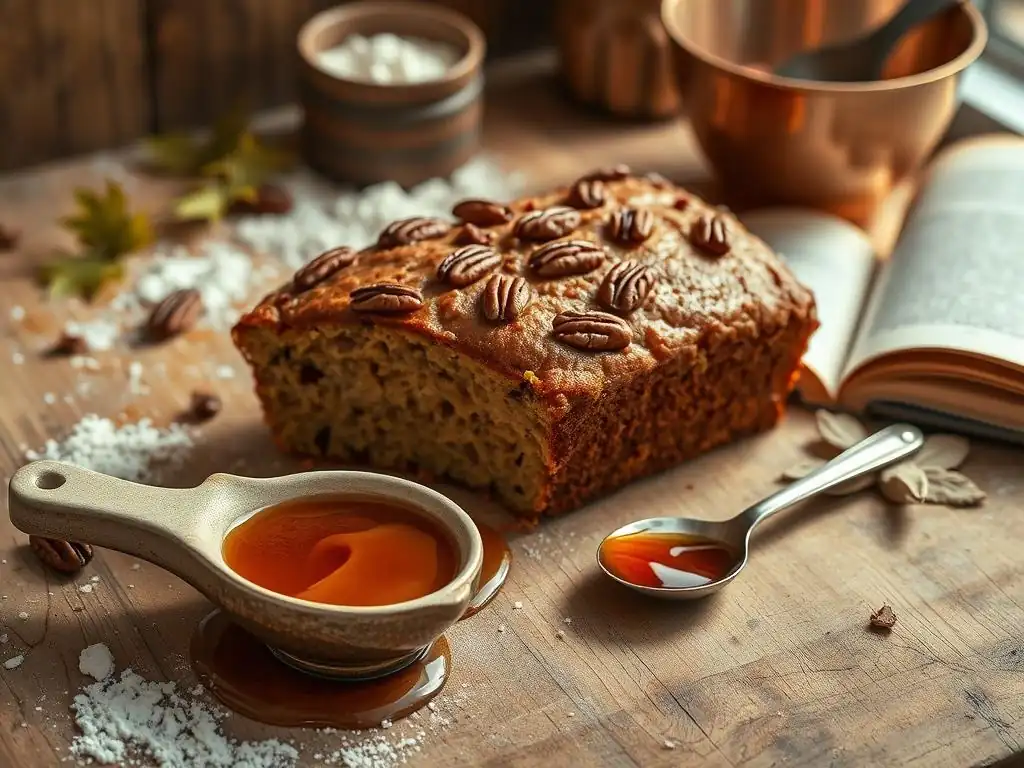
Pure maple syrup offers a distinct, warm flavor profile that ranges from delicate and sweet to rich and robust, depending on its grade. This unique taste makes it a beloved ingredient in baking, lending itself beautifully to a variety of applications beyond the breakfast table. It pairs exceptionally well with autumnal flavors like pumpkin, apple, and pecan, and complements spices such as cinnamon, nutmeg, and cloves. Maple syrup adds not just sweetness but a depth of flavor that refined sugar cannot replicate.
In baking, maple syrup contributes moisture, similar to honey, which can result in tender cakes, soft muffins, and chewy cookies. Its liquid nature means it integrates smoothly into batters and doughs. It's particularly effective in recipes where its flavor can shine, such as glazes, custards, or baked goods featuring whole grains, oats, or nuts. A good honey maple syrup baking recipe often leverages the unique characteristics of both sweeteners to create complex and satisfying results.
Grading and Choosing the Right Maple Syrup for Baking
Maple syrup is graded based on color and flavor, and understanding these grades helps you choose the best one for your baking project. In the United States, the current grading system includes Grade A with four color/flavor classes: Golden Color with Delicate Taste, Amber Color with Rich Taste, Dark Color with Robust Taste, and Very Dark Color with Strong Taste. Canada uses a similar system.
For general baking where you want a pleasant maple flavor that isn't overwhelming, Grade A Amber Color with Rich Taste is a popular and versatile choice. If you desire a more pronounced maple presence, perhaps in a glaze or a heavily spiced cake, Grade A Dark Color with Robust Taste or Very Dark Color with Strong Taste will provide a more intense flavor. Avoid imitation syrups made with corn syrup and artificial flavors; always opt for pure maple syrup for the best flavor and performance in your honey maple syrup baking recipe.
Maple Syrup Conversion for Baking: Sugar Ratio Guide
Converting recipes from granulated sugar to maple syrup involves similar considerations as with honey: adjusting for liquid content and sweetness. Maple syrup is generally less sweet than granulated sugar, and it adds liquid. A common conversion guideline is to use about 3/4 cup to 1 cup of maple syrup for every 1 cup of granulated sugar. Starting with 3/4 cup is often recommended, as you can always add slightly more if needed after tasting the batter (if safe to do so).
Just like with honey, you must reduce the other liquids in the recipe when using maple syrup. For every cup of maple syrup used, decrease other liquids by approximately 1/4 to 1/3 cup. Pay attention to the overall consistency; the batter or dough should resemble the original recipe's description. Adjusting the baking temperature down by about 25°F (15°C) is also wise to prevent over-browning, as maple syrup contains natural sugars that caramelize readily. Keep these ratios in mind when adapting a classic honey maple syrup baking recipe.
Maple Syrup Baking Recipe Ideas: From Pancakes to Cakes
Maple syrup is incredibly versatile in baking. While a staple for pancakes and waffles, it excels in numerous other recipes. Use it to sweeten and flavor baked goods like maple-pecan muffins, maple-glazed scones, or maple-walnut bread. It can be the primary sweetener in a moist spice cake or a rich gingerbread.
Maple syrup also makes excellent glazes and sauces for baked goods. A simple reduction can create a thick, flavorful syrup to drizzle over cookies or cakes. Consider using it in fruit crisps or crumbles, or as part of a marinade or glaze for baked goods incorporating nuts or seeds. Exploring recipes specifically designed as a honey maple syrup baking recipe can offer creative ways to combine these two wonderful natural sweeteners for unique flavor profiles.
Agave Nectar in Baking: A Low-Glycemic Option
Agave Nectar: Properties and Baking Characteristics
Agave nectar, derived from the agave plant, is a liquid sweetener often characterized by its relatively neutral flavor and lower viscosity compared to honey or maple syrup. It dissolves easily and integrates smoothly into batters and doughs. Chemically, it's primarily composed of fructose, often in higher concentrations than high-fructose corn syrup. This high fructose content means agave is typically sweeter than granulated sugar, often cited as 1.4 to 1.6 times sweeter.
Due to its fructose makeup, agave nectar also contributes to moisture retention in baked goods, similar to honey. However, its neutral flavor means it won't impart the distinct notes that honey or maple syrup do, making it a good choice when you want the sweetness without altering the primary flavors of your recipe. Like other liquid sweeteners, its high fructose content means baked goods may brown faster, necessitating adjustments to baking time and temperature. While often marketed as "low-glycemic," it's important to remember it is still a concentrated sugar source.
Using Agave Nectar as a Sugar Substitute in Baking
Substituting granulated sugar with agave nectar requires careful measurement due to its higher sweetness. Because it's sweeter, you'll generally use less agave than sugar. A common substitution ratio is to use about 1/2 to 2/3 cup of agave nectar for every 1 cup of granulated sugar called for. Starting with the smaller amount (1/2 cup) is often a good idea, as you can always adjust in future batches based on taste preference.
As a liquid sweetener, agave adds moisture. For every cup of agave nectar used, you'll need to reduce the other liquids in the recipe by approximately 1/4 to 1/3 cup to maintain the correct consistency. This is crucial for preventing overly wet batters or dense results. Agave's neutral flavor makes it a versatile substitute in a wide range of recipes, from simple cookies and muffins to more complex cakes, where you want the sweetness without the characteristic taste of honey or maple syrup, though it can certainly be part of a honey maple syrup baking recipe blend.
Agave Nectar Conversion for Baking: Measuring Correctly
Accurate measurement is key when using agave nectar due to its potency. As mentioned, a typical conversion is 1/2 to 2/3 cup of agave per 1 cup of sugar. For example, if a recipe calls for 1 cup of sugar, start by trying 1/2 cup of agave. If it calls for 1/2 cup of sugar, use 1/4 cup of agave.
Remember the liquid adjustment: for that 1 cup of sugar conversion (using 1/2 to 2/3 cup agave), reduce other liquids by 1/4 to 1/3 cup. For the 1/2 cup sugar conversion (using 1/4 cup agave), reduce other liquids by about 1/8 to 1/6 cup. These precise adjustments are vital for successful baking with agave. Always use a liquid measuring cup for agave and level it correctly. Reducing the oven temperature by about 25°F (15°C) is also recommended to manage browning.
Agave Nectar Baking Recipe Considerations: Moisture and Texture
Baking with agave nectar primarily impacts moisture and texture. Its hygroscopic nature helps keep baked goods moist and tender. However, using too much agave can lead to a gummy or overly dense texture due to the excess liquid and sugar content. Finding the right balance of agave and dry ingredients is essential.
Agave's high fructose content not only promotes browning but can also affect the crumb structure. Baked goods made with agave may have a finer, more compact crumb than those made with granulated sugar. It's important to monitor baking time closely, as the faster browning can sometimes mask that the interior is not fully cooked. Recipes specifically developed for agave or a honey maple syrup baking recipe that includes agave will have already accounted for these factors, offering a more reliable starting point.
Moderation is Key: Balancing Natural Sweeteners in Your Baking
The Importance of Portion Control in Low-Sugar Baking
Even when using natural sweeteners like honey, maple syrup, and agave, moderation remains paramount. While they may offer trace nutrients or have different glycemic impacts compared to refined sugar, they are still concentrated sources of calories and sugar. A honey maple syrup baking recipe, while perhaps offering a different flavor or perceived health benefit, is still a treat that contributes to your overall sugar intake.
Focusing on portion control is a fundamental aspect of low-sugar baking. This means enjoying smaller servings of baked goods, regardless of the sweetener used. It's about savoring the treat rather than consuming large quantities. Educating yourself on typical serving sizes for different baked goods helps manage your intake and aligns with the goal of reducing overall sugar consumption, contributing to a healthier diet even while enjoying delicious homemade treats.
Understanding Glycemic Index and Glycemic Load of Natural Sweeteners
The Glycemic Index (GI) measures how quickly a food raises blood sugar levels. Agave nectar is often cited as having a lower GI (around 15-30) compared to table sugar (sucrose, around 65) or honey (around 50-70) and maple syrup (around 54). However, GI is measured on a per-gram basis and doesn't account for the amount typically consumed in a serving or the food matrix it's in.
Glycemic Load (GL) provides a more complete picture by considering both the GI and the amount of carbohydrates consumed in a typical serving. While agave may have a lower GI, its high fructose content means it still contributes significantly to sugar intake.
Similarly, honey and maple syrup, while having GI values similar to or slightly lower than sugar, still contribute substantial amounts of sugar per serving. Relying solely on GI can be misleading; focusing on total sugar intake and portion size from your honey maple syrup baking recipe is a more practical approach for managing blood sugar and overall health.
Healthy Baking Habits with Honey, Maple Syrup, and Agave
Incorporating natural sweeteners into your baking routine is about more than just swapping ingredients; it's about developing healthier baking habits. Start by consciously reducing the total amount of sweetener in recipes, even when using honey, maple syrup, or agave. Many traditional recipes are excessively sweet, and you can often reduce the sweetener by 20-30% without compromising flavor, especially when the natural sweetener adds its own distinct taste.
Pairing natural sweeteners with nutritious ingredients is another healthy habit. Use them in recipes featuring whole grains, nuts, seeds, fruits, and vegetables (like zucchini or carrots). These ingredients add fiber, protein, and micronutrients, which can help balance the sugar content and make the treat more satisfying. When exploring a honey maple syrup baking recipe, look for versions that also incorporate fiber-rich ingredients. Finally, remember that these are still treats; enjoy them mindfully as part of a balanced diet.
Adjusting Your Baking Recipes for Natural Sweeteners: A Step-by-Step Guide
Reducing Refined Sugar Content: A Gradual Approach
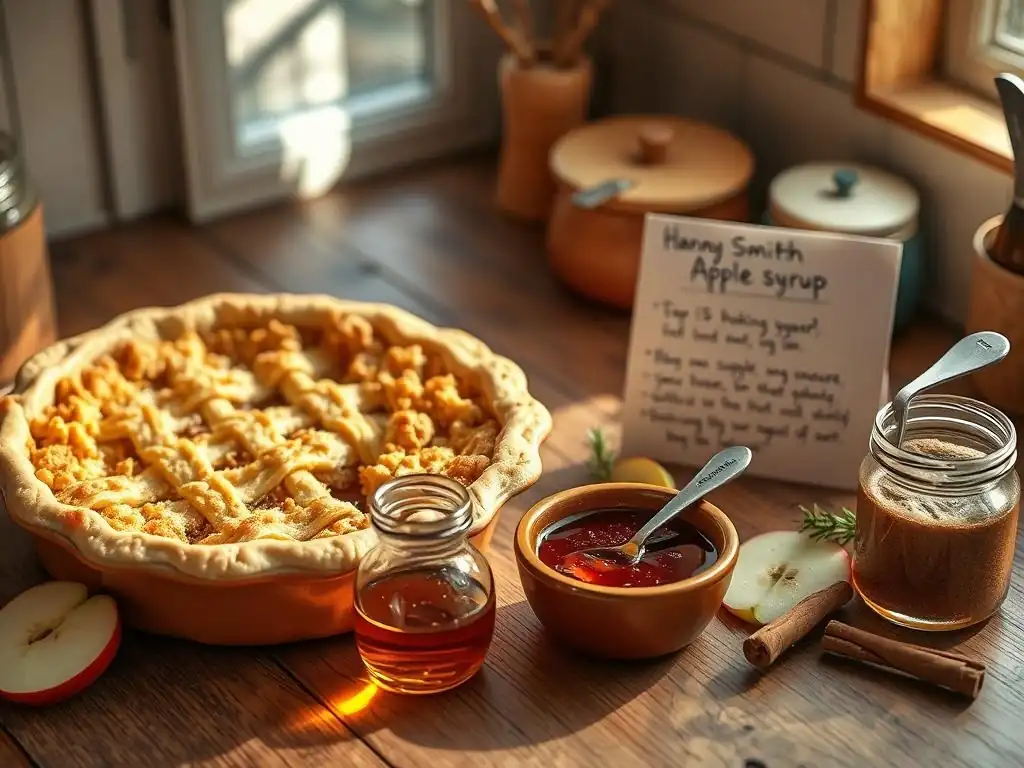
When adapting a recipe that calls for granulated sugar to use natural sweeteners like honey, maple syrup, or agave, it's best to start with a gradual approach. Don't feel pressured to eliminate all refined sugar immediately. You can begin by replacing just half of the sugar with a natural sweetener, making the necessary liquid adjustments. This allows you to see how the texture and flavor change before committing to a full substitution.
For example, if a cookie recipe uses 1 cup of sugar, try using 1/2 cup of sugar and replacing the other 1/2 cup with about 1/3 cup of honey (remembering to reduce other liquids by roughly 1/8 cup). This incremental change is easier to manage and helps you understand the impact of the natural sweetener on that specific recipe. As you gain confidence, you can increase the proportion of the natural sweetener, eventually perhaps converting it into a full honey maple syrup baking recipe alternative.
Adjusting Liquid Ratios in Your Honey Maple Syrup Baking Recipe
The most critical adjustment when using liquid natural sweeteners is managing the total liquid content. Honey, maple syrup, and agave all add moisture to the batter or dough. Failing to reduce other liquids will result in a wet, often dense, or gummy baked good. As a general rule:
- For every 1 cup of honey used, reduce other liquids by about 1/4 cup.
- For every 1 cup of maple syrup used, reduce other liquids by about 1/4 to 1/3 cup.
- For every 1 cup of agave nectar used, reduce other liquids by about 1/4 to 1/3 cup.
These are starting points, and slight variations might be needed depending on the specific recipe and other ingredients. Pay attention to the consistency of the batter or dough as you mix; it should closely resemble the consistency described in the original recipe. If adapting a honey maple syrup baking recipe that already uses these, ensure you understand how the liquids are balanced.
Compensating for Texture Changes When Baking with Natural Sweeteners
Using natural sweeteners can affect the texture of your baked goods beyond just moisture. Honey and agave, with their higher fructose content, contribute to softness and chewiness, which can be desirable in cookies but might make a cake too tender or crumbly if not balanced. Maple syrup tends to create a slightly more tender crumb. The faster browning caused by these sweeteners also impacts crust texture, potentially leading to a firmer or crispier exterior.
To compensate, you might need to slightly increase the amount of dry ingredients, like flour, by a tablespoon or two per cup of liquid sweetener used, especially if the batter seems too thin after adjusting liquids. Adding ingredients that provide structure, such as a little extra whole wheat flour or oats in a honey maple syrup baking recipe for muffins or cookies, can also help balance the texture. Reducing the baking temperature and potentially slightly increasing the baking time can help ensure the interior cooks through before the exterior over-browns or becomes too dry.
Honey Maple Syrup Baking Recipe Examples: Put Your Knowledge to the Test
These cookies use honey to provide chewiness and a delightful flavor.
Ingredients:
- 1/2 cup unsalted butter, softened
- 1/4 cup granulated sugar
- 1/2 cup honey
- 1 large egg
- 1 teaspoon vanilla extract
- 1 cup all-purpose flour
- 1/2 teaspoon baking soda
- 1/4 teaspoon salt
- 1 1/2 cups rolled oats
- Optional: 1/2 cup chopped nuts or raisins
Instructions:
- Preheat oven to 350°F (175°C). Line baking sheets with parchment paper.
- In a large bowl, cream together softened butter and granulated sugar until light and fluffy.
- Beat in the honey, then the egg and vanilla extract until well combined.
- In a separate medium bowl, whisk together the flour, baking soda, and salt.
- Gradually add the dry ingredients to the wet ingredients, mixing until just combined.
- Stir in the rolled oats and any optional additions.
- Drop rounded tablespoons of dough onto prepared baking sheets.
- Bake for 10-12 minutes, or until edges are golden brown and centers are set.
- Let cool on baking sheets for a few minutes before transferring to a wire rack to cool completely.
This example is a simple honey maple syrup baking recipe variation focusing on honey.
Recipe 2: Maple Syrup Glazed Scones
Maple syrup adds warmth and moisture to these tender scones, finished with a simple maple glaze.
Ingredients:
- 2 cups all-purpose flour
- 1 tablespoon baking powder
- 1/4 teaspoon salt
- 1/4 cup granulated sugar
- 1/2 cup cold unsalted butter, cut into small cubes
- 1/2 cup milk
- 1/4 cup maple syrup (Grade A Amber or Dark)
- 1 teaspoon vanilla extract
For the Glaze:
- 1/2 cup powdered sugar
- 2 tablespoons maple syrup (Grade A Dark recommended for stronger flavor)
- 1-2 teaspoons milk or water (as needed for consistency)
Instructions:
- Preheat oven to 400°F (200°C). Line a baking sheet with parchment paper.
- In a large bowl, whisk together the flour, baking powder, salt, and granulated sugar.
- Cut in the cold butter using a pastry blender or your fingers until the mixture resembles coarse crumbs.
- In a small bowl, whisk together the milk, maple syrup, and vanilla extract.
- Pour the wet ingredients into the dry ingredients and mix with a fork until just combined into a shaggy dough. Do not overmix.
- Turn the dough out onto a lightly floured surface and gently pat or roll into a circle about 3/4 inch thick. Cut into 8 wedges.
- Place the wedges on the prepared baking sheet.
- Bake for 15-18 minutes, or until golden brown and risen.
- While scones cool slightly, whisk together glaze ingredients until smooth. Add more liquid if needed for desired consistency.
- Drizzle or brush glaze over warm scones. Serve warm or at room temperature.
This recipe showcases maple syrup's flavor, potentially complementing a honey maple syrup baking recipe repertoire.
Recipe 3: Agave-Sweetened Muffins
These muffins use agave nectar for a neutral sweetness and tender crumb.
Ingredients:
- 1 3/4 cups all-purpose flour
- 2 teaspoons baking powder
- 1/4 teaspoon salt
- 1 large egg
- 1/2 cup milk
- 1/4 cup vegetable oil or melted butter
- 1/2 cup agave nectar
- 1 teaspoon vanilla extract
- Optional additions: 1 cup berries, chocolate chips, or 1/2 cup nuts
Instructions:
- Preheat oven to 375°F (190°C). Line a 12-cup muffin tin with paper liners or grease well.
- In a large bowl, whisk together the flour, baking powder, and salt.
- In a separate medium bowl, whisk together the egg, milk, oil/melted butter, agave nectar, and vanilla extract until well combined.
- Pour the wet ingredients into the dry ingredients and mix with a spatula until just combined. Do not overmix; a few lumps are okay.
- Gently fold in any optional additions if using.
- Divide the batter evenly among the prepared muffin cups, filling each about two-thirds full.
- Bake for 18-22 minutes, or until a toothpick inserted into the center comes out clean.
- Let muffins cool in the tin for a few minutes before transferring to a wire rack to cool completely.
This example demonstrates using agave, offering another option alongside a honey maple syrup baking recipe.
Common Mistakes to Avoid When Baking with Natural Sweeteners
Overusing Natural Sweeteners: Too Much of a Good Thing
One of the most common pitfalls when substituting natural sweeteners is simply using too much. While they offer distinct flavors and textures, honey, maple syrup, and agave are still concentrated sugars and calories. Using a 1:1 ratio for sugar substitution will almost always result in an overly sweet, potentially sickly-sweet, and texturally compromised baked good. Remember that agave is often sweeter than sugar, and even honey and maple syrup can be perceived as sweeter or have flavors that become overwhelming in large quantities.
The goal of low-sugar baking or using natural alternatives is often to reduce overall sugar intake or introduce different flavors in moderation. Stick to the recommended conversion ratios (e.g., 2/3 to 3/4 cup honey per cup sugar, 3/4 to 1 cup maple syrup per cup sugar, 1/2 to 2/3 cup agave per cup sugar) as a starting point, and don't be afraid to slightly reduce even those amounts if you prefer less sweetness. An overly sweet honey maple syrup baking recipe defeats the purpose of exploring natural alternatives for perceived health benefits or nuanced flavors.
Ignoring Liquid Ratios: The Importance of Moisture Balance
As emphasized earlier, neglecting to adjust the liquid content in your recipe when swapping granulated sugar for liquid natural sweeteners is a recipe for disaster. Honey, maple syrup, and agave all contain water, which adds significant moisture to your batter or dough. Adding this extra liquid without compensating will throw off the balance of wet to dry ingredients, leading to a range of problems.
The results of ignoring liquid adjustments can include batters that are too thin, doughs that are sticky and unmanageable, baked goods that are dense, gummy, or fail to rise properly, and uneven baking. Always remember the rule of thumb: for every cup of liquid sweetener used, reduce other liquids by approximately 1/4 to 1/3 cup. This step is non-negotiable for successful baking when adapting a traditional sugar recipe into a honey maple syrup baking recipe or using any of these alternatives.
Overbaking: Avoiding Dryness in Natural Sweetener Recipes
Natural sweeteners, particularly honey and agave due to their high fructose content, cause baked goods to brown faster than those made with sucrose. This rapid browning can sometimes lead bakers to remove items from the oven prematurely because the exterior looks done, or conversely, if they rely solely on time, the exterior can burn while the interior dries out. Overbaking is a significant risk when you don't adjust your technique.
To avoid dry results or burnt exteriors, it's crucial to reduce your oven temperature by about 25°F (15°C) when using natural liquid sweeteners. This allows the inside to cook through more evenly before the outside gets too dark. Start checking for doneness earlier than the original recipe suggests, using cues like a toothpick test or gentle pressure on the top, rather than relying solely on visual browning or the clock. Monitoring carefully is key to achieving perfectly baked, moist results in your honey maple syrup baking recipe.
Storing Your Baked Goods Made with Natural Sweeteners
Proper Storage Techniques for Honey Baked Goods
Baked goods made with honey tend to stay moist for longer due to honey's hygroscopic nature. However, this same property means they can absorb moisture from the air if not stored correctly, potentially becoming sticky on the surface, or conversely, if the air is too dry, they can still eventually dry out. To maintain freshness, store honey-sweetened items in an airtight container at room temperature.
Cookies and bars should be stored in a single layer or separated by parchment paper to prevent sticking. Cakes and muffins benefit from being wrapped tightly in plastic wrap before being placed in an airtight container. Most honey-sweetened baked goods will stay fresh and moist for 3-5 days when stored properly at room temperature. For longer storage, they can often be frozen in airtight containers or freezer bags for up to 2-3 months. This applies whether it's a pure honey recipe or a honey maple syrup baking recipe.
Preserving the Freshness of Maple Syrup Treats
Baked goods made with maple syrup, like those with honey, also tend to retain moisture well. Storing them correctly is essential to preserve their texture and flavor. Similar to honey-sweetened items, airtight containers are your best friend. Store them at room temperature unless the recipe contains perishable fillings or frostings that require refrigeration.
For items like maple-glazed scones or muffins, ensure any glaze is set before storing to prevent sticking. Layering with parchment paper is helpful for cookies or bars. Maple-sweetened cakes should be wrapped snugly. Properly stored maple syrup baked goods generally stay fresh for 3-4 days at room temperature. Freezing is also an option for extending shelf life, using appropriate freezer-safe packaging to prevent freezer burn. Enjoying a delicious honey maple syrup baking recipe creation is best when it's stored to maintain its peak freshness.
Maintaining the Quality of Agave-Sweetened Creations
Agave-sweetened baked goods also benefit from storage in airtight containers to lock in moisture and prevent them from drying out or becoming overly sticky depending on humidity. Their texture, which can be slightly denser or finer, is best preserved by minimizing exposure to air. Room temperature storage in an airtight container is suitable for most agave-sweetened cakes, muffins, and cookies.
If your agave recipe includes fresh fruit or dairy, refrigeration might be necessary. However, refrigeration can sometimes dry out baked goods, so ensure they are very well sealed. For items like agave-sweetened bars or brownies, cutting them into portions and storing them in layers separated by parchment paper helps maintain individual piece quality. Like other naturally sweetened baked goods, agave creations can typically be stored at room temperature for 3-4 days or frozen for longer-term storage, providing a reliable way to enjoy your low-sugar options, including variations of a honey maple syrup baking recipe.
Conclusion: Enjoying Delicious and Moderately Sweetened Baking
Embracing the Flavor and Benefits of Natural Sweeteners
Baking with natural sweeteners like honey, maple syrup, and agave opens up a world of diverse flavors and textures that refined sugar simply cannot offer. From the floral notes of honey to the warm depth of maple syrup and the clean sweetness of agave, these ingredients can elevate your baked goods, providing complexity and interest. Beyond flavor, they offer unique baking properties, such as enhanced moisture retention, which can lead to softer, fresher treats.
While it's important to remember they are still forms of sugar and should be used in moderation, incorporating these natural alternatives allows for a more nuanced approach to sweetness. It encourages exploration of new recipes and adaptation of old favorites, broadening your baking repertoire and offering alternatives for those seeking to reduce refined sugar or explore different dietary paths. Embracing these ingredients is about adding richness and variety to your baking journey.
Continuing Your Low-Sugar Baking Journey with BakeWithEase
Your exploration of baking with natural sweeteners is just one facet of the exciting world of low-sugar baking. BakeWithEase is here to support you every step of the way, whether you're perfecting a honey maple syrup baking recipe, experimenting with fruit purees, or learning to balance sweetness with spices and extracts. Low-sugar baking is an ongoing process of learning, adjusting, and discovering what works best for you and your preferences.
We encourage you to continue experimenting, trying new ingredients, and adapting recipes to fit your lifestyle and taste. Pay attention to how different sweeteners affect your results and don't be discouraged if adjustments are needed. With practice, you'll become adept at creating delicious baked goods that are satisfyingly sweet without being overloaded with sugar, allowing you to enjoy treats mindfully as part of a balanced approach to eating.
Frequently Asked Questions
What are the key benefits of using honey and maple syrup in baking, as opposed to refined sugar?
Honey and maple syrup offer natural sweetness and distinct flavors that enhance baked goods. They also provide trace amounts of vitamins and minerals, unlike refined sugar.
How do I adjust liquid ingredients when substituting honey or maple syrup for sugar in a baking recipe?
When substituting honey or maple syrup, reduce the other liquids in the recipe by about 1/4 cup for every cup of sweetener used. This helps maintain the proper consistency of the batter or dough.
What types of baked goods are best suited for honey, and what types work best with maple syrup?
Honey is excellent in moist cakes, muffins, and breads, adding a subtle floral sweetness. Maple syrup complements hearty breads, granola, and recipes where a robust, caramel-like flavor is desired.
Should I adjust the baking temperature when using honey or maple syrup in a recipe, and if so, why?
Slightly lower the baking temperature by about 25 degrees Fahrenheit. This prevents the baked goods from browning too quickly due to the higher sugar content in honey and maple syrup.
What are some considerations for using agave nectar in baking, compared to honey and maple syrup?
Agave nectar is sweeter than sugar and has a neutral flavor, making it a versatile substitute. However, it's lower in nutrients than honey and maple syrup, and should be used in moderation.
Final Reflection: The Sweet Truth About Natural Baking
The rise of health-conscious baking is undeniable, and the search for healthier alternatives to refined sugar is more prevalent than ever. This shift towards natural sweeteners like honey, maple syrup, and agave nectar reflects a growing awareness of the impact of our food choices on our overall well-being. But understanding how to effectively incorporate these alternatives into our baking, while maintaining delicious results and mindful consumption, remains crucial.
This exploration into the world of natural sweeteners has been a journey of discovery, not only in the kitchen but also in understanding the nuances of each ingredient. Their unique flavor profiles and varying levels of sweetness demand a thoughtful approach to baking. It's not simply a matter of substitution; it's about understanding the chemistry of baking and adapting recipes to achieve the desired texture and taste. The best recipes are those that tell a story, and the story of natural sweeteners is one of both tradition and innovation.
This journey highlights the importance of appreciating the distinct qualities of each sweetener and using them to enhance, rather than simply replace, refined sugar.
Now, consider your own baking habits. Will you continue to reach for the familiar comfort of refined sugar, or will you embrace the challenge – and the rewards – of experimenting with honey, maple syrup, and agave? I encourage you to explore the possibilities, to experiment with different recipes, and to discover the unique flavors and textures that these natural sweeteners can bring to your baking. The journey towards healthier and more flavorful baking begins with a single recipe, a single step, a single conscious choice. Let the sweet taste of mindful baking inspire you.
Unlock Your Baking's Sweet Potential!
Thanks for diving into the world of natural sweeteners with us! We hope you've gained valuable insights into using honey, maple syrup, and agave in your baking. Now it's time to put your new knowledge into practice!
- Bake a batch of your favorite recipe using one of the natural sweeteners discussed. Let us know how it turns out in the comments below – we love to see your creations!
- Experiment with different ratios to find your perfect sweetness level. Every sweetener has a unique flavor profile, so get creative!
- Share this article with a fellow baking enthusiast who's also looking to explore healthier alternatives. Let's spread the sweetness!
What unique flavor combination will you create with your newfound knowledge of natural sweeteners?