
Lemon Meringue Pie: Mastering the Topping from Scratch with BakeWithEase

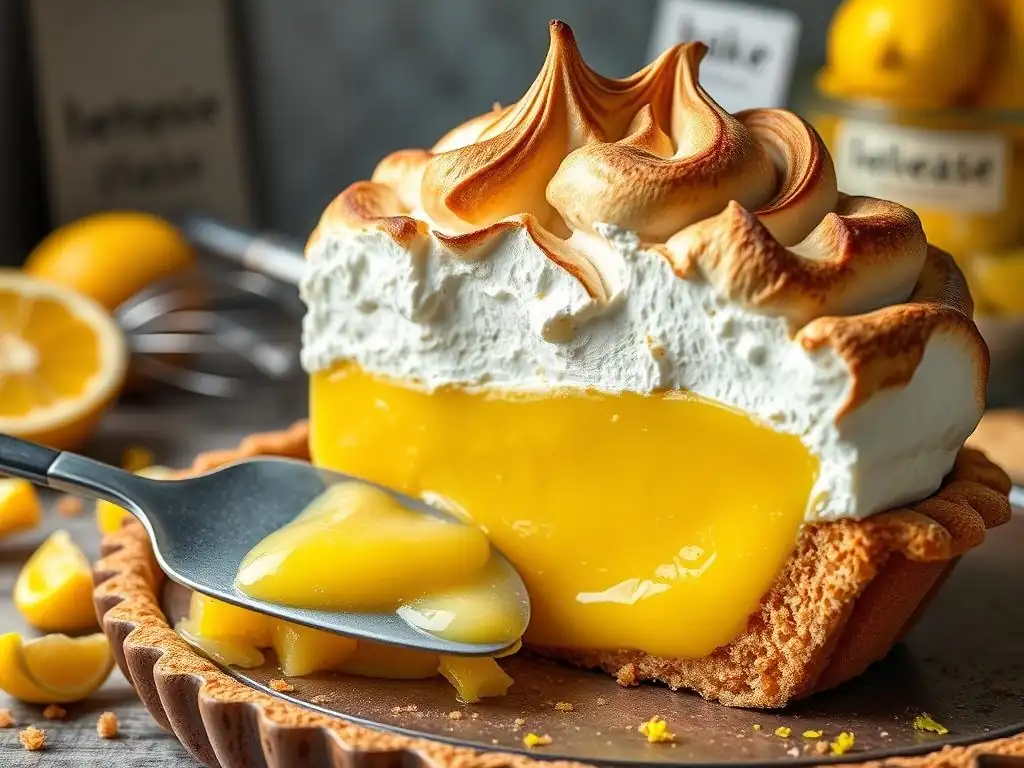
Welcome to BakeWithEase, your guide to baking bliss! Ever wondered how to achieve that perfectly glossy, cloud-like meringue topping on your lemon meringue pie? Delve into our advanced baking techniques and discover the secrets behind a flawless lemon meringue pie topping recipe, transforming your baking from good to unforgettable. Ready to unlock the key to meringue mastery? Let's get baking!
- Lemon Meringue Pie: Mastering the Topping with BakeWithEase
- Understanding Lemon Meringue Pie Topping: The Key to Baking Success
- The Ultimate Lemon Meringue Pie Topping Recipe: BakeWithEase's Step-by-Step Guide
- Step-by-Step Instructions for Lemon Meringue Pie Topping
- Troubleshooting Your Lemon Meringue Pie Topping
- Tips and Tricks for a Superior Lemon Meringue Pie Topping
- Mastering Meringue: Advanced Techniques for Lemon Meringue Pie Enthusiasts
- Beyond the Recipe: The Science Behind a Perfect Lemon Meringue Pie Topping
- Lemon Meringue Pie Topping Recipe Variations & Adaptations
- Lemon Meringue Pie Topping: A Visual Guide
- Celebrate Your Lemon Meringue Pie Success with BakeWithEase!
-
Frequently Asked Questions
- What makes BakeWithEase's lemon meringue pie topping recipe different from others?
- What are the key ingredients needed for BakeWithEase's lemon meringue pie topping?
- How can I prevent my lemon meringue pie topping from weeping or shrinking?
- What are some tips for achieving a glossy and beautiful meringue topping?
- Can I use a different type of sugar, like powdered sugar, for BakeWithEase's lemon meringue pie topping recipe?
- Final Reflection: The Sweet Science of a Perfect Meringue
- Unlock Your Inner Pastry Chef: Perfect Meringue Awaits!
Lemon Meringue Pie: Mastering the Topping with BakeWithEase
Welcome to BakeWithEase, where we simplify baking so you can create delicious masterpieces in your own kitchen. Today, we're diving into the crowning glory of a classic dessert: the lemon meringue pie topping. Achieving that perfect balance of light, airy texture, sweet flavor, and beautiful golden peaks can seem daunting, but with our guide, you'll master this essential element of the lemon meringue pie topping recipe.
A BakeWithEase Guide to Perfect Lemon Meringue Pie Topping
Understanding Lemon Meringue Pie Topping: The Key to Baking Success
The meringue topping isn't just decoration; it's a crucial component that complements the tart lemon filling. A well-made meringue adds a delightful sweetness and a unique cloud-like texture that elevates the entire pie experience. Understanding the fundamentals of how meringue works is the first step to perfecting your lemon meringue pie topping recipe.
Getting meringue right can sometimes feel like baking magic, but it's really just applied science. We'll explore what makes a truly great meringue and tackle some common pitfalls bakers encounter, ensuring your journey to a flawless lemon meringue pie topping is smooth and successful.
What Makes a Great Lemon Meringue Pie Topping?
A great lemon meringue pie topping should be light and ethereal, not dense or rubbery. It holds its shape beautifully, forming distinct swirls and peaks that brown appealingly in the oven. The interior should be soft and marshmallow-like, while the exterior offers a delicate crispness right where it's browned.
Beyond texture, the taste is key. The sweetness of the meringue provides a necessary counterpoint to the bright, tangy lemon filling. A subtle hint of vanilla or other flavorings can enhance this, but the primary characteristic should be pure, sweet airiness that melts in your mouth.
Common Lemon Meringue Topping Problems and How to Avoid Them
Even experienced bakers can face challenges when making meringue. Issues like shrinkage, weeping (syrup pooling at the base), and soft peaks are common frustrations that can detract from the visual appeal and texture of your lemon meringue pie. Understanding the root causes of these problems is vital for prevention.
Fortunately, most meringue problems stem from predictable factors like temperature, mixing technique, or sugar handling. By addressing these points during the preparation and baking process, you can significantly reduce the likelihood of encountering these issues and ensure your lemon meringue pie topping recipe turns out beautifully every time.
- Shrinking: This often happens when the meringue isn't properly sealed to the edges of the pie crust. As the meringue cools, it contracts, pulling away from the sides. Ensure you spread the meringue all the way to the inner edge of the crust, pressing it firmly against the pastry. Baking the meringue on a hot filling also helps create a better seal.
- Weeping: Weeping occurs when moisture separates from the meringue, often due to undercooking the sugar (in certain methods), underbaking the meringue itself, or high humidity. Using a stable meringue method like Swiss or Italian, ensuring the sugar is fully dissolved, and baking the meringue until the base is set can help prevent this.
- Soft Peaks: If your meringue doesn't hold its shape, it was likely underbeaten or contaminated with fat. Egg whites need to be beaten long enough to develop a strong protein structure capable of trapping air. Even a tiny amount of egg yolk or grease on your equipment can prevent the egg whites from whipping properly.
The Ultimate Lemon Meringue Pie Topping Recipe: BakeWithEase's Step-by-Step Guide
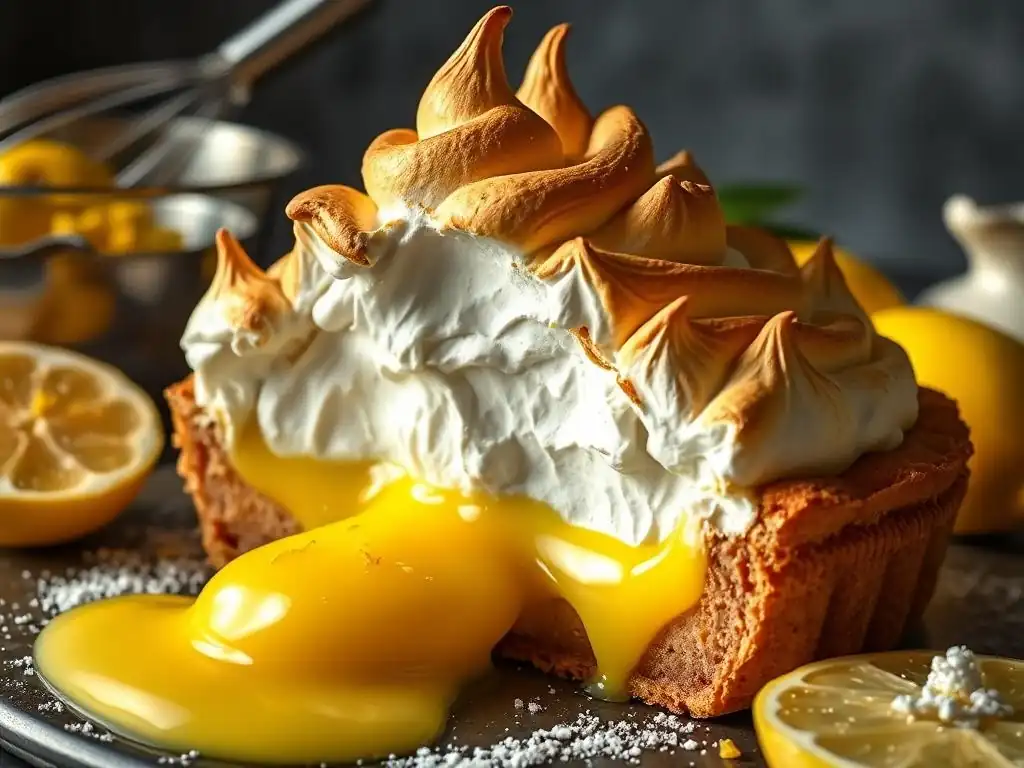
Now that we understand the basics and potential pitfalls, let's walk through creating a fantastic lemon meringue pie topping using a reliable method. Our BakeWithEase guide focuses on clear steps and techniques to help you achieve perfect results for your lemon meringue pie.
This step-by-step process will take you from separating eggs to achieving those beautiful, browned peaks. We'll cover the essential ingredients, necessary equipment, and the precise actions needed to build a stable, glossy meringue that proudly sits atop your tart lemon filling.
Ingredients for a Flawless Meringue
For a standard 9-inch lemon meringue pie topping recipe, you'll typically need 4 large egg whites, 1 cup (about 200g) of granulated sugar, and 1/2 teaspoon of cream of tartar (or 1 teaspoon of fresh lemon juice). Using fresh, room-temperature egg whites is highly recommended, as they whip up to a greater volume than cold ones.
Each ingredient plays a critical role. The egg whites form the structure by trapping air. Sugar stabilizes this structure, adds sweetness, and contributes to a glossy finish. The acid (cream of tartar or lemon juice) helps the egg whites whip faster, creates a more stable foam, and prevents the proteins from clumping, further guarding against weeping.
Essential Equipment for Meringue Making
Having the right tools, and ensuring they are meticulously clean, is paramount for successful meringue. A stand mixer fitted with a whisk attachment is ideal for consistent, hands-free whipping, though a good quality hand mixer can also work. You will also need a clean, grease-free mixing bowl, preferably made of glass or metal (plastic can retain greasy residue).
A rubber spatula is essential for scraping down the bowl and spreading the meringue. If you opt for a Swiss or Italian meringue method, a double boiler setup (a heatproof bowl set over a pan of simmering water) and a candy thermometer will be necessary to control the temperature accurately. Remember, any trace of fat can deflate your egg whites, so ensure all equipment is spotless.
Step-by-Step Instructions for Lemon Meringue Pie Topping
Let's get started on creating that show-stopping lemon meringue pie topping. This guide will walk you through each stage, from preparing the base to achieving that perfect golden finish. Precision and patience are your friends here.
Follow these steps carefully, paying attention to the details at each stage. The quality of your final meringue depends on the care taken during whipping, sugar incorporation, and assembly onto the pie.
Step 1: Preparing the Egg Whites for Maximum Volume
Begin by carefully separating the egg whites from the yolks. It is crucial that absolutely no yolk gets into the egg whites, as the fat will prevent them from whipping properly. Separate each egg into a small separate bowl first before adding the white to your main mixing bowl, in case a yolk breaks.
Place the clean egg whites in your very clean mixing bowl. Add the cream of tartar or lemon juice. Start beating the egg whites on low speed for about 30 seconds to break them up, then gradually increase the speed to medium-high. Continue beating until the egg whites become opaque and soft peaks form – when you lift the whisk, the peaks should curl over gently.
Step 2: Creating the Swiss Meringue: The Stable and Glossy Method
We recommend the Swiss meringue method for a lemon meringue pie topping recipe because it produces a very stable, glossy meringue that is less prone to weeping than traditional French meringue. This method involves gently cooking the egg whites and sugar together.
Combine the egg whites and sugar in a heatproof bowl set over a saucepan of simmering water (ensure the bottom of the bowl doesn't touch the water). Whisk continuously by hand until the sugar is completely dissolved and the mixture feels hot to the touch, reaching a temperature of about 130-140°F (55-60°C) on a candy thermometer. You can test for dissolved sugar by rubbing a small amount between your fingers; it should feel smooth, not gritty.
- Cooking the Sugar Syrup: Heat the egg white and sugar mixture gently over the double boiler, stirring constantly. The goal is to dissolve the sugar and slightly warm the egg whites without cooking them scrambled. Reaching a temperature around 130-140°F is sufficient to dissolve the sugar and make the egg whites safer to consume, while also creating a more stable structure for whipping.
- Whipping the Meringue to Stiff, Glossy Peaks: Remove the bowl from the heat and immediately transfer the mixture to your stand mixer (if you used a separate bowl for heating). Beat on medium-high speed. The mixture will initially look frothy and then become thick, white, and opaque. Continue beating for 5-10 minutes, or longer, until the meringue is very thick, glossy, and forms stiff peaks that stand straight up when the whisk is lifted. The bowl should feel cool to the touch.
Step 3: Assembling the Lemon Meringue Pie
Proper assembly is key to preventing shrinkage and weeping. Ensure your lemon filling is hot or at least warm when you add the meringue. The heat from the filling helps to slightly cook the base of the meringue, creating a seal that adheres it to the pie.
Dollop or spoon the meringue onto the hot lemon filling. Working quickly, use an offset spatula or the back of a spoon to spread the meringue evenly across the entire surface, making sure to push it firmly against the inner edge of the pie crust all the way around. This seal is critical for preventing the meringue from shrinking away from the crust as it cools.
- Spreading the Meringue Evenly: Apply the meringue generously, ensuring the entire surface of the lemon filling is covered. Pay special attention to the perimeter, using your tool to press the meringue right up against the crust edge, creating a strong barrier.
- Creating Swirls and Peaks: Once the meringue is spread, use the tip of your spatula or spoon to create decorative swirls and peaks across the surface. These peaks are not just for beauty; they will be the parts that catch the heat and brown most appealingly in the oven, giving your lemon meringue pie topping its classic look.
Step 4: Baking the Lemon Meringue Pie to Perfection
Baking the meringue sets its structure and gives it that signature golden-brown finish. Preheat your oven, typically to around 350°F (175°C), though some recipes call for a slightly lower temperature like 325°F (160°C) for a longer bake to reduce weeping.
Place the assembled pie in the preheated oven. The baking time usually ranges from 10 to 15 minutes, sometimes up to 20 minutes, depending on your oven and desired level of browning. Watch it carefully, as the meringue can go from perfectly golden to burnt quite quickly.
- Baking Temperatures and Times for Optimal Browning: A temperature around 350°F is common for relatively quick browning, usually within 12-15 minutes. A slightly lower temperature, like 325°F, over a longer time (perhaps 15-20 minutes) can result in more even cooking through the meringue base and less risk of weeping, while still achieving a lovely golden hue.
- Checking for Doneness: Your lemon meringue pie topping is done when the peaks are beautifully golden brown and the surface appears set. The meringue will continue to cook slightly from residual heat after you remove it from the oven. Avoid overbaking, which can make the meringue tough or rubbery.
Troubleshooting Your Lemon Meringue Pie Topping
Don't despair if your meringue isn't perfect on the first try. Baking is a learning process, and understanding how to fix or prevent common issues is part of mastering your lemon meringue pie topping recipe. Here are solutions to the most frequent problems.
Addressing problems like runny meringue, weeping, or shrinkage involves understanding the science behind meringue and adjusting your technique. With a little knowledge, you can turn potential failures into successes and consistently produce beautiful pies.
Fixing a Runny Meringue
If your meringue is still runny after several minutes of beating, the most likely culprits are underbeating or fat contamination. If you suspect underbeating, continue whipping on medium-high speed, checking for stiff peaks and glossiness. Ensure your sugar was added gradually and fully incorporated.
If you suspect fat contamination (even a tiny amount of yolk or grease), unfortunately, there's often no reliable fix. The fat prevents the proteins from forming a stable network. In this case, it's usually best to discard the batch and start over with fresh, carefully separated egg whites and meticulously clean equipment for your lemon meringue pie topping.
Preventing Weeping in Your Lemon Meringue Pie
Weeping is often caused by moisture leaching out, frequently linked to undissolved sugar or underbaked meringue. Using the Swiss or Italian method ensures the sugar is dissolved and the egg whites are partially cooked, creating a more stable structure. Baking the meringue until the base is set and slightly cooked onto the hot filling also helps.
Humidity can also contribute to weeping. Try making lemon meringue pie on a dry day if possible. Once baked and cooled, store the pie at room temperature for as long as food safety allows (check specific filling guidelines, but often a few hours is fine), or refrigerate uncovered or loosely tented with foil to minimize condensation.
Addressing Shrinkage Issues
The primary defense against meringue shrinkage is creating a strong seal between the meringue and the pie crust edge. When spreading the meringue onto the hot filling, use your spatula to press it firmly against the entire circumference of the inner crust.
Ensuring the filling is hot when the meringue is added also promotes better adhesion. As the meringue cools, this sealed edge prevents it from pulling away. If shrinkage still occurs, it might be due to insufficient sealing or the meringue not being cooked enough at the base to adhere properly.
Tips and Tricks for a Superior Lemon Meringue Pie Topping
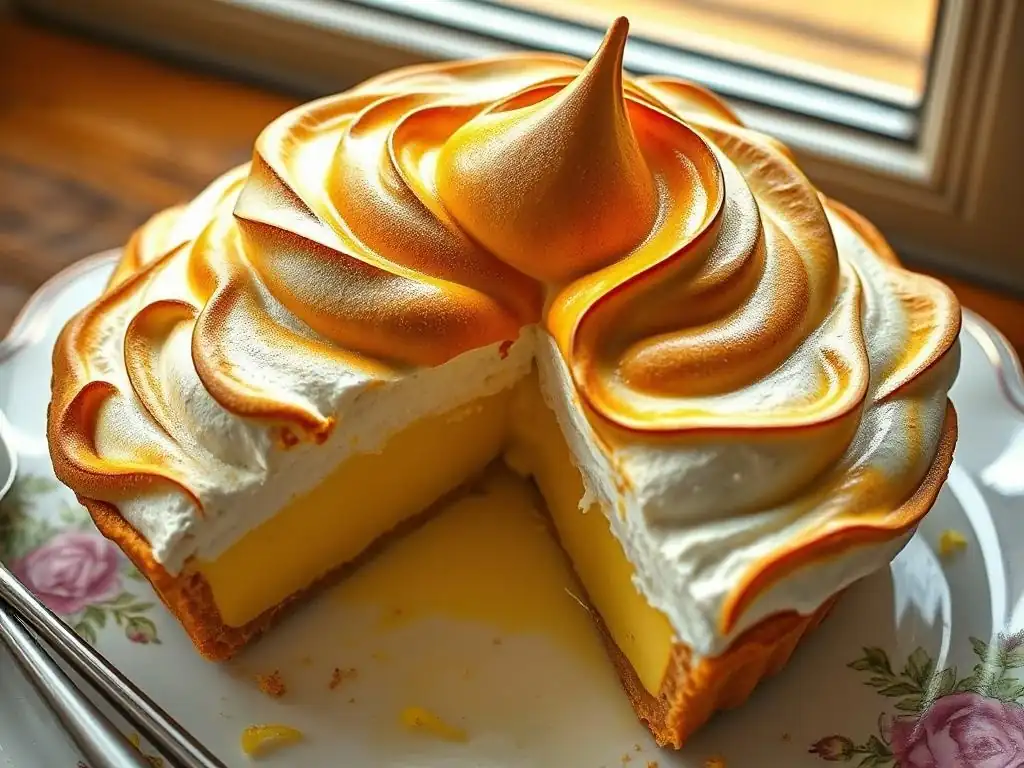
Elevate your lemon meringue pie topping recipe with a few extra tips from BakeWithEase. These techniques can help you achieve picture-perfect results and add subtle nuances to the flavor.
Small adjustments in technique and ingredient handling can make a big difference in the final appearance and taste of your meringue. Consider these tips to take your lemon meringue pie to the next level.
Achieving Perfectly Browned Meringue Peaks
For even browning, place your pie on the middle rack of the oven. Keep a close eye on the meringue during the last few minutes of baking; browning can happen very quickly. Rotate the pie if you notice uneven coloring.
Some bakers prefer using the broiler for more controlled browning. If you do this, watch it constantly through the oven door – it only takes seconds. Alternatively, a kitchen torch can be used after the pie has cooled slightly to selectively brown the peaks, offering precise control over the color.
Flavor Variations for Your Lemon Meringue Topping
While classic is wonderful, you can subtly enhance your lemon meringue pie topping. A small amount of pure vanilla extract (about 1/2 teaspoon) added after the meringue reaches stiff peaks can add a lovely depth of flavor.
You can also infuse your sugar with citrus zest before making the meringue. Rub the zest of one lemon into the granulated sugar with your fingers; the oils will transfer to the sugar, adding a gentle lemon aroma to the meringue itself, complementing the filling beautifully.
- Adding Extracts: Add extracts like vanilla or almond after whipping the meringue to stiff peaks. Mix them in gently on low speed just until combined. Be sure to use pure extracts and avoid oil-based flavorings, which can cause deflation.
- Infusing with Citrus Zest: Rubbing lemon zest directly into the sugar before adding it to the egg whites releases aromatic oils into the sugar crystals. This technique imparts a subtle citrus note throughout the meringue, enhancing the overall lemon flavor profile of the pie.
Storing Your Lemon Meringue Pie for Optimal Freshness
Lemon meringue pie is best enjoyed the day it's made, as the meringue is at its peak crispness and height. However, if you need to store it, refrigeration is necessary due to the lemon filling.
To minimize weeping and maintain some meringue texture, store the pie uncovered in the refrigerator, or loosely tent it with foil, avoiding direct contact with the meringue. Expect some loss of height and crispness over time, typically within 24-48 hours. Enjoy leftovers promptly for the best quality.
Mastering Meringue: Advanced Techniques for Lemon Meringue Pie Enthusiasts
For those looking to deepen their understanding and skill, exploring different meringue types and focusing on consistency are the next steps in mastering the lemon meringue pie topping recipe. Each meringue type offers different characteristics in terms of stability, texture, and handling.
Becoming proficient in meringue means understanding the nuances of whipping egg whites and incorporating sugar under various conditions. This section touches on advanced concepts that can help you achieve even better results and troubleshoot more effectively.
Exploring Different Types of Meringue
There are three main types of meringue, distinguished by how the sugar is incorporated: French, Swiss, and Italian. French meringue is the simplest, made by whipping raw egg whites while gradually adding granulated sugar. It's the least stable and most prone to weeping.
Swiss meringue, which we focused on, involves heating egg whites and sugar over a double boiler before whipping. This creates a more stable, glossy meringue. Italian meringue is the most stable, made by pouring hot sugar syrup (cooked to the soft-ball stage, around 240°F or 115°C) into whipping egg whites. Italian meringue is very smooth, dense, and ideal for torching.
- French Meringue: Made with raw egg whites and granulated sugar, whipped cold. It's the quickest but least stable, often used for items like pavlovas baked for a long time at low heat.
- Swiss Meringue: Egg whites and sugar heated together, then whipped. More stable and glossy than French, making it a good choice for pie toppings that are baked briefly.
- Italian Meringue: Hot sugar syrup is poured into whipping egg whites. This is the most stable and safest (fully cooked), resulting in a dense, smooth meringue often used for frostings or decorations.
Achieving Consistent Results with Every Bake
Consistency in baking comes down to precision and observation. Using a kitchen scale to measure ingredients, especially sugar and egg whites, is far more accurate than using volume measures and leads to more reliable results for your lemon meringue pie topping. Using a thermometer for Swiss or Italian methods is also crucial for hitting the right sugar temperature.
Pay attention to environmental factors; high humidity can make meringue trickier. Keep notes on what worked and what didn't – oven temperatures, whipping times, how the meringue looked and felt. This record-keeping helps you refine your process over time and consistently achieve that perfect lemon meringue pie topping.
Beyond the Recipe: The Science Behind a Perfect Lemon Meringue Pie Topping
Understanding the science behind meringue helps demystify the process and provides insight into why certain techniques work. It's not just following steps; it's about manipulating proteins and sugars to create a stable foam.
The interaction between egg white proteins, air, and sugar is fascinating. Knowing how these elements behave during whipping and heating allows you to predict outcomes and troubleshoot issues more effectively, leading to consistent success with your lemon meringue pie topping recipe.
The Role of Sugar in Meringue Stability
Sugar is more than just a sweetener in meringue; it's a stabilizer. As sugar dissolves into the whipped egg whites, it forms a syrup that coats the delicate protein network. This syrup strengthens the structure, preventing the trapped air bubbles from collapsing.
Sugar also helps prevent the egg white proteins from drying out and becoming brittle, which can lead to weeping. The amount of sugar is important – too little results in an unstable meringue, while too much can make it heavy and difficult to whip to full volume. Using superfine or caster sugar can help it dissolve faster, leading to a smoother meringue.
Understanding Egg White Protein Structure
Egg whites are primarily water and protein. When you whip egg whites, the mechanical action causes the proteins (like albumin) to denature, meaning they unfold. These unfolded proteins then link up, forming a mesh that traps air bubbles, creating the foam that is meringue.
Adding acid, such as cream of tartar or lemon juice, helps to further stabilize this protein network. It prevents the proteins from bonding too tightly, which can lead to a less voluminous and potentially weeping meringue. Heat, whether from a double boiler (Swiss) or hot sugar syrup (Italian) or baking, causes the proteins to coagulate and set the foam structure permanently.
Lemon Meringue Pie Topping Recipe Variations & Adaptations
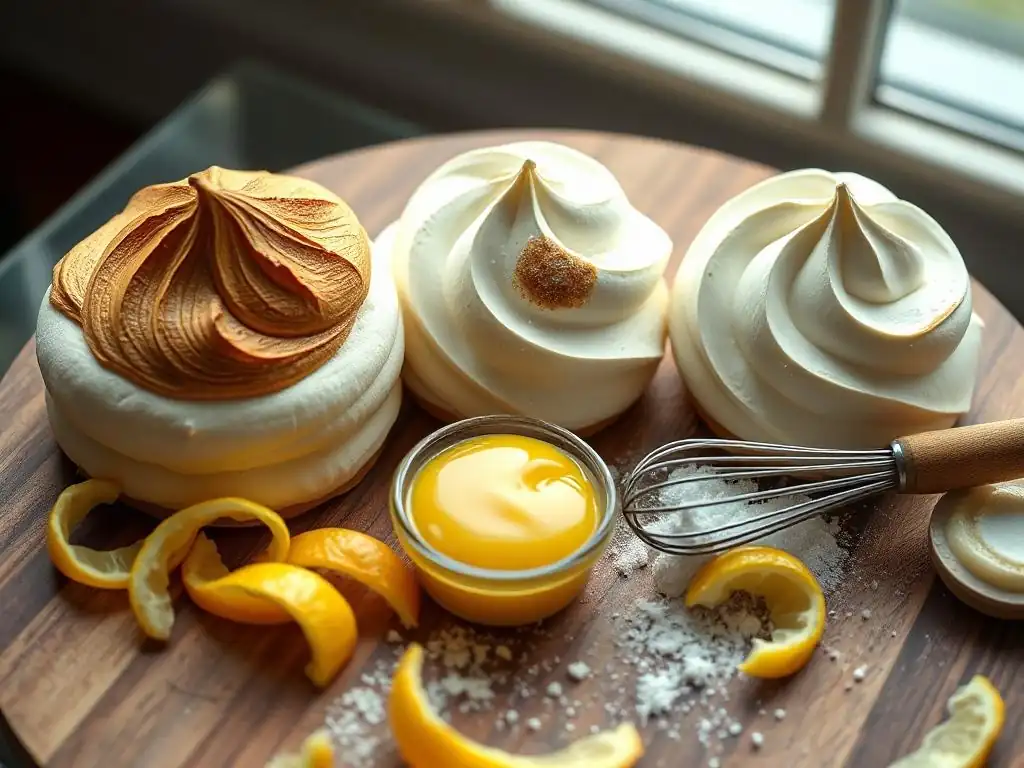
The classic lemon meringue pie topping recipe is wonderful, but there are ways to adapt it for different dietary needs. Meringue itself is naturally free from several common allergens, but substitutions exist for those who avoid eggs.
Exploring variations allows more people to enjoy this beloved dessert. Whether you need a gluten-free option (which is easy for the topping itself) or a completely vegan alternative, the science of creating a stable foam can be applied using different ingredients.
Gluten-Free Lemon Meringue Pie Topping Options
The meringue portion of a lemon meringue pie topping recipe is inherently gluten-free, as it consists only of egg whites, sugar, and a small amount of acid and flavoring. Therefore, no modifications are needed to the meringue itself for a gluten-free diet.
When making a gluten-free lemon meringue pie, the focus is entirely on the crust and potentially ensuring the lemon filling thickener (like cornstarch) is certified gluten-free if necessary. You can use any standard meringue recipe, including the Swiss method described here, atop a gluten-free pie crust and filling.
Vegan Lemon Meringue Pie Topping Substitutions
Creating a vegan lemon meringue pie topping recipe requires replacing the egg whites. The most popular and effective substitute is aquafaba, the viscous liquid drained from a can of chickpeas or other white beans.
Aquafaba contains proteins and starches that can mimic the properties of egg whites when whipped. You can whip aquafaba with sugar and often a stabilizer like cream of tartar or a pinch of xanthan gum to create a foam that can be spread onto a pie and even baked to achieve a browned top, similar to traditional meringue. Proportions can vary, but a common starting point is roughly 1/4 cup of aquafaba per large egg white.
Lemon Meringue Pie Topping: A Visual Guide
A step-by-step visual guide would show the transformation of egg whites from liquid to frothy, soft peaks, and finally stiff, glossy peaks. It would illustrate the proper technique for spreading the meringue to the edges and creating decorative swirls before baking. Seeing these stages can be incredibly helpful for bakers.
While we cannot include images here, imagining these steps is useful: envision the clean bowl, the whisk turning liquid white into foam, the moment soft peaks appear, the thickening and glossing as you beat to stiff peaks, and the final flourish of creating those beautiful, toasting peaks on the pie surface.
Celebrate Your Lemon Meringue Pie Success with BakeWithEase!
Mastering the lemon meringue pie topping recipe is a rewarding achievement. The combination of a perfectly tart lemon filling and a light, sweet, beautifully browned meringue is truly a classic for a reason.
We hope this BakeWithEase guide empowers you to tackle meringue with confidence. Practice makes perfect, so don't be discouraged if your first attempt isn't flawless. Keep baking, keep learning, and soon you'll be creating stunning lemon meringue pies that are sure to impress!
Frequently Asked Questions
What makes BakeWithEase's lemon meringue pie topping recipe different from others?
Our recipe focuses on step-by-step instructions and easy-to-find ingredients, ensuring success even for beginner bakers. We emphasize techniques for a stable and glossy meringue.
What are the key ingredients needed for BakeWithEase's lemon meringue pie topping?
The essential ingredients are egg whites, granulated sugar, and a stabilizing agent like cream of tartar or cornstarch. Our recipe provides precise measurements for the best results.
How can I prevent my lemon meringue pie topping from weeping or shrinking?
Properly whipping the egg whites to stiff peaks and baking at the correct temperature are crucial. Also, ensure the meringue completely covers the lemon filling to seal it.
What are some tips for achieving a glossy and beautiful meringue topping?
Use a clean, grease-free bowl when whipping the egg whites. Gradually add the sugar and whip until stiff, glossy peaks form. A short baking time at a moderate temperature helps.
Can I use a different type of sugar, like powdered sugar, for BakeWithEase's lemon meringue pie topping recipe?
We recommend using granulated sugar for the best meringue structure and stability. Powdered sugar can make the meringue too soft and prone to collapsing.
Final Reflection: The Sweet Science of a Perfect Meringue
The pursuit of the perfect lemon meringue pie topping is more than just a recipe; it's a journey into the delicate balance of science and artistry. This seemingly simple element holds the key to unlocking a truly transcendent dessert experience, a fact that resonates deeply with home bakers today, who are increasingly seeking authentic, from-scratch recipes. The demand for quality ingredients and handcrafted techniques is on the rise, and mastering the meringue is a testament to that growing appreciation.
The journey of creating a flawless meringue, from its initial stiff peaks to its final golden-brown blush, is a microcosm of the larger culinary landscape. It's a reminder that patience and precision are rewarded with unparalleled satisfaction. The subtle nuances of egg whites, the precise temperature control, and the delicate art of achieving that perfect texture – these are lessons that extend far beyond the confines of the kitchen. The best things in life are worth waiting for,
and a perfectly browned meringue is a testament to that truth.
Now, as you put down this article, I invite you to consider the broader implications of this seemingly simple recipe. What other aspects of your life require the same dedication, the same attention to detail, the same unwavering commitment to excellence? Embrace the challenge, the process, and the joy of creation. The next time you face a seemingly insurmountable task, remember the meringue – a testament to the power of patience, precision, and the sweet reward of a job well done. Go forth and create your own masterpiece!
Unlock Your Inner Pastry Chef: Perfect Meringue Awaits!
Thanks for joining us on this delicious journey into the world of lemon meringue pie! We hope you gained valuable insights into creating that flawlessly crisp and airy meringue topping. Now it’s time to put your newfound knowledge into practice.
- Bake your masterpiece! Use our tips to create a stunning lemon meringue pie, impressing your friends and family with your culinary skills. Don't forget to share a photo of your creation with us on social media – we can't wait to see it!
- Experiment with flavors! Try adding a hint of vanilla extract or a dash of cinnamon to your meringue for a unique twist. Let your creativity shine!
- Share the love (and the recipe)! Inspire others to bake their own perfect meringue pies by sharing this article with fellow baking enthusiasts.
Ready to transform your baking game and conquer the meringue? What unexpected flavor combination will you try next?