
Baking with AgarAgar: The Vegan Secret to Stable Fillings and Glazes

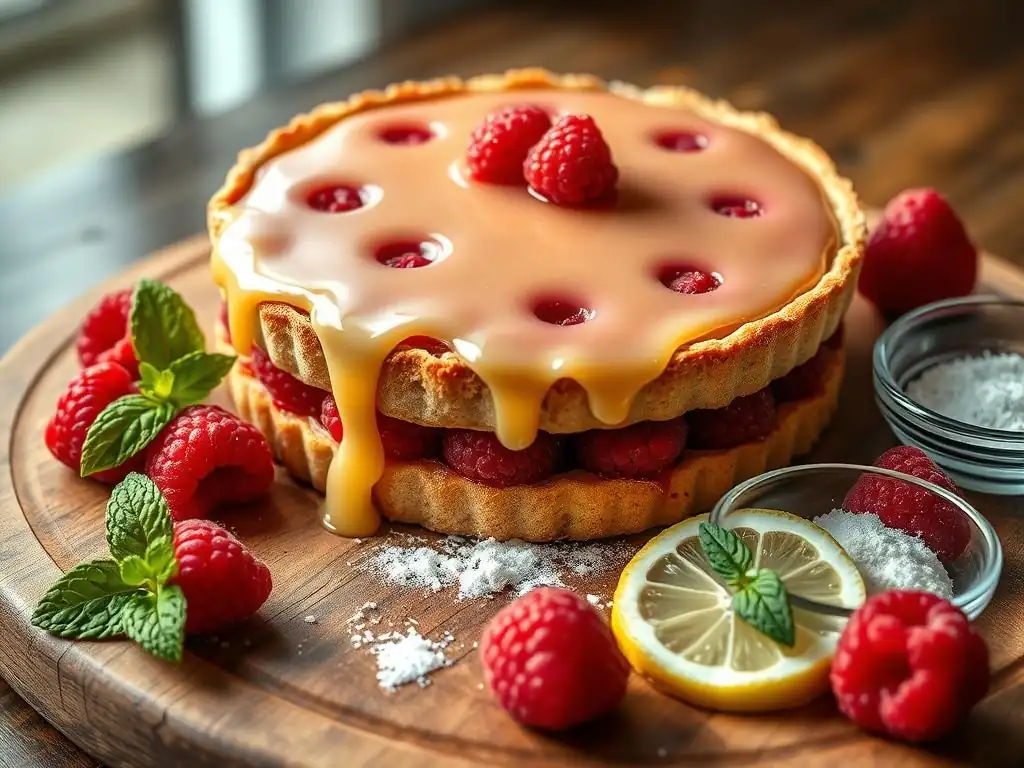
Welcome to BakeWithEase, your trusted guide in the world of baking!
Ready to unlock a vegan secret that will revolutionize your pastries? Delve into the fascinating world of agar agar and discover how it can elevate your baking creations. This guide, focusing on vegan agar agar recipes, will show you how to achieve perfectly stable fillings and dazzling glazes, opening up a new realm of possibilities in your kitchen. Prepare to be amazed by this game-changing ingredient!
Agar-agar, a powerful plant-based gelling agent, has revolutionized vegan baking, offering a reliable alternative to traditional gelatin. Derived from seaweed, specifically red algae, this ingredient allows bakers to create everything from perfectly set cheesecakes and fruit tarts to shimmering glazes and creamy fillings without using animal products. Its ability to create stable structures is a game-changer for developing delicious vegan agar agar recipes that hold their shape beautifully.
For home bakers exploring vegan options, mastering agar-agar opens up a world of possibilities previously limited by the constraints of animal-derived gelatin. Understanding how agar-agar works and differs from gelatin is the first step towards successfully incorporating it into your vegan agar agar recipes, ensuring consistent and delightful results in all your baked goods.
- Understanding Agar-Agar: The Vegan Gelatin Alternative
- Mastering Agar-Agar Techniques for Baking
- Vegan Agar-Agar Recipes: Stable Fillings and Glazes
- Tips and Tricks for Baking Success with Agar-Agar
- Expanding Your Vegan Baking Repertoire with Agar-Agar
- Final Thoughts: Embracing Agar-Agar for Delicious Vegan Creations
-
Frequently Asked Questions
- What exactly is agar-agar, and why is it used in vegan baking?
- How does agar-agar differ from gelatin in terms of usage?
- What types of recipes benefit the most from using agar-agar?
- How much agar-agar should I use as a substitute for gelatin in a recipe?
- Where can I purchase agar-agar, and in what forms is it typically available?
- Final Reflection: The Enduring Allure of Agar-Agar
- Unleash Your Inner Pastry Chef: Master Agar-Agar Today!
Understanding Agar-Agar: The Vegan Gelatin Alternative
Agar-agar is a hydrocolloid, meaning it gels when combined with liquid. It's tasteless, odorless, and sets more firmly than gelatin at room temperature, requiring boiling to activate its gelling properties. This makes it particularly useful in warmer environments or for desserts that need to hold their structure outside of refrigeration for a period.
Its unique properties make it indispensable for creating stable vegan agar agar recipes. Unlike gelatin, which melts at relatively low temperatures (around 35°C or 95°F), agar-agar remains stable up to approximately 85°C (185°F), making it ideal for applications where a firmer, heat-stable set is required. This difference is crucial when adapting traditional recipes or developing new vegan desserts.
What is Agar-Agar? A Plant-Based Gelling Agent
Agar-agar is a natural polysaccharide extracted from certain species of red algae, primarily from the Gelidium and Gracilaria genera. It's typically sold in flake, powder, bar, or strand form, with the powder being the most common and potent for baking applications. This potent gelling ability means you need significantly less agar-agar powder compared to gelatin powder to achieve a similar level of firmness in your vegan agar agar recipes.
The extraction process involves boiling the algae, filtering the liquid, and then cooling it to solidify the agar-agar, which is then dried and processed into its various forms. This plant-based origin makes it a perfect fit for vegan, vegetarian, and other restricted diets, providing a functional and ethical alternative for gelling and thickening in countless vegan agar agar recipes and beyond.
Agar-Agar vs. Gelatin: Key Differences for Vegan Baking
The fundamental difference lies in their source: gelatin comes from animal collagen, while agar-agar is derived from seaweed. This makes agar-agar the go-to choice for vegan agar agar recipes. Functionally, agar-agar requires boiling to dissolve and activate its gelling properties, whereas gelatin dissolves in hot water (not necessarily boiling). Agar-agar sets much faster and at a higher temperature than gelatin, often starting to set as it cools below 40°C (104°F) and reaching full firmness around room temperature, while gelatin needs refrigeration to set properly.
Furthermore, the texture achieved by agar-agar is generally firmer and less 'wobbly' or 'melt-in-your-mouth' than gelatin. Gelatin creates a more elastic, thermoreversible gel that will melt when heated, while agar-agar creates a more brittle, non-thermoreversible gel that remains solid at higher temperatures but can become watery if overheated after setting. Understanding these textural and thermal differences is key to successfully developing and modifying vegan agar agar recipes.
Benefits of Using Agar-Agar in Vegan Recipes
Using agar-agar offers numerous advantages for bakers creating vegan agar agar recipes. Its plant-based nature makes it suitable for vegans, vegetarians, and those with dietary restrictions related to animal products. It is also flavorless and odorless, ensuring it doesn't interfere with the taste of delicate desserts, unlike some other plant-based thickeners that can impart a starchy or chalky mouthfeel.
Beyond its ethical and neutral characteristics, agar-agar provides a stable and reliable set that is particularly useful for fillings and glazes that need to hold their shape firmly, even outside refrigeration for a time. Its higher melting point compared to gelatin means your vegan agar agar recipes like tarts or layered cakes are less likely to collapse or become soft at room temperature, offering greater stability and confidence when preparing desserts for events or warmer climates.
Mastering Agar-Agar Techniques for Baking
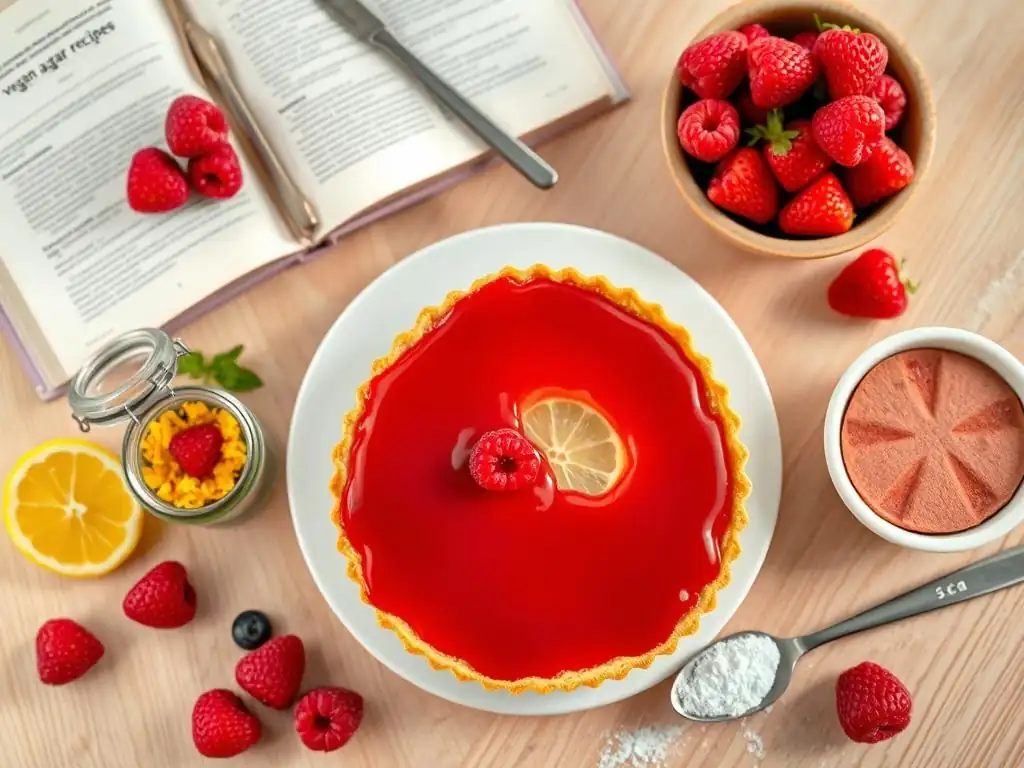
Working with agar-agar requires slightly different techniques than gelatin, primarily due to its need for boiling and its faster setting time. Once you understand these nuances, incorporating it into your vegan agar agar recipes becomes straightforward and rewarding. Precision in measurement and technique is key to achieving the desired texture, whether you're aiming for a firm jelly or a soft, spoonable filling.
Successfully using agar-agar involves proper hydration, understanding concentration ratios, and knowing how to troubleshoot common issues that might arise. Developing confidence in these areas will empower you to adapt existing vegan agar agar recipes and invent your own stable and delicious vegan baked goods.
How to Properly Hydrate Agar-Agar
Unlike gelatin, which is often bloomed in cold water before heating, agar-agar (especially the powder form) needs to be fully dissolved by boiling in the liquid used in your recipe. For powder, a common ratio is to whisk 1-2 teaspoons into about 1 cup (240ml) of cold liquid, then bring the mixture to a rolling boil, stirring constantly, and simmer for 1-2 minutes until the powder is completely dissolved. Flakes require soaking for 10-15 minutes before boiling and might need double the quantity compared to powder for the same gelling strength.
It is crucial that the agar-agar is thoroughly dissolved; otherwise, it won't gel properly, resulting in a grainy or uneven texture in your vegan agar agar recipes. After boiling and dissolving, the mixture should be added to the rest of your ingredients. Remember that agar-agar starts setting as it cools below 40°C (104°F), so work relatively quickly once it's incorporated into your final mixture, especially when making layered desserts or setting fillings.
Agar-Agar Concentration: Achieving the Right Texture
The amount of agar-agar required depends heavily on the desired texture and the type of liquid used in your vegan agar agar recipes. Generally, 1 teaspoon of agar-agar powder can firmly set about 1 cup (240ml) of liquid, resulting in a firm jelly-like consistency suitable for terrines or fruit gels. For softer fillings, mousses, or glazes, you might use as little as 1/2 to 3/4 teaspoon per cup, aiming for a more delicate set that still holds its shape but is easily spoonable or spreadable.
Acidic ingredients like citrus juices or vinegar can weaken agar-agar's gelling strength, sometimes requiring a slightly higher concentration. Conversely, fatty ingredients or alcohol can inhibit setting. It's wise to test a small amount of your mixture by placing a spoonful in the refrigerator for a few minutes to check the set before committing to the entire batch, especially when trying new vegan agar agar recipes or adapting existing ones.
Troubleshooting Common Agar-Agar Issues in Vegan Baking
One common issue is failing to achieve a proper set. This is often due to insufficient boiling time to dissolve the agar-agar, using too little agar-agar for the amount or type of liquid, or the presence of ingredients that inhibit gelling (like certain enzymes in fresh tropical fruits such as pineapple, papaya, or kiwi – these fruits need to be cooked first). If your mixture doesn't set after cooling, gently reheat it, dissolve a little more agar-agar (e.g., 1/4 to 1/2 teaspoon dissolved in a small amount of liquid), boil for another minute or two, and re-cool.
Another issue can be a grainy texture, which results from the agar-agar not being fully dissolved. Ensure you bring the agar-agar mixture to a rolling boil and simmer for the recommended time, stirring constantly, until no granules are visible. Overheating after setting can also cause the gel to "weep" or become watery; while agar-agar is heat stable, prolonged high heat can break down the gel structure. Following careful steps in your vegan agar agar recipes helps avoid these pitfalls.
Vegan Agar-Agar Recipes: Stable Fillings and Glazes
Agar-agar is incredibly versatile for creating stable components in vegan agar agar recipes. From vibrant fruit fillings that don't collapse under the weight of cake layers to glossy glazes that add a professional finish to pastries, agar-agar provides the necessary structure without any animal products. These recipes demonstrate just a few ways to incorporate this powerful ingredient into your baking.
Developing reliable vegan agar agar recipes requires careful attention to detail, particularly regarding the hydration and concentration of the gelling agent. The following examples provide a starting point for creating delicious and stable vegan baked goods using agar-agar.
Recipe 1: Vegan Agar-Agar Fruit Filling for Cakes
This firm yet sliceable filling is perfect for layering between cake tiers or filling tarts. Using agar-agar ensures it holds its shape beautifully.
Ingredients for Vegan Fruit Filling
- [ ] 2 cups (approx. 300g) fresh or frozen berries (such as strawberries, raspberries, or mixed berries)
- [ ] 1/4 cup (50g) granulated sugar (adjust to taste)
- [ ] 2 tablespoons lemon juice
- [ ] 1 cup (240ml) water or fruit juice
- [ ] 1.5 teaspoons agar-agar powder
Step-by-Step Instructions for Fruit Filling
- [ ] Combine berries, sugar, and lemon juice in a saucepan. Cook over medium heat, stirring occasionally, until the fruit softens and releases its juices, about 5-10 minutes.
- [ ] In a separate small bowl, whisk together the water or juice and agar-agar powder until smooth.
- [ ] Pour the agar-agar mixture into the saucepan with the fruit. Bring the entire mixture to a rolling boil, stirring constantly.
- [ ] Reduce heat and simmer for 1-2 minutes, ensuring the agar-agar powder is completely dissolved. The mixture should thicken slightly.
- [ ] Remove from heat and let cool slightly. Pour the filling into a shallow dish or mold.
- [ ] Refrigerate for at least 1-2 hours, or until completely set. Once set, you can gently scoop or slice the filling to layer into your cake or tart.
Recipe 2: Shiny Vegan Agar-Agar Glaze for Pastries
Achieve a beautiful, clear, and shiny glaze for fruit tarts, danishes, or pastries using agar-agar. This glaze sets firmly but remains glossy.
Ingredients for Vegan Glaze
- [ ] 1 cup (240ml) fruit juice (like apple or apricot nectar, strained) or water
- [ ] 2 tablespoons granulated sugar
- [ ] 1 teaspoon agar-agar powder
Step-by-Step Instructions for Glaze Application
- [ ] In a small saucepan, whisk together the fruit juice (or water), sugar, and agar-agar powder until the agar-agar is evenly dispersed.
- [ ] Bring the mixture to a rolling boil over medium heat, stirring constantly.
- [ ] Reduce heat and simmer for 1-2 minutes, ensuring the agar-agar powder is completely dissolved and the mixture is slightly thickened.
- [ ] Remove from heat and let cool slightly for just a few minutes. The glaze will begin to thicken as it cools, but it needs to be applied while still warm and pourable.
- [ ] Gently brush or pour the warm glaze over your cooled pastries or fruit tart tops. Work quickly as it sets fast.
- [ ] Allow the glaze to set completely at room temperature or in the refrigerator for about 15-30 minutes.
Recipe 3: Vegan Agar-Agar Chocolate Mousse Filling
A light yet stable chocolate mousse perfect for filling cream puffs, cakes, or serving as a standalone dessert. Agar-agar provides the necessary structure without heaviness.
Ingredients for Vegan Chocolate Mousse
- [ ] 1 cup (240ml) plant-based milk (soy, almond, or oat work well)
- [ ] 1/4 cup (25g) cocoa powder, unsweetened
- [ ] 1/4 cup (50g) granulated sugar (or maple syrup to taste)
- [ ] Pinch of salt
- [ ] 1 teaspoon agar-agar powder
- [ ] 1/2 cup (120ml) vegan heavy cream or full-fat coconut milk (chilled)
- [ ] 1 teaspoon vanilla extract
Step-by-Step Instructions for Chocolate Mousse Filling
- [ ] In a medium saucepan, whisk together plant-based milk, cocoa powder, sugar, salt, and agar-agar powder until smooth and no lumps remain.
- [ ] Bring the mixture to a rolling boil over medium heat, stirring constantly.
- [ ] Reduce heat and simmer for 1-2 minutes, stirring, until the agar-agar is completely dissolved and the mixture is slightly thickened.
- [ ] Remove from heat and pour into a bowl. Let cool for about 15-20 minutes, stirring occasionally, until it's warm but not hot and has thickened slightly. It should not be set yet.
- [ ] While the chocolate mixture cools, whip the chilled vegan heavy cream or the solid part of chilled coconut milk until soft peaks form. Add vanilla extract and whip briefly to combine.
- [ ] Gently fold the slightly cooled chocolate mixture into the whipped cream until just combined. Be careful not to overmix.
- [ ] Pour or pipe the mousse into your desired serving dishes or use immediately as a cake filling.
- [ ] Refrigerate for at least 2-4 hours, or until completely set.
Tips and Tricks for Baking Success with Agar-Agar

Achieving consistent results with vegan agar agar recipes often comes down to understanding a few key principles and having some helpful tips in your toolkit. Agar-agar behaves differently than gelatin and even other vegan thickeners, so a little knowledge goes a long way in ensuring your fillings, glazes, and desserts turn out perfectly every time.
From selecting the right type of agar-agar to storing your finished creations and adapting traditional recipes, these tips will help you navigate the world of vegan agar agar recipes with confidence and achieve delicious, stable results.
Selecting the Right Type of Agar-Agar for Baking Projects
Agar-agar is available in several forms: powder, flakes, bars, and strands. For most vegan agar agar recipes and general baking purposes, agar-agar powder is the most convenient and reliable choice. It dissolves easily when boiled and provides the most consistent gelling strength. As a general rule of thumb, 1 teaspoon of agar-agar powder is roughly equivalent to 1 tablespoon of agar-agar flakes, or about half of an agar-agar bar (though potency can vary by brand).
Flakes and bars require longer soaking and boiling times to dissolve completely and can sometimes result in a less smooth texture if not fully processed. Strands are primarily used in Asian cuisine and require significant soaking and boiling. Stick to the powder for ease of use and consistent results when following or developing vegan agar agar recipes, especially for delicate applications like glazes and mousse.
Storing Agar-Agar-Based Vegan Fillings and Glazes
Once set, vegan agar agar recipes like fillings and glazes should be stored in an airtight container in the refrigerator. Agar-agar gels are quite stable at room temperature compared to gelatin but are best kept chilled for optimal texture and food safety, especially if the recipe contains perishable ingredients like fruit or plant-based cream. Most agar-agar based items will last 3-5 days when properly stored in the fridge.
Freezing agar-agar gels is generally not recommended. The freezing and thawing process can break down the gel structure, causing it to become watery and lose its firm set. If you need to prepare components ahead of time for your vegan agar agar recipes, it's best to make the base mixture and store it chilled before the final setting stage, or simply prepare the components a day or two in advance and keep them refrigerated.
Adapting Traditional Gelatin Recipes to Vegan Agar-Agar Recipes
Converting recipes that call for gelatin to use agar-agar requires careful consideration due to the differences in gelling strength and setting properties. A common conversion guideline is to use 1/2 to 1/3 the amount of agar-agar powder as gelatin powder specified in the original recipe (e.g., if a recipe calls for 1 tablespoon of gelatin powder, start with 1 to 1.5 teaspoons of agar-agar powder). For flakes, use roughly equal amounts to gelatin powder, but remember they need longer to dissolve.
Always dissolve the agar-agar by boiling it in a portion of the recipe's liquid for 1-2 minutes before combining with other ingredients. Be mindful of acidic ingredients, which may require slightly more agar-agar. It's highly recommended to perform a small test batch when adapting a recipe to ensure the desired set is achieved before making the full quantity, helping you perfect your vegan agar agar recipes.
Expanding Your Vegan Baking Repertoire with Agar-Agar
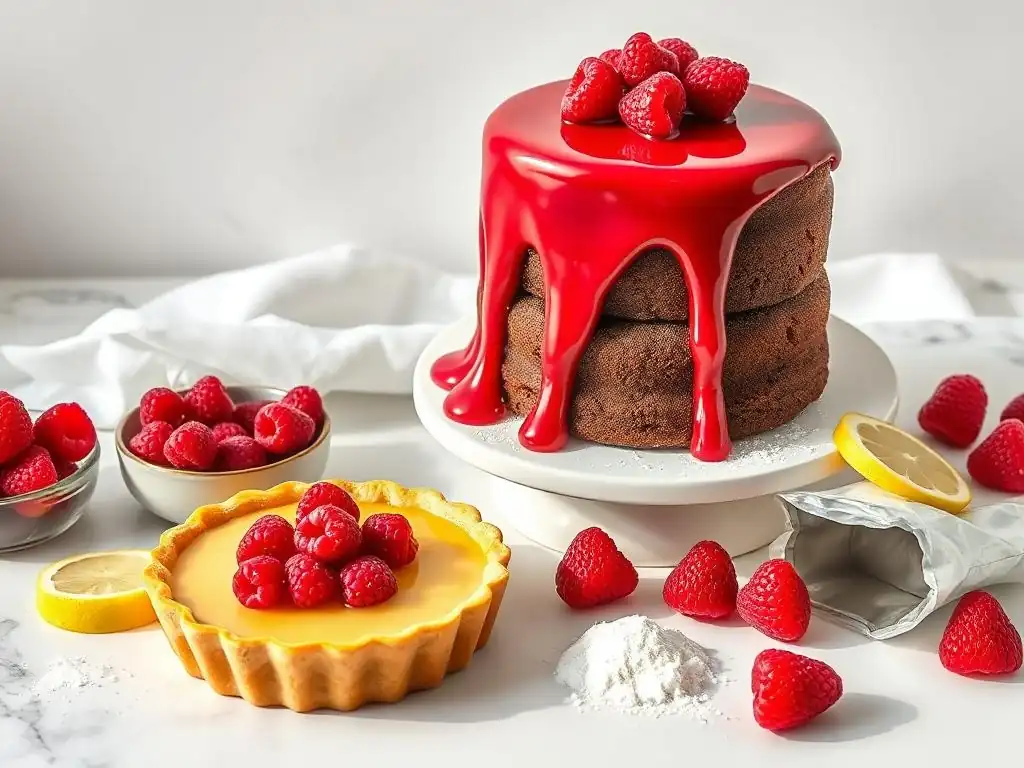
Agar-agar is a versatile tool that can elevate your vegan agar agar recipes beyond basic fillings and glazes. Its ability to create different textures allows for experimentation with various vegan dessert formats, from firm jellies to delicate puddings and innovative layered creations. Embracing agar-agar opens doors to a wider range of dessert possibilities in your vegan baking journey.
Exploring the nuances of agar-agar's gelling properties can lead to exciting new vegan agar agar recipes and techniques. Understanding how concentration, temperature, and other ingredients affect the final set empowers you to innovate and create unique vegan treats.
Exploring Different Agar-Agar Textures in Vegan Desserts
By adjusting the concentration of agar-agar, you can create a spectrum of textures in your vegan agar agar recipes. A high concentration (e.g., 2 teaspoons per cup) results in a very firm, almost brittle gel, suitable for layered desserts that need sharp lines or components that need to be unmolded cleanly. Think of firm fruit layers in a vegan panna cotta or molded jelly shapes.
A lower concentration (e.g., 0.5 to 1 teaspoon per cup) yields a softer, more tender gel, ideal for creamy fillings, puddings, or mousses where you want some structure but still desire a smooth, melt-in-your-mouth feel. Experimenting with these ratios is key to mastering the texture control offered by agar-agar in various vegan agar agar recipes.
Creating Vegan Jellies and Puddings with Agar-Agar
Agar-agar is a natural fit for creating vibrant vegan jellies and smooth puddings. For jellies, simply dissolve agar-agar powder in flavored liquid (like fruit juice or sweetened tea), boil, and pour into molds or dishes to set. The firm set of agar-agar means these jellies hold their shape well, even when unmolded, making them visually appealing components for vegan agar agar recipes.
For puddings, agar-agar provides a delicate, non-starchy set. By whisking a small amount of dissolved agar-agar into a cooked custard base made with plant-based milk and sweetener, you can achieve a smooth, spoonable pudding that sets without refrigeration as quickly as it cools. This technique is fundamental to many successful vegan agar agar recipes for classic desserts like chocolate or vanilla pudding.
The Future of Vegan Baking: Agar-Agar Innovations
As vegan baking continues to grow in popularity, the use of ingredients like agar-agar is constantly evolving. Researchers and bakers are exploring new ways to process agar-agar to achieve different textures, potentially mimicking the elasticity of gelatin more closely or creating even firmer gels. Innovations in blends of hydrocolloids, including agar-agar with other plant-based thickeners, are also expanding the possibilities for complex vegan agar agar recipes.
The accessibility and reliability of agar-agar make it a cornerstone for developing future vegan agar agar recipes, pushing the boundaries of what's possible in plant-based pastries, confections, and desserts. As bakers become more familiar with its properties, expect to see even more creative and stable vegan treats hitting the scene.
Final Thoughts: Embracing Agar-Agar for Delicious Vegan Creations
Agar-agar is more than just a gelatin substitute; it's a unique ingredient with powerful gelling capabilities that can transform your vegan agar agar recipes. From providing essential structure to fillings and glazes to enabling the creation of delightful jellies and puddings, its versatility is unmatched in the plant-based kitchen.
Mastering the techniques for working with agar-agar — proper hydration, understanding concentration, and troubleshooting common issues — will unlock new levels of success and creativity in your vegan baking endeavors.
The Versatility of Agar-Agar in Vegan Baking
The applications for agar-agar in vegan agar agar recipes are vast. It can stabilize fruit purees, thicken pie fillings, create firm layers in multi-component desserts, provide structure to vegan cheesecakes, and produce clear, shiny glazes for a professional finish. Its neutral flavor profile ensures that the true taste of your ingredients shines through, making it suitable for both delicate fruit desserts and rich chocolate creations.
Unlike some starches that can result in a cloudy or gummy texture, agar-agar creates a clear, firm gel that is particularly effective for achieving visually appealing results in your vegan agar agar recipes, such as shimmering fruit tarts or layered vegan parfaits.
Unlock New Possibilities with Vegan Agar-Agar Recipes
By incorporating agar-agar into your baking toolkit, you gain the ability to tackle vegan agar agar recipes that require a stable, non-animal gelling agent. This opens up classic dessert formats that were previously challenging to veganize successfully, such as panna cotta, terrines, and layered cakes with set fillings.
Don't be intimidated by working with agar-agar. Start with simple vegan agar agar recipes, pay attention to the boiling step, and experiment with quantities to find the perfect set for your desired texture. With a little practice, you'll find this vegan secret weapon indispensable for creating stable, beautiful, and delicious plant-based baked goods.
Frequently Asked Questions
What exactly is agar-agar, and why is it used in vegan baking?
Agar-agar is a vegan gelling agent derived from seaweed. It's used in vegan baking as a substitute for gelatin, providing structure and stability to fillings and glazes.
How does agar-agar differ from gelatin in terms of usage?
Agar-agar sets more firmly than gelatin and requires boiling to activate its gelling properties. Unlike gelatin, agar-agar is plant-based and suitable for vegan recipes.
What types of recipes benefit the most from using agar-agar?
Recipes requiring a firm set or stable structure, such as vegan cheesecakes, fruit tarts with glossy glazes, and vegan jellies, see the most benefit. It ensures these desserts hold their shape.
How much agar-agar should I use as a substitute for gelatin in a recipe?
The conversion isn't always one-to-one; generally, use 1 teaspoon of agar-agar powder for every 1 tablespoon of gelatin. Always check the recipe for specific ratios, as concentration varies.
Where can I purchase agar-agar, and in what forms is it typically available?
Agar-agar is available in most specialty food stores, health food stores, and online retailers. It commonly comes in powder, flakes, or strands, with powder being the most versatile for baking.
Final Reflection: The Enduring Allure of Agar-Agar
The versatility of agar-agar in vegan baking is not just a trend; it's a revolution in texture and stability. This humble seaweed derivative offers a powerful alternative to traditional gelling agents, opening up a world of creative possibilities for vegan bakers everywhere. Its ability to create flawlessly smooth fillings, vibrant glazes, and innovative textures is transforming the landscape of plant-based desserts.
The impact of agar-agar extends beyond mere convenience; it represents a significant shift in the accessibility and sophistication of vegan cuisine. It allows for the creation of desserts that not only taste delicious but also look and feel incredibly luxurious, challenging preconceived notions about what vegan baking can achieve. The best things in life are simple,
a common adage, rings especially true when considering the transformative power of this unassuming ingredient. Its simplicity belies its remarkable ability to elevate vegan baking to new heights.
Now, it's your turn. Consider the recipes explored in this article, and experiment with agar-agar in your own kitchen. Don't be afraid to get creative – explore different flavors, textures, and applications. Let the possibilities of this remarkable ingredient inspire you to create your own unique vegan masterpieces. The journey of culinary exploration is a rewarding one, and with agar-agar as your guide, the possibilities are truly limitless.
Unleash Your Inner Pastry Chef: Master Agar-Agar Today!
Thanks for exploring the wonderful world of agar-agar with us! We hope you’ve discovered a new favorite ingredient for creating stunning, stable vegan desserts. Ready to put your newfound knowledge into practice?
- Try a new recipe: Challenge yourself to make one of the delectable agar-agar creations featured in the article—or even better, experiment with your own unique twist!
- Share your creations: Post a picture of your agar-agar masterpiece on social media and tag us! Let’s inspire each other!
- Explore more vegan baking techniques: Dive into our other articles on BakeWithEase for more tips and tricks to elevate your vegan baking game.
What delicious adventure will agar-agar take you on next?