
Protein Types and the Maillard Reaction: Why Different Flours Brown Differently

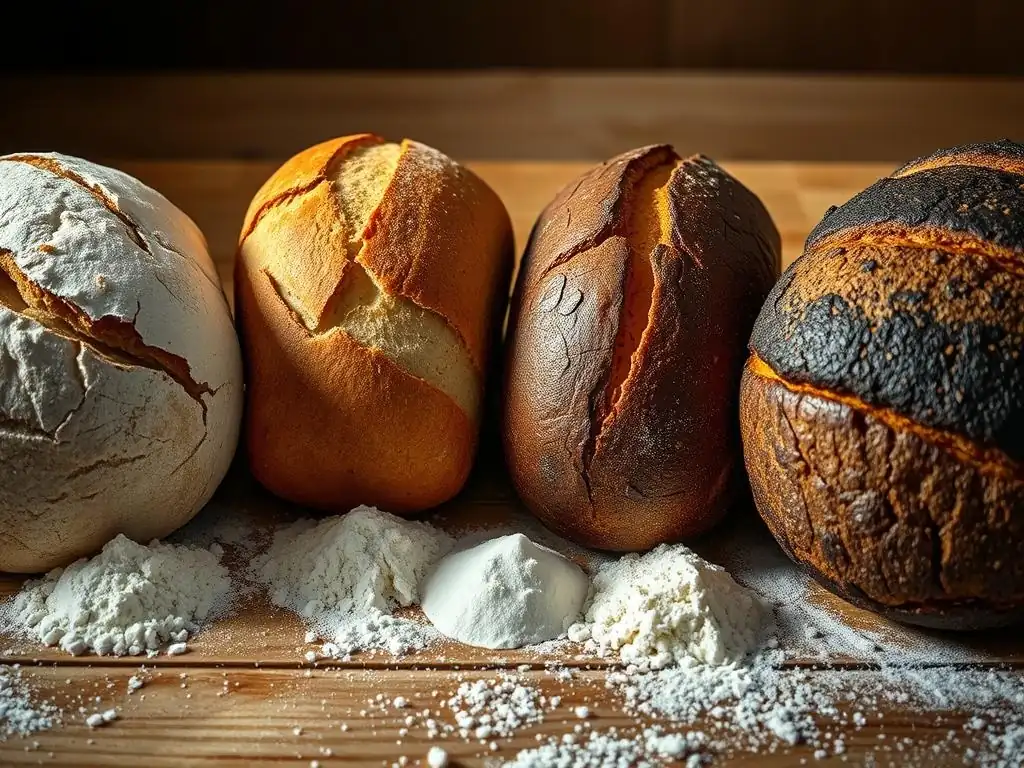
Welcome to BakeWithEase, where baking becomes an adventure! Ever wondered why your almond flour cookies brown so differently than those made with all-purpose? This article dives deep into the fascinating world of protein flour browning differences, unlocking the secrets behind the Maillard reaction and how various protein types influence the color and flavor of your baked goods. Prepare to elevate your baking knowledge and achieve perfectly browned results, every time. What will you discover?
- Flour Type and the Maillard Reaction: Why Different Flours Brown Differently
- Introduction: Understanding Flour Browning
- The Maillard Reaction: A Baker's Perspective
- Protein Content and Composition in Common Baking Flours
- The Link Between Protein Types and Flour Browning
- Factors Affecting Flour Browning Beyond Protein
- Baking Tips for Controlling Flour Browning
- Experimenting with Flour Blends
- Conclusion: Mastering Flour Browning
-
Frequently Asked Questions
- What is the Maillard reaction, and why is it important in baking?
- How do different protein levels in flour affect browning?
- Does the type of protein in flour matter for browning, or just the amount?
- Can I manipulate browning by adjusting ingredients other than flour?
- Where can I find recipes specifically designed for different flour types to optimize browning?
- Final Reflection: The Delicious Science of Flour Browning
- Unlock Your Baking Potential: Master the Art of Flour Browning!
Flour Type and the Maillard Reaction: Why Different Flours Brown Differently
Introduction: Understanding Flour Browning
Browning is a fundamental aspect of baking, contributing significantly to the color, flavor, and aroma of baked goods. Think of the golden crust on a loaf of bread, the rich brown of a chocolate chip cookie, or the delicate tan of a scone. This desirable color change isn't just for show; it's a complex chemical process that tells us a lot about how our ingredients are interacting under heat. Understanding why different flours brown the way they do is key to mastering your baking results.
This browning process, particularly the non-enzymatic type that occurs during baking, is primarily driven by two major reactions: caramelization (the browning of sugars) and the Maillard reaction (the browning of amino acids and reducing sugars). While both contribute to the final color and flavor profile, the Maillard reaction is especially influenced by the protein content and composition of your flour, playing a significant role in the subtle yet important protein flour browning differences you observe in different baked goods.
The Science Behind Flour Browning
At its core, the browning of flour-based goods during baking is a chemical transformation accelerated by heat. When you place dough or batter in a hot oven, several reactions begin simultaneously. Water evaporates, starches gelatinize, and proteins denature. Crucially, the sugars and amino acids present in the flour and other ingredients start reacting with each other.
This intricate dance of molecules creates hundreds, sometimes thousands, of new flavor and aroma compounds, alongside the visible color change. The intensity and nature of the browning depend heavily on the temperature, the duration of baking, and the specific composition of the ingredients, particularly the type of flour used and its inherent sugar and protein levels.
Why Different Flours Brown at Different Rates
Not all flours are created equal when it comes to browning. A cookie made with almond flour will likely brown faster and perhaps more intensely than one made solely with cake flour, even at the same temperature. This variation stems from fundamental differences in their chemical makeup.
The amount and type of carbohydrates (especially reducing sugars) and proteins (specifically the availability of free amino acids) vary significantly between different flour types. These differences directly impact the rate and outcome of the Maillard reaction. Understanding these inherent protein flour browning differences allows bakers to anticipate results and adjust techniques accordingly.
The Role of Protein in Flour Browning
While sugars are critical participants in the Maillard reaction, protein plays an equally vital role as a source of amino acids. Flour, being derived from grains, nuts, or seeds, contains varying amounts and types of protein. Wheat flour, for instance, is known for gluten, a complex protein network. Alternative flours have different protein profiles.
The free amino acids available from these proteins are necessary co-reactants with reducing sugars in the Maillard reaction. A flour with a higher availability of certain amino acids might brown more readily or produce different flavor compounds than one with less. Thus, the protein content and the types of proteins present are key determinants of the protein flour browning differences observed across different flour varieties.
The Maillard Reaction: A Baker's Perspective
For bakers, the Maillard reaction is the magic behind the crust's inviting aroma and rich flavor. It's not just about color; it's about developing complexity and depth that simple sugars alone can't provide. Mastering the conditions that favor or inhibit this reaction is a cornerstone of achieving desired results in everything from rustic bread to delicate pastries.
Think of the smell of baking bread or roasting nuts – much of that is the Maillard reaction at work. It occurs not only in baked goods but also in searing meat, roasting coffee beans, and toasting marshmallows. In baking, it primarily happens on the surface of the product where temperatures are high enough and moisture content is low enough for the reaction to proceed effectively.
What is the Maillard Reaction?
The Maillard reaction is a complex series of chemical reactions between amino acids (the building blocks of protein) and reducing sugars under heat. It's named after Louis-Camille Maillard, a French chemist who first described it in 1912. This reaction is responsible for many of the desirable colors and flavors in cooked foods.
Unlike caramelization, which only involves sugars, the Maillard reaction requires both amino acids and reducing sugars to be present. As these molecules react at elevated temperatures, they form intermediate compounds that further react and break down, eventually leading to the formation of melanoidins, which are large, complex molecules responsible for the brown color and many of the characteristic flavors and aromas associated with baking.
Key Components: Amino Acids and Reducing Sugars
The primary reactants in the Maillard reaction are amino acids and reducing sugars. Reducing sugars are sugars that have a free aldehyde or ketone group, allowing them to act as reducing agents. Common reducing sugars in baking include glucose (dextrose), fructose, lactose, and maltose. Sucrose (table sugar) is a non-reducing sugar, but it can be broken down into the reducing sugars glucose and fructose under acidic conditions or with the help of enzymes, thus participating indirectly.
Amino acids are derived from proteins. While proteins themselves don't directly participate in the initial steps of the Maillard reaction, the free amino acids released during processes like fermentation or protein breakdown under heat are crucial. Different amino acids react at different rates and produce different flavor compounds. Lysine, for example, is known to be particularly reactive in the Maillard reaction and contributes significantly to browning.
How Heat Affects the Maillard Reaction
Heat is the primary catalyst for the Maillard reaction. While it can occur slowly at room temperature, it accelerates significantly as temperature increases. The reaction typically begins to occur noticeably around 140°C (284°F) and proceeds rapidly at common baking temperatures, often ranging from 150°C to 230°C (300°F to 450°F).
Higher temperatures generally lead to faster and more intense browning and the formation of different flavor compounds compared to lower temperatures. However, excessively high temperatures can lead to burning, where the reactions proceed too far, producing bitter or acrid flavors. The optimal temperature range allows for controlled development of color, flavor, and aroma without charring. Moisture also plays a role; the reaction is inhibited by high moisture content, which is why the interior of a loaf browns less than the crust.
Protein Content and Composition in Common Baking Flours
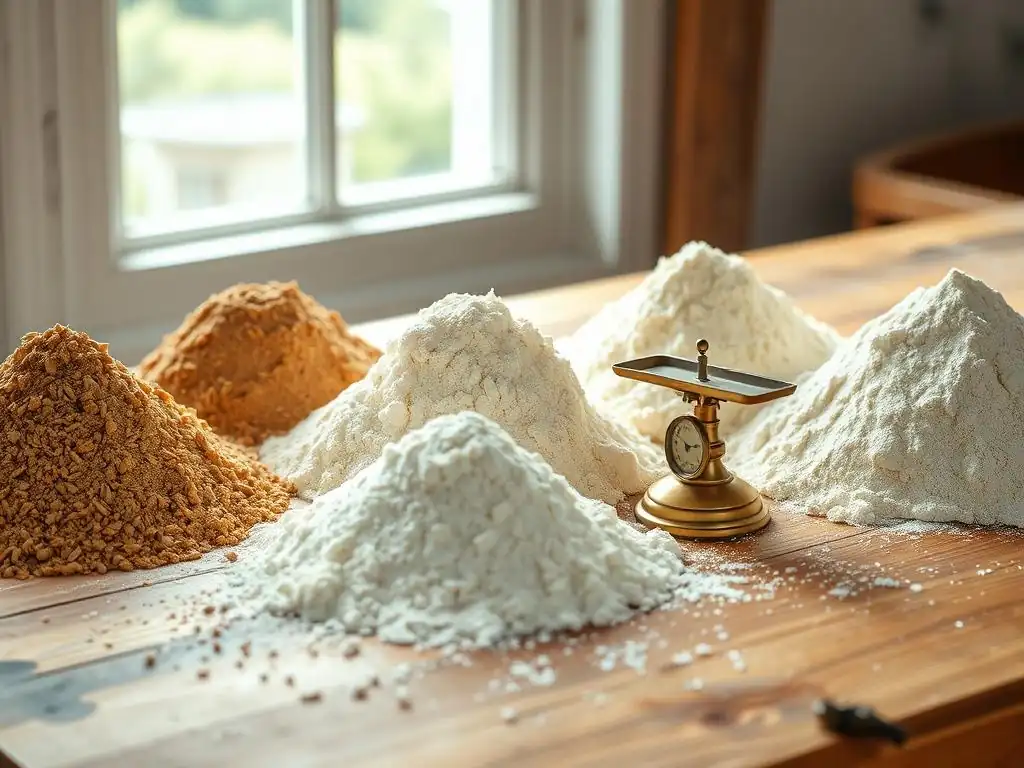
The type and amount of protein in flour are major factors influencing its baking characteristics, including how it browns. Different grains, nuts, and seeds have distinct protein profiles, leading to significant protein flour browning differences. Understanding these profiles helps predict baking outcomes.
For instance, wheat flour, derived from wheat kernels, is unique for its gluten-forming proteins. Alternative flours, sourced from diverse plant materials, contain different types of proteins that behave very differently under heat compared to gluten.
Wheat Flour: Gluten and Browning
Wheat flour is the most common flour in Western baking, largely due to its gluten-forming potential. Gluten is a complex network formed when two main proteins, gliadin and glutenin, are hydrated and mixed. The amount of protein in wheat flour varies significantly depending on the wheat variety and how the flour is milled.
Generally, higher protein wheat flours, like bread flour, contain more amino acids available for the Maillard reaction, potentially leading to more pronounced browning compared to lower protein flours like cake flour. The gluten network also affects the structure and moisture retention of the baked good, indirectly influencing the Maillard reaction by controlling how quickly the surface dries out and heats up.
Bread Flour vs. Cake Flour
Let's look at a specific comparison within wheat flours: bread flour and cake flour. Bread flour typically has a protein content ranging from 12% to 14%, while cake flour is much lower, usually between 5% and 8%. This difference in protein content directly impacts their browning potential.
When baked under similar conditions, bread made with high-protein bread flour will generally develop a richer, darker crust compared to a cake made with low-protein cake flour (assuming similar sugar levels). This is partly because the higher protein in bread flour provides more amino acids for the Maillard reaction. The strong gluten network in bread dough also allows for higher baking temperatures and longer baking times before the interior is overcooked, further promoting crust development and browning via the Maillard reaction on the surface.
Alternative Flours: Beyond Wheat
The world of baking has expanded significantly beyond wheat, with alternative flours offering unique flavors, textures, and nutritional profiles. These flours, derived from sources like nuts, seeds, legumes, and other grains, have vastly different protein contents and compositions compared to wheat, leading to distinct protein flour browning differences.
Exploring these flours requires an understanding of how their specific protein types and other components interact during baking. Unlike wheat flour, they do not form a gluten network, which impacts structure but also affects how they behave under heat and thus how they brown.
Almond Flour: Protein and Browning
Almond flour, made from ground almonds, is relatively high in protein, typically ranging from 20% to 25%. It also contains significant amounts of fat and some natural sugars. The protein in almond flour is different from wheat gluten and doesn't form an elastic network.
Due to its higher protein content and the presence of fats and natural sugars, almond flour tends to brown relatively quickly and intensely compared to many wheat flours, especially at higher temperatures. This rapid browning is a key characteristic bakers must manage when using almond flour in recipes like macarons or cookies. The specific amino acid profile of almond protein also contributes unique flavor compounds during the Maillard reaction.
Coconut Flour: Protein Profile and Browning
Coconut flour is derived from dried coconut meat after most of the fat has been removed. It has a unique composition: high in fiber, moderate in protein (around 18-20%), and lower in carbohydrates compared to grain flours. Its protein structure is very different from both wheat and almond protein.
Coconut flour tends to absorb a lot of liquid and can result in a denser final product. Its browning characteristics can be less predictable than wheat flour. While it contains protein for the Maillard reaction, its high fiber content and lower sugar levels compared to some nut flours can influence the rate and nature of browning. Baked goods made with coconut flour might require lower temperatures or shorter baking times to prevent excessive drying and browning on the surface before the interior is cooked.
Oat Flour: Protein and Browning
Oat flour, made from ground oats, contains a moderate amount of protein, typically between 11% and 17%. The main protein in oats is avenalin, which is not a gluten-forming protein. Oat flour also contains significant amounts of soluble fiber (beta-glucan) and some natural sugars.
Oat flour generally browns well, contributing to a pleasant golden color in baked goods like cookies or muffins. Its protein content provides sufficient amino acids for the Maillard reaction, and the presence of natural sugars further aids in browning. The high fiber content can affect moisture distribution during baking, indirectly influencing surface browning. Baked goods with oat flour often have a slightly softer texture compared to wheat flour counterparts.
Rice Flour: Protein and Browning
Rice flour, made from ground rice (white or brown), is generally lower in protein compared to wheat, almond, or oat flour. White rice flour typically has protein content between 5% and 7%, while brown rice flour is slightly higher, around 7-9%. Rice protein is also non-gluten forming.
Due to its lower protein content and relatively low levels of natural reducing sugars, baked goods made primarily with rice flour tend to brown less intensely and more slowly than those made with higher protein or higher sugar flours. This is particularly noticeable in gluten-free blends where rice flour is a major component. Achieving a rich brown crust with rice flour often requires adjusting baking times, temperatures, or incorporating additional browning agents like sugars or dairy proteins.
The Link Between Protein Types and Flour Browning
It's not just the amount of protein that matters for browning, but also the type of protein and, more specifically, the availability and profile of the free amino acids they provide. Different proteins are composed of different combinations of amino acids, and some amino acids are more reactive in the Maillard reaction than others.
This variation in amino acid composition is a key driver of the protein flour browning differences observed across various flour types. While a flour might have a high total protein percentage, if those proteins don't readily release reactive amino acids under baking conditions, its browning potential via the Maillard reaction might be lower than expected.
Amino Acid Composition and Browning
The specific blend of amino acids present in a flour's protein is critical. Proteins are broken down into individual amino acids, and it is these free amino acids that participate in the initial step of the Maillard reaction with reducing sugars. Different plant sources yield proteins with varying amino acid profiles.
For example, cereal proteins (like those in wheat or oats) have different amino acid compositions compared to legume proteins (like pea protein) or nut/seed proteins (like almond or sunflower seed protein). These compositional differences mean that even flours with similar total protein percentages might brown differently because they offer different types and quantities of reactive amino acids to the Maillard reaction.
Specific Amino Acids and the Maillard Reaction
Certain amino acids are known to be particularly reactive in the Maillard reaction. Lysine, an essential amino acid, is often cited as one of the most reactive due to the structure of its side chain. Asparagine is another amino acid that, while less involved in color development, is a precursor to acrylamide, a compound that forms during high-temperature browning and is of interest in food safety.
Flours that are relatively rich in highly reactive amino acids like lysine may show more significant browning compared to flours where these amino acids are less abundant or less available. This highlights how the precise protein flour browning differences are rooted in the molecular structure and composition of the proteins within the flour.
Protein Denaturation and Browning
Before amino acids can readily participate in the Maillard reaction, the proteins they are part of often need to undergo denaturation. Denaturation is the process where the complex 3D structure of a protein unfolds, typically induced by heat, mechanical stress (like kneading), or changes in pH.
Denaturation makes the protein more accessible to enzymatic or chemical breakdown, potentially freeing up more amino acids to react with sugars. In baking, the heat of the oven denatures the flour proteins. The extent and rate of denaturation can vary depending on the protein type and baking conditions, indirectly influencing the availability of amino acids for the Maillard reaction and thus affecting the final browning.
Factors Affecting Flour Browning Beyond Protein
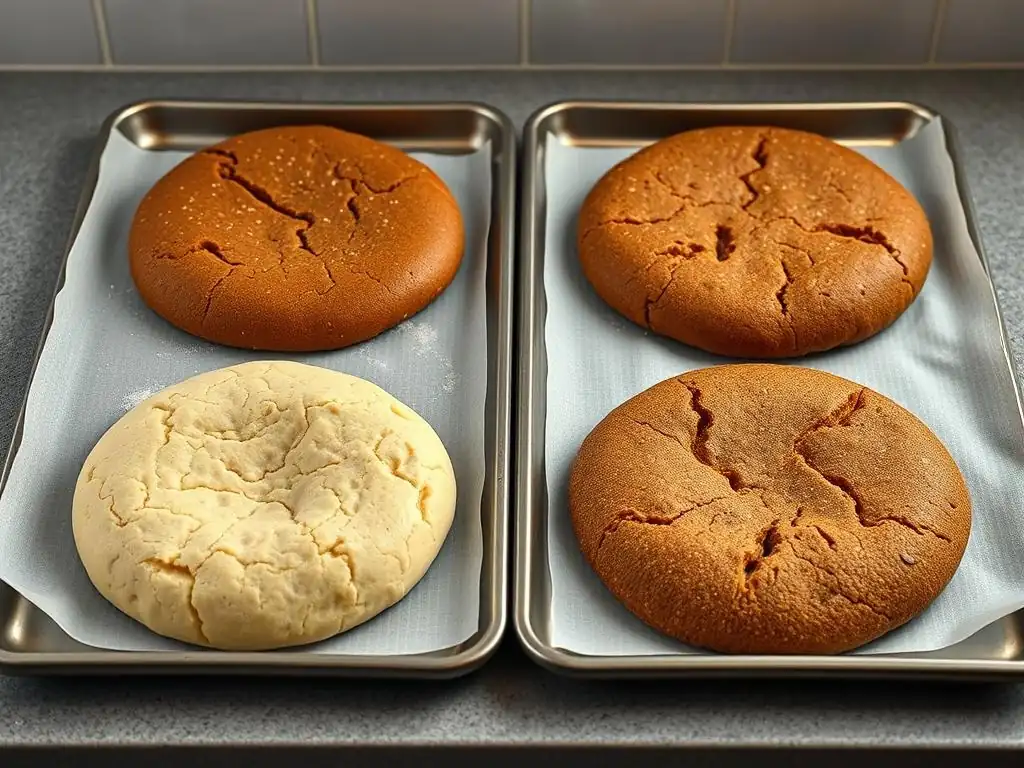
While protein and the Maillard reaction are central to protein flour browning differences, other factors significantly influence the degree and type of browning that occurs during baking. These include the presence of sugars, the pH of the dough or batter, moisture levels, and the interaction with other ingredients like fats.
Bakers must consider the interplay of all these elements to predict and control the final color and flavor of their baked goods. Adjusting any one of these variables can dramatically alter the outcome, even when using the same type of flour.
Sugar Content and the Maillard Reaction
Sugar is a crucial partner to protein in the Maillard reaction. The type and amount of sugar present have a profound impact on browning. Reducing sugars (like glucose, fructose, lactose, maltose) are direct participants. Non-reducing sugars (like sucrose) can participate indirectly if broken down.
Higher amounts of reducing sugars generally lead to more rapid and intense browning. For example, adding honey or molasses (which contain fructose and glucose) to a dough will typically result in faster and darker browning than adding an equal weight of pure sucrose. This is a key reason why recipes vary in browning; the sugar content and type are just as important as the flour's protein in driving the Maillard reaction.
pH Levels and Browning
The pH level of the dough or batter significantly affects the rate of the Maillard reaction. The reaction proceeds much faster in alkaline (higher pH) conditions and is inhibited in acidic (lower pH) conditions.
Ingredients like baking soda (sodium bicarbonate), which is alkaline, will accelerate browning. This is why cookies made with baking soda often have a more golden or brown color than those made with only baking powder (which contains acidic components). Conversely, acidic ingredients like buttermilk, yogurt, or lemon juice will slow down browning. Controlling pH is a powerful tool bakers use to manage browning and flavor development.
Moisture Content and Browning
Moisture content plays a dual role in browning. Initially, high moisture on the surface of a baked good inhibits the Maillard reaction because the water cools the surface through evaporation and dilutes the reactants. As the surface dries out and its temperature rises above 100°C (212°F), the Maillard reaction can proceed rapidly.
The rate at which the surface dries is influenced by the dough's composition and the baking environment (oven temperature, humidity). Flours that absorb more water or recipes with higher hydration might take longer to start browning intensely. Conversely, a dry surface will brown very quickly. Managing moisture, perhaps through steam in the oven or adjusting baking time, impacts browning.
The Role of Fats and Other Ingredients
Fats can also influence browning, although their role is less direct than protein, sugar, or pH. Fats can distribute heat and contribute to the overall moisture profile of the dough or batter. They can also coat flour particles, potentially affecting the accessibility of proteins and sugars for the Maillard reaction.
Other ingredients, like dairy products (milk, butter), can also contribute reactants to the Maillard reaction. Milk contains lactose (a reducing sugar) and proteins (casein and whey) that provide amino acids, enhancing browning, which is why washing bread dough with milk or egg wash promotes a golden crust. Eggs also contain proteins and some reducing sugars, contributing to rich surface color.
Baking Tips for Controlling Flour Browning
Understanding the factors that influence browning allows bakers to take control. Whether you want a pale, delicate crust or a deep, caramelized brown, you can adjust your technique and ingredients to achieve the desired result, taking into account the inherent protein flour browning differences.
Here are some practical tips to help you manage the browning process in your baking.
Adjusting Baking Temperatures
Baking temperature is perhaps the most direct lever for controlling browning. Higher temperatures accelerate the Maillard reaction and caramelization, leading to faster and darker browning. Lower temperatures slow these reactions down, resulting in lighter browning.
- For darker browning: Bake at a slightly higher temperature, ensuring the interior cooks properly without the exterior burning.
- For lighter browning: Bake at a lower temperature for a longer period. This allows the interior to cook through before the surface browns excessively. Be mindful that very low temperatures might not trigger sufficient Maillard reaction for flavor development.
Controlling Moisture Levels
Managing the moisture on the surface of your baked goods is crucial for browning. A moist surface inhibits browning.
- To promote browning: Allow the surface to dry out or start with a drier surface. For bread, avoiding excessive steam towards the end of baking can encourage crust development. For cookies, less hydration in the dough might lead to faster browning.
- To inhibit browning: Maintain surface moisture. Using an egg wash or milk wash provides sugars and proteins that brown, but the moisture initially slows the underlying flour browning. Covering the item loosely with foil partway through baking can also prevent the surface from getting too hot and dry.
Using Sugar Strategically
The type and amount of sugar in your recipe directly impact browning due to their role in both caramelization and the Maillard reaction.
- For more browning: Increase the proportion of reducing sugars (like brown sugar, honey, molasses, or maple syrup) relative to non-reducing sugars (like granulated white sugar). These sugars react more readily.
- For less browning: Reduce the total amount of sugar or use primarily non-reducing sugars. Be aware that sugar also affects texture and moisture, so simply reducing sugar can change the outcome beyond just color.
Incorporating Baking Soda or Baking Powder
The leavening agents you choose can influence the pH of your dough or batter, thereby affecting the rate of the Maillard reaction.
- To enhance browning: Use baking soda (sodium bicarbonate), which is alkaline. It will raise the pH of the mixture, accelerating the Maillard reaction. This is why baking soda is often used in cookies for spread and browning.
- To reduce browning: Use baking powder, especially double-acting types that contain acidic components. The acidity will lower the pH and slow down the Maillard reaction. Consider using acidic ingredients like buttermilk or yogurt, which also lower pH and inhibit browning, resulting in lighter colored baked goods like scones or biscuits.
Experimenting with Flour Blends
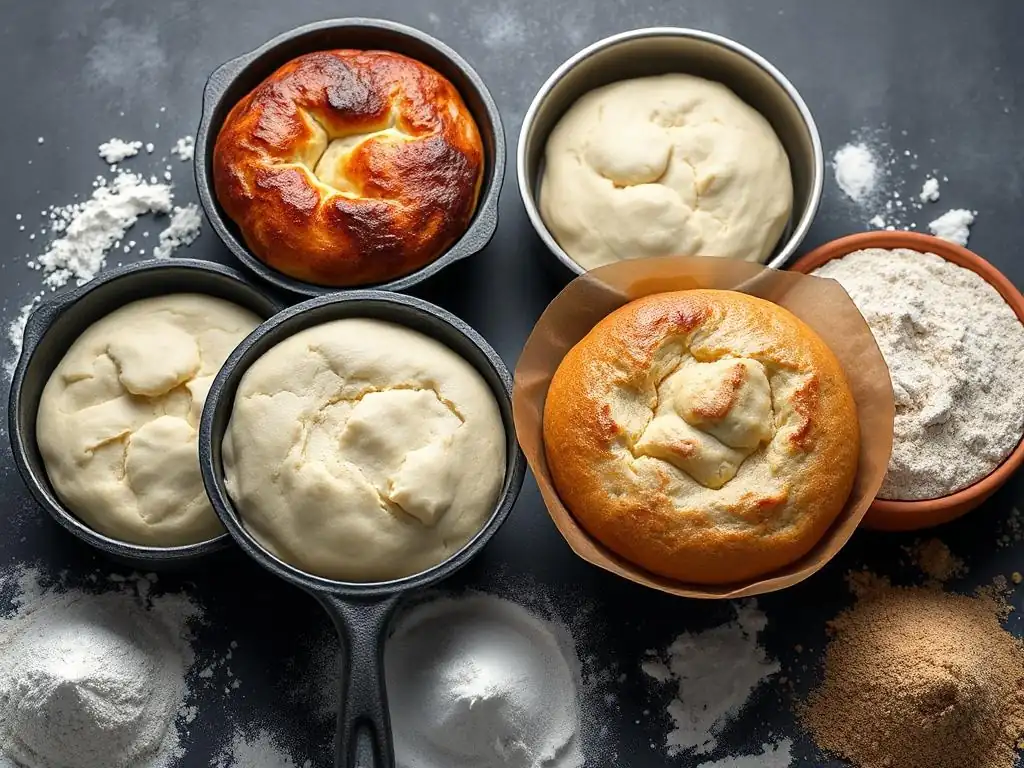
Understanding the protein flour browning differences and how various components react provides a fantastic opportunity for experimentation. By blending different flours, you can tailor the browning characteristics, flavor, and texture of your baked goods.
Combining a high-protein flour with a lower-protein, higher-sugar flour, for example, could yield a unique browning profile different from using either flour alone. This approach allows bakers to compensate for the limitations of a single flour type or to achieve specific aesthetic and flavor goals.
Combining Flours for Specific Browning
Blending flours allows you to manipulate the total protein content, the specific amino acid profile, and the ratio of protein to sugars and other carbohydrates.
- To achieve a richer, darker brown in a gluten-free bake: Blend a lower-protein rice flour with a higher-protein alternative flour like almond flour or a legume-based flour (like chickpea flour) which might offer a different range of reactive amino acids.
- To temper the rapid browning of nut flours: Combine almond flour with a lower-protein starch like tapioca starch or cornstarch. This dilutes the protein and sugar concentration, slowing down the Maillard reaction and giving the interior more time to cook before the surface burns.
- To add subtle browning and flavor to wheat-based goods: Incorporate a small percentage of a high-protein, flavorful flour like rye flour or whole wheat flour into a white bread dough. These flours not only contribute different protein types but also more bran and germ, which contain enzymes and compounds that can influence browning and flavor development.
Flour Blend Recipe and Browning Results
Let's consider a hypothetical example: a simple cookie recipe.
- Recipe 1 (Control): 100% All-Purpose Wheat Flour (approx. 10.5% protein)
- Recipe 2 (Blend): 70% All-Purpose Wheat Flour, 30% Almond Flour (blend protein content higher, adds fat and different amino acids/sugars)
- Recipe 3 (Blend): 70% All-Purpose Wheat Flour, 30% White Rice Flour (blend protein content lower, adds starch, lower reactive amino acids/sugars)
When baked under identical conditions (same temperature, time, sugar, fat, leavening), you would likely observe distinct protein flour browning differences:
- Recipe 1: Classic golden-brown cookie.
- Recipe 2: Browner cookie, potentially with a slightly more reddish-brown hue due to almond components, browning potentially faster.
- Recipe 3: Paler cookie, browning more slowly than the other two, possibly requiring longer bake time for desired color.
Task List:
- [ ] Try baking the same basic sugar cookie recipe using different flour types (e.g., all-purpose, almond, oat) side-by-side.
- [ ] Observe the differences in browning rate and final color.
- [ ] Note any differences in flavor and texture that might be linked to the browning intensity.
Conclusion: Mastering Flour Browning
Understanding the science behind flour browning, particularly the crucial role of protein types and the Maillard reaction, empowers you to become a more confident and skilled baker. The protein flour browning differences between various flours are not just academic; they have tangible effects on the appearance, aroma, and flavor of your final baked goods.
By appreciating how protein content, amino acid profiles, sugars, pH, and moisture interact under heat, you gain the ability to anticipate results and troubleshoot when things don't go as planned. This knowledge transforms baking from simply following instructions into a dynamic process of creation and control.
Understanding Protein for Successful Baking
Protein is far more than just a structural component in baking; it's a key player in color and flavor development via the Maillard reaction. The varying protein levels and compositions in different flours explain many of the protein flour browning differences you encounter. High-protein flours, or those with specific reactive amino acids, tend to brown more readily and contribute unique flavor notes.
Conversely, lower-protein flours may require adjustments in sugar levels, pH, or baking conditions to achieve satisfactory browning. Recognizing the protein profile of the flour you're using is a fundamental step towards predicting its behavior in the oven and mastering the art of browning.
Further Exploration of the Maillard Reaction
The Maillard reaction is incredibly complex, producing a vast array of flavor and aroma compounds. Beyond browning, it contributes notes that can be described as nutty, malty, roasted, or even meaty, depending on the specific reactants and conditions.
Exploring resources that delve deeper into the chemistry of the Maillard reaction can further enhance your baking intuition. Learning about specific flavor compounds produced by reactions involving different amino acids and sugars can help you understand why a rye bread has a different flavor profile than a white bread, or why toasted nuts taste different from raw ones.
Resources for Perfecting Baking Techniques
To truly master flour browning and other baking techniques influenced by ingredient interactions, continue seeking out reliable resources. BakeWithEase.com offers a wealth of recipes, tips, and guides that build upon foundational scientific principles like the Maillard reaction and protein flour browning differences.
Practice is key. Experiment with different flours, vary baking temperatures and times, and observe the results. Keep a baking journal to track your experiments and findings. By combining theoretical knowledge with hands-on experience, you'll gain an intuitive understanding of how ingredients behave, allowing you to bake with greater confidence and achieve consistently delicious and beautifully browned results.
Frequently Asked Questions
What is the Maillard reaction, and why is it important in baking?
The Maillard reaction is a chemical reaction between amino acids and reducing sugars that gives browned food its distinctive flavor. It's vital for creating color, aroma, and taste in baked goods.
How do different protein levels in flour affect browning?
Flours with higher protein content, like bread flour, typically brown more readily due to having more amino acids available for the Maillard reaction. Lower protein flours, such as cake flour, brown less.
Does the type of protein in flour matter for browning, or just the amount?
Both type and amount are important. Different proteins have different amino acid compositions, which can impact the speed and intensity of the Maillard reaction.
Can I manipulate browning by adjusting ingredients other than flour?
Yes, you can! Adding sugars like honey or molasses, or ingredients like milk solids, can enhance browning. Adjusting oven temperature can also influence the Maillard reaction.
Where can I find recipes specifically designed for different flour types to optimize browning?
BakeWithEase.com offers a variety of recipes tailored to different flour types, providing tips and techniques for achieving optimal browning in pastries, breads, and other baked goods.
Final Reflection: The Delicious Science of Flour Browning
Understanding the Maillard reaction's interplay with protein content in different flours is not just a culinary curiosity; it's the key to unlocking a deeper appreciation for the art and science of baking. The subtle nuances in color, flavor, and texture we experience in our favorite baked goods are directly tied to the complex chemical dance between amino acids and reducing sugars, a dance heavily influenced by the protein profile of the flour itself. This knowledge empowers us to make more informed choices in the kitchen and achieve consistently superior results.
The exploration of protein's role in flour browning has profoundly impacted my own baking journey. It's moved beyond simply achieving a golden-brown crust; it's about understanding the why behind the process. The more you know, the more you can control.
This simple statement perfectly encapsulates the shift in perspective this research has fostered. Understanding the differences between high-protein and low-protein flours, and how those differences manifest in the Maillard reaction, allows for a level of precision and creativity previously unimaginable. It's a journey of continuous learning and experimentation, constantly revealing new layers of complexity and delight.
Now, it's your turn to explore. Consider the next time you bake: What flour are you using? What are its protein characteristics? How might that influence your baking process and the final product? Don't just follow recipes blindly; understand the science behind them. Experiment with different flours, observe the browning process, and taste the difference. By embracing this knowledge, you'll elevate your baking from a simple task to a truly rewarding and creative endeavor. The world of flour browning is vast and delicious; let's explore it together.
Unlock Your Baking Potential: Master the Art of Flour Browning!
Thanks for diving deep into the fascinating world of protein types and the Maillard reaction! You've now unlocked the secrets to understanding why different flours brown differently – a game-changer for your baking journey. Ready to put this knowledge into practice?
- Experiment with different flours: Try baking the same recipe with three different flours (e.g., bread flour, all-purpose, and cake flour) and observe the browning differences firsthand. Note the textures and flavors – you might discover a new favorite!
- Share your browning discoveries: Snap a picture of your browning experiments and share them on social media using #BakeWithEaseFlourFacts. Let's build a community of baking enthusiasts!
- Dive deeper into gluten: Research the different types of gluten and how their structure influences browning. This could unlock even more baking mastery!
What surprising browning results will you discover in your next baking adventure?