
Simple LowSugar Quick Breads: Muffins, Loaves, and More

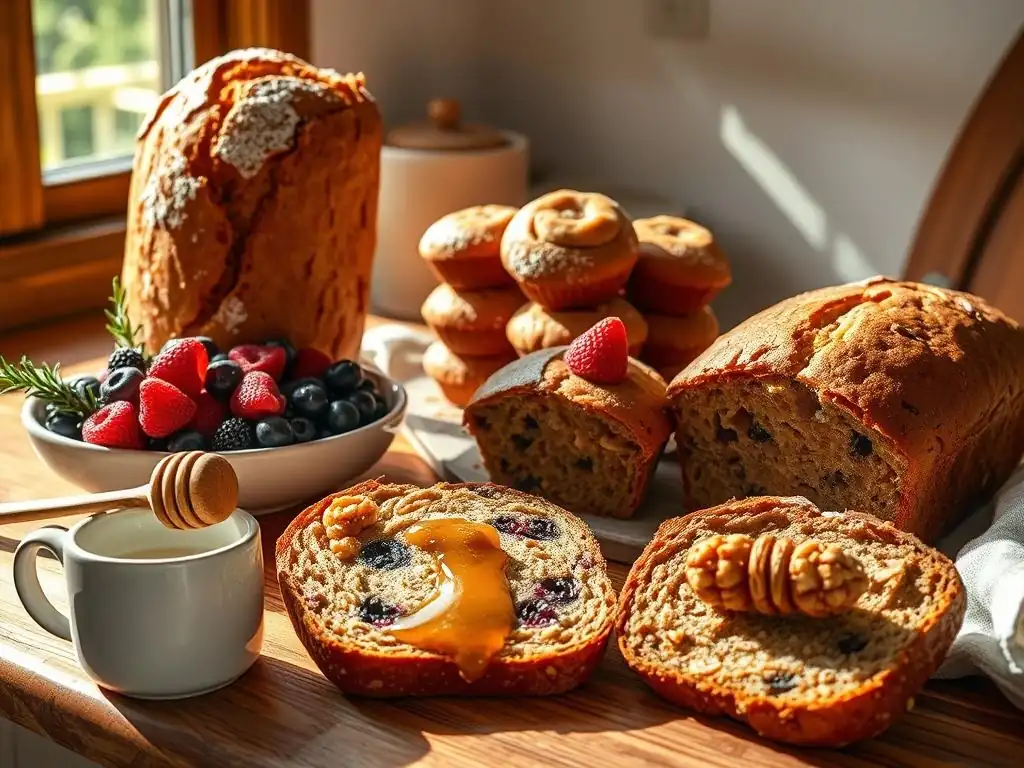
Welcome to BakeWithEase, where baking becomes an accessible joy! Are you craving a delicious treat without the sugar rush? Then you're in the right place. Discover the secrets to creating mouthwatering low sugar quick bread recipes that are both simple to follow and incredibly satisfying. Intrigued? Keep reading to unlock a world of guilt-free muffins, loaves, and more!
- Delicious Low-Sugar Quick Bread Recipes
- What are Low-Sugar Quick Breads and Why Bake Them?
- Essential Ingredients for Low-Sugar Quick Bread Baking
- Low-Sugar Quick Bread Recipes: Muffins and Loaves
- Tips and Tricks for Perfect Low-Sugar Quick Breads
- Adapting Favorite Recipes to Be Low-Sugar
- Troubleshooting Common Low-Sugar Quick Bread Baking Issues
- Low-Sugar Baking: A Healthier Way to Enjoy Quick Breads
- Low-Sugar Quick Bread Recipe Variations
- Conclusion: Embrace Low-Sugar Quick Bread Baking.
-
Frequently Asked Questions
- What exactly is a low-sugar quick bread, and how does it differ from regular quick bread?
- What kind of sweeteners can I use in low-sugar quick bread recipes from BakeWithEase.com?
- Are low-sugar quick bread recipes from BakeWithEase.com suitable for beginners?
- Can I adapt my existing quick bread recipes to be low-sugar using the BakeWithEase.com tips?
- What are some examples of low-sugar quick breads I can find on BakeWithEase.com?
- Final Reflection: The Sweet Simplicity of Healthy Baking
- Unlock Your Inner Baker: Delicious Low-Sugar Treats Await!
Delicious Low-Sugar Quick Bread Recipes
Embarking on a journey into low-sugar baking doesn't mean sacrificing flavor or texture. Quick breads, known for their ease and speed, are perfect candidates for sugar reduction. These delightful baked goods, ranging from tender muffins to moist loaves, offer a satisfying way to enjoy treats while managing sugar intake. Crafting a delicious low-sugar quick bread is entirely achievable with the right ingredients and techniques, opening up a world of healthier options for breakfast, snacks, or dessert.
What are Low-Sugar Quick Breads and Why Bake Them?
Understanding Quick Breads
Quick breads are a category of baked goods that do not rely on yeast for leavening. Instead, they use chemical leavening agents like baking soda and baking powder, which react quickly when mixed with wet ingredients and exposed to heat, causing the batter to rise rapidly. This method eliminates the need for lengthy proofing or rising times associated with yeast breads, living up to their "quick" name.
Common examples include muffins, scones, biscuits, and various loaf cakes like banana bread or zucchini bread. The basic formula typically involves combining dry ingredients (flour, leavener, salt) with wet ingredients (eggs, milk, oil or butter, and often sugar), mixing just until combined, and baking.
The beauty of a quick bread lies in its simplicity and versatility. Unlike yeast doughs that require kneading and precise temperature control, quick bread batters or doughs are usually mixed minimally. Overmixing can develop gluten, resulting in a tough texture, which is undesirable in a tender muffin or moist loaf. Their forgiving nature makes them ideal for beginner bakers, and their rapid preparation fits well into busy schedules. Whether it's a warm blueberry muffin for breakfast or a slice of pumpkin bread in the afternoon, quick breads offer comforting and convenient baked goods.
The Benefits of Baking with Less Sugar
Reducing sugar in baking offers significant health benefits without necessarily compromising enjoyment. Excessive sugar consumption is linked to various health issues, including weight gain, increased risk of type 2 diabetes, heart disease, and dental problems. By opting for low-sugar quick breads, you can significantly decrease the amount of added sugar in your diet, contributing to better overall health. This is particularly relevant for individuals managing blood sugar levels or simply aiming for a more balanced lifestyle.
Baking a low-sugar quick bread also allows the natural flavors of other ingredients to shine through. Instead of being masked by overwhelming sweetness, the taste of ripe bananas, tart berries, warm spices, or rich cocoa becomes more prominent. This can lead to a more nuanced and satisfying sensory experience. Furthermore, many sugar substitutes used in low-sugar baking contribute fewer calories than traditional sugar, potentially aiding in calorie management. Embracing low-sugar quick bread recipes is a proactive step towards healthier eating habits that don't require giving up the pleasure of home-baked goods.
Low-Sugar Baking: Guilt-Free Treats
The concept of "guilt-free treats" in low-sugar baking revolves around enjoying delicious foods while aligning with health goals. A low-sugar quick bread allows you to indulge in a comforting slice of banana bread or a tender muffin without the negative health implications associated with high sugar content. This approach supports a sustainable healthy lifestyle, demonstrating that dietary moderation doesn't mean deprivation. It's about making smarter choices that satisfy cravings in a healthier way.
Creating a low-sugar quick bread empowers you to control exactly what goes into your food. You can select high-quality ingredients, choose your preferred sugar substitute, and avoid the hidden sugars often found in commercially prepared baked goods. For instance, a standard store-bought muffin can contain upwards of 30-40 grams of sugar, equivalent to 7-10 teaspoons.
A homemade low-sugar quick bread version, utilizing substitutes or natural sweetness from fruit, can drastically reduce this amount, often bringing it down to under 10 grams (2.5 teaspoons) or even less per serving, depending on the recipe and substitute used. This control is key to integrating treats responsibly into a balanced diet.
Essential Ingredients for Low-Sugar Quick Bread Baking
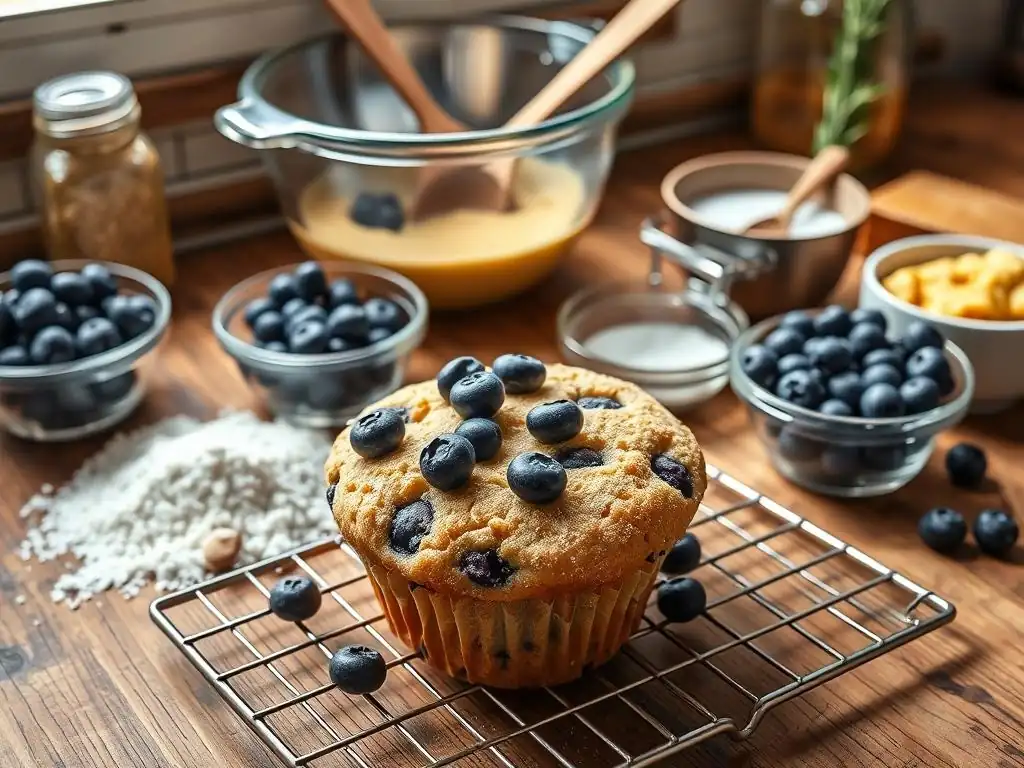
Flour Selection for Low-Sugar Quick Breads
The type of flour used significantly impacts the texture and structure of any quick bread, including low-sugar versions. All-purpose flour is a common choice due to its balanced protein content, providing enough structure while keeping the crumb tender. However, for added fiber and nutrients, whole wheat flour or white whole wheat flour can be excellent options. Using 100% whole wheat flour might result in a denser texture, so many recipes suggest using a blend of whole wheat and all-purpose flour, perhaps a 50/50 mix, to maintain a lighter crumb in your low-sugar quick bread.
Beyond wheat-based flours, alternative flours offer unique profiles. Almond flour, made from ground almonds, is lower in carbohydrates and higher in fat and protein, contributing to a moist, tender crumb but requiring adjustments to liquid and binding agents. Coconut flour is highly absorbent and very low in carbohydrates, yielding a dense result and needing significantly more liquid and eggs. Using these alternative flours successfully in a low-sugar quick bread often involves specific recipes designed for their properties or careful experimentation with blends.
Natural Sugar Substitutes for Baking
Replacing sugar in quick breads requires understanding the role sugar plays beyond just sweetness. Sugar contributes to moisture, tenderness, browning, and provides bulk. Natural sugar substitutes aim to replicate sweetness while minimizing caloric impact and glycemic response. Common options include plant-derived sweeteners like stevia and monk fruit, and sugar alcohols like erythritol and xylitol. Each substitute has unique properties regarding sweetness intensity, flavor profile, and how it behaves in baking, which is crucial when developing or adapting a low-sugar quick bread recipe.
When selecting a substitute, consider its sweetness level relative to sugar and whether it measures cup-for-cup. Some are much sweeter than sugar (like pure stevia extract), requiring only tiny amounts, while others (like erythritol) measure similarly but are less sweet. The texture they impart is also important; some substitutes can lead to a slightly different crumb or lack the browning properties of sugar. Experimentation is often necessary to find the best substitute or blend of substitutes for your desired low-sugar quick bread outcome.
Stevia in Quick Breads
Stevia is a natural sweetener derived from the leaves of the Stevia rebaudiana plant. Its sweet compounds, called steviol glycosides, can be 200-400 times sweeter than sugar. Available in various forms like liquid drops, powders, or granulated blends, pure stevia extract is incredibly potent, meaning only a fraction of a teaspoon is needed to replace a significant amount of sugar. This potency means it contributes virtually no bulk or moisture to the recipe, which can affect the structure and texture of a low-sugar quick bread.
When using stevia in quick breads, it's often best to use a blend that includes a bulking agent (like erythritol or maltodextrin) to provide the volume that sugar would normally contribute. If using pure extract, you might need to increase the amount of liquid or add an ingredient like applesauce or yogurt to compensate for the lost bulk and moisture. Stevia can sometimes leave a slight aftertaste, particularly in larger quantities, so finding the right balance is key to a delicious low-sugar quick bread.
Erythritol for Low-Sugar Baking
Erythritol is a sugar alcohol found naturally in some fruits. It is about 70% as sweet as sugar but contains only about 0.2 calories per gram, significantly less than sugar's 4 calories per gram. Erythritol is often used as a cup-for-cup replacement for sugar in recipes, making it relatively easy to substitute into a low-sugar quick bread. It doesn't cause a spike in blood sugar, making it suitable for individuals managing diabetes.
One characteristic of erythritol is that it can sometimes create a cooling sensation in the mouth. Also, it doesn't dissolve as readily as sugar and can recrystallize upon cooling, potentially leading to a slightly grainy texture in baked goods. Using powdered erythritol can help mitigate this. Despite these minor points, erythritol is a popular choice for creating low-sugar quick bread recipes due to its ease of use and minimal impact on blood sugar.
Monk Fruit Sweetener in Quick Bread Recipes
Monk fruit sweetener is extracted from the monk fruit, a small round fruit native to Southeast Asia. The sweet compounds, called mogrosides, are potent, ranging from 100-250 times sweeter than sugar. Like stevia, monk fruit sweetener is often blended with bulking agents like erythritol to create a granulated product that measures cup-for-cup like sugar. This makes it convenient for use in low-sugar quick bread recipes, providing sweetness and some of the necessary volume.
Monk fruit sweetener generally has a clean sweetness profile with less aftertaste compared to some other high-intensity sweeteners. Its performance in baking is similar to erythritol when used in blended forms. It contributes very few calories and carbohydrates. Choosing a monk fruit blend that incorporates a suitable bulking agent is crucial for achieving the correct texture and structure when using it to bake a low-sugar quick bread.
Binding Agents for Moist Low-Sugar Breads
In low-sugar quick breads, maintaining moisture and structure can be a challenge, especially when reducing sugar (which attracts and holds moisture) or using alternative flours. Binding agents help to hold the ingredients together and contribute to a tender, moist crumb. Eggs are primary binding agents, providing structure and richness. Some low-sugar recipes might call for an extra egg or egg yolk to compensate for the lack of sugar's binding properties.
Other ingredients can also act as binders and moisture contributors. Mashed ripe bananas, applesauce, pumpkin puree, yogurt, or buttermilk not only add flavor and moisture but also help bind ingredients. Seed meals like flax meal or chia meal, when mixed with water to form a gel (often called a "flax egg" or "chia egg"), can serve as vegan binders and add fiber, though they can impart a distinct texture and flavor. The right combination of these agents is vital for a successful, moist low-sugar quick bread.
Leavening Agents in Low-Sugar Recipes
Leavening agents are critical for the rise and light texture of quick breads. Baking soda and baking powder are the most common chemical leaveners used. Baking soda requires an acidic ingredient (like buttermilk, yogurt, lemon juice, or molasses - though molasses is high in sugar) to react and produce carbon dioxide gas. Baking powder, on the other hand, is a complete leavener containing both an acid and a base, reacting when mixed with liquid and again when heated in the oven.
The amount and balance of leavening agents must be carefully considered in low-sugar quick breads. Sugar contributes to the spread and tenderness, and its reduction can sometimes result in a denser crumb. Adjusting leavening slightly might be necessary to achieve the desired lift and texture. However, adding too much can lead to a chemical taste and cause the quick bread to rise too quickly and then collapse. Following a tested low-sugar quick bread recipe or making small adjustments when adapting is recommended.
Low-Sugar Quick Bread Recipes: Muffins and Loaves
Low-Sugar Muffin Recipes
Muffins are a quintessential low-sugar quick bread, perfect for portion control and grab-and-go convenience. Crafting a delicious low-sugar muffin involves balancing moisture from wet ingredients (like yogurt, milk, oil, or fruit puree) with the structure provided by flour and eggs, while using sugar substitutes for sweetness. Add-ins like berries, nuts, or sugar-free chocolate chips contribute flavor and texture without relying on added sugar.
A successful low-sugar muffin should have a tender crumb and a pleasant level of sweetness that complements the other flavors. Achieving a nice dome on top is often desired; this can be encouraged by initially baking at a slightly higher temperature for the first few minutes. Cooling the muffins in the pan briefly before transferring them to a wire rack helps them set without becoming soggy.
Recipe: Low-Sugar Raspberry Muffins
These low-sugar quick bread muffins highlight the natural tartness and sweetness of raspberries, requiring less added sweetener. The base batter typically uses a blend of all-purpose and perhaps a touch of whole wheat flour for structure, combined with a liquid like buttermilk or yogurt for tenderness and moisture. A sugar substitute such as erythritol or a monk fruit blend provides the necessary sweetness without a significant sugar load.
Fresh or frozen raspberries are folded gently into the batter, ensuring they are distributed evenly. Some recipes suggest reserving a few berries to place on top of each muffin before baking for visual appeal. Baking time is usually around 20-25 minutes at a moderate temperature. The resulting low-sugar quick bread muffins are moist, bursting with berry flavor, and significantly lower in sugar than traditional versions, often containing only a few grams of sugar per muffin, primarily from the fruit itself.
Recipe: Low-Sugar Chocolate Chip Muffins
Classic chocolate chip muffins can easily be transformed into a low-sugar quick bread treat by using sugar-free chocolate chips and a suitable sugar substitute for the batter. The base recipe is similar to other low-sugar quick breads, using flour, leaveners, eggs, and a liquid/fat combination. Vanilla extract is crucial here to enhance the chocolate flavor. The primary source of sweetness comes from the chosen sugar substitute and the sugar-free chocolate chips.
Sugar-free chocolate chips are formulated using sugar alcohols or other low-calorie sweeteners instead of sugar. While they melt differently than regular chocolate chips, they still provide that satisfying chocolatey burst. Folding them into the batter ensures they are dispersed throughout the low-sugar quick bread muffins. Baking yields tender muffins with pockets of melted (or soft) chocolate, offering a comforting, familiar flavor profile with a fraction of the sugar, making them a popular low-sugar quick bread option.
Low-Sugar Loaf Bread Recipes
Loaf-style quick breads are comforting and versatile, perfect for slicing and enjoying at any time. Adapting them to be low-sugar quick breads involves similar principles to muffins but on a larger scale. Ensuring the loaf cooks through evenly without drying out is key. Ingredients like mashed fruits, vegetables (like zucchini or pumpkin), yogurt, or oil are important for maintaining moisture and tenderness when sugar is reduced.
Baking a low-sugar quick bread loaf typically takes longer than muffins due to its density and size, often ranging from 45 to 60 minutes depending on the recipe and loaf pan size. Checking for doneness with a skewer inserted into the center is essential; it should come out clean or with just a few moist crumbs. Allowing the loaf to cool partially in the pan before transferring to a wire rack helps prevent it from breaking apart.
Recipe: Low-Sugar Banana Bread
Ripe bananas are a natural fit for low-sugar quick bread because they provide significant sweetness and moisture on their own. A low-sugar banana bread recipe leverages this, often requiring less added sweetener than other quick breads. The base includes mashed overripe bananas, flour, eggs, a fat (like oil or melted butter), and leaveners. A sugar substitute is added to boost the sweetness to a desired level, complementing the banana flavor.
Using very ripe, spotty bananas is crucial as they are sweeter and easier to mash, incorporating smoothly into the batter. Spices like cinnamon and nutmeg enhance the flavor profile, common in traditional banana bread and equally effective in the low-sugar quick bread version. Baking results in a wonderfully moist and flavorful loaf, proving that a beloved classic can be successfully transformed into a delicious low-sugar quick bread. The sweetness from the bananas means the total added sugar can be dramatically reduced, sometimes by 70-80% compared to standard recipes.
Recipe: Low-Sugar Lemon Poppy Seed Bread
This refreshing low-sugar quick bread relies on lemon zest and juice for vibrant flavor, reducing the reliance on sugar for taste. The batter typically includes flour, eggs, a liquid (like milk or yogurt), oil or butter, and poppy seeds for texture and a nutty hint. A sugar substitute provides the primary sweetness. Lemon zest is essential as it contains the flavorful oils, while lemon juice adds acidity and reacts with baking soda for leavening.
Poppy seeds are folded into the batter, adding a pleasant crunch. A optional low-sugar glaze can be made using powdered sugar substitute mixed with lemon juice or milk, drizzled over the cooled loaf. This low-sugar quick bread offers a bright, tangy flavor profile that feels light and refreshing, making it a wonderful option for breakfast or a light snack. The acidity of the lemon juice also helps balance the sweetness from the substitute.
Other Low-Sugar Quick Bread Ideas
The versatility of low-sugar quick bread extends beyond muffins and loaves. Scones and biscuits, while sometimes considered different categories, share the quick bread method of leavening and minimal mixing. Adapting these to be low-sugar opens up more possibilities for healthier baked goods. The key is adjusting the sweetener while maintaining the tender, crumbly texture characteristic of scones and the flaky layers desired in biscuits.
Incorporating savory elements is another way to create low-sugar quick bread variations. Herbs, cheese, garlic, or vegetables can be added to a basic low-sugar quick bread dough or batter to create savory biscuits or small loaves perfect as a side dish or light snack. This expands the definition of low-sugar quick bread beyond sweet treats.
Recipe: Low-Sugar Almond Scones
Low-sugar almond scones focus on the rich flavor of almonds and butter, with sweetness provided by a substitute. The dough typically uses flour (sometimes a mix including almond flour for extra flavor), cold butter cut in, a liquid (like cream or buttermilk), and a sugar substitute. Almond extract enhances the almond flavor, and sliced or slivered almonds can be added for texture.
The technique for scones involves cutting cold butter into the dry ingredients until crumbly, then adding the liquid just until the dough comes together. This creates tender, flaky layers. The dough is often shaped into a disc, cut into wedges, and baked. These low-sugar quick bread scones offer a delightful nutty flavor and tender texture, perfect served with sugar-free jam or clotted cream.
Recipe: Low-Sugar Garlic and Herb Biscuits
Savory low-sugar quick bread biscuits are a fantastic alternative to sweet options. This recipe omits sugar entirely and focuses on savory flavors. The base dough uses flour, cold butter or shortening, leavening agents, and a liquid like milk or buttermilk. Finely minced garlic and chopped fresh herbs (like chives, parsley, or rosemary) are incorporated into the dough.
The method is similar to scones, cutting in cold fat and mixing minimally. The dough is often patted out and cut into rounds or squares. These low-sugar quick bread biscuits bake up flaky and flavorful, making them an excellent accompaniment to soups, stews, or salads. They demonstrate that "low-sugar quick bread" doesn't always mean a sweet item, broadening the scope of possibilities.
Tips and Tricks for Perfect Low-Sugar Quick Breads
Achieving the Right Texture
Texture is paramount in a good quick bread, and sugar reduction can impact it. Sugar contributes to tenderness by interfering with gluten development and attracts moisture, keeping baked goods soft. To compensate in low-sugar quick breads, consider using ingredients that add moisture and tenderness. Adding an extra egg yolk, using oil (which provides more moisture than butter) or melted butter, incorporating sour cream, yogurt, or buttermilk, and adding mashed fruits or vegetables are effective strategies.
Overmixing the batter is a common pitfall that leads to tough quick breads. Mix dry and wet ingredients only until just combined. A few streaks of flour are acceptable. For recipes with add-ins like berries or chocolate chips, fold them in gently at the end. Using the correct amount of leavening is also key; too little results in a dense product, while too much can cause a crumbly or dry texture.
Controlling Sweetness
Controlling the sweetness level is perhaps the most important aspect of baking low-sugar quick breads. Different sugar substitutes have varying sweetness intensities and can have different aftertastes. It's often helpful to taste the batter (if it doesn't contain raw egg) or a small sample to gauge the sweetness before baking. Remember that flavors can become more concentrated during baking.
If a recipe calls for a specific sugar substitute you don't have, consult conversion charts provided by the substitute manufacturer. Using a blend of substitutes can sometimes yield a more balanced sweetness profile and mitigate potential aftertastes. For instance, a mix of erythritol and stevia might be preferred over using a large amount of either alone in a low-sugar quick bread. Start with a slightly lower amount of sweetener than recommended and adjust in future batches if needed.
Mastering the Baking Process
Proper oven temperature and baking time are crucial for any quick bread, including low-sugar versions. Quick breads rely on the oven's heat to activate chemical leaveners and set the structure. Ensure your oven is preheated properly; using an oven thermometer can verify accuracy. Baking at the correct temperature ensures the quick bread rises correctly and cooks through evenly.
Overbaking is a common cause of dry low-sugar quick breads. Start checking for doneness a few minutes before the recipe's minimum suggested time. Use the skewer test: insert a wooden skewer or toothpick into the center; it should come out clean or with only a few moist crumbs (not wet batter). If the top is browning too quickly, you can loosely tent the quick bread with foil. Allowing the quick bread to cool in the pan for 10-15 minutes before transferring to a wire rack helps it finish cooking gently and prevents it from collapsing or breaking.
Storing Your Low-Sugar Quick Breads
Proper storage helps maintain the freshness and texture of your low-sugar quick bread. Once completely cooled on a wire rack, quick breads should be stored in an airtight container at room temperature for 2-3 days. If the quick bread contains perishable ingredients like fresh fruit or cream cheese, it's best to store it in the refrigerator, where it will last slightly longer, perhaps 4-5 days.
For longer storage, low-sugar quick breads freeze exceptionally well. Wrap the cooled loaf or muffins tightly in plastic wrap, then in aluminum foil or place in a freezer-safe bag. Frozen quick bread can last for up to 2-3 months. Thaw at room temperature or gently reheat in the microwave or oven. Properly stored low-sugar quick bread allows you to enjoy your baked goods over time without spoilage.
Adapting Favorite Recipes to Be Low-Sugar
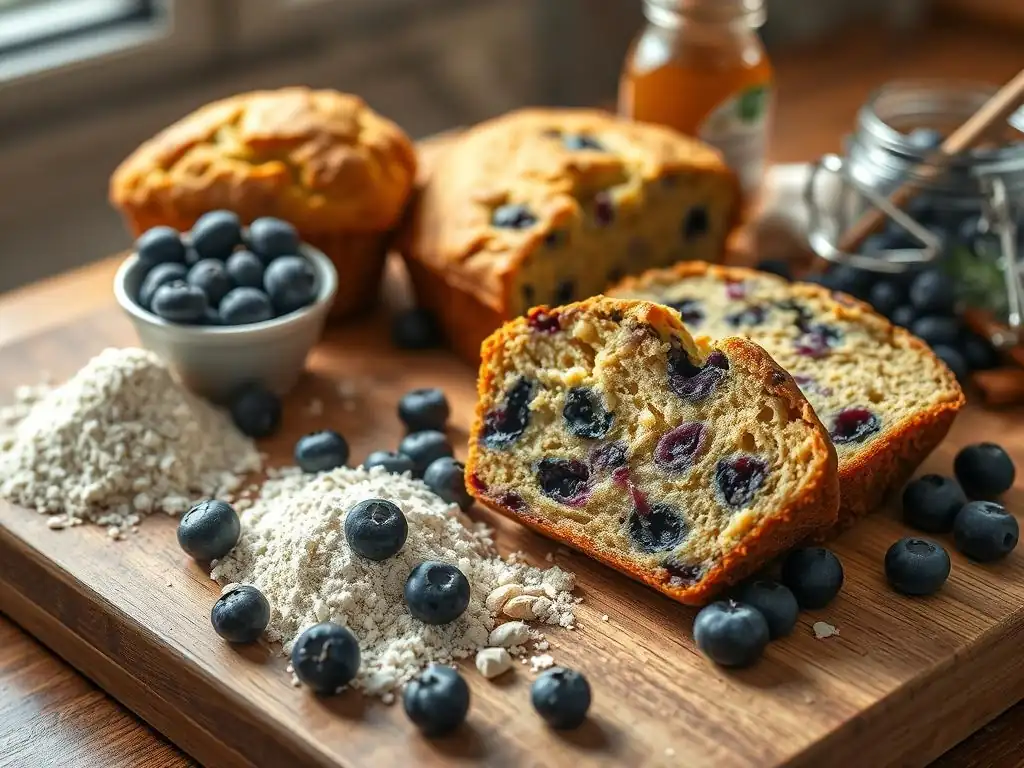
Reducing Sugar Content
Adapting a traditional quick bread recipe to be low-sugar requires more than just swapping sugar one-for-one with a substitute. Sugar plays multiple roles: sweetness, moisture, tenderness, browning, and structure. Simply removing sugar without compensation will result in a dry, dense, and likely less appealing low-sugar quick bread. A gradual reduction can be a good starting point. Try reducing the sugar by 25-50% in a familiar recipe first to see how it affects the outcome before attempting a full substitution.
When significantly reducing sugar, you'll need to compensate for the lost bulk and moisture. Adding extra liquid (milk, yogurt, fruit puree), increasing the amount of fat slightly, or incorporating ingredients like applesauce or mashed banana can help. The goal is to maintain the desired moisture level and texture in your low-sugar quick bread while cutting down on refined sugar.
Substituting Ingredients
Once you've experimented with reduction, you can move to substituting sugar with low-calorie alternatives. As discussed, different substitutes behave differently. Granulated substitutes like erythritol or monk fruit blends are generally the easiest to use as they often measure cup-for-cup. However, you still need to account for differences in how they contribute to moisture and browning compared to sugar. Liquid stevia or monk fruit extracts are potent and contribute no bulk, requiring other ingredients to make up the volume.
Consider the flavor profile of your low-sugar quick bread when choosing a substitute. Some substitutes pair better with certain flavors (e.g., erythritol with vanilla, stevia with fruit). You might also need to adjust baking time or temperature slightly, as sugar substitutes don't caramelize and brown like sugar does. A slightly lower oven temperature or tenting with foil can prevent over-browning if using a blend that includes a small amount of sugar or molasses for color.
Classic Banana Bread to Low-Sugar Banana Bread Adaptation
Let's consider converting a classic banana bread recipe to a low-sugar quick bread. A standard recipe might call for 1 cup of sugar. Since ripe bananas contribute natural sweetness, you can often reduce the added sugar significantly, perhaps starting by using just ½ cup of a cup-for-cup sugar substitute like erythritol or a monk fruit blend. The mashed bananas will provide most of the sweetness and moisture.
To compensate for the lost bulk and moisture from the removed sugar, ensure you are using very ripe bananas (the riper, the better for sweetness and moisture). You might also consider adding an extra tablespoon or two of milk or yogurt, or increasing the amount of oil slightly. Using brown spotted bananas provides natural sugars (fructose and glucose) which contribute sweetness and moisture, making the transition to a low-sugar quick bread smoother and more flavorful than using less ripe fruit. The goal is a moist, tender loaf where the banana flavor is prominent, complemented by the reduced sweetness.
Troubleshooting Common Low-Sugar Quick Bread Baking Issues
Why is My Low-Sugar Quick Bread Too Dry?
Dryness is a frequent issue when baking low-sugar quick breads because sugar is a humectant, meaning it attracts and retains moisture. When you reduce or replace sugar, you lose this crucial function. One common reason for dryness is insufficient fat or liquid in the recipe. Ensure you are using the amount of oil, melted butter, milk, yogurt, or fruit puree specified, as these contribute essential moisture.
Another cause is overbaking. Even a few minutes too long in the oven can turn a moist low-sugar quick bread into a dry one. Use the skewer test to check for doneness and remove the quick bread promptly when it's ready. Additionally, some sugar substitutes, particularly certain sugar alcohols, can have a drying effect or lead to recrystallization, which feels grainy and dry. Using a blend of substitutes or incorporating ingredients known for adding moisture can help mitigate this.
Why Isn't My Low-Sugar Quick Bread Rising Properly?
Poor rise in a low-sugar quick bread can stem from several factors. Firstly, check the freshness of your leavening agents (baking soda and baking powder). They lose potency over time. Test baking powder by adding a teaspoon to hot water; it should bubble vigorously. Test baking soda by adding a teaspoon to a small amount of vinegar; it should fizz immediately.
Secondly, ensure you are using the correct amount of leavening specified in the low-sugar quick bread recipe. Too little won't provide enough lift. Thirdly, overmixing the batter can develop gluten excessively, resulting in a tough structure that prevents the quick bread from rising fully and creates tunnels. Mix only until the dry ingredients are just incorporated into the wet. Finally, ensure your oven temperature is accurate; if it's too low, the leaveners might not activate properly, leading to a flat quick bread.
Why Does My Low-Sugar Quick Bread Lack Flavor?
If your low-sugar quick bread tastes bland, it could be due to the sugar substitute used or a lack of complementary flavors. Some substitutes can have a mild or different flavor profile compared to sugar. Ensure you are using enough of the substitute to reach the desired sweetness level, keeping in mind their relative sweetness to sugar.
Beyond sweetness, flavor in quick breads comes from ingredients like ripe fruit, spices (cinnamon, nutmeg, ginger), extracts (vanilla, almond), zest, or additions like nuts and chocolate. When reducing sugar, you might need to increase the amount of these flavorings slightly to ensure a vibrant taste. For example, using more vanilla extract or extra cinnamon can boost the overall flavor perception in a low-sugar quick bread, making it more satisfying even with less sweetness.
Low-Sugar Baking: A Healthier Way to Enjoy Quick Breads
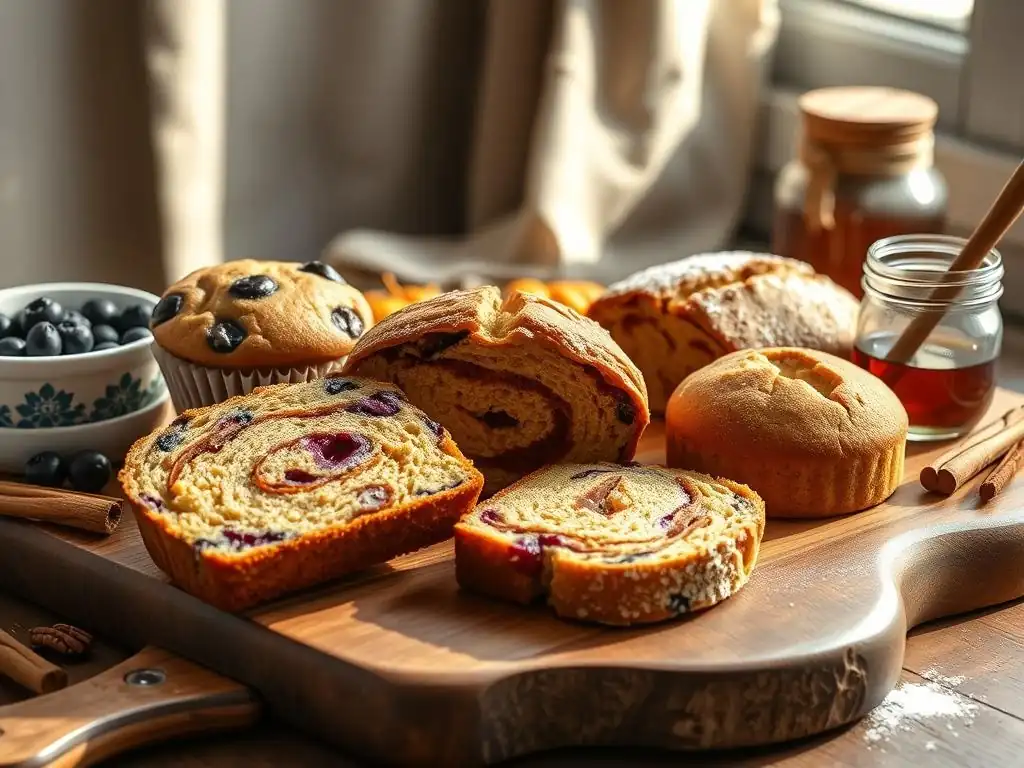
Maintaining a Balanced Diet
Incorporating low-sugar quick breads into your diet is a practical way to enjoy baked goods while maintaining balance. These quick breads allow you to significantly reduce your intake of refined sugar calories, which are often considered "empty calories" as they provide energy but lack essential nutrients. By choosing a low-sugar option, you free up dietary "space" for more nutrient-dense foods throughout your day.
Furthermore, many low-sugar quick bread recipes utilize ingredients like whole grain flours, nuts, seeds, and fruits, adding fiber, healthy fats, vitamins, and minerals that are often missing in conventional baked goods. This makes your low-sugar quick bread a more wholesome option that can fit into a balanced eating pattern, whether as a moderate breakfast, snack, or even a healthier dessert.
Enjoying the Taste Without the Guilt
The primary appeal of low-sugar quick bread lies in the ability to savor delicious, comforting baked goods without the associated health concerns of high sugar consumption. It's about redefining "treats" to align with health goals. A warm slice of low-sugar banana bread or a tender low-sugar quick bread muffin can be just as satisfying as its sugary counterpart, especially as your palate adjusts to less intense sweetness.
This approach fosters a healthier relationship with food, moving away from restrictive dieting towards mindful indulgence. Knowing that your homemade low-sugar quick bread contains significantly less added sugar allows you to enjoy it genuinely, appreciating the flavors and textures without the common feeling of guilt often associated with eating sugary foods.
Low-Sugar Quick Bread Recipe Variations
Adding Nuts and Seeds
Incorporating nuts and seeds is an excellent way to enhance the texture, flavor, and nutritional profile of low-sugar quick breads. Chopped walnuts or pecans are classic additions to banana or pumpkin bread, providing a satisfying crunch and healthy fats. Almonds work well in lemon or berry quick breads. Seeds like chia seeds, flax seeds, poppy seeds, or sunflower seeds can add fiber, healthy fats, and a subtle nutty flavor.
When adding nuts or seeds to a low-sugar quick bread batter, fold them in gently towards the end of mixing. Using toasted nuts can deepen their flavor before adding them to the recipe. The amount can vary, but typically ½ to 1 cup per standard loaf or 12 muffins adds pleasant texture without overwhelming the quick bread's structure.
Incorporating Fruits and Vegetables
Fruits and vegetables are natural allies in low-sugar quick bread baking, contributing moisture, natural sweetness, flavor, and nutrients. Very ripe bananas, applesauce, pumpkin puree, zucchini (grated and squeezed dry), and shredded carrots are common additions. Berries, chopped apples, or pears also work wonderfully.
When using fruits or vegetables, be mindful of their moisture content. Very wet additions might require slightly less added liquid in the recipe or a bit more flour to maintain the correct batter consistency for a low-sugar quick bread. Using fruit also means some natural sugar is present, which contributes to the overall sweetness and moisture, further aiding in reducing added sweeteners.
Experimenting with Spices and Extracts
Spices and extracts are powerful tools for enhancing the flavor of low-sugar quick breads and making them feel satisfying even with less sugar. Warm spices like cinnamon, nutmeg, cloves, and ginger pair beautifully with fruit or vegetable-based quick breads (banana, pumpkin, zucchini, apple). Citrus zest (lemon, orange) adds brightness to many recipes.
Extracts like vanilla, almond, lemon, or maple can significantly boost the overall flavor. When reducing sugar, you might find that increasing the amount of spices or extracts slightly helps create a richer, more complex flavor profile that makes the low-sugar quick bread feel complete without excessive sweetness. Experimenting with different combinations allows you to create unique and flavorful low-sugar quick bread variations.
Conclusion: Embrace Low-Sugar Quick Bread Baking.
Frequently Asked Questions
What exactly is a low-sugar quick bread, and how does it differ from regular quick bread?
Low-sugar quick bread uses significantly less sugar than traditional recipes, often substituting with natural sweeteners or reducing the overall amount. This makes it a healthier alternative without sacrificing flavor or texture.
What kind of sweeteners can I use in low-sugar quick bread recipes from BakeWithEase.com?
BakeWithEase.com recommends using natural sweeteners like applesauce, mashed bananas, dates, or small amounts of honey or maple syrup in your low-sugar quick bread. These add sweetness and moisture.
Are low-sugar quick bread recipes from BakeWithEase.com suitable for beginners?
Yes! BakeWithEase.com focuses on simple recipes and easy-to-follow instructions, making low-sugar quick bread accessible to bakers of all skill levels, even beginners.
Can I adapt my existing quick bread recipes to be low-sugar using the BakeWithEase.com tips?
Absolutely! The site provides valuable techniques and ingredient substitution suggestions that you can apply to your favorite quick bread recipes to reduce sugar content effectively.
What are some examples of low-sugar quick breads I can find on BakeWithEase.com?
BakeWithEase.com features a variety of options, including low-sugar muffins, loaves (like banana bread or zucchini bread), and other quick bread variations specifically designed with reduced sugar content.
Final Reflection: The Sweet Simplicity of Healthy Baking
The demand for healthier baking options is not just a trend; it's a fundamental shift in how we approach our diets and well-being. We've explored the delicious world of low-sugar quick breads, proving that wholesome, satisfying treats don't require mountains of refined sugar. This isn't about deprivation; it's about mindful indulgence.
The journey of creating these recipes has been a personal exploration of flavor and balance. I've learned that reducing sugar doesn't mean sacrificing taste; in fact, it often enhances the natural sweetness of fruits and spices. It's about appreciating the subtle nuances of each ingredient and understanding how they work together to create a harmonious whole. The best things in life are simple,
a sentiment that rings truer than ever when considering the joy of a perfectly baked, low-sugar loaf.
Now, it's your turn. Experiment with these recipes, adapt them to your preferences, and discover the joy of baking with less sugar. Don't be afraid to explore different fruits, spices, and nuts – the possibilities are endless! Embrace the simplicity, savor the flavors, and share the delicious results with those you love. Let's redefine "treat" as something that nourishes both body and soul.
Unlock Your Inner Baker: Delicious Low-Sugar Treats Await!
Thanks for taking the time to explore the world of simple, low-sugar quick breads with us! We hope you've found some delicious inspiration and practical tips to elevate your baking game. Now it's time to get baking!
- Whip up your favorite recipe from today: Grab your ingredients and get started on one of the mouthwatering recipes featured above. Which one will you conquer first?
- Share your baking journey: Tag us on social media and show us your delicious creations – we'd love to see them! Use #BakeWithEaseLowSugar.
- Experiment with substitutions: Try swapping out ingredients to personalize your recipes and discover new flavor combinations. What creative twist will you add?
Ready to transform your baking routine? What delicious low-sugar treat will you bake first?