
Mastering Almond Flour: The Ultimate Guide to Fluffy Keto Bread

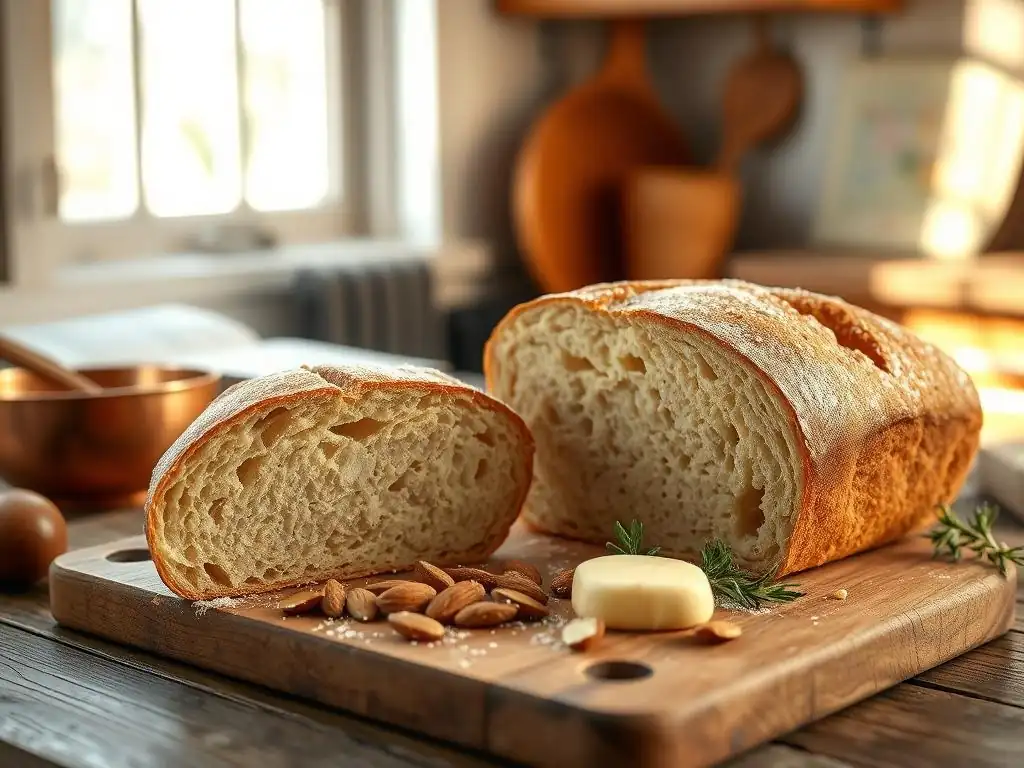
Welcome to BakeWithEase, your trusted guide to the delightful world of baking! Ever dreamed of enjoying warm, fluffy bread without the carbs? This is your entry point. Dive into our ultimate guide and discover the secrets to crafting the perfect Keto almond flour bread. Curious how almond flour can unlock a world of delicious, dietary-friendly baked goods? Let's get baking!
- Introduction to Keto Almond Flour Bread
-
Essential Ingredients for Perfect Keto Almond Flour Bread
- High-Quality Almond Flour: Choosing the Right Type for Keto Bread
- Binding Agents: Eggs, Psyllium Husk, and Chia Seeds in Keto Baking
- Sweeteners for Keto Bread: Erythritol, Stevia, and Monk Fruit
- Leavening Agents: Baking Powder and Baking Soda in Keto Recipes
- Flavor Enhancers: Vanilla Extract, Cinnamon, and Nutmeg
- Step-by-Step Guide to Baking Fluffy Keto Almond Flour Bread
- Troubleshooting Common Keto Almond Flour Bread Problems
- Variations and Add-ins for Keto Almond Flour Bread
- Storing and Serving Your Keto Almond Flour Bread
- The Health Benefits of Keto Almond Flour Bread
- Conclusion: Enjoy Delicious and Healthy Keto Almond Flour Bread
-
Frequently Asked Questions
- What makes almond flour a good choice for keto bread?
- What are the common challenges when baking keto almond flour bread?
- Can I substitute other flours for almond flour in a keto bread recipe?
- How can I ensure my keto almond flour bread rises properly?
- What are some tips for storing keto almond flour bread to keep it fresh?
- Final Reflection: The Sweetness of Success, the Flour Power of Knowledge
- Unlock Your Inner Baker: Fluffy Keto Bread Awaits!
Introduction to Keto Almond Flour Bread
What is Keto Almond Flour Bread and Why Choose It?
Keto almond flour bread is a low-carbohydrate, gluten-free alternative to traditional wheat-based bread, specifically designed to fit within the ketogenic diet's strict macronutrient guidelines. Unlike conventional bread which relies heavily on wheat flour and often contains significant amounts of sugar, this bread uses almond flour as its base, drastically reducing the carb count.
A typical slice of wheat bread can contain around 15-20 grams of net carbs, while a slice of well-made keto almond flour bread often has as little as 1-3 grams of net carbs. This difference is substantial for individuals aiming to maintain ketosis, a metabolic state where the body burns fat for energy instead of carbohydrates.
Choosing to bake or buy keto almond flour bread allows those following a ketogenic lifestyle, or simply seeking lower-carb and gluten-free options, to enjoy the comfort and versatility of bread without derailing their dietary goals. It opens up possibilities for sandwiches, toast, and other bread-based meals that would otherwise be off-limits. The rise of dietary restrictions and health-conscious eating has significantly increased the demand for such alternatives. For instance, the global gluten-free products market was valued at billions of dollars and is projected to grow further, indicating a strong consumer interest in options like those utilizing almond flour.
The Rise of Keto Baking: Understanding the Low-Carb Trend
The ketogenic diet has gained immense popularity over the past decade, driven by its reported benefits for weight loss, improved energy levels, and potential therapeutic applications for conditions like epilepsy and type 2 diabetes. As more people adopt this lifestyle, the need for compliant food options beyond basic meats, vegetables, and fats has grown exponentially. Keto baking emerged as a direct response to this demand, allowing individuals to recreate beloved baked goods while adhering to low-carb principles.
This culinary movement has spurred innovation in using alternative flours and ingredients. Almond flour, coconut flour, psyllium husk, and various sugar substitutes have become staples in the keto baker's pantry. The focus is on minimizing net carbohydrates (total carbs minus fiber and sugar alcohols) while often increasing healthy fats and maintaining adequate protein.
The success of keto baking, particularly for items like keto almond flour bread, demonstrates a significant shift in how people approach dietary restrictions, proving that restrictive diets don't have to mean sacrificing taste or variety. Market research consistently shows strong growth in the low-carb and keto-friendly food sectors, reflecting the widespread adoption of these eating patterns.
Why Almond Flour is Perfect for Keto Baking
Almond flour is derived from ground, blanched almonds, making it naturally low in carbohydrates and high in healthy fats, fiber, and protein – a macronutrient profile perfectly suited for the ketogenic diet. Compared to all-purpose wheat flour, which contains roughly 76 grams of carbohydrates per 100 grams, almond flour typically contains around 20-22 grams of carbohydrates per 100 grams, with about 10-12 grams of fiber, resulting in a net carb count of only 8-12 grams. This makes it an excellent base for low-carb baked goods like keto almond flour bread.
Beyond its favorable carb count, almond flour contributes desirable qualities to baked goods. Its high-fat content (around 50 grams per 100 grams) helps create moist and tender results, often compensating for the lack of gluten, which provides structure in traditional baking. It also imparts a subtle, pleasant nutty flavor. Furthermore, almond flour is rich in nutrients, offering significant amounts of Vitamin E, magnesium, and manganese. This nutritional density adds a health benefit often lacking in refined wheat products, making it a superior choice for creating delicious and nourishing keto almond flour bread.
Essential Ingredients for Perfect Keto Almond Flour Bread
High-Quality Almond Flour: Choosing the Right Type for Keto Bread
The foundation of great keto almond flour bread is, unsurprisingly, high-quality almond flour. There are two main types: blanched almond flour and unblanched almond meal. Blanched almond flour is made from almonds that have had their skins removed before being ground into a fine powder.
This fine texture is crucial for achieving a light and fluffy loaf, similar in consistency to traditional bread. Unblanched almond meal, on the other hand, includes the skins and is typically coarser. While suitable for some recipes like muffins or cookies where a denser texture is acceptable, it can result in a heavier, less airy keto almond flour bread.
When selecting blanched almond flour for your keto bread recipe, look for finely ground varieties. The grind size significantly impacts the final texture. Overly coarse flour can lead to a gritty loaf, while ultra-fine flour absorbs liquid differently and might require slight recipe adjustments.
Brands vary in their grind consistency, so experimenting with a few popular options might be necessary to find your favorite. Storing almond flour properly in an airtight container in the refrigerator or freezer is also vital, as its high-fat content makes it susceptible to becoming rancid. Proper storage preserves its flavor and performance, ensuring your keto almond flour bread tastes its best.
Binding Agents: Eggs, Psyllium Husk, and Chia Seeds in Keto Baking
Because almond flour lacks gluten, which provides structure and elasticity in wheat bread, keto baking relies heavily on binding agents to hold the loaf together and prevent it from becoming a pile of crumbs. Eggs are one of the most common and effective binders in keto almond flour bread. The proteins in eggs coagulate when heated, creating a stable network that traps air and provides structure.
Recipes often call for multiple eggs; for example, a standard loaf recipe might use 4-6 large eggs for about 2-3 cups of almond flour. The fat in the yolks also contributes to moisture and richness.
Other popular binding agents include psyllium husk and ground chia seeds. Psyllium husk, derived from the seeds of the Plantago ovata plant, forms a gel-like substance when mixed with liquid. This gel mimics some of the properties of gluten, adding structure and elasticity to the dough, which helps the keto almond flour bread rise and maintain its shape.
Typically, 1-2 tablespoons of psyllium husk powder per cup of almond flour is a common ratio. Similarly, ground chia seeds (or chia meal) absorb liquid and form a gel, contributing binding properties and fiber. Using a combination of eggs and one of these fibrous binders often yields the best results for a sturdy yet tender loaf of keto almond flour bread.
Sweeteners for Keto Bread: Erythritol, Stevia, and Monk Fruit
While many keto almond flour bread recipes are savory, some call for a touch of sweetness to balance flavors or for slightly sweet variations. Traditional sugar is, of course, off-limits due to its high carbohydrate content. Keto-friendly sweeteners provide the desired sweetness without significantly impacting blood sugar levels or adding net carbs. Popular options include erythritol, stevia, and monk fruit extract. Erythritol is a sugar alcohol that is about 70% as sweet as sugar and has minimal impact on blood sugar. It's often used in granulated or powdered form.
Stevia and monk fruit extracts are natural, high-intensity sweeteners that are many times sweeter than sugar. They are typically used in much smaller quantities. Stevia is derived from the leaves of the Stevia rebaudiana plant, while monk fruit extract comes from the monk fruit.
Many commercial keto sweeteners are blends of these ingredients, sometimes combined with fibers or other sugar alcohols like xylitol (though xylitol is toxic to dogs, so caution is advised). When choosing a sweetener for your keto almond flour bread, consider its taste profile (some have aftertastes), how it measures compared to sugar (use conversion charts), and whether you prefer a granular or liquid form. A small amount, perhaps 1-2 tablespoons of a granular blend or a few drops of liquid sweetener, can enhance the flavor without making the bread overtly sweet.
Leavening Agents: Baking Powder and Baking Soda in Keto Recipes

Achieving a light and airy texture in keto almond flour bread requires effective leavening agents, as almond flour itself doesn't produce the gases that gluten-rich doughs do during fermentation. Baking powder and baking soda are the workhorses in most keto bread recipes. Baking powder is a complete leavener containing both an acid and a base, which react when wet and heated to produce carbon dioxide gas, creating lift. Most baking powders are "double-acting," meaning they produce gas both when mixed and when exposed to heat in the oven, contributing to a steady rise.
Baking soda (sodium bicarbonate) is a base and requires an acidic ingredient to react and produce carbon dioxide. While some keto recipes might include acidic components like apple cider vinegar or lemon juice to activate baking soda, it's more commonly used in conjunction with baking powder to boost the leavening power. A typical recipe for a loaf of keto almond flour bread might use 1-2 teaspoons of baking powder and sometimes a smaller amount, perhaps 1/2 teaspoon, of baking soda.
Proper measurement and ensuring your leavening agents are fresh (check the expiration date!) are key to avoiding a dense, heavy loaf.
Flavor Enhancers: Vanilla Extract, Cinnamon, and Nutmeg
While the primary goal is often a neutral-flavored bread base, flavor enhancers can significantly elevate your keto almond flour bread, whether you're aiming for a slightly sweet or savory profile. Vanilla extract is a common addition, particularly if the recipe includes any sweetener or is intended for serving with sweet toppings. Just a teaspoon or two can add depth and mask potential off-flavors from alternative ingredients like eggs or specific sweeteners.
For sweeter variations or a warm, comforting loaf, spices like cinnamon and nutmeg are excellent choices. A teaspoon of cinnamon or a pinch of nutmeg can transform a basic keto almond flour bread into something perfect for breakfast toast. If you're leaning towards a savory loaf, consider incorporating herbs like rosemary, thyme, or oregano, or adding garlic powder or onion powder (see the variations section).
These additions should be balanced – enough to impart flavor without overwhelming the subtle nuttiness of the almond flour. Experimenting with small amounts, perhaps starting with 1/2 to 1 teaspoon of dried herbs or spices per loaf, is a good way to find your preferred flavor intensity.
Step-by-Step Guide to Baking Fluffy Keto Almond Flour Bread
Preparing Your Ingredients and Equipment for Keto Bread Success
Successful baking starts with preparation. Before you even turn on your oven, gather all your ingredients for the keto almond flour bread. Ensure eggs are at room temperature, as they incorporate more evenly and contribute to better volume. Measure your almond flour, psyllium husk (if using), leavening agents, sweetener (if any), and other dry ingredients precisely using a kitchen scale for the most consistent results (though cup measurements are also commonly provided). Have your wet ingredients, like melted butter or oil and any liquids, measured out as well.
Preheating your oven is a critical step that ensures the bread bakes evenly and the leavening agents work effectively from the start. Preheat it to the temperature specified in your recipe, typically between 325°F and 350°F (160°C-175°C). Prepare your loaf pan next.
Greasing it generously with butter, oil, or a non-stick spray prevents the keto almond flour bread from sticking. For extra insurance and easier removal, you can line the bottom and sides of the pan with parchment paper, leaving some overhang to use as "handles." This preparation takes only a few minutes but makes a significant difference in the final outcome.
Mixing the Almond Flour Bread Dough: Achieving the Right Consistency
Mixing keto almond flour bread dough is different from mixing wheat dough; there's no gluten to develop. The goal is to combine the ingredients thoroughly without overmixing, which can sometimes lead to a tougher texture or cause the binders to become less effective. Start by whisking together the dry ingredients – almond flour, psyllium husk (if using), baking powder, baking soda, salt, and any dry sweeteners or spices – in a large bowl. This distributes the leavening agents and binders evenly.
In a separate bowl, whisk the wet ingredients: eggs, melted butter or oil, and any liquid extracts like vanilla. Some recipes might call for a splash of liquid like almond milk or water; incorporate this now. Create a well in the center of the dry ingredients and pour the wet ingredients into it. Use a spatula or wooden spoon to mix everything until just combined.
The dough will be quite thick and sticky, more like a very thick batter than a traditional kneaded dough. Avoid the temptation to add more liquid unless the recipe specifically indicates it, as too much moisture can result in a gummy texture. Mix until no dry streaks remain, then stop.
Baking Your Keto Almond Flour Bread: Time and Temperature Guidelines
Baking keto almond flour bread correctly is crucial for achieving a fluffy interior and golden crust. Most recipes recommend baking at a moderate temperature, typically around 325°F to 350°F (160°C-175°C). Lower temperatures help prevent the outside from browning too quickly before the inside is cooked through. The baking time will vary depending on your oven, the size of the loaf pan, and the specific recipe, but it commonly ranges from 40 to 60 minutes.
You'll know your keto almond flour bread is done when the top is golden brown and firm to the touch. A reliable test is to insert a toothpick or a thin skewer into the center of the loaf; it should come out clean or with just a few moist crumbs attached, not wet batter. If the top is browning too much before the inside is cooked, you can loosely tent the loaf with aluminum foil. Avoid opening the oven door too early in the baking process, as sudden temperature changes can cause the loaf to sink.
Cooling and Slicing: Preventing Crumbly Keto Bread
Cooling is perhaps the most overlooked, yet critical, step in preventing your keto almond flour bread from becoming crumbly. Once the bread is baked, remove the pan from the oven and let it cool in the pan for about 10-15 minutes. This allows the structure to set as the temperature gradually decreases. Attempting to remove it too soon can cause it to break apart because the internal structure is still fragile.
After the initial cooling period in the pan, carefully transfer the loaf to a wire rack to cool completely. It must be fully cooled before slicing. This can take anywhere from 1 to 2 hours, or even longer depending on the size of the loaf and ambient temperature. Slicing warm keto almond flour bread is a common mistake that almost guarantees crumbling. As it cools, the internal moisture redistributes, and the starches (from the fiber/binders) finish setting, creating a more stable crumb structure. Use a sharp serrated knife for slicing once completely cool to minimize tearing and crumbling.
Troubleshooting Common Keto Almond Flour Bread Problems
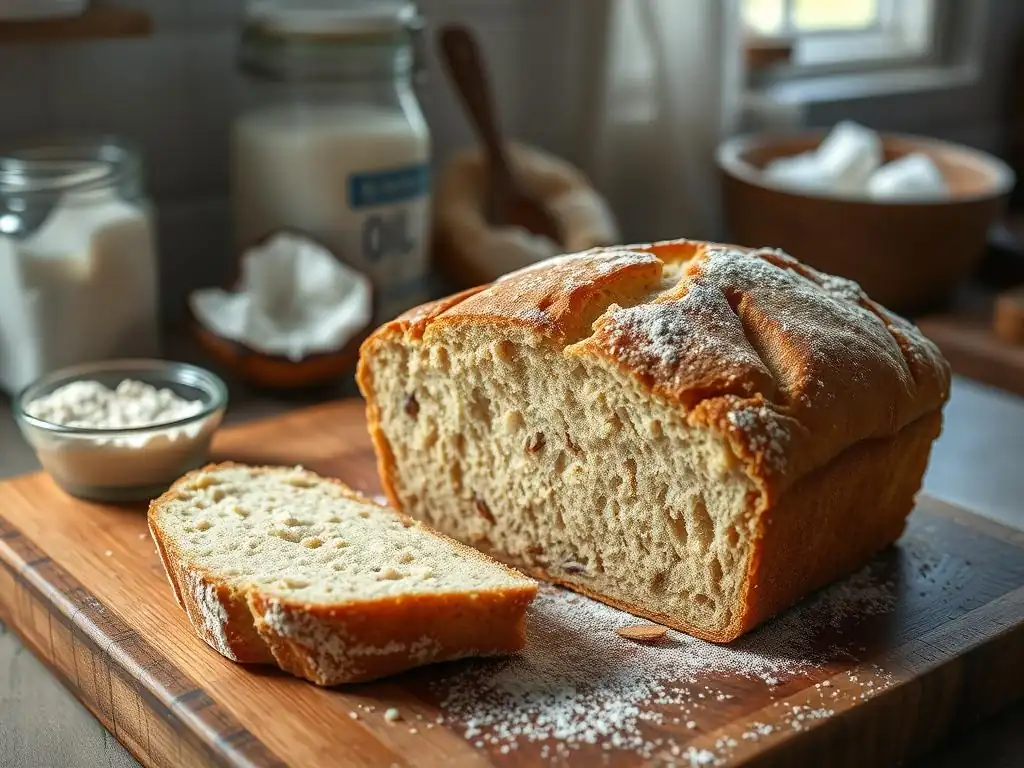
My Keto Bread is Too Dense: Solutions and Tips
A dense loaf of keto almond flour bread is a common frustration, often resulting from issues with leavening or mixing. One primary culprit is using old or inactive baking powder/soda. Always check the expiration date of your leavening agents; you can also test baking powder by adding a spoonful to hot water – it should fizz vigorously. Ensure you're using the correct amount specified in the recipe; too little leavening won't create enough lift.
Another cause for density can be improper mixing. While you need to combine ingredients thoroughly, overmixing, especially after wet and dry are combined, can sometimes compress the batter or negatively impact the binders. Ensure your oven is properly preheated; if the oven isn't hot enough, the leavening agents won't activate fully or quickly enough. Finally, using a flour that is too coarse (like unblanched almond meal) can also contribute to a heavier texture compared to fine blanched almond flour.
My Keto Bread is Too Dry: Hydration Techniques for Almond Flour
Dry keto almond flour bread often indicates insufficient moisture or over-baking. Almond flour can absorb varying amounts of liquid depending on its grind and moisture content, so sometimes slight adjustments are needed. Ensure you're accurately measuring liquids and fats (like melted butter or oil), as these contribute significantly to the bread's moisture. Using room temperature eggs also helps with better incorporation of fats and liquids.
Over-baking is a frequent cause of dryness. Baking for too long or at too high a temperature evaporates too much moisture. Use the toothpick test and start checking for doneness a few minutes before the recipe's minimum bake time. Remember that the bread continues to cook slightly from residual heat after being removed from the oven. If you consistently find your bread dry, you might try slightly reducing the baking time or adding a tablespoon or two of extra liquid (like almond milk or water) to the batter in future attempts, noting the change for next time.
My Keto Bread is Crumbly: Binding Agent Adjustments
Crumbliness is a classic sign that the loaf lacks sufficient binding structure, a common challenge with gluten-free, low-carb baking. The primary binders in keto almond flour bread are typically eggs and often psyllium husk or ground chia seeds. If your bread is too crumbly, the recipe might not have enough of these crucial ingredients relative to the amount of almond flour.
Ensure you are using the correct type and amount of binder specified. For psyllium husk, using finely ground powder usually provides better binding than whole husks. If your recipe relies solely on eggs and is crumbly, consider adding a tablespoon or two of psyllium husk powder or ground chia seeds to the dry ingredients in your next batch. Conversely, using too much psyllium husk can sometimes make the bread gummy or overly dense, so finding the right balance is key. Also, ensure the bread is completely cooled before slicing, as slicing warm bread significantly increases the likelihood of crumbling.
My Keto Bread Tastes Eggy: Masking Egg Flavor in Keto Recipes
Using multiple eggs is necessary for structure in keto almond flour bread, but sometimes this can result in an undesirable eggy flavor. Several techniques can help mask this. Ensuring your eggs are at room temperature is a simple step that can improve the overall texture and sometimes reduce the prominence of the egg flavor compared to using cold eggs.
Incorporating flavor enhancers is another effective strategy. Adding a teaspoon or two of vanilla extract, particularly in slightly sweet recipes, can significantly mask the eggy taste. For savory keto almond flour bread, garlic powder, onion powder, herbs like rosemary or thyme, or even a sprinkle of nutritional yeast can introduce savory notes that cover up the egg flavor.
Using a strong-flavored fat, like olive oil instead of a neutral oil or butter, can also help. Finally, pairing the bread with flavorful toppings or fillings (like avocado, cheese, or seasoned cream cheese) when serving will make the egg flavor less noticeable.
Variations and Add-ins for Keto Almond Flour Bread
Savory Keto Almond Flour Bread: Adding Herbs and Cheese
Transforming basic keto almond flour bread into a savory delight is easy with the addition of herbs and cheese. This variation is perfect for sandwiches, alongside soups, or simply toasted with butter. Common additions include dried or fresh herbs like rosemary, thyme, oregano, chives, or dill. About 1-2 tablespoons of dried herbs or double that amount of fresh herbs per standard loaf recipe adds a wonderful aroma and flavor.
Cheese is another fantastic savory add-in. Grated hard cheeses like Parmesan or cheddar work well, adding sharpness and a slightly crispy texture to the crust and interior crumb. About 1/4 to 1/2 cup of grated cheese can be folded into the batter just before baking. Other savory elements like garlic powder (1-2 teaspoons), onion powder (1 teaspoon), or even a pinch of black pepper can further enhance the flavor profile. Imagine a slice of warm keto almond flour bread with rosemary and cheddar – perfect for dipping into a hearty keto soup!
Sweet Keto Almond Flour Bread: Berries, Chocolate Chips, and Nuts
For those craving a slightly sweet treat within their keto plan, keto almond flour bread can be adapted easily. Adding a small amount of keto-friendly sweetener (as discussed earlier) is the first step. Then, incorporate low-carb additions like berries, sugar-free chocolate chips, or nuts. Small amounts of berries, such as blueberries or raspberries (around 1/4 to 1/2 cup), can be gently folded into the batter. Freezing berries beforehand can help prevent them from sinking.
Sugar-free chocolate chips are widely available and mimic the indulgence of regular chocolate chips without the carbs. Look for brands sweetened with erythritol, stevia, or monk fruit. About 1/4 to 1/3 cup is usually sufficient. Chopped nuts like walnuts, pecans, or macadamia nuts add crunch and healthy fats; again, 1/4 to 1/2 cup is a good starting point. Adding a teaspoon of cinnamon or nutmeg enhances the sweet profile. These sweet variations of keto almond flour bread are wonderful toasted for breakfast or enjoyed as a snack.
Keto Almond Flour Bread with Seeds: Adding Texture and Nutrients
Adding seeds to your keto almond flour bread is an excellent way to boost texture, flavor, and nutritional value. Seeds like flax seeds, chia seeds, sesame seeds, sunflower seeds, and pumpkin seeds (pepitas) are low in net carbs and high in fiber, healthy fats, and micronutrients. They provide a delightful crunch and visual appeal to the bread.
You can incorporate seeds in several ways. Mixing 2-4 tablespoons of seeds directly into the batter adds texture throughout the loaf. Alternatively, or additionally, you can sprinkle seeds generously over the top of the batter before baking. This creates a visually appealing crust with a satisfying crunch. A mix of different seeds can provide a complex flavor profile and a wider range of nutrients. For example, a combination of flax, chia, and sunflower seeds works beautifully in a savory keto almond flour bread.
Keto Almond Flour Bread with Garlic and Herbs
A specific and very popular savory variation of keto almond flour bread is one infused with garlic and herbs. This makes a flavorful accompaniment to meals or a tasty base for garlic bread. Start by adding 1-2 teaspoons of garlic powder to the dry ingredients. For a stronger garlic flavor, you can also mince 1-2 cloves of fresh garlic and sauté them briefly in a little olive oil before adding them to the wet ingredients (cool them first! ).
Combine the garlic with dried herbs like oregano, basil, and parsley – a mix of Italian herbs works very well. Add 1-2 tablespoons of dried herbs to the dry ingredients. For an extra layer of flavor, consider adding a few tablespoons of grated Parmesan cheese. This garlic and herb keto almond flour bread is particularly delicious sliced, toasted, rubbed with a fresh garlic clove (optional), and topped with butter or a keto-friendly spread.
Storing and Serving Your Keto Almond Flour Bread
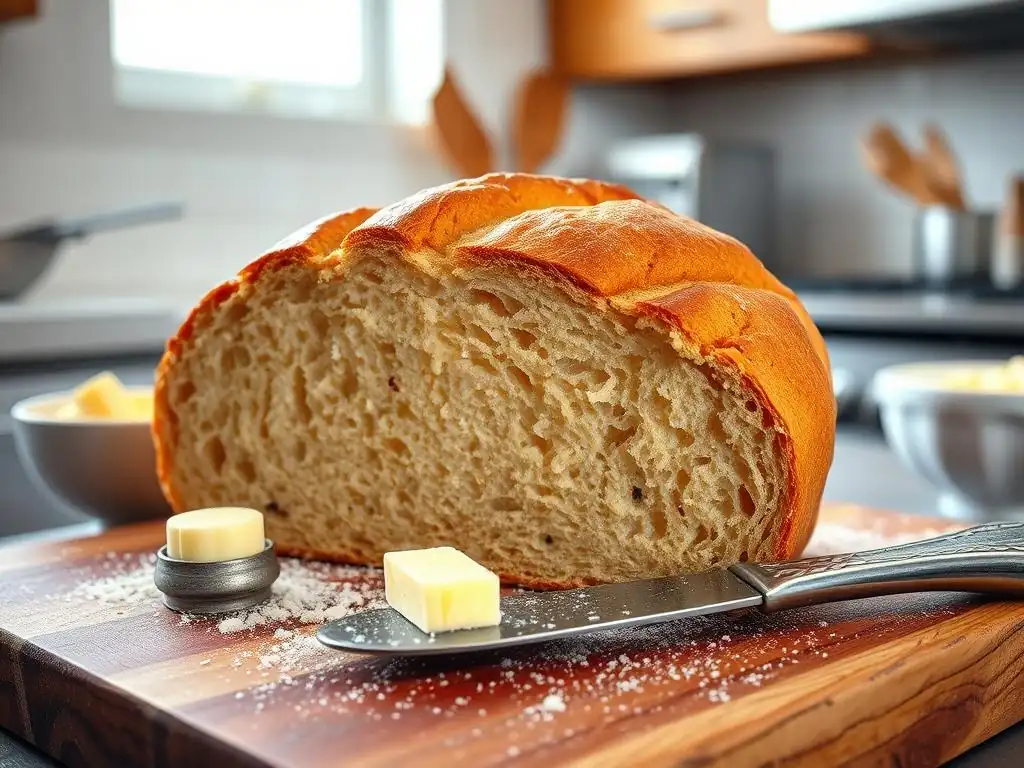
Proper Storage Techniques to Maintain Freshness
Proper storage is essential to keep your keto almond flour bread fresh and prevent it from drying out or molding quickly. Because it lacks the preservatives and structure of traditional bread, it has a shorter shelf life at room temperature, typically only 2-3 days. The best way to store it for everyday use is in an airtight container or a resealable plastic bag at room temperature. Avoid wrapping it tightly in plastic wrap while it's still warm, as this can trap moisture and lead to sogginess or mold.
For longer storage, refrigeration is an option and can extend the freshness for up to a week. Again, store it in an airtight container to prevent it from absorbing odors from the fridge and to minimize moisture loss. However, refrigeration can sometimes alter the texture, making it slightly denser. The most effective long-term storage method is freezing.
Slice the completely cooled loaf and place the slices in a freezer-safe bag or container, separating slices with parchment paper if desired to prevent sticking. Frozen keto almond flour bread can last for 2-3 months. Thaw slices as needed at room temperature or toast directly from frozen.
Keto Bread Serving Suggestions: Toasted, Sandwiches, and More
Keto almond flour bread is incredibly versatile and can be used in many ways you would use traditional bread, fitting perfectly into a low-carb lifestyle. One of the simplest and most satisfying ways to enjoy it is toasted. Toasting enhances the flavor and texture, giving it a slight crispness. Pop slices into a toaster or under the broiler until golden brown.
Once toasted (or even untoasted), it makes an excellent base for keto-friendly toppings like butter, cream cheese, avocado, sugar-free jam, or nut butter. It's also sturdy enough to be used for sandwiches. Fill it with deli meats, cheese, lettuce, tomato, and keto-friendly condiments like mayonnaise or mustard for a satisfying lunch. Other uses include making croutons for salads by cubing and toasting/frying pieces, or using thicker slices as a base for open-faced melts or bruschetta (with keto-friendly toppings).
Keto-Friendly Toppings and Spreads for Almond Flour Bread
The right toppings and spreads can turn a simple slice of keto almond flour bread into a delicious meal or snack while keeping carbs low. Butter, whether plain, grass-fed, or flavored with herbs (for savory bread), is a classic choice that adds healthy fats and flavor. Cream cheese is another staple, perfect for both savory and slightly sweet loaves.
For savory options, consider avocado slices or mashed avocado (guacamole), various cheeses (sliced cheddar, mozzarella, brie), sugar-free pesto, olive tapenade, or a slice of smoked salmon. For those with a sweet tooth, sugar-free nut butters (like almond or peanut butter with no added sugar) are excellent. Look for keto-friendly jams or preserves sweetened with erythritol or stevia. A drizzle of sugar-free maple syrup or a sprinkle of cinnamon can also enhance a sweet variation of keto almond flour bread. The key is to check labels to ensure toppings align with your low-carb goals.
The Health Benefits of Keto Almond Flour Bread
Low-Carb and Gluten-Free: A Healthy Bread Alternative
One of the most significant health benefits of keto almond flour bread is its low carbohydrate count, which is essential for maintaining ketosis and managing blood sugar levels. Unlike traditional bread that can cause rapid spikes in blood glucose due to its high refined carbohydrate content, keto almond flour bread has minimal impact. This makes it a suitable option for individuals with diabetes or insulin resistance, helping to prevent post-meal sugar surges and subsequent crashes.
Furthermore, keto almond flour bread is naturally gluten-free. This is a major advantage for individuals with celiac disease or non-celiac gluten sensitivity, who must avoid wheat and other gluten-containing grains. Choosing gluten-free options like those made with almond flour helps prevent uncomfortable digestive symptoms and inflammation associated with gluten exposure. The growing awareness of gluten-related disorders has fueled the demand for safe and tasty alternatives, positioning keto almond flour bread as a valuable dietary staple for many.
Almond Flour Nutrition: Vitamins, Minerals, and Fiber
Beyond being low in carbs, almond flour itself is packed with nutrients, contributing to the health benefits of keto almond flour bread. It is an excellent source of healthy monounsaturated fats, similar to those found in olive oil, which are considered heart-healthy. A typical serving (about 1/4 cup or 28g) contains around 3g of net carbs, 6g of protein, and 14g of fat.
Almond flour is also notably rich in Vitamin E, a powerful antioxidant that helps protect cells from damage. It provides significant amounts of magnesium, a mineral crucial for nerve function, muscle control, blood sugar regulation, and blood pressure. Other minerals present include manganese, copper, and phosphorus. Additionally, almond flour contains a good amount of dietary fiber (around 3g per 1/4 cup), which aids digestion, promotes satiety, and contributes to a lower net carb count in keto almond flour bread.
Keto Bread and Blood Sugar Control: Managing Carbohydrate Intake
Effectively managing carbohydrate intake is fundamental to the ketogenic diet and crucial for blood sugar control, particularly for individuals with diabetes. Traditional bread, being high in easily digestible carbohydrates, is a primary culprit for rapid increases in blood glucose levels. The body quickly breaks down these carbs into glucose, triggering a significant insulin response.
Keto almond flour bread, with its low net carbohydrate count and higher fiber and fat content, is digested much more slowly. This results in a gradual and minimal rise in blood sugar levels compared to wheat bread. By choosing keto almond flour bread, individuals can enjoy a bread-like food without the sharp glucose spikes that can disrupt ketosis or make blood sugar management challenging. This makes it a valuable tool for maintaining stable energy levels and supporting metabolic health within a low-carb framework.
Conclusion: Enjoy Delicious and Healthy Keto Almond Flour Bread
Frequently Asked Questions
What makes almond flour a good choice for keto bread?
Almond flour is low in carbohydrates and high in healthy fats, making it an ideal ingredient for keto-friendly baking. It provides a nutty flavor and creates a tender crumb in bread.
What are the common challenges when baking keto almond flour bread?
Common challenges include achieving a bread-like texture (avoiding dryness or crumbly results) and masking the almond flavor. Proper hydration and binding agents are crucial.
Can I substitute other flours for almond flour in a keto bread recipe?
While some substitutions are possible, almond flour's unique properties mean the recipe may need significant adjustments. Coconut flour is a common alternative but requires different liquid ratios.
How can I ensure my keto almond flour bread rises properly?
Using baking powder and baking soda in the correct ratios, along with whisking egg whites to stiff peaks, will help the bread rise properly.
What are some tips for storing keto almond flour bread to keep it fresh?
Store the bread in an airtight container at room temperature for a few days, or in the refrigerator for longer storage. You can also slice and freeze it for later use.
Final Reflection: The Sweetness of Success, the Flour Power of Knowledge
Mastering almond flour isn't just about baking keto bread; it's about unlocking a world of culinary possibilities within a healthier lifestyle. The recipes and techniques explored in this guide offer a pathway to delicious, satisfying keto baking, proving that low-carb doesn't have to mean flavorless. This knowledge empowers you to take control of your diet and enjoy the foods you love, adapted to fit your needs.
The journey into the world of almond flour baking has been a personal one, filled with both triumphs and the occasional crumbly disaster. It's a testament to the power of experimentation and the importance of understanding the nuances of different ingredients. The process of perfecting these recipes has underscored the importance of precision and patience in baking, mirroring the dedication required for any significant life goal. The secret ingredient is always love,
they say, and I believe it's true, especially when it comes to baking. The love for the craft, for the process, and for the delicious results is what truly elevates the experience.
Now, it's your turn. Don't be afraid to experiment with the techniques and recipes outlined in this guide. Embrace the challenge, learn from your mistakes, and savor the sweet rewards of your efforts. Each loaf of perfectly fluffy keto almond flour bread you bake is a testament to your dedication and a delicious step towards a healthier, happier you. So, dust off your mixing bowls, preheat your oven, and embark on your own keto baking adventure. The possibilities are as limitless as your imagination.
Unlock Your Inner Baker: Fluffy Keto Bread Awaits!
Thanks for joining us on this delicious journey into the world of almond flour baking! You've now learned the secrets to creating incredibly fluffy keto bread – a feat many thought impossible. Ready to take your baking skills to the next level?
- Bake your first loaf: Grab your ingredients and put your new knowledge to the test! Try the recipe from the article, or experiment with your own variations. The possibilities are endless!
- Share your success: Post a picture of your magnificent creation on social media and tag us @BakeWithEase – we’d love to see your results!
- Explore more keto recipes: Dive into our other amazing keto-friendly recipes on BakeWithEase.com. We've got tons more delicious treats waiting to be discovered!
What incredible keto creation will you bake next? Let us know in the comments!