
The Chemistry of Chew: Diving Deep into Gluten Structure

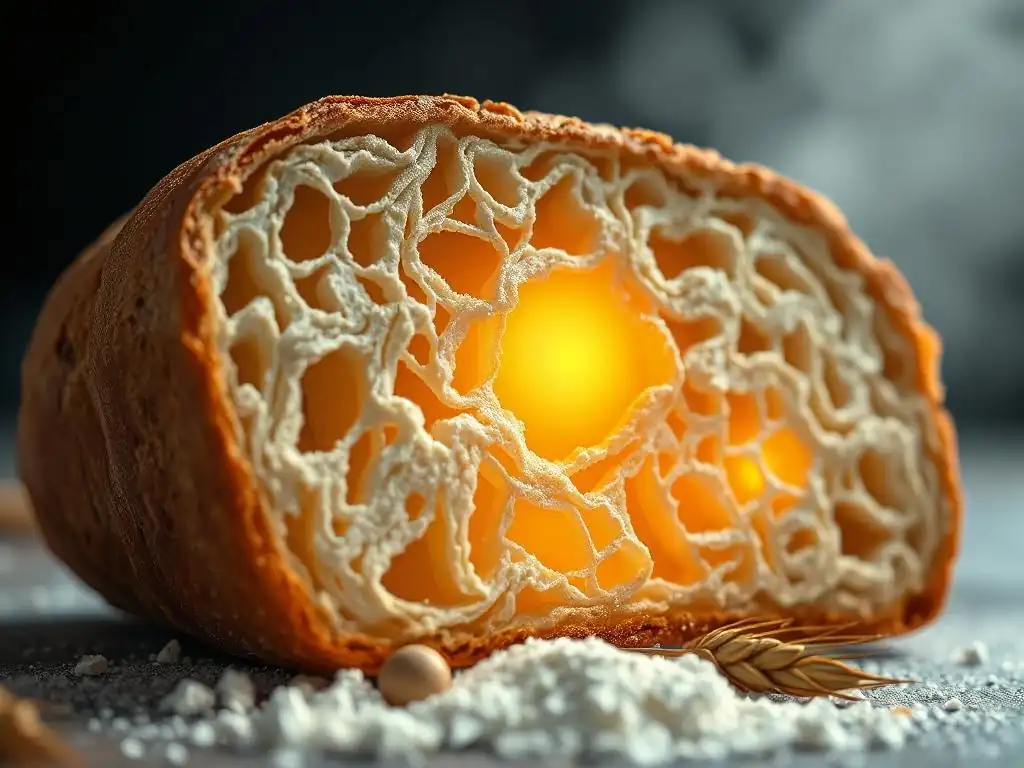
Welcome to BakeWithEase, where we unlock the secrets of baking success! Ever wondered what really makes your bread chewy and your cakes tender? This week, we're diving deep into the fascinating world of gluten structure baking techniques. Uncover the chemical reactions behind perfect dough and learn how to manipulate gluten to achieve the textures you've always dreamed of. Prepare to transform your baking – the science is surprisingly delicious!
Understanding the science behind your ingredients is key to unlocking baking success. One of the most fascinating and fundamental components in many baked goods is gluten. It's the invisible force that gives bread its chewiness, cakes their structure, and pastries their delightful flakiness. Mastering gluten structure baking techniques is essential for any baker looking to elevate their craft.
- Understanding Gluten Structure in Baking
- Gluten Formation: The Key to Perfect Texture
- Factors Affecting Gluten Structure in Baking
- Controlling Gluten Structure: Baking Techniques for Different Results
- Troubleshooting Gluten Problems in Baking
- Enhancing Gluten Structure for Better Baking Results
- Advanced Gluten Baking Techniques
- Mastering Gluten Structure: A Summary for Bakers
-
Frequently Asked Questions
- What exactly is gluten, and why is it important in baking?
- How do different baking techniques affect gluten development?
- What factors besides kneading influence gluten development?
- Can I still bake delicious things if I'm gluten-free?
- What are some common mistakes that hinder proper gluten development?
- Final Reflection: The Enduring Mystery and Power of Gluten
- Unleash Your Inner Baking Alchemist!
Understanding Gluten Structure in Baking
Gluten is often talked about, but its precise role and structure can seem mysterious. Far from being a single substance, gluten is a complex network formed by two specific proteins found in wheat and other grains like barley and rye. When flour is mixed with water, these proteins begin to interact, creating the framework that defines the texture of your baked goods.
What is Gluten and Why Does it Matter in Baking?
Gluten is not present in dry flour in its activated form. Instead, flour contains two primary proteins: glutenin and gliadin. When these proteins are hydrated and manipulated (like during mixing or kneading), they link together to form an elastic, cohesive network. This network is what we call gluten. Think of it like a microscopic web that traps gases produced by leavening agents (like yeast or baking powder), allowing dough and batter to rise and hold their shape.
The presence and development of this gluten network are paramount in baking because they directly influence the texture, volume, and structure of the final product. In bread making, a strong, well-developed gluten network is needed to create a chewy crumb and a crusty exterior. In contrast, cakes require minimal gluten development to ensure a tender, delicate crumb. Understanding how to control this network is a core aspect of effective gluten structure baking techniques.
The Role of Gluten in Bread, Cakes, and Pastries
The function of gluten varies significantly depending on the type of baked good you are making. In bread, gluten is the primary structural component. The elastic gluten network allows the dough to stretch and expand as yeast produces carbon dioxide gas. During baking, this network sets, creating the characteristic airy, chewy texture of bread. A typical loaf of artisan bread relies heavily on a robust gluten framework developed through kneading or long fermentation.
For cakes, the role of gluten is often minimized. A tender cake crumb requires a delicate structure, not a tough, chewy one. Cake recipes often use flours lower in protein and techniques that inhibit gluten development, such as creaming butter and sugar or using chemical leaveners that don't rely on gluten strength to trap gas.
In pastries like croissants or puff pastry, gluten plays a dual role. It provides some structure, but the technique of lamination (folding dough with layers of butter) is designed to create distinct layers, where gluten contributes to the dough's elasticity and ability to be rolled thin without tearing, allowing the butter layers to create steam and separation during baking.
Gluten Formation: The Key to Perfect Texture
The magic of gluten happens when flour meets liquid and energy is applied. It's a process that bakers actively manage to achieve specific results, highlighting the importance of targeted gluten structure baking techniques.
The Building Blocks: Glutenin and Gliadin Proteins
As mentioned, the stars of the show are glutenin and gliadin. Glutenin proteins are larger and responsible for the elasticity and strength of the gluten network. They form long, complex chains that provide the dough with its structure and ability to resist deformation. Gliadin proteins are smaller and more numerous, contributing to the extensibility and fluidity of the dough. They allow the dough to stretch and expand without breaking.
When water is added to flour, these proteins begin to hydrate. The water acts as a solvent, allowing the glutenin and gliadin molecules to move and interact. The subsequent mixing or kneading provides the mechanical energy needed for these proteins to bond together, primarily through disulfide bonds (strong covalent bonds) and hydrogen bonds (weaker bonds), forming the intricate, three-dimensional gluten network. The ratio and quality of these proteins, which vary by flour type, dictate the potential strength of the resulting gluten.
Hydration and Mixing: Activating Gluten Development
Hydration is the critical first step in gluten formation. Dry flour contains inactive glutenin and gliadin. Adding water allows these proteins to absorb moisture and become mobile. The amount of water significantly impacts gluten development; higher hydration levels generally lead to more extensive gluten networks, assuming sufficient mixing. For example, a high-hydration ciabatta dough (perhaps 80% water relative to flour weight) will develop a more open, airy structure than a low-hydration bagel dough (around 50-55% hydration), partly due to the increased protein interaction facilitated by the extra water.
Mixing provides the mechanical energy required to bring the hydrated protein molecules into contact and facilitate the formation of gluten bonds. Gentle mixing starts the process, while more vigorous mixing or kneading aligns the protein chains and strengthens the network. The duration and intensity of mixing are key gluten structure baking techniques used to control the final texture, from the minimal mixing for a tender cake batter to the extensive kneading for a chewy bread dough.
The Importance of Kneading for Gluten Strength
Kneading is a fundamental technique for developing strong gluten in doughs, particularly bread doughs. The act of stretching and folding the dough mechanically works the hydrated glutenin and gliadin proteins. This process aligns the protein chains and encourages the formation of more disulfide bonds, strengthening the gluten network. As you knead, you can feel the dough transform from a shaggy, sticky mass into a smooth, elastic ball that resists tearing.
Think of kneading as building a strong, flexible scaffolding. A well-kneaded dough will pass the "windowpane test," where a small piece can be stretched thinly enough to see light through it without breaking, indicating a strong, elastic gluten network capable of trapping gas and supporting the loaf's structure. Insufficient kneading results in weak gluten, leading to a dense loaf with poor volume, while over-kneading can actually break down the gluten structure, resulting in a tough, less elastic dough.
Factors Affecting Gluten Structure in Baking
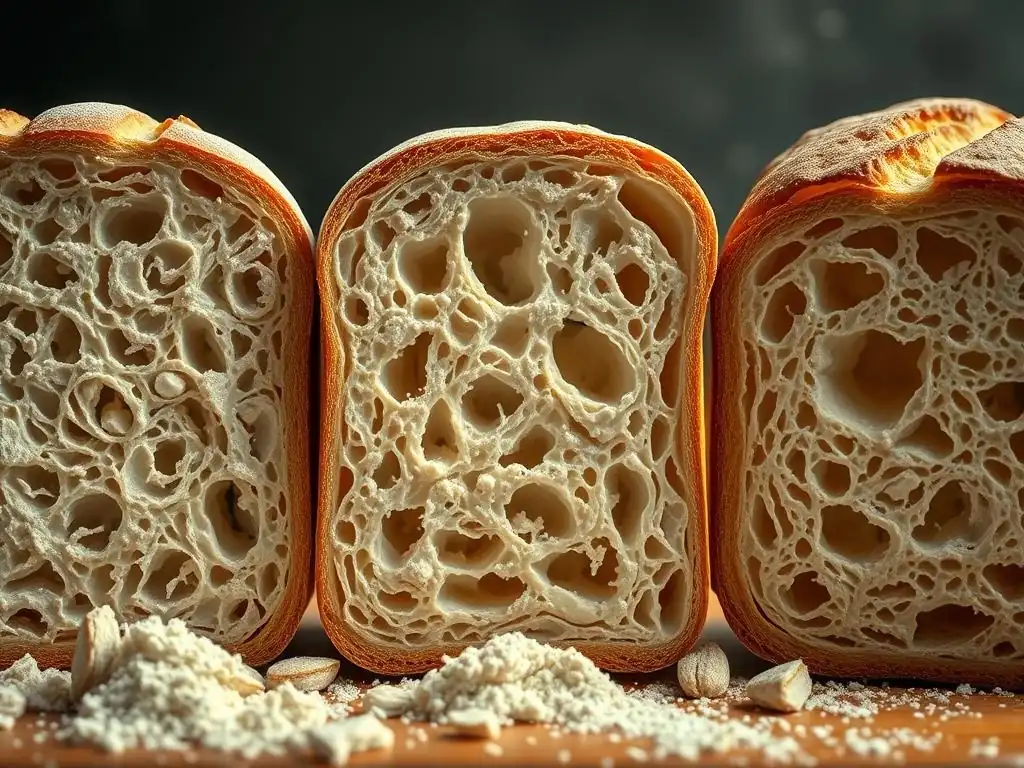
Beyond hydration and mixing, several other factors influence how gluten develops, offering bakers more levers to pull when employing gluten structure baking techniques.
Flour Type: Choosing the Right Flour for Optimal Gluten
The type of flour used is perhaps the most significant factor determining the potential for gluten development. Different flours have varying protein contents, which directly correlate to the amount of glutenin and gliadin available to form gluten. High-protein flours, like bread flour (typically 12-14% protein), are ideal for baking goods that require a strong, elastic gluten network, such as artisan breads, pizza dough, and bagels.
Low-protein flours, like cake flour (often 7-9% protein), have less potential for gluten formation and are preferred for tender baked goods like cakes, pastries, and biscuits. All-purpose flour falls in the middle (around 10-12% protein) and is versatile, suitable for a wide range of recipes, though it may not produce the chewiest bread or the most tender cake compared to specialized flours. Choosing the correct flour type is a foundational gluten structure baking technique.
Hard Red Winter Wheat vs. Soft White Wheat: Impacts on Gluten Network
Flour types are often classified based on the wheat variety they come from. Hard wheat varieties, such as Hard Red Winter or Hard Red Spring wheat, are higher in protein (typically 11-14% or more). The glutenin proteins in hard wheat tend to be stronger and form more robust networks, making these flours excellent for yeast breads that require significant structure and chew. For example, bread flour is commonly milled from hard wheat.
Soft wheat varieties, like Soft White or Soft Red Winter wheat, are lower in protein (typically 8-10%). The proteins in soft wheat form a weaker, more tender gluten network. These flours are ideal for cakes, cookies, pastries, and biscuits where tenderness and a fine crumb are desired. Cake flour and pastry flour are typically milled from soft wheat. Understanding this distinction is crucial for selecting the right flour to achieve the desired gluten structure and final texture in your baked goods.
Water Temperature and its Influence on Gluten Development
While hydration is essential, the temperature of the water also plays a role in gluten development, though less significant than the amount of water or mixing. Warmer water (lukewarm, around 95-105°F or 35-40°C) can slightly speed up the hydration process and make the dough feel more extensible initially. This is often used in bread making to also activate yeast simultaneously.
However, very hot water can potentially denature (damage) the gluten proteins, inhibiting proper network formation. Cold water (refrigerator temperature) slows down hydration and gluten development. This can be beneficial in doughs where you want to control gluten development, such as pastry doughs (keeping the butter cold and firm) or doughs undergoing a long, slow fermentation, allowing enzymes time to work on the proteins before gluten fully develops.
The Impact of Fats and Sugars on Gluten Formation
Fats and sugars are often referred to as "shorteners" in baking because they interfere with gluten development, resulting in a more tender or "short" texture. Fats coat the flour particles, preventing water from fully hydrating the glutenin and gliadin proteins. This physical barrier inhibits the proteins from linking together effectively. The more fat in a recipe (like in rich cookies or shortbread), the less gluten develops, leading to a crumbly texture.
Sugar competes with gluten proteins for water. It is hygroscopic, meaning it attracts and holds onto water. By absorbing water that would otherwise hydrate the gluten proteins, sugar slows down and weakens gluten development. High-sugar recipes, such as many cake batters, naturally have less gluten development, contributing to their tender crumb. Using fats and sugars strategically is a key gluten structure baking technique for controlling the final texture of baked goods.
Controlling Gluten Structure: Baking Techniques for Different Results
Achieving the perfect texture in different baked goods relies heavily on specific gluten structure baking techniques. Whether you want a chewy loaf or a tender cake, controlling gluten is key.
Developing Strong Gluten for Chewy Breads
To create chewy bread with a robust structure, the goal is to encourage significant gluten development. This involves using high-protein flour (like bread flour), adequate hydration (typically 60-75% or even higher), and sufficient mixing or kneading. Kneading, either by hand or machine, provides the mechanical energy to align and strengthen the gluten network. Techniques like stretching and folding during bulk fermentation also contribute to gluten development without overly handling the dough.
Proper fermentation time is also crucial. Yeast activity not only produces gas but also conditions the gluten, making it more extensible. An autolyse period (mixing flour and water and letting it rest before adding other ingredients) is another technique that allows hydration to fully occur and enzymatic activity to begin breaking down some proteins, making subsequent gluten development smoother and more efficient. These focused gluten structure baking techniques build the framework necessary for a high-rising, chewy loaf.
Minimizing Gluten Development for Tender Cakes
For cakes and muffins, the aim is to create a tender, delicate crumb, which means minimizing gluten development. This is achieved by using low-protein flour (cake flour), limiting hydration relative to other ingredients (like fat and sugar), and using mixing methods that gently combine ingredients without excessive working of the dough. Techniques like the creaming method (beating butter and sugar together first) coat flour particles with fat, inhibiting gluten formation.
Over-mixing cake batter is a common mistake that leads to tough cakes. Once the dry ingredients are added, mixing should be just enough to combine everything, avoiding prolonged agitation. The chemical leaveners (baking powder, baking soda) used in many cakes don't rely on a strong gluten network to trap gas as yeast does; they create bubbles immediately upon mixing or heating, requiring only a minimal structure to hold them. These careful gluten structure baking techniques ensure a light, melt-in-your-mouth result.
Modifying Gluten for Flaky Pastries and Pie Crusts
Flaky pastries and pie crusts require a unique balance of structure and tenderness, achieved by controlling gluten development in conjunction with fat. The key is to keep ingredients cold and handle the dough minimally after adding the fat. Using cold butter cut into pieces or rubbed into the flour creates layers or pockets of fat within the dough.
During baking, these fat pieces melt, creating steam that pushes the dough layers apart, resulting in flakiness. If gluten is overly developed, the dough becomes too elastic and tough, preventing those distinct layers from forming. Using lower-protein flour (pastry flour or all-purpose), cold water, and minimal mixing after incorporating fat are vital gluten structure baking techniques for achieving that desirable flaky texture.
Troubleshooting Gluten Problems in Baking
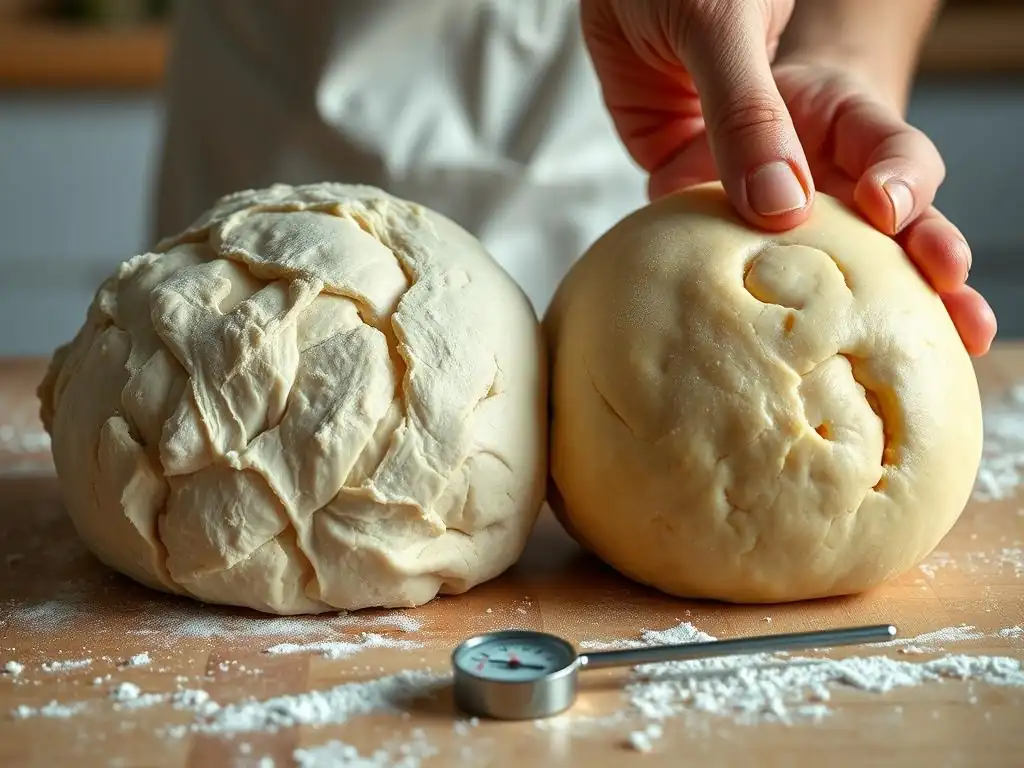
Even experienced bakers encounter issues with gluten. Understanding common problems helps in applying the right gluten structure baking techniques to fix them.
Over-Mixing and Tough Gluten
Over-mixing is a classic cause of tough baked goods, especially in recipes where tenderness is desired (like cakes, muffins, or biscuits). Excessive mixing provides too much mechanical energy, causing the gluten proteins to form an overly strong, tight network. This results in a dense, rubbery, or chewy texture where you want a light, tender one.
For batters (cakes, muffins), mix only until the ingredients are just combined. Streaks of flour are acceptable before baking, as residual mixing will occur. For doughs (bread, pizza), while sufficient mixing is needed, over-mixing can make the dough lose its elasticity and become slack or even break down, leading to poor volume. Recognizing the signs of fully developed dough (smooth, elastic, passes windowpane test) is key to avoiding over-mixing.
Under-Mixing and Weak Gluten
Conversely, under-mixing results in insufficient gluten development. In bread dough, this means the gluten network is too weak to trap the gases produced by yeast effectively. The dough will be slack, sticky, and lack elasticity. The resulting bread will be dense, have poor volume, and potentially an uneven crumb structure.
In cakes or muffins, under-mixing might leave pockets of dry flour, resulting in an inconsistent texture. While minimizing gluten is the goal in these cases, sufficient mixing is still needed to hydrate the flour proteins enough to form a basic structure and to distribute leaveners and other ingredients evenly. Finding the sweet spot between under- and over-mixing is a critical aspect of mastering gluten structure baking techniques for any recipe.
Adjusting Recipes for Gluten-Free Baking Alternatives [Brief Mention]
For individuals who cannot consume gluten due to celiac disease or gluten sensitivity, baking requires entirely different gluten structure baking techniques. Gluten-free baking relies on alternative flours (like rice flour, almond flour, oat flour, tapioca starch, etc.) that do not contain gluten proteins.
To mimic the structural properties that gluten provides, gluten-free recipes often incorporate binders like xanthan gum, guar gum, psyllium husk, or eggs. These ingredients help to hold the batter or dough together and provide some semblance of structure and elasticity, though achieving the exact texture of traditional gluten-based baked goods can be challenging. This requires a different set of principles focused on hydration and binding agents rather than protein network development.
Enhancing Gluten Structure for Better Baking Results
Beyond basic mixing and kneading, several techniques can be employed to optimize gluten development and achieve superior results, particularly in bread baking. These are advanced gluten structure baking techniques for bakers looking to refine their craft.
Autolyse: A Technique for Improved Gluten Development
The autolyse technique involves mixing just the flour and water from a recipe and letting the mixture rest for 20 minutes to several hours before adding the salt and leavening. This resting period allows the flour to fully hydrate without the interference of salt (which can tighten gluten) or yeast (which starts fermentation immediately).
During the autolyse, enzymatic activity naturally begins to break down some of the protein bonds, making the dough more extensible and easier to knead later. When you resume mixing after the rest, gluten develops more quickly and smoothly. This technique often results in dough that is easier to handle, has better volume, and a more open crumb structure, showcasing its effectiveness as a gluten structure baking technique.
Using Vital Wheat Gluten to Boost Gluten Strength
Vital wheat gluten is essentially dried gluten that has been extracted from wheat flour. It is a concentrated protein powder (often 75-80% protein). Adding a small amount (perhaps 1-2 tablespoons per cup of flour) to a recipe can significantly increase the protein content and thus the potential for gluten development.
This is particularly useful when working with low-protein flours (like whole wheat or rye flour, which contain protein but their structure is inhibited by bran) or when seeking a particularly chewy texture. Adding vital wheat gluten is a direct gluten structure baking technique to compensate for lower inherent protein or to enhance the chewiness of bread, bagels, or pizza crust.
The Role of Proofing in Gluten Relaxation and Expansion
Proofing, the final rise of dough before baking, is not primarily about developing gluten, but rather conditioning it. As yeast ferments, it produces gas, causing the gluten network to stretch and expand. This expansion further aligns the gluten strands. Crucially, the resting time allows the gluten network to relax.
A properly proofed dough is airy and elastic, ready to undergo the final oven spring. If dough is under-proofed, the gluten might be too tight, resulting in a dense loaf that tears during baking. If over-proofed, the gluten network can become overstretched and collapse, leading to a deflated loaf. Managing proofing time and temperature is a vital gluten structure baking technique that works in concert with initial gluten development.
Advanced Gluten Baking Techniques
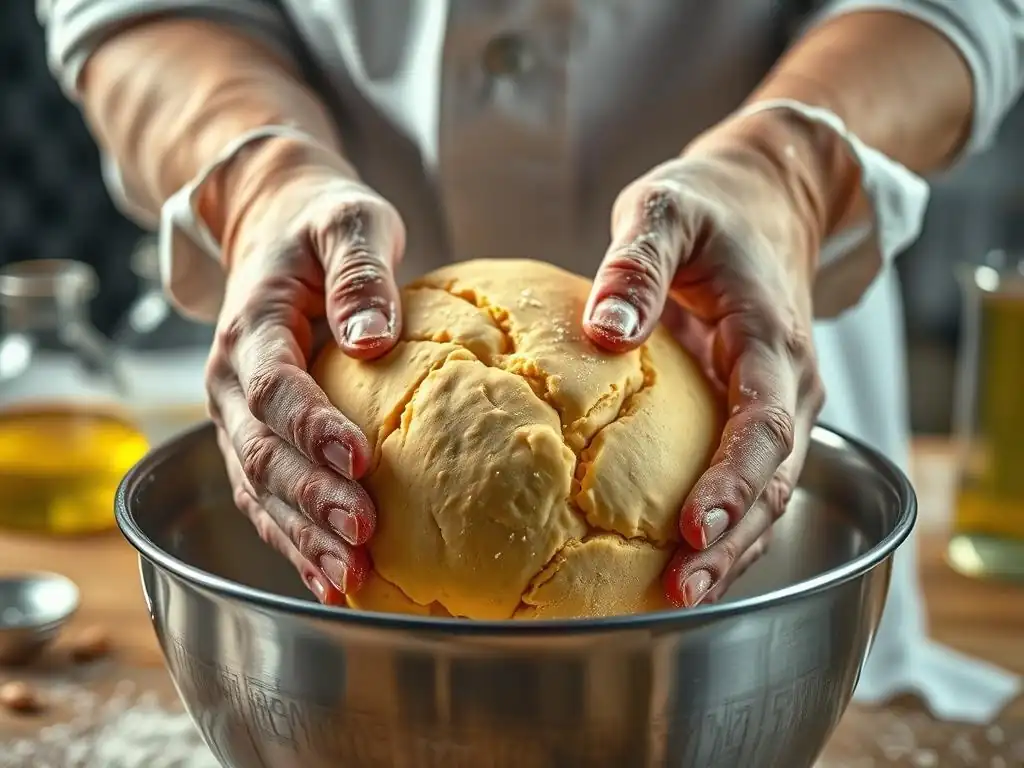
Pushing the boundaries of baking often involves working with doughs that require sophisticated gluten structure baking techniques to manage their unique properties.
Sourdough Baking and Complex Gluten Development
Sourdough baking utilizes a wild yeast and bacteria culture (the starter) for leavening. This process involves long fermentation times, often spanning many hours or even days. During this extended fermentation, the bacteria in the starter produce organic acids (like lactic and acetic acid). These acids affect the gluten network in several ways.
The acidity helps to strengthen and condition the gluten, making it more extensible and easier to work with, especially in high-hydration doughs. The slow fermentation also allows enzymes more time to break down proteins and starches, contributing to flavor and aiding gluten development. Sourdough baking is a prime example of how controlled fermentation, a key gluten structure baking technique, interacts with gluten for complex flavor and texture.
Working with High-Hydration Doughs and Gluten
High-hydration doughs (those with 75% water or more relative to flour weight) can be challenging to handle but often result in bread with a very open, airy crumb structure (like ciabatta or focaccia). The high water content facilitates extensive hydration and gluten development, but the dough is very slack and sticky.
Traditional kneading is often less effective with these doughs. Instead, gluten structure baking techniques like frequent "stretch and folds" during the bulk fermentation are used. This involves gently stretching and folding the dough onto itself every 30-60 minutes for the first few hours of fermentation. This technique builds gluten strength gradually while minimizing stickiness and allowing the dough to develop structure over time.
Lamination and Gluten Development in Viennoiserie
Lamination is the technique used for pastries like croissants, puff pastry, and danishes, where layers of dough are folded with layers of butter. The goal is to create distinct, thin layers that separate during baking. While the butter is crucial for flakiness, the dough's ability to be rolled out thinly without tearing depends on its gluten structure.
The dough for laminated pastries typically uses a medium-protein flour (like all-purpose or a specific pastry flour blend) and undergoes moderate mixing to develop some gluten. The dough is then chilled repeatedly between folds. The cold temperature inhibits excessive gluten development and keeps the butter solid. The rolling and folding process itself aligns the gluten network into sheets. Managing this balance between developing enough gluten for elasticity and preventing it from becoming too strong and tough is a nuanced gluten structure baking technique.
Tangzhong Method and its Influence on Gluten
The Tangzhong method, originating in Asia, involves cooking a small portion of the flour and liquid (milk or water) into a paste or roux before adding it to the main dough ingredients. This cooked paste gelatinizes the starches in the flour, allowing them to absorb and hold onto significantly more liquid than uncooked flour.
When the Tangzhong is added to the dough, this extra trapped moisture is available to the gluten proteins, leading to more thorough hydration and potentially more extensive gluten development. More importantly, the increased moisture retention results in incredibly soft, moist, and tender baked goods with an extended shelf life. The Tangzhong method is an effective gluten structure baking technique that influences both gluten hydration and overall dough moisture.
Mastering Gluten Structure: A Summary for Bakers
Mastering the art of baking often comes down to understanding and controlling the fundamental science at play, and gluten is at the heart of many transformations in the oven. By paying attention to the interactions between flour, water, and manipulation, you can consistently achieve the desired texture in your baked goods.
Key Takeaways for Achieving Perfect Texture Through Gluten Control
- Gluten is formed by hydrating and working glutenin and gliadin proteins in flour.
- The type of flour (protein content) is the primary determinant of gluten potential.
- Hydration level and mixing/kneading intensity are crucial for controlling gluten development.
- Fats and sugars inhibit gluten development, leading to tenderness.
- Gluten structure baking techniques vary significantly depending on whether you want strong gluten (bread) or weak gluten (cakes).
- Troubleshooting involves recognizing the signs of over- or under-developed gluten.
- Advanced techniques like autolyse, using vital wheat gluten, and managing proofing optimize gluten structure.
- Specific methods like Tangzhong, lamination, and sourdough fermentation employ unique gluten structure baking techniques for distinct results.
By consciously applying these gluten structure baking techniques, you move beyond simply following a recipe to truly understanding and influencing the outcome, leading to more successful and satisfying baking experiences.
- [ ] Understand the role of glutenin and gliadin.
- [ ] Choose the right flour based on desired texture.
- [ ] Control hydration and mixing for targeted gluten development.
- [ ] Be mindful of how fats and sugars affect gluten.
- [ ] Knead appropriately for bread, mix minimally for cakes.
- [ ] Practice troubleshooting common gluten issues.
- [ ] Explore advanced techniques like autolyse or Tangzhong.
- [ ] Appreciate how gluten structure baking techniques create diverse textures.
Frequently Asked Questions
What exactly is gluten, and why is it important in baking?
Gluten is a protein complex formed when gliadin and glutenin (found in wheat flour) are hydrated. It's crucial for creating structure and elasticity in baked goods, giving them their characteristic chew.
How do different baking techniques affect gluten development?
Techniques like kneading promote gluten development by aligning and strengthening the gluten strands. Conversely, methods like using cake flour with less protein inhibit gluten formation, resulting in a more tender crumb. Over-mixing can lead to a tough product so understanding the technique is paramount.
What factors besides kneading influence gluten development?
Besides kneading, hydration levels (the amount of water added) significantly affect gluten. Also, acidity and salt can impact gluten strength and elasticity. Even temperature plays a role during baking.
Can I still bake delicious things if I'm gluten-free?
Yes! While gluten provides structure, gluten-free baking relies on alternative flours like rice flour, almond flour, and tapioca starch. These flours often require binders like xanthan gum to mimic gluten's properties and create desirable textures.
What are some common mistakes that hinder proper gluten development?
Common mistakes include not hydrating the flour properly, over-kneading (especially with strong flours), and using the wrong type of flour for the desired outcome. Ensuring correct measurements and following the recipe closely is crucial.
Final Reflection: The Enduring Mystery and Power of Gluten
Understanding gluten structure is not merely an academic pursuit; it's the key to unlocking the potential of baking, and its impact on our daily lives is profound. The intricate network of gluten proteins, as explored throughout this article, directly influences the texture, rise, and overall quality of countless baked goods we consume daily. From the airy lightness of a croissant to the chewy satisfaction of a sourdough loaf, the chemistry at play is both fascinating and fundamental to our culinary heritage.
The ongoing exploration of gluten's structure continues to shape baking techniques, influencing everything from sourdough starter management to the development of gluten-free alternatives. This journey of discovery highlights the interconnectedness of science and art in the kitchen. As we delve deeper into the molecular mechanisms, we gain a greater appreciation for the traditional methods passed down through generations. The more you know, the more you realize how much you don't know,
a sentiment that perfectly encapsulates the ongoing quest to fully understand this complex protein.
Now, consider your own baking experiences. Have you ever noticed the subtle differences in texture based on flour type or kneading technique? This article has hopefully provided you with a deeper understanding of why those differences exist. I encourage you to experiment, to explore the fascinating world of gluten, and to use this newfound knowledge to elevate your own baking creations. The chemistry of chew is waiting to be unlocked – embrace the science, and let your passion for baking soar.
Unleash Your Inner Baking Alchemist!
Thanks for exploring the fascinating world of gluten with us! You've now unlocked a deeper understanding of its structure and how it impacts your baking. Ready to put this knowledge into practice?
- Master the art of gluten development: Experiment with different kneading techniques and flour types to see how it affects your dough's texture and rise. This is where the real magic happens!
- Share your baking triumphs (and challenges!) with our community in the comments below – let's learn from each other!
- Explore our extensive recipe library for gluten-focused delights.
What innovative gluten-based creation will you bake next?