
Simple Steps to Baking Perfect Latin American Shortbread (Mantecaditos)

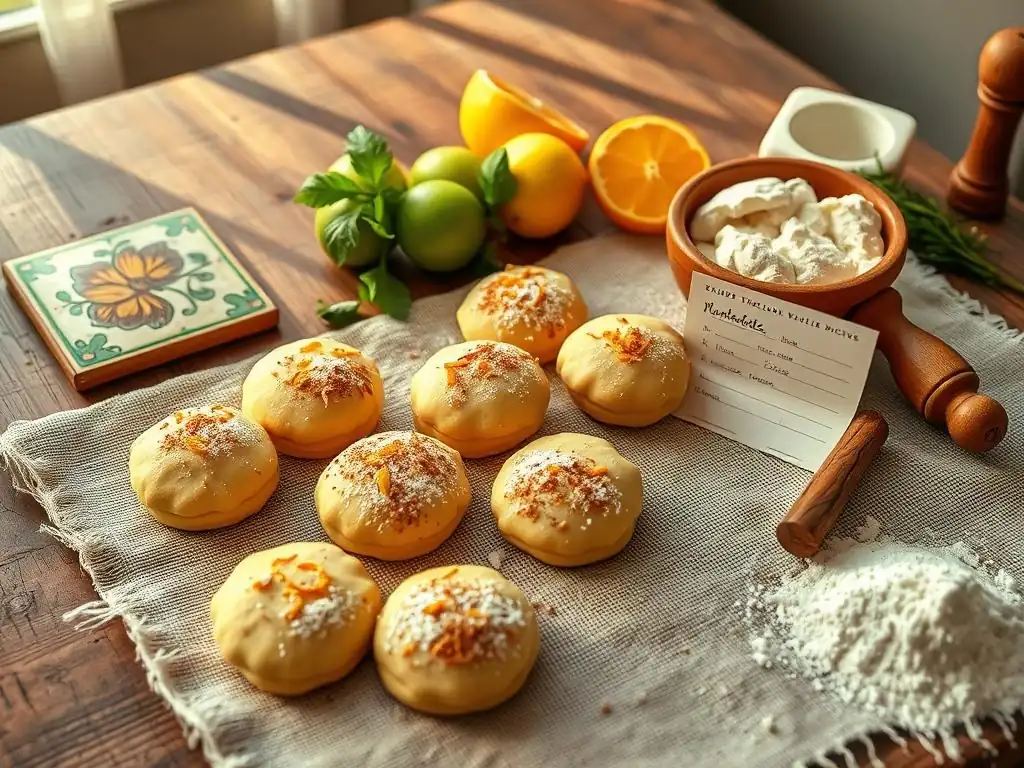
Welcome to BakeWithEase, your trusted guide to baking bliss! Ever dreamt of creating melt-in-your-mouth treats that transport you to sun-kissed shores? Then you're in the right place! Today, we're diving into the delightful world of Latin American shortbread baking, unveiling a recipe so simple, yet so satisfying, you'll wonder why you haven't tried it sooner. Get ready to discover the secret to perfect Mantecaditos... and that's just the beginning of what we have to offer. Intrigued? Let's get baking!
- Baking Authentic Puerto Rican Mantecaditos
- Introduction to Mantecaditos: A Puerto Rican Shortbread Tradition
- Mastering the Puerto Rican Shortbread Recipe: Ingredients and Equipment
- Step-by-Step Guide: Baking Perfect Mantecaditos at Home
- Tips and Tricks for the Best Puerto Rican Shortbread
- Variations and Flavor Enhancements for Your Mantecaditos
- Storing Your Homemade Puerto Rican Shortbread
- Troubleshooting Common Mantecadito Baking Problems
- Conclusion: Enjoying Your Delicious Homemade Mantecaditos.
-
Frequently Asked Questions
- What makes Latin American shortbread, specifically Mantecaditos, different from other shortbreads?
- What are the key ingredients needed for a successful Mantecadito baking recipe?
- What's the best technique to ensure a tender and crumbly texture in Mantecaditos?
- Can I substitute the lard in the Mantecadito recipe with butter or shortening?
- What are some common decorating options for Latin American shortbread, and how do I apply them?
- Final Reflection: The Enduring Sweetness of Tradition
- Unleash Your Inner Pastry Chef: Bake Perfect Mantecaditos Today!
Baking Authentic Puerto Rican Mantecaditos
Introduction to Mantecaditos: A Puerto Rican Shortbread Tradition
Mantecaditos are delightful, buttery shortbread cookies deeply ingrained in Puerto Rican culture. Their name comes from "manteca," the Spanish word for lard, a key ingredient that gives them their signature tender, crumbly texture. These simple yet beloved cookies are a staple in Puerto Rican households, often found at family gatherings, holidays, and celebrations.
While similar to other shortbreads found throughout Latin America, the Puerto Rican version often stands out due to its reliance on lard and sometimes subtle flavorings like almond extract or anise seeds. They are typically small, round, or flower-shaped and enjoyed plain or with a simple sprinkle decoration.
The tradition of baking Mantecaditos likely traces back to Spanish culinary influences, where shortbread-like cookies made with lard were common. Over centuries, this tradition evolved on the island, adapting to local ingredients and preferences to become the distinct cookie known today. Unlike more complex pastries, the beauty of Mantecaditos lies in their simplicity – a few basic ingredients combined using straightforward techniques yield a deeply satisfying result. This makes them an ideal introduction to Latin American shortbread baking for anyone looking to explore regional sweets.
Why You'll Love This Puerto Rican Shortbread Recipe
This Puerto Rican shortbread baking recipe is perfect for bakers of all levels, offering a straightforward path to creating delicious, melt-in-your-mouth cookies. The process is forgiving, and the result is a cookie with a unique texture that is both delicate and rich. Using lard, as is traditional, imparts a tenderness that butter alone often cannot replicate, resulting in an authentic taste experience. The simple flavor profile makes them versatile – perfect for pairing with coffee, tea, or enjoying on their own.
Beyond their delicious taste and texture, baking Mantecaditos offers a connection to a vibrant culinary heritage. Following this Latin American shortbread baking recipe allows you to recreate a classic treat enjoyed by generations in Puerto Rico. The aroma filling your kitchen as they bake is wonderfully inviting, and sharing these homemade cookies brings a touch of warmth and tradition to any occasion. It's a rewarding baking project that yields a batch of truly comforting and memorable shortbread.
Mastering the Puerto Rican Shortbread Recipe: Ingredients and Equipment
Essential Ingredients for Authentic Mantecaditos
Crafting authentic Mantecaditos requires a few key ingredients, each playing a crucial role in achieving the desired texture and flavor. The base is typically a simple blend of flour, fat, and sugar. While variations exist, sticking to the traditional ingredients is the best way to experience the true character of this Puerto Rican shortbread. The quality of these basic components will directly impact the final cookie.
Understanding the function of each ingredient is key to successful Latin American shortbread baking. The fat provides tenderness, the sugar contributes sweetness and aids in browning, and the flour gives the cookie structure. Using the right type of fat, specifically lard, is paramount for achieving the classic crumbly texture that defines Mantecaditos, setting them apart from butter-based shortbreads.
Flour Selection: All-Purpose Flour for Traditional Texture
Lard vs. Butter: Using Lard for Authentic Flavor and Tenderness
Sweeteners: Granulated Sugar for Classic Sweetness
Necessary Baking Equipment for Making Mantecaditos
Fortunately, you don't need specialized tools to bake this Latin American shortbread. Most of the equipment required for this Puerto Rican shortbread recipe can be found in a standard kitchen. Having the right basic tools on hand ensures a smooth and efficient baking process, from mixing the dough to shaping and baking the cookies.
Preparation is key, so ensure your mixing bowls, measuring cups, and spoons are clean and ready before you begin. Using good quality baking sheets and parchment paper is also important for preventing the cookies from sticking and ensuring even heat distribution. Simple cookie cutters, traditionally round or flower shapes, make shaping the Mantecaditos quick and consistent.
Mixing Bowls and Utensils: Standard Kitchen Tools
Baking Sheets and Parchment Paper: Preventing Sticking
Cookie Cutters: Round or Flower Shapes
Step-by-Step Guide: Baking Perfect Mantecaditos at Home
Step 1: Preparing the Dough
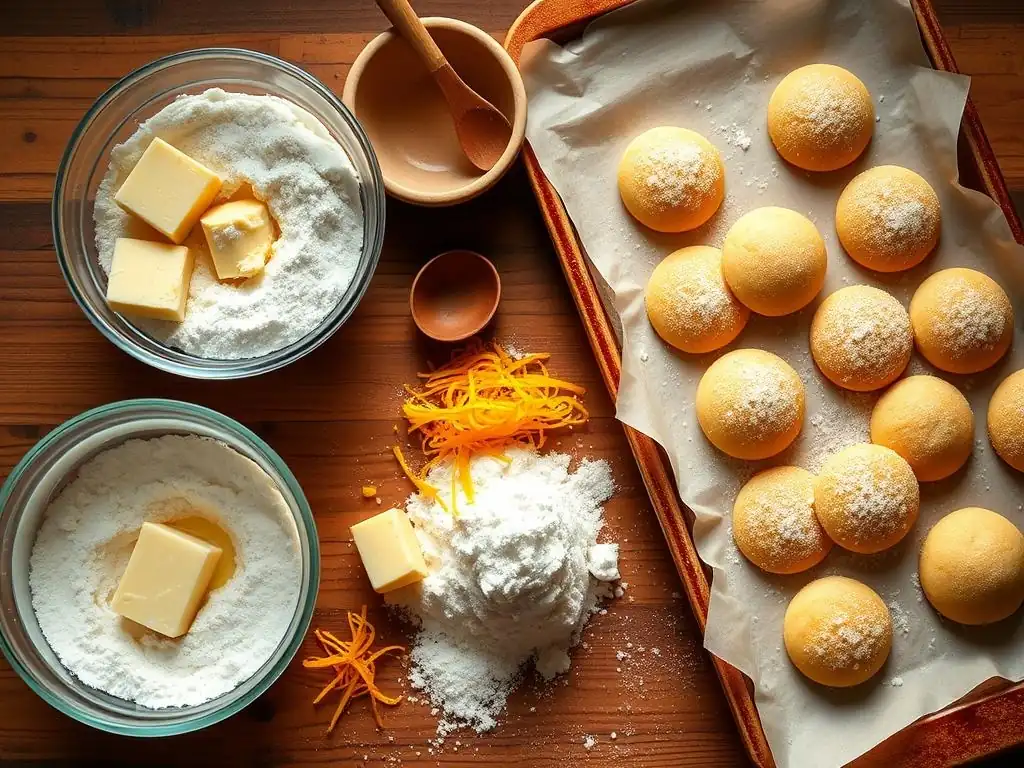
The first step in this Latin American shortbread baking recipe is creating the dough. Achieving the correct consistency is crucial for the final texture of your Mantecaditos. This involves carefully combining the dry ingredients before incorporating the fat, usually lard, to create a crumbly mixture that will hold together when pressed.
The process is quite similar to making pie crust dough. You want to cut the cold fat into the dry ingredients until the mixture resembles coarse crumbs. This technique ensures that the fat is distributed throughout the flour, which is essential for creating the tender, crumbly texture characteristic of Puerto Rican shortbread. Avoid overmixing once the fat is incorporated, as this can develop the gluten and result in tough cookies.
- [ ] Combine Dry Ingredients: Flour, Sugar, and Salt
- [ ] Incorporate the Lard: Cutting in the Fat
- [ ] Achieving the Right Dough Consistency: A Crumbly Texture
Step 2: Shaping and Cutting Your Mantecaditos
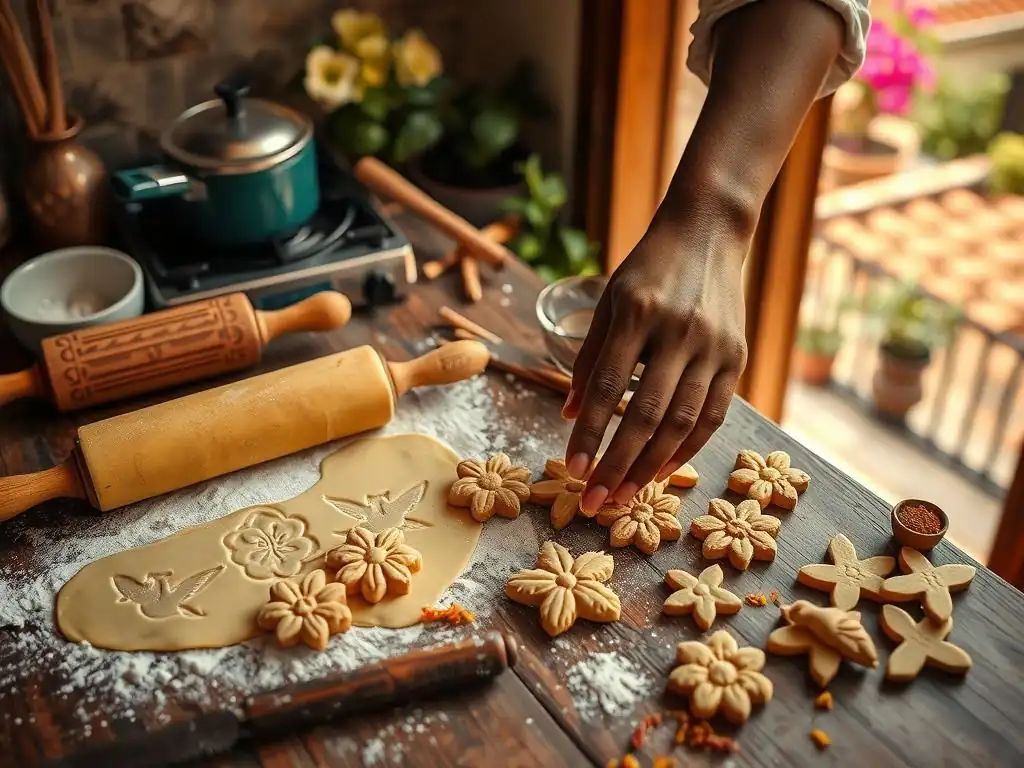
Once your dough is prepared, it's time to shape your Puerto Rican shortbread. The dough for Mantecaditos is typically rolled out and cut using cookie cutters, giving them their classic appearance. This step is relatively simple but requires a gentle touch to maintain the dough's tender structure.
Roll the dough out to a consistent thickness, usually around 1/4 inch. This ensures that all your cookies bake evenly. Use your chosen cookie cutters to press firmly and cut out the shapes. Gather any dough scraps, gently press them back together without kneading, and reroll to cut more cookies until all the dough is used. Handle the cutouts carefully when transferring them to the baking sheet.
- [ ] Rolling Out the Dough: About 1/4 Inch Thickness
- [ ] Using Cookie Cutters: Creating Uniform Cookies
- [ ] Rerolling Scraps: Gently Pressing Together
Step 3: Baking Your Puerto Rican Shortbread to Golden Perfection
Baking is where the magic happens, transforming the raw dough into delicious Mantecaditos. Proper oven temperature and baking time are critical to achieving the perfect balance of tenderness and a slight crispness around the edges. Too long, and they become dry; too short, and they might be undercooked.
Preheat your oven to 350°F (175°C). Place the shaped cookies on baking sheets lined with parchment paper, leaving a little space between them. Bake for approximately 12-15 minutes. You'll know they are done when the edges just start to turn a light golden color. The centers should still look relatively pale. Avoid letting them get too brown, as this indicates they might be overbaked.
- [ ] Preheating Your Oven:
350°F (175°C)is Key - [ ] Baking Time and Temperature: 12-15 Minutes
- [ ] Checking for Doneness: Lightly Golden Edges
Step 4: Adding the Finishing Touches: Decoration
Traditionally, Mantecaditos are quite simple in their presentation, often served plain or with minimal decoration. The focus is usually on the cookie's texture and subtle flavor rather than elaborate icing or toppings. This simplicity is part of their charm and makes this Latin American shortbread baking recipe even more approachable.
While a heavy glaze is not traditional, some variations include a simple dusting of powdered sugar once the cookies have cooled slightly. For a festive touch, especially during holidays like Christmas, colorful sprinkles are sometimes added to the raw dough cutouts before baking. However, the most authentic way to enjoy Puerto Rican shortbread is often just as they are, showcasing their delicate crumb and rich flavor.
- [ ] Simple Glaze Options: None - Traditionally Served Plain
- [ ] Decorating with Sprinkles: Optional, for a Festive Look
- [ ] Dusting with Powdered Sugar: A Light Coating
Tips and Tricks for the Best Puerto Rican Shortbread
Secret to a Tender Crumble: Keep Ingredients Cold
The key to achieving the signature tender, crumbly texture of Mantecaditos lies in using very cold ingredients, particularly the lard. When cold fat is cut into the flour, it creates small pockets. As the cookies bake, these pockets of fat melt, leaving behind tiny air spaces that contribute to the delicate crumb. Warm or softened fat will blend too smoothly with the flour, resulting in a denser, tougher cookie.
Ensure your lard is straight from the refrigerator and firm. Some bakers even chill their flour and mixing bowl briefly before starting. Working quickly to mix the dough and chilling it again before rolling helps maintain the cold temperature of the fat. This simple step is perhaps the most important technical detail in this Latin American shortbread baking recipe.
Preventing Dryness: Don't Overbake
Overbaking is the most common culprit behind dry, hard Mantecaditos. Because they are a shortbread made with fat, they lack the moisture found in other cookie types. Baking them for too long at too high a temperature evaporates what little moisture they contain and can toughen the gluten in the flour.
Keep a close eye on your cookies as they approach the 12-15 minute mark. They should look pale with just the edges starting to hint at goldenness. They will continue to cook slightly on the hot baking sheet after being removed from the oven. If you prefer a softer shortbread, err on the side of slightly underbaking rather than overbaking.
Achieving Uniform Baking: Rotate Baking Sheet Halfway Through
Ovens often have hot spots, leading to uneven baking where cookies on one side of the sheet brown faster than those on the other. To ensure all your Mantecaditos bake evenly and achieve that consistent, lightly golden edge, it's a good practice to rotate your baking sheet halfway through the baking time.
Around the 6 or 7-minute mark, open the oven door and carefully turn the baking sheet 180 degrees. This exposes the cookies that were previously at the back of the oven to the front, and vice versa, promoting uniform heat exposure. This simple technique helps guarantee that every cookie in the batch of your Puerto Rican shortbread is baked to perfection.
Variations and Flavor Enhancements for Your Mantecaditos
Adding Almond Extract: Enhancing the Flavor Profile
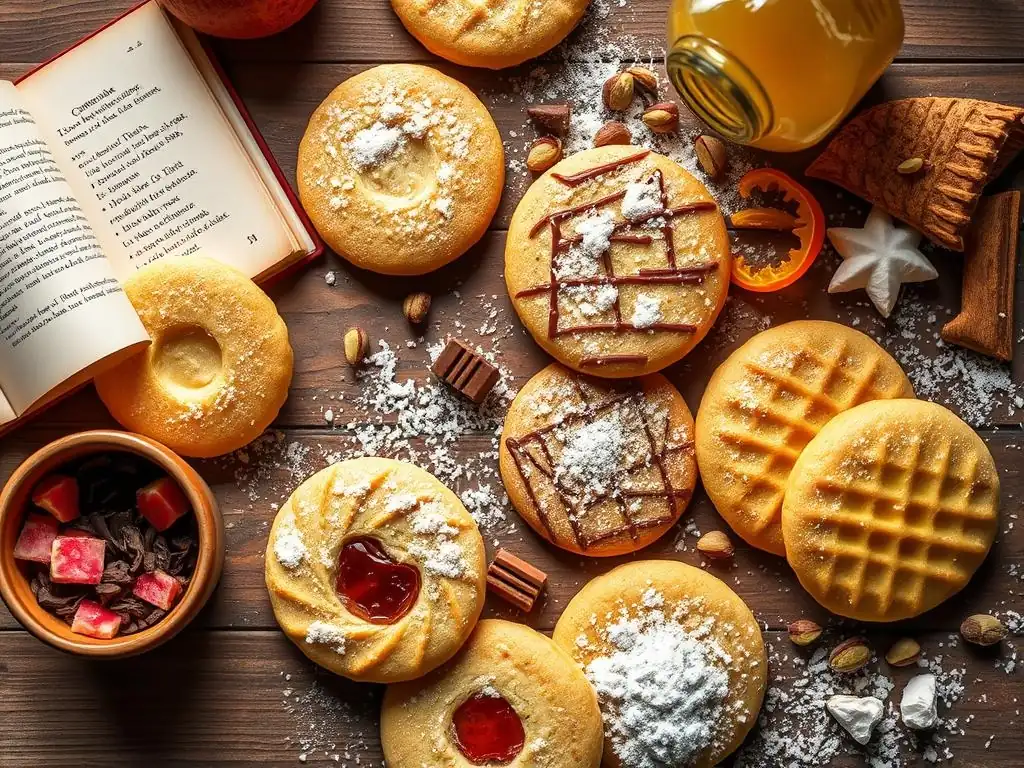
While traditionally made with just flour, fat, and sugar, a popular variation in Puerto Rican shortbread baking is the addition of almond extract. Just a small amount of high-quality almond extract can add a subtle, fragrant depth to the cookies' flavor, complementing the richness of the lard without overpowering it.
If you choose to add almond extract, start with a modest amount, perhaps 1/4 to 1/2 teaspoon per standard batch of dough. You can add it when incorporating the fat or liquid (if your recipe uses a tiny bit of liquid). The almond flavor pairs beautifully with the simple sweetness and crumbly texture of this Latin American shortbread.
Incorporating Anise Seeds: A Traditional Variation
Another traditional flavor variation for Mantecaditos involves the inclusion of anise seeds. This gives the cookies a distinct, slightly licorice-like aroma and taste, which is a flavor profile found in various Latin American baked goods. It's a less common addition than almond extract but is cherished by those who grew up with this particular version.
If you'd like to try this variation, you can add a teaspoon or two of whole or lightly crushed anise seeds to the dry ingredients before mixing in the fat. The heat of the oven will help release their aromatic oils as the Puerto Rican shortbread bakes. This variation offers a unique taste experience, connecting the cookies to older culinary traditions.
Guava Paste Filling: A Sweet and Fruity Addition
While not mixed into the dough itself, a popular way to enjoy Mantecaditos is by sandwiching them with a sweet filling, most notably guava paste (pasta de guayaba). This creates a delightful contrast between the crumbly, plain cookie and the sweet, tangy fruit filling.
To make Mantecaditos with guava paste, you would bake the cookies as usual. Once cooled, take two cookies of similar size and spread a small amount of softened guava paste on the bottom of one. Then, gently press the second cookie on top to create a sandwich. A small dollop of guava paste can also be pressed into the center of the raw dough before baking for a slightly different presentation.
Storing Your Homemade Puerto Rican Shortbread
Keeping Mantecaditos Fresh: Airtight Container at Room Temperature
Once your delicious Latin American shortbread has completely cooled, proper storage is essential to maintain their delicate texture and freshness. Mantecaditos keep very well at room temperature, provided they are stored correctly. The key is to protect them from air and moisture, which can make them stale or soft.
Store your cooled Mantecaditos in an airtight container, such as a cookie tin or a plastic container with a tight-fitting lid. Place them in a single layer if possible, or separate layers with parchment paper to prevent them from sticking together. Kept this way, they can remain fresh and wonderfully crumbly for up to a week or even longer, making them a great make-ahead treat.
Freezing Mantecaditos: Not Recommended
While many types of cookies freeze well, freezing baked Mantecaditos is generally not recommended. The high fat content and delicate, crumbly texture of this Puerto Rican shortbread make it susceptible to changes when frozen and thawed. Freezing can alter the texture, potentially making them more brittle or compromising their signature melt-in-your-mouth quality.
If you need to store them for a longer period, the best approach is to keep them in an airtight container at room temperature and enjoy them within their fresh timeframe. If you absolutely must freeze them, perhaps consider freezing the raw dough instead, though even that can sometimes affect the final texture of this particular Latin American shortbread baking recipe. However, for optimal results, stick to room temperature storage.
Troubleshooting Common Mantecadito Baking Problems
Dough Too Dry: Add a Tablespoon of Cold Water
Sometimes, despite careful measuring, the Mantecadito dough can feel too dry and crumbly to come together, making it difficult to roll and cut. This can happen due to variations in flour absorption or humidity. If your dough is so dry it won't hold together when gently squeezed, it needs a touch more moisture.
The fix is simple: add a very small amount of cold liquid, typically cold water, one tablespoon at a time. Add a tablespoon, and gently work it into the dough with your hands until it just holds together. Be careful not to add too much, as excess liquid can make the cookies tough. The goal is just enough moisture to bind the crumbs into a workable dough for your Puerto Rican shortbread.
If your Mantecaditos spread excessively in the oven, losing their defined shape, it's usually a sign that the fat in the dough was too warm when they went into the oven. Warm fat melts too quickly, causing the cookies to flatten before they have a chance to set.
The solution is to chill the shaped cookies before baking. After cutting out your Mantecaditos and placing them on the baking sheet, put the entire sheet into the refrigerator for at least 15-20 minutes. This firms up the fat, allowing the cookies to hold their shape better when they hit the heat of the oven. This is a crucial step for achieving perfectly shaped Latin American shortbread.
Uneven Baking: Ensure Even Oven Temperature
Unevenly baked cookies, where some are too brown while others are still pale, point towards inconsistent oven temperature or placement. Ovens can have hot spots, and the temperature displayed might not be entirely accurate throughout the cavity.
To combat this, use an oven thermometer to verify your oven's temperature is accurate. If it fluctuates, adjust accordingly. As mentioned earlier, rotating the baking sheet halfway through the baking time is also highly effective in promoting even browning. Placing the baking sheet in the center rack of the oven also helps ensure the cookies are surrounded by consistent heat during their transformation into delicious Puerto Rican shortbread.
Conclusion: Enjoying Your Delicious Homemade Mantecaditos.
Frequently Asked Questions
What makes Latin American shortbread, specifically Mantecaditos, different from other shortbreads?
Mantecaditos often incorporate lard for a tender crumb and may include flavors like anise or cinnamon. They are also typically decorated with sprinkles or a guava paste filling.
What are the key ingredients needed for a successful Mantecadito baking recipe?
The essential ingredients include lard, flour, sugar, and a liquid component (like milk or orange juice). Flavorings such as anise seeds or cinnamon are also commonly used to enhance the taste.
What's the best technique to ensure a tender and crumbly texture in Mantecaditos?
Using cold ingredients and avoiding overmixing the dough is crucial. Also, chilling the dough before baking helps prevent spreading and ensures a delicate, melt-in-your-mouth texture.
Can I substitute the lard in the Mantecadito recipe with butter or shortening?
While possible, substituting lard will alter the texture. Butter will result in a slightly denser and less crumbly cookie, while shortening may mimic the texture closer but lack the characteristic flavor that lard provides.
What are some common decorating options for Latin American shortbread, and how do I apply them?
Traditional decorations include sprinkles, guava paste, or a simple sugar glaze. Sprinkles are best applied before baking, while guava paste can be added as a filling or topping after baking. The glaze should be applied after the cookies have cooled.
Final Reflection: The Enduring Sweetness of Tradition
The simple act of baking Latin American shortbread, or mantecaditos, transcends mere culinary skill; it's a direct connection to heritage, a celebration of family, and a testament to the enduring power of simple pleasures. These delicate cookies, with their buttery crumb and subtle sweetness, offer a taste of home for many, and their popularity continues to grow as more people discover the joy of this accessible and rewarding baking experience.
The influence of mantecaditos extends far beyond the kitchen table. They represent a shared cultural heritage, passed down through generations, each bite carrying the whispers of family recipes and cherished memories. Food is symbolic of love when words are inadequate.
- Alan D. Wolfelt. This quote perfectly encapsulates the emotional resonance these little cookies hold, acting as a tangible link to our past and a comforting presence in the present. The recipes themselves, often slightly varied from family to family, become stories in themselves, reflecting the unique experiences and adaptations within each community.
Now, I invite you to consider the possibilities. Perhaps you’ll try your hand at making mantecaditos, sharing the experience with loved ones and creating your own cherished memories. Or maybe you'll delve deeper into the rich culinary tapestry of Latin America, exploring other traditional recipes and discovering the stories they hold. Regardless of your path, remember the power of simple acts, the beauty of shared traditions, and the enduring sweetness of connection – all found within a single, perfectly baked mantecaditos.
Unleash Your Inner Pastry Chef: Bake Perfect Mantecaditos Today!
Thanks for joining us on this delicious journey into the world of Latin American baking! We hope you've gained the confidence to tackle these delightful mantecaditos. Ready to take your baking skills to the next level?
- Bake a batch of mantecaditos today! Use the recipe you just learned and impress your friends and family. Don't forget to experiment with different flavors!
- Share your baking creations: Post a picture on social media and tag us – we'd love to see your mantecaditos! Use #BakeWithEaseMantecaditos.
- Explore other Latin American recipes on our website for more baking inspiration. Discover new flavors and techniques!
What unique twist will you add to your mantecaditos to make them truly your own? Let us know in the comments!