
Achieve Perfect Alfajores Every Time: Our Foolproof Recipe

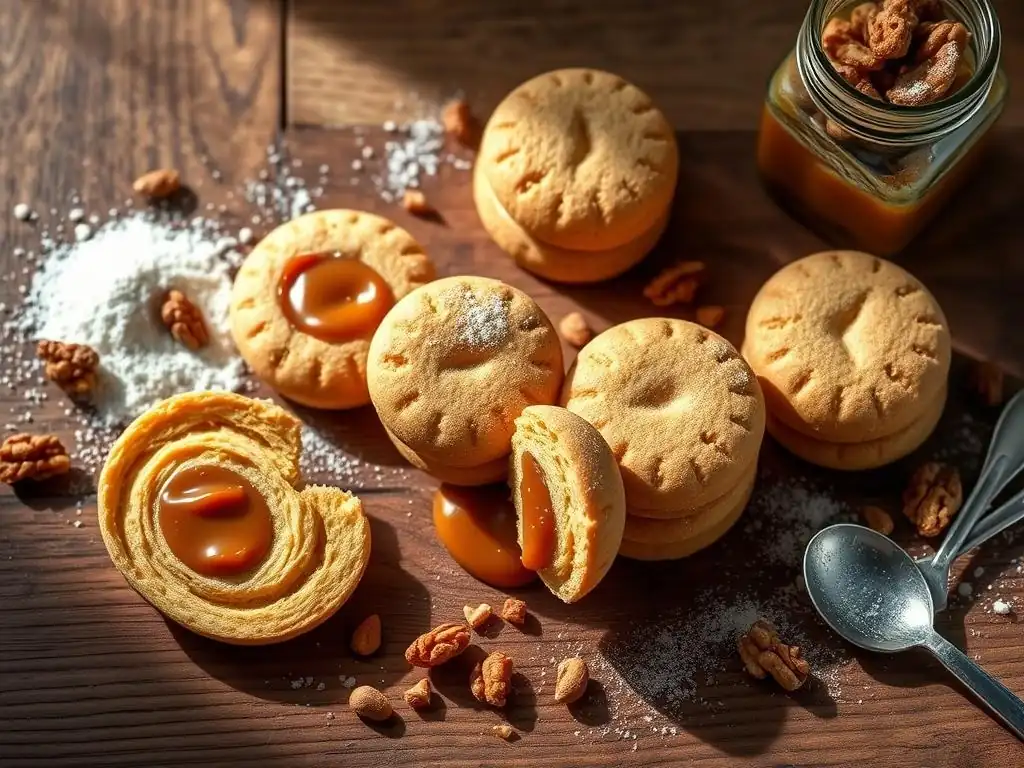
Welcome to BakeWithEase, your trusted guide to baking bliss! Ever dream of creating delicate, melt-in-your-mouth Alfajores? Unlock the secrets to achieving baking perfection with our step-by-step tutorial. Discover tips and tricks to elevate your baking game, and dare to create the perfect Alfajores recipe!
- A Journey into the World of Alfajores
- What are Alfajores? A Classic Latin American Treat
- The Ultimate Alfajores Recipe Tutorial: Step-by-Step Instructions
- Assembling Your Alfajores: Dulce de Leche Filling and Coatings
- Tips for Perfect Alfajores
- Storing Your Alfajores: Maintaining Freshness
- Exploring Alfajores Variations
- Enjoy Your Homemade Alfajores!
- Frequently Asked Questions
- Final Reflection: The Sweet Science of Alfajores Perfection
- Unleash Your Inner Pastry Chef: Master Alfajores Today!
A Journey into the World of Alfajores
Imagine a sweet treat that melts in your mouth, a perfect combination of tender, crumbly cookies and rich, creamy filling. That's the magic of alfajores, a beloved confection deeply woven into the fabric of Latin American culture. This guide will take you through a detailed journey to master the art of making these delightful cookies right in your own kitchen. Whether you're new to baking or looking to perfect your technique, this comprehensive tutorial aims to provide you with a foolproof way to achieve perfect alfajores every single time. Get ready to embark on a delicious adventure!
What are Alfajores? A Classic Latin American Treat
At their core, alfajores are sandwich cookies, typically made with two soft, often cornstarch-based cookies joined together by a generous layer of dulce de leche, and often dusted with powdered sugar or coated in shredded coconut. While the basic concept is simple, the variations across different countries and even within regions are vast, each offering a unique twist on this cherished classic. Mastering a perfect alfajores recipe tutorial allows you to recreate this authentic taste of Latin America at home.
Exploring the History and Cultural Significance of Alfajores
The story of alfajores begins much earlier than their Latin American fame. Their origins can be traced back to Al-Andalus (Moorish Spain), where the word "alfajor" comes from the Arabic word "al-hasú," meaning "the filling." These early Spanish versions were often made with honey, nuts, and spices. When the Spanish conquistadors arrived in the Americas in the 16th century, they brought their culinary traditions, including the alfajor, with them.
Over centuries, the alfajor evolved dramatically in its new home. In countries like Argentina, Peru, and Uruguay, the cookie base transformed, often incorporating cornstarch (maicena) for a uniquely tender texture, and the filling universally became dulce de leche. Today, alfajores are more than just a dessert; they are a cultural icon. In Argentina, for instance, billions of alfajores are consumed annually, ranging from artisanal creations to widely available packaged varieties found in every kiosk. They are a staple at celebrations, afternoon tea (merienda), and as a comforting everyday treat, truly embodying a sweet connection to tradition and community.
Understanding the Key Ingredients for Authentic Alfajores
Creating truly authentic and delicious alfajores relies on understanding the role of each key ingredient. The foundation is typically a blend of all-purpose flour and cornstarch. The cornstarch is crucial; it inhibits gluten development, resulting in cookies that are incredibly tender, delicate, and almost melt in your mouth, rather than being chewy or crisp like traditional butter cookies. A good ratio might be roughly equal parts flour and cornstarch, though variations exist.
Butter is essential for richness and structure, while sugar provides sweetness and aids in tenderness. Eggs bind the dough and add richness. Flavorings like vanilla extract are standard, and sometimes a touch of citrus zest is added for brightness. The star of the show, however, is the filling: dulce de leche. This thick, caramelized milk jam provides the signature creamy texture and deep, sweet flavor that defines a classic alfajor. Using a high-quality, thick dulce de leche is paramount for achieving the perfect alfajores.
The Ultimate Alfajores Recipe Tutorial: Step-by-Step Instructions
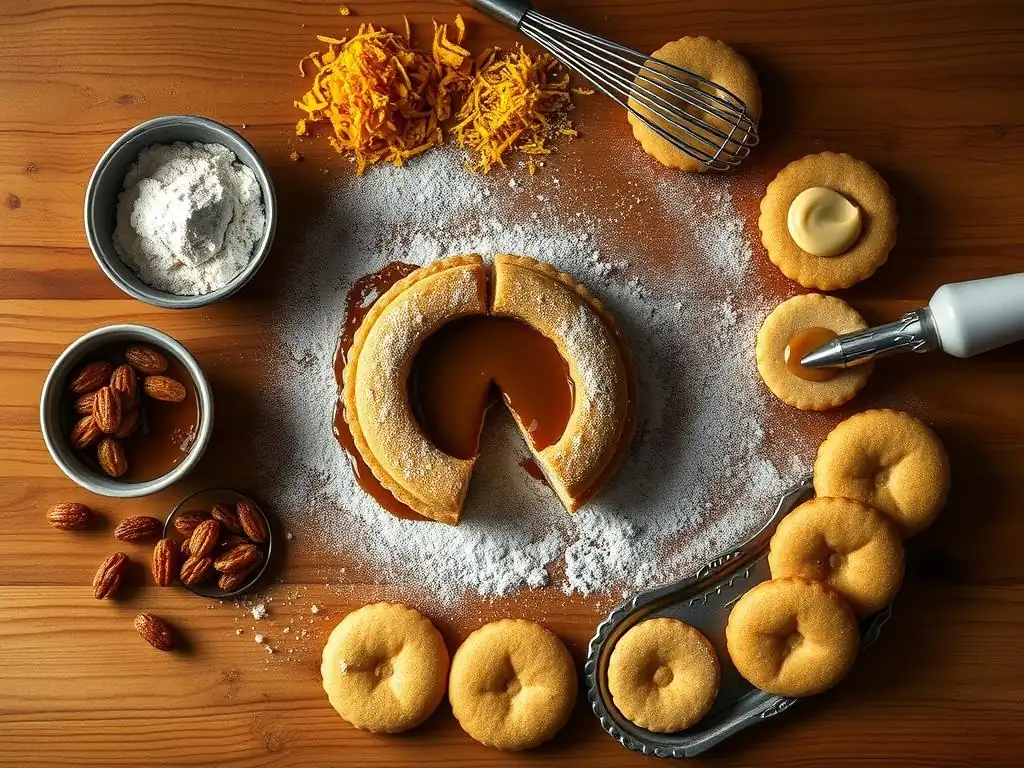
Ready to bake? This perfect alfajores recipe tutorial breaks down the process into simple, manageable steps. Following these instructions carefully will help you achieve those wonderfully tender cookies filled with luscious dulce de leche. Let's get started on your homemade alfajores journey!
Gathering Your Ingredients for Delicious Alfajores
Before you begin, make sure you have all your ingredients measured and ready. For a standard batch yielding approximately 18-24 filled alfajores (about 36-48 individual cookies), you will typically need:
- 1 cup (2 sticks or approximately 225g) unsalted butter, softened
- 3/4 cup (about 90g) powdered sugar (confectioners' sugar)
- 4 large egg yolks
- 1 teaspoon vanilla extract
- 1 and 3/4 cups (about 210g) all-purpose flour
- 1 and 1/4 cups (about 150g) cornstarch (maicena)
- 1 teaspoon baking powder
- 1/4 teaspoon salt
- Approximately 1 to 1.5 cups (about 300-450g) thick dulce de leche for filling
- Optional: Shredded coconut or extra powdered sugar for coating
Using room temperature butter is crucial for proper creaming, and sifting your dry ingredients will help ensure a smooth, lump-free dough, which is key to a perfect alfajores recipe.
Essential Equipment for Baking Alfajores
Having the right tools makes the baking process smoother and helps ensure consistent results for your homemade alfajores. You don't need highly specialized equipment, but a few key items are necessary:
- An electric mixer (stand mixer or hand mixer) is highly recommended for creaming the butter and sugar thoroughly.
- Measuring cups and spoons for accurate ingredient portions.
- A fine-mesh sieve for sifting dry ingredients.
- Mixing bowls of various sizes.
- Plastic wrap for chilling the dough.
- A rolling pin for flattening the dough.
- Round cookie cutters, typically 1.5 to 2 inches (about 4-5 cm) in diameter.
- Baking sheets lined with parchment paper or silicone mats.
- A cooling rack for cooling the baked cookies.
- An offset spatula or knife for spreading the dulce de leche.
Having these tools ready before you start will streamline the process and contribute to the success of this perfect alfajores recipe tutorial.
The cookie base is what gives alfajores their signature delicate texture. This detailed dough recipe focuses on achieving that tender, slightly crumbly consistency that pairs so beautifully with the creamy dulce de leche. Pay close attention to each step, as precision here leads to perfect alfajores.
Step 1: Creaming Butter and Sugar for Tender Cookies
Begin by placing the softened unsalted butter and the sifted powdered sugar in a large mixing bowl. Using your electric mixer, beat them together on medium speed until the mixture is light, fluffy, and pale yellow. This process, known as creaming, incorporates air into the butter, which helps create a tender cookie texture. Aim for about 3-5 minutes of mixing. Scrape down the sides of the bowl occasionally to ensure everything is evenly combined.
Next, add the egg yolks one at a time, beating well after each addition until fully incorporated. The dough may look slightly curdled at this stage, but that's normal. Finally, beat in the vanilla extract. This careful creaming and incorporation of wet ingredients lays the groundwork for a smooth, workable dough and ultimately contributes to the success of your perfect alfajores recipe.
Step 2: Incorporating Dry Ingredients for a Smooth Dough
In a separate bowl, whisk together the all-purpose flour, cornstarch, baking powder, and salt. Sifting these dry ingredients together before adding them to the wet mixture helps prevent lumps and ensures even distribution of the leavening agent and cornstarch throughout the dough.
Gradually add the sifted dry ingredients to the butter mixture, mixing on low speed just until the dough comes together. Be careful not to overmix at this stage. Overmixing can develop the gluten in the flour, resulting in tougher cookies. Stop mixing as soon as you no longer see streaks of dry flour. The dough will be soft and slightly sticky, but it should hold together when gently pressed.
Step 3: Chilling the Dough: Key to Preventing Spreading
Once your dough is mixed, divide it in half and flatten each half into a disc shape. Wrap each disc tightly in plastic wrap. Chilling the dough is a critical step in this perfect alfajores recipe tutorial; it firms up the butter, which prevents the cookies from spreading excessively during baking, helping them maintain their shape and thickness.
Refrigerate the dough for at least 1 hour, or preferably 2-3 hours, until it is firm enough to roll out without sticking excessively. You can even chill the dough overnight. This chilling period also allows the flavors to meld and the gluten to relax further, contributing to a more tender cookie.
Step 4: Rolling and Cutting the Alfajores Cookies
Once the dough is sufficiently chilled, take one disc out of the refrigerator (keep the other chilled). Lightly flour a clean work surface and your rolling pin. Roll the dough out to an even thickness, ideally about 1/4 inch (approximately 6 mm). Rolling to a consistent thickness is important for even baking.
Use your round cookie cutter to cut out shapes. Carefully transfer the cut-out cookies to your prepared baking sheets lined with parchment paper. Gather the scraps, gently press them together, re-wrap, and chill briefly before re-rolling and cutting. Repeat with the second disc of dough. This step is crucial for getting uniform cookies, a hallmark of a well-executed perfect alfajores recipe.
Baking the Alfajores: Achieving a Light Golden Brown
Baking alfajores requires a gentle touch and careful observation. The goal is to bake them just until they are set and lightly colored on the bottom edges, while remaining pale on top. This ensures their signature soft and tender texture.
Baking Time and Temperature for Ideal Alfajores Texture
Preheat your oven to 325°F to 350°F (160°C to 175°C), depending on your oven's characteristics. Place the baking sheets with the cut-out cookies in the preheated oven. Bake for approximately 10 to 15 minutes. The exact time will vary depending on your oven and the size and thickness of your cookies.
Watch the cookies closely. They should remain quite pale on top, with just the very edges starting to turn a light golden color on the bottom. Avoid letting them brown significantly, as this will make them crisp rather than tender. Carefully remove the baking sheets from the oven and let the cookies cool on the sheet for a few minutes before transferring them to a wire rack to cool completely. Proper baking is key to the perfect alfajores texture.
Assembling Your Alfajores: Dulce de Leche Filling and Coatings
The magic truly happens when you bring the tender cookies and the luscious dulce de leche together. Assembling your alfajores is a delightful process, creating the iconic sandwich cookie ready for its final touches.
Choosing the Best Dulce de Leche for Authentic Flavor
The quality of your dulce de leche significantly impacts the final taste of your alfajores. For authentic flavor and the best texture, look for a thick, creamy dulce de leche specifically intended for filling pastries (often labeled "repostero" in Spanish-speaking countries). These versions are less likely to run out of the sides of the cookies.
While homemade dulce de leche offers incredible depth of flavor, a good quality store-bought brand is perfectly acceptable and often more convenient. Brands imported from Argentina or Uruguay are often considered top-tier. Avoid thin, pourable varieties, as they will make your alfajores messy and less enjoyable. Using a rich, high-quality dulce de leche is essential for this perfect alfajores recipe tutorial.
Filling the Alfajores: Achieving the Perfect Dulce de Leche Ratio
Once the cookies are completely cool, it's time to assemble. Take one cookie and turn it flat side up. Using an offset spatula, knife, or even a piping bag fitted with a plain tip, spread a generous amount of dulce de leche onto the flat side. The amount is a matter of personal preference, but a good starting point is about 1 to 2 tablespoons per cookie, creating a layer roughly equal in thickness to the cookie itself.
Place a second cookie on top of the dulce de leche, flat side down, and gently press down to spread the filling almost to the edges. Be careful not to press too hard, which could break the delicate cookies. The dulce de leche should form a visible layer between the two cookies, a defining characteristic of a classic alfajor. Achieving this balance is part of mastering your homemade alfajores.
Adding the Finishing Touches: Coconut, Powdered Sugar, or Chocolate Glaze
The final flourish for your alfajores is adding a coating. The most traditional finish is rolling the sides of the assembled alfajor in finely shredded or desiccated coconut, allowing the dulce de leche that might have squeezed out slightly to act as an adhesive. This gives them their characteristic look and adds a lovely texture contrast.
Alternatively, you can simply dust the tops of the assembled alfajores with powdered sugar using a sieve. This provides a simple, elegant finish. For a more decadent touch, some variations involve dipping half or all of the alfajor in melted chocolate. Choose your preferred finish or offer a variety! These final touches complete your perfect alfajores recipe.
Tips for Perfect Alfajores
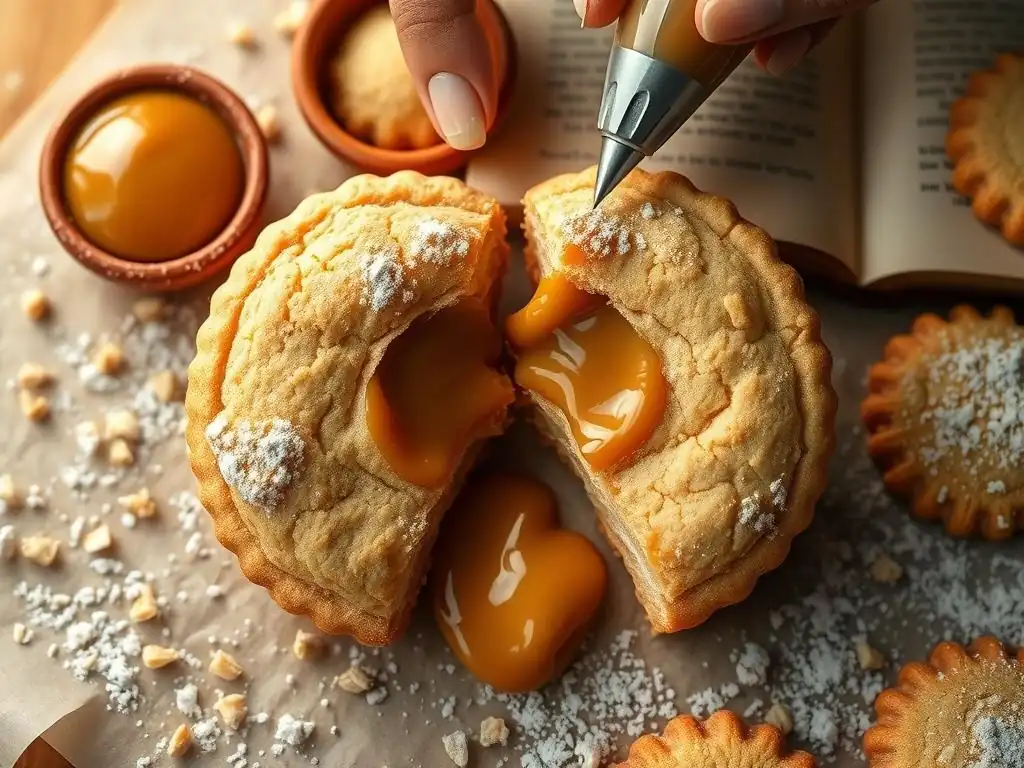
Even with a detailed perfect alfajores recipe tutorial, baking can sometimes present challenges. Here are some tips for troubleshooting common issues and some 'secret' techniques to elevate your homemade alfajores to the next level.
Troubleshooting Common Alfajores Baking Issues
Encountering a small problem while baking is normal. Here are some common issues and how to address them to ensure your perfect alfajores turn out beautifully.
Avoiding Dry or Crumbly Alfajores Cookies
If your alfajores cookies turn out dry or excessively crumbly instead of tender and delicate, several factors could be at play. One common culprit is adding too much flour or cornstarch; accurate measurement, preferably by weight, is crucial. Overmixing the dough after adding the dry ingredients can also lead to toughness as it develops the gluten structure. Additionally, not creaming the butter and sugar sufficiently in the first step might result in a less tender cookie. Ensure your ingredients are at the correct temperature and follow the mixing instructions closely for the best results from your perfect alfajores recipe.
Another reason for dryness can be baking the cookies for too long or at too high a temperature. Overbaking evaporates moisture and makes the texture hard and dry. Remember, these cookies should remain pale on top. If you notice them browning significantly during the recommended baking time, check your oven temperature calibration or reduce the baking time slightly in future batches.
Preventing Cracked Alfajores
Cracks in your alfajores cookies can happen, often due to the dough being too cold or overworked when rolling. If the dough is too stiff from chilling, let it sit at room temperature for 5-10 minutes until it's slightly more pliable but still cold. Rolling dough that is too cold can cause it to crack as you apply pressure.
Also, be gentle when rolling and cutting. Re-rolling dough scraps multiple times can make them tougher and more prone to cracking. Try to minimize the number of times you re-roll the same dough. Ensure your work surface is lightly floured to prevent sticking, which can also cause cracks when you try to lift the cut shapes.
Ensuring Even Baking and a Consistent Shape
Uneven baking usually points to hot spots in your oven. If you notice cookies on one side of the baking sheet or in a specific part of the oven are browning faster, try rotating the baking sheet halfway through the baking time. This helps ensure all cookies receive the same amount of heat exposure.
For consistent shapes, make sure your dough is rolled to an even thickness across the entire sheet before cutting. Dough that is thicker in some areas and thinner in others will bake unevenly. Using cookie cutters of the same size is obvious, but ensuring they cut cleanly through the dough without dragging is also important for maintaining the shape. Chilling the cut-out cookies on the baking sheet for 10-15 minutes before baking can also help them hold their shape better in the oven.
Secret Techniques for the Most Delicious Alfajores
While a standard perfect alfajores recipe tutorial yields wonderful results, incorporating a few extra techniques can elevate your homemade alfajores to something truly special.
Infusing Your Alfajores Cookies with Flavor: Citrus Zest and Vanilla Extract
To add an extra layer of brightness and aroma to your cookies, consider adding citrus zest to the dough. Finely grated zest from half an orange or a whole lemon adds a subtle, fragrant note that complements the richness of the dulce de leche beautifully. Add the zest along with the wet ingredients in Step 1.
Using a high-quality vanilla extract, or even vanilla bean paste, can also make a noticeable difference. Instead of standard extract, try using pure vanilla extract or scrape the seeds from half a vanilla bean into the butter mixture. The flecks of vanilla bean add visual appeal and a more complex vanilla flavor that enhances the overall taste of your perfect alfajores.
Experimenting with Different Fillings: Chocolate Ganache and Fruit Jam
While dulce de leche is the classic and most beloved filling, don't be afraid to experiment! For a richer treat, try filling your alfajores with a smooth chocolate ganache. Simply melt chocolate with a bit of cream and let it cool until spreadable.
Another delicious alternative is a thick fruit jam, such as raspberry or apricot. The slight tartness of the jam provides a wonderful contrast to the sweet cookie. You can even combine fillings, perhaps a thin layer of jam followed by dulce de leche. These variations allow you to customize your homemade alfajores to suit different tastes while still using the core cookie recipe from this perfect alfajores recipe tutorial.
Storing Your Alfajores: Maintaining Freshness
Proper storage is key to keeping your homemade alfajores fresh and delicious for as long as possible, preserving that perfect texture and flavor.
Best Practices for Storing Homemade Alfajores
Once your alfajores are assembled and coated, allow the coating (if using chocolate) to set completely. Store the alfajores in an airtight container at room temperature. Layering them between sheets of parchment paper can help prevent them from sticking together and protect their delicate coating, especially if using powdered sugar.
While refrigeration can extend their shelf life slightly, it can also alter the texture of the cookies, sometimes making them a bit harder. Storing them at cool room temperature is generally preferred for maintaining the ideal tender consistency. Keep the container away from direct sunlight or heat sources.
Shelf Life and Freezing Instructions for Alfajores
When stored properly at room temperature in an airtight container, homemade alfajores are typically best enjoyed within 5 to 7 days. The cookies themselves can last longer, but the dulce de leche filling is the primary factor determining freshness.
For longer storage, you can freeze alfajores. It's best to freeze the unfilled cookies and the dulce de leche separately if possible. Freeze the cooled cookies in a single layer on a baking sheet until solid, then transfer them to a freezer-safe airtight container or bag, layering with parchment paper. They can be frozen for up to 1-2 months. Thaw the cookies at room temperature and then fill them with dulce de leche before serving. You can also freeze assembled alfajores, but the texture might change slightly upon thawing.
Exploring Alfajores Variations
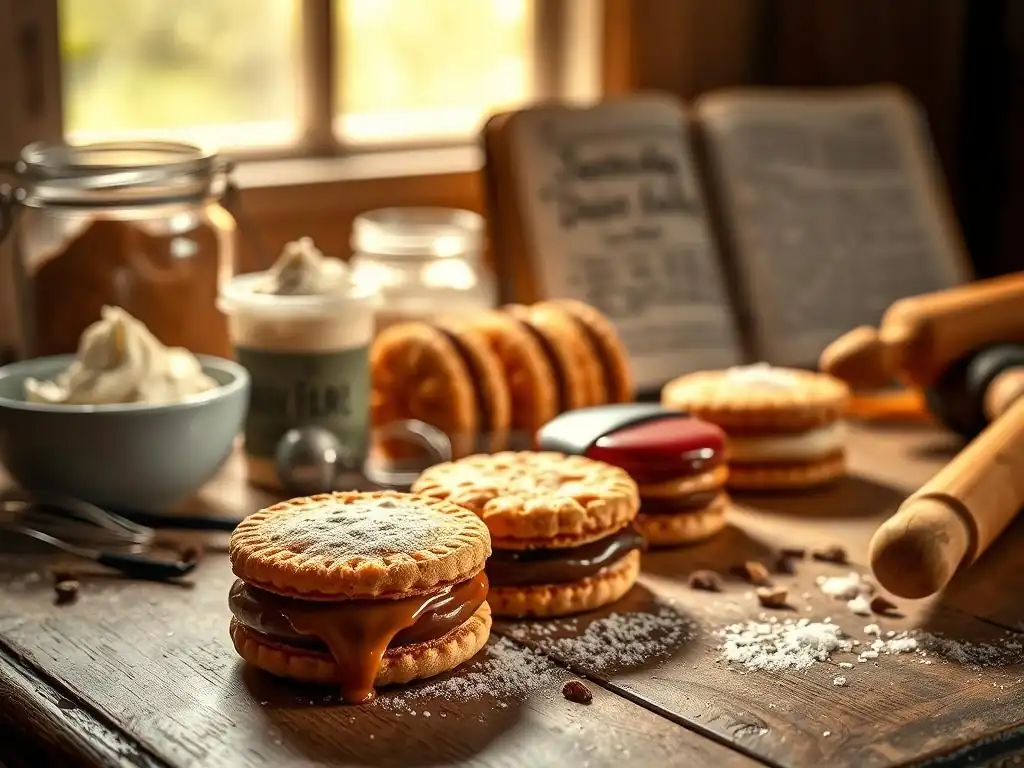
The classic dulce de leche alfajor is just the beginning! The perfect alfajores recipe tutorial provides a fantastic base for exploring exciting variations that are popular in different regions or offer unique flavor profiles.
Chocolate Alfajores: A Rich and Decadent Treat
For chocolate lovers, chocolate alfajores are a must-try. This variation can be achieved in a couple of ways. You can incorporate unsweetened cocoa powder into the cookie dough itself, usually replacing a small portion of the flour or cornstarch (e.g., replacing 1/4 cup flour with cocoa powder). This creates a chocolate-flavored cookie base that pairs wonderfully with the dulce de leche.
Alternatively, or in addition, you can dip the assembled dulce de leche alfajores entirely in melted chocolate, such as semi-sweet or dark chocolate. This creates a hard chocolate shell around the soft cookie and creamy filling, offering a delightful textural contrast and a boost of rich chocolate flavor. Some recipes combine both chocolate cookies and a chocolate coating for ultimate indulgence.
Maicena Alfajores: A Gluten-Free Delight
Maicena refers to cornstarch in Spanish, and Maicena Alfajores specifically highlight the significant use of cornstarch in the cookie dough, often in a higher proportion than flour, or sometimes even as the primary starch alongside a gluten-free flour blend. This emphasis on cornstarch is what gives these alfajores their characteristic incredibly tender, almost powdery texture that truly melts in your mouth.
While traditional Maicena alfajores still use some wheat flour, modern versions often replace the wheat flour with a gluten-free blend to make them suitable for those with gluten sensitivities or celiac disease. When made correctly with a good gluten-free blend and plenty of cornstarch, these cookies offer a delightful, light texture that is distinct from the classic wheat-based version and a wonderful option for a gluten-free perfect alfajores recipe.
Alfajores Santafesinos: A Traditional Argentine Style
Alfajores Santafesinos are a specific regional variation originating from the Santa Fe province in Argentina. Unlike the typical two-cookie alfajor, these are made with several (often three to five) very thin, crisp layers of dough. The dough is different from the tender cornstarch cookies; it's often a more traditional, slightly firmer pastry dough, sometimes containing a touch of anise flavor.
These thin layers are filled with dulce de leche between each layer, creating a taller, multi-layered cookie. The entire confection is then traditionally coated in an Italian meringue glaze, which dries to a slightly crisp, sugary finish. This creates a fascinating contrast between the crisp layers, creamy dulce de leche, and the sweet meringue coating, offering a distinctly different experience from the standard perfect alfajores recipe.
Enjoy Your Homemade Alfajores!
You've successfully navigated this perfect alfajores recipe tutorial and created a batch of these exquisite Latin American treats. Take a moment to appreciate your baking achievement! Share them with friends and family, serve them with coffee or tea, or simply savor one yourself as a well-deserved reward. Baking alfajores is a rewarding process, resulting in a cookie that is both simple in concept and complex in its delightful texture and flavor. We hope this guide helps you make perfect alfajores every time and inspires you to explore the wonderful world of Latin American baking!
Frequently Asked Questions
What exactly are alfajores?
Alfajores are traditional South American cookies, typically made with two delicate, crumbly cookies sandwiched together with a dulce de leche filling and dusted with powdered sugar.
What makes this alfajores recipe "foolproof"?
This recipe focuses on clear, step-by-step instructions and uses readily available ingredients. We also include helpful tips and tricks to avoid common mistakes, leading to consistent results.
Can I use a different filling besides dulce de leche?
While dulce de leche is the classic choice, you can experiment with other fillings like chocolate ganache, fruit preserves, or even peanut butter. Just ensure the filling has a good consistency for spreading.
The key is to use cold butter and avoid overmixing the dough. Also, using cornstarch in the recipe contributes to the characteristic tenderness.
How should I store my finished alfajores?
Store them in an airtight container at room temperature. This will help maintain their texture and prevent them from drying out. They can typically last for several days if stored properly.
Final Reflection: The Sweet Science of Alfajores Perfection
The pursuit of the perfect alfajores is more than just a recipe; it's a journey into the heart of culinary tradition and the power of precise technique. This seemingly simple confection holds within it a world of delicate balance – the melt-in-your-mouth tenderness of the cookies, the creamy richness of the dulce de leche, and the delightful dusting of powdered sugar. Mastering this balance, as we've explored throughout this tutorial, unlocks a level of satisfaction that extends far beyond the simple act of baking.
The enduring appeal of alfajores lies not only in their deliciousness, but in their ability to connect us to heritage and shared experiences. These little treats transcend mere food; they become vessels of memory, carrying with them the warmth of family gatherings and the comforting taste of home. As we've learned, even minor variations in technique can significantly impact the final product, highlighting the importance of attention to detail and the rewarding nature of patience in the kitchen. The best things in life are worth waiting for,
and the perfect alfajor is a testament to that truth.
Now, it's your turn. Don't be afraid to experiment, to adjust the recipe to your own taste, and to embrace the journey of perfecting your own alfajores. Each batch you bake will be a step closer to understanding the delicate dance of ingredients and technique, and each bite will be a celebration of your culinary achievement. So, gather your ingredients, embrace the process, and let the sweet aroma of perfectly crafted alfajores fill your kitchen – and your heart.
Unleash Your Inner Pastry Chef: Master Alfajores Today!
Thanks for joining us on this delicious journey into the world of alfajores! We hope you gained the confidence to tackle this delightful treat. Now it's time to put your newfound skills to the test!
- Bake a batch of your own alfajores: Use our recipe as a guide, but don't be afraid to experiment with different fillings and toppings. Let your creativity shine!
- Share your alfajores creations: Post a picture on social media and tag us – we'd love to see your delicious results! Use #BakeWithEaseAlfajores to join the community.
- Consider trying a variation: Explore different types of alfajores from around the world! Research traditional recipes for inspiration and share your discoveries with us.
What unique twist will you add to your perfect alfajores? Let us know in the comments below!