
Rolling the Perfect Latin American Pionono (Jelly Roll)

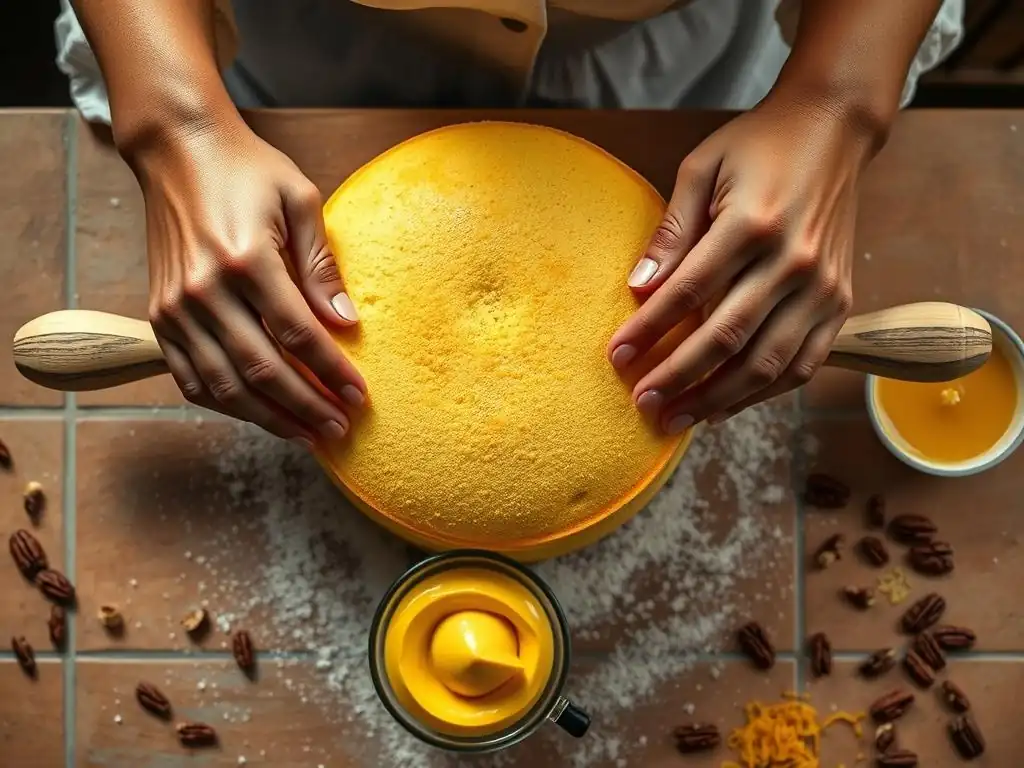
Welcome to BakeWithEase, where the joy of baking meets achievable expertise! Ever dreamt of crafting a flawless jelly roll, but struggled with the dreaded cracking? Then you're in the right place. Today, we're diving deep into the secrets of the Latin American pionono, a delicate sponge cake known for its impressive roll. Master the pionono rolling technique with our step-by-step guide and unlock a world of delicious possibilities. Ready to elevate your baking game? Let's get started!
- Rolling the Perfect Pionono - A Culinary Journey
- Introduction to Pionono: A Versatile Treat
- Understanding the Key Ingredients for Pionono Success
- Step-by-Step Guide: Mastering the Pionono Technique
- Pionono Filling Ideas: Sweet and Savory Inspirations
- Troubleshooting Common Pionono Rolling Problems
- Serving and Storing Your Homemade Pionono
- Conclusion: The Art of Pionono Perfection
- Frequently Asked Questions
- Final Reflection: The Sweet Legacy of the Pionono
- Unlock the Secrets to Pionono Perfection!
Rolling the Perfect Pionono - A Culinary Journey
Introduction to Pionono: A Versatile Treat
What is Pionono? A Sponge Cake Canvas
A pionono, often known as a jelly roll in English-speaking countries, is a delicate sponge cake baked in a thin layer, then spread with a filling and rolled into a log. While its origins are debated, it's a beloved sweet and sometimes savory treat across Latin America and Spain.
The name "pionono" itself is said to honor Pope Pius IX (Pio Nono), though the connection varies depending on the specific regional variation of the dish. What makes the Latin American pionono distinct is often its lighter texture and the variety of fillings used, ranging from dulce de leche to savory options.
Unlike denser cakes, the ideal pionono sponge is incredibly light, airy, and flexible. This flexibility is crucial for the successful execution of the Latin American pionono rolling technique. The batter typically relies heavily on whipped eggs for leavening, resulting in a tender crumb that can be rolled without cracking. Achieving this delicate balance of structure and flexibility is the first step in mastering this classic dessert (or appetizer! ).
Why Master the Pionono Technique?
Mastering the Latin American pionono rolling technique unlocks a world of culinary possibilities. This simple yet elegant cake serves as a versatile base for countless fillings, adaptable for any occasion, from a festive holiday dessert filled with whipped cream and strawberries to a sophisticated savory appetizer with cream cheese and smoked salmon. Learning to create a perfect, crack-free roll means you can confidently tackle variations popular from Argentina to Mexico.
Furthermore, the skills honed in rolling a pionono are transferable to other baking projects, such as making Swiss rolls or even certain types of roulades. It teaches precision in baking thin layers, understanding cake flexibility, and the importance of working quickly while the cake is warm. It's a fundamental technique in sponge cake preparation that builds confidence and expands your baking repertoire, making it a truly rewarding skill to acquire for any enthusiastic baker.
Understanding the Key Ingredients for Pionono Success
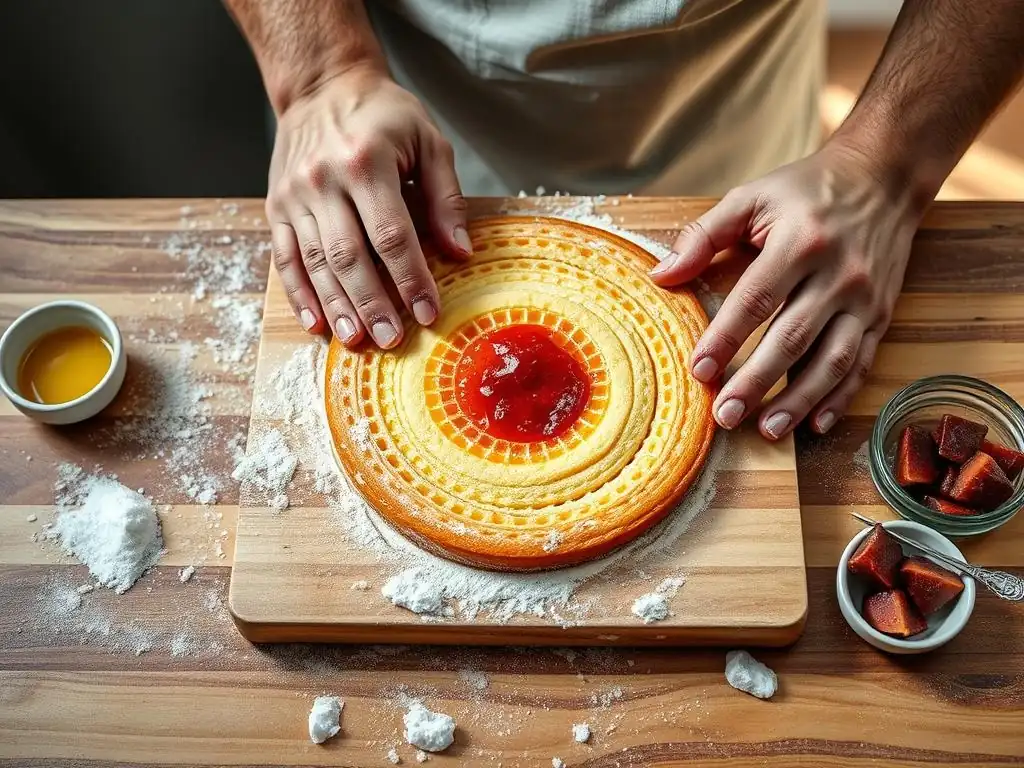
The Foundation: Eggs and Sugar for Lightness
Eggs are arguably the most critical ingredient in a Latin American pionono. They provide structure, richness, and, most importantly, leavening. Recipes often call for separating eggs and whipping the whites to stiff peaks, then folding them into the batter. This process incorporates a significant amount of air, which expands during baking to create the characteristic light and airy texture. For instance, a typical recipe might use 4-6 large eggs for a sheet pan size of approximately 10x15 inches.
Sugar plays a dual role: sweetening the cake and stabilizing the whipped egg whites. Granulated sugar is commonly used, often beaten with egg yolks until pale and thick, and then folded into the meringue. The sugar helps the egg whites maintain their structure as they bake, preventing the cake from collapsing. The ratio of sugar to flour is often close, contributing to the cake's tenderness and ability to roll.
Flour: Achieving the Right Structure
The type and amount of flour used are vital for achieving the correct structure without making the cake tough. Cake flour or a low-protein all-purpose flour is often preferred because it develops less gluten when mixed. Less gluten means a more tender cake that is less likely to crack when rolled. Sifting the flour before adding it to the batter also helps to aerate it and prevent lumps, contributing to a smoother batter.
The amount of flour must be carefully balanced. Too much flour will result in a dry, stiff cake that is difficult to roll, while too little will make the cake too fragile and prone to tearing. A common guideline is to use slightly less flour by weight than sugar and eggs combined, ensuring the batter remains light enough to bake into a thin, flexible sheet perfect for the Latin American pionono rolling technique.
Liquid: Enhancing Moisture and Texture
While the primary structure comes from eggs, a small amount of liquid is often added to enhance moisture and texture. This can be milk, melted butter, or even a touch of water or oil. The liquid helps to create a more tender crumb and prevents the cake from drying out during baking. For example, a recipe might include 2-3 tablespoons of melted butter or milk folded in gently at the end.
Adding liquid also aids in the cake's flexibility, which is paramount for successful rolling. Fat, like butter or oil, coats the flour particles, inhibiting gluten development and resulting in a softer cake. However, too much liquid can make the batter too thin, leading to a cake that is difficult to handle and potentially gummy. The key is a small addition that provides just enough moisture and richness without compromising the cake's delicate structure needed for the Latin American pionono rolling technique.
Step-by-Step Guide: Mastering the Pionono Technique
Preparing the Pionono Batter: Achieving Optimal Aeration
The secret to a light and rollable pionono lies in the batter's aeration. Start by separating your eggs carefully, ensuring no yolk contaminates the whites. Beat the egg yolks with about half or two-thirds of the sugar until they are pale yellow, thick, and form a ribbon when the whisk is lifted. This process, often called blanching, incorporates air into the yolks and dissolves some of the sugar.
In a separate, clean bowl, beat the egg whites until soft peaks form. Gradually add the remaining sugar while continuing to beat until stiff, glossy peaks are achieved. This meringue is the primary leavening agent. Gently fold the sifted dry ingredients (flour, baking powder if used, salt) into the yolk mixture, then carefully fold in the meringue in two or three additions. The goal is to incorporate the ingredients without deflating the precious air you've built up. Overmixing will develop gluten and result in a tough cake.
Baking the Pionono: Achieving a Golden Crust
Prepare a baking sheet (usually around 10x15 inches or 12x17 inches) by lining it with parchment paper. Greasing the paper lightly can help ensure the cake doesn't stick, although some recipes rely solely on the parchment. Pour the batter onto the prepared sheet and spread it evenly using an offset spatula. Aim for a consistent thickness across the entire rectangle to ensure even baking.
Bake the pionono in a preheated oven, typically between 350°F and 375°F (175°C to 190°C). Baking time is relatively short, usually between 8 and 15 minutes, depending on your oven and the thickness of the cake. The cake is done when it is lightly golden brown around the edges, springs back gently when touched, and a toothpick inserted into the center comes out clean. Do not overbake, as this will dry out the cake and make it prone to cracking during the Latin American pionono rolling technique.
The Crucial Step: Rolling While Warm
This is arguably the most critical phase of the Latin American pionono rolling technique. The cake must be rolled while it is still warm and flexible. Waiting too long will cause the cake to cool and stiffen, making it impossible to roll without significant cracking. Have your work surface and rolling aid prepared before the cake comes out of the oven.
Preparing the Pionono for Rolling: Dusting and Inverting
Immediately upon removing the cake from the oven, dust a clean kitchen towel (lint-free!) or a large sheet of parchment paper with powdered sugar or granulated sugar. This sugar coating prevents the warm cake from sticking to the towel or paper as you roll it. Some traditional Latin American pionono rolling techniques use a damp towel, but a dry towel or parchment dusted with sugar is often easier and less risky for beginners.
Carefully invert the warm cake onto the prepared towel or parchment. Gently peel off the parchment paper that was used for baking. If any bits stick, loosen them carefully with a spatula. The cake should be a uniform golden color on the bottom.
The Actual Roll: A Gentle and Firm Technique
While the cake is still hot, begin rolling it up from one short end, using the towel or parchment paper to help guide and support the roll. Roll it tightly initially, creating a small core, then continue rolling the rest of the cake around that core. The towel or parchment will be rolled up inside the cake.
Once fully rolled, leave the cake rolled up in the towel or parchment paper. Place it on a wire rack to cool completely. This step allows the cake to "set" in the rolled shape as it cools, making it much easier to unroll later for filling without breaking. This pre-rolling with a towel is a key element of the successful Latin American pionono rolling technique.
Cooling and Filling: Preventing Tears and Maintaining Shape
Allow the rolled cake, still wrapped in its towel or parchment, to cool completely on a wire rack. This cooling period is essential. If you try to unroll and fill the cake while it's still warm, it will be too fragile and likely tear. Cooling allows the cake's structure to stabilize in the rolled shape. This can take 1-2 hours, depending on the room temperature.
Once completely cool, gently unroll the cake. It should retain its curved shape, making it easy to spread the filling. Spread your chosen filling evenly over the entire surface of the cake, leaving a small border (about 1/2 inch) along the edges. Don't overfill, as this can cause the filling to squeeze out when you re-roll. Carefully re-roll the cake, this time without the towel or parchment, starting from the same end you began with. Roll it firmly but gently to create a neat log.
Pionono Filling Ideas: Sweet and Savory Inspirations
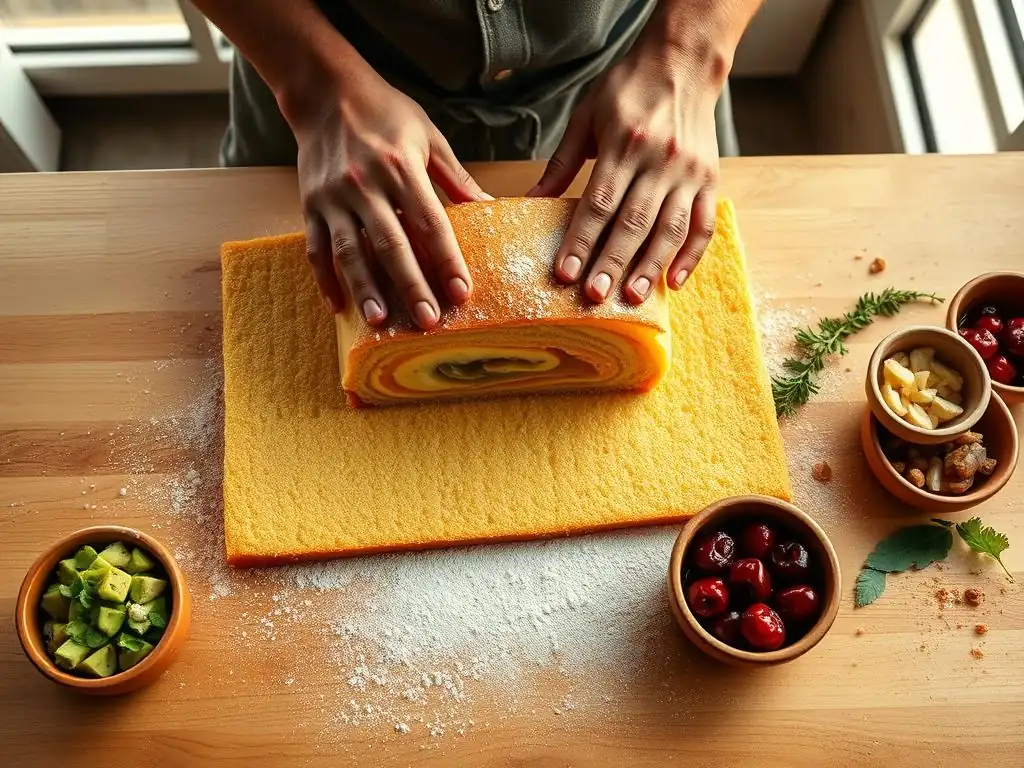
Sweet Pionono Fillings: Classic and Contemporary
The versatility of the Latin American pionono truly shines in its fillings. Sweet options are perhaps the most traditional and beloved, offering a delightful canvas for various flavors and textures.
Whipped Cream and Berries: A Timeless Combination
A simple yet elegant filling is sweetened whipped cream combined with fresh berries like strawberries, raspberries, or blueberries. For a standard 10x15 inch pionono, you might use about 1.5 to 2 cups of heavy cream, whipped with 2-3 tablespoons of powdered sugar and a splash of vanilla extract. Spread the whipped cream evenly and scatter about 1 to 1.5 cups of mixed berries over the cream before gently rolling. The lightness of the cream and the slight tartness of the berries perfectly complement the delicate sponge cake.
Another classic Latin American sweet filling is, of course, dulce de leche. This rich, caramelized milk spread is a staple. A 10x15 inch pionono can easily accommodate 1 to 1.5 cups of thick dulce de leche spread generously. For added texture, some bakers mix in chopped nuts or shredded coconut. Combining dulce de leche with a layer of whipped cream is also incredibly popular, offering a balance of richness and airiness.
Chocolate Ganache Pionono: Decadent Indulgence
For chocolate lovers, a smooth chocolate ganache makes a decadent pionono filling. A simple ganache ratio, like 1:1 chocolate to heavy cream by weight (e.g., 8 ounces of good quality chocolate to 8 ounces of hot cream), can be poured over the cake after it's unrolled and cooled slightly to allow the ganache to firm up just enough to spread.
Alternatively, a chocolate pastry cream or mousse can be used. These provide a creamy texture and intense chocolate flavor. For a 10x15 inch cake, roughly 1.5 cups of thickened pastry cream or mousse is sufficient. Ensure the filling is spread evenly right to the edges before performing the final re-roll of the Latin American pionono.
Savory Pionono Fillings: Creative and Flavorful
Beyond sweets, the pionono is also a popular vehicle for savory fillings, particularly in countries like Argentina and Uruguay. These savory versions are often served as appetizers or light lunches and showcase the incredible adaptability of the sponge.
Smoked Salmon and Cream Cheese Pionono: An Elegant Appetizer
A sophisticated savory option is a filling of cream cheese and smoked salmon. Softened cream cheese, perhaps mixed with a little sour cream or mayonnaise for spreadability, is spread over the unrolled cake. A typical amount might be 8 ounces of cream cheese mixed with 1-2 tablespoons of liquid. Thinly sliced smoked salmon is then layered over the cream cheese, often with finely chopped fresh dill, chives, or capers for added flavor.
The contrast between the soft cake, creamy cheese, and salty salmon is delightful. This savory Latin American pionono rolling technique results in a beautiful spiral when sliced, perfect for entertaining. Chill the rolled savory pionono thoroughly before slicing to ensure clean cuts.
Spinach and Ricotta Pionono: A Vegetarian Delight
Another popular savory filling, especially for vegetarians, is a mixture of cooked spinach and ricotta cheese. Sautéed spinach (ensure excess water is squeezed out) is mixed with ricotta cheese, perhaps some grated Parmesan, a beaten egg (to help bind), and seasonings like nutmeg, salt, and pepper. For a 10x15 inch cake, you might use about 1 cup of cooked spinach and 1.5 cups of ricotta mixture.
Spread the spinach and ricotta mixture evenly over the cake. Some variations add chopped ham or other cooked meats to this filling. The cake is then rolled and often baked again briefly to warm through the filling and set it slightly. This savory Latin American pionono rolling technique creates a comforting and flavorful dish.
Troubleshooting Common Pionono Rolling Problems
Avoiding Cracks: Ensuring Flexibility
Cracking is perhaps the most common frustration when learning the Latin American pionono rolling technique. The primary cause is usually a dry or overbaked cake. Ensure you bake the cake just until it's done – it should be springy, not brittle. Baking at the correct temperature for the recommended short time is key.
Another critical factor is rolling the cake while it is still warm, immediately after it comes out of the oven. As the cake cools, its structure sets and becomes less pliable. Rolling it warm allows the cake to bend and shape without breaking. Using a clean, lint-free towel or parchment paper dusted generously with sugar or flour helps prevent sticking, which can also cause tears. Gentle handling throughout the process is paramount.
Preventing Stickiness: Managing Moisture
Stickiness can occur if the cake is underbaked, too moist, or if the surface isn't properly prepared before rolling. Ensure your oven temperature is accurate and bake the cake fully until the top is set and slightly golden. If your recipe involves brushing the cake with syrup or liquid after baking, be mindful of the amount used; too much can make the surface sticky.
When preparing to roll, generously dusting the towel or parchment paper with powdered sugar or granulated sugar is crucial. This creates a barrier between the warm, slightly moist cake surface and the rolling material. If using a damp towel (a less common method for pionono but used for some roulades), ensure it's just damp, not wet, and that the cake has a slightly drier crust. Proper cooling while rolled also helps manage moisture distribution within the cake.
Achieving the Perfect Shape: Even Distribution
An unevenly shaped pionono roll often stems from uneven batter thickness during baking or inconsistent rolling technique. When spreading the batter onto the baking sheet, take the time to ensure it's spread into a uniform layer from edge to edge. This guarantees the cake bakes evenly and has the same flexibility throughout.
When rolling, start with a tight, even roll from one short end, using the towel or parchment as a guide. Apply gentle, consistent pressure across the width of the cake as you roll. Avoid letting one side lag behind the other. Rolling the cake tightly initially helps create a stable core for the rest of the cake to wrap around, resulting in a more uniform spiral. Practice makes perfect with this aspect of the Latin American pionono rolling technique!
Serving and Storing Your Homemade Pionono
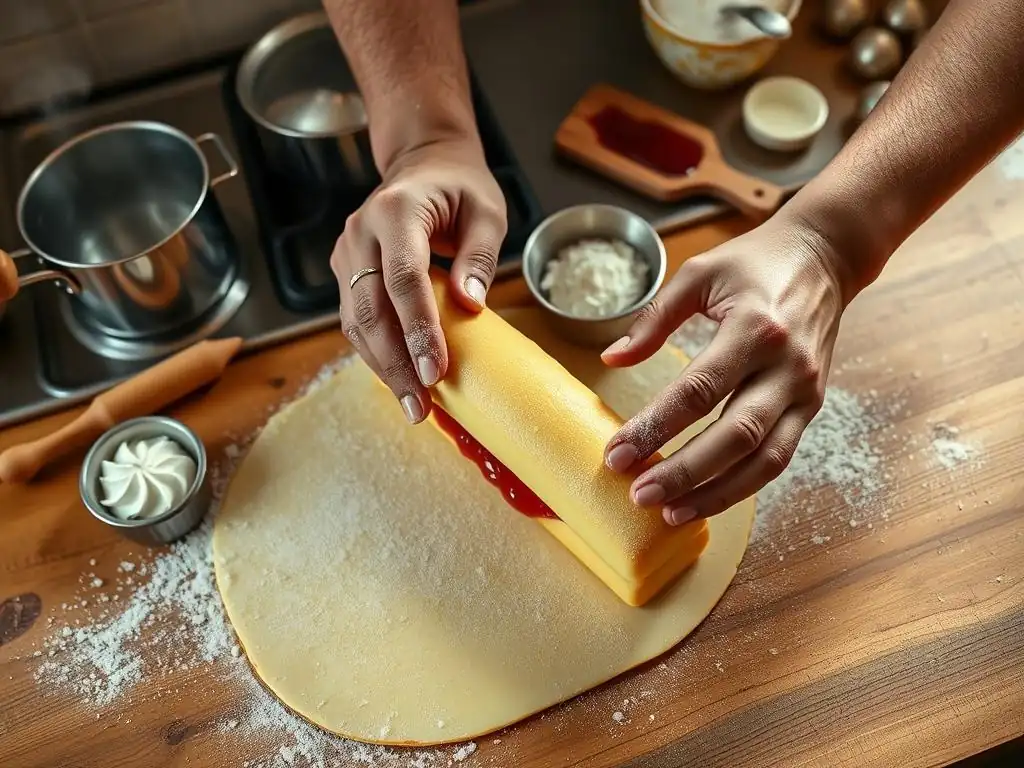
Presentation Matters: Elegant Slices
Serving a beautifully rolled pionono is part of the joy. Once filled and re-rolled, it's best to chill the pionono for at least 30 minutes (or longer for savory fillings) before slicing. Chilling helps the filling set and makes the cake firmer, allowing for cleaner cuts. Use a sharp knife, wiping the blade clean between each slice for the neatest presentation.
Slices are typically cut about 1 to 1.5 inches thick. Arrange them on a platter, showcasing the lovely spiral of cake and filling. For sweet piononos, a dusting of powdered sugar or a drizzle of sauce can enhance the visual appeal. Savory versions might be garnished with fresh herbs or a dollop of sour cream. The elegant spiral is the star, a testament to your successful Latin American pionono rolling technique.
Storing Pionono: Maintaining Freshness
Proper storage is key to keeping your homemade pionono fresh and delicious. Once sliced or kept whole, the pionono should be wrapped tightly in plastic wrap to prevent it from drying out. Store it in the refrigerator, especially if it contains perishable fillings like whipped cream, dairy-based fillings, or savory ingredients like meat or fish.
A filled and wrapped pionono will typically last for 2-3 days in the refrigerator. If you've made a large batch or want to save some for later, unfilled sponge cake can sometimes be frozen, wrapped very well, for up to a month. However, filled piononos, particularly those with delicate or creamy fillings, are best enjoyed fresh to appreciate the texture and flavor fully.
Conclusion: The Art of Pionono Perfection
Mastering the Latin American pionono rolling technique is a rewarding journey for any baker. It requires attention to detail at each stage, from achieving the perfect airy sponge batter to the crucial step of rolling the warm cake. While there might be a few cracks along the way as you learn, each attempt brings you closer to perfection.
The versatility of the pionono, whether filled with classic dulce de leche or a creative savory mix, makes it a wonderful addition to your baking repertoire. By understanding the role of key ingredients, practicing the rolling method, and knowing how to troubleshoot common issues, you can confidently create this delightful treat. So, gather your ingredients, preheat your oven, and embrace the art of rolling the perfect Latin American pionono!
Frequently Asked Questions
What is a Latin American Pionono?
A pionono is a type of jelly roll popular in Latin America. It's characterized by its thin, sponge cake base and usually filled with sweet or savory ingredients.
What makes the rolling technique for a pionono unique?
The pionono rolling technique emphasizes creating a tight, even roll while the cake is still warm. This helps prevent cracking and ensures a well-defined spiral when sliced.
Why is it important to roll the pionono while it's still warm?
Rolling the pionono while warm allows the cake to be more flexible and pliable. This makes it easier to shape and reduces the likelihood of it breaking or cracking.
Can I use any type of filling for a pionono?
Yes, piononos are incredibly versatile! You can use both sweet fillings, like dulce de leche or fruit preserves, and savory fillings, like ham and cheese or chicken salad.
What are some common mistakes people make when rolling a pionono?
Common mistakes include overbaking the cake, which makes it dry and brittle, and not rolling it tightly enough, which can lead to a loose and uneven roll.
Final Reflection: The Sweet Legacy of the Pionono
Mastering the pionono's delicate roll is more than just a culinary skill; it's a testament to the enduring power of tradition and the vibrant tapestry of Latin American culture. The seemingly simple act of rolling this sponge cake, as detailed in this article, reveals a deeper connection to the history and artistry inherent in Latin American baking. From the precise measurements to the gentle handling, each step reflects generations of knowledge passed down through families and communities.
The pionono's enduring popularity speaks volumes about its ability to transcend geographical boundaries and unite people through a shared culinary experience. It's a dish that evokes nostalgia, family gatherings, and the warmth of home. Food is symbolic of love when words are inadequate.
– Alan D. Wolfelt. This quote perfectly captures the emotional resonance of the pionono, a sweet treat that often carries more meaning than just its delicious taste. It's a symbol of heritage, a tangible link to the past, and a testament to the enduring power of culinary traditions.
Now, I invite you to consider your own culinary heritage. What recipes hold special meaning for you? What techniques, passed down through generations, do you cherish? Perhaps this exploration of the pionono's rolling technique has inspired you to revisit a cherished family recipe, or even to try your hand at creating your own version of this delightful treat. Embrace the challenge, savor the process, and share the joy of creating something beautiful and meaningful with those you love. The perfect pionono roll awaits your touch.
Unlock the Secrets to Pionono Perfection!
Thanks for joining us on this delicious journey into the world of Pionono! We hope you gained a deeper appreciation for this delightful Latin American treat and are ready to roll up your sleeves. Now it's time to put your newfound knowledge to the test!
- Bake your own Pionono masterpiece: Use our recipe (or your own creative spin!) to make a Pionono that will impress your friends and family. Don’t be afraid to experiment with fillings and flavors!
- Share your baking journey: Post a picture of your Pionono creation on social media and tag us – we'd love to see your results!
- Explore other BakeWithEase recipes: Discover more incredible baking adventures on our website, featuring a wide range of sweet and savory treats from around the globe.
Ready to roll? What unique filling will you experiment with in your next Pionono creation?