
How to Bake Venezuelan Golfeados (Sweet Anise Rolls)


Welcome to BakeWithEase, where the joy of baking is made simple! Ever dreamt of crafting authentic, mouthwatering pastries from around the world? Prepare to unlock the secrets of a Venezuelan classic: Golfeados. Our Easy Venezuelan Golfeados recipe guide is your passport to sweet, anise-infused perfection. Intrigued? Discover the surprisingly simple steps to create these iconic rolls and bring a taste of Venezuela to your kitchen. Let's get baking!
- Easy Venezuelan Golfeados Recipe: Bake Sweet Anise and Cheese Rolls at Home
- Discover the Authentic Taste of Venezuelan Golfeados
- Mastering the Art of Golfeado Dough: A Detailed Guide
- Crafting the Golfeado Filling: The Key to Sweet and Cheesy Delight
- Assembling and Shaping Your Venezuelan Sweet Rolls
- Baking Your Golfeados: Achieving a Golden-Brown Crust
- Tips & Tricks for Baking the Best Golfeados
- Enjoy Your Homemade Venezuelan Golfeados!
- Frequently Asked Questions
- Final Reflection: The Sweet Taste of Tradition and Connection
- Unlock the Sweetness: Bake Your Own Golfeados Today!
Easy Venezuelan Golfeados Recipe: Bake Sweet Anise and Cheese Rolls at Home
Discover the Authentic Taste of Venezuelan Golfeados
What are Golfeados? A Sweet and Savory Venezuelan Treat
Golfeados are a beloved pastry from Venezuela, particularly popular in the central region around Caracas. Imagine a sweet roll, similar in texture to a sticky bun or cinnamon roll, but filled with a unique combination of flavors: unrefined cane sugar (panela or papelón), aromatic anise seeds, and a touch of savory white cheese. This delightful contrast of sweet and salty, soft and slightly chewy, makes them instantly recognizable and incredibly addictive. Often served warm, sometimes drizzled with extra panela syrup, they are a staple at bakeries and roadside stands across the country.
These unique sweet rolls are typically shaped into a spiral, reminiscent of a golf ball's dimples (hence the name "golfeado," which loosely translates to "golfed" or "hit by a golf ball," though the exact origin of the name is debated). The dough itself is soft and enriched, providing a tender base for the flavorful filling. The inclusion of cheese might seem unusual in a sweet pastry to some, but it's a classic Venezuelan pairing that provides a subtle tang and creamy texture, balancing the intense sweetness of the panela and the distinct aroma of the anise seeds.
Why This Golfeados Recipe is Perfect for Home Bakers: Simplified Steps and Readily Available Ingredients
Baking authentic Venezuelan Golfeados at home might sound intimidating, but this easy Venezuelan Golfeados recipe guide is designed to make the process approachable and enjoyable for bakers of all skill levels. We break down each step, from preparing the dough to shaping the rolls and baking them to golden perfection. You don't need specialized equipment or advanced techniques to achieve delicious results. The instructions are clear, concise, and focus on the essential elements that give Golfeados their signature taste and texture.
Furthermore, the ingredients required for this Golfeados recipe are generally easy to find in most kitchens or local grocery stores. While panela is traditional, brown sugar can be used as a widely available substitute, and anise seeds are common in the spice aisle. We guide you on selecting the right type of cheese – a simple queso blanco or even mozzarella works well if traditional Venezuelan cheese is unavailable. This focus on accessibility ensures that anyone, anywhere, can experience the joy of baking and tasting these wonderful sweet anise rolls right from their own kitchen.
Mastering the Art of Golfeado Dough: A Detailed Guide
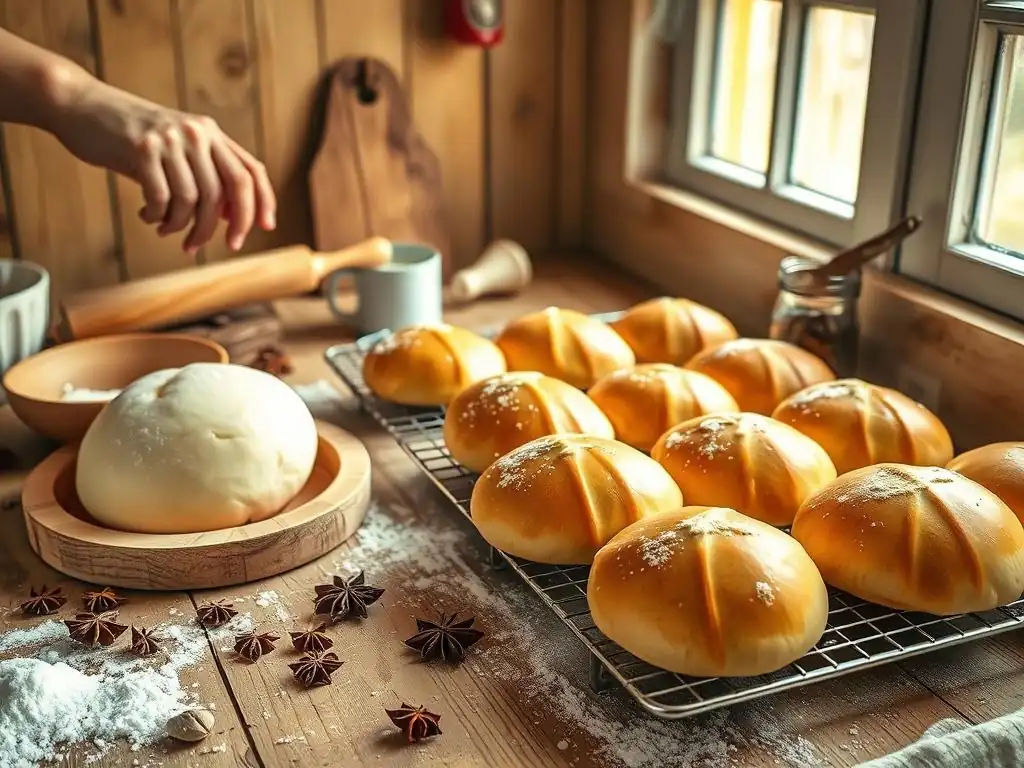
Ingredients for the Perfect Golfeado Dough: Flour, Milk, Yeast, and More
Creating the perfect Golfeado dough is the foundation of this easy Venezuelan Golfeados recipe. You'll need a combination of basic baking ingredients. All-purpose flour forms the structure, providing the chewiness characteristic of a good roll. Warm milk is crucial; it activates the yeast and contributes to a tender crumb. Active dry yeast or instant yeast is the leavening agent, making the rolls light and airy. Sugar feeds the yeast and adds a touch of sweetness to the dough itself, while salt balances the flavors.
Enriching ingredients like eggs and butter are also key. Eggs add richness, color, and help bind the dough, contributing to a soft texture. Unsalted butter provides moisture, tenderness, and flavor. Ensuring your butter is softened to room temperature makes it easier to incorporate smoothly into the dough. Using these simple ingredients, handled with care, will result in a pliable, elastic dough that's a joy to work with and yields wonderfully soft sweet rolls.
Mixing and Kneading the Dough: Achieving a Soft and Elastic Texture
The mixing and kneading process is vital for developing the gluten structure in the dough, which gives Golfeados their characteristic chewiness and ability to rise. Begin by combining the dry ingredients (flour, sugar, salt, yeast) in a large bowl. In a separate bowl, whisk together the warm milk, eggs, and melted butter. Gradually add the wet ingredients to the dry ingredients, mixing until a shaggy dough forms. You can do this by hand with a wooden spoon or in a stand mixer with the dough hook attachment.
Once the dough comes together, turn it out onto a lightly floured surface and begin kneading. Kneading develops the gluten, transforming the sticky mass into a smooth, elastic dough. Knead by hand for about 8-10 minutes, or using a stand mixer for 5-7 minutes, until the dough is no longer sticky, feels smooth and resilient, and springs back slowly when gently poked. This proper kneading is essential for achieving the desired soft texture in your finished sweet anise rolls.
First Rise: Allowing the Dough to Double in Size
After kneading, the dough needs time to rise, a process called fermentation, where the yeast produces carbon dioxide gas, causing the dough to expand. Lightly grease a clean bowl with a little oil or butter. Place the kneaded dough in the bowl, turning it to coat all sides. Cover the bowl tightly with plastic wrap or a clean kitchen towel.
Place the covered bowl in a warm, draft-free place. This could be a slightly warm oven (turned off), near a sunny window, or simply at room temperature if your kitchen is warm enough. The dough should double in size in approximately 1 to 1.5 hours, though the exact time can vary depending on the temperature of your environment and the type of yeast used. A successful first rise is crucial for light and airy Golfeados.
Crafting the Golfeado Filling: The Key to Sweet and Cheesy Delight
Ingredients for the Traditional Golfeado Filling: Panela, Anise Seeds, and Queso Blanco
The filling is what truly defines the unique flavor profile of Venezuelan Golfeados. The star ingredient is panela (also known as papelón or rapadura), an unrefined cane sugar with a rich, caramel-like flavor much deeper than brown sugar. Anise seeds provide a distinct, slightly licorice-like aroma and taste that is characteristic of these sweet rolls. The surprising addition is grated queso blanco, a mild, slightly salty white cheese that melts beautifully and creates a delightful contrast to the sweetness.
If panela is unavailable, dark brown sugar is the best substitute, though you might miss some of the complex notes panela provides. For the cheese, traditional queso blanco is ideal due to its mild flavor and good melting properties. However, if you can't find it, a low-moisture mozzarella or even a mild, firm white cheese like Monterey Jack can be used as an approximation, ensuring you still get that essential cheesy element in your easy Golfeados recipe.
Preparing the Panela Syrup: Dissolving Panela for a Rich Caramel Flavor
The panela (or brown sugar) is typically prepared into a thick syrup to create the base of the filling. This involves dissolving the grated or chopped panela in a small amount of water over low heat. Stir constantly until the sugar is completely dissolved and the mixture thickens slightly into a syrupy consistency. This process extracts the full, rich flavor of the panela, creating a deeply flavored caramel-like base that saturates the layers of the Golfeado rolls during baking.
Allow the panela syrup to cool slightly before using it in the filling. It should be thick enough to spread but still liquid. This syrup is crucial for the signature sticky, sweet interior of the Golfeados and helps bind the other filling ingredients together. Getting the consistency right is key to ensuring the filling doesn't run out during baking but coats the dough layers evenly.
Combining the Filling: A Balance of Sweetness, Spice, and Cheese
Once the panela syrup is prepared and slightly cooled, the filling is assembled. The panela syrup is spread over the rolled-out dough. Then, the anise seeds are generously sprinkled over the syrup. The amount of anise seeds can be adjusted to your preference, but they are essential for the authentic taste. Finally, the grated queso blanco is sprinkled evenly over the anise seeds and syrup.
This combination creates a harmonious blend of flavors and textures. The intense sweetness of the panela, the aromatic warmth of the anise, and the subtle saltiness and creaminess of the cheese work together to produce the unique Golfeado experience. Ensuring even distribution of the filling ingredients will guarantee that every bite of your homemade sweet anise rolls offers this delightful balance.
Assembling and Shaping Your Venezuelan Sweet Rolls
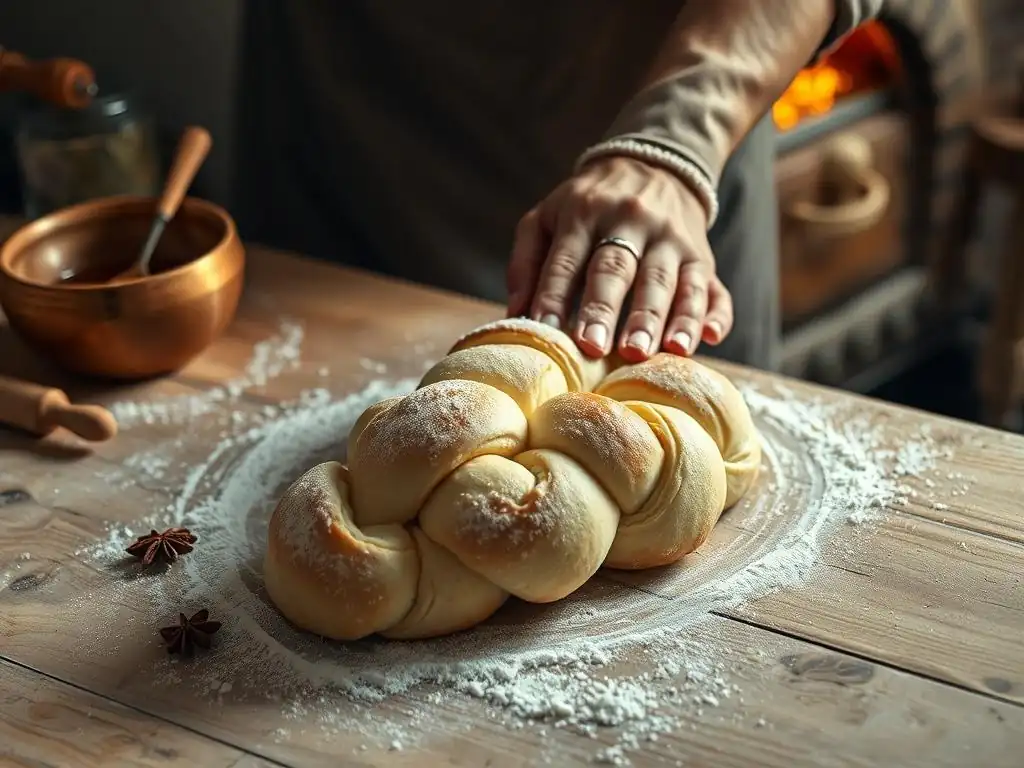
Rolling Out the Dough: Creating a Large, Thin Rectangle
After the first rise, gently punch down the dough to release the air. Turn the dough out onto a lightly floured surface. Using a rolling pin, roll the dough into a large rectangle. The goal is to achieve a thickness of about 1/4 to 1/3 inch (approximately 6-8 mm). Aim for a rectangle that is relatively uniform in thickness to ensure even baking and easy rolling.
The size of the rectangle will depend on the amount of dough, but a typical size might be around 12x18 inches or similar proportions. Rolling the dough to the correct thickness is important – too thick, and the rolls will be dense; too thin, and they might be difficult to handle and the filling could leak out. Take your time to achieve a consistent rectangle for the best results when shaping your Golfeados.
Spreading the Filling: Ensuring Every Bite is Packed with Flavor
Once the dough rectangle is rolled out, it's time to add the delicious filling. Start by spreading the prepared panela syrup evenly over the entire surface of the dough, leaving a small border (about 1/2 inch) along one of the longer edges blank. This border will help seal the roll later. Use a spatula or the back of a spoon to spread the syrup right to the other three edges.
Next, sprinkle the anise seeds generously over the syrup. Ensure they are distributed evenly across the surface. Finally, sprinkle the grated queso blanco over the anise seeds and syrup. Make sure the cheese is also spread evenly, covering the entire filled area. This layering of syrup, anise, and cheese is crucial for creating those pockets of flavor and gooeyness inside each sweet roll.
Shaping the Golfeados: The Signature Pinwheel Swirl
With the filling spread, it's time to shape the Golfeados. Starting from the long edge opposite the empty border, tightly roll the dough into a log. Try to keep the roll as tight as possible to create distinct layers and prevent the filling from escaping during baking. As you roll, gently tuck and press to ensure a compact log.
Once the log is formed, use a sharp knife or dental floss (unflavored) to cut the log into individual rolls. The thickness of the rolls is a matter of preference, but typically they are cut about 1.5 to 2 inches thick. Cutting with dental floss can give cleaner cuts, preserving the spiral shape better than a knife, which can sometimes compress the dough. Arrange the cut rolls, spiral side up, on a baking sheet lined with parchment paper, leaving some space between them as they will expand during the second rise and baking.
Second Rise: Allowing the Shaped Rolls to Proof
After shaping and cutting the Golfeados, they need a second rise, also known as proofing. This allows the yeast to work again, creating a lighter texture and helping the rolls expand into their final form before baking. Cover the baking sheet loosely with plastic wrap or a light kitchen towel.
Place the covered baking sheet in a warm, draft-free place, similar to the first rise. Allow the rolls to proof for approximately 30-45 minutes, or until they look visibly puffy and have increased in size by about 50%. They won't double in size like the first rise, but they should look plump and ready for the oven. Proper proofing ensures your baked sweet anise rolls are tender and well-risen.
Baking Your Golfeados: Achieving a Golden-Brown Crust
Baking Temperature and Time: 375°F (190°C) for 20-25 Minutes
Preheat your oven to 375°F (190°C). This moderate temperature is ideal for baking Golfeados, allowing them to cook through evenly without burning the exterior or the filling. Place the baking sheet with the proofed Golfeados in the preheated oven.
Bake for approximately 20-25 minutes. The exact baking time can vary depending on your oven and the size of your rolls. Begin checking around the 20-minute mark. The Golfeados are ready when they are golden brown on top and the edges are set, and the internal temperature (if you were to check with a thermometer, though not strictly necessary for rolls) would reach around 190-200°F (88-93°C).
Achieving the Perfect Golden-Brown Color: Brushing with Egg Wash
For an extra beautiful, golden-brown crust and a slight sheen, you can brush the tops of the Golfeados with an egg wash before baking. An egg wash is typically made by whisking one egg with a tablespoon or two of milk or water. Gently brush this mixture over the top surface of each roll just before placing the baking sheet in the oven.
This step is optional but highly recommended for achieving that appealing bakery-style appearance on your sweet anise rolls. The egg wash also helps create a slightly firmer crust, providing a nice textural contrast to the soft, gooey interior.
Cooling and Serving: Enjoying Warm Golfeados with a Cup of Coffee
Once baked, remove the Golfeados from the oven. They will be very hot, and the filling may be bubbling slightly. For the most authentic experience, Golfeados are best enjoyed warm. Allow them to cool on the baking sheet for just a few minutes before handling.
Traditionally, Golfeados are served warm, often drizzled with extra panela syrup if desired. They pair perfectly with a strong cup of coffee, hot chocolate, or a glass of milk. The combination of the warm, soft roll, the sweet panela, the aromatic anise, and the melted cheese is truly irresistible. This easy Venezuelan Golfeados recipe guide leads you to this delicious moment!
Tips & Tricks for Baking the Best Golfeados
Troubleshooting Common Golfeado Baking Problems: Dough Too Sticky, Filling Leaking
Even with an easy Venezuelan Golfeados recipe guide, you might encounter small challenges. If your dough is too sticky after kneading, add just a tablespoon or two more flour at a time and continue kneading until it reaches the desired smooth, elastic consistency. Avoid adding too much flour, as this can result in dry rolls.
If the filling seems to be leaking out during baking, it could be due to the roll not being sealed tightly enough when rolled, or the cuts being too shallow allowing the layers to separate excessively. Ensure you roll the log tightly and make clean cuts.
Another common issue is uneven baking. This might be resolved by rotating the baking sheet halfway through the baking time. If the tops are browning too quickly, you can loosely tent the rolls with aluminum foil. Patience during the rising stages is also key; rushing the rises can lead to dense rolls.
Variations and Additions: Experimenting with Different Cheeses Like Mozzarella or Adding Raisins
While the traditional Golfeado recipe uses panela, anise seeds, and queso blanco, feel free to experiment once you've mastered the basic technique. As mentioned, mozzarella is a good substitute for queso blanco if needed, providing a milder, stretchier cheese element. Some regional variations include adding a small amount of grated orange zest to the filling for a citrusy note that complements the anise.
Another popular addition is raisins. Soaked raisins can be sprinkled along with the anise seeds and cheese before rolling. This adds little bursts of sweetness and a chewy texture. You could also try sprinkling a pinch of cinnamon or a tiny amount of ground cloves, though anise is the dominant spice. These variations allow you to customize your sweet anise rolls while staying true to the spirit of the Golfeado.
Storing Your Golfeados: Maintaining Freshness and Softness
Homemade Golfeados are best enjoyed the day they are baked, ideally still warm. However, if you have leftovers, proper storage will help maintain their freshness and softness for a couple of days. Once completely cooled, store the Golfeados in an airtight container at room temperature. Avoid refrigerating them, as this can cause them to dry out and become stale more quickly.
To reheat, place a Golfeado in the microwave for 15-30 seconds or warm it in a preheated oven at a low temperature (around 300°F or 150°C) for 5-10 minutes. This will bring back some of their original warmth and softness. For longer storage, Golfeados can be frozen in an airtight container or freezer bag for up to 1-2 months. Thaw at room temperature and reheat before serving.
Enjoy Your Homemade Venezuelan Golfeados!
Frequently Asked Questions
What exactly are Venezuelan Golfeados?
Golfeados are sweet Venezuelan rolls characterized by their spiral shape and a filling that typically includes panela (unrefined cane sugar) and queso blanco (white cheese). They are often flavored with anise.
Where can I find panela if I don't live in Venezuela?
If you can't find panela, you can substitute it with dark brown sugar or even piloncillo. The taste will be slightly different, but still delicious.
Is it really an "easy" recipe, even for beginners?
Yes, the BakeWithEase guide aims to make this recipe approachable for beginners. The step-by-step instructions and readily available ingredients contribute to its ease.
What kind of white cheese is best for Golfeados?
Traditionally, queso blanco is used. If unavailable, a good substitute is Monterey Jack, mozzarella, or even a slightly salty farmer's cheese.
Can I freeze Golfeados after baking?
Yes, you can freeze them! Allow them to cool completely, then wrap them tightly in plastic wrap and foil. They'll keep for up to 2 months. Reheat in a low oven until warmed through.
Final Reflection: The Sweet Taste of Tradition and Connection
The enduring appeal of Venezuelan Golfeados lies not just in their deliciousness, but in their ability to bridge cultures and generations. These sweet anise rolls, seemingly simple in their ingredients, represent a powerful connection to heritage and a testament to the enduring power of shared culinary experiences. Their ease of preparation, as detailed in this guide, makes them accessible to everyone, regardless of baking experience.
Learning to bake Golfeados has been more than just mastering a recipe; it's been a journey into the heart of Venezuelan culture. The fragrant aroma of anise and the warm, comforting texture of the dough evoke memories and emotions far beyond the simple act of eating. Food is symbolic of love when words are inadequate.
– Alan D. Wolfelt. This quote perfectly encapsulates the significance of Golfeados, acting as a vehicle for expressing affection and sharing a piece of one's heritage. The process itself, from kneading the dough to the satisfying golden-brown bake, fosters a sense of connection to something larger than oneself.
Now, it's your turn. Don't just read this recipe; experience it. Gather your ingredients, invite friends or family, and let the sweet scent of anise fill your kitchen. As you bake these Golfeados, reflect on the connections you're creating – with your heritage, your loved ones, and the rich tapestry of Venezuelan culinary tradition. The result will be more than just delicious rolls; it will be a cherished memory, a taste of home, and a testament to the power of food to connect us all.
Unlock the Sweetness: Bake Your Own Golfeados Today!
Thanks for joining us on this delicious journey into the world of Venezuelan Golfeados! We hope you now feel confident and inspired to tackle this delightful treat. Ready to take your baking skills to the next level?
- Bake a batch of Golfeados using our recipe: We've provided all the details you need – now it’s time to get your hands floury and experience the magic firsthand!
- Share your baking adventure: Snap a photo of your beautiful Golfeados and share it on social media using #BakeWithEaseGolfeados – let's see your creations!
- Explore our other Latin American recipes: Dive deeper into the world of flavorful baking and discover new culinary delights on BakeWithEase.com.
So, what delicious Venezuelan treat will you bake next?